
A cancer diagnosis can shake lives, but in 2026 it is not the death sentence it once was. Scientists are becoming increasingly precise at striking tumours, developing technologies that ‘teach’ the immune system, designing vaccines tailored to each tumour's genetic signature, and using artificial intelligence (AI) and genomic data to reveal targets long hidden.
For every positive clinical result, pharmaceutical (pharma) companies stand to secure billions of dollars in revenue, attracting investment in biotechnology (biotech). Big drugmakers compete for partnerships and acquisitions, while venture capitalists look for the company that may unlock the next transformative therapy. Research requires capital to turn ideas into blockbusters, while investors wager that financing new life-saving technologies may create new markets and considerable wealth.
Cancer remains a problem in need of solutions. Around 54.2 million people worldwide are within five years of a cancer diagnosis, according to the International Agency for Research on Cancer estimates from 2024. In that year alone, 20.6 million new cases were recorded, and 9.8 million people died from the disease. As incidence rises, treatments advance, and patients live longer, the market expands in parallel.
Immunotherapies, targeted treatments, cell therapies, and personalised vaccines based on messenger RNA (mRNA) technology are opening new possibilities for patients who only a few years ago faced limited options. These advances are reshaping laboratories and drawing capital. The world’s largest pharma companies spend billions of dollars on oncology research and billions more acquiring and working with biotech firms, all in a race to secure the next big breakthrough before others do.
Cancer medicines are already some of the pharma industry’s most significant sources of revenue. Merck’s Keytruda generated $31.7bn in 2025, Johnson & Johnson’s Darzalex earned $14.35bn, and Bristol Myers Squibb’s Opdivo recorded sales of $10bn. In 2023, Pfizer paid $43bn for biotech company Seagen. This doubled Pfizer’s oncology pipeline.
According to the latest figures in the IQVIA Institute’s Global Oncology Trends 2025, spending on cancer medicines reached $252bn in 2024 (calculated at list prices and excluding other medical-care costs and supportive therapies). IQVIA expects that figure to rise to $441bn by 2029—a 75% increase in just five years. If so, the market will grow from an average of $21bn per month in 2024 to $37bn per month by 2029.
In the pharma industry, markets seldom wait for a treatment to reach the shelves before placing their bets. Success or failure in big, randomised trials can add or erase billions in market capitalisation within hours. As such, companies pursue experimental technologies that could give birth to entire families of treatments.
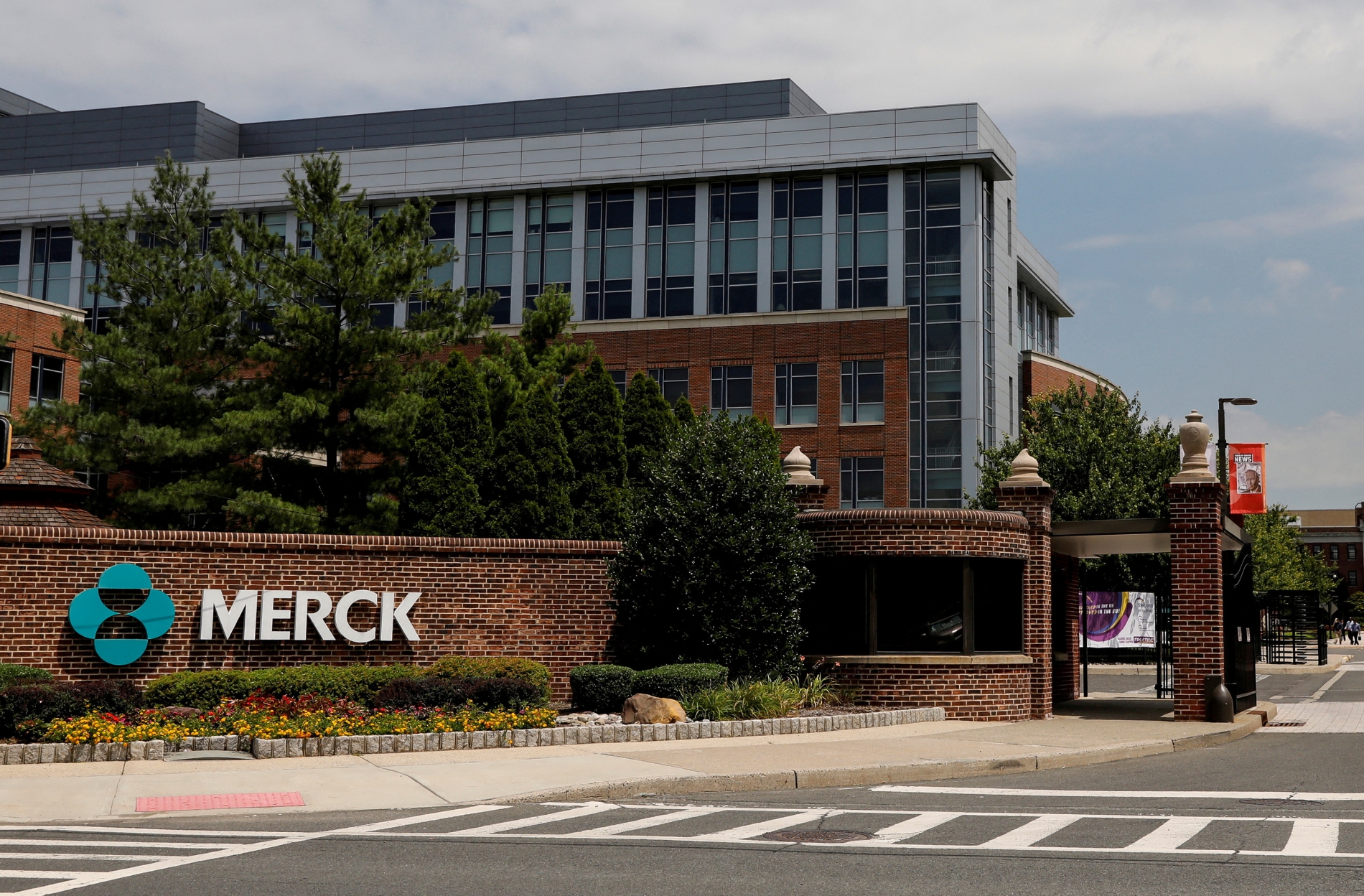
In the field of antibody-drug conjugates, American company Merck signed an agreement in 2023 with Japan’s Daiichi Sankyo valued at $22bn for the development and commercialisation of three experimental cancer therapies. Merck paid $4bn upfront, and a further $1.5bn later, but most of the deal’s potential value rests on future sales milestones. In cell therapy, Switzerland’s Roche acquired the US biotech company Poseida Therapeutics in 2025 for $1bn, with the total value potentially rising to $1.5bn. The acquisition bet on a new generation of off‑the‑shelf CAR‑T therapies. This type of immunotherapy reprogrammes a patient’s own immune cells (T-cells) to find and destroy cancer cells.
Cancer vaccines are attracting commitments of similar magnitude. Merck and Moderna are developing a personalised vaccine based on mRNA technology, while Germany’s BioNTech is pouring more of its scientific effort into oncology, spending $2.4bn on cancer research and development (R&D) in 2025.
On 19 August 2026, Moderna and Merck announced that their experimental personalised cancer vaccine had achieved the primary endpoint of a Phase III trial in patients with high‑risk melanoma when administered alongside Keytruda. They did not release detailed data but said the treatment had extended the period before the cancer returned and reduced the likelihood of its spread. Moderna’s shares rose 177% in the next trading session, adding almost $45bn to its market value, while Merck’s shares climbed 12.6% to a record high.