Fighting cancer with cancer: new vaccine raises hopehttps://en.majalla.com/node/332865/science-technology/fighting-cancer-cancer-new-vaccine-raises-hope
Last month, two major pharmaceutical companies released cancer drug trial results that excited oncologists. The results showed that a vaccine can be designed from the genetic features of a patient’s own tumour and used to train their immune system to hunt down any malignant cells still lingering in the body after surgery. After several false dawns, can customised medicine now be harnessed against the world’s second leading cause of death globally after cardiovascular disease?
The big news broke on 19 August, when Moderna and Merck announced the first-ever positive results from a Phase III trial of a tailored messenger RNA (known as mRNA) vaccine given alongside immunotherapy after surgery for high-risk melanoma, a form of skin cancer (the vaccine is known as intismeran autogene, and the immunotherapy was pembrolizumab).
The vaccine is built around neoantigens uniquely tailored for each patient. Neoantigens are newly formed proteins or peptides that appear on the surface of cancer cells due to DNA mutations. Scientists caution that there is still no “cancer vaccine,” that the treatment is experimental (i.e. not yet approved for clinical use), and that the firms were yet to publish the trial’s full numerical results at the time of writing. Nevertheless, excitement among oncologists is building over what could be a game-changer.
A ‘cancer vaccine’ encompasses two different treatment paths. One is vaccines that prevent infections that can cause cancer. They do not target cancer cells, but block the routes cancer can take to develop. The other is therapeutic vaccines, given to people who already have cancer or whose tumour has been removed but who remain at risk of recurrence. The purpose of these therapeutic vaccines is to teach the immune system to recognise markers carried by cancer cells and to generate T-cells (a type of white blood cell) capable of finding and destroying them.
So far, sipuleucel-T (marketed as Provenge) is the best example of a therapeutic cancer vaccine approved by the US Food and Drug Administration. It is used in some men with metastatic prostate cancer that no longer responds to hormone therapy and who have few or no symptoms. The treatment is made from immune cells collected from the patient, exposed to a protein associated with prostate cancer, then returned to the body to stimulate an immune response against the tumour.
Oncolytic virus therapies occupy a related but distinct category because they work through a different mechanism than vaccines (whose principal purpose is to train the immune system to recognise tumour antigens). Many oncolytic virus therapies are experimental, and their efficacy is debated. Preventive vaccines, by contrast, have been shown to reduce the burden of infection-related cancers.
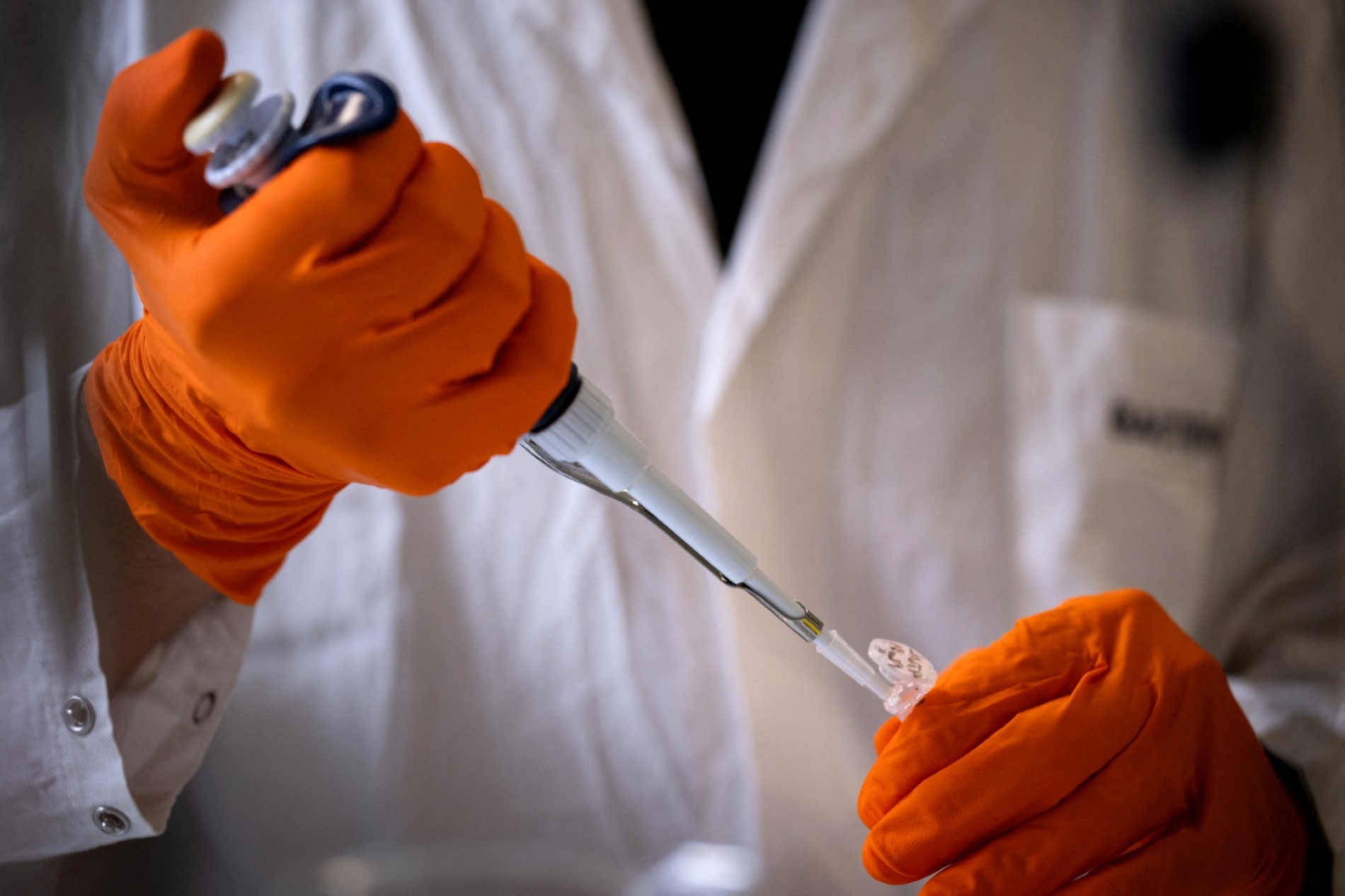
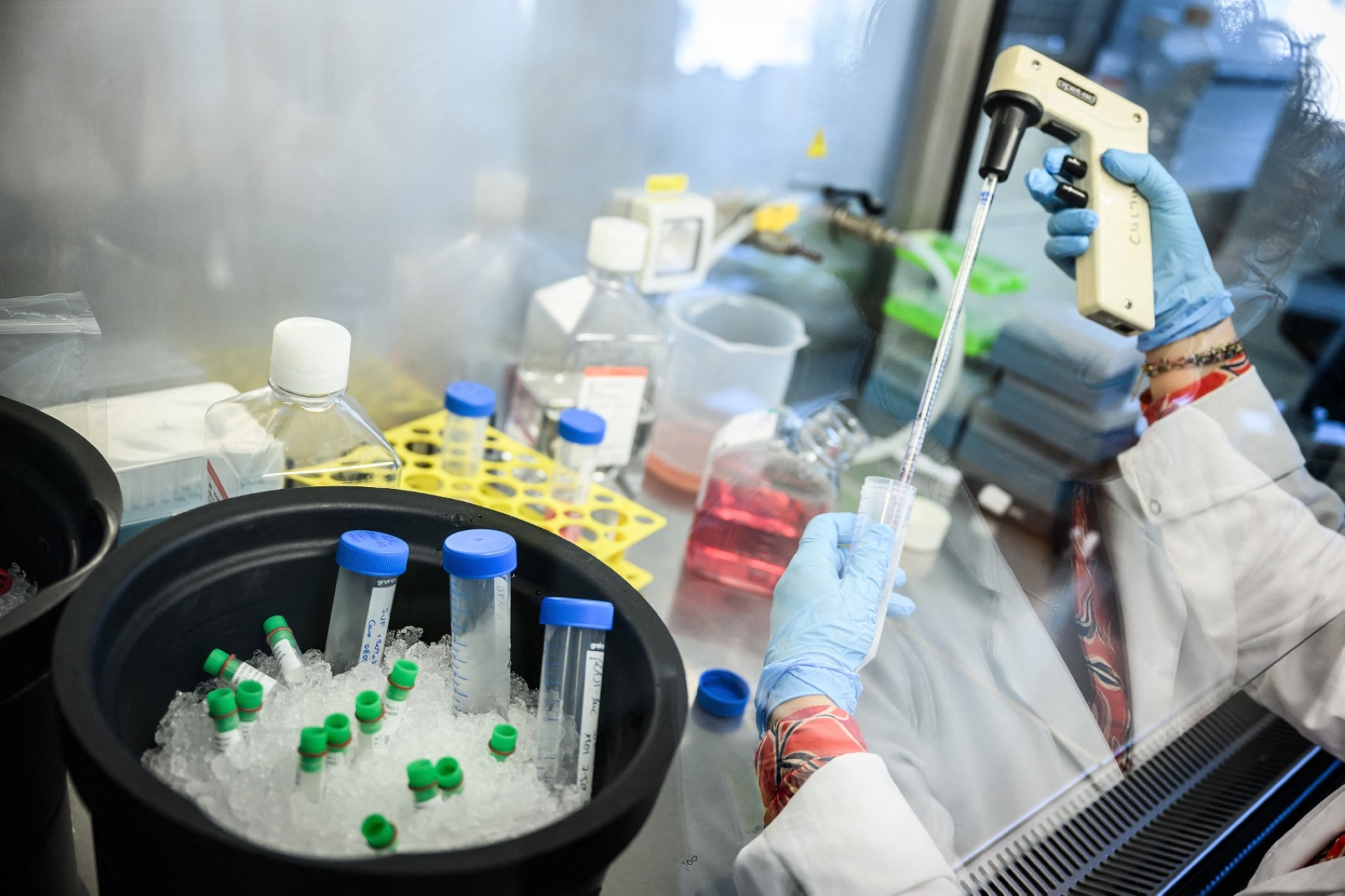
A laboratory technician prepares enzymes used to make individualised cancer vaccine (TG4050) at the Transgene molecular biology laboratory, in Illkirch-Graffenstaden, eastern France, on 27 August 2025.
In June 2026, The Lancet published an analysis of mortality data from England from 2001-24. Between 2020-24, it found no deaths from cervical cancer among women aged 20-24 years, a group whose preventive HPV vaccination coverage at the age of 12-13 had been 88-90%. Historically, every year, around 23 deaths from this cancer would have been expected in this age group.
As such, researchers say vaccination appears to have prevented around 200 cervical cancer deaths in young women in England by the end of 2024. The study was observational and therefore cannot establish absolute protection, but it is the strongest national-level evidence so far that HPV vaccination reduces mortality as well as the incidence of cervical cancer.
The most important advance comes from neoantigens, the newly formed proteins or peptides that appear on cancer cells due to DNA mutations
Spotting mutations
The key difficulty in developing therapeutic cancer vaccines relates to the nature of the cancer cell itself. A cancer cell is not wholly foreign to the body; it is a human cell that has acquired mutations, allowing it to grow without restraint. Many of the proteins it carries are also found in healthy cells. From early on, the immune system learns to tolerate the body's normal components, rather than attack them, so a vaccine directed against a protein shared by tumour cells and healthy tissue can provoke only a weak immune response. If the response is too strong, however, it could damage normal cells.
Differences in tumours are another big obstacle. Cells can differ from one another even within the same tumour, while the tumour itself evolves over time. For instance, it may lose the marker recognised by the immune system, or stop displaying that marker on the surface of its cells, allowing some malignant cells to escape detection. Factors such as this help explain why decades of research into tumour vaccines have yet to yield broad clinical success.
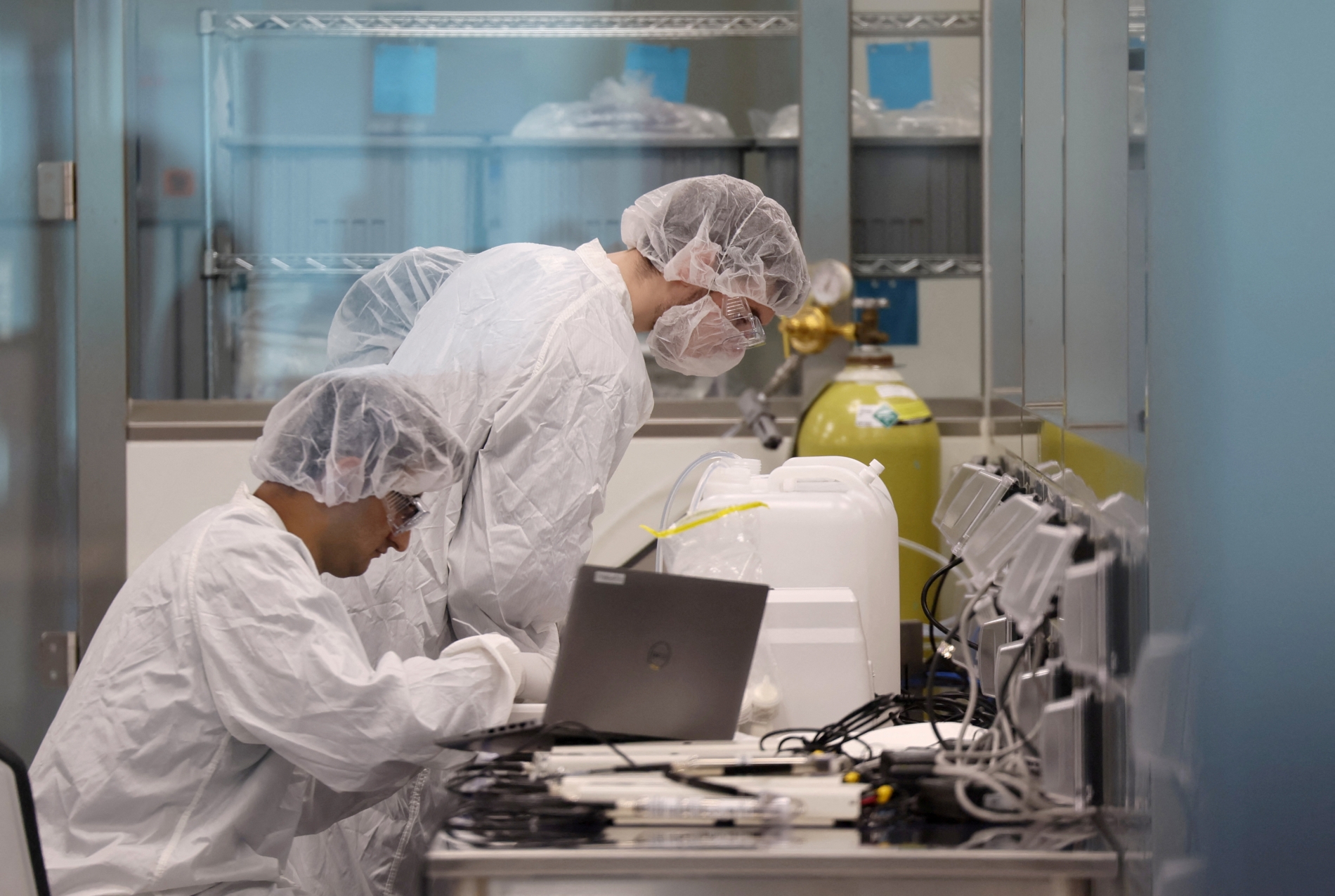
Employees train to be cell therapy specialists at Gilead unit Kite's manufacturing facility in Frederick, Maryland, US, on 14 March 2024.
Yet a review published in Nature Medicine in March 2026 argued that we are entering a new phase, citing the encouraging results from Phase I and II trials, combined with advances in antigen selection (antigens are any substance that triggers an immune response) and vaccine-delivery technologies. The approach appears especially promising when vaccines are used earlier in the course of the disease and after surgery, when the amount of cancer left in the body is relatively small.
The most important advance has come from what are known as neoantigens, the newly formed proteins or peptides that appear on cancer cells due to DNA mutations. When a mutation occurs within a cancer cell, it can produce a protein that is absent from normal tissue. The cell may then break that protein into small fragments and display them on its surface. To the immune system, such a fragment can resemble a foreign flag, a marker that helps distinguish malignant cells from the body's healthy tissues.
The difficulty is that these mutations vary from one patient to another. This is where genetic sequencing, artificial intelligence (AI), and messenger RNA (mRNA) have transformed the field. With a customised vaccine, researchers take a sample of the tumour and compare its DNA with the patient's healthy DNA. They then identify mutations specific to the patient's cancer and predict which are most likely to generate antigens that immune cells can recognise.
A vaccine is then manufactured with the necessary instructions. Patients with skin cancer are therefore not all given the same vaccine. Each vaccine is designed for each individual patient. The mRNA vaccine (intismeran autogene) given by Moderna and Merck alongside immunotherapy in the recent Phase III melanoma patient trial can be designed to carry mRNA encoding as many as 34 neoantigens specific to an individual patient's tumour.
Once administered, cells temporarily produce these proteins and present them to the immune system, enabling T-cells to learn the range of targets they are expected to recognise and attack. In the trials, the vaccine was given alongside pembrolizumab, a drug that releases one of the immune system's 'brakes' on T-cells. The treatment therefore combines two complementary mechanisms: the vaccine teaches the immune system what to look for, while pembrolizumab helps T-cells sustain their attack.
The Phase II trial provided the first persuasive evidence that the strategy could work. After a median follow-up of five years, the combination of the vaccine plus pembrolizumab was associated with a 49% reduction in the risk of melanoma recurrence or death, and a 59% reduction in the risk of distant metastasis or death, compared with just pembrolizumab alone. Would that hold up in a much larger study?
That was the test in the Phase III INTerpath-001 trial, which enrolled 1,137 patients whose high-risk cutaneous melanoma (from Stage 2B to Stage 4) had been surgically removed. On 19 August 2026, Moderna and Merck announced that the trial had met its primary endpoint of improving recurrence-free survival, as well as a key endpoint measuring distant metastasis-free survival. Compared with pembrolizumab alone, the differences were statistically significant and clinically meaningful.
However, the 49% and 59% reductions come from the long-term follow-up of the Phase II trial and should not be attributed to Phase III. Full results are expected later, and the companies say they will discuss regulatory submissions with the authorities. But just a week later, another result offered a sharp reminder that mRNA technology is no guarantee of success.
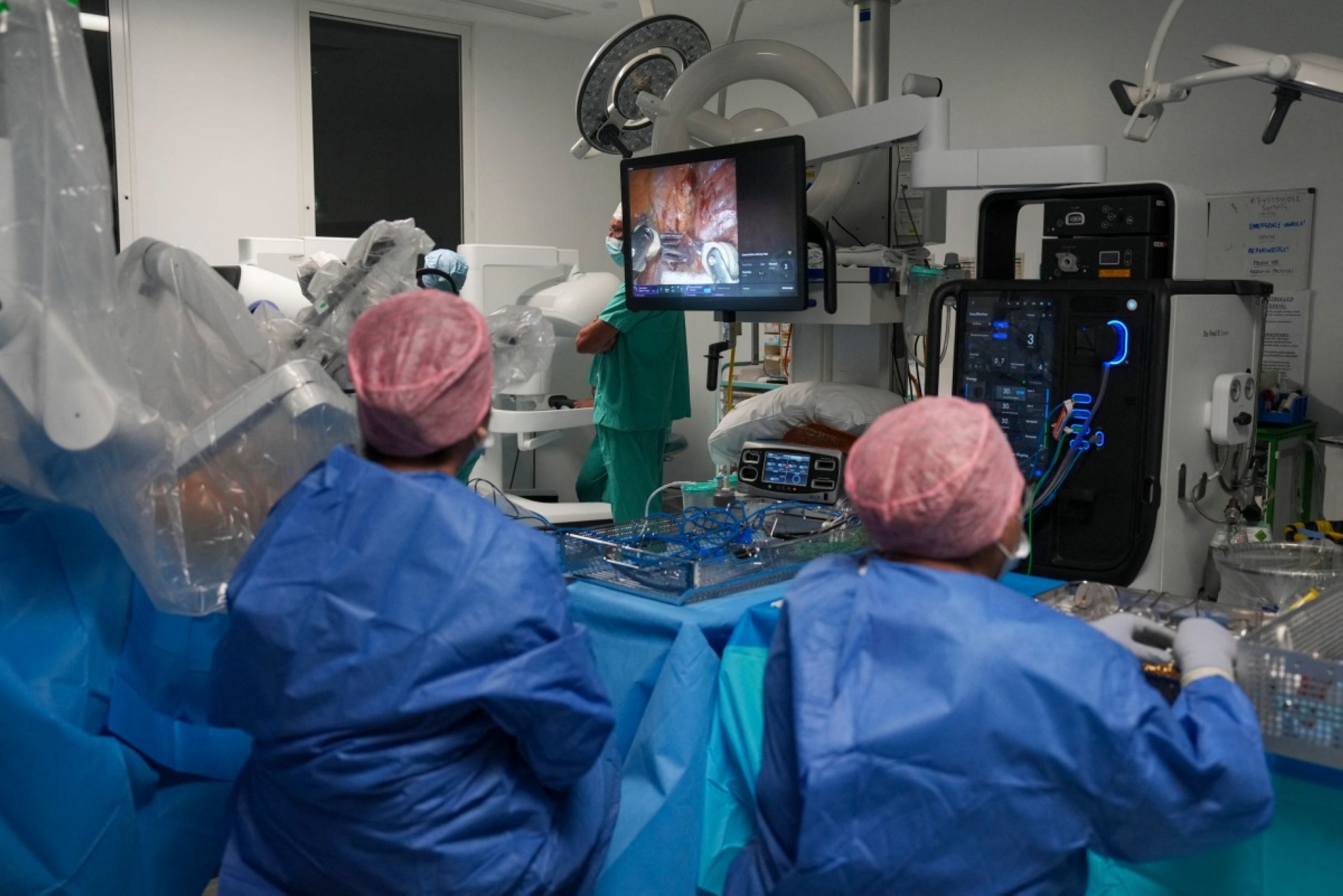
Nurses assist in lung cancer surgery using the new Da Vinci 5 robotic-assisted surgical system at St Bartholomew's Hospital in London on 3 July, 2026.
No universal solution
On 28 August, BioNTech and its partner Genentech announced that they were terminating a Phase II trial of a customised vaccine (known as autogene cevumeran) in patients with high-risk colorectal cancer who had undergone surgery and chemotherapy, but who still had detectable circulating tumour DNA. It followed an independent review concluding that the trial was unlikely to demonstrate an improvement in overall survival.
The review also identified a numerical imbalance in deaths between the two groups. The study did not establish that the vaccine technology itself caused the excess deaths. Even so, the findings brought the trial to an end and underscored a central lesson of cancer immunology: success in melanoma cannot simply be extrapolated to every tumour type.
Melanoma often carries a heavy mutational burden, so it is 'more visible' to the immune system. Other tumours may contain fewer potent antigens or surround themselves with a profoundly immunosuppressive microenvironment that blunts the immune response. Pancreatic cancer is a case in point. It is a classic example of an immunologically 'cold' tumour, one that typically provokes only a limited immune response.
In an early study involving 16 patients whose pancreatic cancer had been surgically removed, researchers used autogene cevumeran, individually tailored for each participant, alongside immunotherapy and chemotherapy. The vaccine generated strong T-cell responses in eight of the 16 patients.
After a median follow-up of 3.2 years, median recurrence-free survival had still not been reached among the eight patients who mounted an immune response. Among the eight in whom the vaccine produced no measurable response, it was 13.4 months. Some of the T cells induced by vaccination also persisted for years, and researchers estimated the median lifespan of certain T-cell clones at 7.7 years.
The study was small and non-randomised, so it cannot establish that the vaccine delayed recurrence. A larger randomised trial is now underway, and development of the vaccine in pancreatic cancer is continuing despite the termination of its colorectal cancer trial.
In February 2026, Nature published long-term follow-up results from another tailored RNA vaccine, this time given to 14 women with triple-negative breast cancer after their initial treatment. Almost all participants developed T-cell responses against multiple neoantigens, while some vaccine-induced immune cells persisted for years. Eleven of the women remained free of recurrence for up to six years after vaccination.
Again, the number of participants was very small, and there was no control group from which to conclude that the vaccine itself prevented recurrence, yet it showed that a tailored vaccine can generate durable immune memory, one of the fundamental requirements for an effective cancer vaccine.
A woman works on a lung cancer vaccine on 1 October, 2023, at the Ose Immunotherapeutics laboratory in Nantes.
Beyond treatment
The future of cancer vaccination is unlikely to rest on RNA alone. Last month, Nature Communications published a small, randomised trial of a customised vaccine known as TG4050. It uses a modified virus to deliver up to 30 neoantigens selected according to the mutations present in each patient's head and neck cancer.
Among 16 patients who had the vaccine after standard treatment, no recurrences were observed after a median follow-up of 30 months. Immune responses against the targeted antigens were also detected in roughly 73% of patients who received the vaccine early. This was a Phase I trial involving only a small number of participants, and its primary purpose was to assess safety. The apparent efficacy signal will therefore need confirmation in larger studies.
Perhaps the most ambitious idea to gain momentum in 2026 is the attempt to move beyond treating tumours after they appear and towards intercepting cancer before it becomes invasive. This is being tested in people known to be at risk owing to inherited genetic mutations.
In January, Nature Medicine published a study of a vaccine called NOUS-209 in 45 people with Lynch syndrome, an inherited condition that substantially increases the risk of colorectal, endometrial, and several other cancers. Unlike customised vaccines manufactured separately for each patient, NOUS-209 contains a ready-made set of 209 neoantigens generated by recurrent mutations found in tumours associated with defective DNA repair.
Among the 37 participants whose immune responses could be evaluated, every one developed a T-cell response. In 85%, that response remained detectable after one year. No serious treatment-related adverse events were reported. Although the study did not show that the vaccine prevents cancer (its main aims were to assess safety and immune response), it did show that the immune system can be trained in advance to recognise mutations likely to arise as precancerous cells evolve towards malignancy.
Pancreatic cancer provides an even bolder test of the idea. In July 2026, researchers published the first human trial of mKRAS-Vax, a vaccine targeting six common mutations in the KRAS gene. The study involved 20 people with an inherited predisposition to pancreatic cancer who also had pancreatic abnormalities visible on imaging, although none had developed invasive disease.
The vaccine generated an immune response against KRAS (a gene that acts as a molecular 'on/off switch' to control normal cell growth and division) in 18 of the 20 participants, or 90%, and some T-cell clones persisted for up to two years. None of the participants developed pancreatic cancer during a median follow-up of 16.5 months.
That finding does not mean the vaccine prevented every cancer that would otherwise have occurred; the study involved only 20 people, had no control group, and followed participants for a relatively short period for a disease that can take years to emerge. Still, it helped to prove the principle that people who are healthy but at risk might one day be vaccinated against a cancer-driving mutation before a tumour develops.
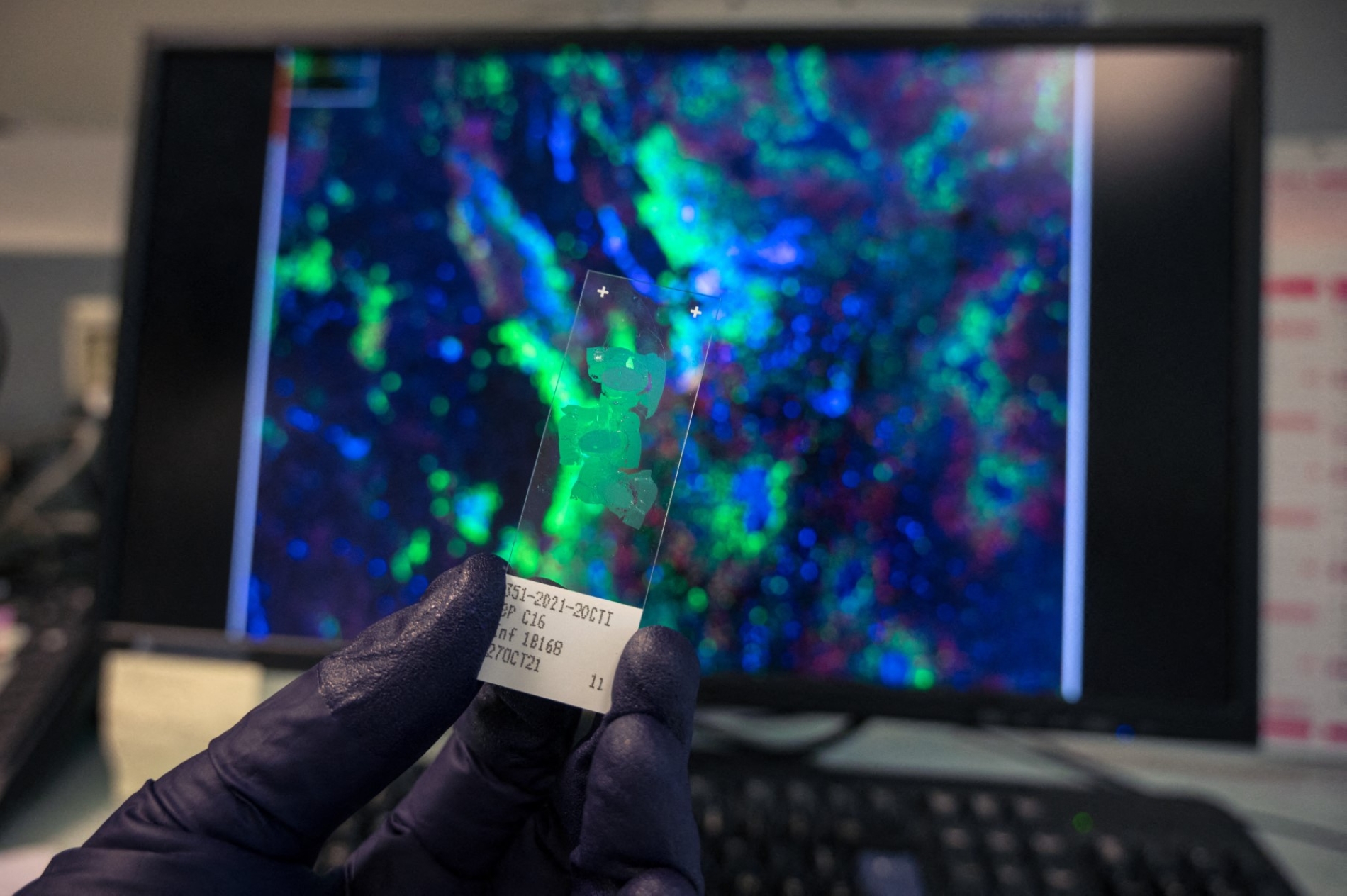
A laboratory test at the Transgene biotech firm, which is working to develop a neoantigen cancer vaccine, in Illkirch-Graffenstaden, eastern France.
Shared vs specific
The field is now advancing along two broad paths. The first is the customised vaccine. Its main advantage is that it selects targets drawn specifically from one's own tumour, reducing the likelihood that those targets will also be found on healthy tissue. The downside is that it can be difficult to manufacture. It requires an adequate tumour sample, genomic sequencing, and computational selection of antigens before work begins on producing, testing, and delivering the finished vaccine. In one early breast-cancer study, manufacturing took on average 69 days. Newer commercial platforms may be quicker.
The second path is developing off-the-shelf, or shared, vaccines. These target mutations or antigens found across larger groups of patients, such as KRAS mutations, or the recurrent neoantigens associated with Lynch syndrome. These vaccines can be manufactured in advance, stored, and distributed much like conventional medicines. The downside is that they will not suit every tumour and may be less able to capture the distinctive genetic diversity of an individual patient's cancer.
One lesson is becoming increasingly clear: vaccines may be least effective when they are asked to confront a large mass of advanced cancer. A bulky tumour can contain billions of genetically diverse cells, create an environment that suppresses immune activity, and evolve before the immune system can bring it under control. After surgery, by contrast, only a small number of microscopic cancer cells may remain scattered through the body.
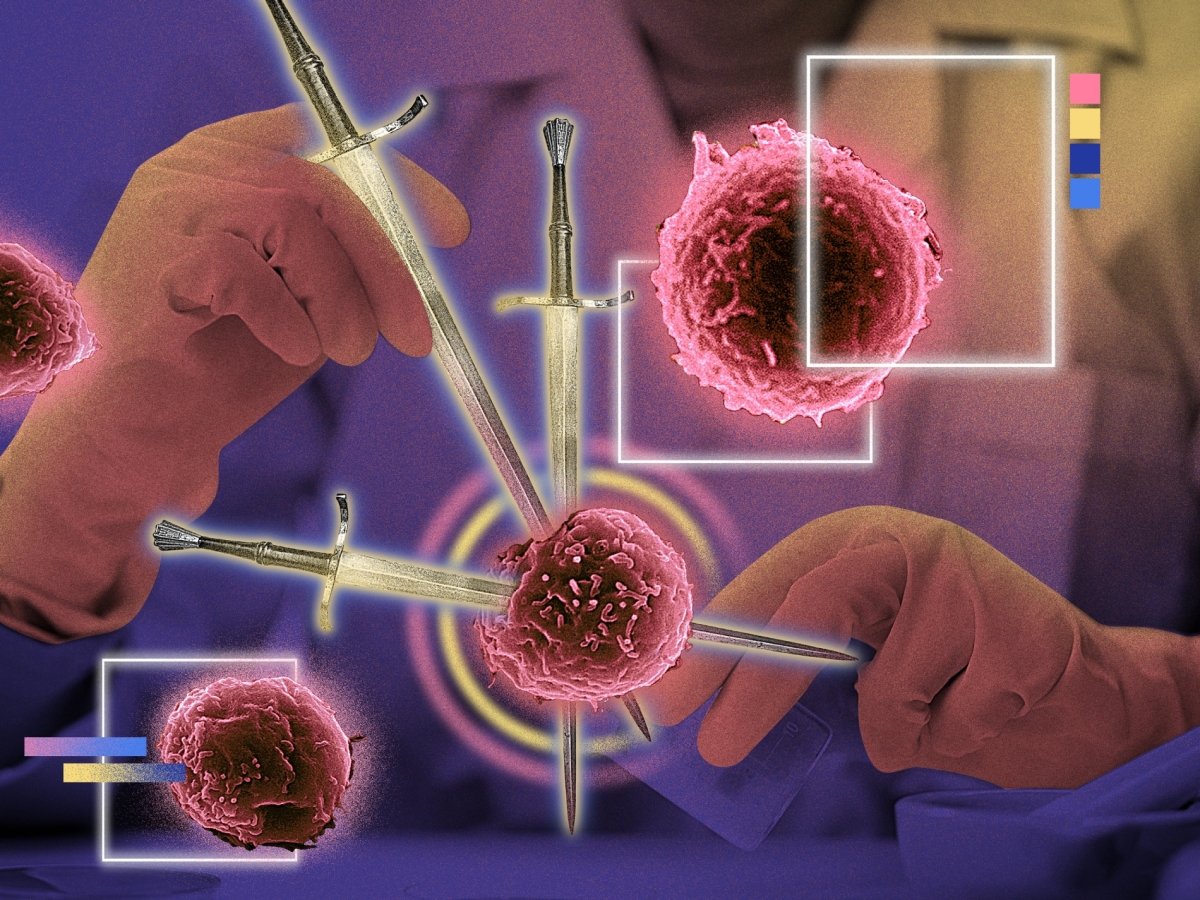
The task then resembles training an army to hunt down a handful of concealed enemies rather than sending it in against a fortified city. For this reason, a recent review in Nature Medicine identified post-surgery and pre-surgery as some of the more promising areas for cancer vaccines, when the tumour burden is lower, and the immune system may have a better chance of mounting an effective response.
As 2026 rolls on, medical researchers have not yet produced a universal 'vaccine against cancer' of the kind beloved of tabloid newspapers, yet they are busy providing some of the strongest evidence that the immune system can be trained to recognise the distinctive molecular fingerprint of an individual tumour. Their work invites the enticing prospect that one day, we will not even have to wait for cancer to appear.