Smart drugs can now spot the chinks in cancer’s armourhttps://en.majalla.com/node/332864/science-technology/smart-drugs-can-now-spot-chinks-cancer%E2%80%99s-armour
Smart drugs can now spot the chinks in cancer’s armour
This killer disease evolves to hide and avoid detection from the cells that would destroy it, but as recent trials show, scientists are wising up to cancer’s defences
Ada Z Shen
Smart drugs can now spot the chinks in cancer’s armour
Cancer treatment today is no longer just about destroying as many cancer cells as possible. Surgery, chemotherapy, and radiotherapy are still needed to treat many tumours, but oncologists now want to know where your tumour is vulnerable and how that weakness can be exploited without damaging your healthy cells.
This shift in focus has changed cancer diagnosis. Knowing where a tumour first appeared is often no longer enough to determine treatment. Two lung cancers may look similar under a microscope, but they can carry different mutations, and these may be targeted and treated with different drugs. Another lung cancer may be more susceptible to immunotherapy.
Genetic mutations, proteins expressed on the surface of cancer cells, and the tumour’s immune profile all increasingly play a big role in treatment decisions, particularly in cancers of the lung, breast, colon, and blood. Biomarkers are biological indicators that show what is happening inside a cell or organ, and the US National Cancer Institute now regards ‘biomarker testing’ as one of the foundations of precision medicine, because it can help identify treatments from which a patient is more likely to benefit, while avoiding those less likely to help.
There are grounds for cautious optimism. In its 2026 report, the American Cancer Society announced that the five-year relative survival rate for all cancers in the US had hit 70% for the first time among people diagnosed between 2015-21. Fifty years ago, it was 49%. In 1991, the US cancer death rate was 34%, but it has been falling ever since. Statisticians think this equates to around 4.8 million lives saved.
Encouraging though they are, these figures conceal big differences between cancers and between stages of the disease. Cancer is still not a simple illness, and not all patients benefit equally from advances in treatment. Worldwide, it still killed nearly ten million people in 2024, according to the World Health Organisation (WHO). In 2022, there were around 20 million new cases of cancer diagnosed. By 2050, that is expected to rise to 35 million because more people are living longer and are exposed to high-risk factors.
Lung cancer is still the most common form (and one of the most deadly), followed by breast and colorectal cancer, yet around 37% of cancers are thought to be preventable. Tobacco accounted for about 15% of cases, followed by infections (10%) and alcohol (3%). The International Agency for Research on Cancer estimates that 4.5 million deaths, or 48% of cancer deaths in 2022, could have been prevented, as most were linked to risk factors that could have been reduced or avoided. The rest might have been prevented through earlier detection and/or timely access to curative treatment.
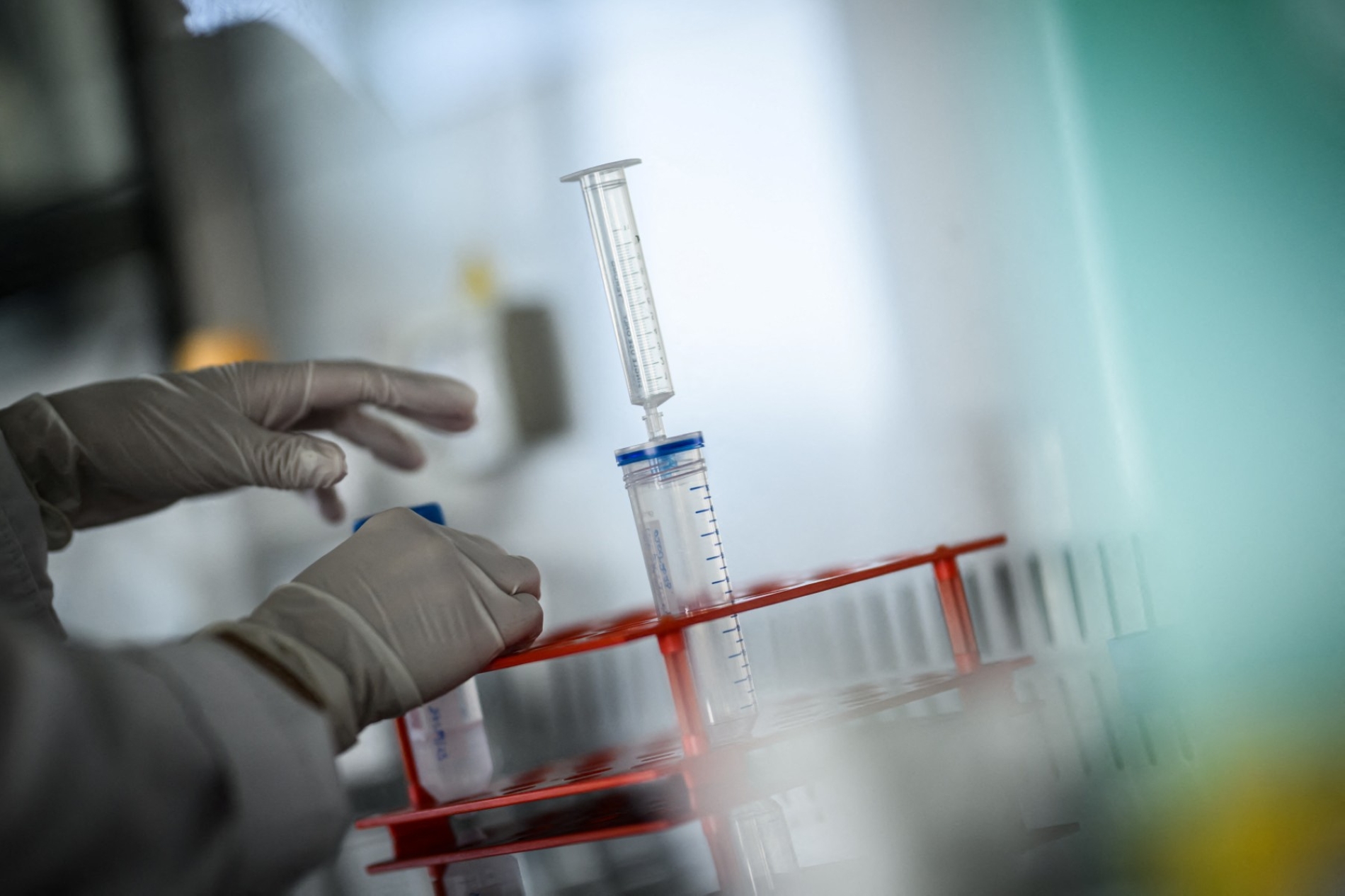
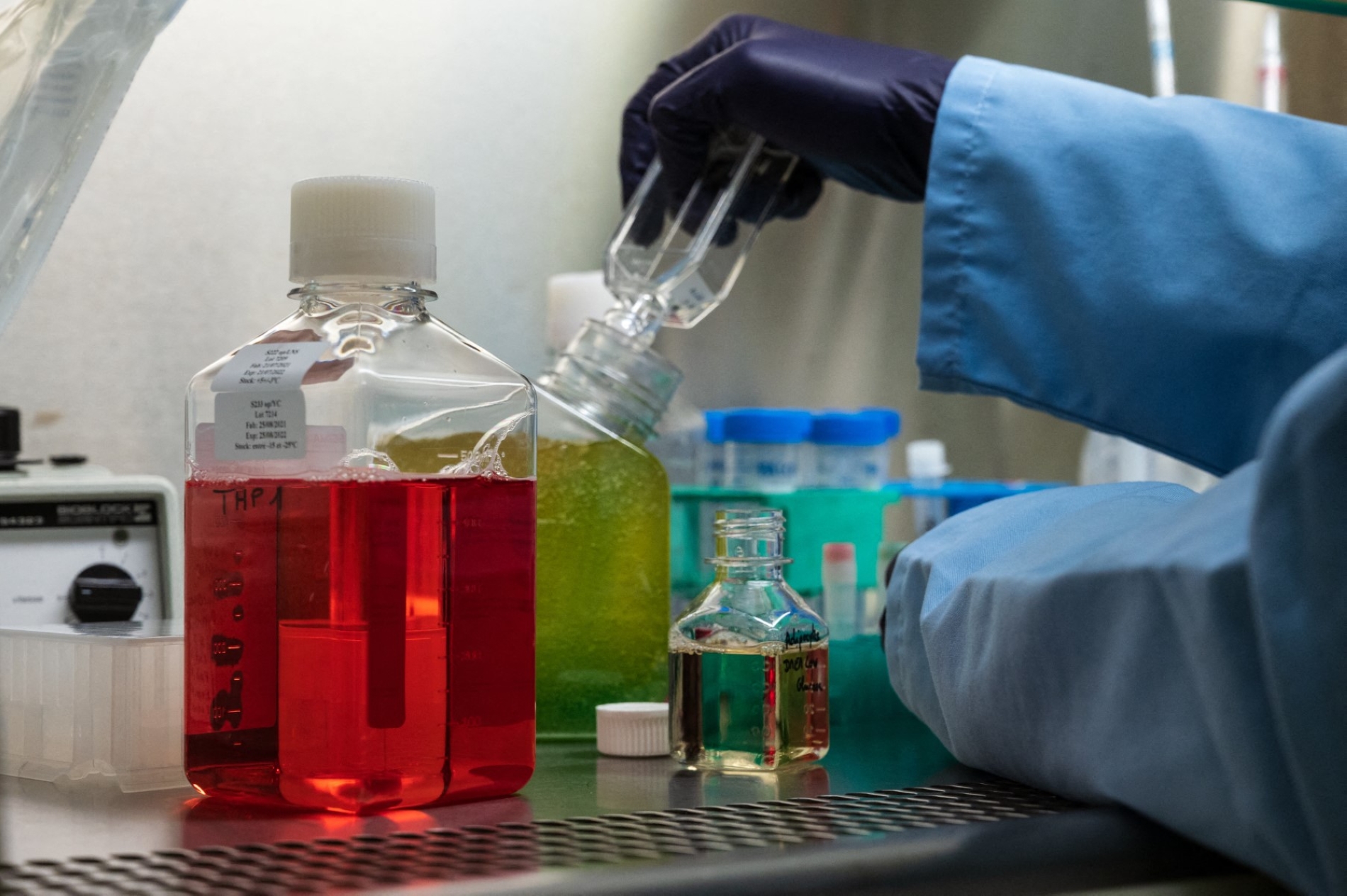
A woman works on a lung cancer vaccine on 1 October 2023, at the Ose Immunotherapeutics laboratory in Nantes.
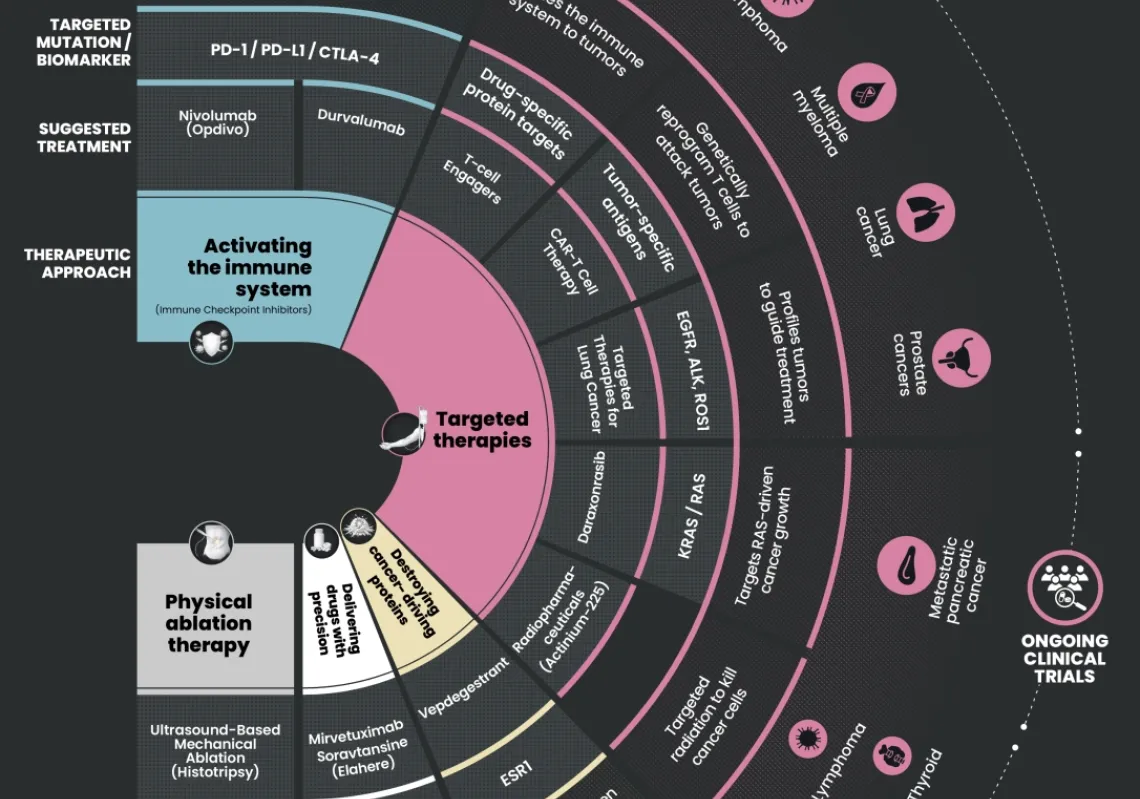
Immunotherapy has been one of the most important developments in cancer treatment in the 21st century. Cancer cells can evolve in ways that allow them to evade immune attack, including by exploiting natural ‘checkpoints’ that prevent the immune system from damaging the body’s own tissues. Drugs known as immune checkpoint inhibitors target specific proteins which effectively release some of the restraints on the immune response, helping T-cells (white blood cells important in the immune response) recognise and attack certain tumours, rather than killing cancer cells directly.
Advanced melanoma (a type of skin cancer) is a good example. After ten years of follow-up, median overall survival reached 71.9 months among patients treated with a combination of nivolumab and ipilimumab (two immunotherapy drugs), compared with 19.9 months among those who received ipilimumab alone. It shows that for some patients, immunotherapy can achieve long-term control even of metastatic cancer.
Raft of approvals
In March 2026, the US Food and Drug Administration (FDA) approved nivolumab (marketed as Opdivo) in combination with chemotherapy for previously untreated patients aged 12 and over with Stage 3-4 classical Hodgkin's lymphoma (a type of blood cancer that starts in the lymphatic system). The approval was based on a trial involving 994 patients, in which the nivolumab combination reduced the risk of disease progression or death by about 58%.
Cancer treatment today is no longer just about destroying as many cancer cells as possible
The result reflects an important trend in cancer treatment: established therapies are increasingly being combined with immunotherapies and targeted drugs, with regimen choice tailored more closely to the individual patient. Still, immunotherapy does not work equally well for everyone. Some tumours are immunologically 'hot' (immune cells, or T-cells, are already present but held in check); others are 'cold' (in conditions that prevent T-cells from reaching them). In such cases, simply releasing the immune system's brakes may not be enough.
To this end, researchers have developed T-cell engagers, including bispecific antibodies (antibodies are proteins created by the immune system to find and neutralise foreign invaders). These molecules form a bridge between a cancer cell and a T-cell, bringing the immune system into direct contact with the tumour and prompting it to attack.
In March 2026, the FDA approved teclistamab (a targeted immunotherapy drug) in combination with daratumumab (a targeted antibody medication) for patients with multiple myeloma (a type of blood cancer) who had relapsed or become resistant to treatment, after the combination was shown in trials to reduce the risk of disease progression or death by 83% compared with the control regimen.
Researchers are now trying to apply the same principle to solid tumours. In prostate cancer, for example, an experimental drug known as xaluritamig is being tested. It links a protein on cancer cells to T-cells, bringing the two into contact. The therapy has entered Phase III trials, but has not yet been approved for routine clinical use.
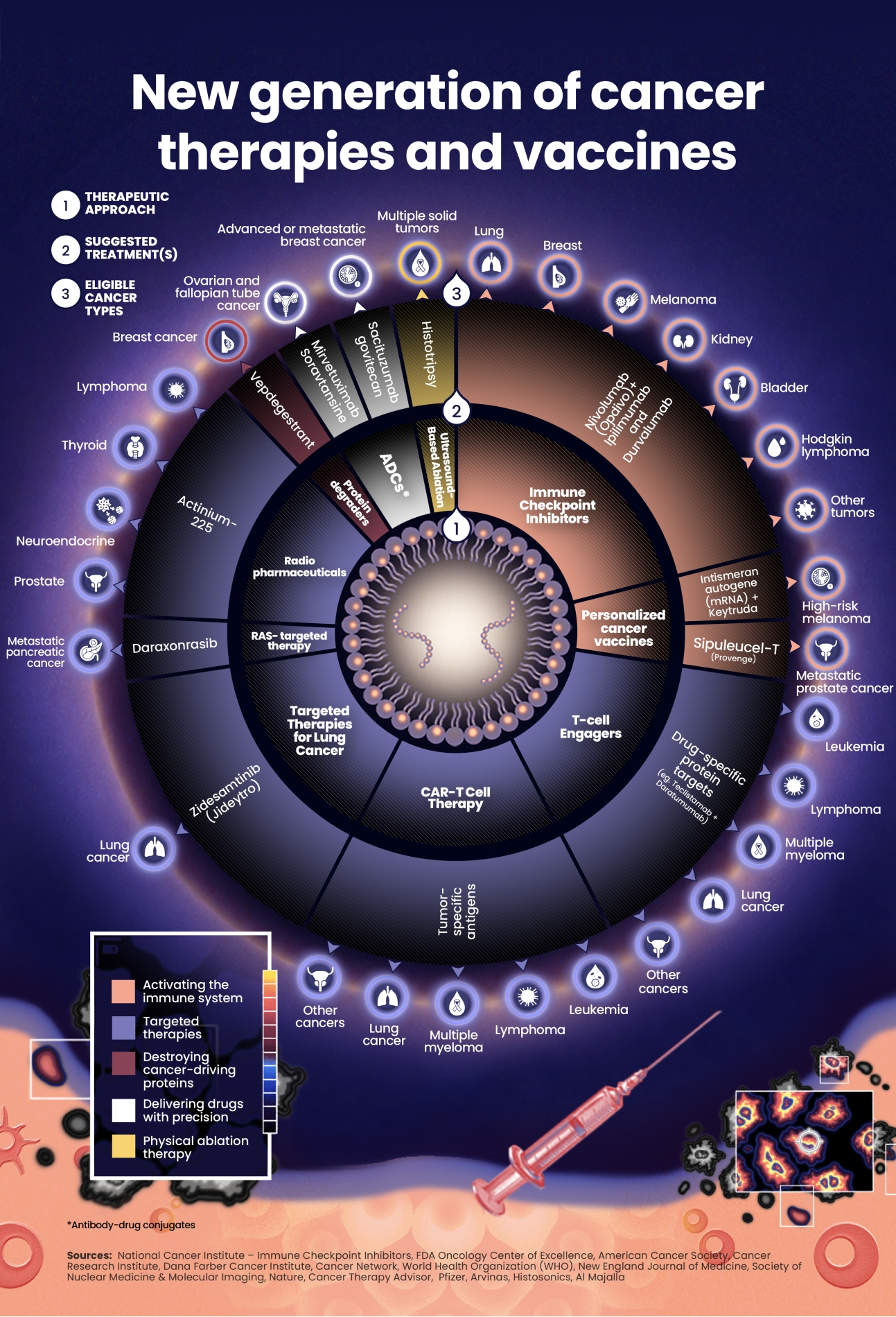
New generation of cancer therapies and vaccines.
Noteworthy developments
CAR T-cell therapy goes a step further. T-cells are removed from the patient and genetically modified to recognise a target on cancer cells. They are then returned to the body to find and attack cells carrying that target. As a result, CAR-T treatments are sometimes described as a 'living drug'.
They are now used against some forms of myeloma, leukaemia, and lymphoma (the latter two are blood cancers) and can produce durable responses in some cancers that resist other therapies. Yet CAR-T therapy is complex and expensive, requiring highly specialised centres. It can also cause serious complications, including cytokine release syndrome (when the immune system reacts too fast, causing inflammation that can damage tissue and organs) and neurological toxicity (damage to the brain or nervous system). Effectiveness is therefore far less limited in blood cancers.
In August 2026, a genetically modified viral therapy called vusolimogene oderparepvec (marketed as Todriqev) received accelerated US approval in combination with nivolumab for patients with advanced melanoma whose disease had progressed despite treatment with a PD-1 inhibitor (a type of immunotherapy drug that blocks the PD-1 protein on immune cells, allowing them to find and destroy cancer cells). The virus infects cancer cells and stimulates an immune response within the tumour, while nivolumab helps prevent that response from being suppressed. Around a quarter of patients responded to treatment, with responses lasting a median of nearly 14 months.
Another important development in 2026 was the arrival of targeted protein degradation using PROTAC technology in clinical treatment. PROTAC technology is a clever new approach that uses small molecules to tag specific disease-causing proteins for destruction by the cell's natural waste disposal system. Instead of merely blocking a protein cancer cells depend on, PROTACs induce the cell to dismantle and dispose of the protein altogether. This may help overcome some mechanisms of treatment resistance.
In May 2026, vepdegestrant (marketed as Vepano) got US approval for patients with a specific type of advanced or metastatic breast cancer whose tumours carried a specific mutation and had still progressed after previous endocrine therapy. It became the first PROTAC drug to receive regulatory approval, after median progression-free survival reached five months with vepdegestrant (compared with 2.1 months with fulvestrant) and the risk of disease progression or death fell by about 43%. The drug is a clear example of precision oncology, intended for a specific molecular subgroup identified through an approved diagnostic test.
Another rapidly expanding field is that of antibody-drug conjugates. These treatments combine the targeting precision of an antibody with the potency of a cytotoxic drug (cytotoxic means toxic or destructive to living cells). The antibody recognises a marker on the tumour and carries a toxic payload. The aim is to deliver more of the drug to cancer cells while reducing exposure elsewhere in the body.
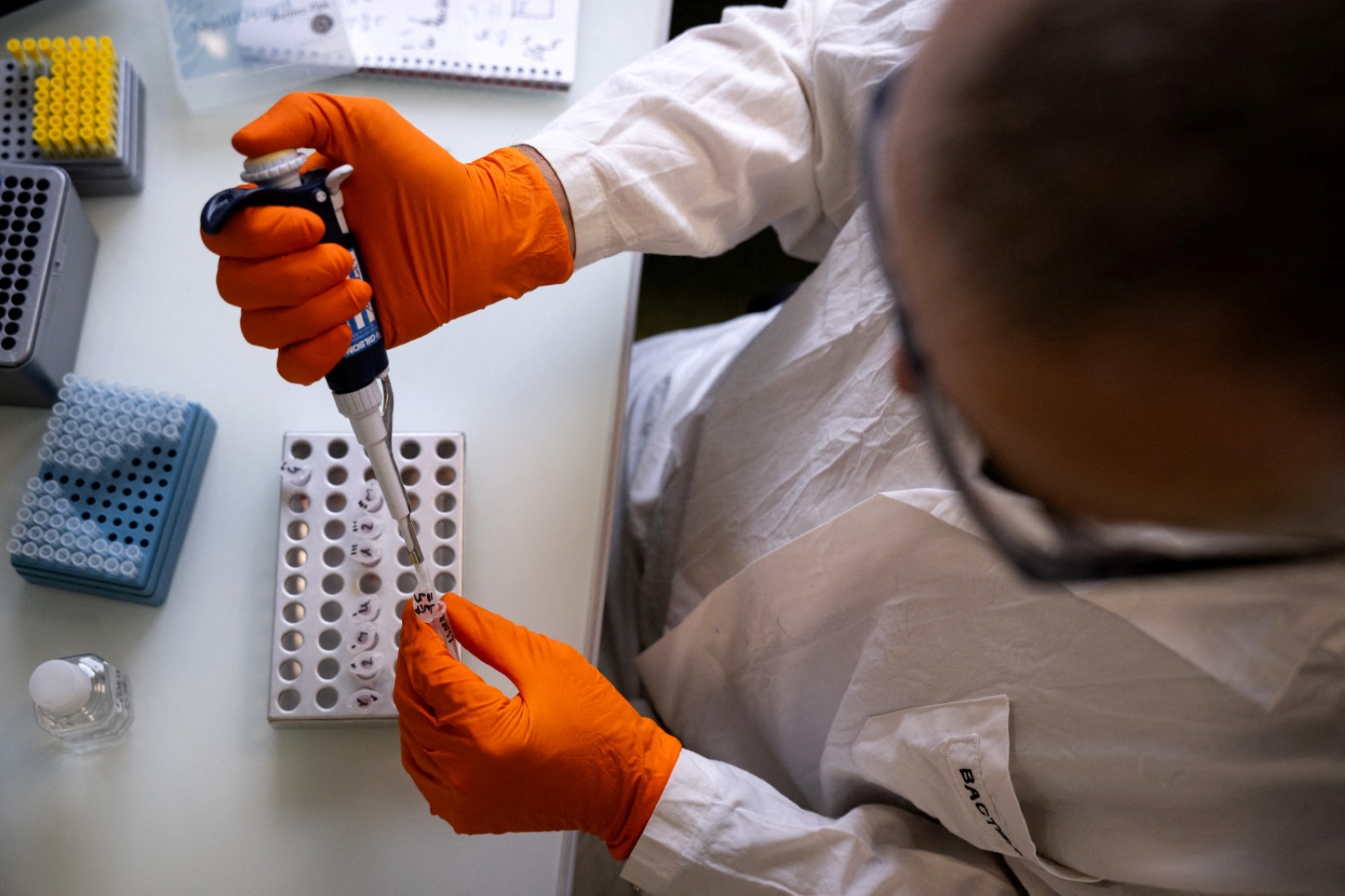
A laboratory technician prepares enzymes used to make a tailored cancer vaccine (TG4050) at the Transgene molecular biology laboratory, in Illkirch-Graffenstaden, eastern France, on 27 August 2025.
An established example is mirvetuximab soravtansine (marketed as Elahere), which was approved in 2024 for certain patients with a kind of ovarian, fallopian tube, or primary peritoneal cancer, who had not responded to previous therapy. It illustrates an increasingly common feature of modern oncology: new drugs that arrive together with a diagnostic test to help determine which patients are most likely to benefit.
In 2026, these so-called 'smart missiles' also moved into earlier lines of treatment in other cancers. In June, the FDA approved sacituzumab govitecan as a first-line treatment for certain patients with advanced or metastatic triple-negative breast cancer. It may be used on its own in some patients, or in combination with pembrolizumab, when the tumour has the appropriate immune-expression profile.
In one trial, median progression-free survival reached 9.7 months with sacituzumab govitecan, compared with 6.9 months with the chemotherapy comparator. In a separate study of the combination with pembrolizumab, median progression-free survival was 11.2 months, compared with 7.8 months among patients treated with pembrolizumab and conventional chemotherapy.
There was a big advance in the field of pancreatic cancer in 2026. This is one of the most aggressive and one of the most difficult to treat, with frequent late diagnoses on account of it being so difficult to spot. For decades, it has been one of oncology's most elusive targets, but on 26 August 2026 the FDA approved daraxonrasib (marketed as Rasonq), an oral drug that targets several forms of the RAS protein for certain adults with previously treated metastatic pancreatic cancer. RAS proteins act like a switch inside cells that help control cell growth, division, and survival.
The drug was approved for use after a randomised trial involving 500 patients showed that the median overall survival doubled, reaching 13.2 months with daraxonrasib, compared with 6.7 months with standard chemotherapy. The result marks an important advance against a molecular pathway that has long resisted drug development. It also shows how genomic analysis of a tumour can prolong life.
In May 2026, the FDA approved durvalumab (marketed as Imfinzi) in combination with BCG (a vaccine used for tuberculosis and bladder cancer) for certain patients with high-risk, non-muscle-invasive bladder cancer who had not previously received BCG. The decision was based on a trial involving 1,018 patients, in which the combination reduced the risk of recurrence, disease progression or death by 32% compared with BCG alone. It is another example of immunotherapy moving into earlier stages of treatment with the aim of preventing relapse.
This photograph, taken on 17 November 2021, shows a laboratory test at the Transgene biotech firm, which is working to develop a neoantigen cancer vaccine, in Illkirch-Graffenstaden, eastern France.
Beyond new drugs, increasingly effective ways to deliver treatment to the tumour are emerging. In pancreatic cancer, researchers are evaluating acoustic cluster therapy, which uses ultrasound-activated microscopic clusters to increase tissue permeability. This helps chemotherapy penetrate the tumour more effectively. The technology is now in a Phase II trial, so its clinical effectiveness is yet to be established.
Radiotherapy is also becoming more precise by using radioactive isotopes attached to molecules designed to seek out cancer cells directly. Therapies based on actinium-225 (a rare, synthetic radioactive isotope) are now in development. This isotope releases powerful alpha particles over an exceptionally short range, potentially destroying malignant cells while limiting damage to surrounding tissue. This approach has reached a Phase III trial in prostate cancer. Other forms of targeted radiopharmaceutical therapy using different isotopes are already approved.
Oncologists now want to know where your tumour is vulnerable and how that weakness can be exploited without damaging your healthy cells
All these advances point to the same conclusion: choosing the right treatment now depends on understanding the tumour itself. In non-small-cell lung cancer, for example, certain alterations can help determine the most appropriate targeted therapy. In breast cancer, hormone receptors and mutations can guide treatment choices, while biomarkers can help identify patients who may benefit from certain immunotherapies.
Not every mutation will have a drug, and not every patient will require comprehensive genomic sequencing. Nevertheless, the focus has shifted. Previously, the big question was: what is the standard treatment for this cancer? Today, it is: what, specifically, is driving this patient's tumour to grow?
For all the excitement around advanced therapies, prevention and early detection are still key in the fight against cancer. Low-dose CT scans (a kind of X-ray that creates a 3D image of inside the body) can identify lung cancer at an earlier stage in people at high risk, while cervical screening, testing for human papillomavirus, and vaccination against HPV and hepatitis B can prevent certain cancers before they develop. The WHO estimates that around 38% of cancers could be prevented just by reducing tobacco and alcohol use, obesity, infections and other risk factors.
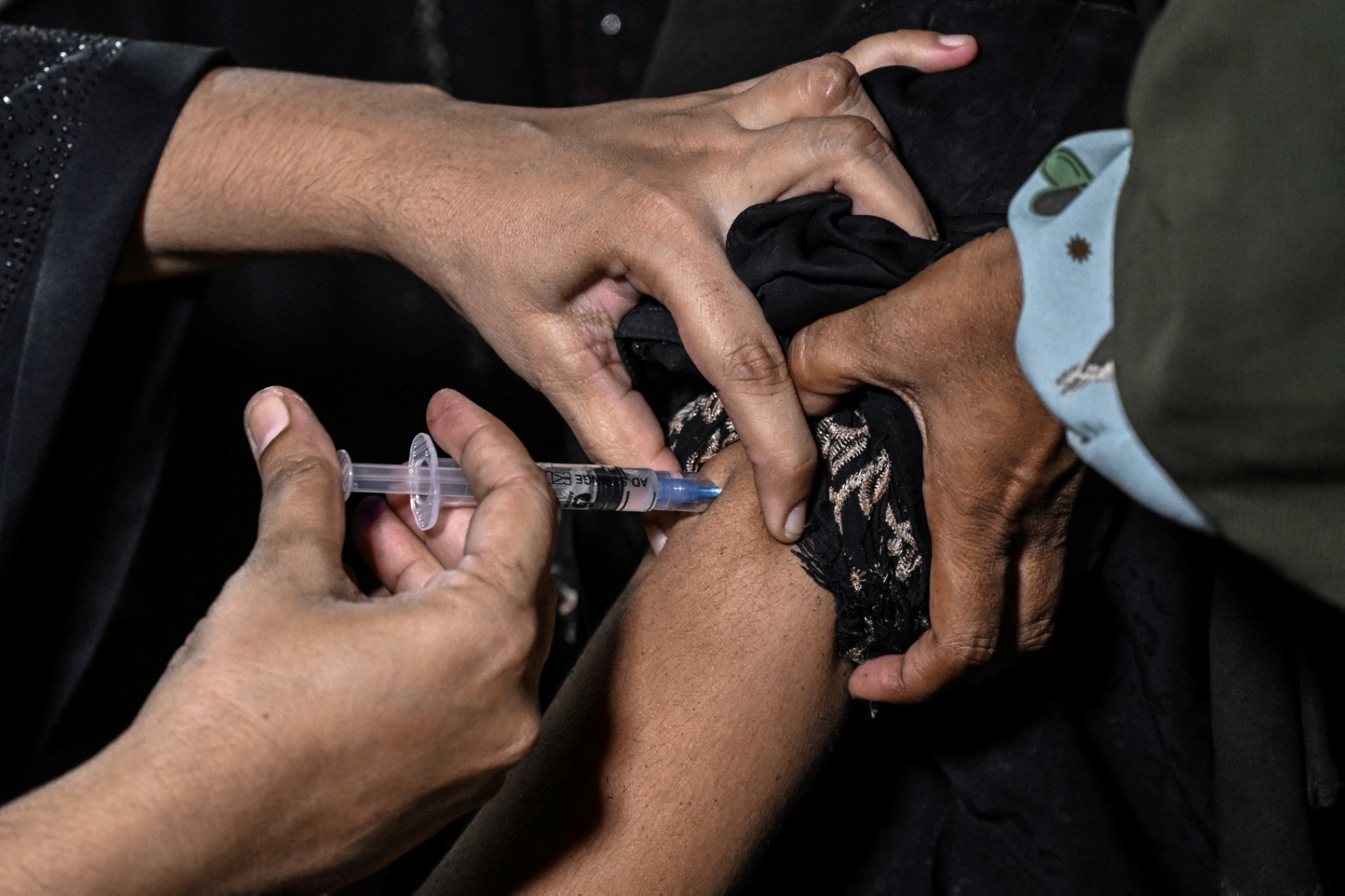
A health worker administers human papillomavirus (HPV) vaccine to a girl in Karachi on 24 September 2025, during a HPV vaccination drive against cervical cancer, most frequently diagnosed in women.
Unequal access
Access to the 'treatment revolution' remains profoundly unequal. Some of the newest drugs and molecular tests are expensive or available only in specialised centres. CAR-T therapy requires complex infrastructure, while many health systems still struggle to provide the essentials such as timely diagnosis, surgery, radiotherapy, and even some staple medicines. Progress cannot be measured by new drug approvals alone; it must also be judged by whether and when patients get the right diagnosis and treatment.
The most important change in cancer treatment is the increasing precision of its tools. Some release the immune system from restraints imposed by the tumour, some bring T-cells into direct contact with malignant cells, while some re-engineer a patient's own immune cells into a 'living drug'. Others destroy proteins on which cancer depends, carry toxic payloads directly to tumour cells, and deliver radiation to molecular targets.
Medicine has found no single treatment capable of eliminating every cancer, and perhaps that should never have been the goal, because cancer is not one disease. The emerging strategy is to break cancer down into hundreds of smaller problems, each with a genetic, protein-based, or immune vulnerability that may be exploited.
The strength of a cancer treatment is no longer measured just by its ability to kill a tumour, but by the precision with which it identifies where to strike, when to strike, and who will benefit. Against a disease that is constantly evolving, knowing its weakness and how to exploit it may matter more than having the most powerful weapon in the oncological arsenal.