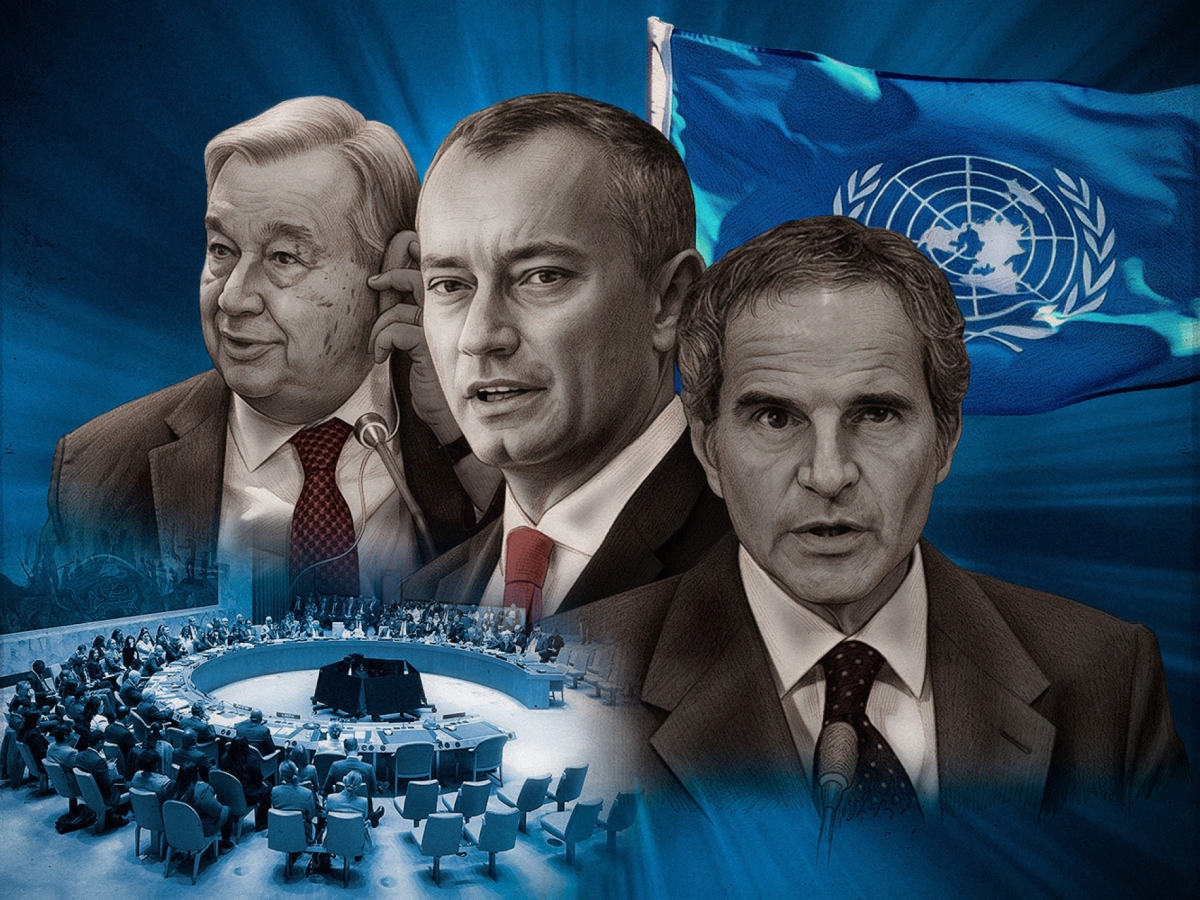

Divisions within the United Nations Security Council over who should be the organisation’s new secretary-general risk prolonged deadlock and a void after current post-holder António Guterres’s term expires on 31 December.
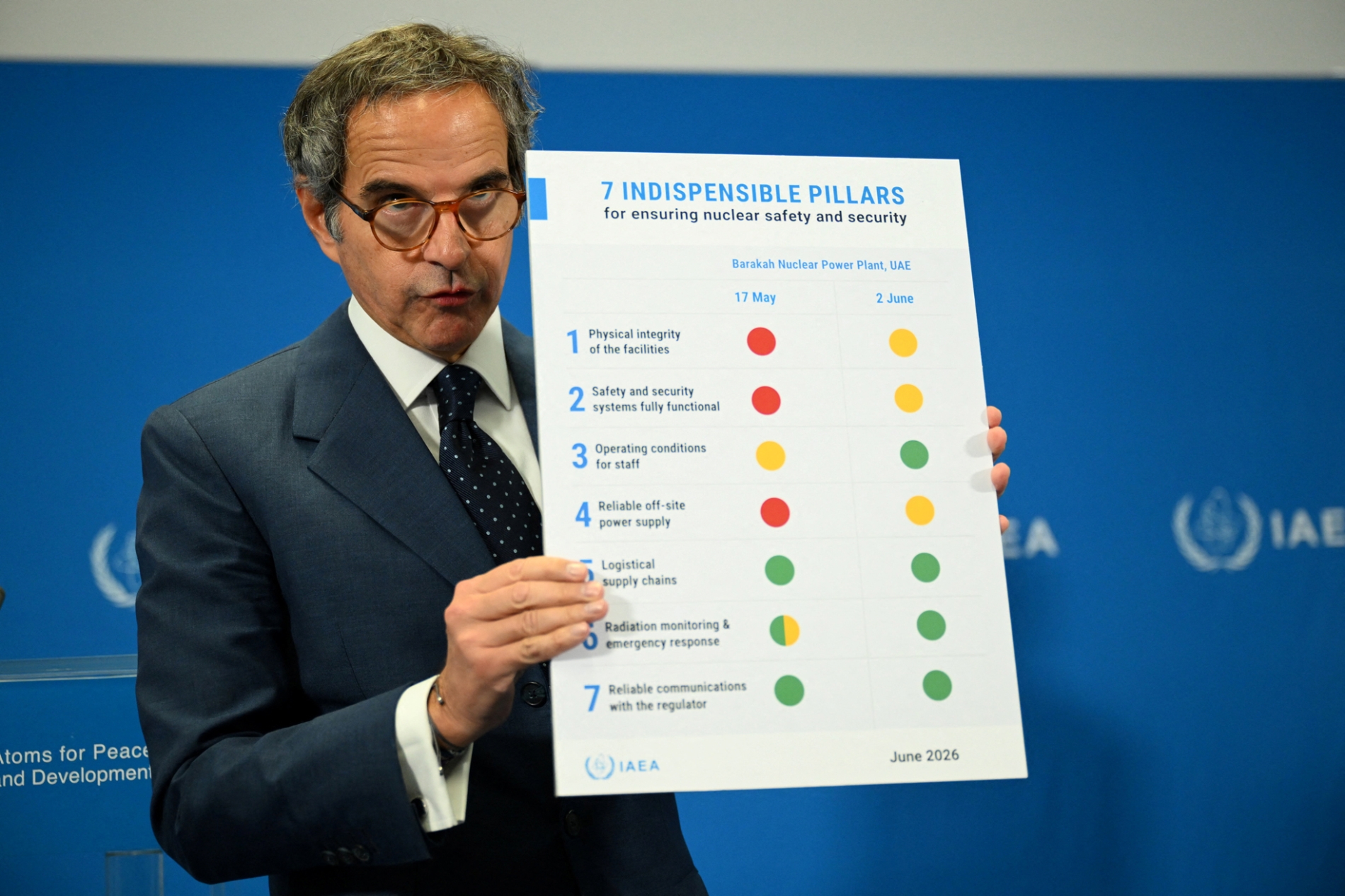
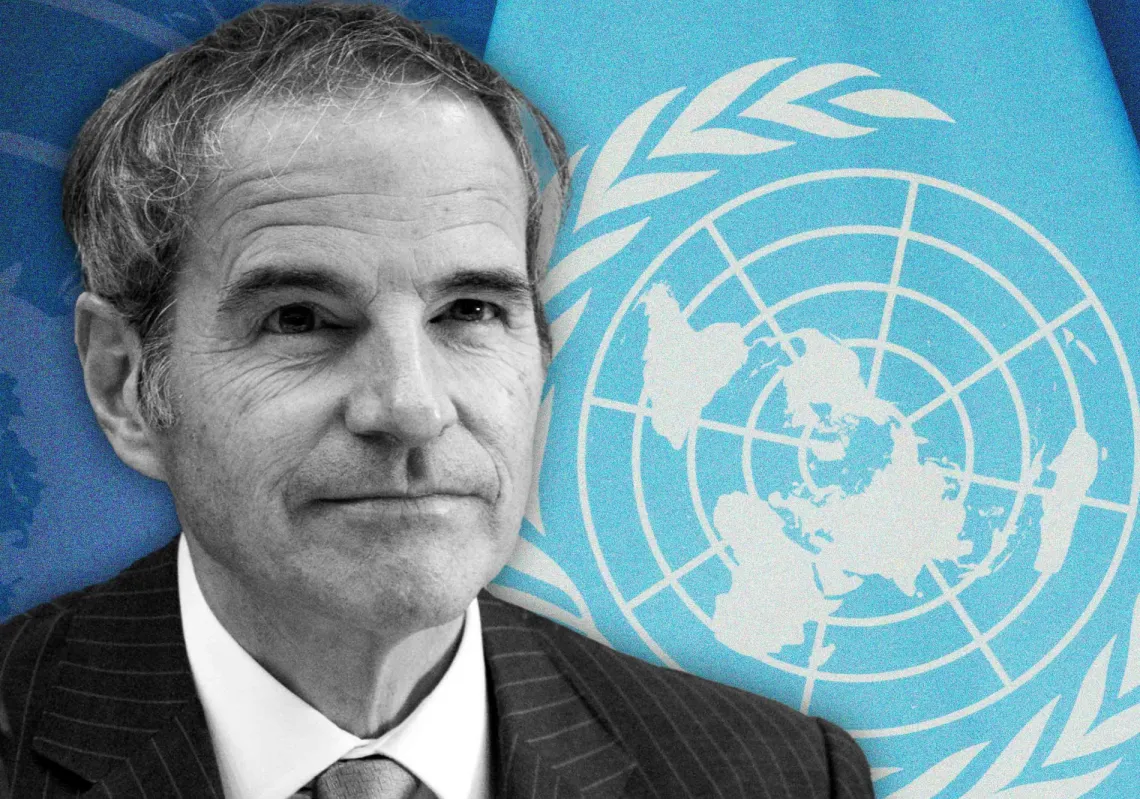
According to confidential documents seen by Al Majalla, the United States does not want Guterres to remain in office beyond the end of his second five-year term, even temporarily, removing one option for managing any delay in choosing his successor. Washington favours Rafael Grossi, the Argentine diplomat who heads the International Atomic Energy Agency, according to diplomats familiar with the process.
Grossi is no shoo-in, however, since he faces resistance from other permanent members of the Security Council, including Russia. Meanwhile, several European governments, particularly the Nordic countries, want to see the first female UN secretary-general. Contenders include Rebeca Grynspan of Costa Rica, who heads the UN Conference on Trade and Development, and Carolyn Rodrigues-Birkett of Guyana, a former foreign minister and former ambassador to the UN.
Competing priorities have heightened concern among diplomats that no candidate will quickly secure the nine Security Council votes needed, while also avoiding a veto from any of its five permanent members: the US, Russia, China, the UK, and France. Under the UN Charter, the General Assembly appoints the secretary-general on the recommendation of the Security Council, but there is no explicit provision automatically extending an incumbent’s tenure if the Council fails to agree on a successor.
Leadership at stake
A prolonged succession battle could affect far more than the office of the secretary-general. Many senior UN officials, including under-secretaries-general who head major departments, serve on fixed-term appointments made by the secretary-general. UN staff rules provide that under-secretaries-general and assistant secretaries-general are normally appointed for terms of up to five years, with the possibility of extension, but fixed-term appointments carry no expectation of renewal.
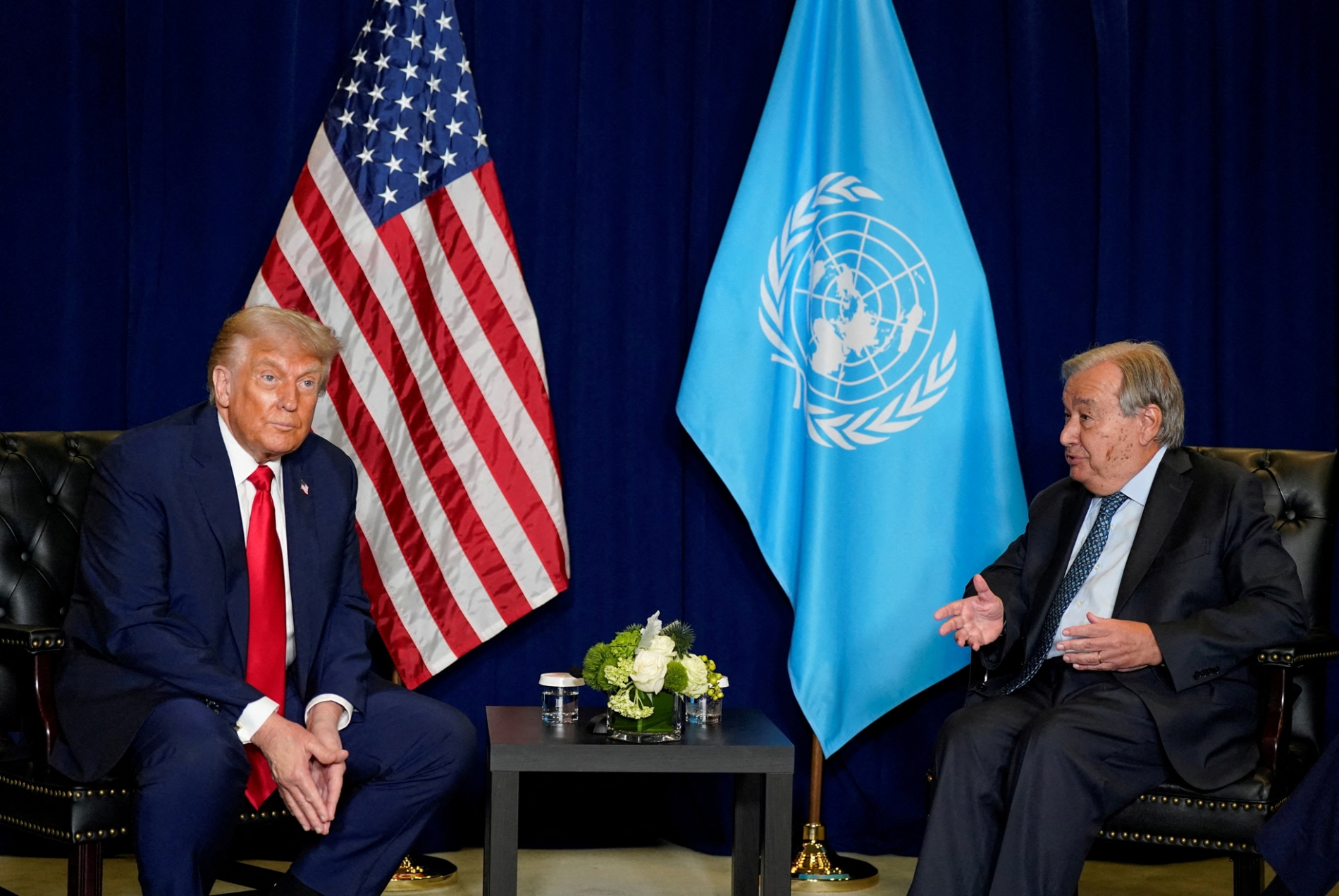
Diplomats and UN officials told Al Majalla that the transition could lead to high turnover among senior officials appointed during the Guterres era, particularly those heading politically important departments. A new secretary-general would normally want considerable latitude to shape their senior management team and could decide against renewing the mandates of those appointed by their predecessor.
Although the organisation’s bureaucracy and operations would continue to function under existing delegations of authority in the absence of a secretary-general on 1 January, questions could nevertheless arise over who has the power to make or renew senior appointments and to exercise responsibilities that the Charter entrusts specifically to the secretary-general. Staffing could prove especially sensitive in departments dealing with political affairs, peace and security, and humanitarian work.
Been here before
The United Nations has faced a similar impasse before. In 1950, after the Security Council failed to agree on the reappointment of the first secretary-general, Trygve Lie, the General Assembly voted to keep him in office for a further three years without a fresh recommendation from the Council. The decision was controversial because Article 97 of the UN Charter gives the Security Council a formal role in appointing the secretary-general.