'We are sealing Iran's ports and keeping Hormuz open'

In an interview with Al Majalla, CENTCOM spokesman Tim Hawkins details what the US has achieved vis-a-vis Trump's maximum pressure campaign on Tehran and its regional proxies

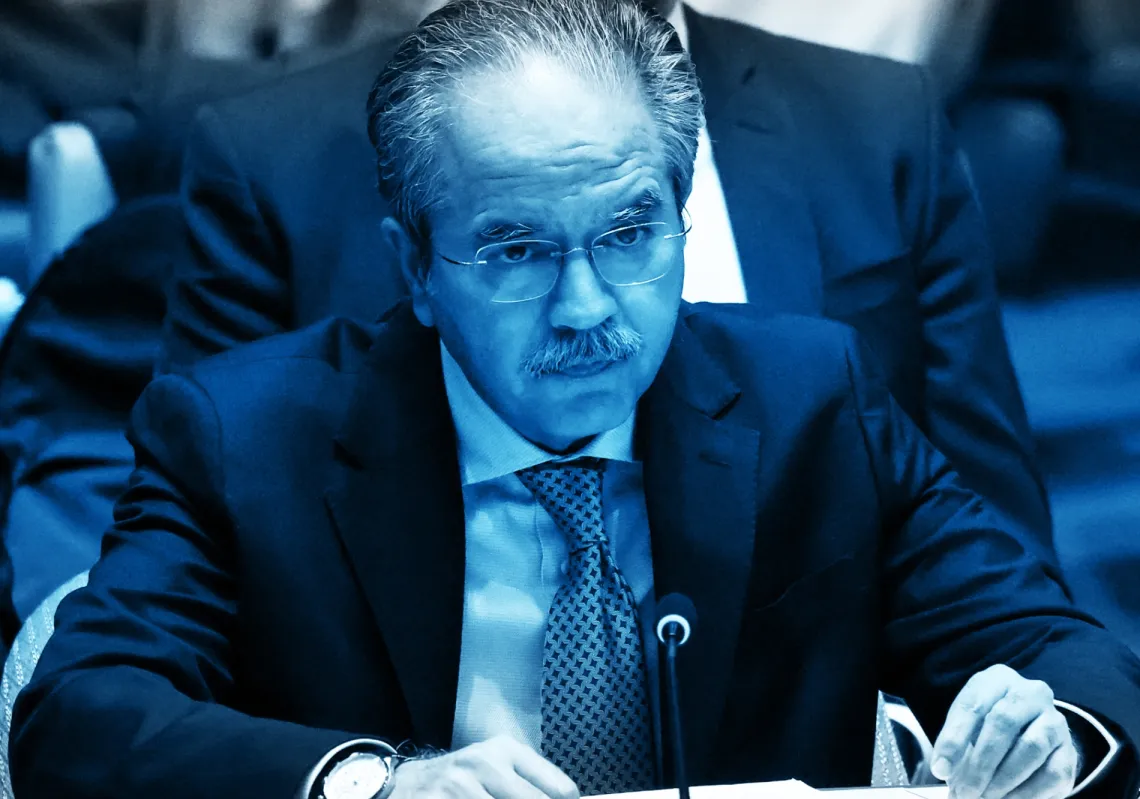
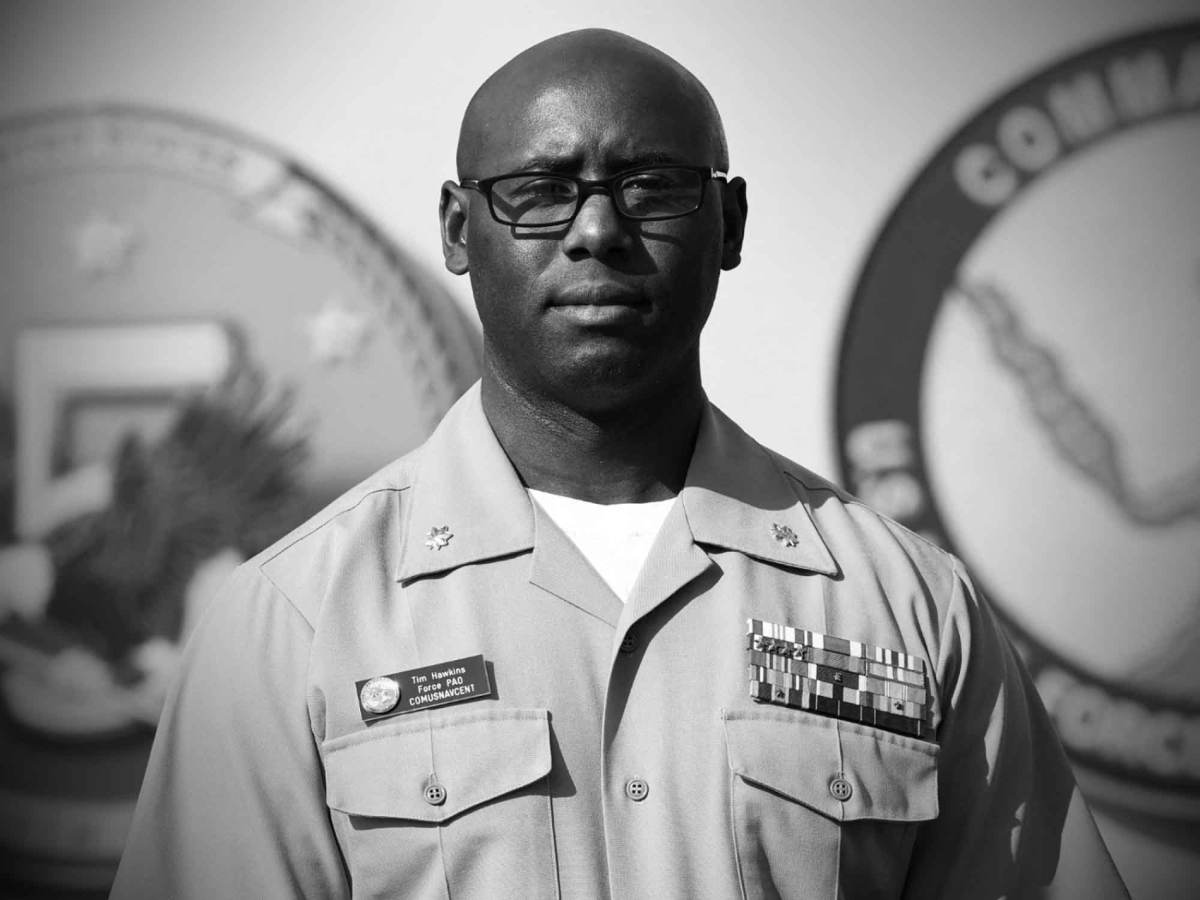
US Navy 5th Fleet spokesman Commander Tim Hawkins is pictured at the 5th Fleet Headquarters in the Bahraini capital Manama on 26 October 2021.
Mazen Mahdi / AFP
US Navy 5th Fleet spokesman Commander Tim Hawkins is pictured at the 5th Fleet Headquarters in the Bahraini capital Manama on 26 October 2021.

'We are sealing Iran's ports and keeping Hormuz open'

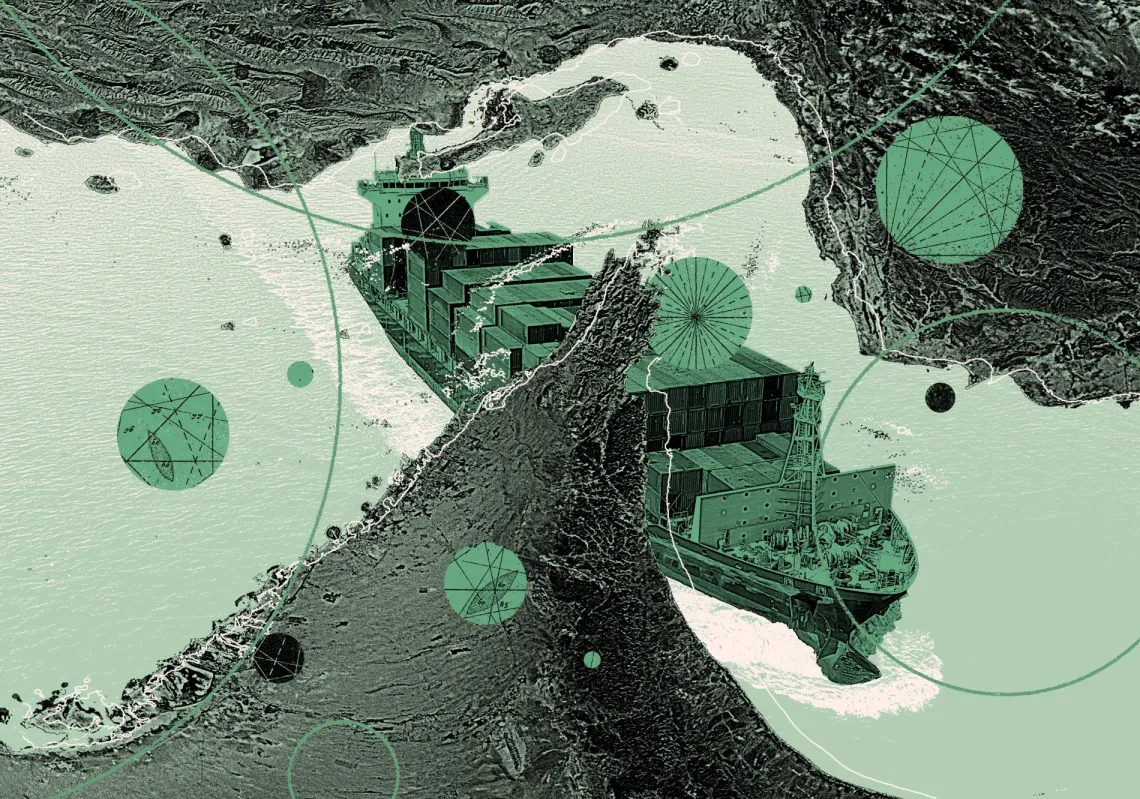
The US Navy is running two missions in the Gulf at the same time. One seals Iran's coastline, blocking any vessel from entering or leaving an Iranian port. The other keeps the Strait of Hormuz open, escorting commercial traffic for shipping companies that request help. Navy Captain Tim Hawkins, spokesperson for US Central Command, described both in an exclusive interview with Al Majalla.

The blockade ran from April to June, paused, then resumed in mid-July. Ships that turn back when directed are recorded as compliant. Ships that refuse are disabled or boarded. Cargoes assessed as humanitarian are allowed through.

Hawkins said Hormuz has remained open throughout, despite Iranian threats, and that the Navy has continued to assist any shipping company that asks. He gave figures for both operations.

On Yemen, Hawkins drew a line under the timeline: the US air campaign against the Houthis was last year's effort, not a current one. He would not say whether the group has been degraded or is regaining strength, and declined to assess Yemen's national army, citing intelligence. He spoke instead about regional partners.

Hawkins said CENTCOM works, trains and operates with regional allies, describing the command as clear-eyed about the region's opportunities and challenges. He cited a recent tour by CENTCOM commander Admiral Cooper, who met senior civilian and military leaders across the region and, Hawkins said, found a reaffirmed commitment to shared security.

Syria is where Hawkins gave the most ground. He declined to assess the Islamic State's capabilities or smuggling routes, calling that intelligence. But he pointed to a recent campaign there that has killed and detained IS fighters in significant numbers, run alongside regional partners.

Here’s the interview in full.

US. Navy/REUTERS
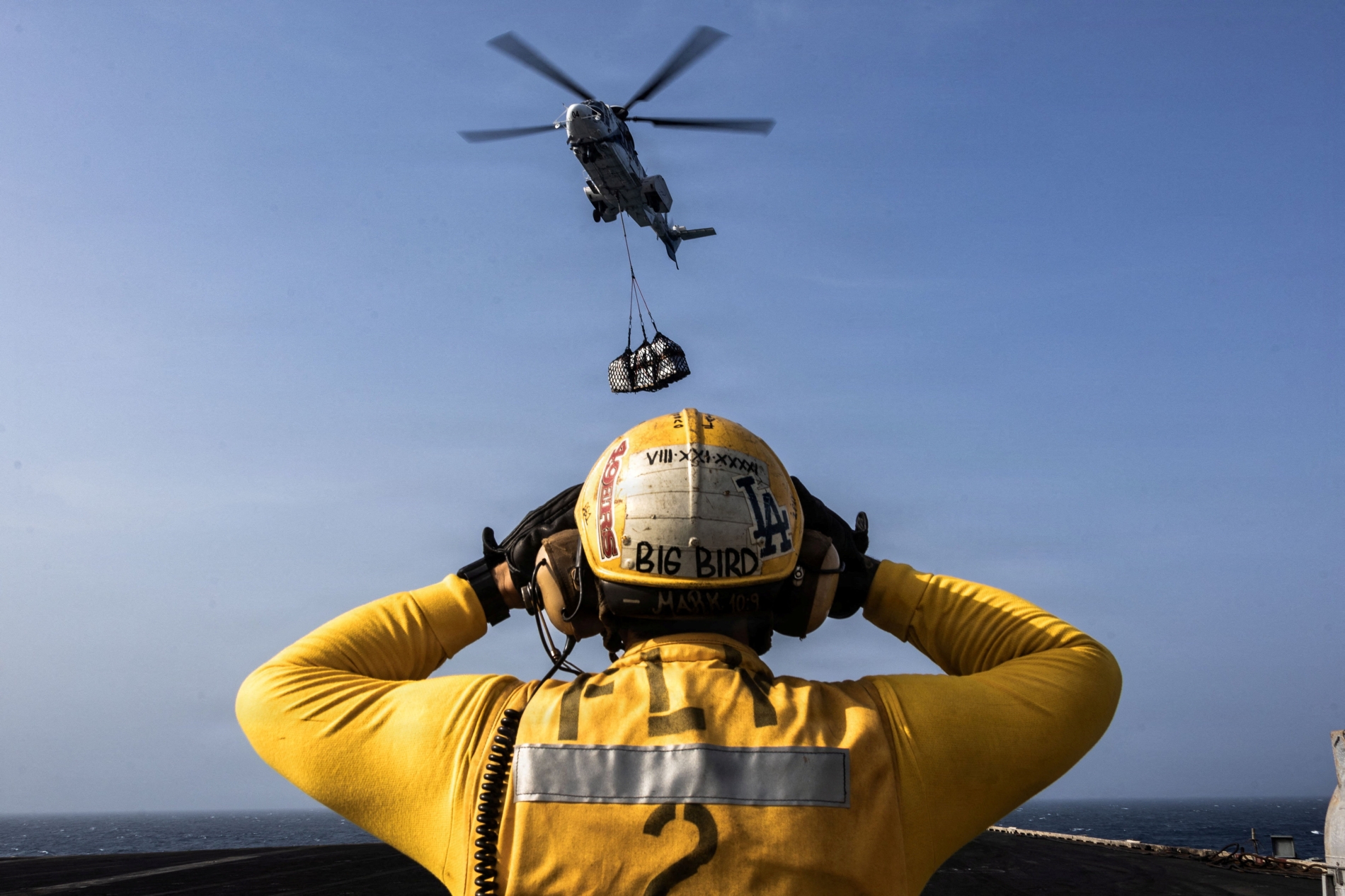
A US Navy sailor directs a Eurocopter AS-332 Super Puma helicopter on the flight deck of Nimitz-class aircraft carrier USS Abraham Lincoln, which is supporting US military operations in the war with Iran on 16 August 2026.

The USS Abraham Lincoln is reportedly heading home after a long deployment tied largely to the war with Iran. Should we read that as a sign of a breakthrough?

Lincoln's departure from the Middle East region should be seen as a regularly scheduled rotation of forces. The US has more than 50,000 troops deployed across the region to support assigned missions, including two aircraft carriers. Lincoln was one of those carriers, and we have replaced it with another, the USS George Washington and its carrier strike group. This means the US military remains committed. It remains vigilant and prepared to do whatever our senior leadership assigns.

Do you expect more escalation, or a breakthrough?

It's a dynamic environment. We will see what happens in the future. I'm not going to forecast that. What you can be assured of is that the US military stands ready to do whatever it is assigned to do. We are vigilant. We are highly trained and skilled to execute missions that include, right now, the US blockade against Iran—ensuring that no ships are able to enter or depart an Iranian port or coastal area. Another key mission is helping ensure that commercial vessels can move through the Strait of Hormuz, an international waterway. So we are doing those two things at once as it relates to Iran. We're highly effective, and that remains our focus right now.

Have we reached a stalemate in the Iran war, or is the US heading towards the use of more decisive military power?

It's a great question, but it is a policy question, and I'll leave that for our political leadership to answer. Our responsibility and our role as a military force for America and the region is to maintain our readiness and our vigilance, and to be ready to execute whatever we are assigned and tasked to do. That is, in fact, what we are doing. We know how to do it. We do it well. You've seen us do it over the last few months. When our commander-in-chief calls and directs us to conduct a mission, we conduct it.
We degraded Iran's ability to launch ballistic missiles and drones, and we eliminated Iran's navy.

CENTCOM spokesman Tim Hawkins

Then let me put it in military rather than political terms. We have seen retaliatory airstrikes against specific Iranian targets in recent weeks. Is that the right approach, or will the US go beyond such surgical and tactical operations—to open the Strait of Hormuz once and for all?

I'm not going to speculate on any future operations or on what things could look like. It is a very dynamic situation, and we will execute whatever tasks or missions we are assigned. But let me share some facts with you. We were asked to achieve very specific military objectives during Operation Epic Fury, and we achieved them. We degraded Iran's ability to launch ballistic missiles. We degraded Iran's ability to launch drones. And we eliminated Iran's navy. We also degraded and significantly damaged their ability to rebuild the missile and drone capabilities they had prior to the conflict.

On the blockade, we've been highly effective. We did it April through June, and we resumed it in mid-July. Since we resumed in mid-July, we have redirected more than 70 ships that complied with our direction; we've disabled three that didn't comply, boarded two to ensure compliance, and let more than 40 through for humanitarian reasons. When we're given a task, we carry it out. We have been successful thus far.

And on the Strait of Hormuz—despite Iranian aggression, we have continued to maintain traffic flow through this international waterway. It is unjustified for Iran to threaten it. Despite that, we continue to work with the shipping industry, and for those who request our assistance, we provide it. Since early May, more than 1,400 ships have made it through. Those are the facts.

So this is a wait-and-see strategy?

When it comes to strategy, or approaches, or what the future may portend, that's a policy question, and again I'll direct you to our political leadership to answer. The US military's role is to take the direction we're given and execute it. We've done that. You've seen us do that over the past few months. We continue to do that today, and we're highly effective at it.

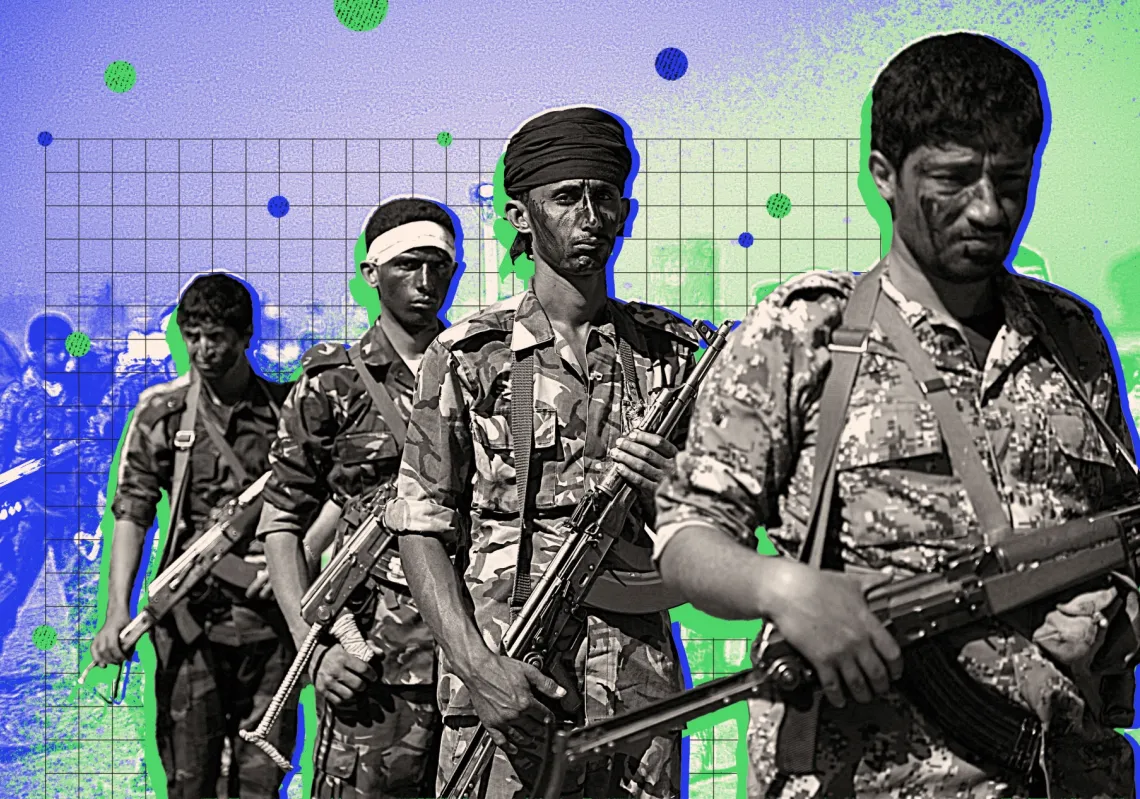
Turning to Yemen. The United States has launched very effective airstrikes against the Houthi militia's infrastructure in recent months, and has also targeted its leadership. Has the group been largely undermined, or is it becoming more resilient?

Let's correct the record right there. You just mentioned US strikes against the Houthis over the last several months. That's not true. What you're talking about are strikes that took place last year. Just to be clear on that.

But let me zoom out and speak more generally. The US military continues to work with our regional allies and partners. We're very clear-eyed and pragmatic about the opportunities and challenges across the region, which is why we continue to work, train, and operate with our allies and partners to promote regional security and stability.

Admiral Cooper, who's the CENTCOM commander, just travelled through the region a couple of weeks ago and met with very senior civilian and military leadership across the region. They all reaffirmed their shared commitment to working together in order to promote regional security and stability. We strongly believe that we are better off as a US military force when we work closely and operate with our regional allies and partners. That's what you see us doing today, and we look forward to continuing that in the weeks, months and years ahead.

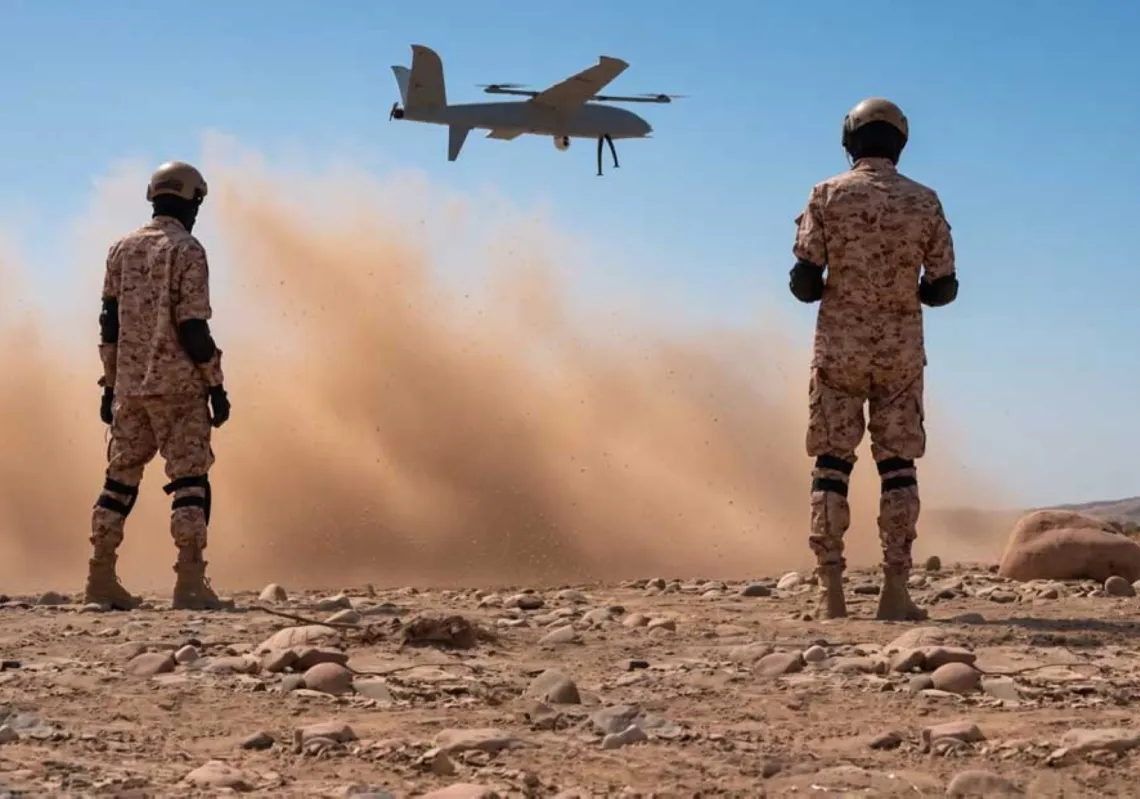
Yemeni Army Military Media
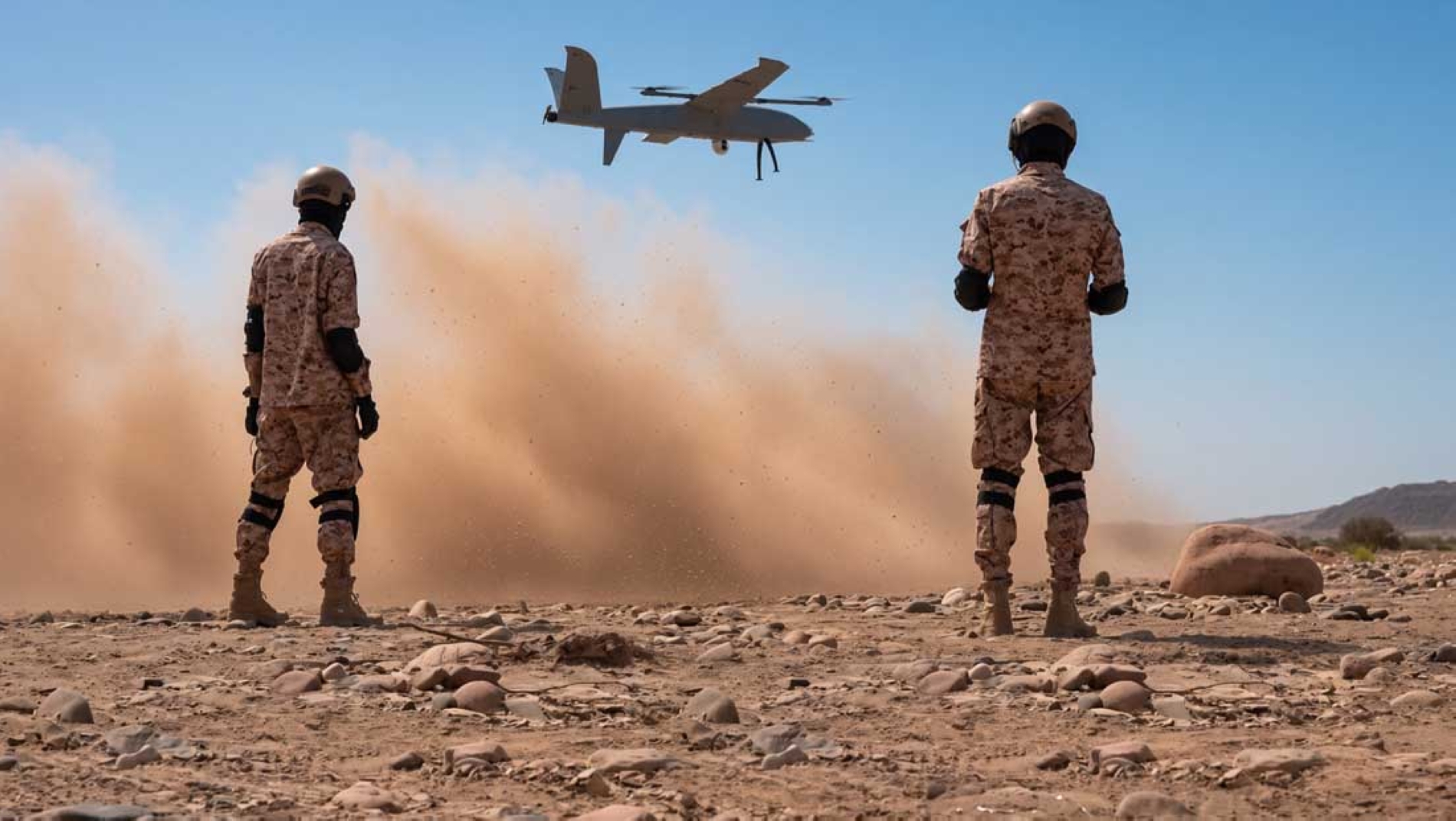
The Yemeni army's drone unit.

What is your assessment of the government troops—the national army—in Yemen?

I don't talk about intelligence assessments. It would be inappropriate to do that in this forum. What I'll tell you is that we remain very vigilant. We're monitoring what's happening across the region very closely, and we're also working with our regional allies and partners as we look for shared opportunities to address the common challenges that we all see and face together.

The United States has been leading the fight against the Islamic State in Syria. What is your assessment of the group's capabilities and infrastructure there today, particularly its smuggling routes?

Again, I'm not going to get into our intelligence assessment in this forum. It would be inappropriate to do so, for reasons that you can appreciate. But what I'll tell you is that we have made significant progress in our fight against IS. You've seen us marginalise IS in Iraq. You've seen us hit them very hard in Syria just over the last few months, during Operation Hawkeye Strike. That has enabled us to kill dozens of IS operatives and detain hundreds, all in an effort to protect the US homeland and also promote regional security and stability. And we haven't done it alone—we've done it alongside our regional allies and partners.

We look forward to continuing to make progress on that. We remain prepared, vigilant and poised to address any threats that emerge from any IS remnants in those locations.

font change