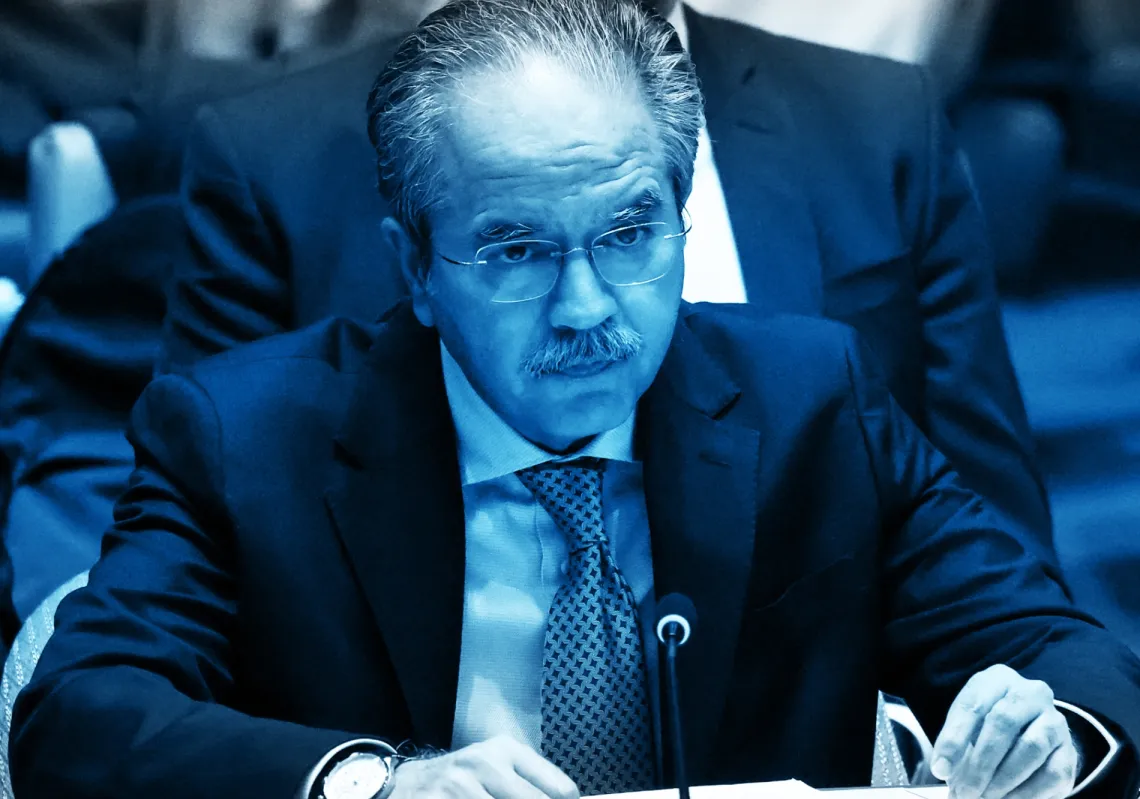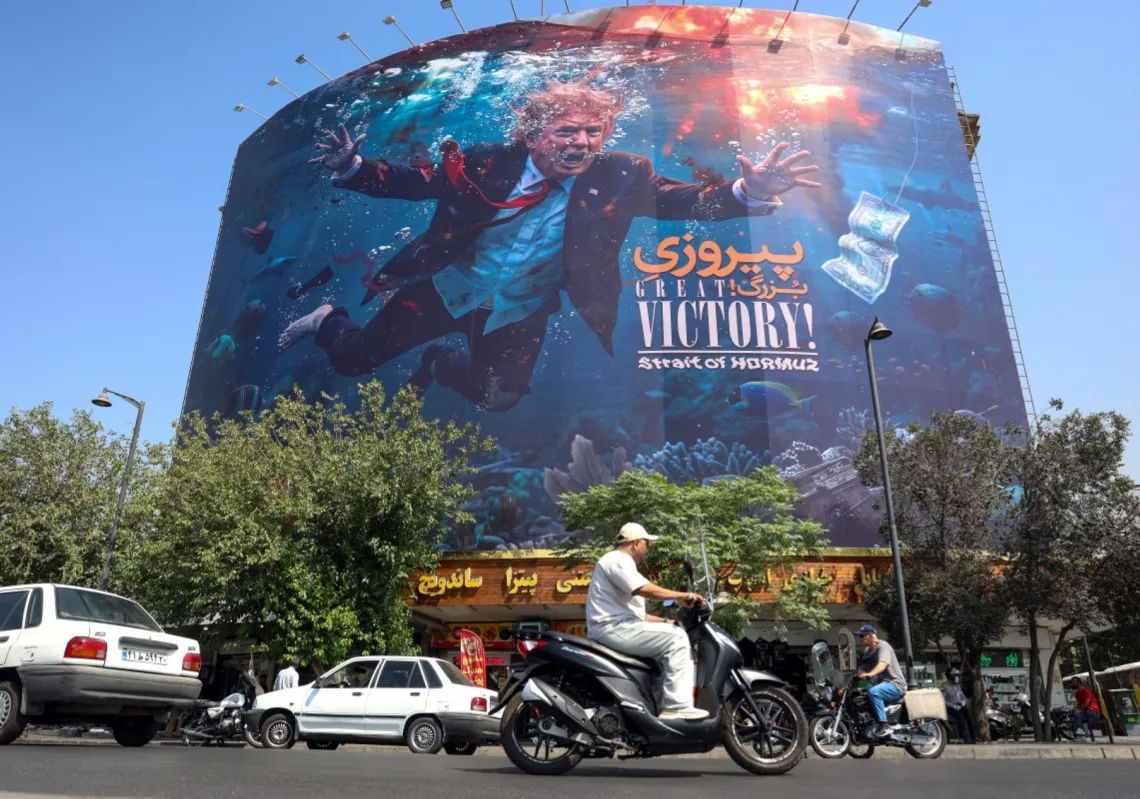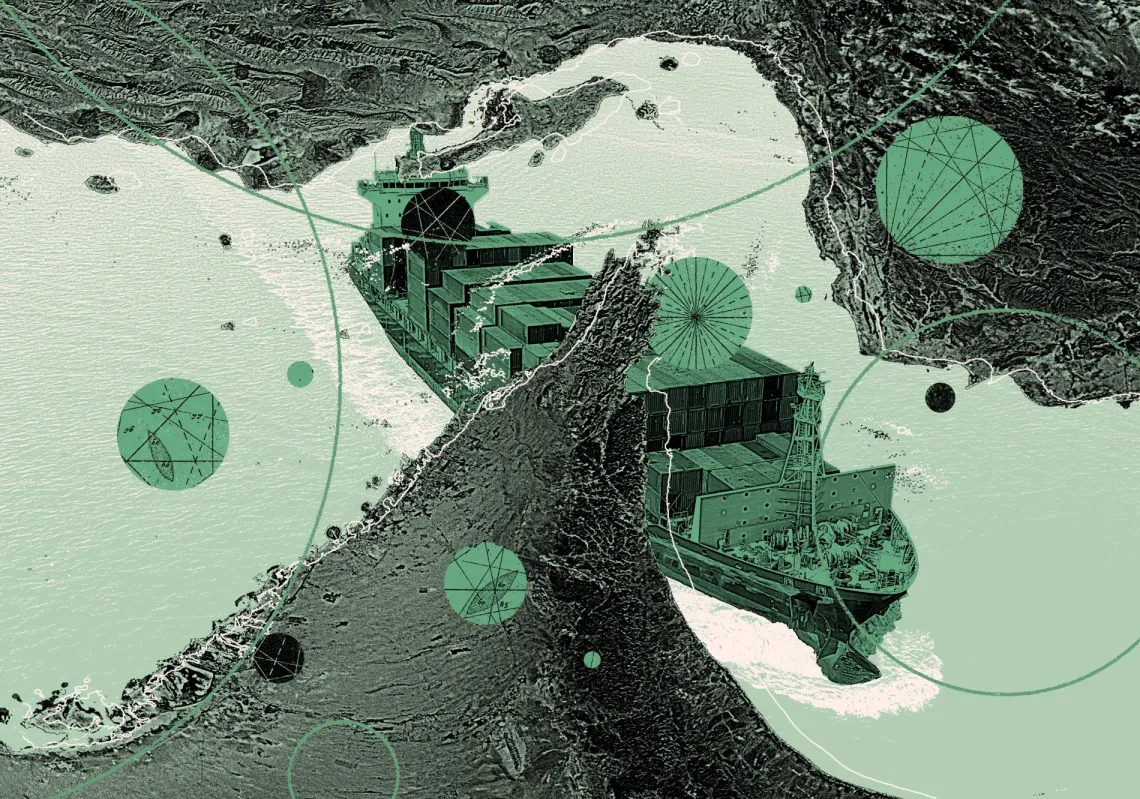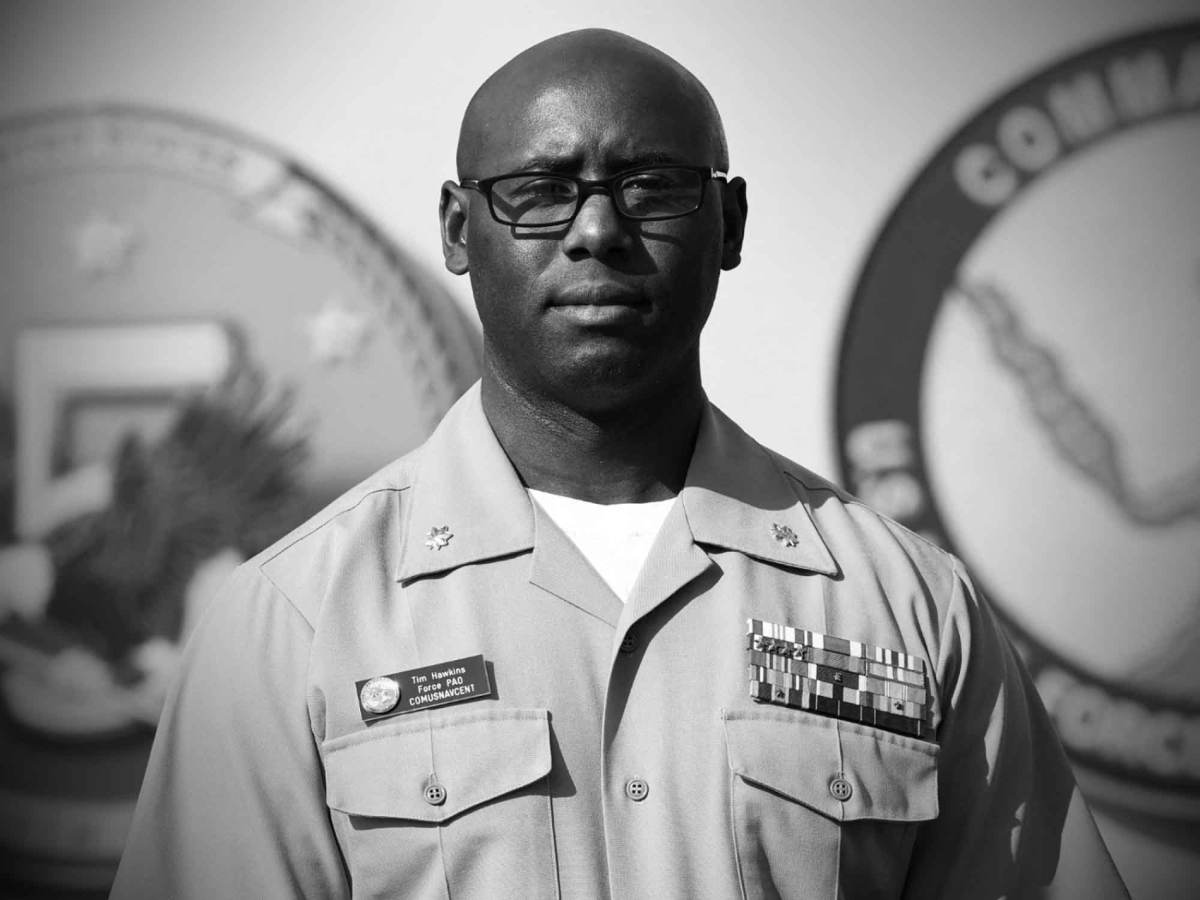

The US Navy is running two missions in the Gulf at the same time. One seals Iran's coastline, blocking any vessel from entering or leaving an Iranian port. The other keeps the Strait of Hormuz open, escorting commercial traffic for shipping companies that request help. Navy Captain Tim Hawkins, spokesperson for US Central Command, described both in an exclusive interview with Al Majalla.
The blockade ran from April to June, paused, then resumed in mid-July. Ships that turn back when directed are recorded as compliant. Ships that refuse are disabled or boarded. Cargoes assessed as humanitarian are allowed through.
Hawkins said Hormuz has remained open throughout, despite Iranian threats, and that the Navy has continued to assist any shipping company that asks. He gave figures for both operations.
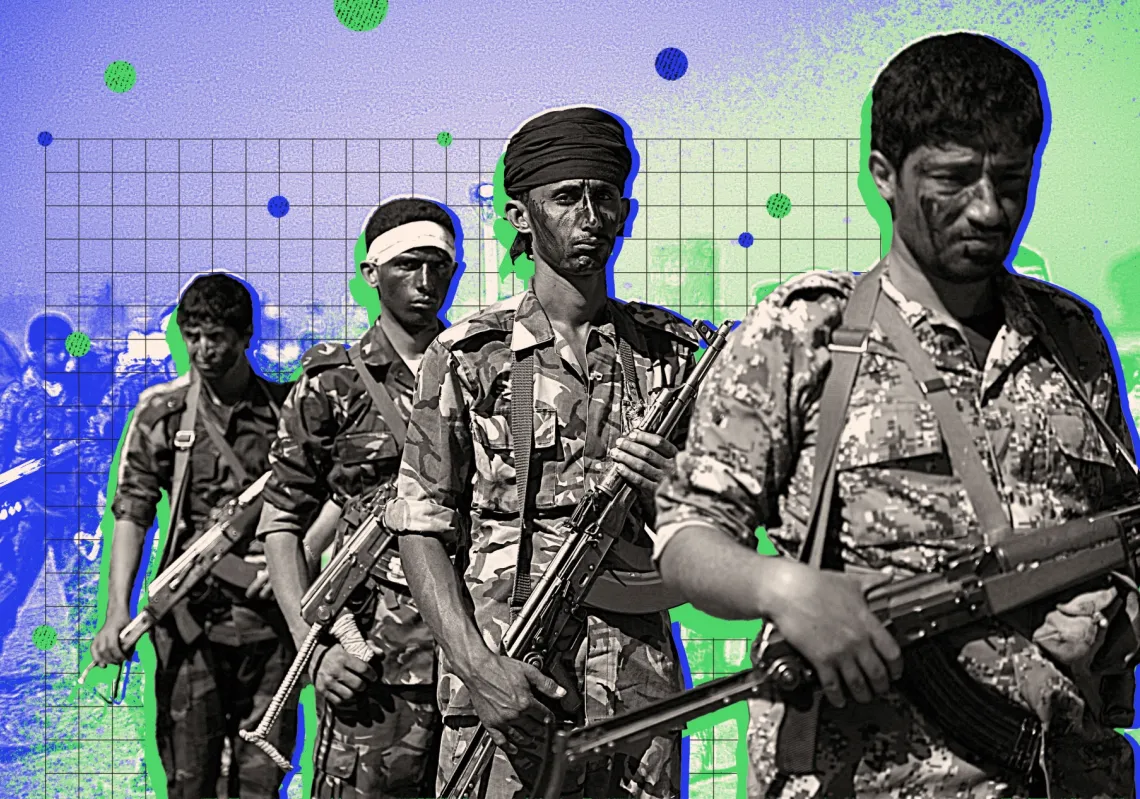
On Yemen, Hawkins drew a line under the timeline: the US air campaign against the Houthis was last year's effort, not a current one. He would not say whether the group has been degraded or is regaining strength, and declined to assess Yemen's national army, citing intelligence. He spoke instead about regional partners.
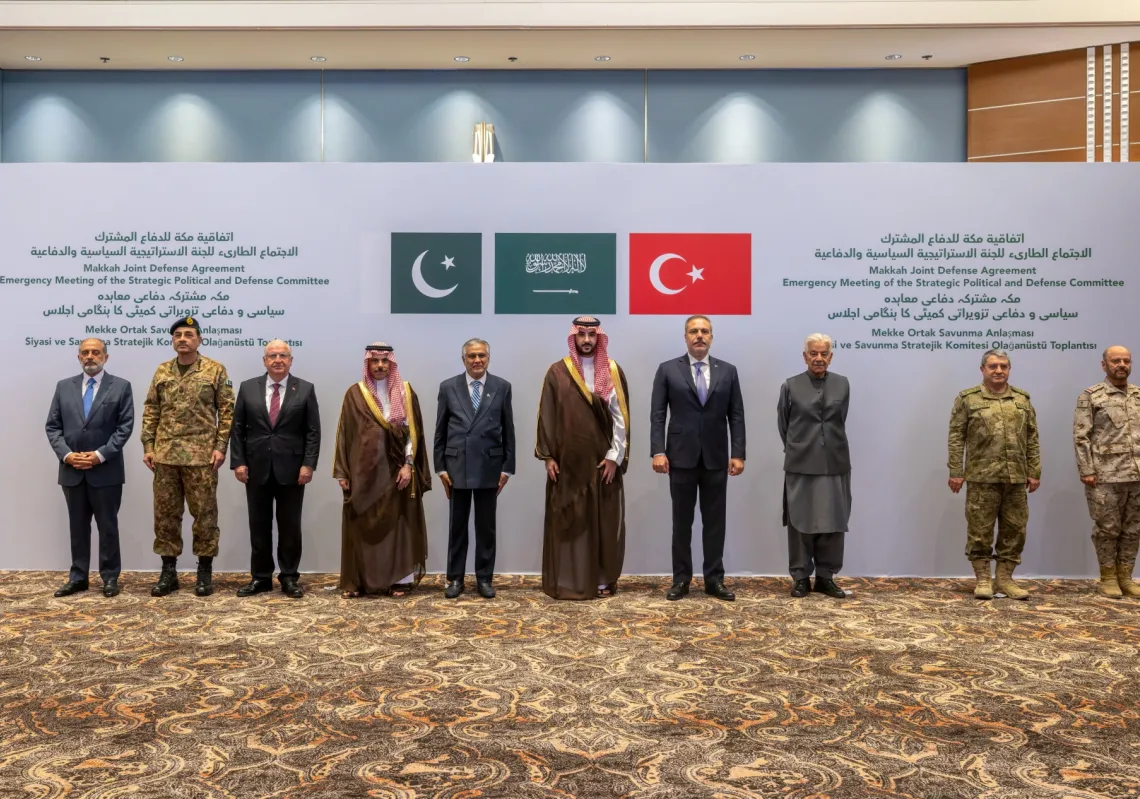
Hawkins said CENTCOM works, trains and operates with regional allies, describing the command as clear-eyed about the region's opportunities and challenges. He cited a recent tour by CENTCOM commander Admiral Cooper, who met senior civilian and military leaders across the region and, Hawkins said, found a reaffirmed commitment to shared security.
Syria is where Hawkins gave the most ground. He declined to assess the Islamic State's capabilities or smuggling routes, calling that intelligence. But he pointed to a recent campaign there that has killed and detained IS fighters in significant numbers, run alongside regional partners.
Here’s the interview in full.
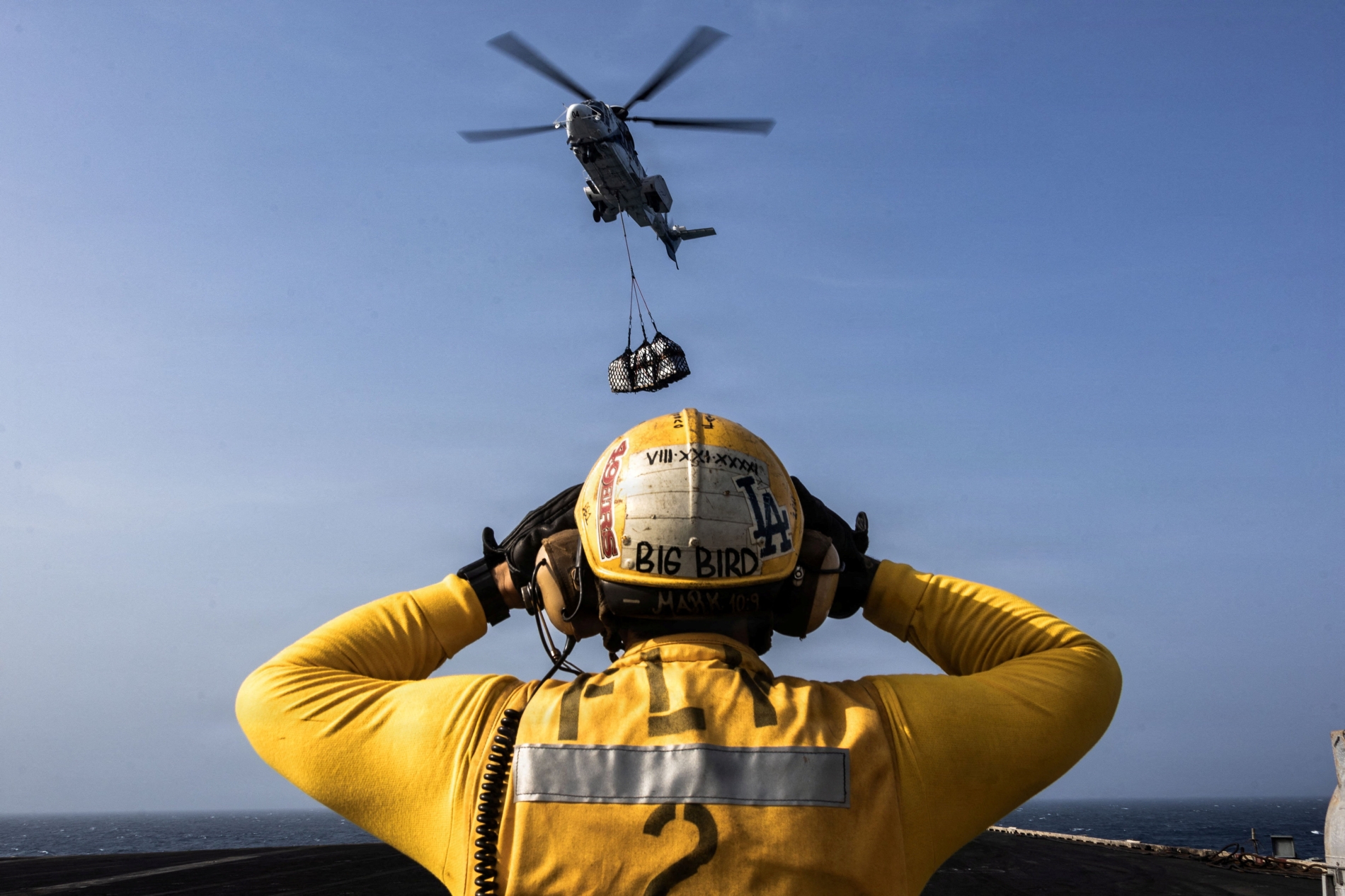
The USS Abraham Lincoln is reportedly heading home after a long deployment tied largely to the war with Iran. Should we read that as a sign of a breakthrough?
Lincoln's departure from the Middle East region should be seen as a regularly scheduled rotation of forces. The US has more than 50,000 troops deployed across the region to support assigned missions, including two aircraft carriers. Lincoln was one of those carriers, and we have replaced it with another, the USS George Washington and its carrier strike group. This means the US military remains committed. It remains vigilant and prepared to do whatever our senior leadership assigns.
Do you expect more escalation, or a breakthrough?
It's a dynamic environment. We will see what happens in the future. I'm not going to forecast that. What you can be assured of is that the US military stands ready to do whatever it is assigned to do. We are vigilant. We are highly trained and skilled to execute missions that include, right now, the US blockade against Iran—ensuring that no ships are able to enter or depart an Iranian port or coastal area. Another key mission is helping ensure that commercial vessels can move through the Strait of Hormuz, an international waterway. So we are doing those two things at once as it relates to Iran. We're highly effective, and that remains our focus right now.
Have we reached a stalemate in the Iran war, or is the US heading towards the use of more decisive military power?
It's a great question, but it is a policy question, and I'll leave that for our political leadership to answer. Our responsibility and our role as a military force for America and the region is to maintain our readiness and our vigilance, and to be ready to execute whatever we are assigned and tasked to do. That is, in fact, what we are doing. We know how to do it. We do it well. You've seen us do it over the last few months. When our commander-in-chief calls and directs us to conduct a mission, we conduct it.