As social media transforms how people seek medical advice, figures such as Barbara O’Neill and Diaa Al-Awadi offer something conventional medicine rarely can: absolute certainty
A few weeks ago, a tranquil wellness resort on the shores of Egypt’s El Gouna was preparing to host the Australian alternative healthcare promoter Barbara O’Neill for a training course on ‘natural healing’ and lifestyle renewal. At first glance, the event seemed little different from the countless workshops that populate the fringes of the global wellness industry. Within days, however, it had become the focus of a sweeping medical, political, and media controversy in Egypt.
Events moved rapidly. The Egyptian Medical Syndicate warned of the dangers posed by O’Neill’s claims, while the Ministry of Health and the Supreme Council for Media Regulation intervened. A succession of decisions followed, barring her from speaking, prohibiting the promotion of her events and services, and emphasising that she held no licence to practise medicine in Egypt. Officials also referred to a formal 2019 finding by Australian authorities that she posed “an immediate risk to public safety”.
For O’Neill’s millions of followers on TikTok, Instagram, and YouTube, the speed of the institutional response only reinforced what they already believed. They did not see the ban as an attempt to protect patients. Instead, they read it as another episode in a familiar drama: the medical establishment, in their view, defending its authority and profits by silencing a woman who dared to suggest that healing might be found in the kitchen and in the herbs of the field, rather than in pharmaceutical laboratories and operating theatres.
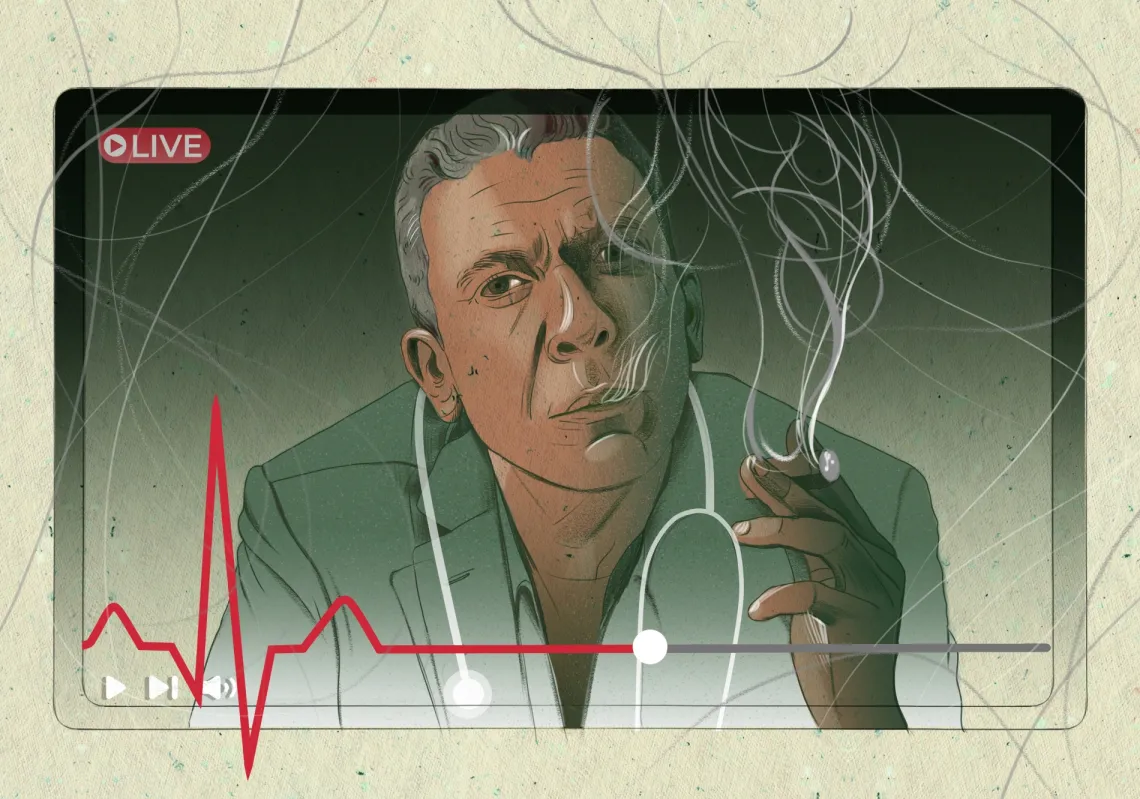
Not long before the controversy surrounding O’Neill, Egyptian public opinion had been similarly divided over the late physician Diaa Al-Awadi and his well-known ‘Al-Tayyibat’ regimen. Al-Awadi went far beyond promoting healthy eating as physicians typically do when treating obesity or diabetes. He offered an all-encompassing route to freedom from chronic disease through a strict dietary system, placing himself in direct confrontation with the medical establishment of which he was formally a part.
An appealing message
The two cases illuminate a much broader phenomenon: the transformation of the marketplace for medical information in the age of social media. A patient who, decades ago, might have turned to a doctor, a medical textbook, or a specialised television programme now finds themselves surrounded by thousands of competing voices, each seeking to explain illness, many of which offer extraordinarily simple answers to extraordinarily complex questions.
Purveyors of medical myth offer something conventional medicine can rarely provide: absolute certainty
The message grows more appealing when it promises people that they can reclaim control over their health through a small repertoire of foods, herbs, or daily habits, sparing themselves the long and often daunting path of tests, medication, and surgery. Purveyors of medical myth offer something conventional medicine can rarely provide: absolute certainty. They assure their audiences that even the most intricate diseases can be overcome through simple dietary remedies alone.
O'Neill is among the clearest proponents of this branch of thought. Over many years, she has built a vast following through lectures and videos on food, lifestyle, and what she describes as 'natural healing'. She has appeared at events and wellness retreats and, in various settings, has presented herself as an authority on health, nutrition, and natural therapies.
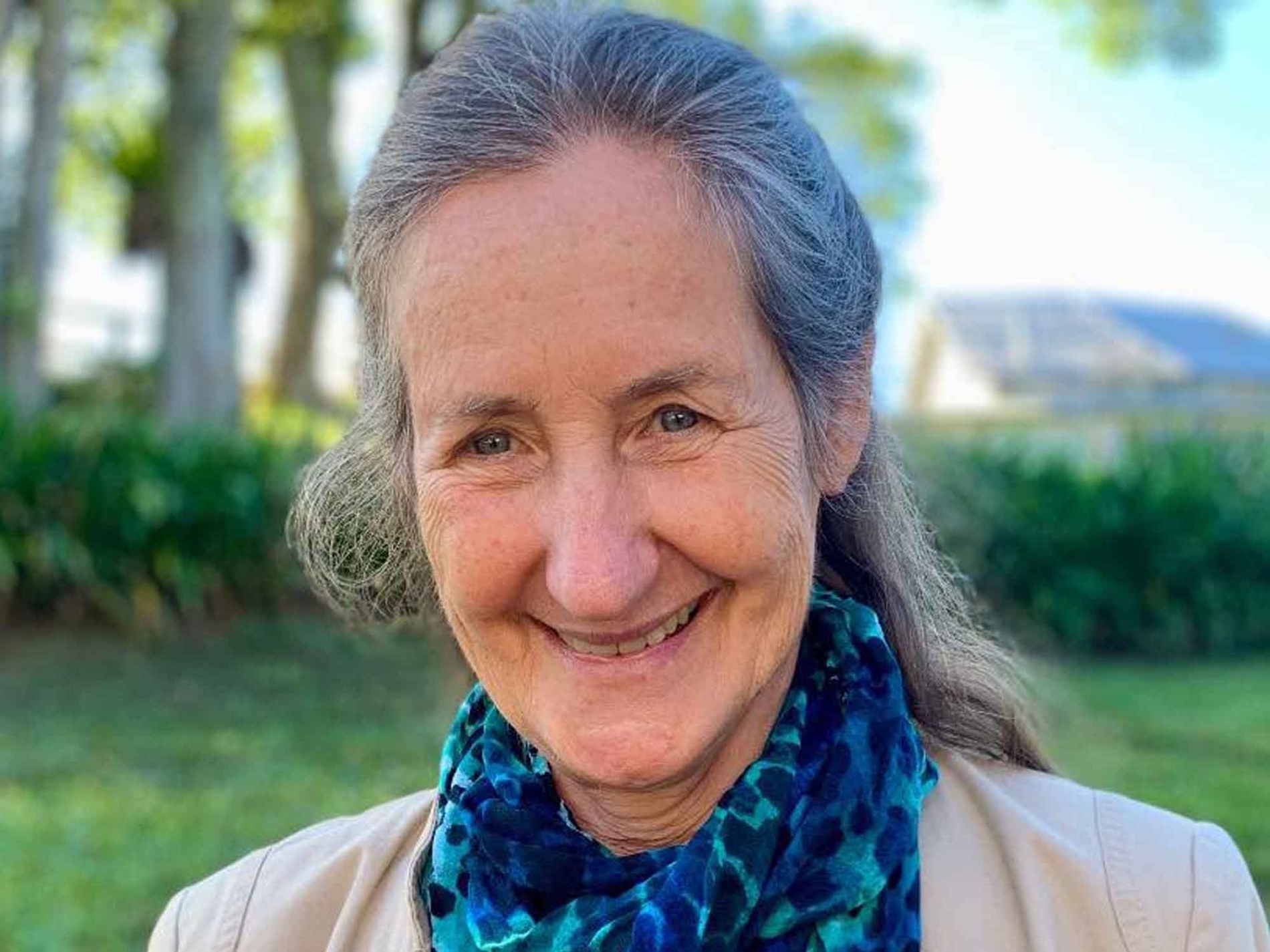
The Australian alternative healthcare promoter Barbara O'Neill
Dangerous advice
Yet the image projected by her enormous online audience sits uneasily with the findings of the Health Care Complaints Commission in New South Wales. After investigating her activities and complaints about the advice she provided, the commission concluded that O'Neill had no recognised health qualifications that would entitle her to offer the kind of therapeutic guidance she gave the public. It also found that she had ventured far beyond the limits of her expertise when discussing cancer, infant nutrition, vaccination, antibiotics, and other subjects in which erroneous advice can have grave consequences.
Among the claims most widely associated with O'Neill is the idea that cancer can be understood as a form of fungus, alongside the promotion of sodium bicarbonate or dietary changes as ways of combating it. The appeal of such claims reveals something fundamental about pseudomedicine: its extraordinary capacity to compress an immensely complex disease into a simple story that can be told in a matter of minutes.
Modern medicine does not regard cancer as a single disease. The term encompasses hundreds of tumour types that vary in origin, genetic and molecular characteristics, behaviour, and response to treatment. One patient may require surgery, another radiotherapy, chemotherapy, immunotherapy, or targeted therapy, while several approaches may be combined according to the type and stage of their tumour.
The danger of describing cancer as a fungus therefore extends far beyond a factual error in biology. Its real danger lies in the decisions a patient may make because of that error. Someone persuaded that the disease can be treated with a household substance or a dietary regimen may postpone surgery or drug treatment at a stage when a delay of only weeks or months could profoundly alter the chances of controlling the tumour.
Objections to O'Neill's message extended into still more sensitive territory, including infant nutrition. Her name became associated with recommendations involving unpasteurised goat's milk and other mixtures in circumstances where breastfeeding or properly formulated infant substitutes should have been used. An infant is not simply a smaller adult to whom dietary rules can be applied simply by removing one ingredient and adding another. The body is still developing, while the kidneys, immune system, and digestive tract process food in distinct ways, and nutritional requirements for protein, fats, salts, and vitamins must be calibrated with particular care.
Poorly regulated dietary advice can therefore lead to consequences far more serious than a poor food choice. It can expose an infant to malnutrition, electrolyte imbalance, or infection, especially when unpasteurised products are involved. O'Neill also drew criticism for her claims about vaccines and antibiotics. Here, a familiar pattern emerges: a valid fragment of truth, such as antibiotic overprescription, is stretched into a sweeping, erroneous conclusion that such drugs are unnecessary or inherently harmful, even though in certain infections they can be life-saving.
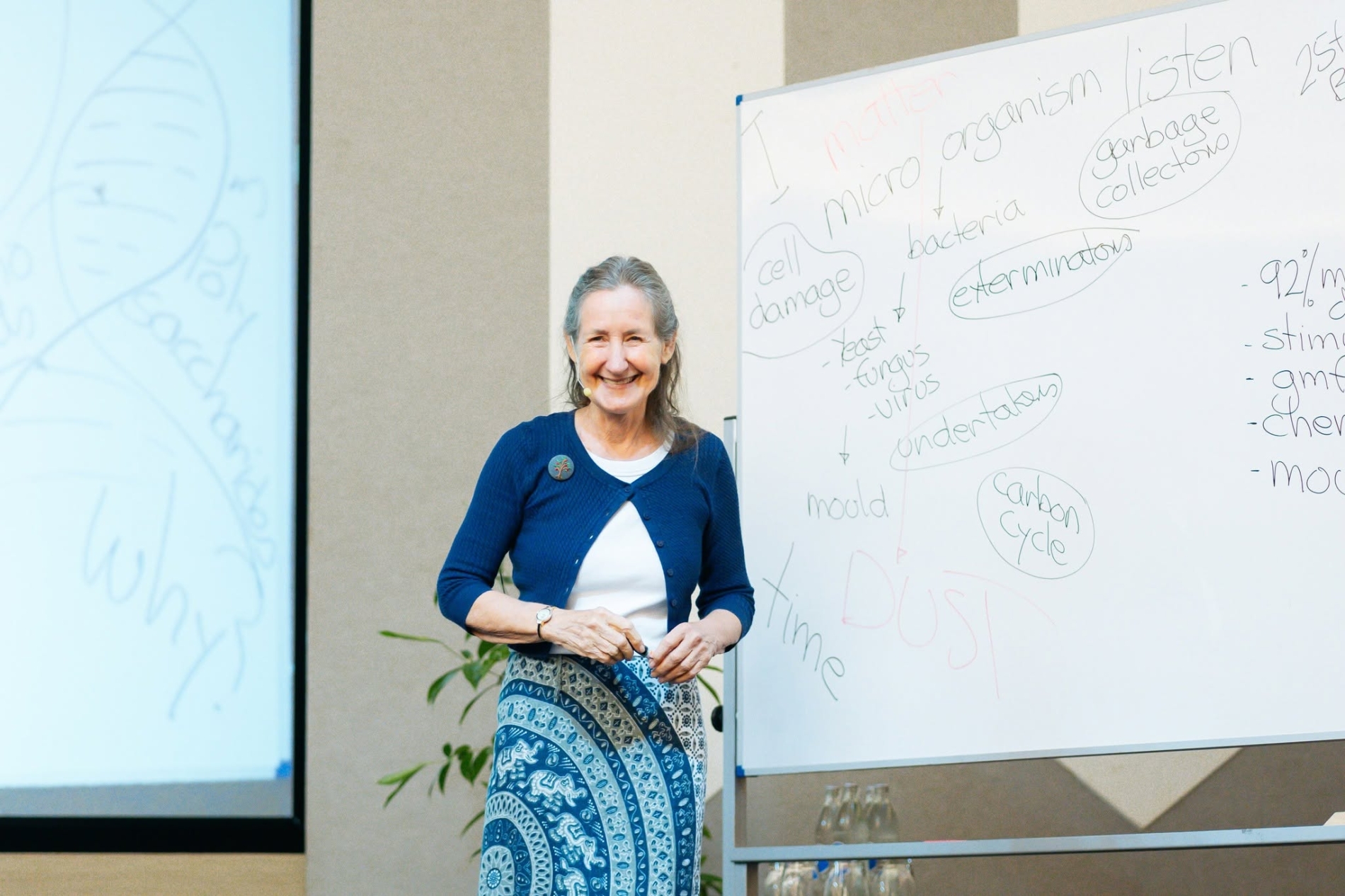
The Australian alternative healthcare promoter Barbara O'Neill
Between late 2018 and early 2019, the controversy moved beyond online debate into the regulatory sphere after the Health Care Complaints Commission in New South Wales received complaints from members of the public and health practitioners about the nature of the information O'Neill was providing. After reviewing her activities, lectures, qualifications, and the advice she offered to the public, the commission concluded that she posed a risk to public health and was failing to remain within the boundaries expected of an unregistered health practitioner.
On 24 September 2019, the commission issued a prohibition order preventing her from providing health services covered by the ruling, whether for payment or free of charge. The order also extended to certain forms of health education and instruction. The significance of the ruling lies as much in the principle behind it as in its severity. The regulator did not require proof that every person who had listened to O'Neill had suffered harm.
Proliferation tool
Yet the Australian ruling did not make O'Neill disappear, and this is perhaps the most revealing aspect of the story. In an earlier media age, preventing a lecturer from operating within a particular institution or jurisdiction might have gone a long way towards limiting that person's influence. In the era of YouTube, Instagram, TikTok, and countless other platforms, information is no longer constrained by geography.
A person can be barred from providing health services in one place while, at the same moment, a lecture reaches millions elsewhere. A video can be re-uploaded, copied, translated, and stripped of its original context tens of thousands of times. More troubling still, the ban itself can become promotional material for the alternative message, presented to supporters as evidence that the 'establishment' fears what the speaker is saying or is attempting to suppress the 'truth'.
Health misinformation thus enters a self-reinforcing cycle. If authorities ignore it, it keeps spreading. If they intervene, the intervention can itself be recast as proof that the conspiracy theory was correct. O'Neill therefore remained active outside Australia, while her content continued to circulate, until her case returned to public attention in Egypt earlier this month.
Public interest in the case was shaped by a broader Egyptian context. The controversy followed an intense debate over Al-Awadi's 'Al-Tayyibat' regimen, along with dietary and health recommendations attributed to him that drew objections from doctors and professional bodies. While their experiences were not identical, both came to embody a form of discourse that offers the public an alternative account of health, one that appears simpler, more certain, and more decisive than the language of conventional medicine.
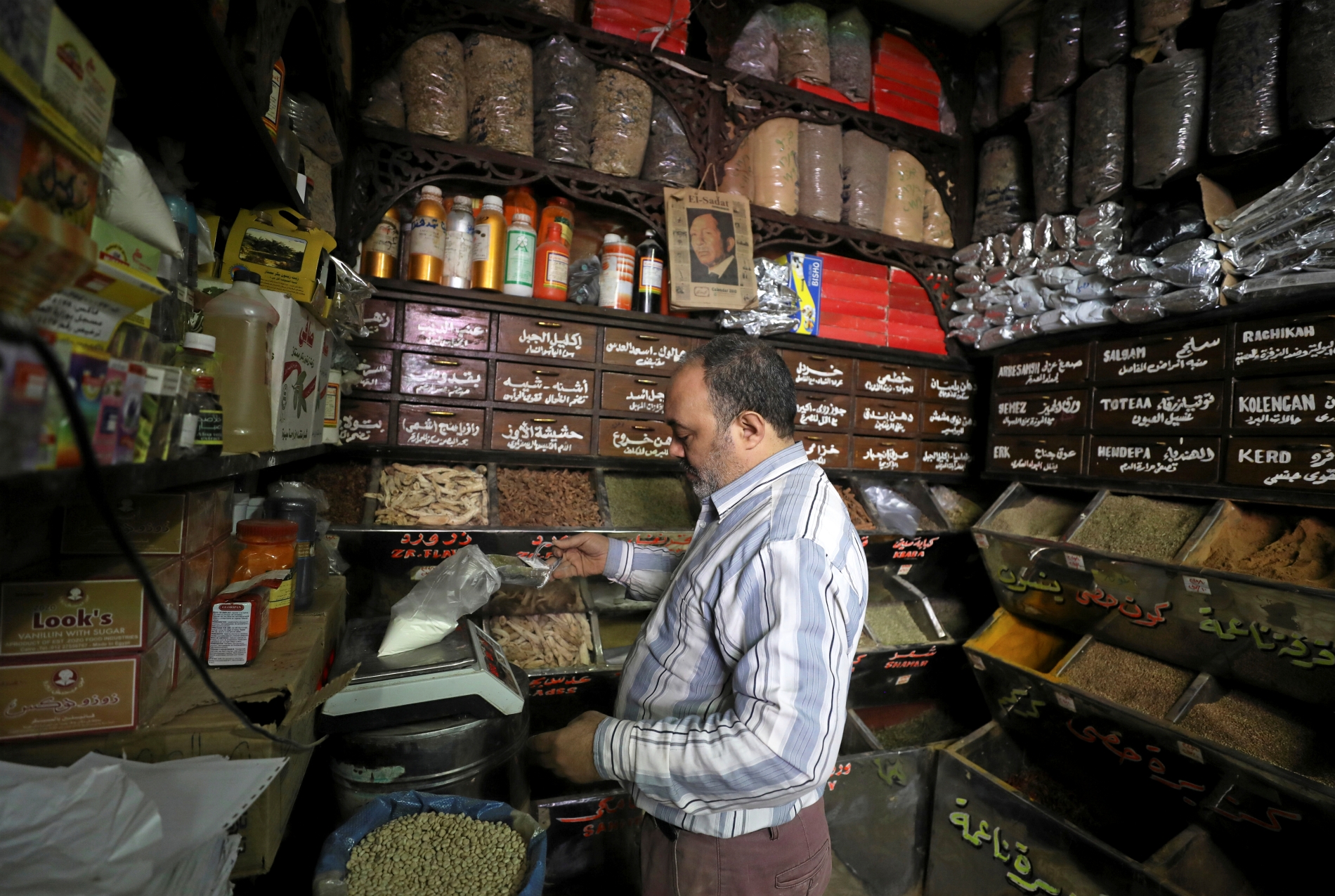
A worker at a herbal shop prepares ingredients for a natural herbal remedy in Cairo, Egypt, 10 January, 2017
The phenomenon cannot be reduced to a confrontation between 'the charlatan' and 'the gullible'. Many of those drawn to such messages are educated and discerning, yet illness can change how people receive information. A cancer patient, for example, seeks more than medication. They want an explanation for what has happened and a sense that some measure of agency remains within their grasp. Modern medicine may place before them a biopsy report, a molecular analysis, and statistics on response and relapse rates, then tell them, truthfully, that no outcome can be guaranteed.
The purveyor of an alternative message offers a more comforting narrative. Your illness has a clear cause. There is something you did wrong. Stop eating this food, take that substance or 'cleanse your body', and things will return to normal. Scientifically, such a story may be exceedingly weak. Psychologically, however, it can be immensely powerful, because it shifts the individual from waiting for treatment to work to feeling able to take action immediately. Hope itself then becomes part of what these messages are selling, whether or not any commercial product is attached.
The appearance of science
The way these messages are presented often lends them an authority far greater than their scientific merit warrants. A whiteboard, a few arrows, diagrams of cells, the names of hormones and enzymes, and a scattering of English terminology can together create what might be called the 'appearance of science'. A speaker may, for example, draw a line from 'sugar' to 'inflammation' and from there to 'cancer', explaining the sequence with complete confidence. To a non-specialist, the argument can appear persuasive because every element is familiar from medicine: sugar exists, inflammation exists, cancer exists, and there are indeed complex biological relationships between metabolism and certain diseases.
Yet the use of correct terminology does not make the causal chain itself sound. The real distinction begins with the questions that rarely appear in such videos: Where is the experiment that tested this hypothesis? How many people took part? Was there a control group? Did the patients improve because of the intervention, or did the improvement merely coincide with it? Ten minutes of confident 'explanation' can leave an audience feeling that it understands the mechanism of an entire disease, even though the speaker has produced no evidence to demonstrate that the conclusion is valid.
A photo of herbs for sale at an herbal shop in Cairo, Egypt.
The purveyor of simplified medicine also enjoys another advantage over the doctor or scientist: absolute certainty. Scientific language is cautious by nature because researchers know that every study has limitations, that statistical association does not necessarily establish causation, and that a result observed in a small trial may disappear when tested on a larger scale. Such caution is a mark of scientific discipline. On social media, however, it can look like weakness in an environment that rewards certainty, simplicity, and emotional force.
By contrast, someone speaking into a camera can simply declare, 'This is what causes cancer', or 'This food destroys the body', or 'Doctors do not want you to know this'. A decisive phrase that is easy to remember and easy to share gives the audience the impression that the speaker possesses knowledge withheld from everyone else. Over time, confidence itself begins to function as a psychological substitute for evidence. The viewer may not possess the tools required to assess dozens of studies, yet can readily judge tone of voice, speed of response, and the ability to tell a coherent story. These are all communication skills, but none necessarily tells us whether the information is true.
Over time, confidence itself begins to function as a psychological substitute for evidence.
The effect becomes more powerful still when personal testimony enters the picture. A health influencer has little need for a randomised clinical trial if they can present the story of someone who says they were ill and recovered after following the regimen. A human story is more compelling than statistics because it gives illness a face, a name, and a dramatic resolution.
Scientifically, however, it can be extremely difficult to know what such a story proves. The original diagnosis may have been wrong. The person may have been receiving medical treatment at the same time. The illness may naturally pass through periods of improvement. There may also be thousands of others who followed the same regimen, experienced no benefit, and never had their stories recorded.
Why the message thrives
Medicine does not dismiss personal experience as entirely without value. Its limitation lies elsewhere: personal testimony cannot reliably distinguish genuine causation from coincidence or from other contributing factors. Social media follows almost the opposite logic. It does not ask about control groups or sample sizes. It asks which video made people stop, comment, and share. As a result, the story that says, 'I did this, and I recovered', has a far greater chance of spreading than a rigorous study reporting that a particular intervention reduced a specific risk by a modest amount in a clearly defined group of patients.
A health influencer has little need for a randomised clinical trial if they can present the story of someone who says they were ill and then cured by the regimen.
The question raised by O'Neill, Al-Awadi, and others therefore extends beyond the personalities themselves to the structure that allows this kind of discourse to thrive. Modern medicine, for all its scientific strength, faces a genuine crisis of communication. A patient may wait weeks for an appointment, only to receive a few hurried minutes with a doctor burdened by an overwhelming caseload. They may leave with a prescription yet little understanding of what is happening inside their body.
A social media influencer, by contrast, can offer an hour of simplified explanation free of charge on a phone, repeat the same point 10 times, speak in language the audience readily understands, and address questions that patients may sometimes feel too embarrassed to ask in a clinic.
Add to this the cost of healthcare, anxiety over drug side effects, distrust of institutions, and the belief among some patients that pharmaceutical companies profit enormously from their illness, and the result is fertile ground for any message promising a third way. Mocking the audience, or dismissing everyone who believes such claims as ignorant, does little to solve the problem. It may instead drive them further towards those who tell them that the 'arrogant establishment' neither respects them nor listens to them.