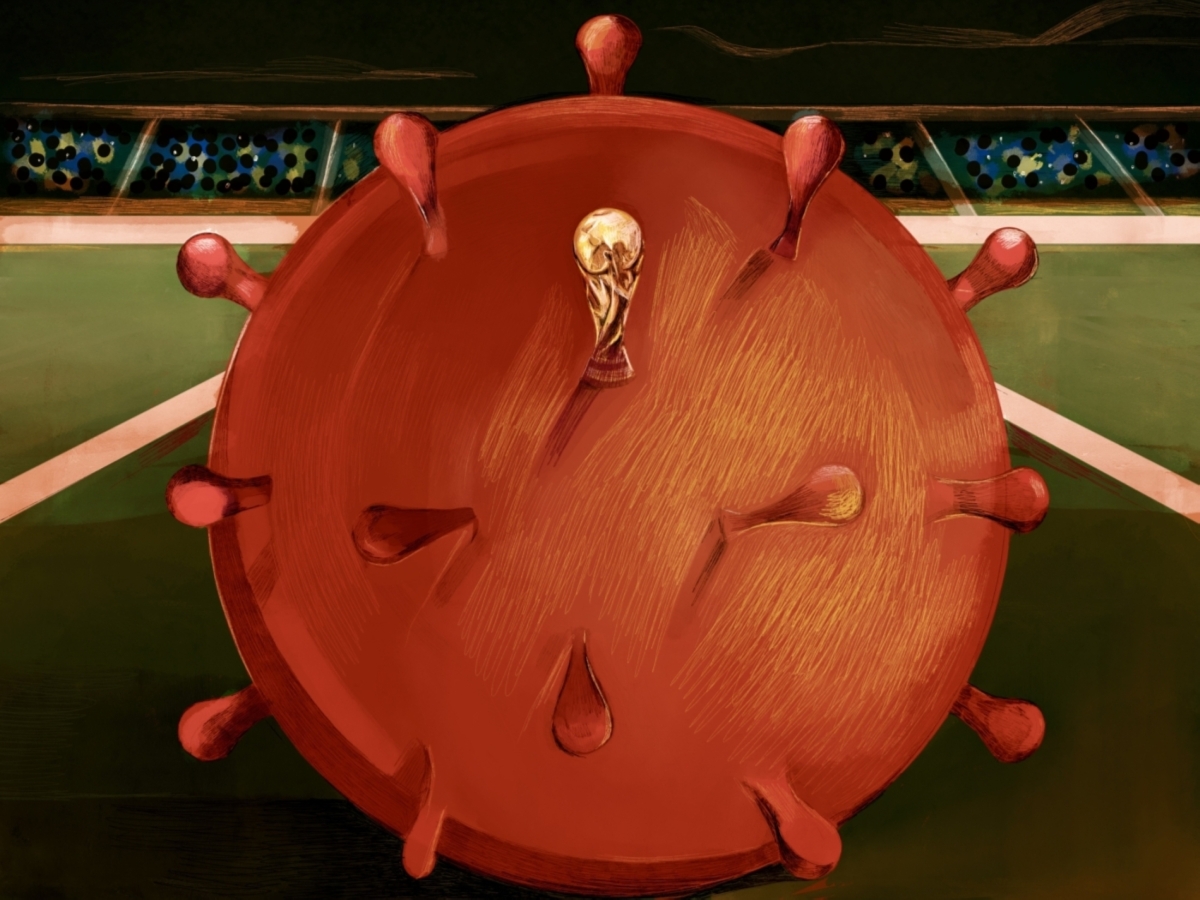
The World Cup puts global disease surveillance to the test

As millions cross borders and continents, could stadiums become the epicentre of a new global outbreak?

Sara Padovan

The World Cup puts global disease surveillance to the test

Millions of football fans will put health systems through a global epidemiological stress test during the FIFA World Cup 2026, with measles, influenza, and Covid among the most immediate concerns. Held in the US, Canada, and Mexico, the World Cup is bringing together 48 national teams and millions of supporters. From a public health standpoint, it represents one of the largest experiments in global human mixing in recent years. Fans will arrive from every continent. Flights will land in rapid succession. Airports will swell with travellers, hotels and bars will reach capacity, and public transport networks will operate under sustained pressure for weeks.

This does not mean the tournament is destined to trigger a major epidemic. Historically, large sporting gatherings rarely produce sweeping outbreaks on their own, particularly in countries with strong health infrastructure. But they do create favourable conditions for the spread of certain pathogens: respiratory viruses that thrive in crowds; highly contagious infections such as measles; gastrointestinal illnesses like norovirus; sexually transmitted infections; and mosquito-borne diseases that may find a narrow opening to enter new regions.

The World Cup amplifies risks already circulating rather than creating danger out of thin air. Public health experts, therefore, focus less on whether a disease will reach the event and more on which one will arrive—and whether it will find the conditions it needs to spread.

Ebola and measles

Diseases that provoke the greatest public anxiety are often those with the most frightening reputations, foremost among them Ebola. With outbreaks in the Democratic Republic of Congo and Uganda involving the rare Bundibugyo strain, and France recording its first case, it is easy to imagine a dramatic scenario in which an infected traveller enters a packed stadium.

Epidemiological analysis, however, is governed by transmission patterns and realistic probabilities, not fear. Ebola does not spread like influenza or measles. Sitting next to an infected person in the stands is not enough to transmit the virus. Transmission requires direct contact with the bodily fluids of a sick individual—such as blood, vomit, saliva, or other fluids. Infected people also generally do not become contagious before symptoms appear.

For this reason, the arrival of an imported case remains theoretically possible, but it is not the most likely scenario inside stadiums. If such a case occurs, the challenge will be rapid suspicion, isolation, and contact tracing, rather than preventing airborne spread among thousands of fans.
REUTERS
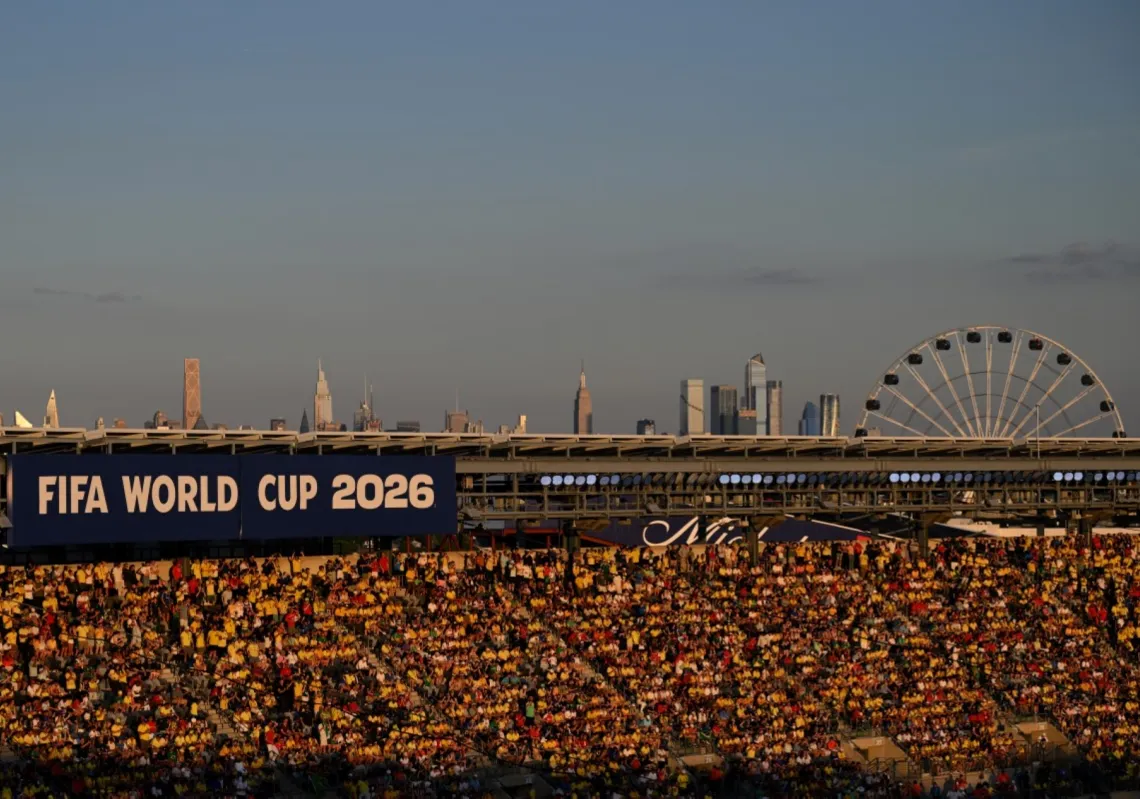
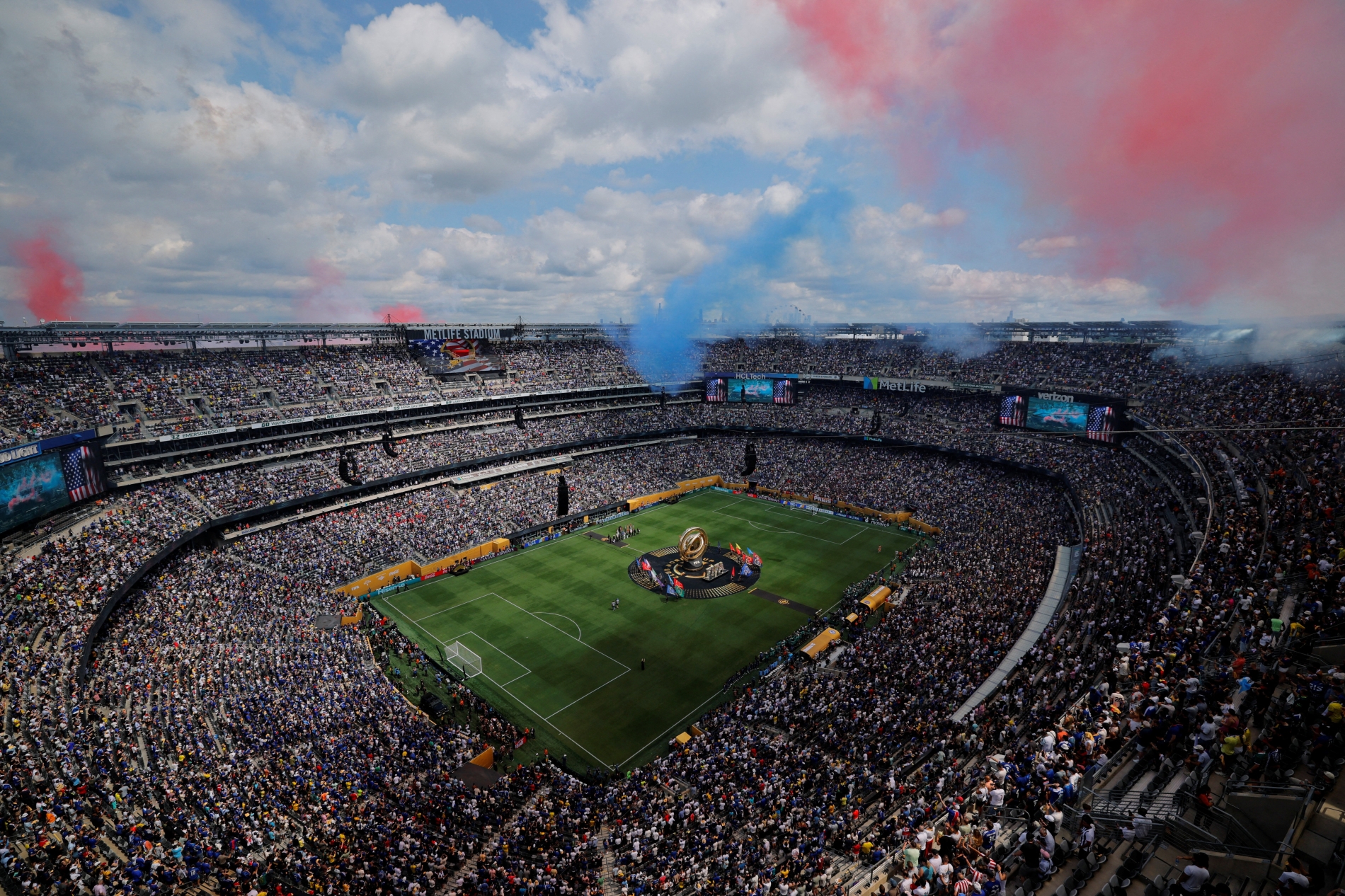
MetLife Stadium in the US state of New Jersey.

But while Ebola grabs the most headlines, measles is what genuinely worries many health experts. It is among the most contagious diseases, with a single infectious person in an airport, bar, fan zone, or partly enclosed stand potentially enough to place large numbers of unvaccinated people at risk. The situation is especially sensitive because the tournament will take place at a time when the US, Canada, and Mexico are seeing increases in measles cases amid declining or uneven vaccination rates in some communities.

Measles does not require prolonged close contact. The virus can remain suspended in the air after an infected person has left, making crowded, fast-moving spaces ideal for transmission. For this reason, measles is a direct test of community immunity, not merely individual immunity. If most attendees have received the MMR vaccine, chains of transmission can break quickly. If the virus enters pockets of low vaccination, a single case may grow into a chain of outbreaks.
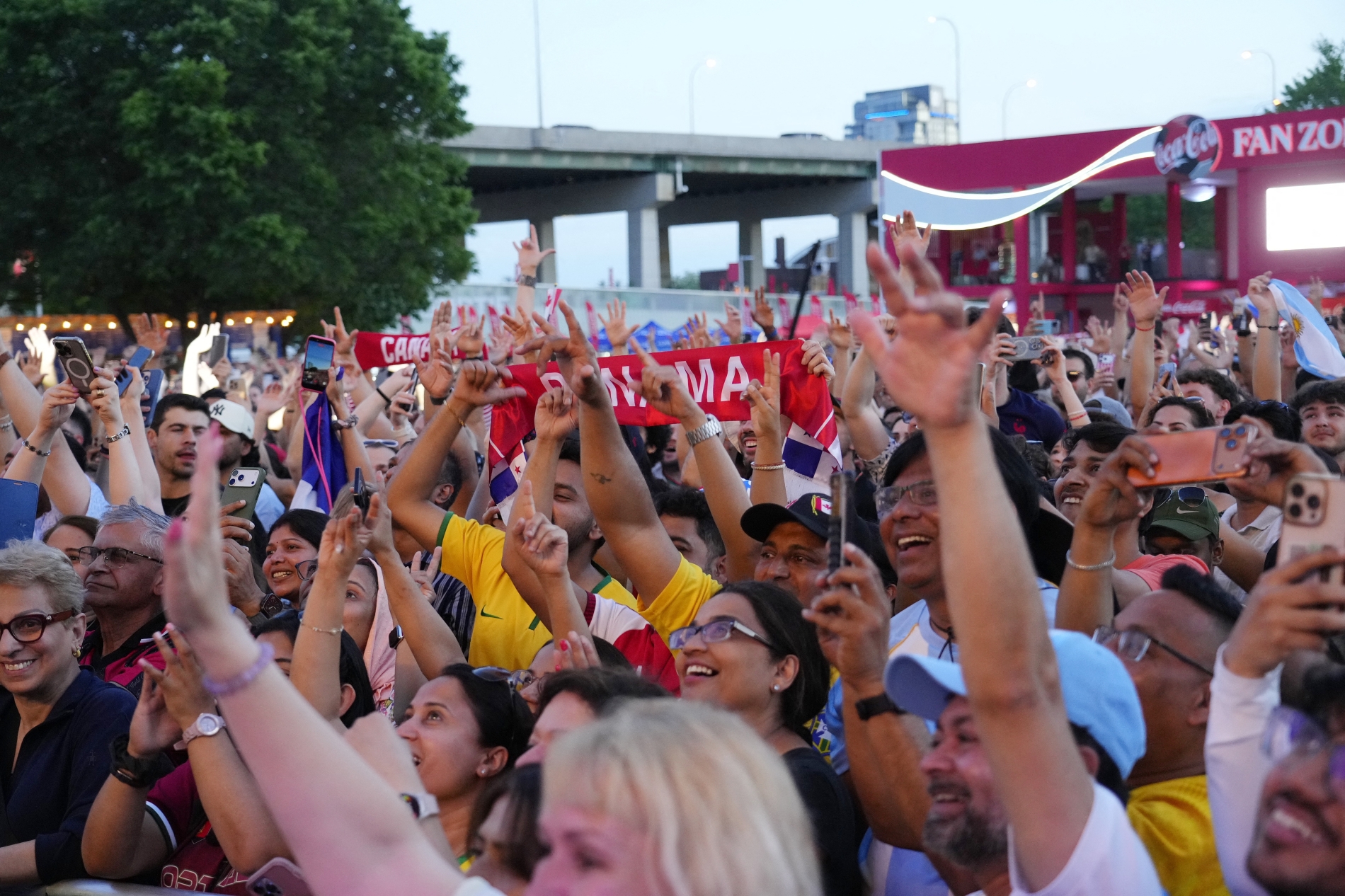

Diseases that provoke the greatest public anxiety are often those with the most frightening reputations, foremost among them Ebola.

Influenza and Covid 

Influenza and Covid provoke less alarm today than during the pandemic years, yet they remain among the most realistic concerns in the context of a global tournament. Crowds, singing, shouting, physical proximity, long journeys, fatigue, and celebrations in enclosed venues all increase the likelihood of respiratory spread.

A fan in North America may assume that summer is not influenza season. But the World Cup will not only gather North Americans. Fans, players, journalists, and broadcast crews will also arrive from the Southern Hemisphere, where influenza follows a different seasonal rhythm. Some may carry active viruses into host cities. 

Covid no longer brings the world to a standstill as it did in 2020, but people continue to be hospitalised for the virus particularly among older adults, people with chronic illnesses, and those with weakened immunity. In an event like the World Cup, the question is not only how many people become infected but who becomes infected—and whom they later expose.

In the background, scientists are monitoring avian influenza, particularly as it continues to circulate among birds and some mammals, including dairy cattle in the US. So far, there is no evidence of sustained human-to-human transmission, which remains the decisive threshold. As long as the virus cannot spread efficiently between people, it will not pose a significant threat in stadiums.

REUTERS
2026 FIFA World Cup

Other diseases

Mosquito-borne diseases represent a different layer of risk. They do not pass directly from one fan to another in the stands. They require a living vector: a mosquito that bites an infected person and then transmits the virus or parasite to someone else. Their risk, therefore, depends on weather, mosquito distribution, the arrival of cases from affected areas, and the health system's ability to diagnose them early.

In southern US cities and in Mexico, summer heat makes these risks more pronounced. Dengue fever in particular has spread globally in recent years, and Latin America and the Caribbean are among the regions bearing a heavy burden. Chikungunya, malaria, and Oropouche also belong on the watch list. Yellow fever is not endemic in the US, but it remains relevant for travellers arriving from parts of Africa and South America.

In such cases, the threat is not an explosive epidemic but imported infections that may puzzle doctors if they are absent from the initial field of suspicion. An emergency physician in a US city may see fever, headache, and general body aches and think first of influenza or Covid, while the patient may have returned from an area where dengue fever or malaria is circulating. The tournament, therefore, requires diagnostic vigilance, not panic.

There is also a health dimension that receives too little attention in sports coverage: sexually transmitted infections. Large gatherings involve more than matches, transport systems, and airports. They also bring celebrations, alcohol, travel, casual encounters, and, at times, riskier behaviour.

Travel studies indicate that a proportion of international travellers engage in casual sexual encounters, and that many of these encounters may take place without protection. This can increase the likelihood of transmitting infections such as gonorrhoea, chlamydia, and syphilis. Addressing them, therefore, requires practical public health messaging: making condoms available, facilitating testing, reducing stigma, and providing clear information that is neither moralising nor punitive.

Etienne LAURENT / AFP
US fans cheer for their team ahead of the 2026 World Cup Group D football match between Turkiye and the US at the Los Angeles Stadium in Inglewood on 25 June 2026.

At any large gathering, gastrointestinal diseases also come into play. Norovirus, for example, is highly contagious. It can spread through contaminated surfaces, food, or close contact and can cause acute vomiting and diarrhoea. 

The difference between the World Cup and an informal open-air festival lies partly in stadium infrastructure: sanitation systems, regulated food outlets, and higher food safety standards. These reduce the risk without eliminating it, especially in unofficial fan zones, gatherings reliant on street food, or places where regular handwashing is difficult.

This is the scale at which the tournament should be understood. Travel and human mixing will increase, yet not every imported case will lead to an outbreak. For this reason, some estimates conclude that most potential pathogens will not pose a major burden and that the most important watchlist includes only a limited number of diseases with a higher probability or higher impact.

Such reassurance should not lead to complacency. These models assume a certain level of public health readiness: surveillance, diagnosis, communication, vaccination, and local response. If any of these links weaken, a small event can grow. A single measles case in an under-vaccinated community, an outbreak in a hotel, or a delayed diagnosis of a rare disease may be enough to test the system.

While spectators watch the matches, a quieter contest unfolds in the background: the work of health surveillance.

Health surveillance

While spectators watch the matches, a quieter contest unfolds in the background: the work of health surveillance. Authorities in the three countries, alongside academic institutions, companies, and health organisations, will monitor early signals of disease. This includes hospital data, wastewater data, international alerts, local reports, and perhaps even online public conversations that may point to emerging health concerns.

In epidemics, speed is not a luxury. The difference between containing a small outbreak and watching it become a crisis may be measured in days—sometimes in hours. The prevention message is not complicated. The most important step is to update vaccinations before travelling, especially the measles, mumps, and rubella vaccine, along with Covid and influenza vaccines for groups covered by the relevant recommendations.

Most likely, the World Cup will not mark the beginning of a new global pandemic. Yet the tournament may expose weaknesses in vaccination, surveillance, diagnosis, and health communication. The more serious concern lies with the diseases best positioned to exploit crowds and travel: measles, influenza, Covid, norovirus, and a handful of mosquito-borne or sexually transmitted infections.

font change