
Fast food is a silent threat to fertility

Research involving almost 1,500 people reveals a link between the consumption of processed food and drink, the quality of sperm, and the womb environment. The implications are huge.

Sara Padovan

Fast food is a silent threat to fertility

Over recent decades, people's eating habits have undergone a profound shift, with ultra-processed foods (UPFs) becoming a daily staple for millions, especially in the developed world. Amid the pace and demands of modern life, the convenience of fast food has further enhanced its appeal.

Consumption has now risen to unprecedented levels, especially in high-income countries, where UPFs can make up a big proportion of someone’s daily diet. Unfortunately, scientific evidence is beginning to reveal an expanding range of health consequences linked to these foods, from the more commonly known obesity and chronic illness, to more sensitive issues including fertility and foetal health.

UPFs are industrial food products that undergo multiple stages of processing and often contain additives such as preservatives, artificial flavourings, colourings, and refined sugars and fats. They are usually ‘ready to eat’ or require only minimal preparation, but are typically poor in essential nutrients such as fibre, vitamins, and minerals. Examples include burgers, pizza, fried chicken, ready meals, instant noodles, potato crisps, biscuits, cakes, and soft drinks such as industrially produced fruit juices high in sugar.

AFP
A Chinese man eats a Mcdonald's burger in Hefei, central China's Anhui province on 2 April 2007.

Charting the impact

A study of 831 women and 651 male partners, published in March in the journal Human Reproduction, adopted a longitudinal design and followed a large cohort of couples from pre-conception through the earliest stages of pregnancy. Its aim was to clarify the relationship between diet, fertility, and embryonic development.

Researchers gathered data on dietary habits, tracked time to conception (as an indicator of fertility), and performed ultrasound scans to measure embryonic growth and yolk sac size in the seventh, ninth, and eleventh weeks. The findings suggest that UPFs may have a direct and noticeable effect on male fertility, with higher consumption associated with reduced fertility and a longer time to conception.

Some think this stems from sperm's sensitivity to dietary quality. Foods rich in unhealthy fats, sugars, and additives can impair sperm quality, count, and motility, while also contributing to increased inflammation and oxidative stress in the body, both of which are widely recognised for their harmful effects on reproductive health. Taken together, it suggests that a man’s diet plays a central role in fertility, with practical implications for couples hoping to conceive.

Among women, the study found no direct association between UPF consumption and reduced fertility or delayed conception, but it did reveal early effects on embryonic development. The embryos of women who consumed more UPFs were found to grow at a slightly slower rate, with a smaller yolk sac—the essential structure that nourishes the embryo during the first weeks of pregnancy.

VERONICA G. CARDENAS / AFP
A pregnant woman eating fast food. For illustrative purposes only.

Although the differences may appear slight, their implications are not. They suggest that the mother’s diet may shape the womb's internal environment from the earliest stages, with possible consequences for the embryo’s later health and development.

The yolk sac plays a vital role in early pregnancy, as the first structure to nourish the embryo before the placenta is fully formed. It supplies essential nutrients and oxygen, supports the production of early blood cells, and contributes to the initial development of organs. Its size and shape are among the key indicators physicians rely on when assessing the health of a pregnancy in its earliest weeks. Any change in its size or function, however subtle, may have an early influence on embryonic development.
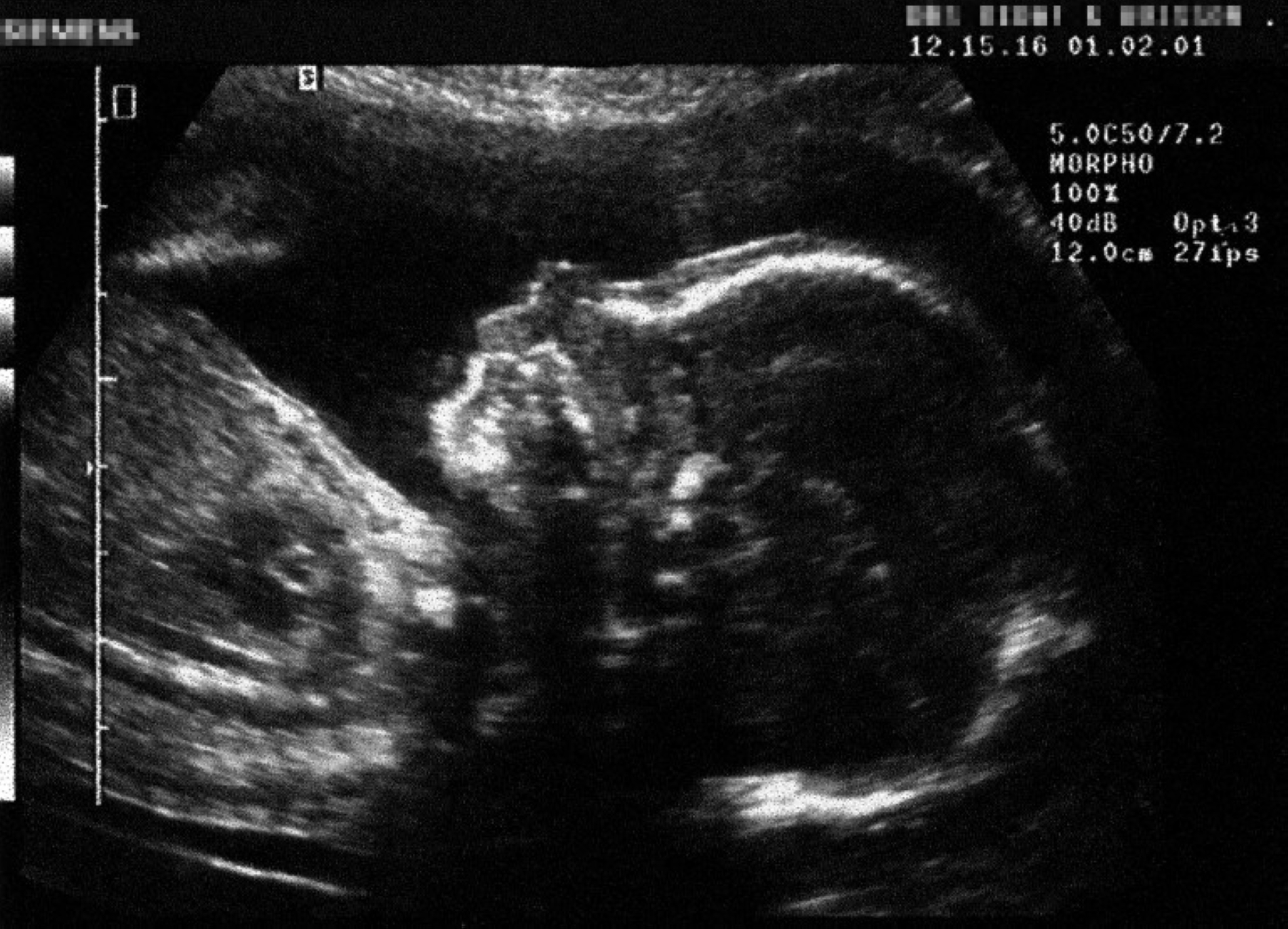
The embryos of women who consumed more ultra-processed foods were found to grow at a slightly slower rate, with a smaller yolk sac

Underlying processes

Although the precise mechanisms remain under investigation, the study offers several possible explanations for the impact of UPFs on fertility and embryonic growth. The first is the lack of vitamins, minerals, and antioxidants needed for reproductive health and embryonic development, while the high content of unhealthy fats and sugars may lead to hormonal disturbances and increased inflammation, both of which can undermine sperm quality and affect the womb.

Researchers also think that industrial additives, such as preservatives and flavourings, may disturb the body's biological balance. Furthermore, UPFs may contribute to oxidative stress—a disruption in the balance between free radicals and antioxidants—potentially harming reproductive cells and hindering embryonic growth in its earliest stages.

Early embryonic growth is decisive in shaping long-term health. The first phase of pregnancy is especially sensitive, as foundational organs are formed and the embryo is particularly vulnerable to environmental and nutritional influences. Earlier studies showed that any slowing of embryonic growth at this stage may be associated with a greater risk of premature birth, low birth weight, and a heightened likelihood of chronic illness later in life, including diabetes and heart disease. Poor early growth may also affect brain and immune system development.

DIDIER PALLAGES / AFP
A fetus in a mother's womb. For illustrative purposes only.

Long-term implications

Despite the significance of these findings, the researchers stress that the study is still observational research—it identifies associations among UPF consumption, fertility, and embryonic growth, but does not establish a direct causal relationship. Reliance on questionnaires to assess diet may also lead to bias or imprecision. Instead, it means more rigorous future studies are needed, they say, particularly clinical trials to understand the biological mechanisms underlying these effects.

There is also a pressing need to examine the role of specific components within these foods, such as additives, to determine their impact on fertility and embryonic development. This can then inform dietary guidance for couples planning to conceive, as both partners' diets may influence the likelihood of conception and the health of the embryo from its earliest stages.

A key recommendation is to reduce consumption of UPFs and replace them with natural, nutrient-rich alternatives such as fresh vegetables and fruit, wholegrains, and healthy sources of protein, including legumes and fish, with healthy fats found in things like olive oil and nuts. Sugar and soft drinks should be kept to a minimum.

Beyond fertility, UPFs are now so deeply embedded in modern diets that there is an urgent need to reassess eating habits and strengthen a culture of sound nutrition. Adopting a balanced diet before conception benefits both parents' health and represents a long-term investment in their children's health.

font change