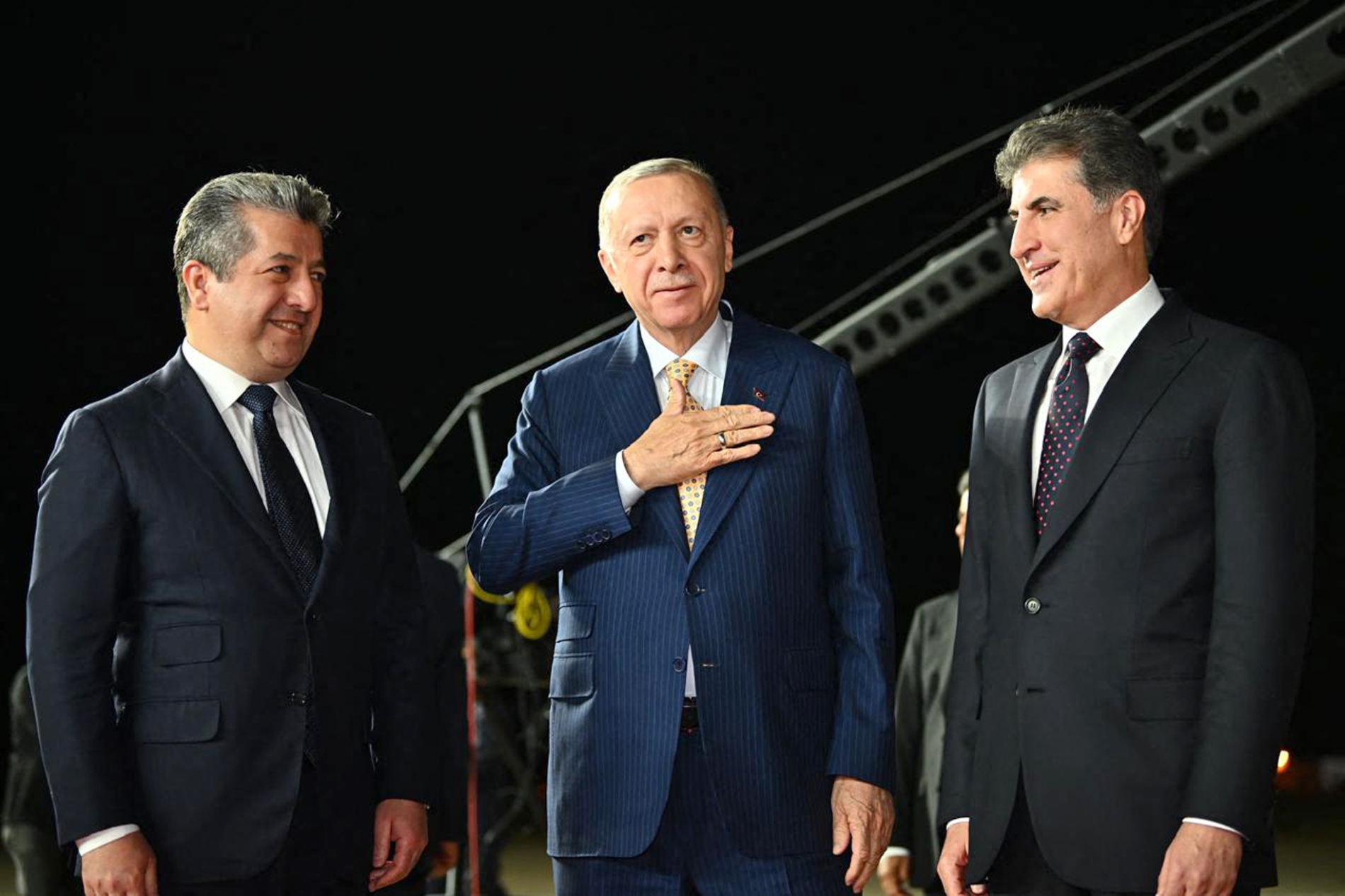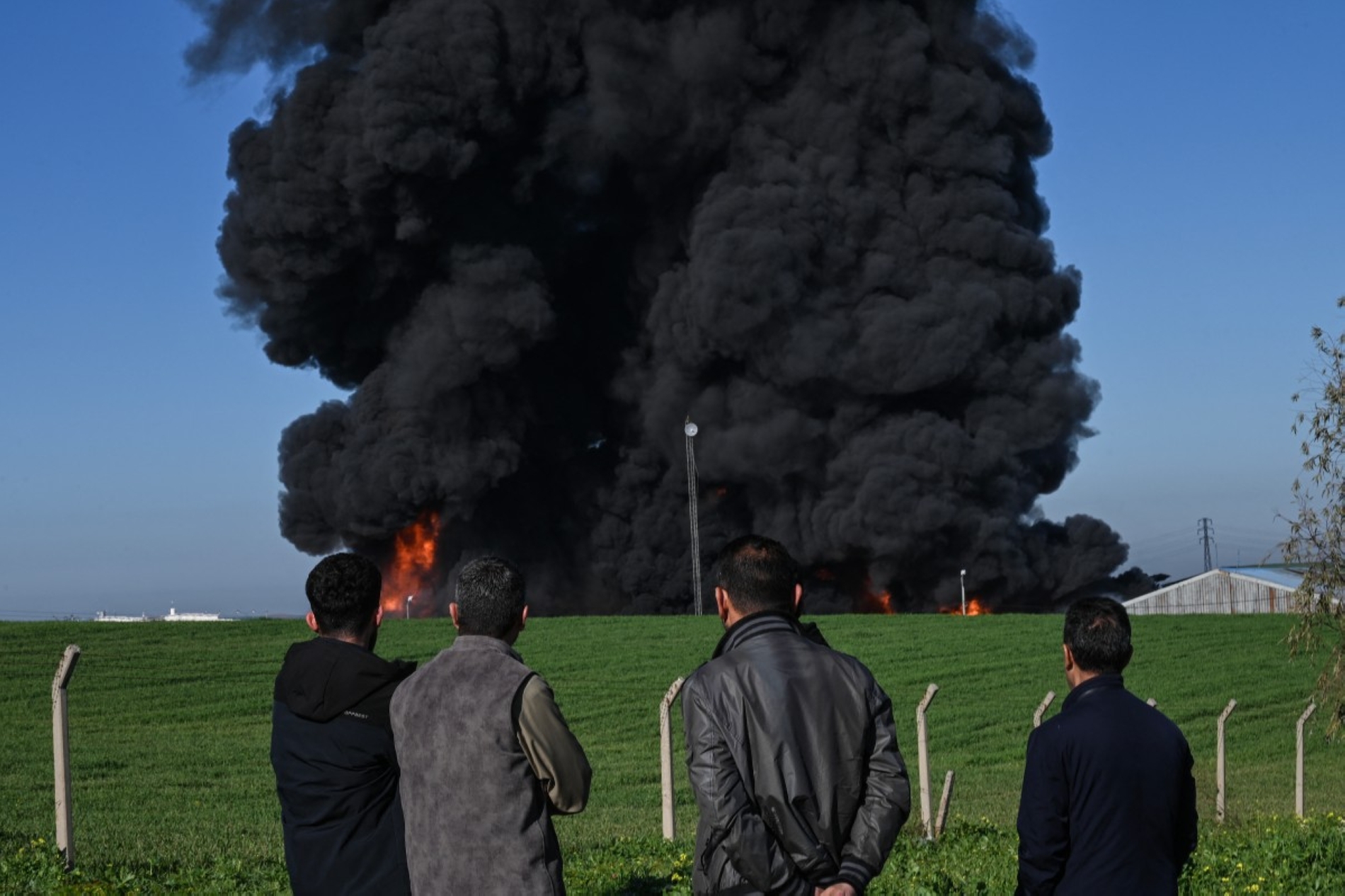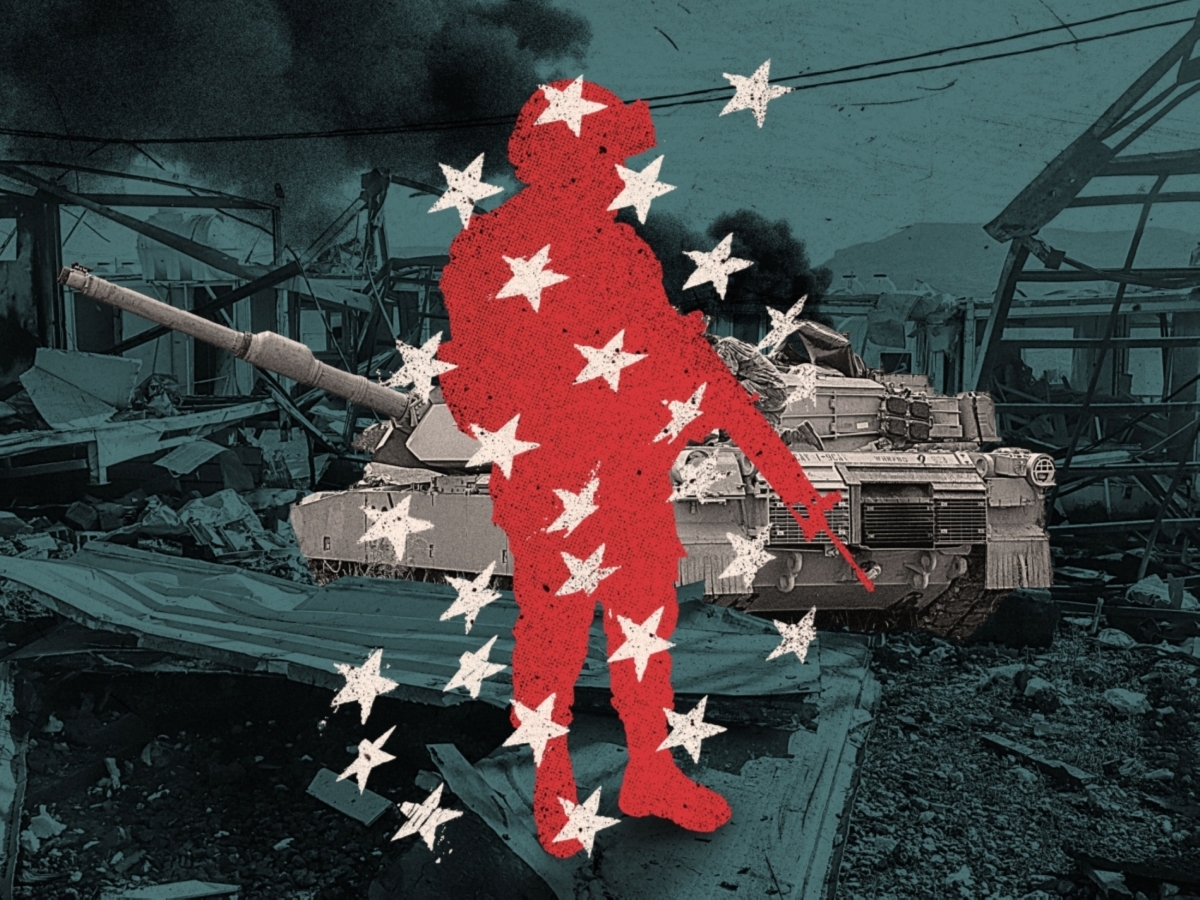

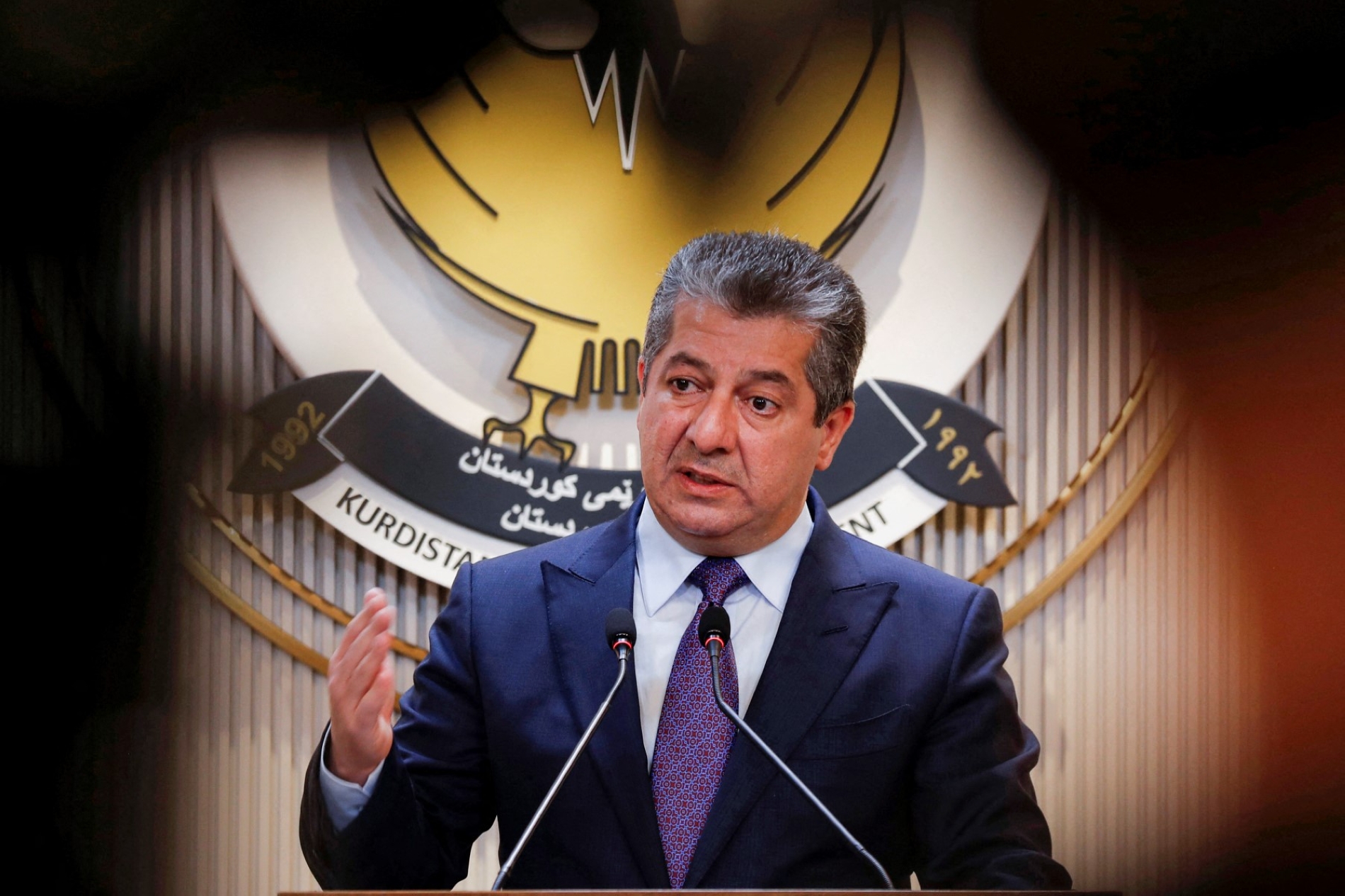
On 17 August, the private office of Kurdistan Region Prime Minister Masrour Barzani and the headquarters of the region’s foreign intelligence service, Parastin, came under Iranian drone attack. It was the most serious escalation to date, and came only days after the United States began withdrawing personnel and equipment from its military bases in the Kurdistan Region, a process that the Iraqi federal government has formally said will be completed by the end of next September.
The development raises pressing questions about the future of air protection for the Kurdistan Region, which has endured more than 1,000 attacks in recent months from Iran and Iraqi factions aligned with it. It also threatens to open a new source of friction within Iraq over which authority should take control of the military facilities once they are vacated. Both questions have wider implications for the regional balance at a time when Iran and the US are engaged in open conflict.
According to detailed information obtained by Al Majalla, large C-17 Globemaster III transport aircraft have, over the past two weeks, removed US Patriot surface-to-air missile batteries from the American military base adjoining Erbil International Airport and transferred them to US bases in Jordan. The aerial surveillance balloon over Erbil has also been taken down, while Britain has moved its Rapid Sentry air-defence system to Cyprus. The United States and Britain, along with Germany and France, have retained only small military contingents at the base.
The US logistics base near Erbil airport operated much like Camp Victory near Baghdad International Airport. Since 2014, it has served as a hub for surveillance, communications and logistical support for local partners involved in counterterrorism operations, as well as a coordination point with other members of the international coalition.
Nearby lies Harir military base, around 100 kilometres north of Erbil. It served as a centre for US military operations during the American presence in Iraq between 2003 and 2011. Kurdish authorities say, however, that the base has been effectively empty of military personnel for nearly a decade, with only a small number of civilian staff and limited equipment remaining to keep the site operational. Several smaller logistical centres across the Region have also remained in use since 1991.
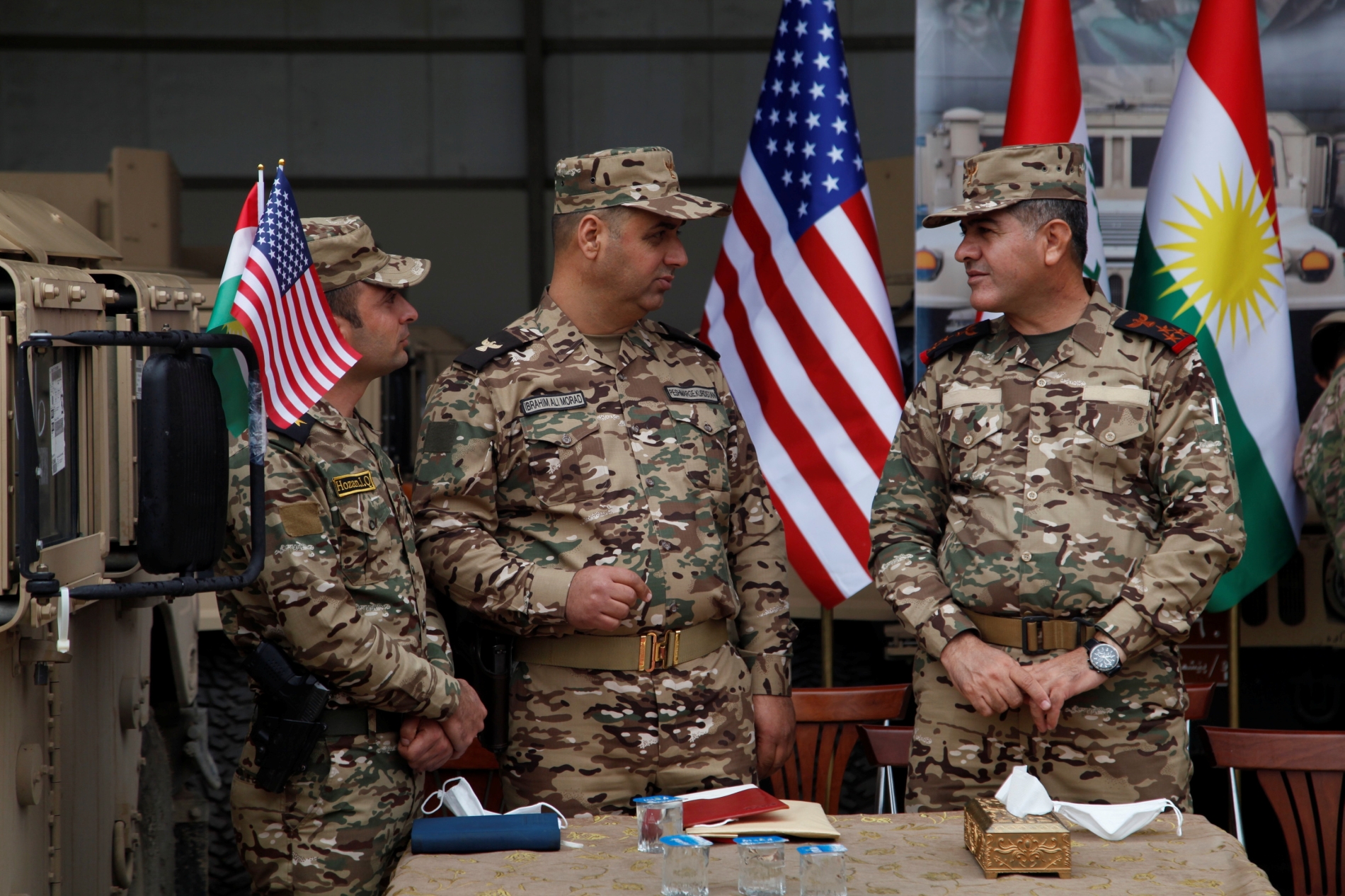
The US military has yet to define clearly the nature of the current withdrawal. American officials have said that US forces routinely move between their various positions and that the military conflict across the Middle East has made such repositioning increasingly necessary in response to operational requirements.
Circles close to the Kurdistan Regional Government have sought to downplay the significance of the American measures, saying the transfers concern only forces moved from other parts of Iraq into the Kurdistan Region over the past year.
A senior Kurdish political source set out this view in remarks to Al Majalla. "This development isn't concerning for three reasons, although we regard the American presence as an important factor in maintaining stability in Iraq. First, the United States cannot simply abandon Iraq, particularly to regional powers hostile to Washington. Iraq remains a strategic centre of American interests and influence, above all in the security and military spheres. When the United States sought to move beyond that reality in 2011 and withdrew completely from Iraq, it returned less than three years later with even greater force after the rise of the Islamic State (IS).
"The second consideration is the Kurdistan Region’s political position towards regional conflicts, which rests on clear neutrality and a firm determination not to interfere in the affairs of any party. That will remain the Region’s principal shield and one of the foundations of its stability."
"Alongside these two factors, we are convinced that part of the international military presence will remain in Kurdistan under different designations, whether in the form of forces protecting diplomatic interests or centres for coordination, training and intelligence exchange. Those structures will themselves preserve a degree of security protection for the Region, at least in the air. Kurdistan’s geopolitical importance is simply too great for it to be left on its own."
Sparring over control
Observers expect the question of who will assume control of the vacated US military and logistical facilities in the Kurdistan Region to develop into a prolonged political and media dispute between Erbil and Baghdad. The disagreement reflects competing legal and political interpretations of the rules governing the issue, although beneath them lies the more fundamental problem of persistent mistrust between the two sides.
The presence of US forces in Kurdistan dates back to mid-1991, when the UN Security Council adopted Resolution 688, paving the way for the establishment of a no-fly zone over Kurdish areas to protect civilians from attacks by the former Iraqi regime. Over time, that foreign military presence became an important factor in both the emergence of the Kurdistan Region and the protection of its autonomy.
Iraqi federal authorities, however, regard that chapter as belonging to the past. In their view, Kurdistan’s federal status is now safeguarded by the Iraqi constitution rather than by any external military force. According to the federal government’s stated position, the Iraqi army should assume control of the vacated bases and centres, since they fall within the structures of air defence, an area that legally and constitutionally falls under the authority of the army and the federal government. Even the Kurdistan Region’s civilian airports and land border crossings are administered by federal institutions.
The Kurdish side, by contrast, points to Article 121, paragraph five, of the Iraqi constitution, which states that "the regional government shall be responsible for all the administrative requirements of the Region, particularly the establishment and organisation of the internal security forces for the Region such as police, security forces and guards of the Region."