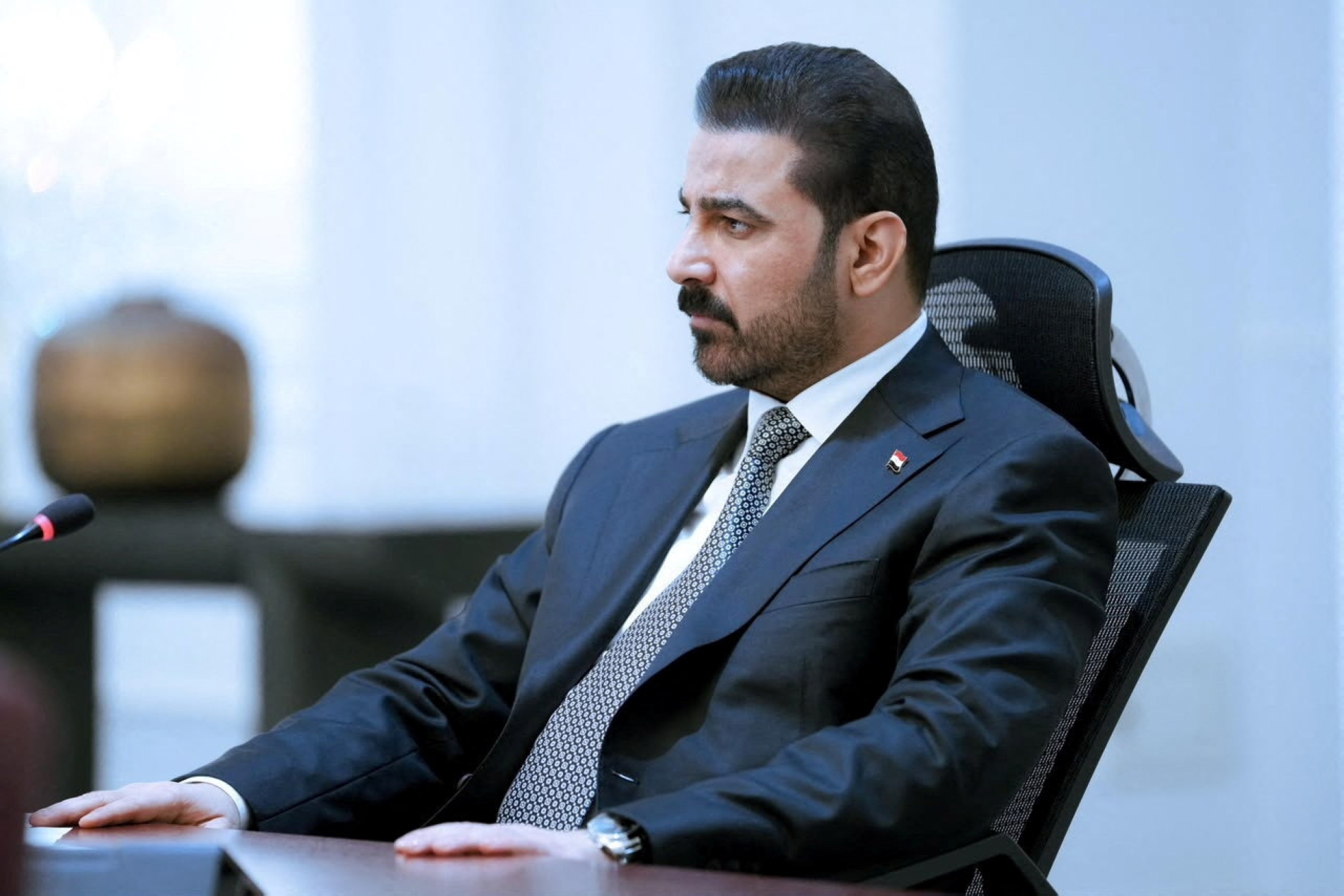

As the deadline set by Prime Minister Ali al-Zaidi’s government to bring all weapons under state control approaches, tensions have risen in Iraq. With some factions doubling down on their refusal to surrender their arms, others have begun to back away from their earlier support for the government’s disarmament initiative. A third camp is seeking to lower the temperature and is urging the authorities not to insist on the end-of-September deadline.
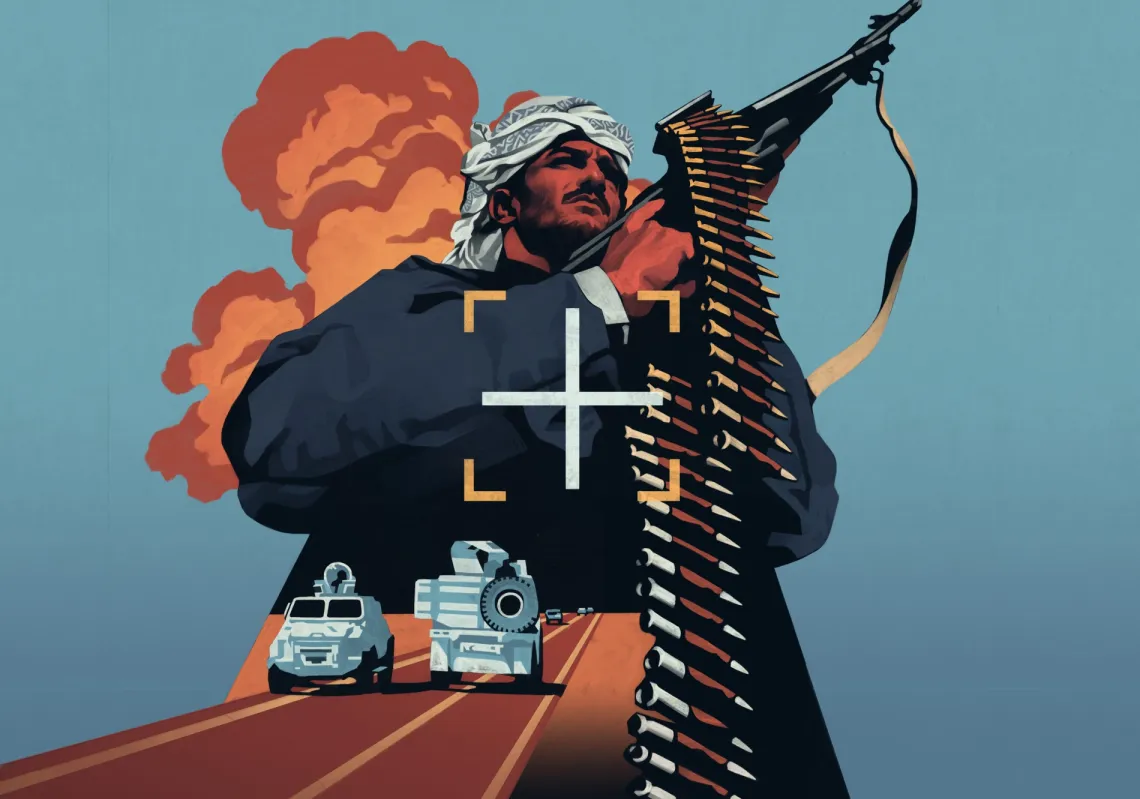
Al-Zaidi, however, appears determined to stick to it, even at the cost of his life. A dramatic advertisement broadcast by Al Iraqiya, the official state television channel, called for weapons to be surrendered and emphasised the strength of the state’s own arms. This created a firestorm of escalatory statements from opponents and supporters of the initiative. Within days came reports of a plot to assassinate Faiq Zidan, president of Iraq’s Supreme Judicial Council, followed by reports that Abbas al-Yaqoubi, the Popular Mobilisation Forces (PMF) intelligence official responsible for the Baghdad belt, had been arrested.
So far, events have hardly favoured al-Zaidi. The Coordination Framework, the political coalition underpinning his government, includes factions with sharply divergent views on efforts to bring all weapons under state control. Some have declared their readiness to relinquish their arms in exchange for preserving their political gains, hoping to trade their weapons for ministerial representation in the government.
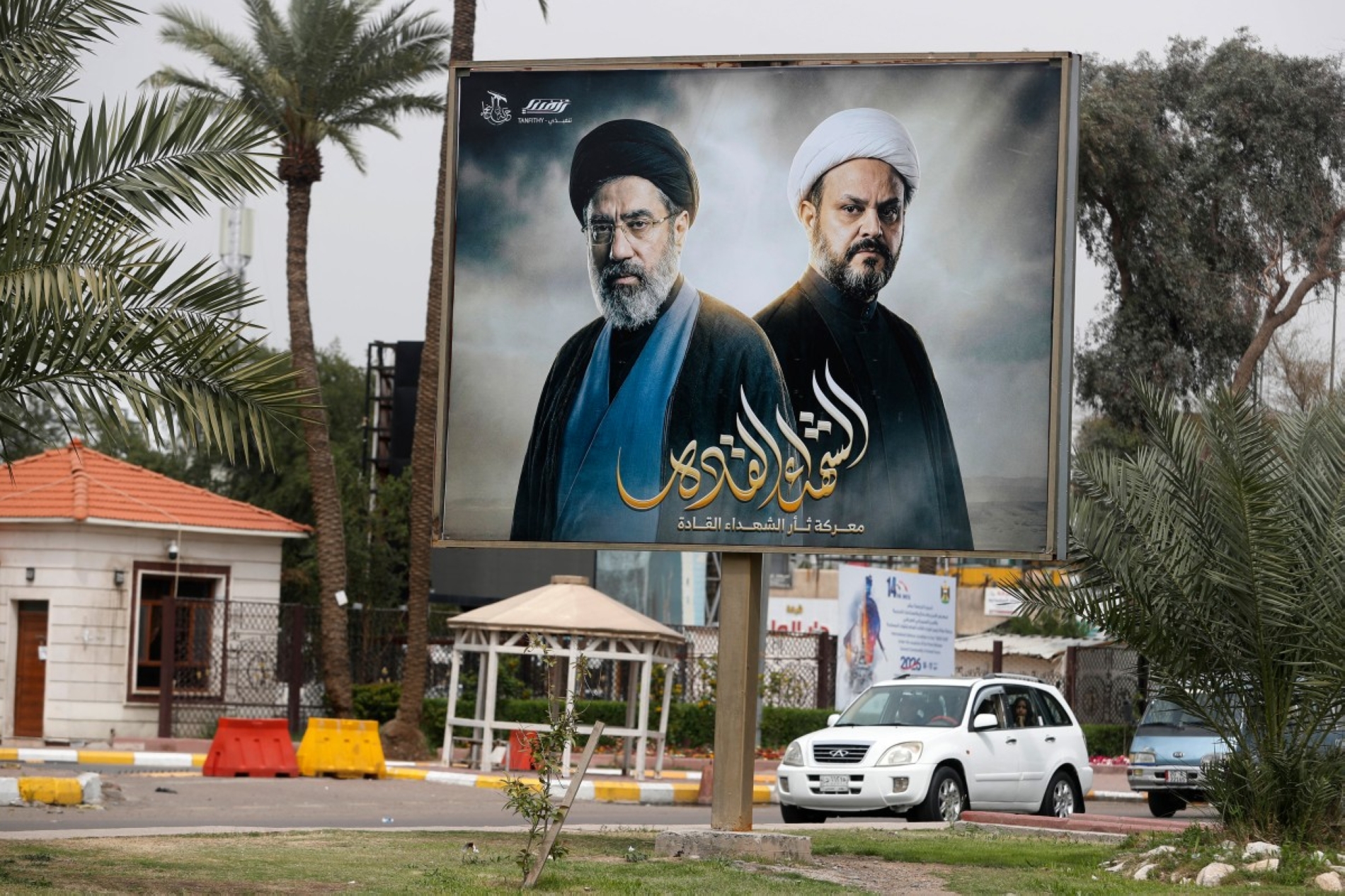
Others have stated openly that they will not surrender their weapons, particularly after finding themselves excluded from the distribution of ministerial portfolios. Abu Alaa al-Walai, secretary general of Kataib Sayyid al-Shuhada and a leading figure within the Coordination Framework, put it bluntly: “Whoever wants to hand over his weapons, we are ready to buy them.” A few in the Coordination Framework support the government’s efforts to assert control over weapons, but their voices have been largely buried.
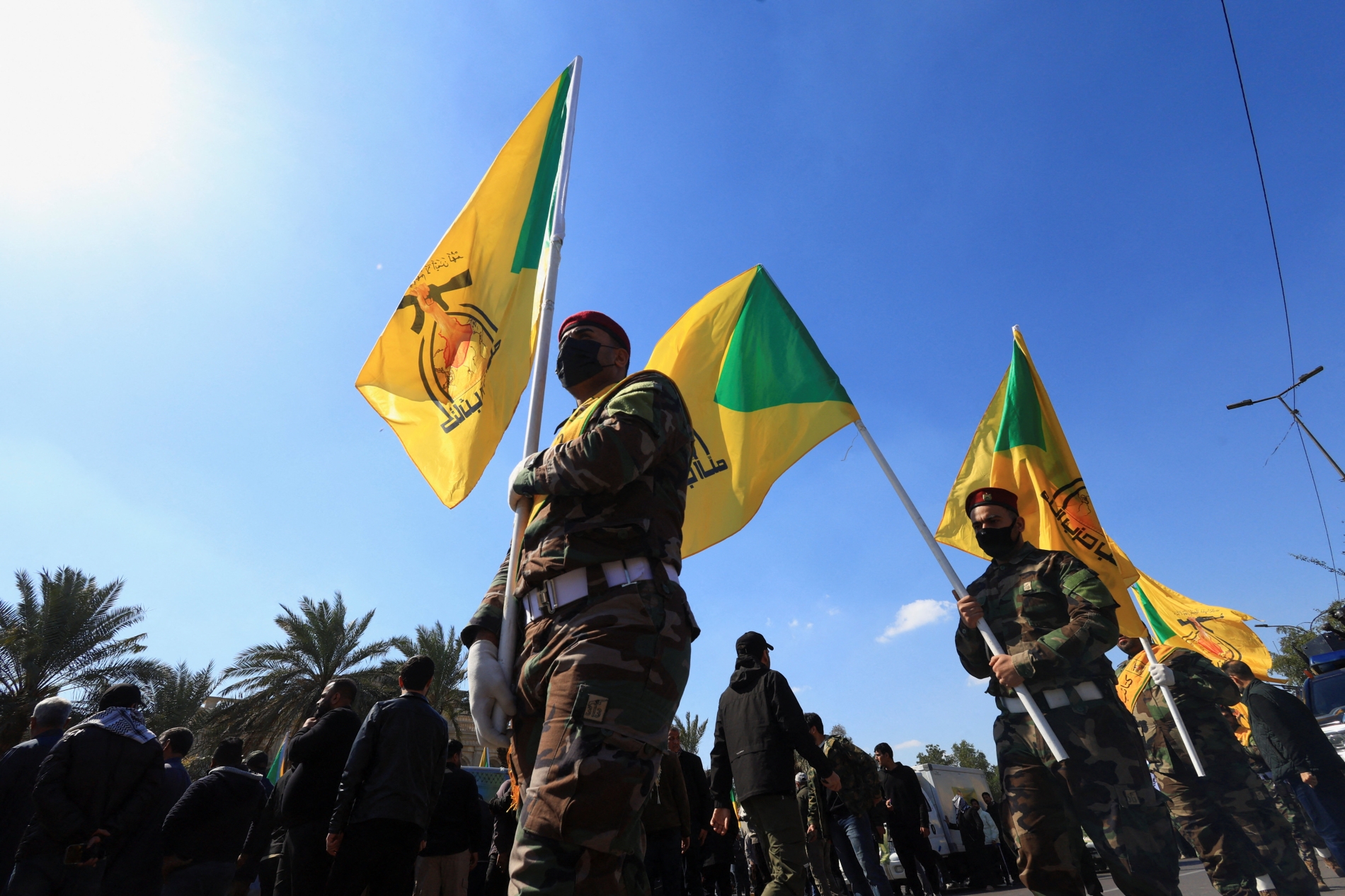
Outside the Coordination Framework, the picture is more complicated. Kataib Hezbollah Iraq and Harakat al-Nujaba continue to insist that they will not surrender their arms to the state. In a statement published on X, Kataib Hezbollah’s security official dismissed al-Zaidi’s remarks about bringing weapons under state control as “empty bravado”.
The group, he said, had endured 100 days of such rhetoric “in the hope that he would grasp the governing domestic, regional and international realities, and listen to the advice of seasoned politicians”. The statement also raised the possibility of invoking the principle of “an eye for an eye, and the aggressor bears the greater blame”.
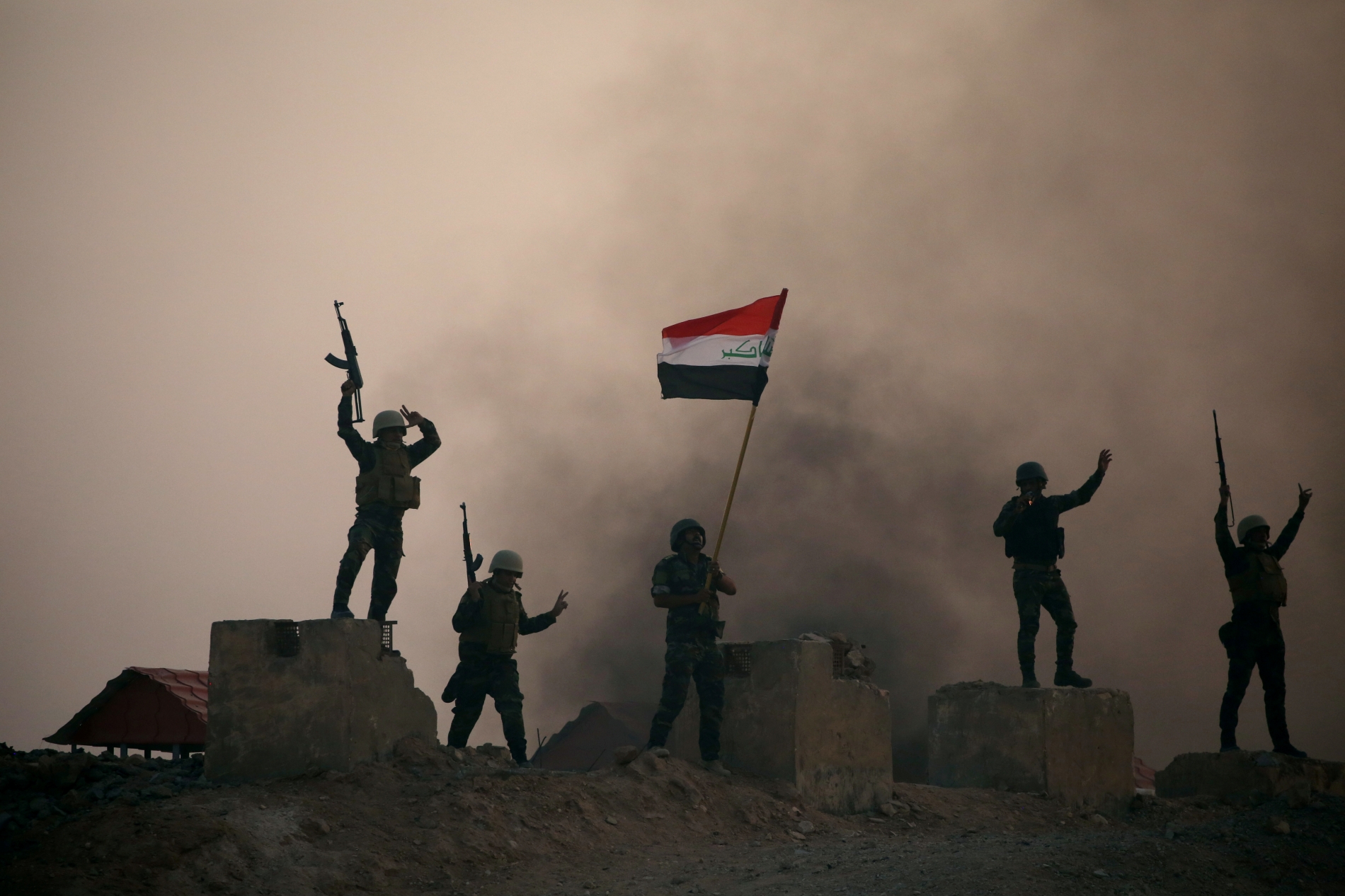
Before that statement, Sheikh Akram al-Kaabi, secretary general of Harakat al-Nujaba, wrote on X that the mission of the “weapons of the resistance” extended beyond confronting the US military presence in Iraq. Their purpose, he argued, also included resisting the “malicious American project”, whose principal aim was “to steal and plunder Iraq’s wealth under the guise of so-called investment”. Confronting that project, he said, was “one of the foremost duties undertaken by the Iraqi resistance”.
Hadi al-Amiri, secretary general of the Badr Organisation, then intervened in an effort to calm tensions. In a statement, he urged “all parties to adopt the language of moderation and de-escalation, and to avoid inflaming positions”. He warned both the prime minister and the “men of the resistance” against “the consequences of hasty, ill-considered or provocative judgements”, and called for an end to the “unjustifiably confrontational language used in some statements, remarks and media appearances”.