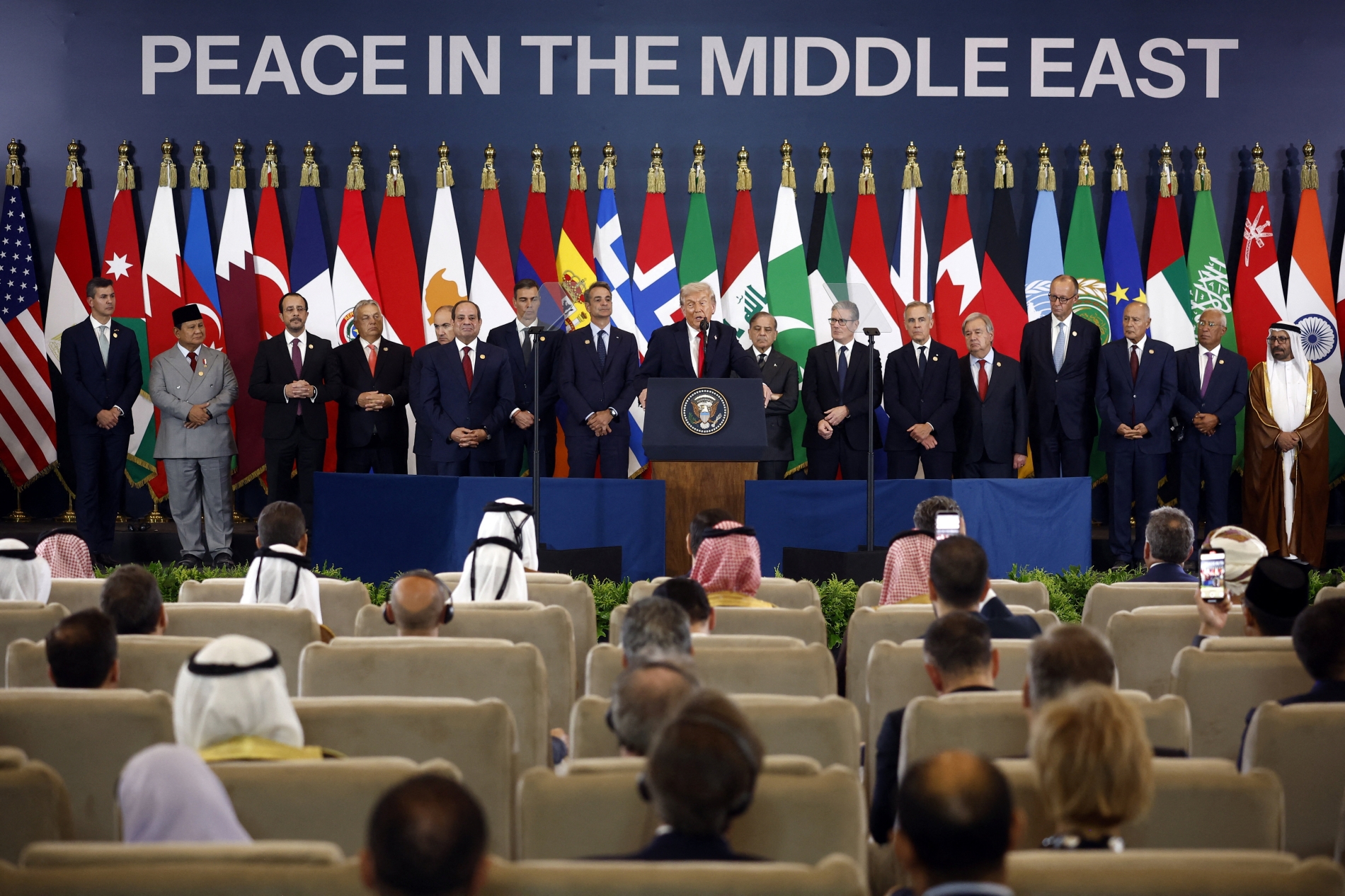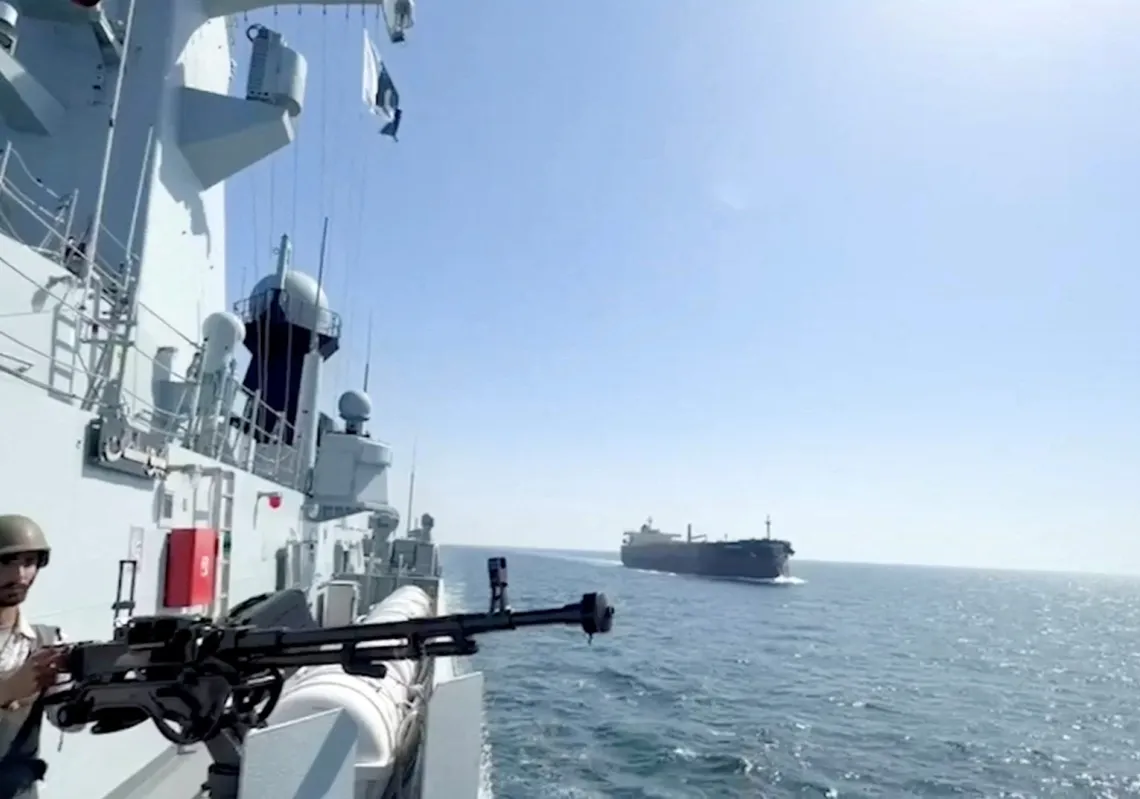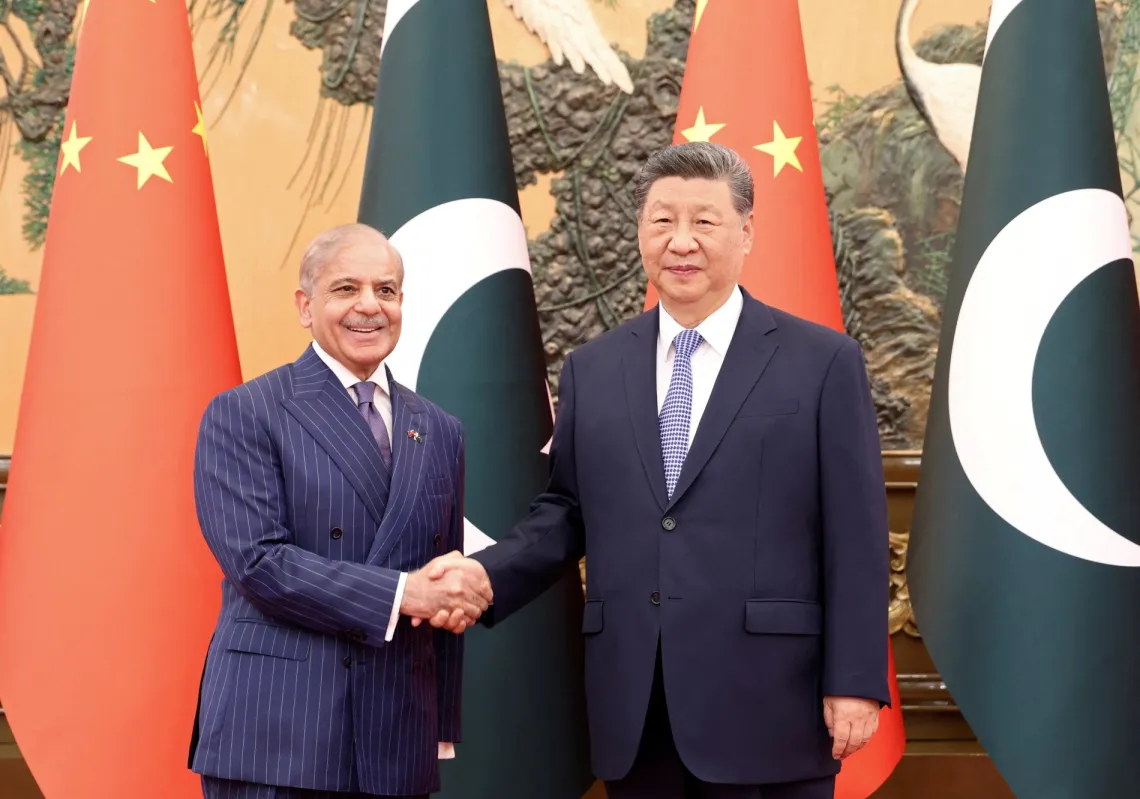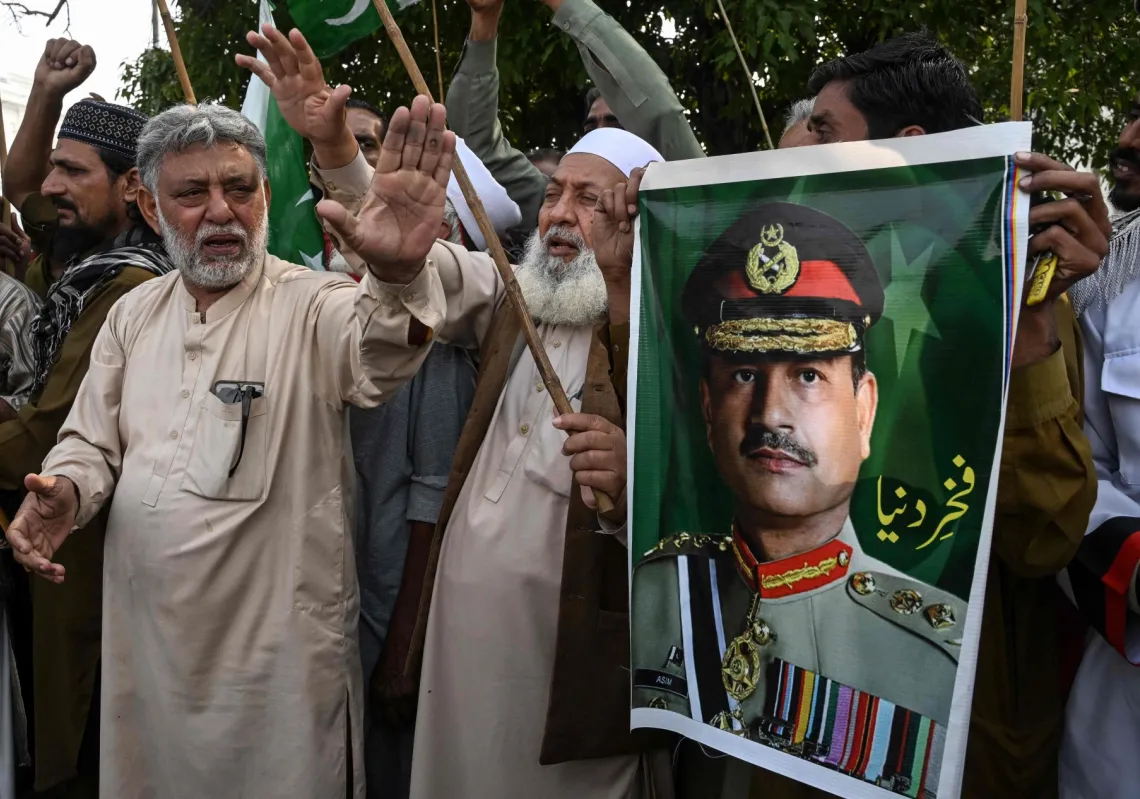

Pakistan's two-year term on the United Nations Security Council has coincided with one of the most turbulent stretches in the region's recent history—and with an unusually visible run of Pakistani diplomacy.
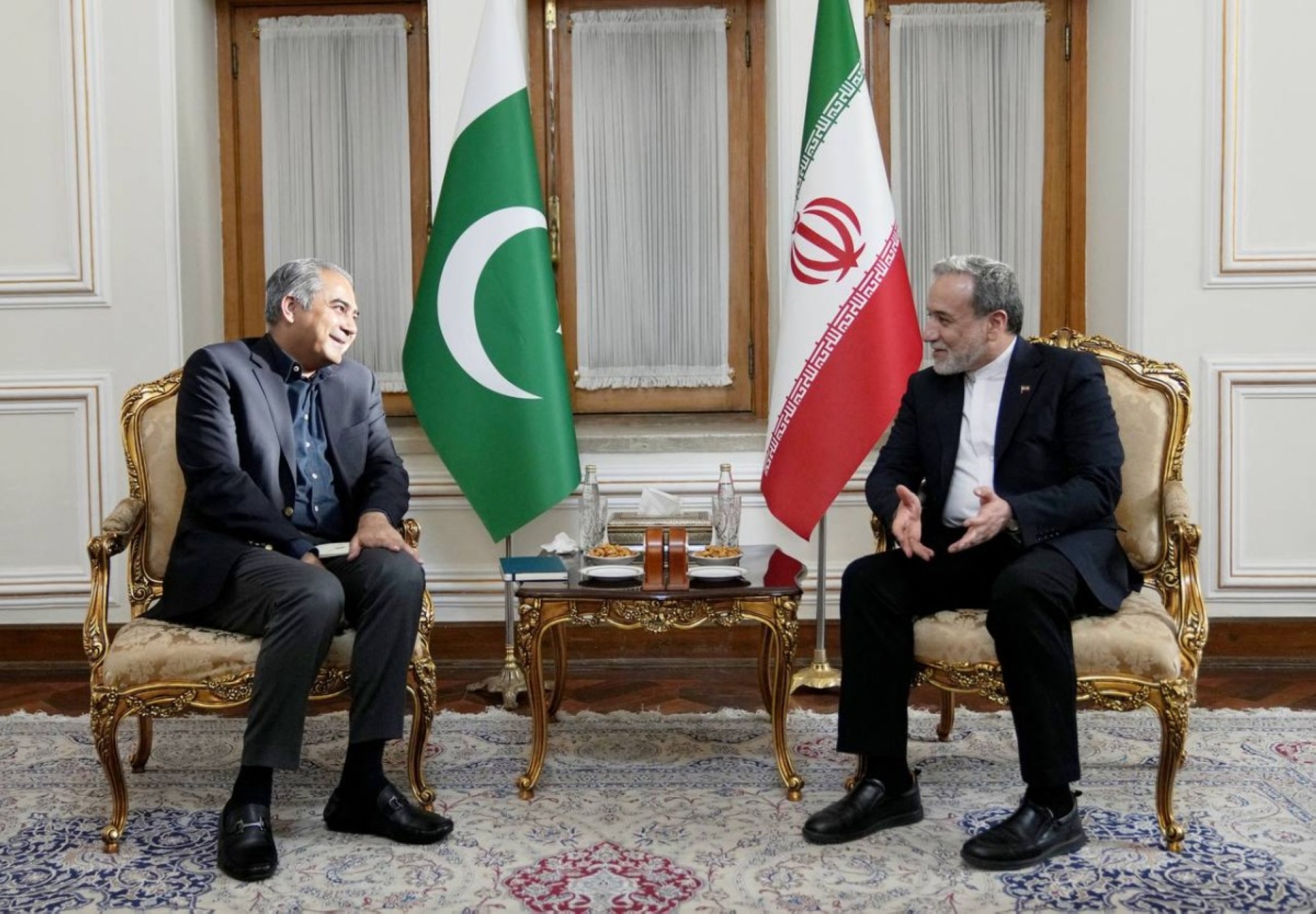
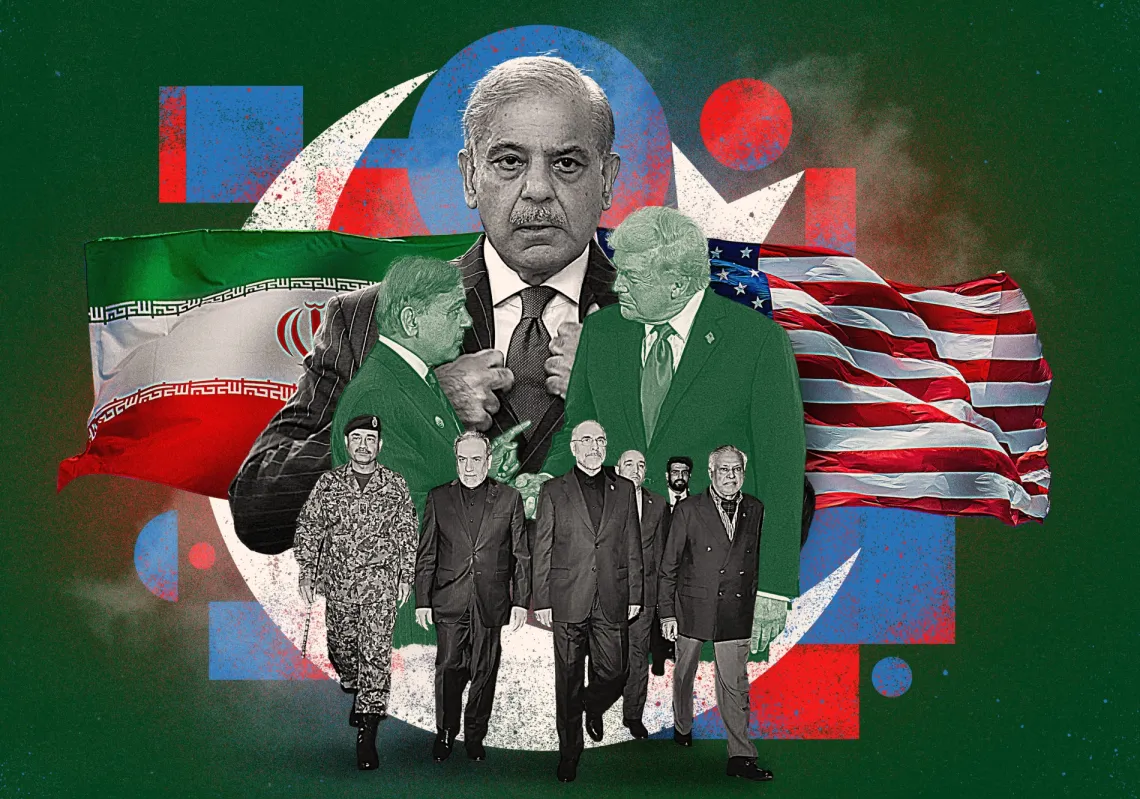
Islamabad has cast itself as the channel between Washington and Tehran, hosting talks that Pakistani officials describe as the first direct, face-to-face engagement between the two governments in more than four decades. Those contacts produced a ceasefire and the framework document now known as the Islamabad Memorandum of Understanding—an agreement that renewed fighting has since strained, with the status of the Strait of Hormuz still unresolved.
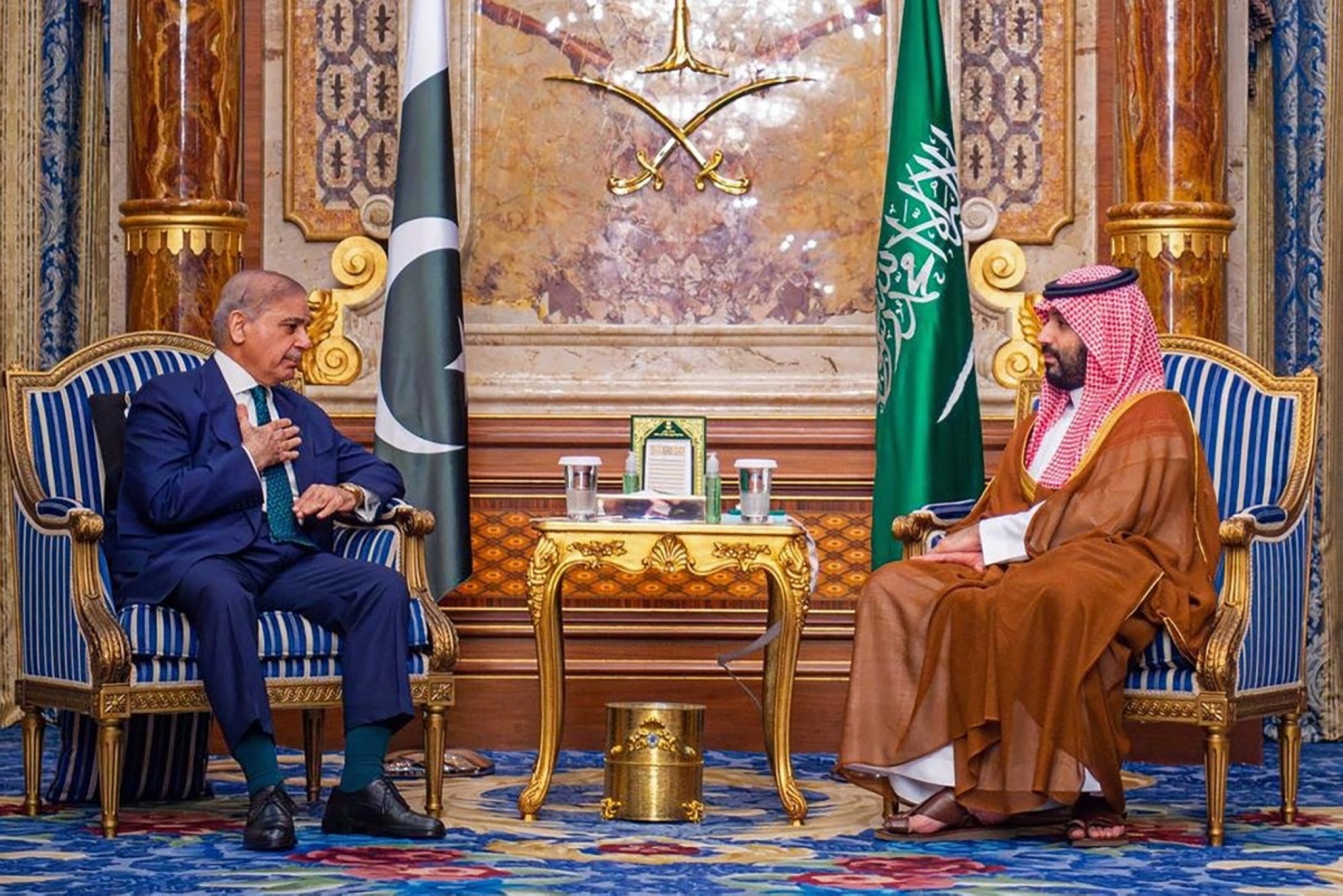
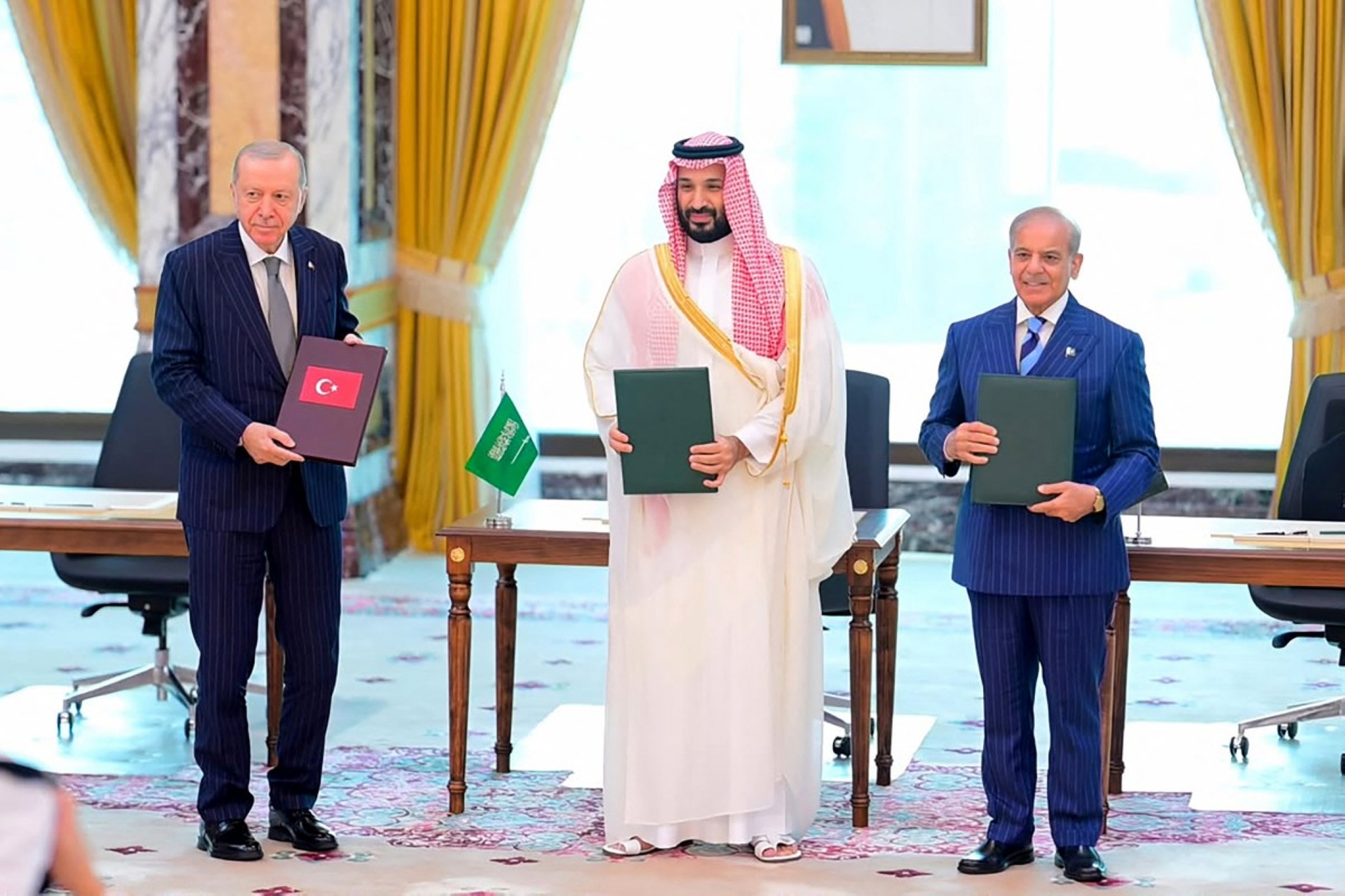
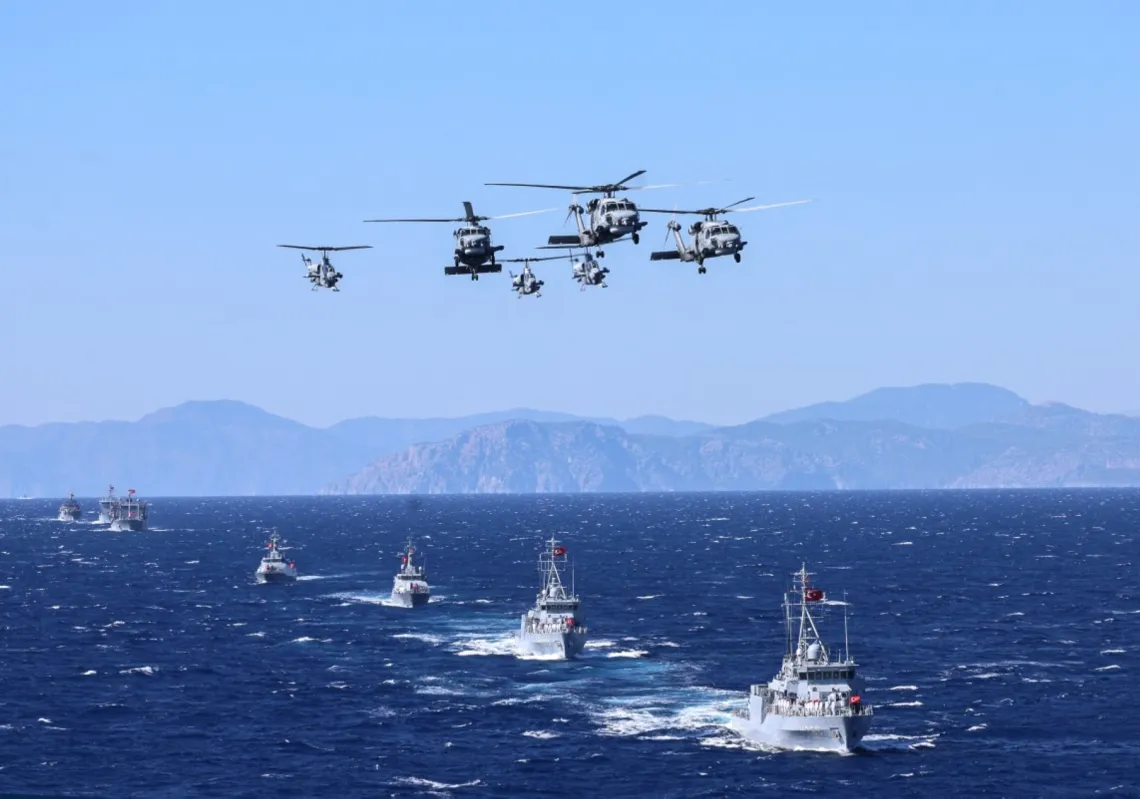
At the same time, Pakistan has broadened its security commitments in the Arab world. The trilateral accord signed in Mecca with Saudi Arabia and Türkiye, which builds on the mutual defence agreement Islamabad concluded with Riyadh last year, has prompted questions in several capitals about its scope and its intended audience.
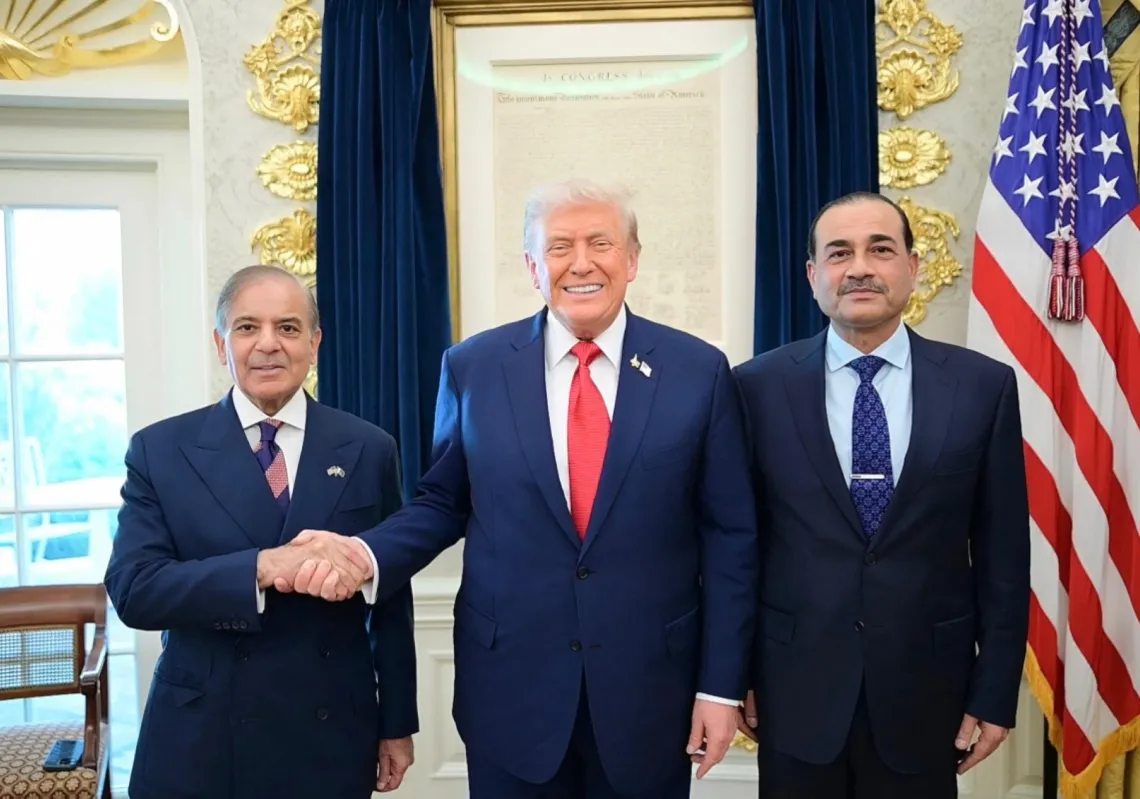
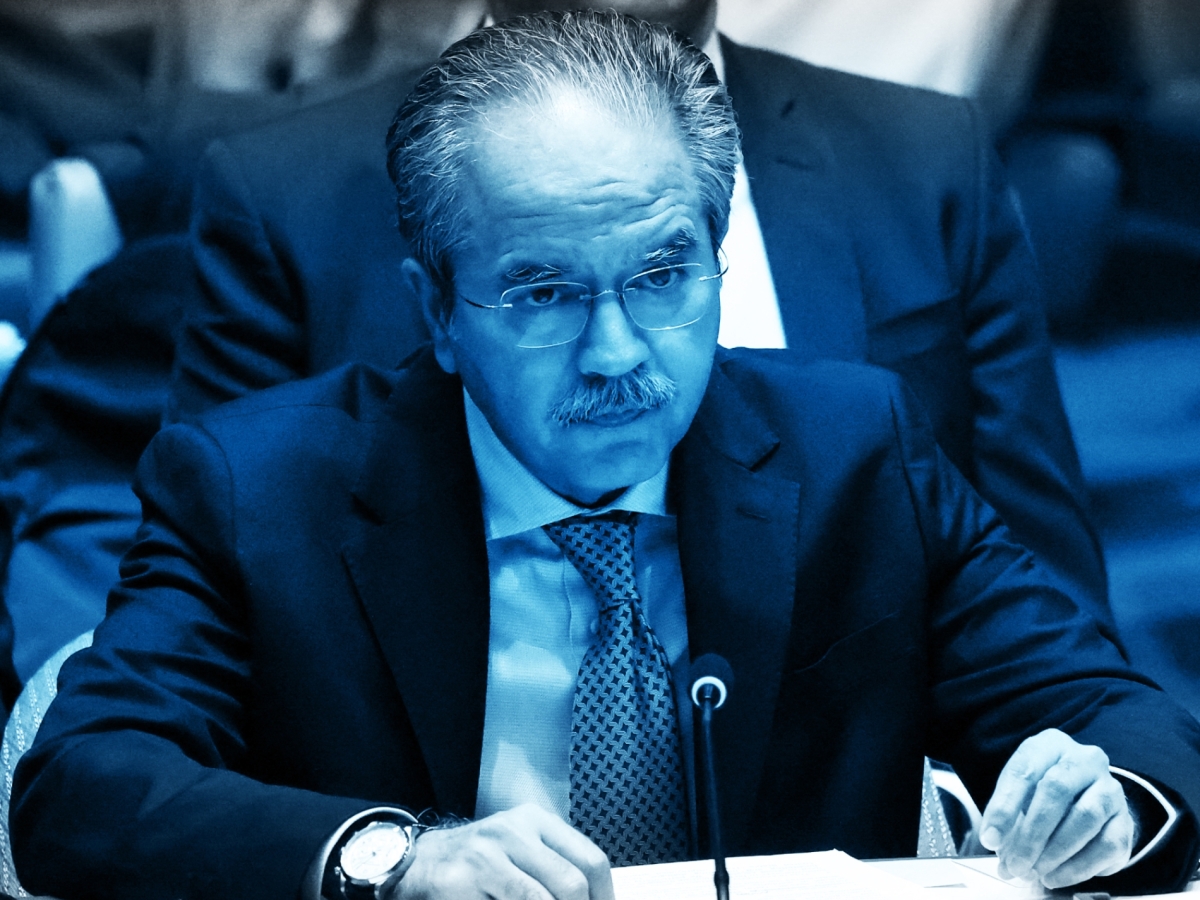
Ambassador Asim Iftikhar Ahmad, Pakistan's Permanent Representative to the United Nations, has been one of the public faces of that effort. Speaking exclusively to Al Majalla, he sets out why Islamabad believes there is no military solution to the US–Iran confrontation, why he will not speculate about Hormuz, and why the Mecca accord is a defensive grouping, not directed at any third country. Here is the conversation.
Let me start with the latest news between the United States and Iran, and Pakistan's role in bringing this war to an end. Are we heading towards a breakthrough, or towards more escalation?
That is a difficult question, but for me the answer is straightforward. The escalation in the region was a source of grave concern—not only for the immediate neighbourhood but for the international community as a whole. Pakistan was affected, many regional countries were affected, and all our brotherly countries in the Gulf had serious concerns. Everyone was looking for a way to address the crisis, and Pakistan's leadership assumed that responsibility: to try to see that the conflict was resolved peacefully and that peace and stability were restored.
That is the context in which Pakistan played its role. We are one of the few countries with that level of trust on both sides, with the United States and with Iran, and with the acceptability required to facilitate a dialogue. I think we did that quite successfully.
The first ceasefire that was announced came through Pakistan. Then the first-ever direct, face-to-face engagement between the US and Iran took place in Islamabad after more than four decades—that, too, was groundbreaking. The process continued and culminated in the signing of the Islamabad Memorandum of Understanding.
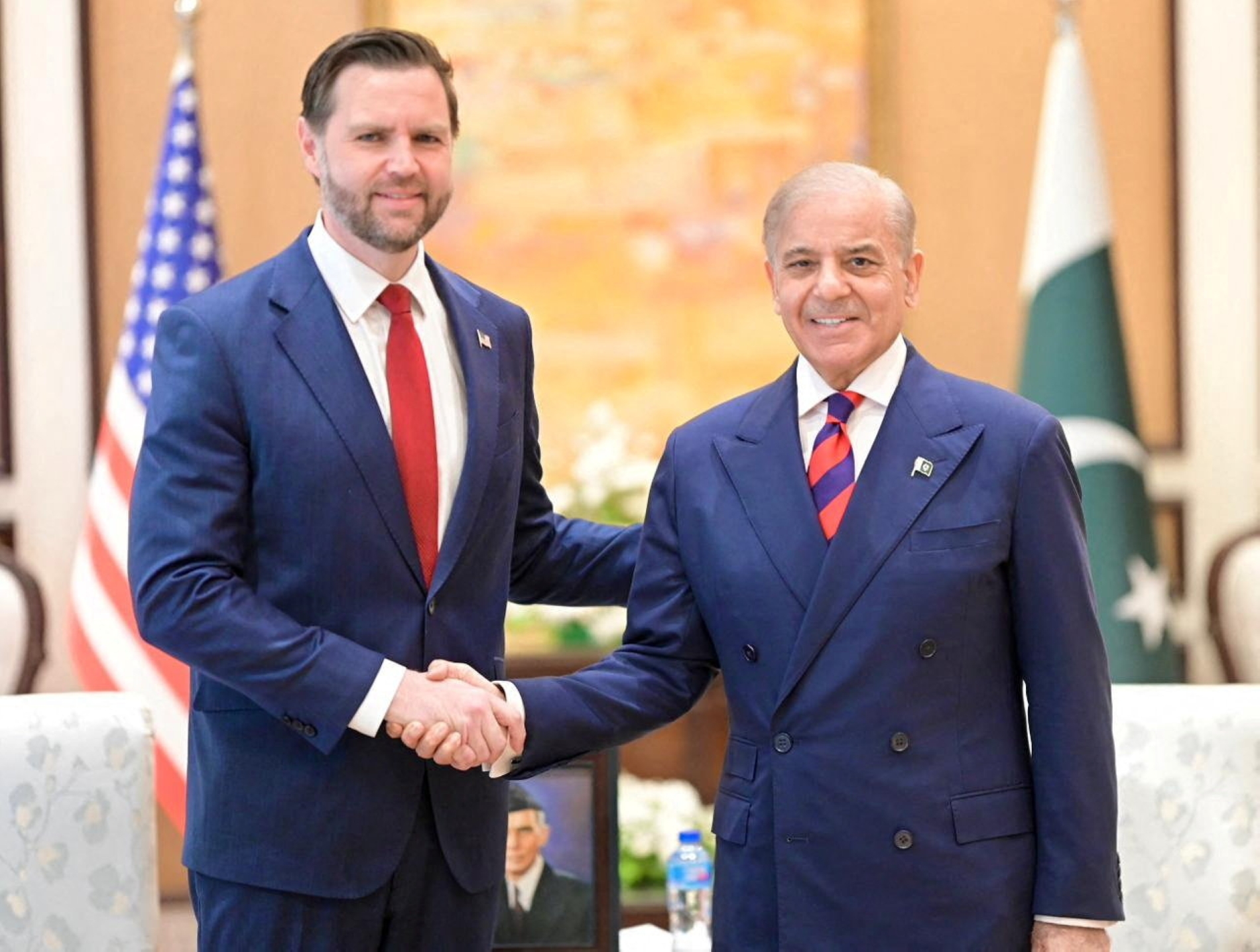
I recall this because the memorandum provides the basic framework within which the key underlying issues are to be negotiated to reach a conclusive, comprehensive, and final settlement. That is why it was important, and why it remains important. It would be in the interest of all parties to return to the negotiating table with the Islamabad MOU as the basis and to engage on all the key elements it contains. The structure is there to work out a comprehensive settlement that would lead to durable peace and stability in the region.
Among those key issues, one of the most important is reopening the Strait of Hormuz. Do you think Iran will bring the strait into its talks with the United States—or will it prefer to keep the matter separate, in bilateral channels with Oman or Qatar?
Since we have been facilitating and mediating this entire process, it would not be in the fitness of things for me to speculate about what Iran would or would not like to do, or how the United States might respond to any particular proposal or suggestion. We also know the positions of our brotherly Gulf countries.