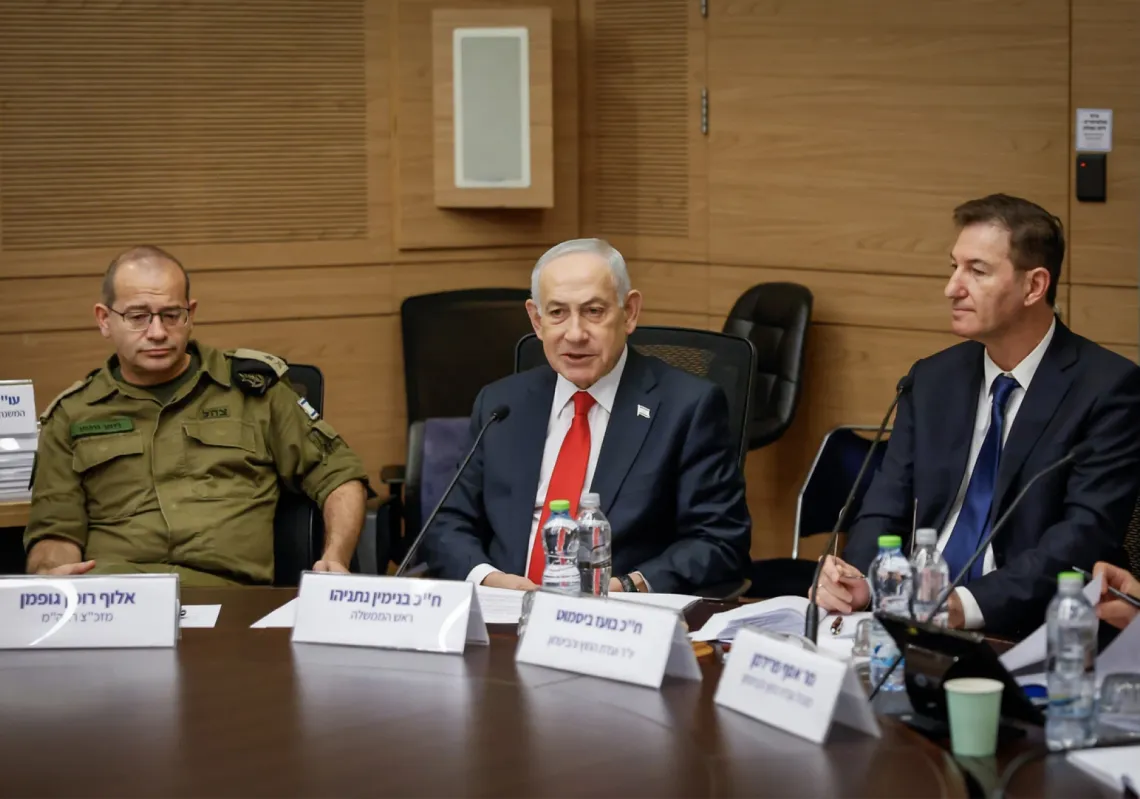

Several phone calls, not just one, took place last week between Syrian Foreign Minister Asaad al-Shaibani and Roman Gofman, the new head of Mossad, Israel's intelligence service, before the strike on Abu al-Duhur airport in northern Syria, near the Turkish border on 18 August. Former Mossad chief David Barnea and National Security Council head Gil Reich also attended Syrian-Israeli negotiating sessions held under US sponsorship in several capitals, including London and Paris, alongside al-Shaibani and former Syrian intelligence chief Hussein al-Salama, according to information obtained by Al Majalla.
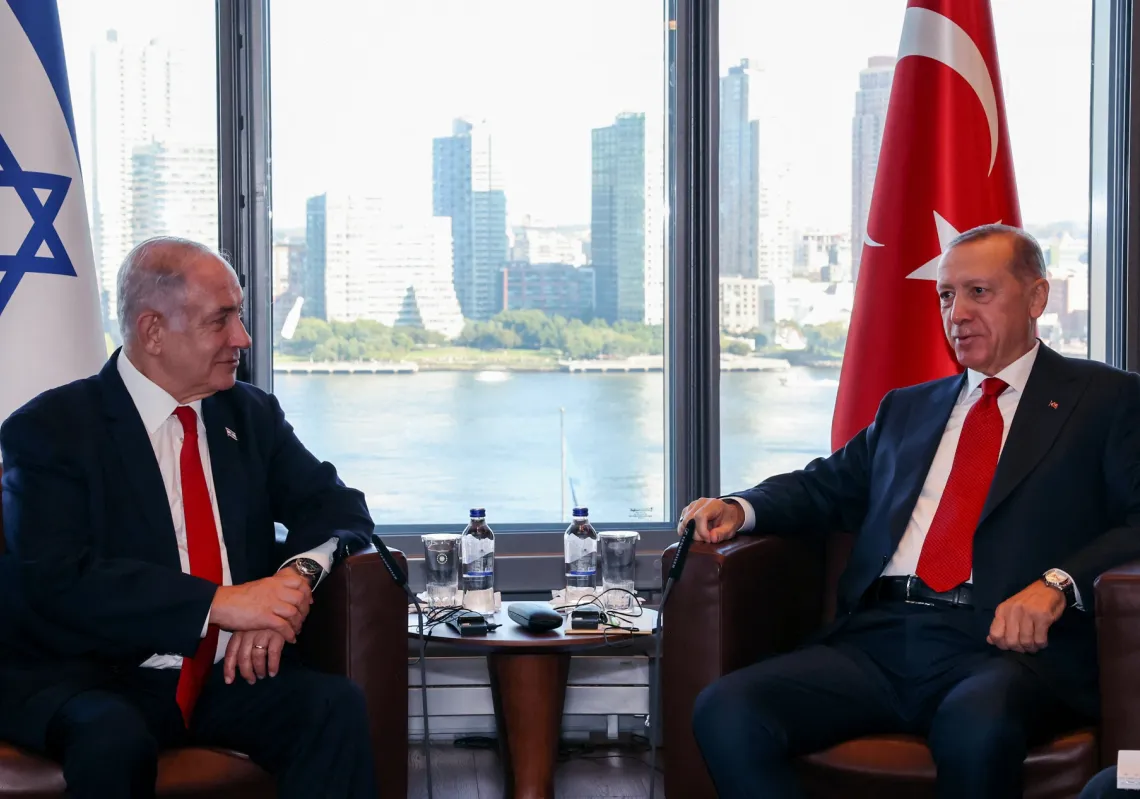
The strike created tensions among three US partners: Israel, Türkiye and Syria. Trump regards his policy towards the government of President Ahmed al-Sharaa as a major achievement. He also has a close relationship with Turkish President Recep Tayyip Erdogan, while his relationship with Israeli Prime Minister Benjamin Netanyahu has been strained in recent months, even as support for Israel and the special relationship with Tel Aviv have continued.
After Assad's fall at the end of 2024, Israel launched hundreds of raids, destroyed strategic assets, occupied the "buffer zone" in the Golan, established forward military positions and supported the Druze of Sweida. But the strike on Abu al-Duhur airport carries added significance because the airport lies about 70 kilometres from the Turkish border.
According to information available to Al Majalla from Syrian and Western sources, following reports from the Israeli side about Turkish and Syrian activity at Abu al-Duhur airport in the Idlib countryside, the US ambassador in Ankara and envoy to Syria, Tom Barrack, sought to activate the "deconfliction" line in accordance with what had been agreed at the last negotiating session in Paris on 6 January.
During the Paris talks between Syria and Israel, attended by Barrack and joined in part by Turkish Foreign Minister Hakan Fidan, Washington announced that an agreement had been reached to establish a "joint integration mechanism" that would serve as a "permanent communication cell" for exchanging intelligence, reducing military tensions and facilitating diplomatic engagement.
Damascus pushed for the agreement to be implemented and for a "joint coordination centre" to be established in Jordan to manage such incidents and prevent escalation. Israel, however, refused to activate the "coordination centre" and instead stepped up Israeli army incursions into southern Syria. A US mechanism was then activated to facilitate the exchange of information and dialogue among the parties on military matters, arms smuggling and terrorism.
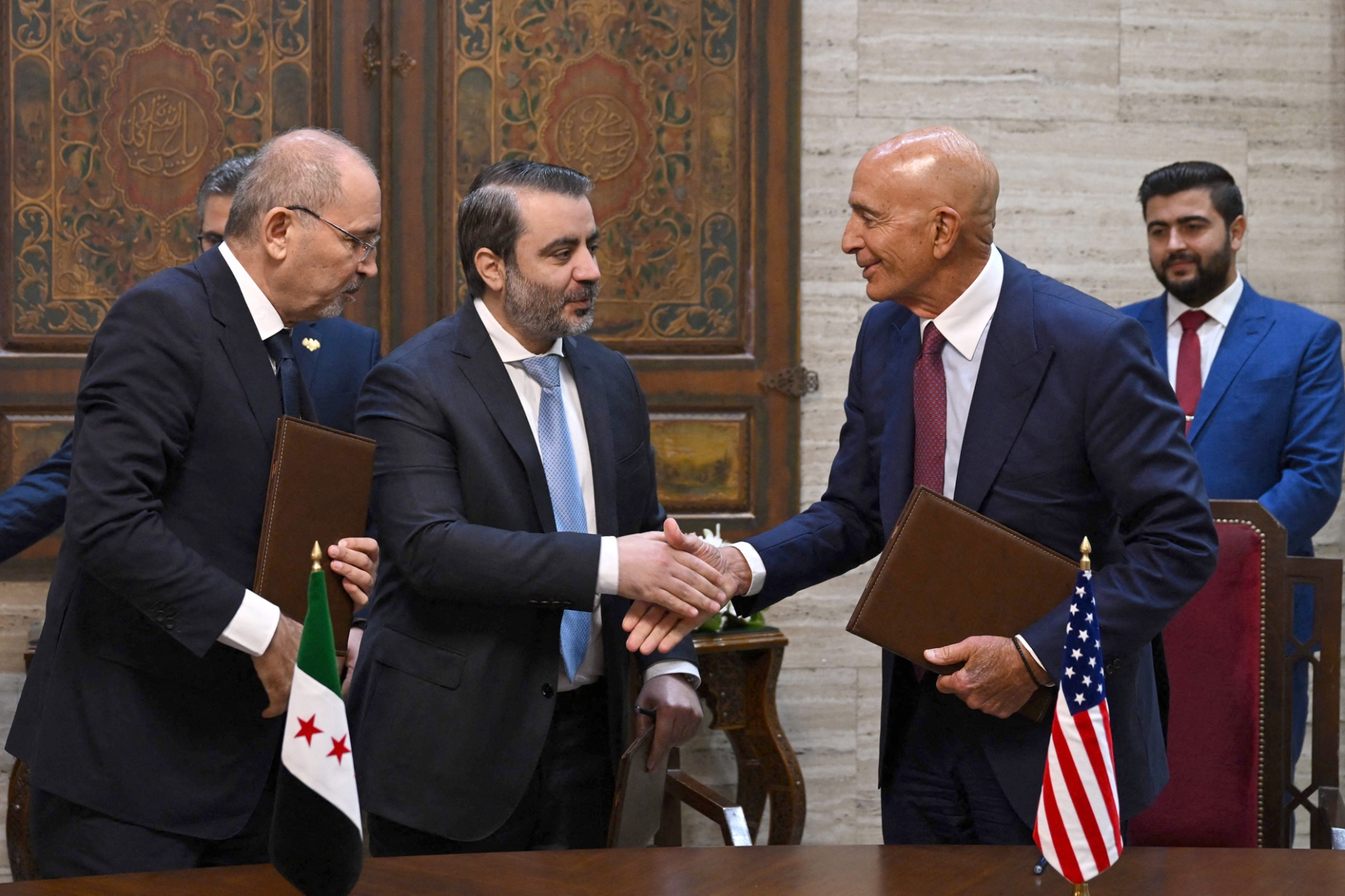
Active communication
Accordingly, several contacts took place last week between al-Shaibani, Gofman and Barrack. According to a Western official who spoke to Al Majalla, the Mossad chief asked about the activity at Abu al-Duhur airport. Damascus had known for some time about Israeli questions concerning the base and sent messages through the Americans to the Israelis explaining why the runway was being rehabilitated and stressing that it had no hostile intentions. Damascus stressed that it had no intention of posing a threat to any neighbouring country and that its focus was on reconstruction, turning Syria into a hub for energy corridors and networks, and securing its borders against threats and smuggling.
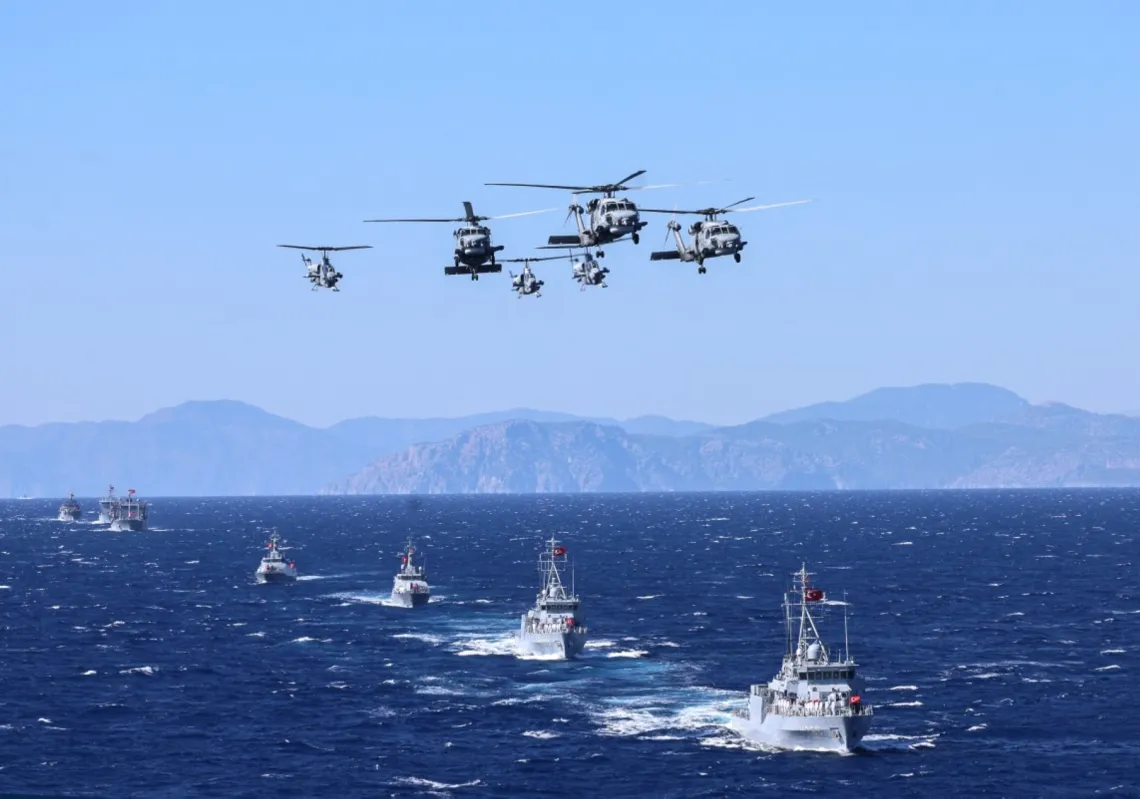
The Syrian response explained that Abu al-Duhur airport, which is to host Turkish drones, including Bayraktars and other types, was intended to support operations against the Islamic State (IS) and militias and to secure the borders with Iraq and Lebanon against the infiltration of weapons and militias. The Israeli side said it regarded this as a Turkish threat to Israel and that it would bomb the runways and prevent aircraft from arriving and a base from being established at the site.
According to the information, following the contacts between al-Shaibani and Gofman, including one that took place on 14 August and was first revealed by Reuters, and al-Shaibani's meeting with Barrack in Istanbul on 17 August, Damascus was "surprised" by Israel's strike on Abu al-Duhur airport on 18 August while contacts with the Americans were still ongoing. Netanyahu "did not heed" Washington's request not to strike the airport and to work to resolve the matter "through the deconfliction channel". Trump said on Wednesday that he had been briefed on the Israeli raid, without giving details.
The Israeli strike drew Arab and Turkish criticism. Jordanian Foreign Minister Ayman Safadi proposed to al-Shaibani that they "issue a joint statement" against the strike.
Was there a plan to establish a Turkish base at Abu al-Duhur? Al-Shaibani told Axios: "There was no intention to establish a Turkish base there, nor to establish a permanent Turkish military presence or deploy Turkish forces at the site." He added: "In fact, the base was almost empty. It had not yet been fully rehabilitated or become fully operational, and work there was still at the rehabilitation stage."
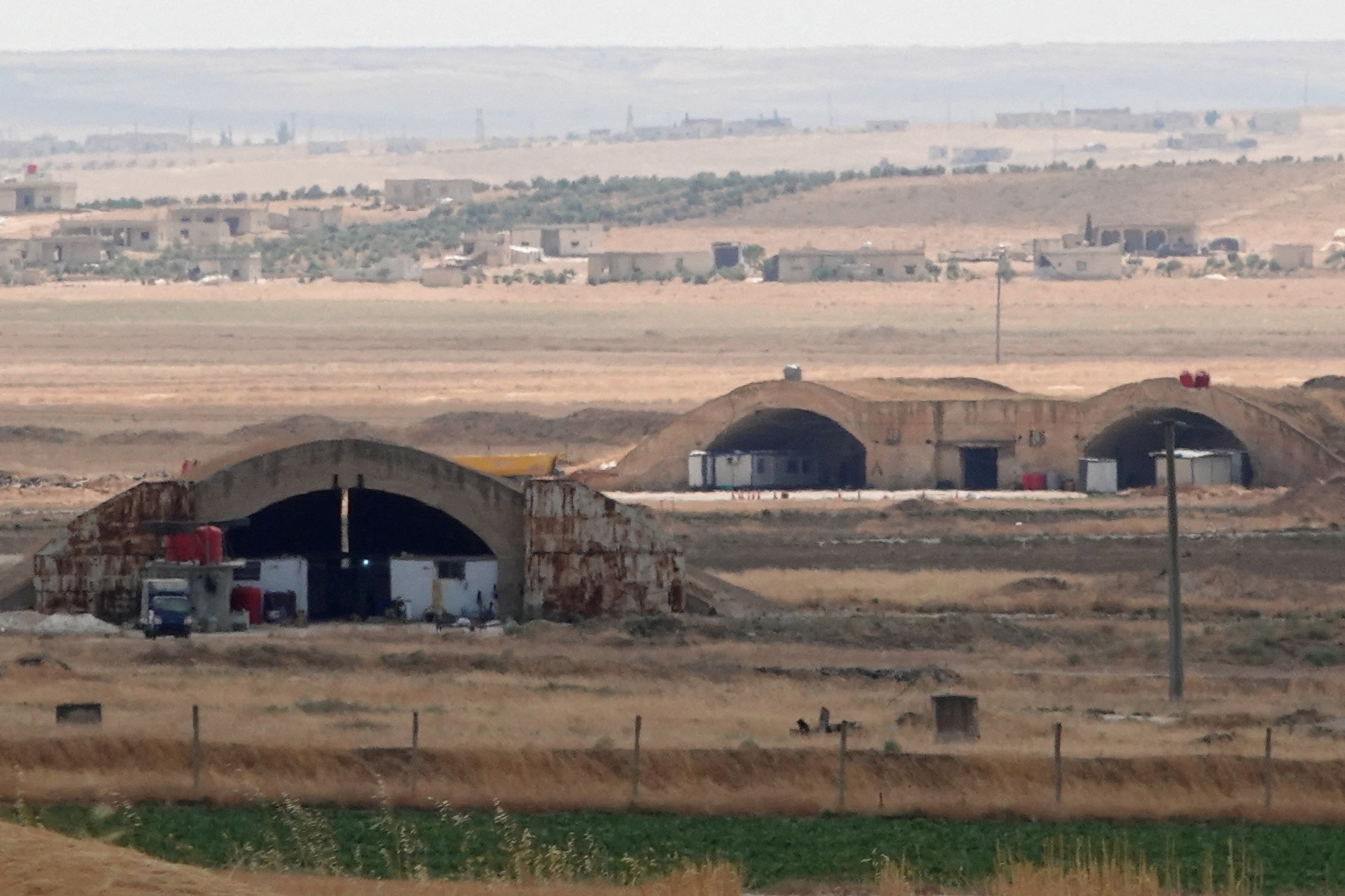
Syria 'not looking for trouble'
Despite its strong relations with Ankara, Damascus has stressed it does not want to become "an arena for confrontation between Türkiye and Israel", according to a Syrian source. Israel informed the Trump administration that its latest strike "aimed to prevent a possible Turkish military build-up".
For his part, Netanyahu said on X that Israel had warned Syria before the raid against allowing a Turkish presence at the base, adding: "Our message was very clear: do not do it. I think they did not fully understand the message." Netanyahu's office said Israel had repeatedly warned Syria that a Turkish deployment at the base would pose a threat to its security and that Damascus had ignored those warnings.
But a Turkish official said there was no Turkish presence at the base, accusing Israel of fabricating pretexts to bomb neighbouring countries and destabilise the region. Barrack said Türkiye had not received advance warning of the strike and had therefore detected Israeli aircraft heading north towards its territory, meaning it could have prepared for a military response. He added that "cool heads" had prevented the situation from deteriorating.