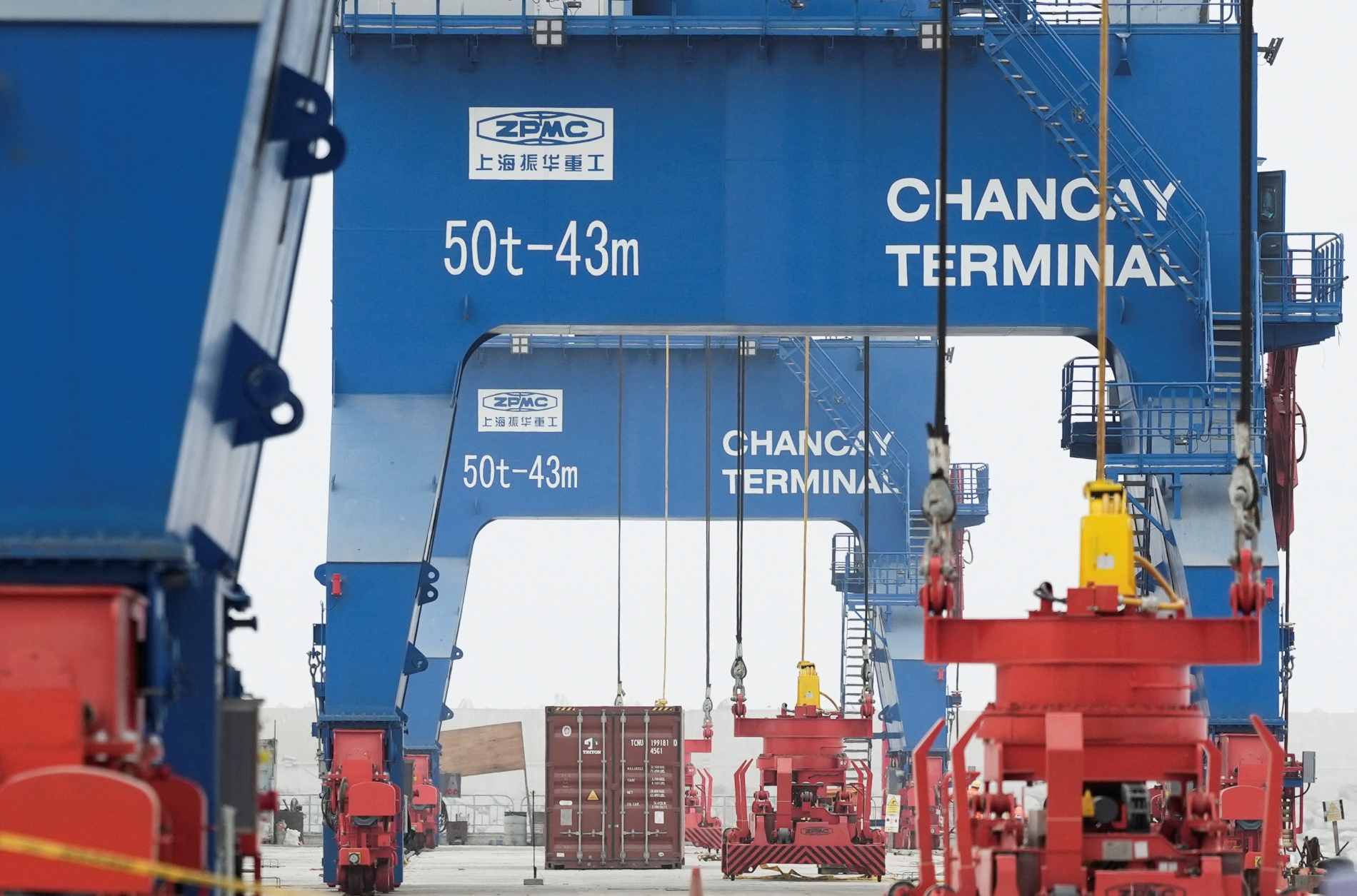

For two decades, China’s growing presence in Latin America was largely understood through commodities, trade, and sovereign lending. Today, that interpretation looks incomplete. It is involved in ports, digital networks, energy, advanced manufacturing, political coordination, and security cooperation, to name but a few, while Chinese policy presents Latin America and the Caribbean as an area of future focus.
Most elements of the old relationship remain in place. Commodities, for instance, are still central. But when Latin American countries began joining China’s Belt and Road Initiative (BRI), they plugged into Beijing’s global infrastructure programme. The geopolitical significance of that may lie in what those connections now enable.
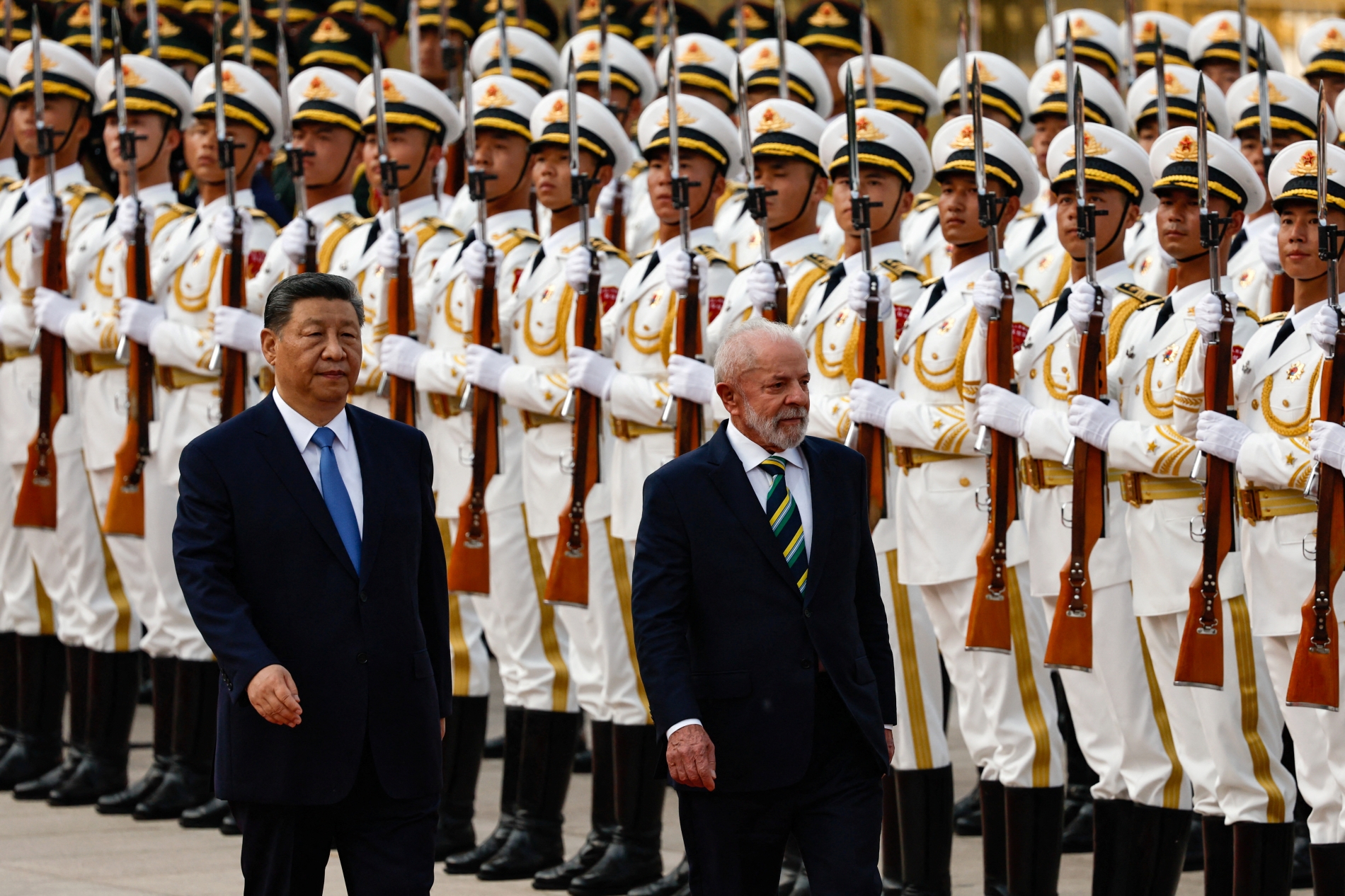
As China becomes more deeply embedded in infrastructure, technology, and regional institutions, Latin American governments find that they have more latitude to diversify partnerships and pursue their priorities. Predictably, Washington is unhappy with its global rival’s incursion into its backyard, yet Latin American governments want greater autonomy in their foreign relations and resist the idea that the US can do what it wants in the Western Hemisphere.
Old foundations
China’s relationship with Latin America is still rooted in the conditions that drove its growth during the commodity boom of the 2000s, when Chinese demand for raw materials transformed regional trade. Securing supplies of minerals, energy, and food remains a priority, and the BRI did not produce the transformation some expected, yet it built on earlier efforts to finance infrastructure and strengthen ties.
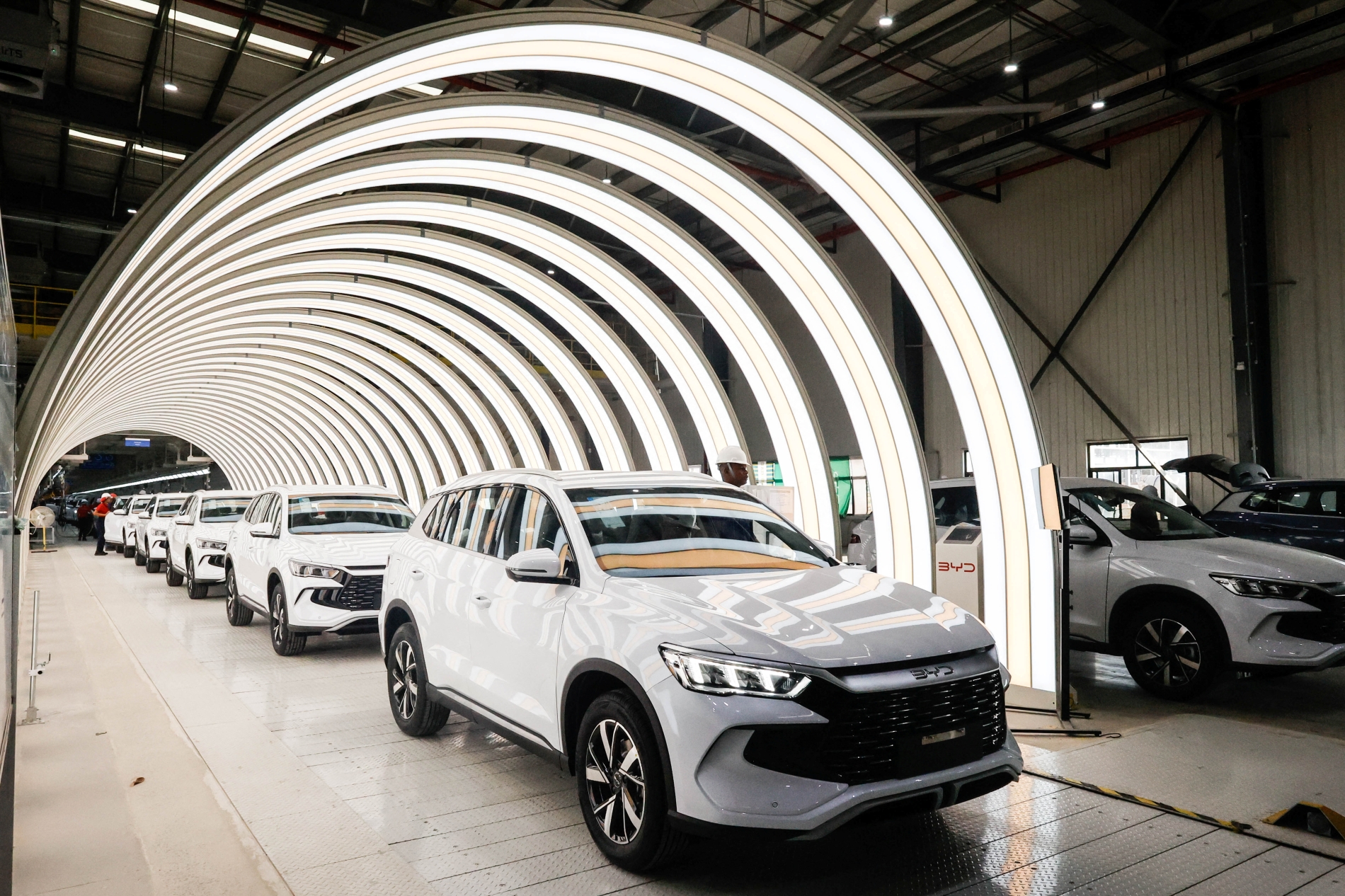
That continuity is visible today. Latin America supplies most of China’s soybean imports, and almost all its lithium carbonate, for instance. Resources therefore continue to drive Beijing’s commercial interests in the region, even as sovereign loans and state-backed infrastructure projects are replaced by private capital in areas such as telecoms, renewables, electricity transmission, electric vehicles (EVs), batteries, and advanced manufacturing.
Research by the Inter-American Dialogue and Boston University Global Development Policy Centre found that Chinese development bank lending to the region averaged just over $1.3bn annually between 2019-23, far below its earlier peak. A separate analysis found that industries classified as ‘new infrastructure’ accounted for 58% of Chinese foreign direct investment (FDI) in Latin America and the Caribbean in 2022. This reflects domestic economic goals within China, as Beijing promotes its tech industries to secure markets for Chinese firms.
New dimensions
China has not left commodities behind, but has added further layers that connect Beijing more closely with sectors shaping Latin America’s future development. As these connections multiply, decisions over energy systems, digital networks, industrial policy, and supply chains become intertwined with foreign policy, extending their significance beyond individual investments and making them harder to treat as purely commercial.
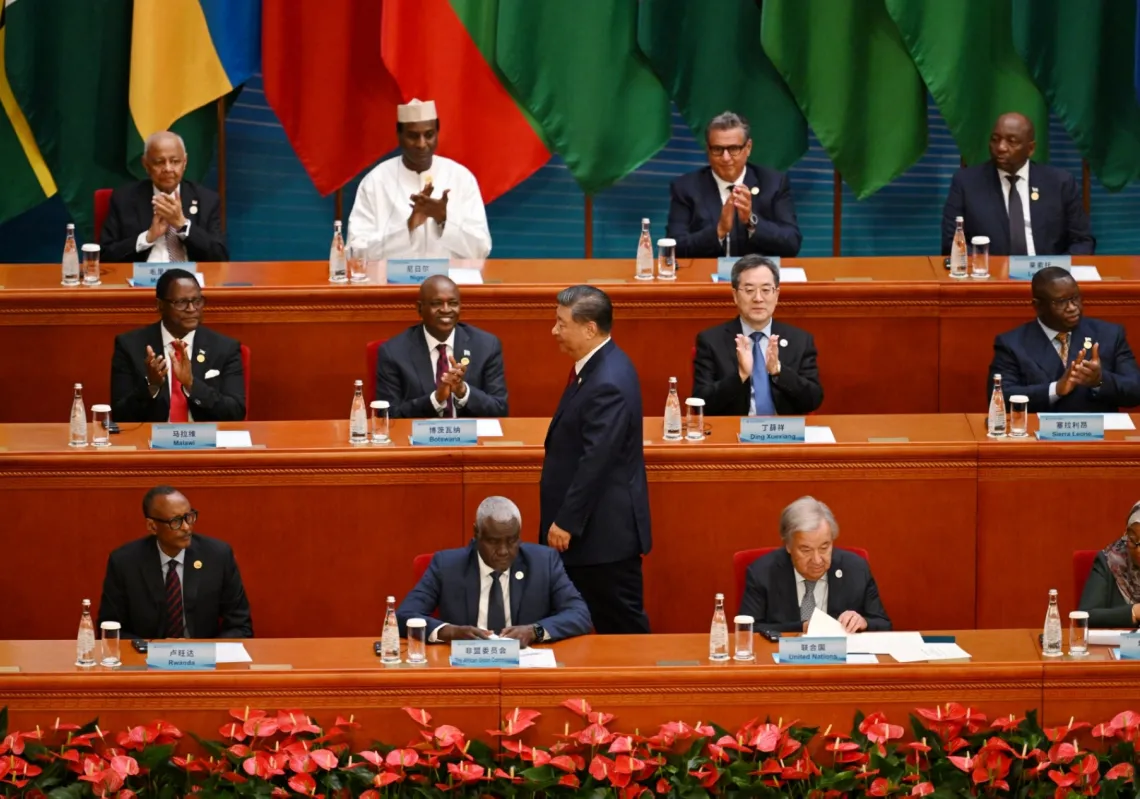
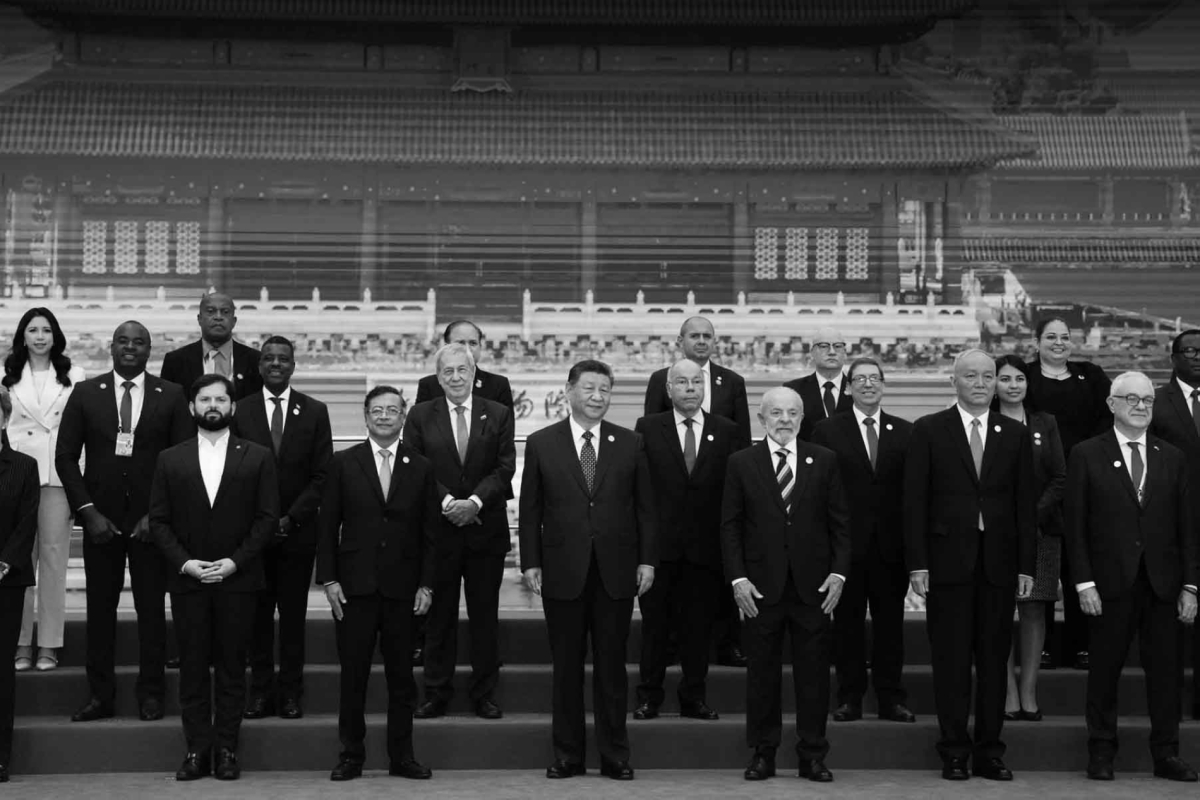
The political dimension is clearest in the institutional architecture surrounding Beijing’s engagement with the region. China’s 2025 policy framework places Latin America within a wider conception of the ‘Global South’ and a more diffuse international order. The Community of Latin American and Caribbean States (CELAC) serves as a regional platform. Created in 2011, it has 33 member countries (the US and Canada are not among them) and has maintained a formal forum with China since 2014.