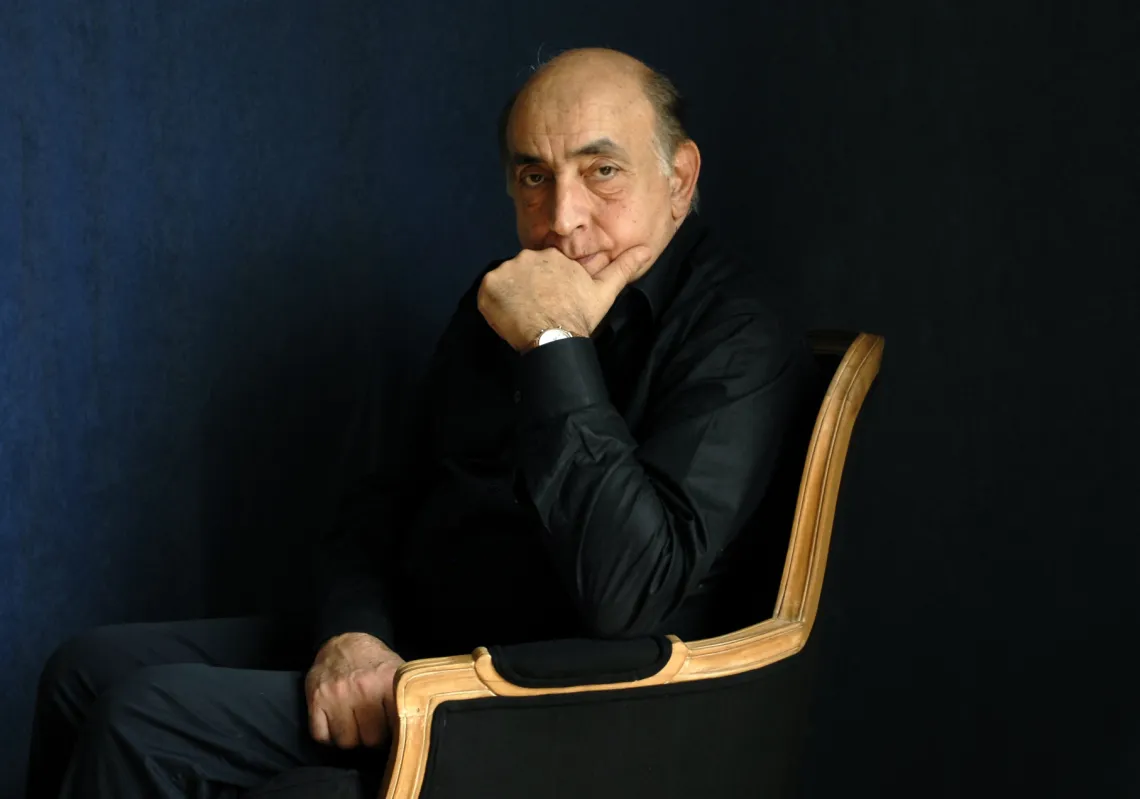

From its opening lines, Contrary to What Came Before, the new novel by Egyptian writer Ezzat El Kamhawi, does not seem especially promising. For readers familiar with El Kamhawi’s What Sami Yacoub Saw, published some seven years earlier, it may initially seem like little more than a continuation of old stories.
The surprise, however, is that the novel carries its author and reader into wider territories, moving beyond storytelling toward reflection and an interrogation of diverse human experiences. Published by Al Dar Al Masriah Al Lubnaniah, it moves at times between city and countryside, and at others between the struggles of the powerful and wealthy and those of ordinary and marginalised people.
Throughout, the novel presents these situations with impartiality, making the reader a participant in their details and placing them in the midst of these problems without offering miraculous or ready-made solutions.
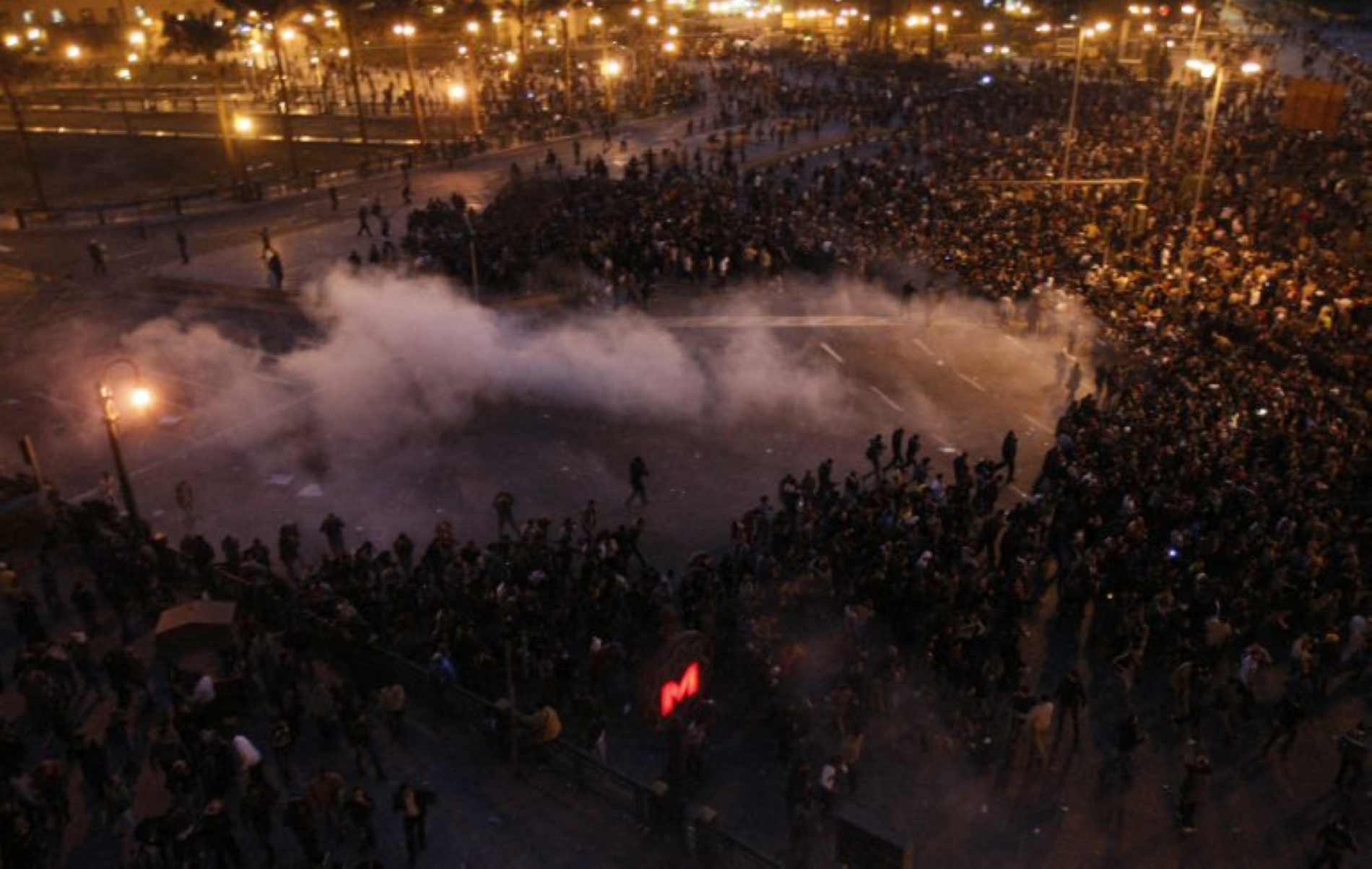
The narrative follows Sami Yacoub as he leaves Cairo after a period of voluntary seclusion at home. His retreat follows a painful encounter with security officers who stopped him and searched his phone, triggering memories of his father and brother, who died during the 2011 revolution.
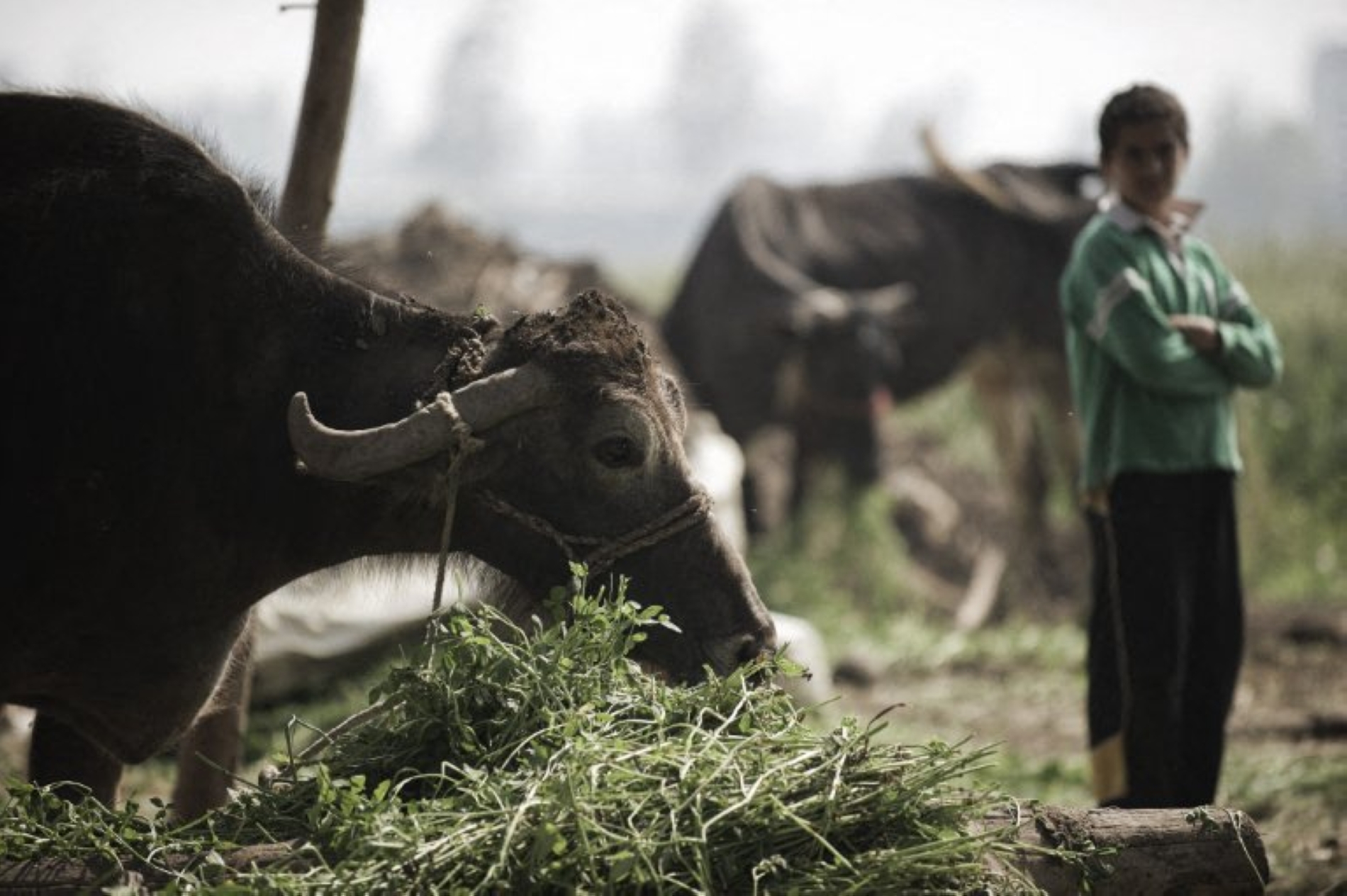
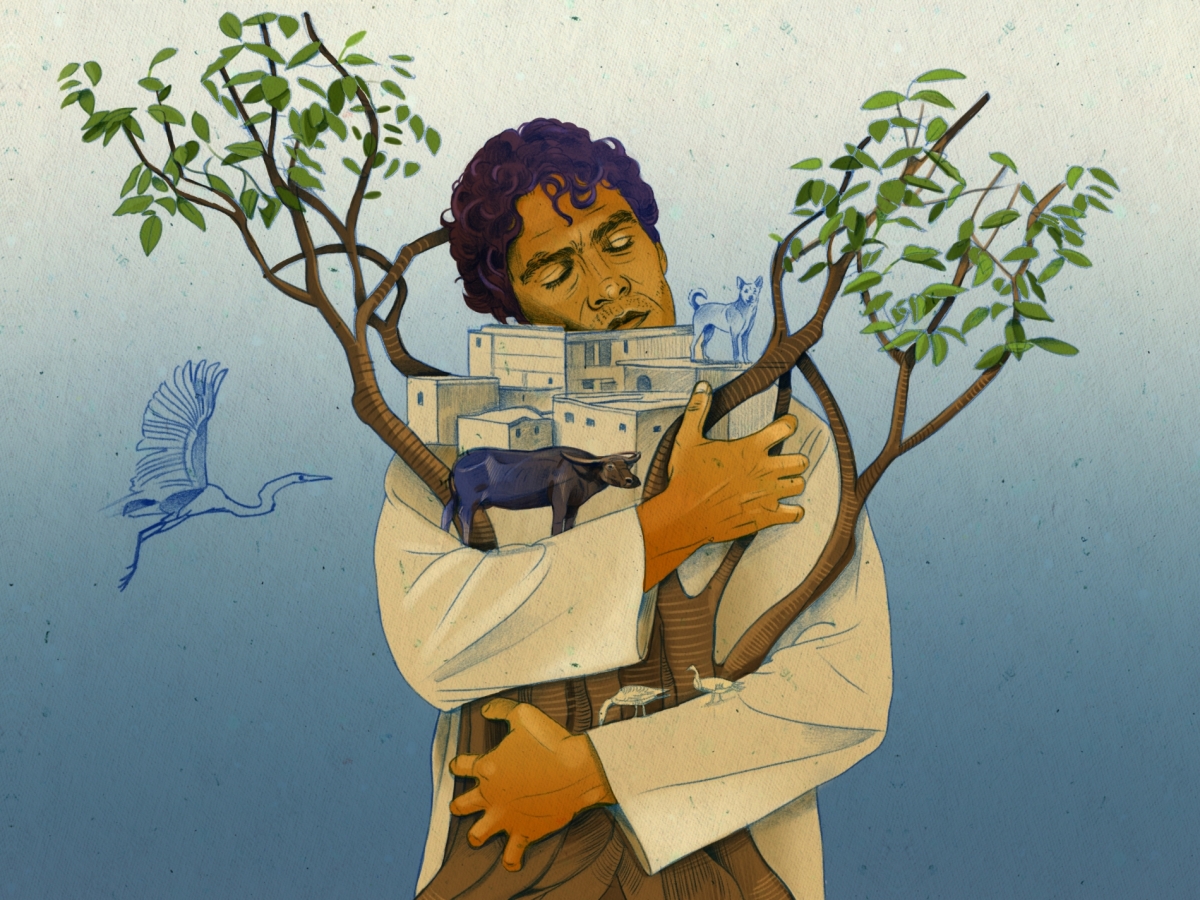
Sami leaves this behind and travels to Tell al-Masakhit, where he settles in his grandfather’s villa in the hope of living a different life. There, however, problems and catastrophes begin to close in around him, which he meets with indifference.
“Who would leave this paradise?” This is the first question that enters Sami’s mind when he first encounters the place, and it also captures his initial feeling towards it. Distancing himself from the clamour of the city and its world of anxiety and confusion seems to offer him an opportunity to reclaim his life.
The rural environment, his closeness to more elemental forms of life and even his participation in the animals’ daily existence all seem to give him this feeling. It may also be the novel’s first question, quietly and simply entering the reader’s consciousness: can life truly exist elsewhere?
Details as a means of survival
What had Sami been suffering from in Cairo? Was his fundamental problem the loss of the dream and the revolution? Was it the ‘anxiety’ that had become a disturbing obsession, particularly after the security search left him feeling that his life was in danger? Or was it connected to his beloved Farida, whom he wishes to marry despite the difficulties in his way?
Sami carried all this, and perhaps more, in the earlier novel. He gradually sheds these burdens by changing his surroundings and entering the rural world, with all the hope, promise, and clarity it appears to offer. There, the protagonist seems completely transformed. The reader soon discovers, however, that Sami has replaced anxiety and bewilderment with a measure of contemplation and confrontation. He marries Farida and brings her two daughters and father to live with them in the manor-like villa that resembles the paradise he had imagined.