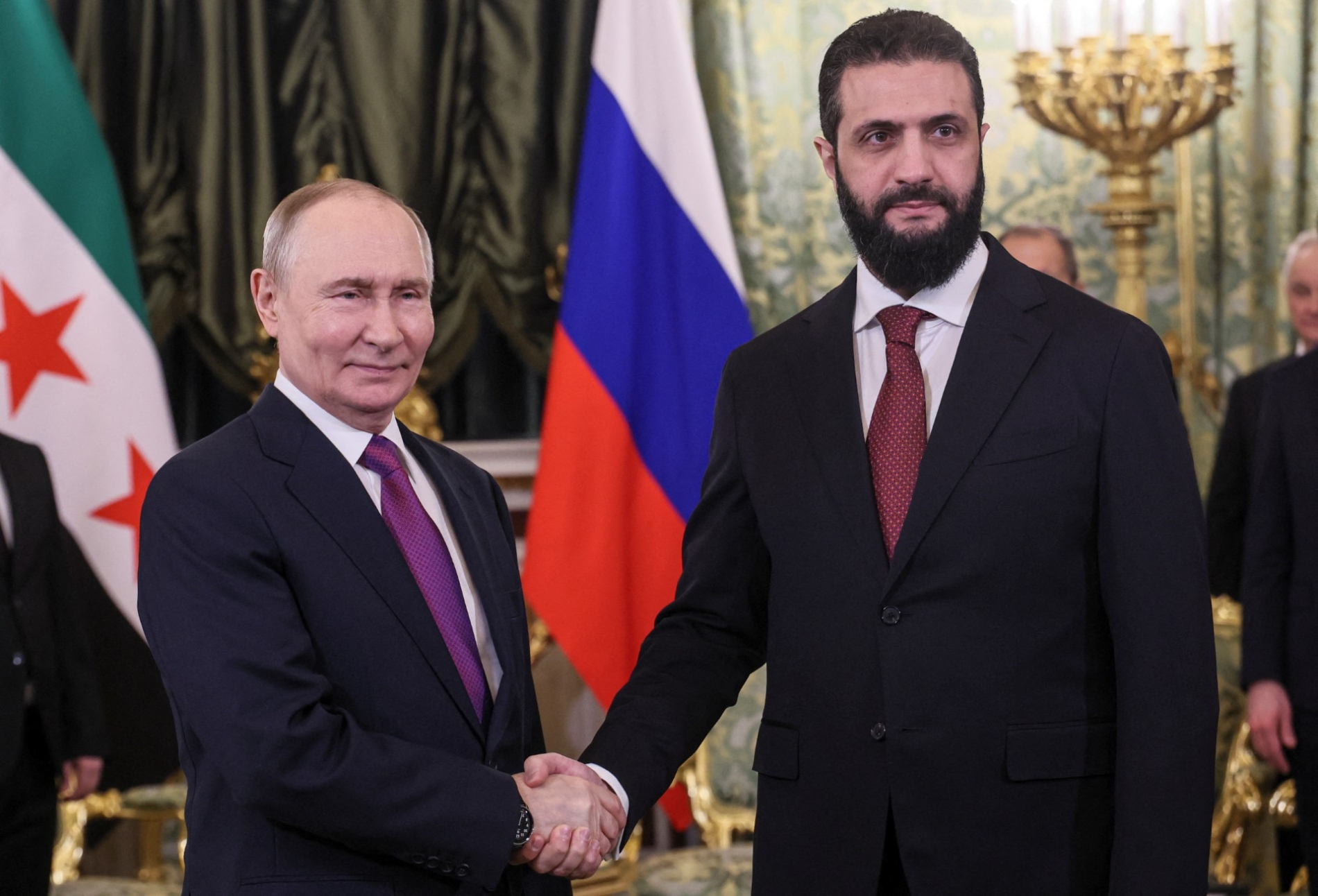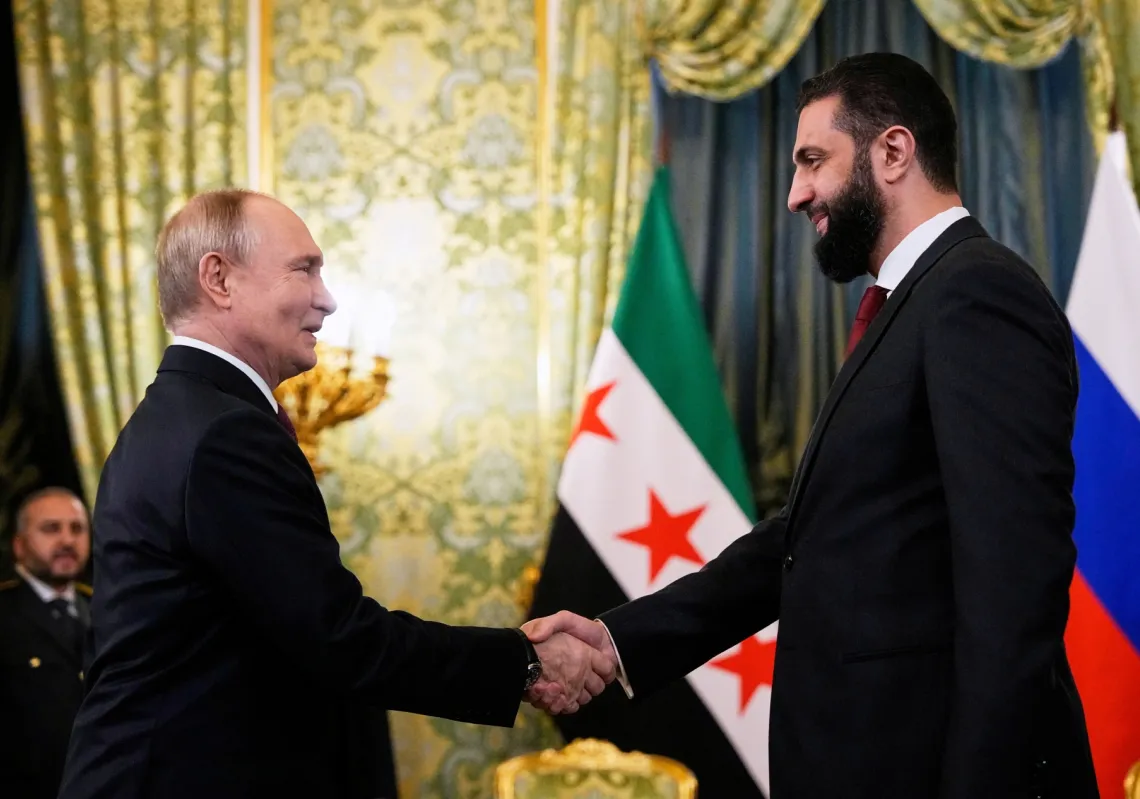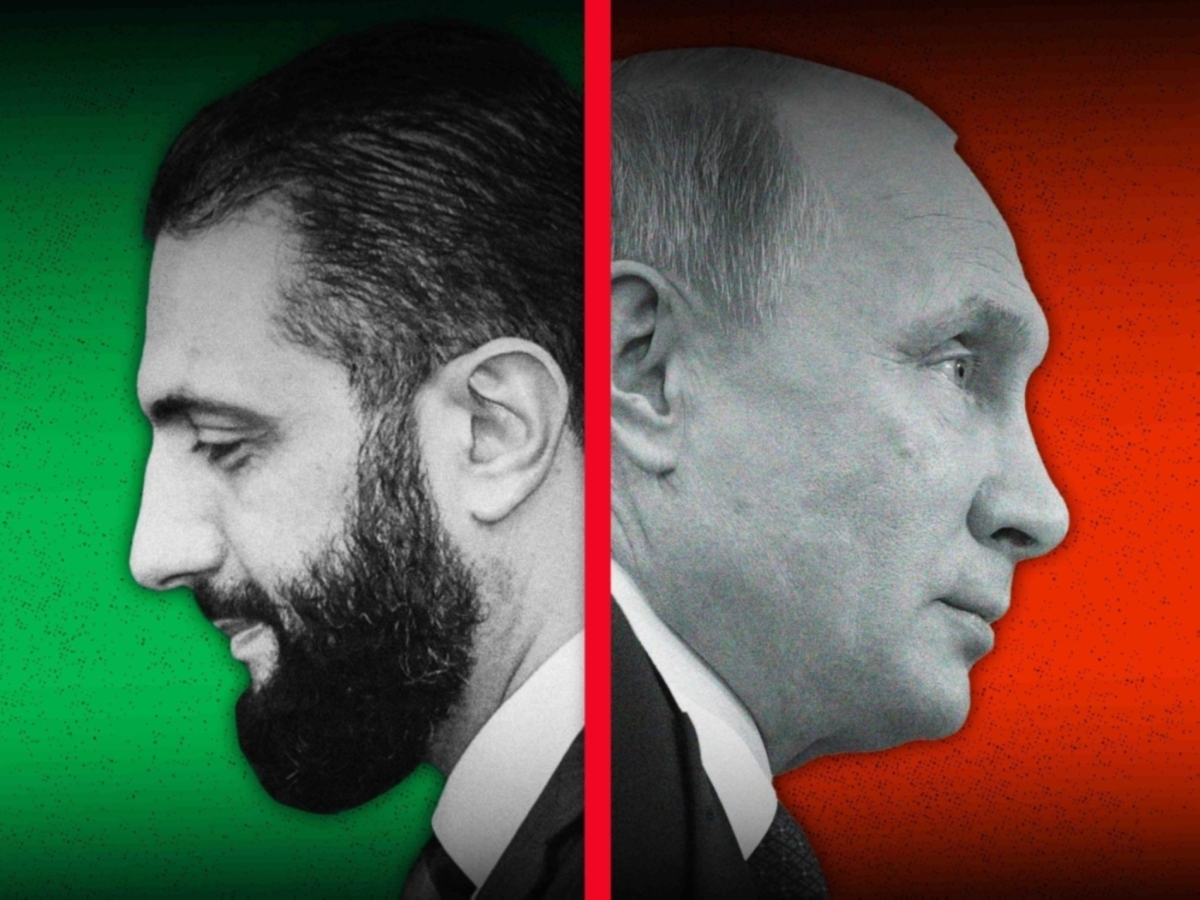

Russia said on 11 August that it had reached a deal with Syria on the future of Moscow's military bases, describing it as "an important step that would boost ties between the two countries", the state RIA news agency reported, citing the Russian foreign ministry.
For its part, Syria's foreign ministry said it had reached a memorandum of understanding over the future of Russian bases at Tartus and Hmeimim, following 18 months of intensive negotiations. The MOU stipulates that Syria will take over management of civilian facilities, including Hmeimim airport and the commercial berth at Tartus port, allowing them to be gradually integrated into the country's civilian administration. However, military facilities would be repurposed as joint training centres, with the transition to be completed within three months.
"We regard the signing on 9 August of the memorandum between the Russian Federation and the Syrian Arab Republic on the operation of our bases in Hmeimim and Tartus as an important step aimed at further improving bilateral cooperation in the military sphere," RIA cited the Russian Foreign Ministry as saying.
'We believe that reaching this agreement will give further impetus to the development of the full range of relations between our countries, which are based on a long history of friendship and partnership," it added.
A Syrian source familiar with the terms of the deal told Reuters that Russian forces would still be stationed at the new training centres but did not have details on how many would be there."
Russia had three bases in Syria: Qamishli airport, east of the Euphrates; Hmeimim airport, in the Qardaha countryside; and Tartus port, and also maintained military command centres in the capital, Damascus, and military positions across several Syrian regions, most notably in southern and northwestern Syria.
However, after the fall of the Assad regime in December 2024, Russia lost many of its military positions and its local and foreign-affiliated forces, leaving it with only three main bases in Qamishli, Hmeimim, and Tartus. However, Russian control over Qamishli did not last long; it ended up withdrawing in January after repeated warning messages from the Syrian authorities.
Carving out a foothold
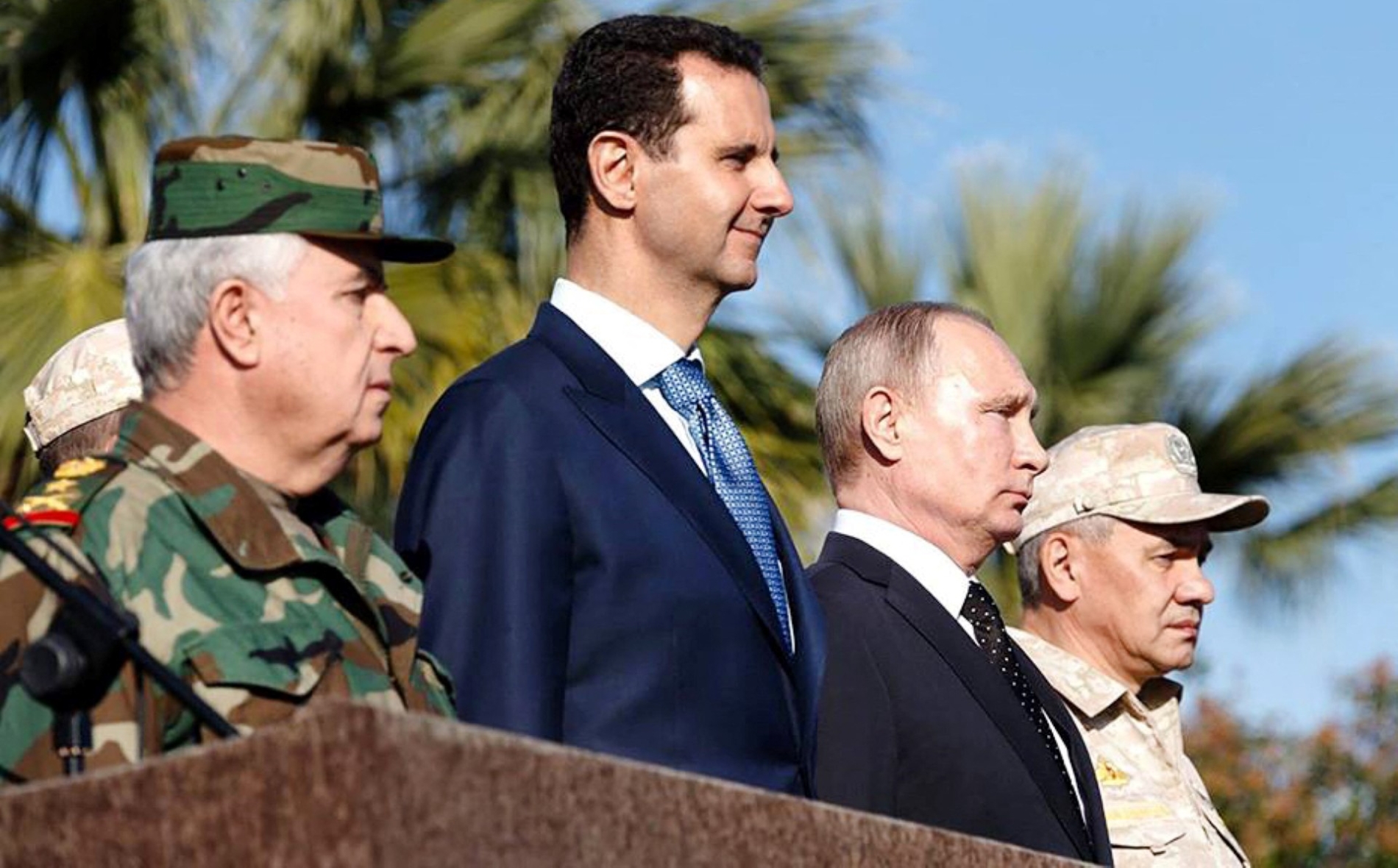
Following its military intervention in Syria in late 2015, Russia spent years carving out a presence that could reap geopolitical, military, and economic gains. Under Assad, it signed military agreements that gave it unprecedented control over Syrian territory. Russia's presence at the Qamishli base gave it a strategic card to pressure the United States and its Syrian allies, the Kurdish-led Syrian Democratic Forces. It presented itself as a mediator between Damascus and the SDF, while exploiting Arab hostility towards the group. From 2021 to 2024, Russian and SDF officials held weekly meetings at Qamishli airport, while Russia also transported SDF leaders to Hmeimim and Damascus for meetings with the Assad regime.
The Hmeimim base in Latakia was Russia’s largest in the region and a source of political and military leverage over the Syrian opposition and Türkiye. Its proximity to northern Syria allowed Moscow to threaten military action against opposition-held areas and exploit Turkish fears of another wave of Syrian displacement. There, the Assad regime effectively had no authority. The base also became a departure point for the recruitment and transport of thousands of Syrians to Libya and Russia, including recruits who were later sent to Ukraine to fight for the Russian army.
Russia's naval base in Tartus gave it a foothold on the Mediterranean Sea, giving it political, economic, and naval influence. Moscow signed several agreements with the Assad regime relating to Syria’s oil and energy sectors, including contracts linked to oil in Syrian waters. Its presence there for years gave Moscow one of its most strategic gains since the collapse of the Soviet Union.
Defining the contours of a new era
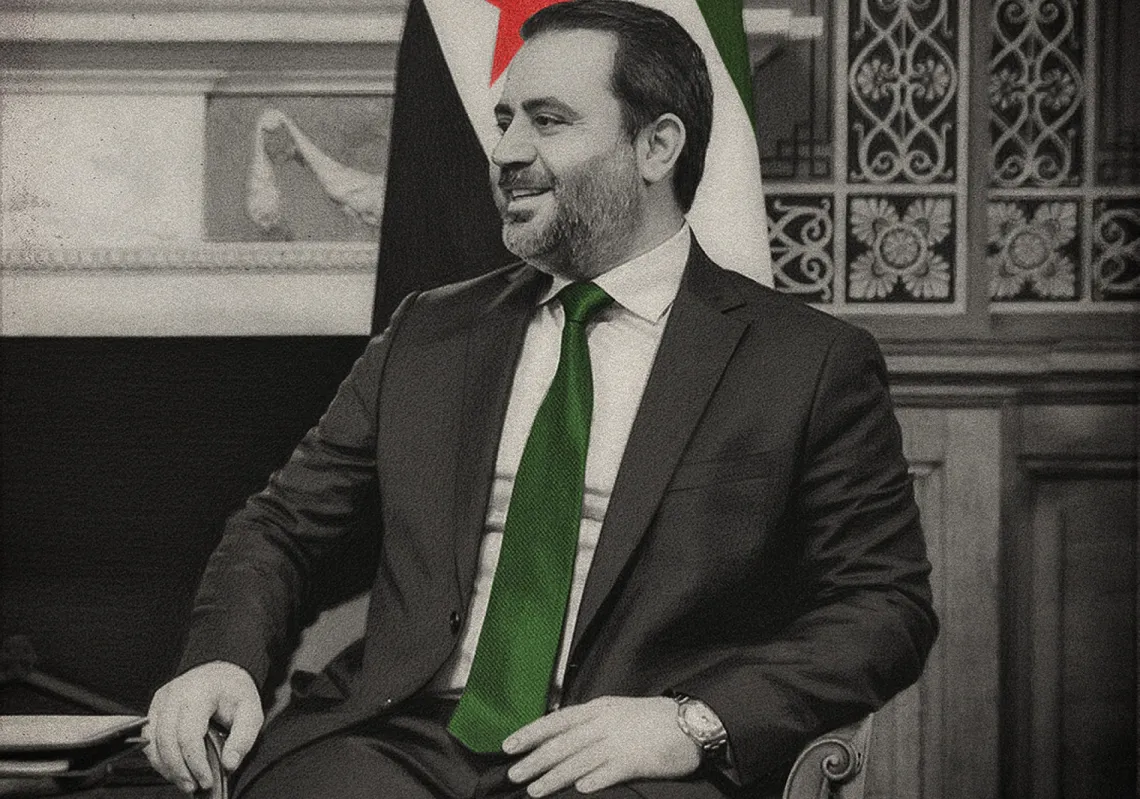
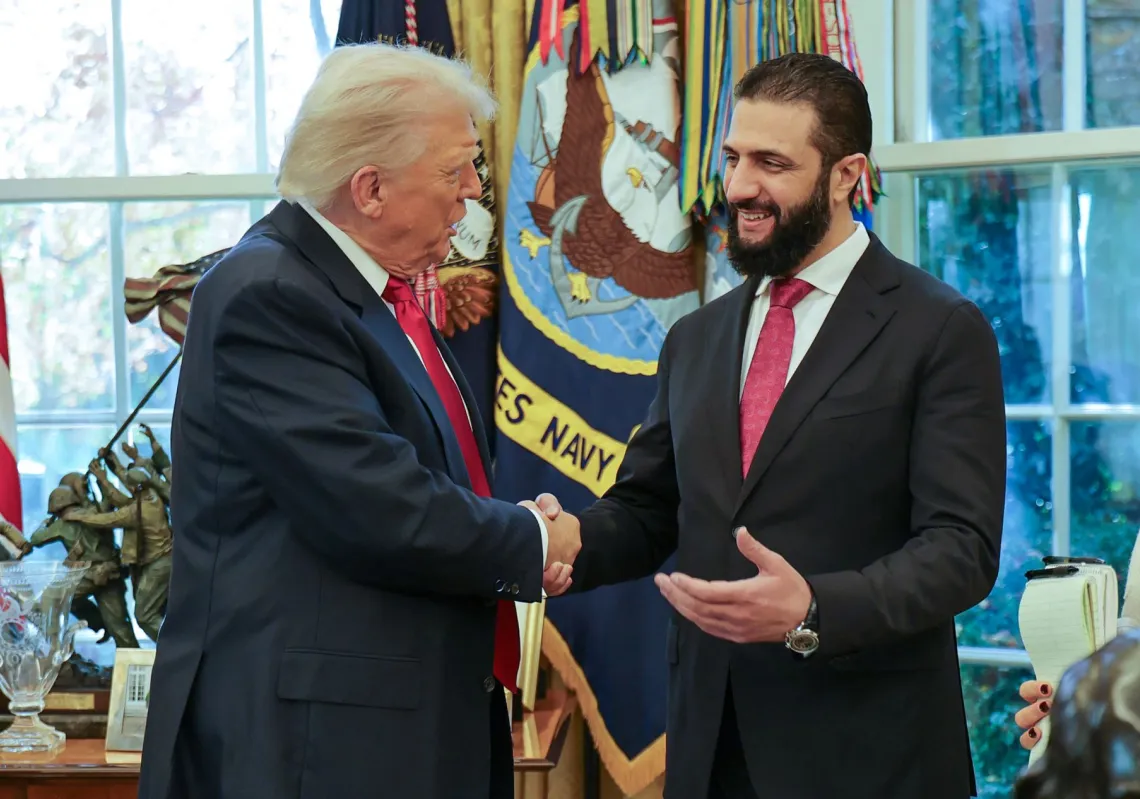
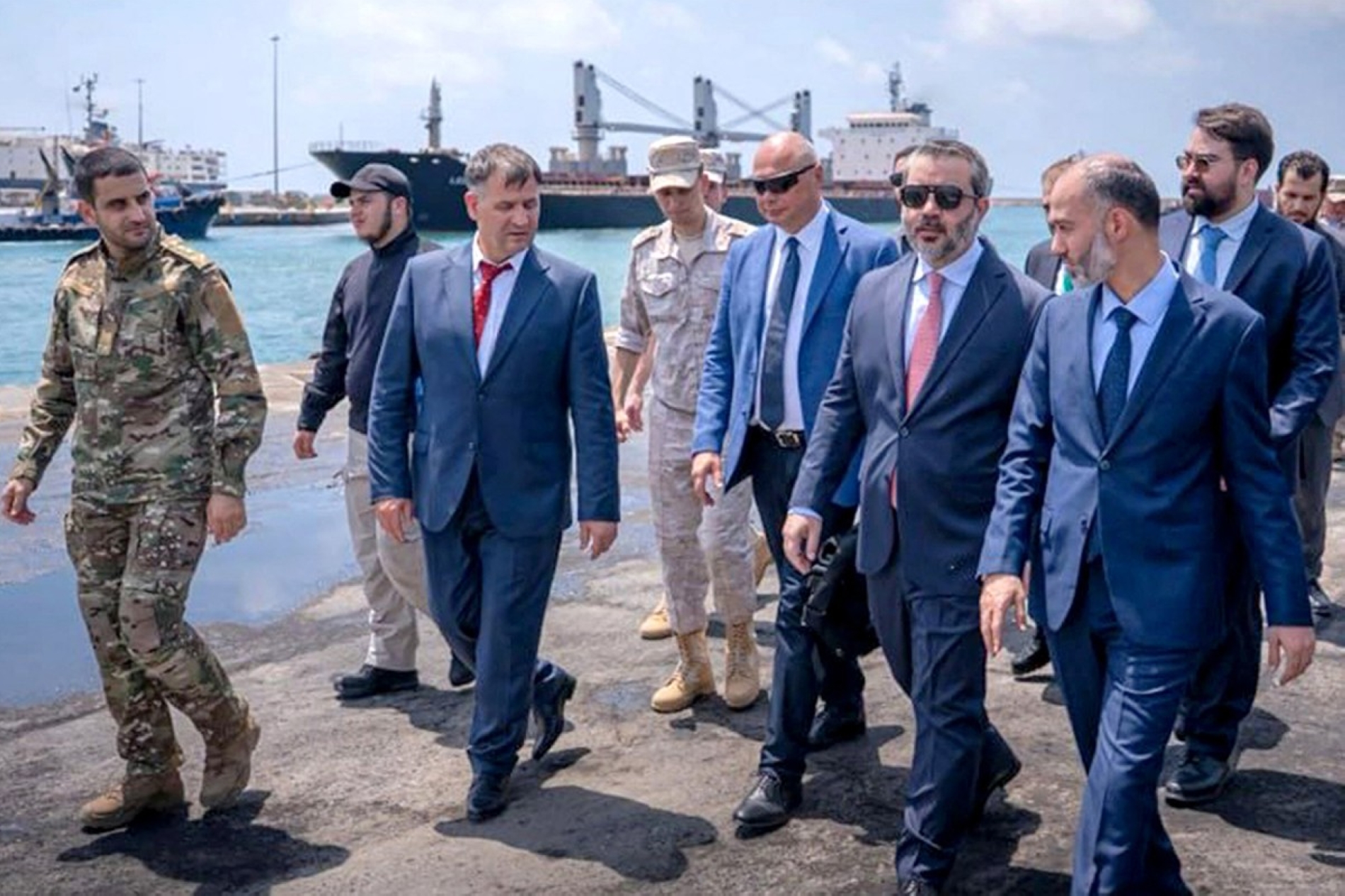
Since the fall of the Assad regime, the Syrian authorities have dealt with Russia delicately. Over the subsequent 18 months, Syria's new leaders sought to create conditions that could slowly squeeze Moscow out. Less than a month after the fall of the Assad regime, a delegation headed by Mikhail Bogdanov, Russian President Vladimir Putin’s special envoy to the Middle East, arrived in Damascus. During that visit, Moscow received positive but conditional messages from Syrian President Ahmed al-Sharaa. The new Syria was open to relations with Moscow, provided Russia respected the will and interests of the Syrian people.
Less than two months later, in mid-February 2025, al-Sharaa held his first official call with Putin. During the conversation, Putin expressed Russia’s readiness to review the agreements it had signed under the Assad regime.