Why Israel may want to start ‘fighting smart’ in Lebanon

An Israeli diplomat recently told Lebanese Shiites that Israel did not see them as the enemy, but it is a difficult argument to make given the death and destruction. Is there a better way?

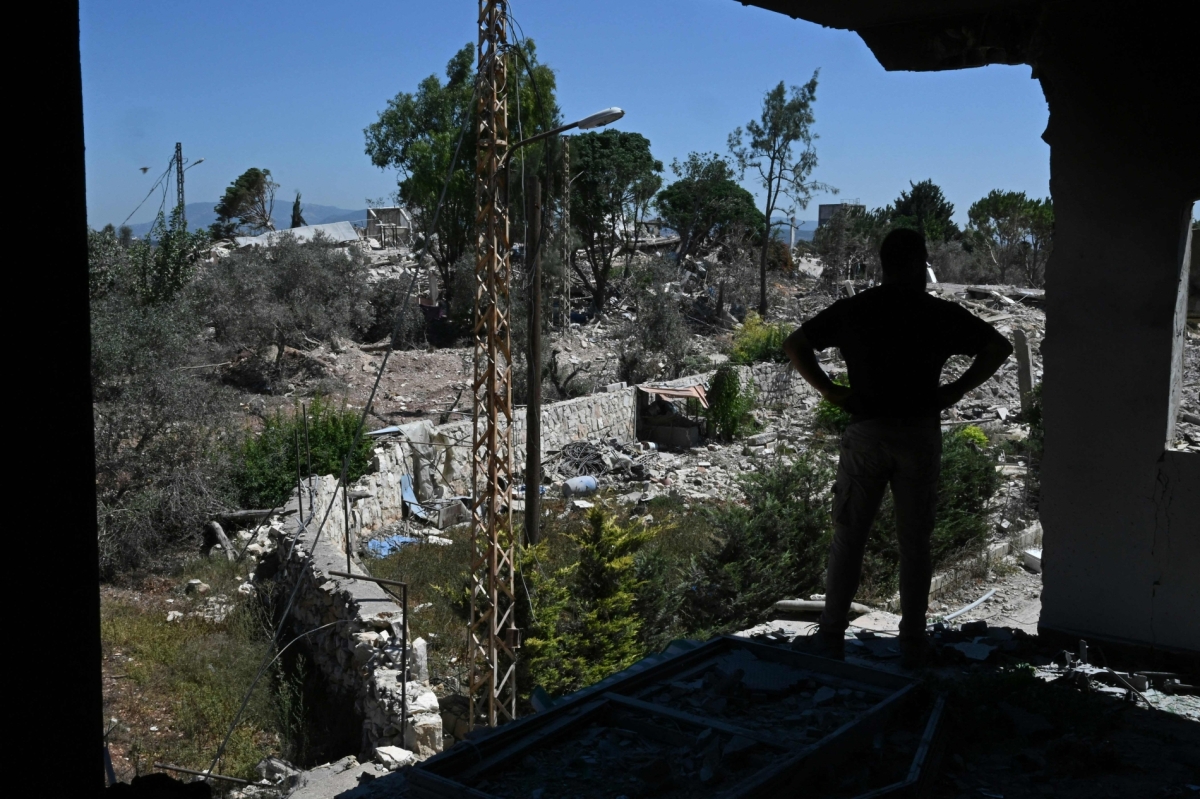
A man looks at the destruction from a damaged house as residents inspect their homes in Zawtar al-Gharbiya on 28 July 2026, after the Lebanese army deployed to the southern village.
AFP
A man looks at the destruction from a damaged house as residents inspect their homes in Zawtar al-Gharbiya on 28 July 2026, after the Lebanese army deployed to the southern village.

Why Israel may want to start ‘fighting smart’ in Lebanon

During his recent White House meeting with US President Donald Trump, Lebanese President Joseph Aoun, a former army chief-of-staff, said Israel was not “fighting smart” in Lebanon, citing heavy civilian casualties and massive property destruction.

‘Fighting smart,’ in Aoun’s view, begins and ends with the people, not the cities, hilltops, or even the enemy’s military force. For him, people are the centre of gravity in the kind of war being waged between Israel and Hezbollah in southern Lebanon, and he is not the only one who thinks so. People can be loyal, supportive, and cooperative, so they are the prize to be won. By not winning them, ergo, Israel is not fighting smart.

In its actions, Israel wants to permanently end the security threats posed by non-state actors in neighbouring Lebanon that have existed for nearly 60 years. Can it do so by alienating Lebanese Shiites, who make up almost half the population and who dominate southern Lebanon, on the border with Israel? That is the question Aoun answered.

Destroying everything

Since 2 March 2026, when Iran ordered Hezbollah (its Lebanese proxy) to attack Israel with mortars and rockets, over one million Lebanese Shiites have been displaced from their homes by Israeli military retaliation. In some cases, their homes in southern Lebanon no longer exist, the Israeli army having destroyed everything from even ancient olive groves to cemeteries, in pursuit of what Israeli cabinet ministers call a “buffer zone”. Their intention is to indefinitely occupy this part of Lebanon and deny the Lebanese residents who live here permission to return.
AFP
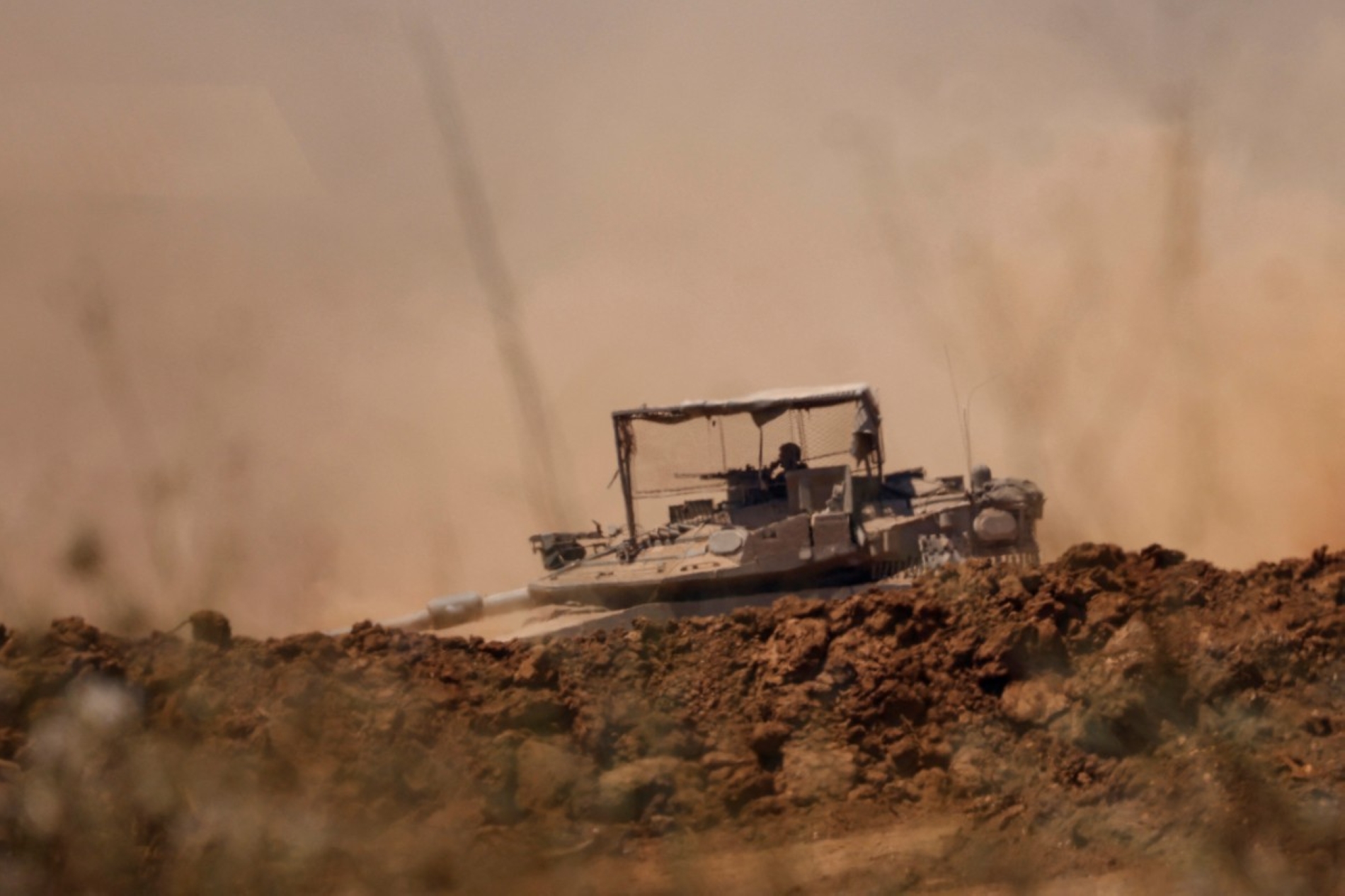
An Israeli tank along the border with southern Lebanon, as seen from the Upper Galilee, northern Israel, on 22 July 2026.

Israel’s strategy and tactics seem guided by the assessment that armed Hezbollah elements can operate only within a supportive, compliant population. Remove the people, destroy the infrastructure, level the dwellings and orchards, and Hezbollah fighters will be fatally exposed if they approach Israel. Although Israel maintains it has no claim on Lebanese territory, it has no intention of moving out either, at least not until it is convinced that there is no longer a threat from Hezbollah.

Both within that buffer zone and beyond, Israel army engineers have used heavy equipment and powerful explosives to make villages and hamlets unliveable. President Trump has publicly taken issue with Israel’s methodology in Lebanon, suggesting that Syria might do a less destructive job of tackling Hezbollah. Trump upbraided his ally Israeli Prime Minister Netanyahu for levelling apartment buildings and killing, injuring, and terrorising civilians in the hunt for Hezbollah operatives.
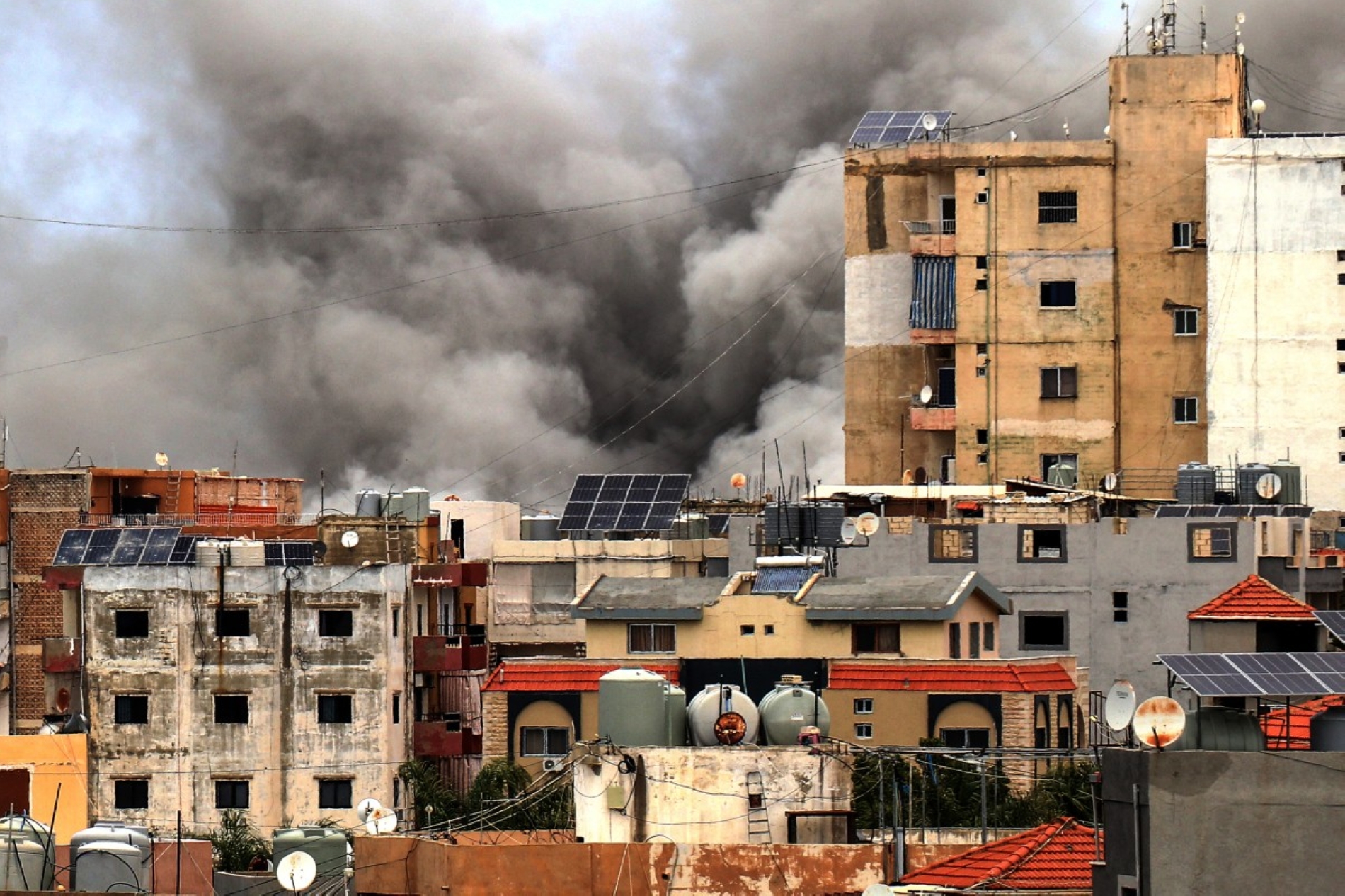
Kawnat Haju / AFP
The aftermath of an Israeli airstrike in the village of Maʿshūq in the district of Tyre, southern Lebanon, on 19 May 2026.

Israel says it tries to minimise civilian casualties, just as it does in Gaza, where it killed 64,000 people in nine months, mostly women, children, and the elderly. Israel says its armed forces make legal judgments as to whether prospective civilian harm is proportional to the value of the military target to be engaged. While there is no doubt that Israel has killed several Hamas and Hezbollah operatives who aimed to kill Jews, many Lebanese, both Shiite and non-Shiite, feel the demolition frenzy and perceived indifference to civilian casualties constitutes collective punishment.

Words and deeds

Recently, Israel’s Ambassador to Washington Yechiel Leiter released a video reassuring Lebanese Shiites that Israel does not consider their community to be an Israeli enemy. He said they in fact had enemies in common: Iran and Hezbollah. Leiter said it was Iran and Hezbollah who had brought death and destruction to Lebanon. It is hard to argue that Iran’s appeal to Hezbollah to open ‘a Lebanese front’ on 2 March 2026 has not brought misery, to the south especially.
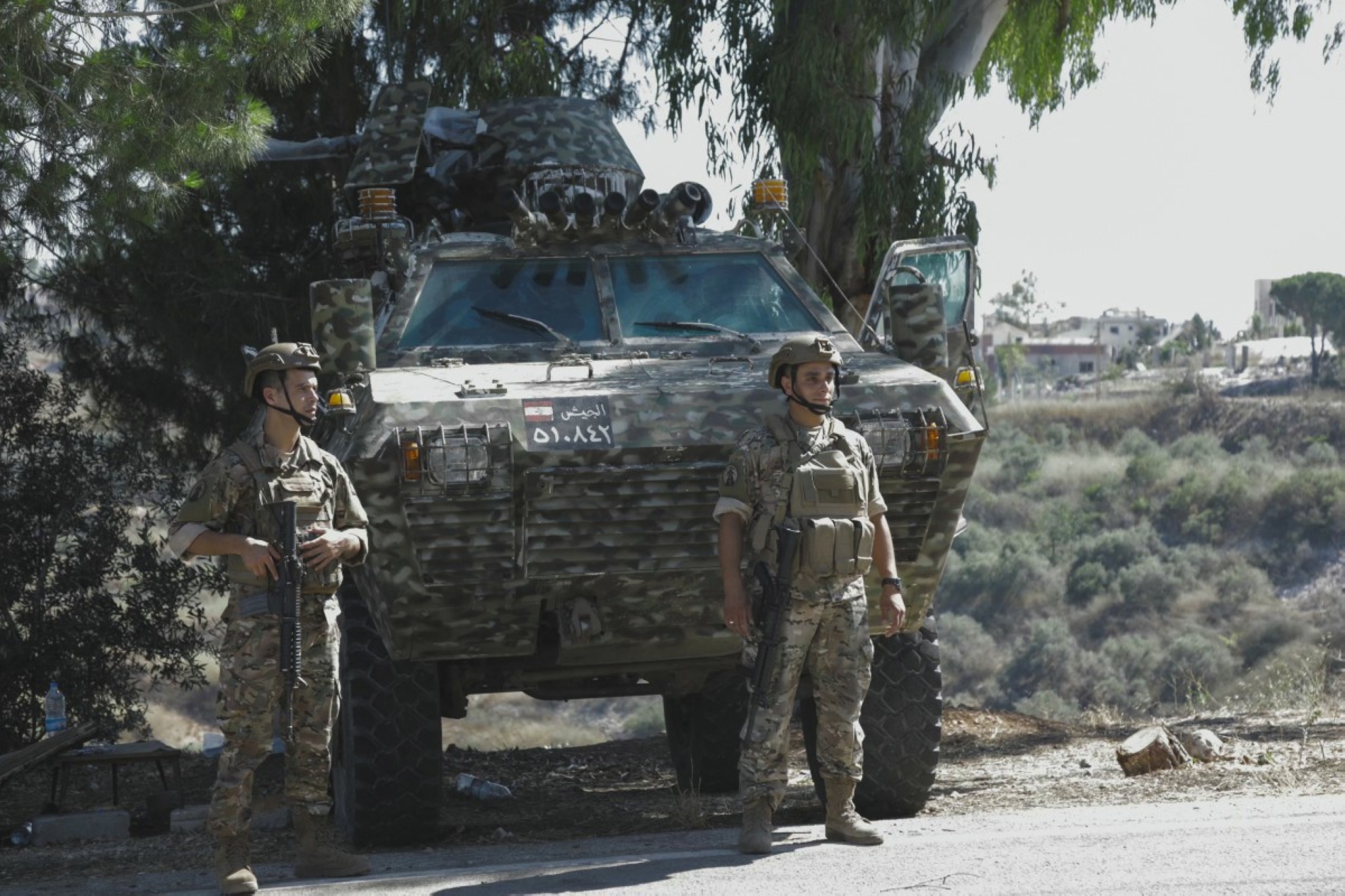
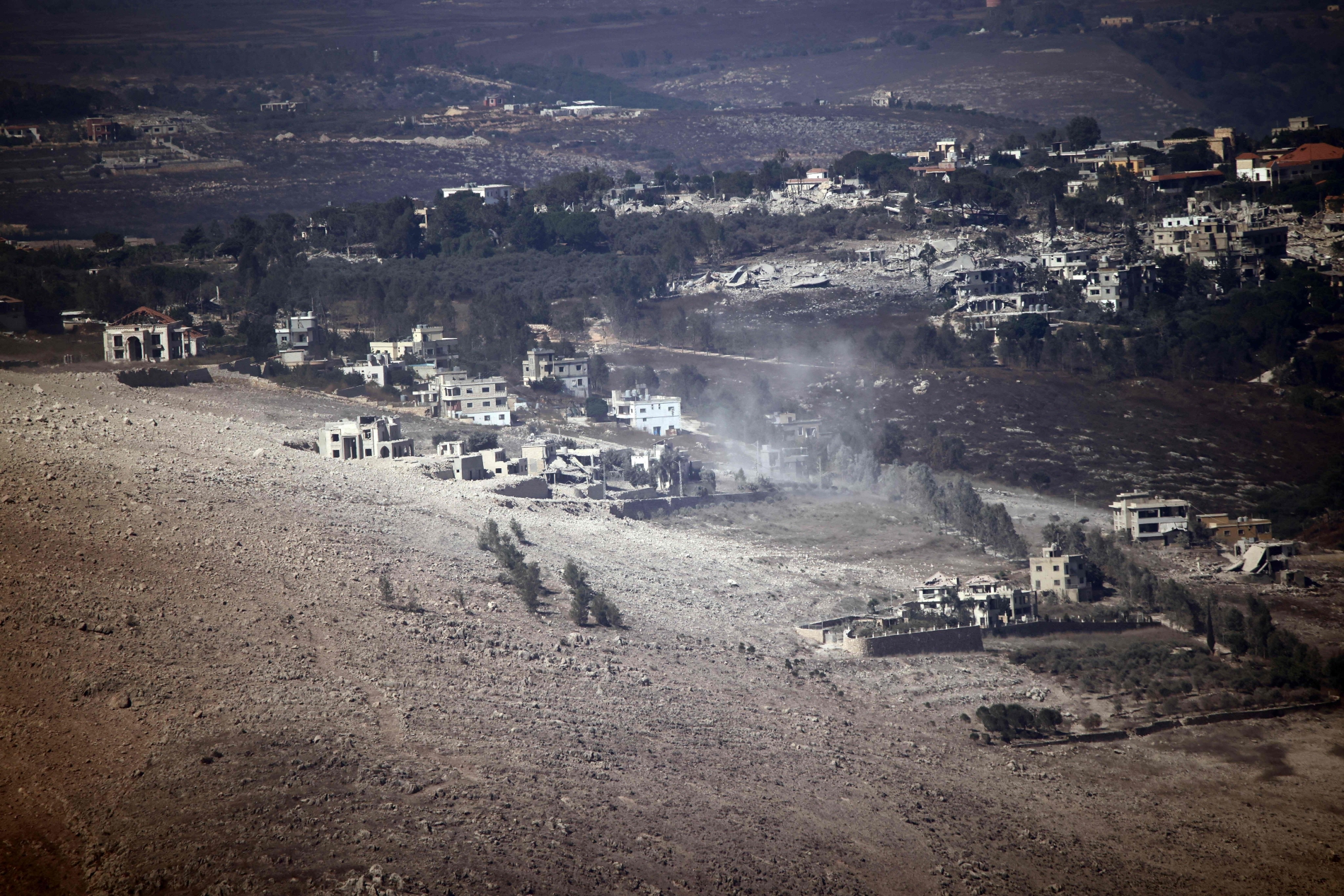
Many Lebanese, both Shiite and non-Shiite, feel Israel's demolition frenzy and perceived indifference to civilian casualties constitutes collective punishment

It is the scorched earth character of Israel's response that has been seared onto the Lebanese conscience. For a Shiite community that could have been won over, suddenly Iran and Hezbollah do not look as bad as the Israelis. Leiter's message may have seemed uplifting and reassuring, but it must reflect the facts on the ground as seen from a Lebanese perspective, if it is to have the desired effect.

What Leiter was trying to do was show that in the Israeli mind, 'Lebanese Shiites' and 'Hezbollah' are not the same thing. This is particularly important as the Lebanese Armed Forces (LAF) and the Israeli Defence Forces (IDF) embark on the first pilot schemes in which they cooperate over security in the south, the LAF gradually taking over from the IDF in a village-by-village process.

Kawnat Haju / AFP
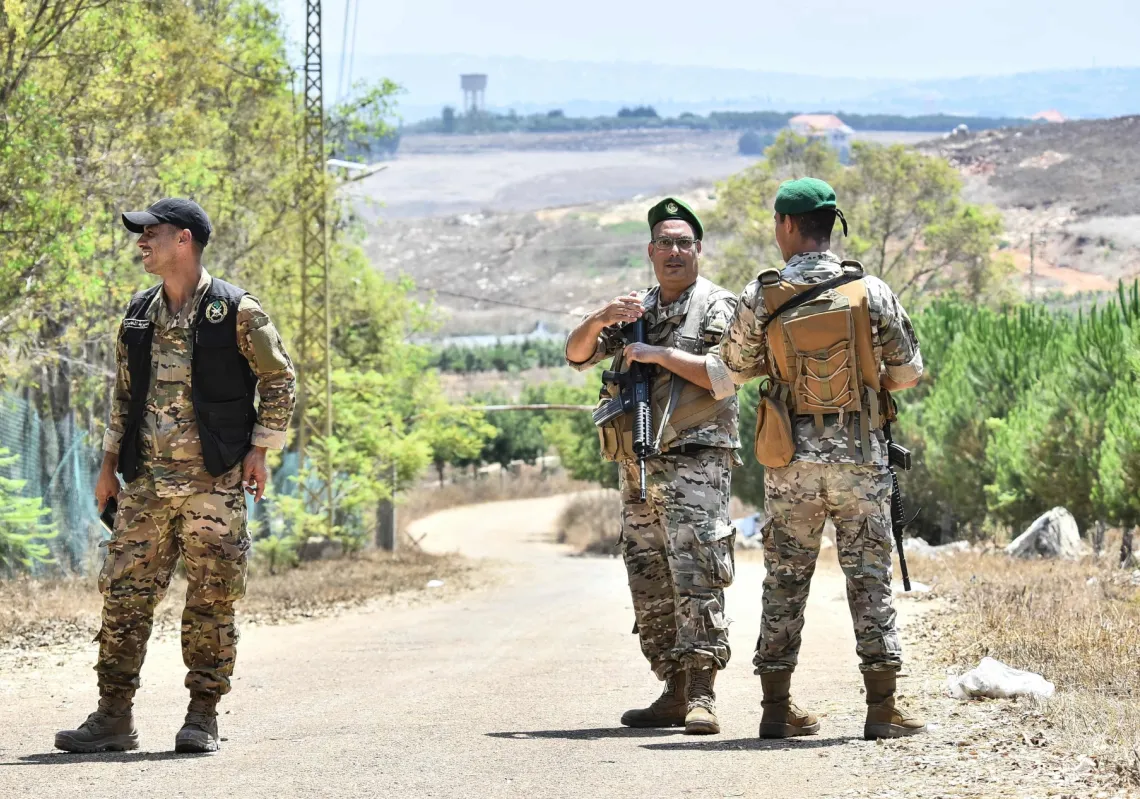
Lebanese army soldiers patrol a street at the entrance of the southern Lebanese village of Froun on 30 June 2026.

Time is of the essence. Lebanon's hundreds of thousands of displaced residents desperately want to go home and begin rebuilding before the onset of winter. Yes, some returnees may have Hezbollah sympathies or even be active in the group. But they will be a small minority and may not find the support they once did. The overwhelming sentiment of potential returnees is: enough. No more warfare. The people of the south wish to return to their land and farms, and live in safety and dignity, just as Israelis do on the other side of the border.

Changing mindset

Israel seems to think of its fight against Hezbollah in purely military terms, as if this were the more tradition, industrial, state-vs-state model of warfare that will only end with a battlefield victory. Yet to fully vanquish their enemy, most analysts think the Israelis would need to send land forces across roughly 20% of Lebanon, throughout areas where Hezbollah is believed to be active, including (in addition to the south) the densely populated southern suburbs of Beirut and the Beqaa Valley, Lebanon's breadbasket.


AFP
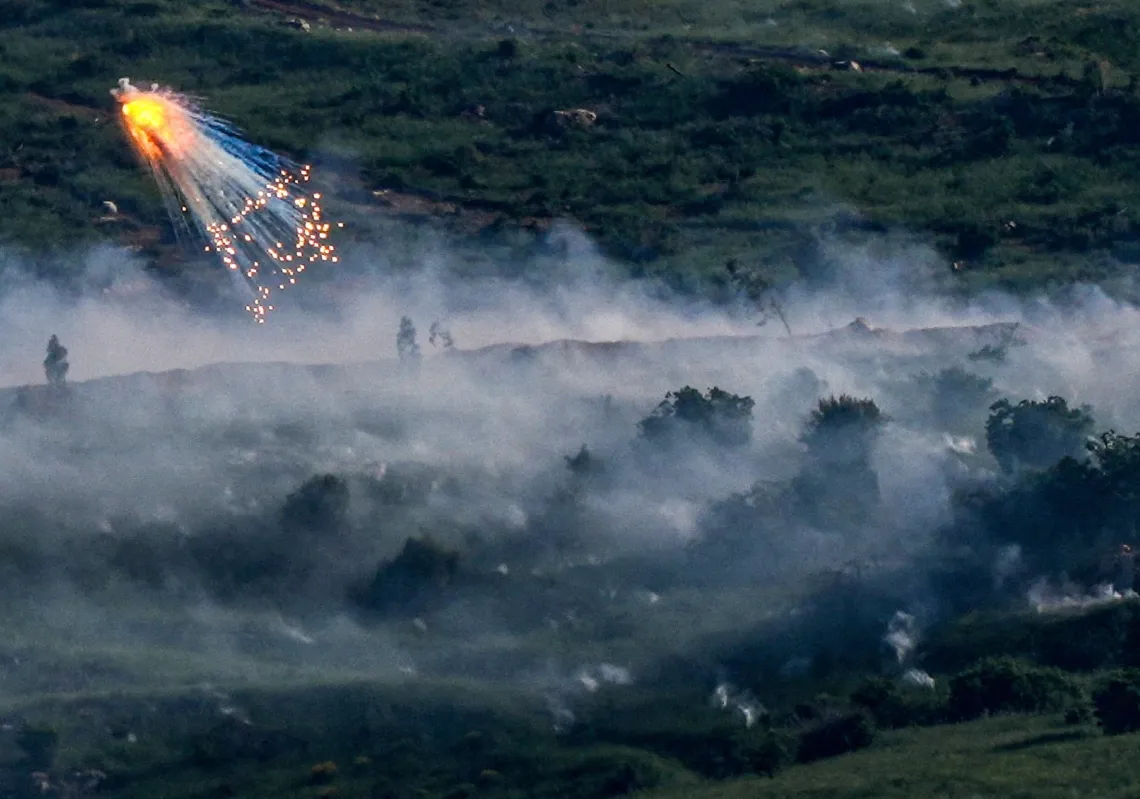
Silica dust covers the hills of Arnoun and Al Shaqif near the Beaufort castle in southern Lebanon, after Israeli forces carried out a series of detonations supposedly aimed at Hezbollah tunnels.

There seems to be little appetite in Tel Aviv for what could clearly be a long and costly ground campaign, so Israeli representatives have been discussing a broader settlement (called a 'framework agreement') with the Lebanese government, facilitated by the US State Department. The idea is that the LAF will slowly take over from the IDF in the south, once each area has been 'cleared' of Hezbollah.

This supports the Lebanese state's aim of establishing a monopoly over the legitimate use of force, over the country's weapons of war, and over decisions of war and peace. To get to that point, however, will require the Israeli army to build a level of security cooperation with the Lebanese army. Were it to do so, it would promote the idea among Lebanese, especially Shiites, that peace with Israel is desirable and achievable.

Israel has selfish reasons to want this to work. It would benefit enormously from a strong Lebanese state and from a southern Lebanese population that felt secure in their own homes. If Israel one day sees itself agreeing full peace and normalisation with a coherent, effective Lebanese state that can secure its border and nullify any internal threats, perhaps it should start 'fighting smart' in Lebanon sooner rather than later.

font change