
After the signing of the ‘Framework Agreement’ between Lebanon and Israel this month, the scale of the economic damage in Lebanon from Israeli bombardment is becoming clear. Among the sectors most affected is agriculture, a lifeline for much of the population and key to national food security. War has affected the country’s farmland, vegetation, water, and soil, which have suffered alongside its people.
Israeli munitions have destroyed, burned, and contaminated Lebanese land and water courses with substances that pose grave risks to human and animal health. In some cases, their effects may endure for decades. The damage extends to livestock, an inseparable part of the natural and agricultural economy and a vital component of food production and the wider ecological cycle.
On 10 June, Lebanon’s Ministry of Foreign Affairs and Emigrants sent a formal complaint to the United Nations Secretary-General and the Security Council based on a report prepared by the National Council for Scientific Research. It focused on the Israeli military’s spraying of glyphosate over several southern Lebanese border villages. The Chemical Weapons Convention prohibits the use of herbicides as a method of warfare.
The complaint followed laboratory testing and chemical analysis of soil samples collected from Aita al-Shaab, Ras al-Naqoura, and al-Dhaira. The results confirmed the presence of glyphosate at exceptionally high concentrations, reaching 22,750mg/gram. Normal concentrations in agricultural soil are usually between 0.5-2mg/gram.
Counting the cost
Lebanese Finance Minister Yassine Jaber said economic losses caused by the 2026 war were more than $20bn. As a result, he warned that the economy would contract by up to 10% over the next year. Speaking to Al Majalla, Agriculture Minister Nizar Hani said the agricultural sector alone had suffered $541mn in losses, including to agricultural equipment, land, and harvests. “Months of production have been lost, as have the revenues those seasons would have generated,” Hani said.
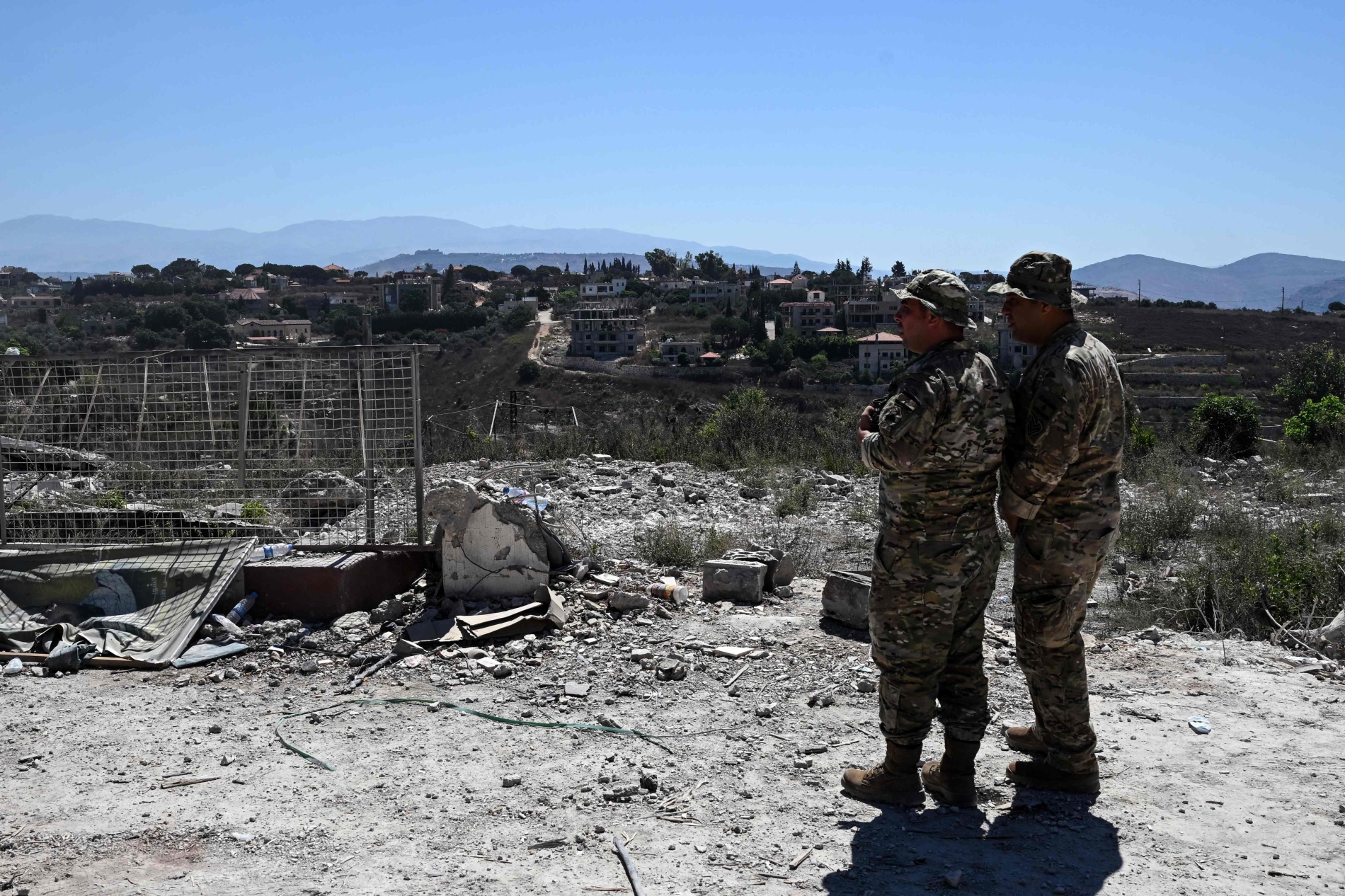
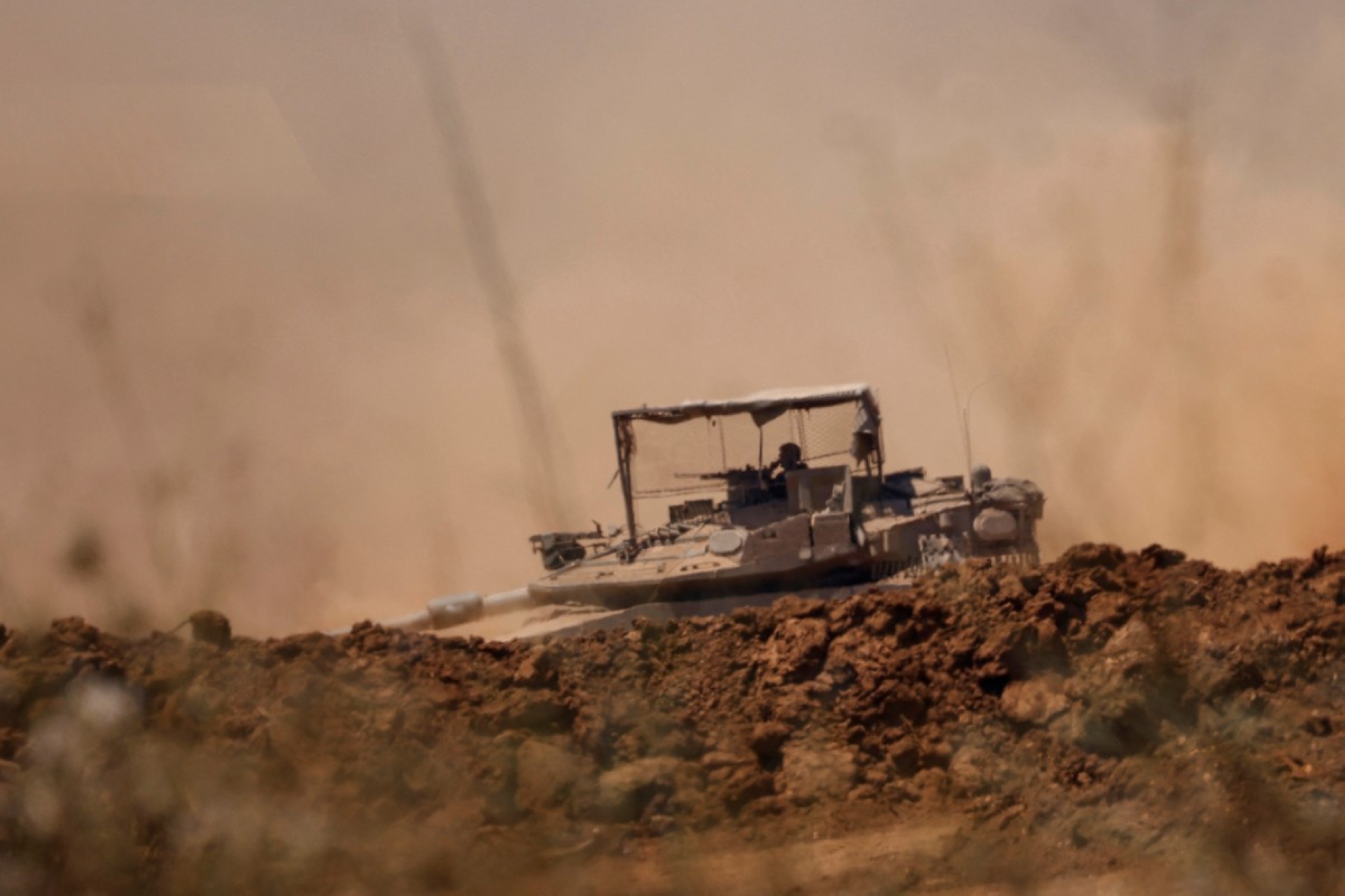
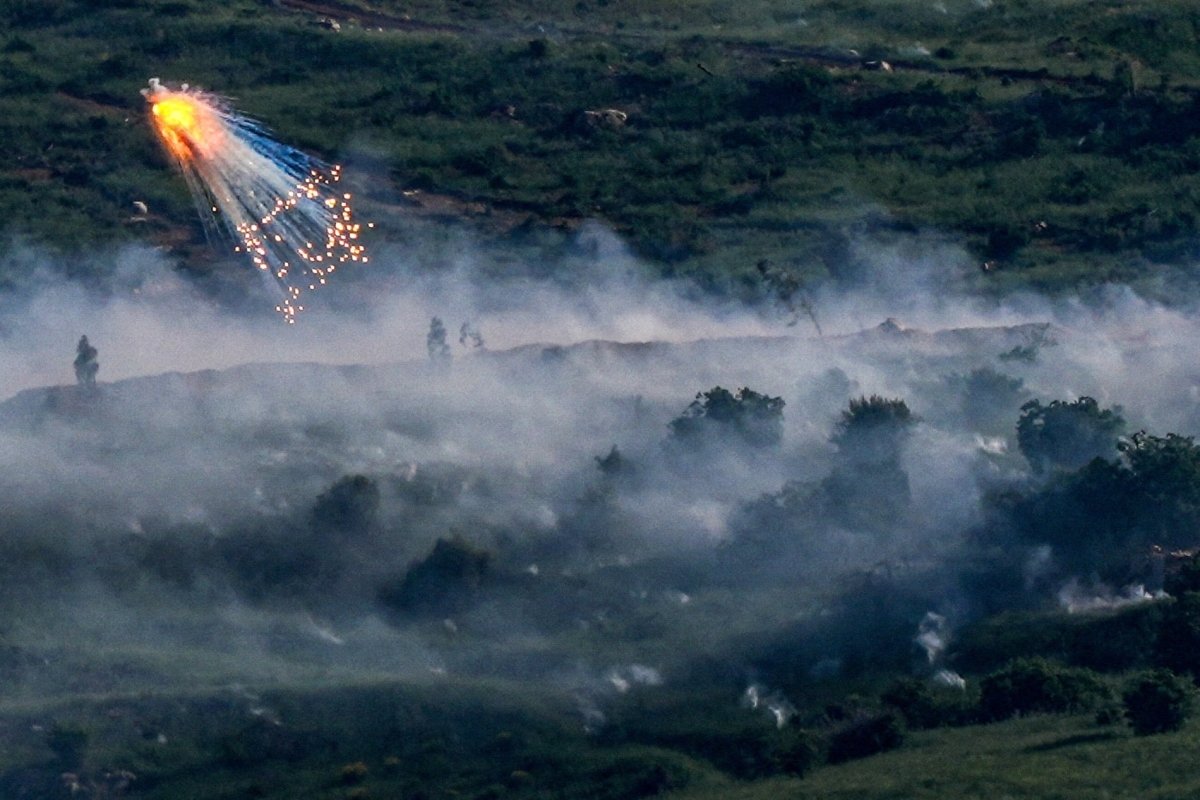
“The damage directly associated with phosphorus and glyphosate was considered manageable after the end of the 2024 war. The latest findings are consistent with those recorded in 2024. The greatest concern is the exceptionally high concentration of the herbicides sprayed by Israeli forces, nearly 60 times the normal level. This applies specifically to glyphosate, which is used to kill weeds. White phosphorus, meanwhile, was used primarily to create a buffer zone in the south. It burns the land and destroys its vegetation. Some 56,000 hectares of agricultural land were affected, roughly a quarter of Lebanon’s cultivated land.”
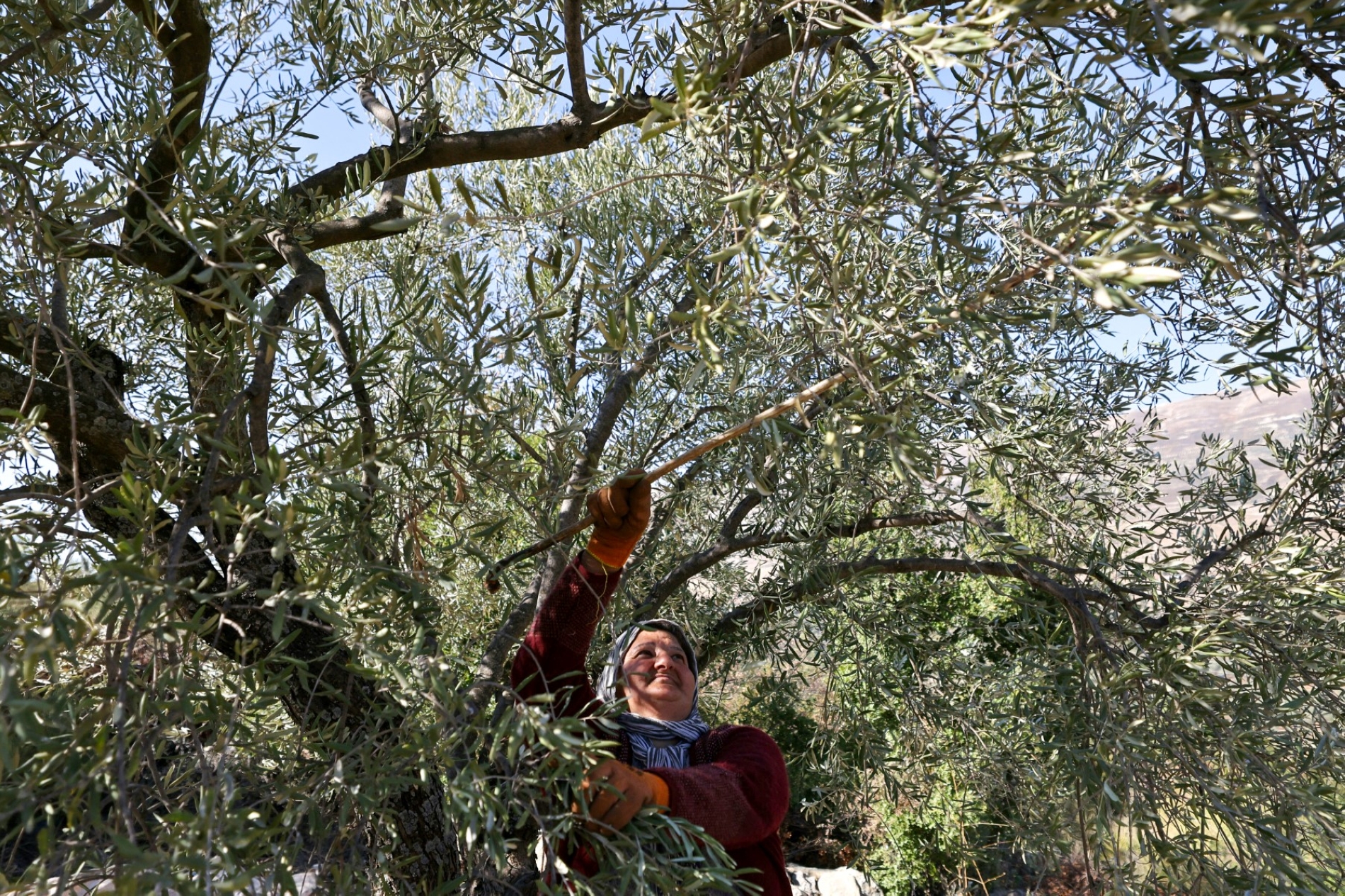
The consequences are particularly serious because several crops produced in the south cannot readily be replaced by cultivation elsewhere, Hani said. The region accounts for 95% of Lebanon’s bananas and 75% of its citrus fruit. Livestock, tobacco, and olive groves have also been affected.
“We will establish the full extent of the damage to the land and the natural environment as soon as conditions allow. Israel sought to create a scorched landscape similar to Gaza, depriving soldiers of cover and leaving the area entirely devoid of life. White phosphorus burns the ground where it falls, but its effects are not long-lasting. Glyphosate, by contrast, can have lasting consequences. Ancient olive trees have suffered long-term damage, while the bulldozing and erosion of the soil will adversely affect both agriculture and water resources.”
Impact of war
Hani said 24% of Lebanon’s population were experiencing Phase 3 food insecurity and require food assistance. “This is partly the result of the damage to the agricultural sector and the loss of daily employment. Food costs have risen sharply, with the regional crisis and disruption to supply chains adding further pressure. One positive development is Saudi Arabia’s decision to reopen its market to Lebanese agricultural produce. This will support farmers and provide relief to the national economy.”
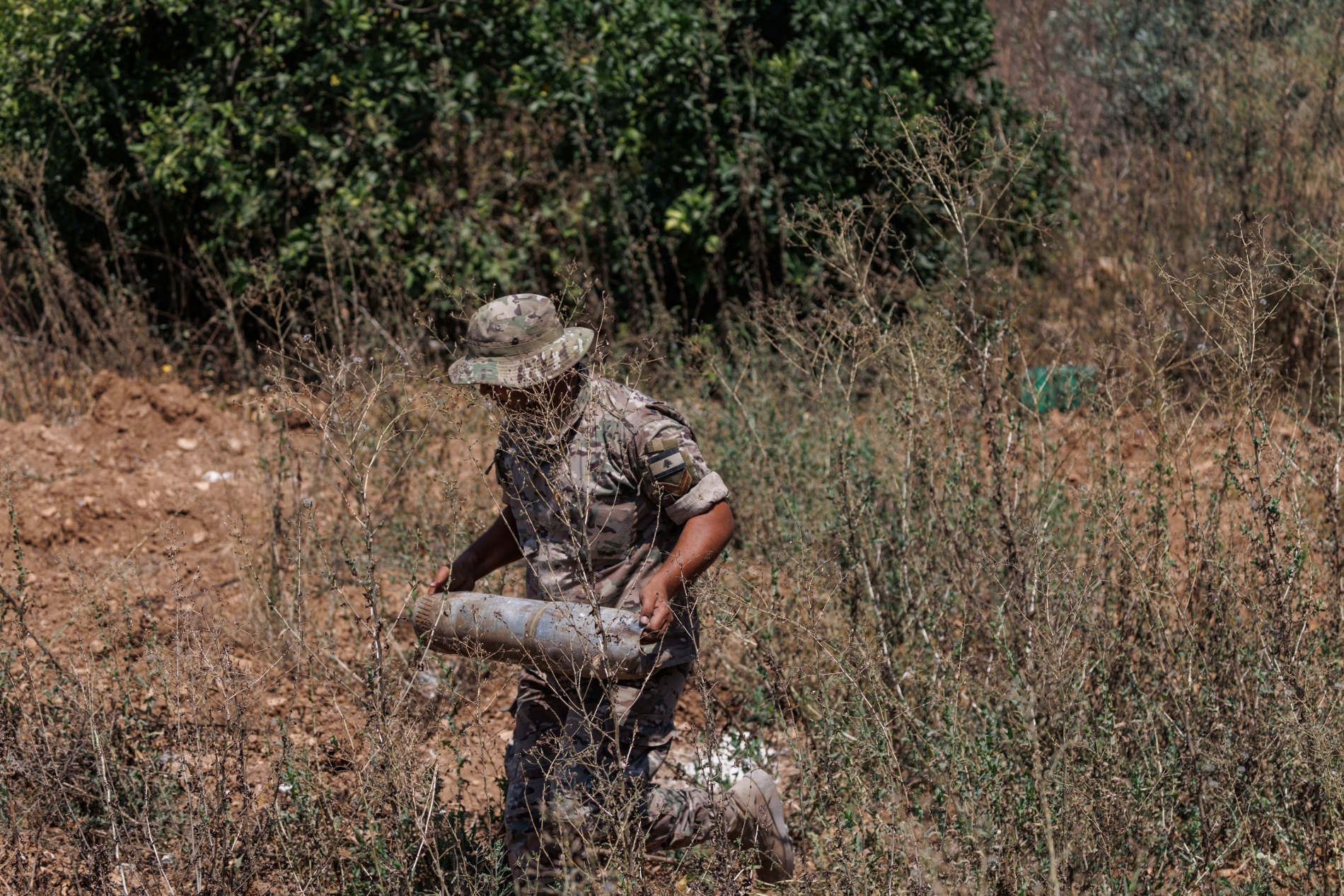
Agriculture accounts for 4% of GDP (gross domestic product) and the sector will receive dedicated assistance for Lebanon’s reconstruction, Hani explained. So far, Italy has contributed emergency support under a bilateral cooperation agreement, but further support is “an urgent priority”.
Speaking to Al Majalla, Lebanese Environment Minister Tamara El-Zein said the country was blessed with a rich biodiversity from its forests, woodlands, mountains, wetlands, and coastal and marine ecosystems, as well as its position along one of the principal routes for migratory birds travelling between continents. “This natural and cultural heritage is central to sustainable development and to Lebanon’s national identity, but it now faces unprecedented pressures as a result of the devastating environmental consequences of Israel’s war on the country.”
El-Zein said her ministry had assessed the environmental damage and developed plans for recovery, debris management, and stronger environmental governance. Its work also encompassed climate policy, the expansion of the network of nature reserves, reform of the waste sector, and the incorporation of environmental citizenship and green education into public policy.
Systematic assault
She described the war as “a systematic assault encompassing the destruction of homes, cities, cultural heritage, education, and the natural environment,” adding: “The attacks extended beyond residential districts and farmland to some of Lebanon’s most important protected natural sites. Eight nature reserves sustained damage (Ramyeh, Beit Leif, Wadi al-Hujair, Debel, Al-Abbassieh, Tyre, Kafra, and Al-Nimriyeh). The intensity of the bombardment damaged vegetation, natural habitats, and biodiversity, and disturbed fragile ecological balances.”
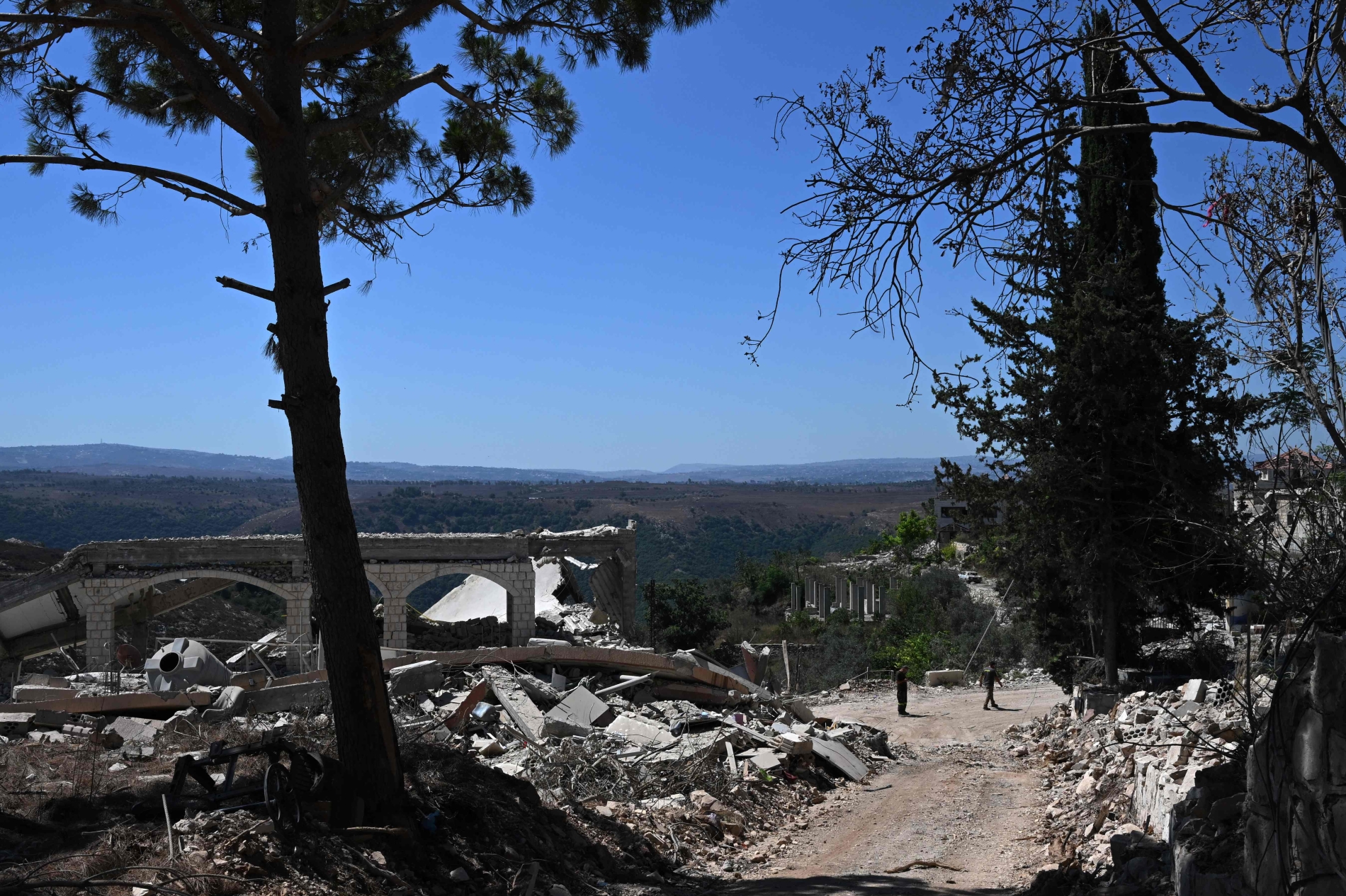
El-Zein said Israel’s targeting of nature reserves was part of a wider assault on Lebanon’s cultural, natural, and material heritage. “Its purpose is to turn the south into a land stripped of memory and to sever the emotional and physical ties binding people to their soil.”
Her ministry has undertaken scientific analysis of affected areas to create a database that will help establish priorities and guide recovery plans. The first integrated national assessment of the war’s environmental impact has now been completed, el-Zein said. It provides a reference for measuring the scale of the damage and directing the response.
“The findings revealed extensive harm to terrestrial and marine ecosystems, soil, air, and natural resources. The war also generated more than 16 million tonnes of rubble. Contamination was detected in several sites, alongside deterioration in air quality, and damage to forests and agricultural land. These findings confirm that environmental restoration must occupy a central place in Lebanon’s wider national recovery.”