Sun, sea, and sales: investors eye up Sharm el-Sheikh’s hotels

Tourist numbers are rising again, hotels and land are cheap, and new flight routes are opening new markets. Egypt’s premier Red Sea resort could be in for a makeover

Sharm el-Sheikh is once again attracting tourism capital.
Nesma Moharam
Sharm el-Sheikh is once again attracting tourism capital.

Sun, sea, and sales: investors eye up Sharm el-Sheikh’s hotels

With Egyptian tourism recovering, hotel capacity shortages, and growing interest from foreign investors in the Gulf and beyond, Sharm el-Sheikh is feeling better about itself. Projects worth nearly $1.1bn have just been announced, led by Egyptian, British and Kuwaiti capital, while a subsidiary of a Gulf sovereign fund is weighing up another project worth hundreds of millions of dollars. Elsewhere, an international tourism group wants to buy old hotels in the resort to spruce them up.

The most notable announcements came from a partnership between Britain’s The First Group and Egypt’s Pulse Development, which aims to invest more than $670mn in three hotel projects with more than 3,200 units in less than four years. It starts with the $100mn 470-unit Sharm Oasis project in the Nabq area, with the second project being a 304-room enterprise in Naama Bay costing around $70mn. The biggest project is the 2,500-unit complex in the Montazah area of Sharm El Sheikh at around $500mn.

The British group has previous experience in the hospitality sector, managing a $5bn portfolio that includes 20 hotels in Dubai, in collaboration with brands such as Marriott, Wyndham and Millennium. Gulf Egypt Hotels & Tourism, a subsidiary of Kuwait’s United Real Estate Company (the real estate arm of KIPCO Group), announced a $340mn project. At 354,000 square metres, it will include a hotel, two residential complexes, a beach club, and leisure and health facilities.

Qatari Diar, a subsidiary of the Qatar Investment Authority, is running feasibility studies for a 470,000-square-metre hotel complex in Sharm el-Sheikh, at an estimated cost of between $350-500mn. Assuming no big issues are thrown up, construction could begin in 2027. Anex Group, which runs several travel brands, also wants to enter the Egyptian hotel market, either by developing new facilities or by modernising existing hotels. Its focus is in Sharm el-Sheikh, Hurghada and Marsa Alam, according to Tourism Daily News, with the group’s officials having recently met Egypt’s tourism minister.
Reuters
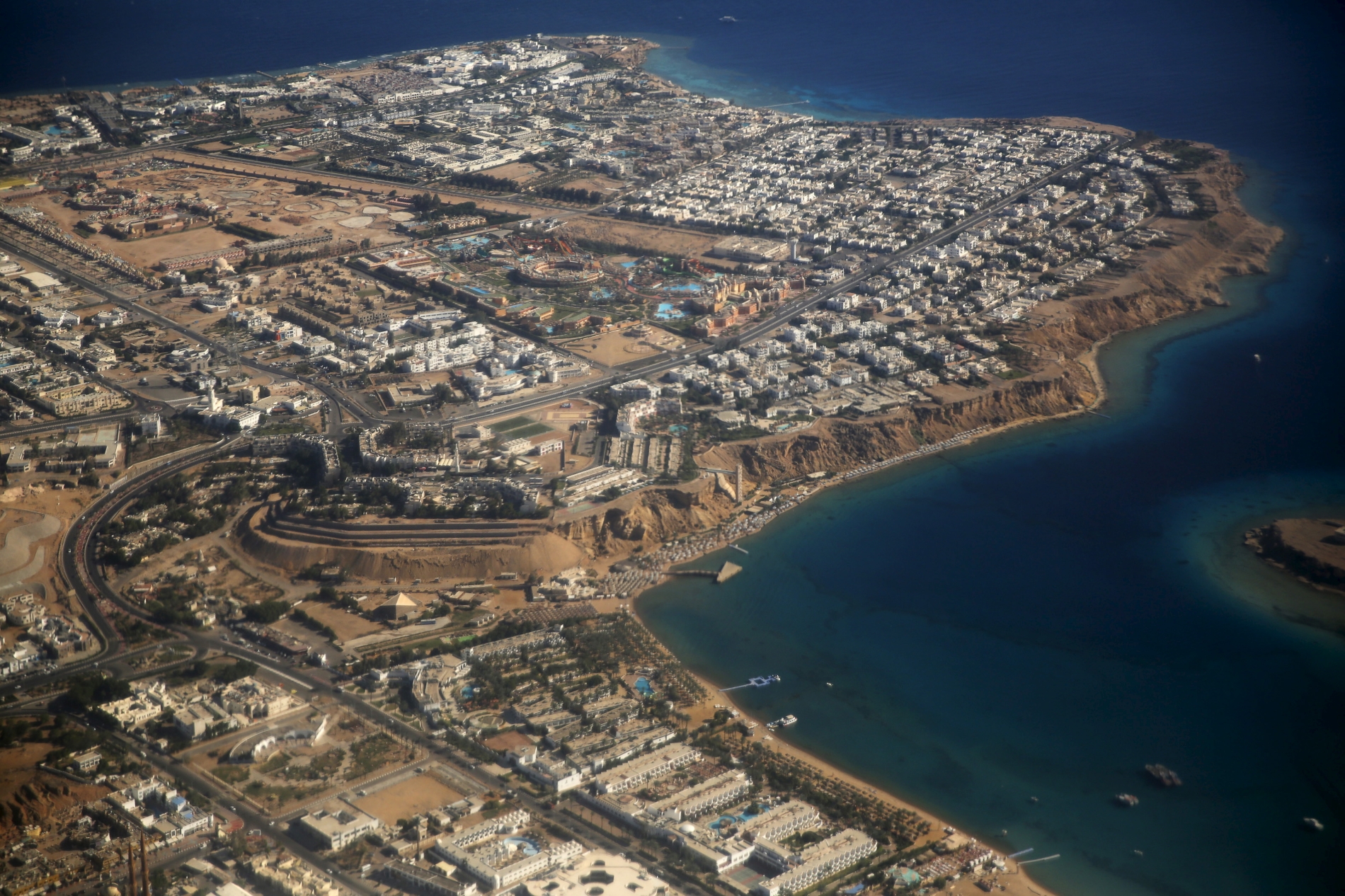
Part of Sharm el-Sheikh as seen through the window of a plane on 7 December 2015

Anex’s move is particularly important because it is not just a financial investor; it organises tourism programmes to Egypt from 12 markets, including Russia, China and Kazakhstan. If it starts to own or operate its own hotels, it will combine upstream and downstream elements in a model that differs from existing real estate development or investment funds alone. For analysts, it shows the diversity of investment interest, comprising developers, operators, Gulf capitalists, and tour operators.

New investment cycle

Sharm el-Sheikh may therefore be witnessing the beginning of a new investment cycle. Egypt’s tourism market appears to have recovered at a faster pace than its hotel capacity has grown, presenting opportunities. The government says it welcomed 19 million tourists in 2025, up 21% over 2024.

In the 2024-25 fiscal year, tourism revenues rose 16.3% to $16.7bn, up from $14.4bn the previous year, according to the Central Bank of Egypt. The number of tourist nights rose to 179.3 million. Egypt’s hotel supply was around 235,000 rooms in 2025, with up to 5,000 rooms added that year, bringing the total closer to 240,000 rooms.

The goal is for 30 million tourists annually by 2031, which explains why investors are looking at hotels. In Sharm el-Sheikh there is an existing infrastructure, with restaurants, tourism companies, dive centres, an international airport, a road network, and updated facilities refurbished ahead of the COP27 climate conference in 2022.

There is competition along the Red Sea coast and investor interest is not limited to Sharm el-Sheikh. In September 2025, the Emirate’s Emaar Misr and Saudi Arabia’s Citystars launched the giant $18bn Red Sea Marinas project. Built over almost 2,500 acres and close to Hurghada Airport, it includes 12 hotels, thousands of rooms, yacht marinas, and residential and recreational facilities.
Projects worth nearly $1.1bn have just been announced, led by Egyptian, British and Kuwaiti capital, while a subsidiary of a Gulf sovereign fund is weighing up another project worth hundreds of millions of dollars

Experts say that Sharm el-Sheikh cannot simply increase the number of rooms; it must also raise the quality of the accommodation to attract a higher-spending customers if it is to compete. Flights are also an important part of the equation and the return of several international routes and tour operators to the resort has helped hotels diversify their clientele, lowering the risk of dependence on one foreign market. In the past, changes in Russian or British flights significantly affected the city's occupancy.

Reuters
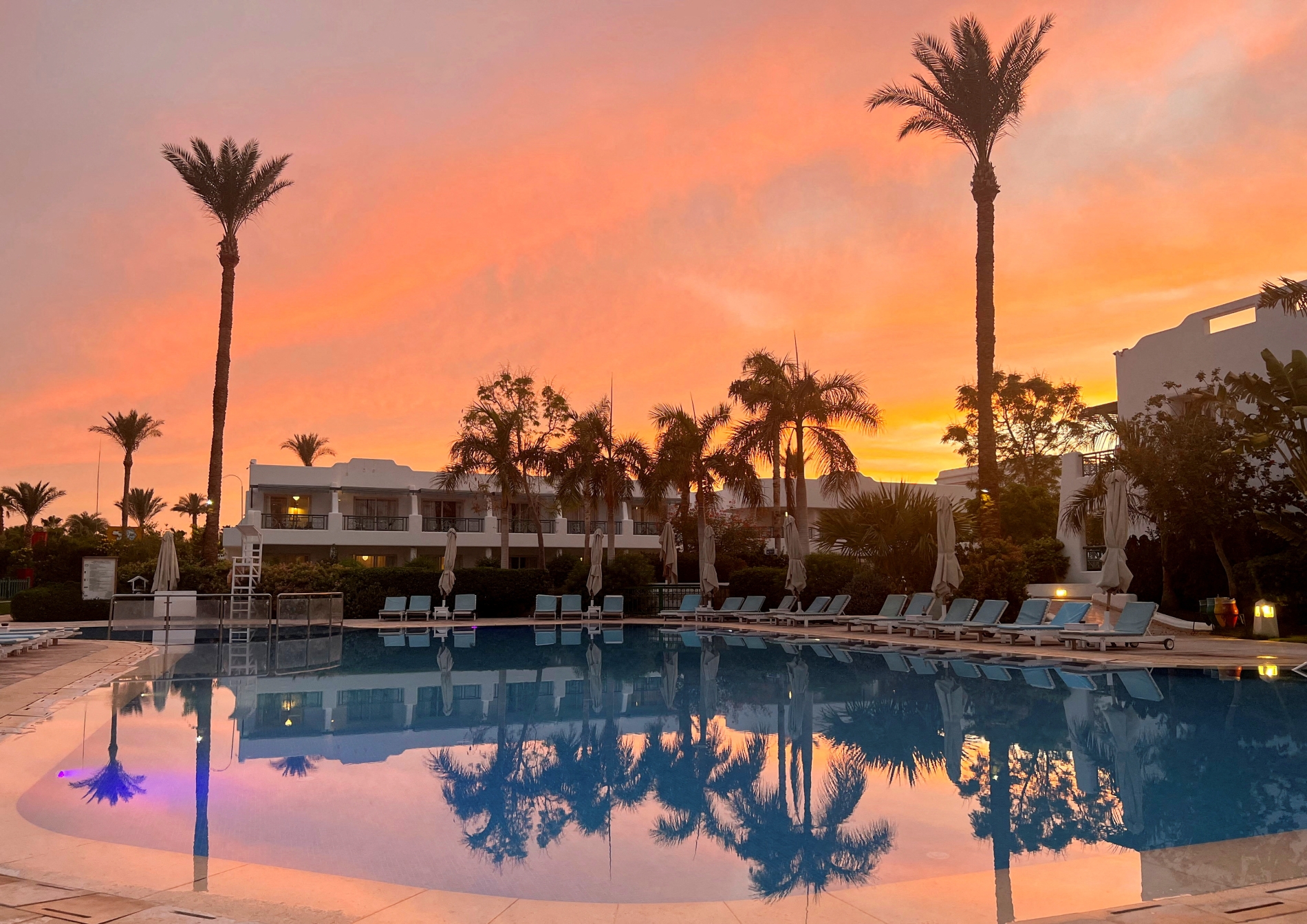
A pool at a hotel in the Red Sea resort of Sharm el-Sheikh, Egypt, on 4 June 2022.

Sharm el-Sheikh has benefitted from its layout, with a nexus of hotels surrounded by activities and services directed at visitors, as well as being a year-round destination that that reduces the effects of seasonality. This gives hotels a longer operating period and more regular cashflows.

Build new, or renovate?

After a period in which hotel renovation was deprioritised, there are now opportunities for those seeking to rehabilitate existing hotels, rather than start from scratch. Economist Yasser Al-Alam noted that these hotels "are offered at valuations that are lower than the cost of establishing similar hotels, which provides an opportunity for funds and companies to buy it or partner with its owner, then renovate it and assign its operation to an international brand".

It can be time-consuming to buy land and obtain licenses, before laying the groundworks then embarking on construction, so renovating an existing hotel can take much less time. Acquisitions and redevelopment deals were expected to continue, said al-Alam. "The future of investment in the city will not depend on one of the two options alone, but on a combination that revives existing assets and increases hotel capacity at the same time.

AFP
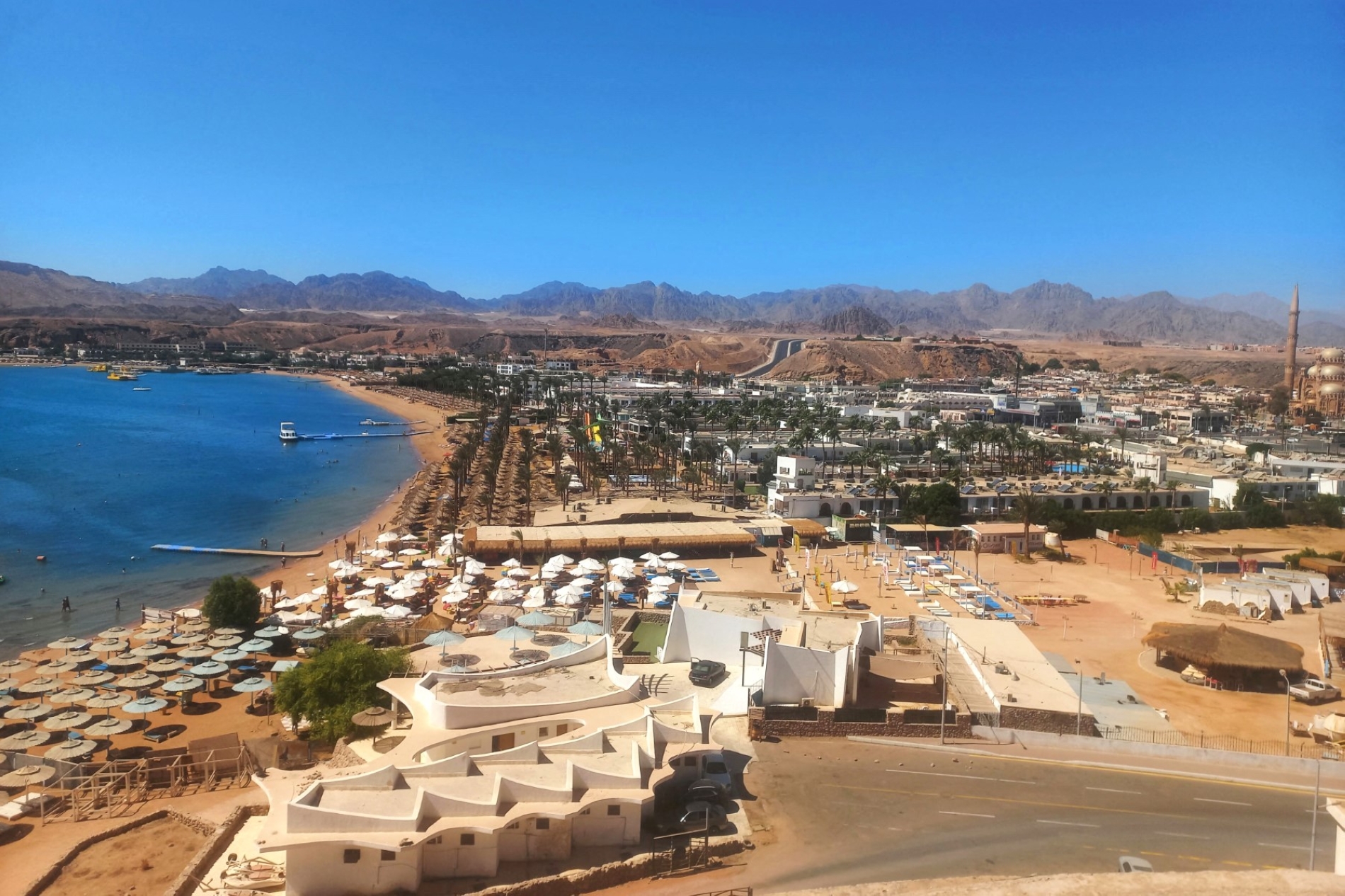
Egypt's Red Sea city of Sharm el-Sheikh on 7 October 2025.

Those who prefer to buy existing assets and update them to raise their value often want to benefit from site. "That can difficult to replicate," says economist Mohamed Abdel Aal. He argued that the combination of two models—building from scratch and renovating—would help "diversify tourism supply, improve infrastructure, and create job opportunities, provided that competition risks and demand fluctuations are managed and the natural environment is preserved".

He said: "Hotel investment is different from near-term funds that enter to benefit from interest rate differentials or currency movements, then exit at the first turbulence. The tourism investor is linked to a fixed asset, bears the risks of development and operation, and combines Egypt's land, labour and experience with capital, management and foreign marketing." Investment in hospitality can be a longer-term source of foreign exchange from rapid financial flows, but its ultimate impact remains linked to the size of the domestic component, reinvested profits, and employment ratios of Egyptian labour.

The state has helped the development of roads, airports, and other infrastructure by allocating land and approving its use. It has also introduced initiatives to help finance renovations in a sector that requires significant up-front capital expenditure. Today, real estate investment funds may open an additional channel for the entry of foreign capital.

Using funds

In statements quoted by Al-Borsa newspaper, Sherif Adly, the founder of Better Home, proposed the use of Egyptian real estate funds that allow foreign investors to buy documents and benefit from the returns of the fund's portfolio, without transferring direct ownership of the asset to it. This proposal is particularly important in South Sinai, where foreign ownership is subject to legal and regulatory controls.

Reuters
A view shows a beach destination Sharm el-Sheikh on 12 November 2022.

If it goes ahead, the funds could finance hotel renovations and expansions. Smaller instruments could also be created to finance restaurants, establishments, and tourism-related services. The investor base from large corporations to institutions and individuals would expand, and hotels would become an asset class that could be a regulated financial investment, rather than just direct buying and selling.

Egypt needs stable sources of foreign currency to cover its debt servicing costs, with conflict having adversely affected its transit fee revenues from the Suez Canal. Tourism investments therefore have a twin benefit of capital inflow (during construction or acquisition) and recurring dollar revenues (during operation).

In the latest developments in Egypt's tourism hotspot, some detect a slight change in the nature of the tourism product itself. The Kuwaiti project, for example, is not limited to a hotel but includes branded residences, a beach club, and health and leisure facilities. This model helps finance the project from unit sales and gives the visitor an integrated experience but blurs the boundary between hotel investment and real estate development. Presenting residential complexes as hotel investments could cause problems, say analysts.

Reuters
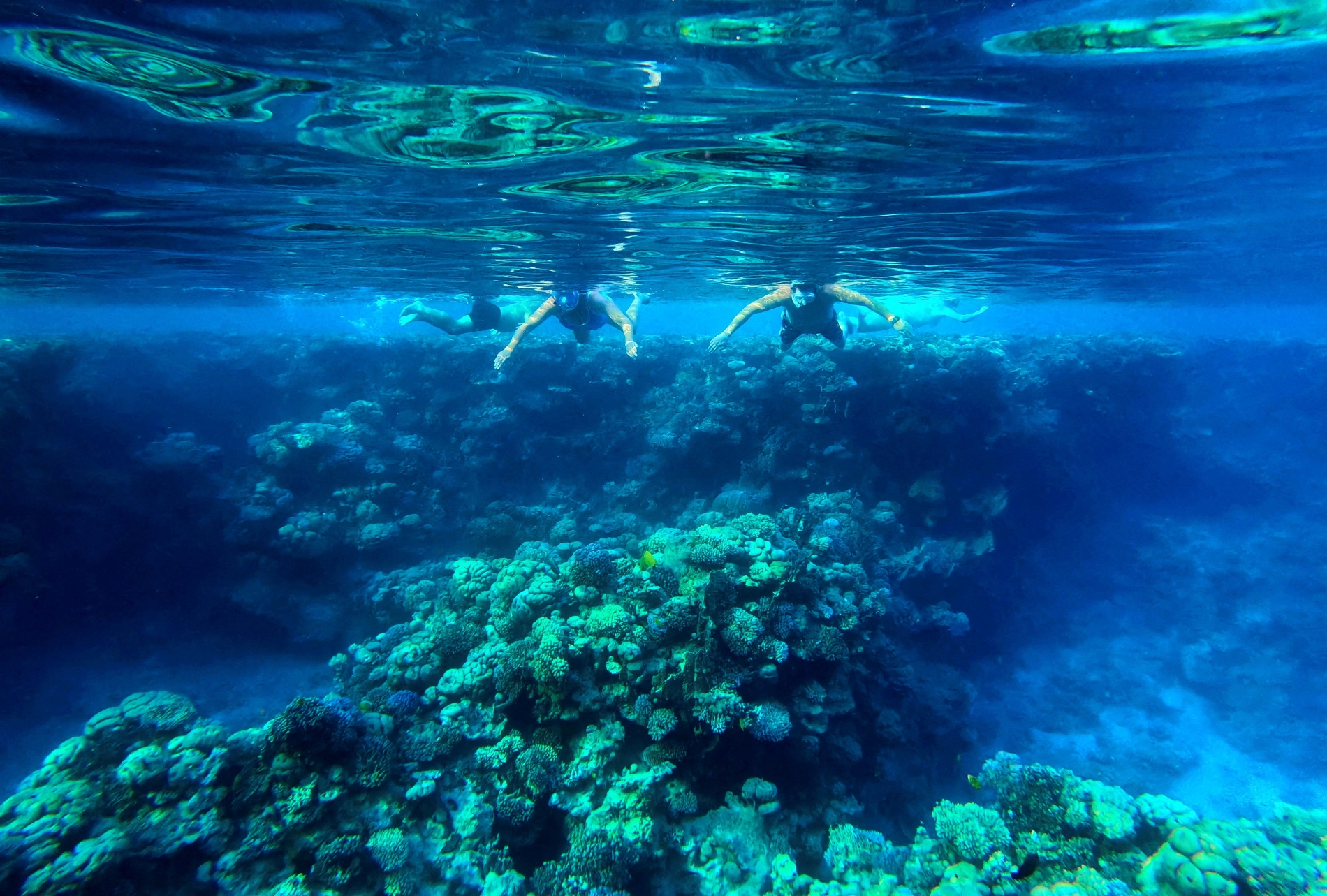
Tourists swim past a reef in the Red Sea in Sharm El-Sheikh on 14 October 2025.

There are other risks, too, including the concentration of assets in the hands of a few major groups, and the area's sensitive environmental constraints, from water and energy consumption to coral reef protection. The reefs are an economic asset that underpins diving and marine tourism and cannot be replaced if they are irreparably damaged by the effects of excessive visitor numbers.

While the statistics look positive, it is still too early to say whether Sharm el-Sheikh will have enough investment to turn it into the world's next tourist list-topper, and declared investments do not become working assets until financing, licensing, construction, and operation are completed. Part of these planned units may, in the end, be more real estate than hotel, so the test will be in the number of rooms, the quality of the brands, the tourist spending figures, and the quality of the experience.

font change