Fighting between Iran and Israel impacted North Africa, where surging prices may disrupt budgets and plans. But for North Africa's energy exporters, higher oil prices are a reason to cheer.
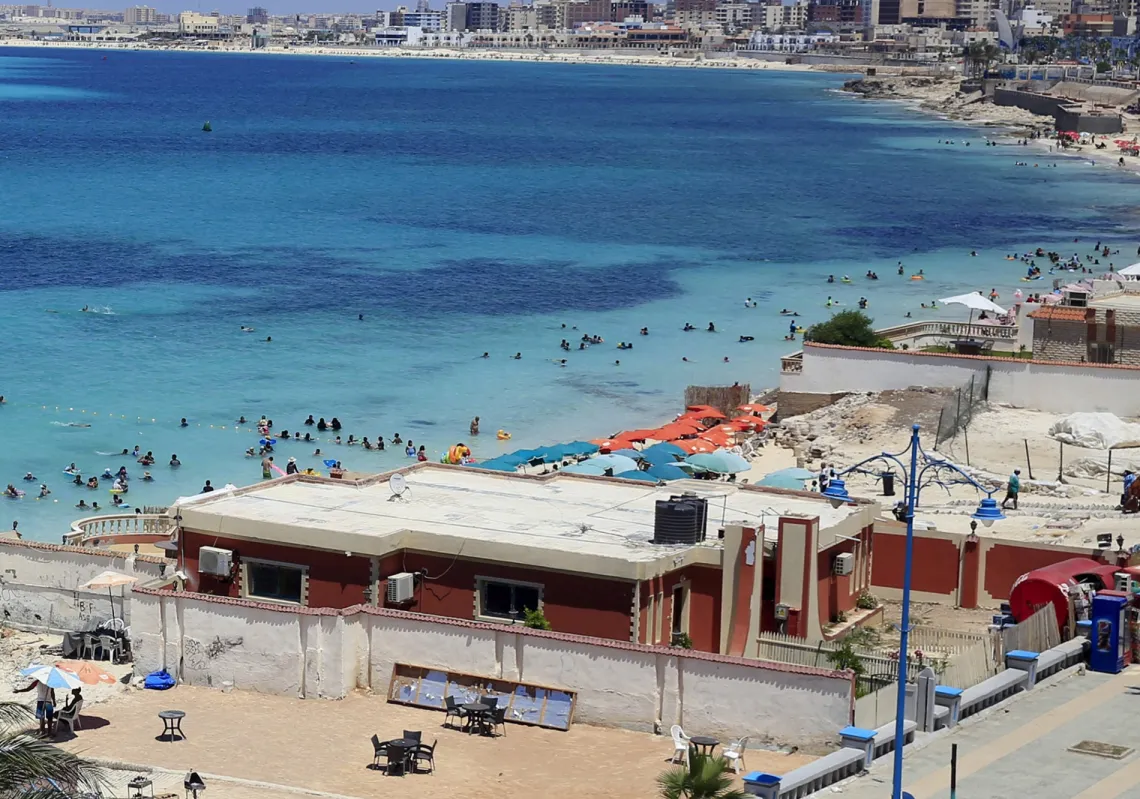
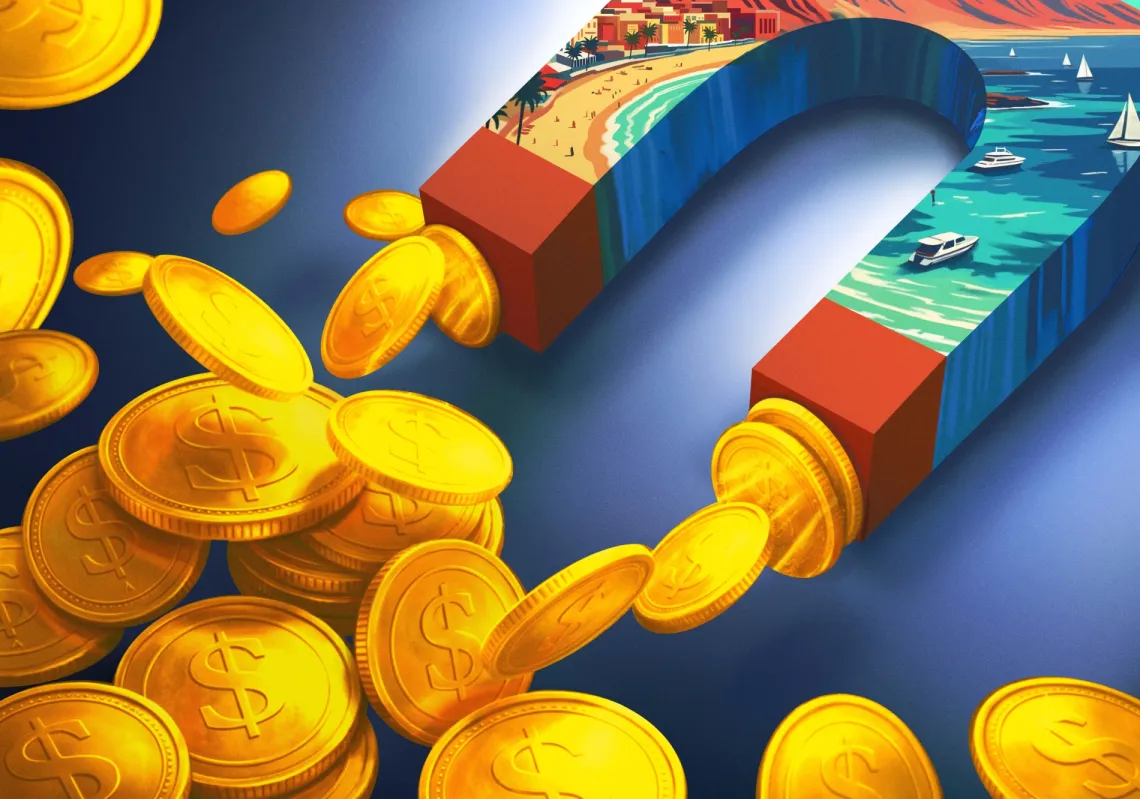
1.5 billion tourists over five continents raked $11tn into the global economy in 2024, surpassing pre-COVID levels. Meanwhile, North Africa broke records as a new hot-spot destination.
Featuring the best amenities and with backing from a range of investors, the new resort is competing with cities across Europe and the Arab world for high-spending, luxury-seeking visitors
Tourism and retail usually see major spikes globally, but businesses need to be prepared to capitalise on the surge in consumerism. Al Majalla also examines the unique dynamics of MENA/GCC summers.
As the number of global leisure travellers rises to 1.8 billion, places from Venice to Machu Picchu are at risk. From visitor caps to day-tripper taxes, here is how they offset the danger.
The Kingdom wants to unlock the enormous competitive advantages it has – not least a geographical location linking three continents – to become a dynamic destination for investment
Countries such as Lebanon, Syria, Egypt, Tunisia, and Morocco have been traditional magnets for tourists in the region, but now GCC countries are becoming rising competitors
Disruption in the Hormuz can have major implications for global trade, but it also creates opportunities for smaller nations like Iran to become global political players
The Iraq war was viewed as disastrous in retrospect, while the Iran war was unpopular from the get-go. Al Majalla highlights the similarities and differences between the two.
Pipelines have a chequered history in the Middle East, but the closure of the Strait of Hormuz has led US Tom Barrack to conclude that a new route through Syria could solve some problems.