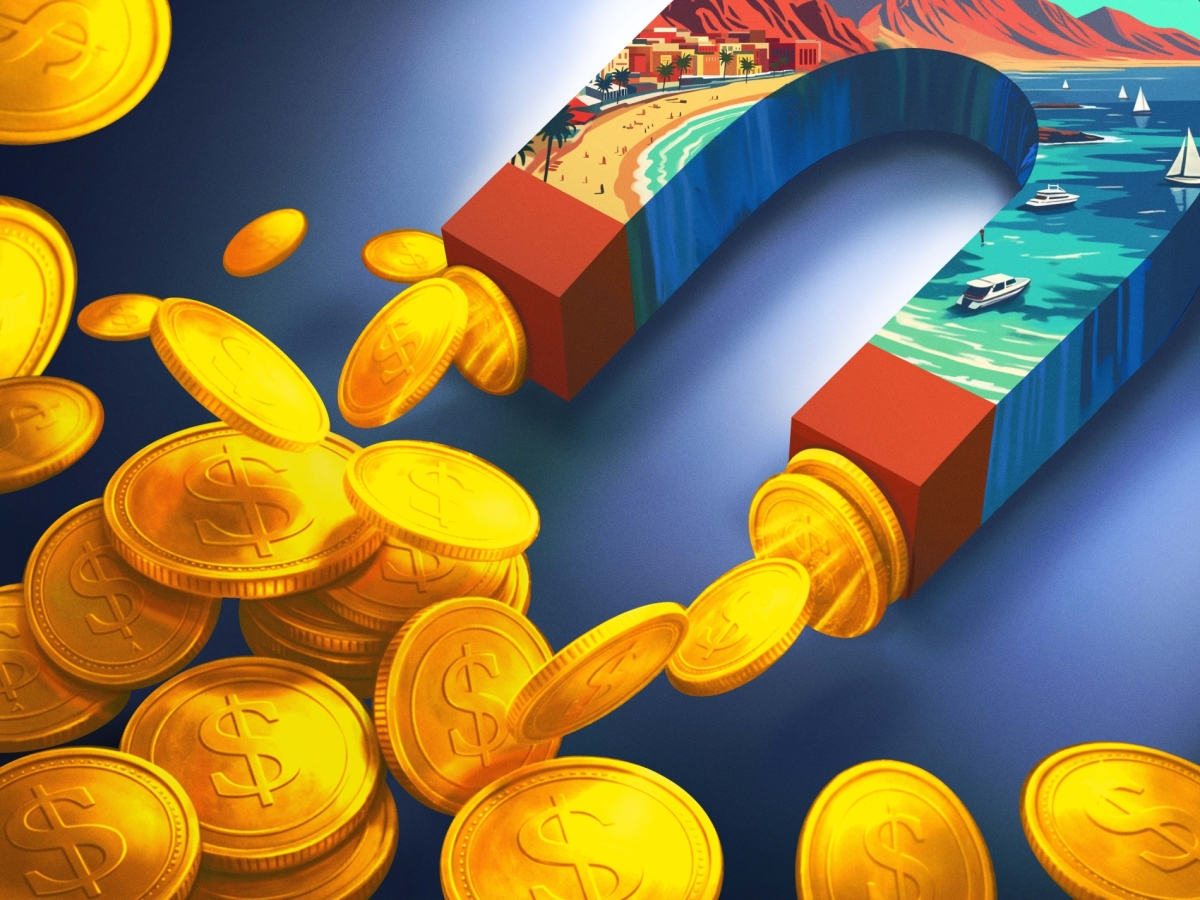

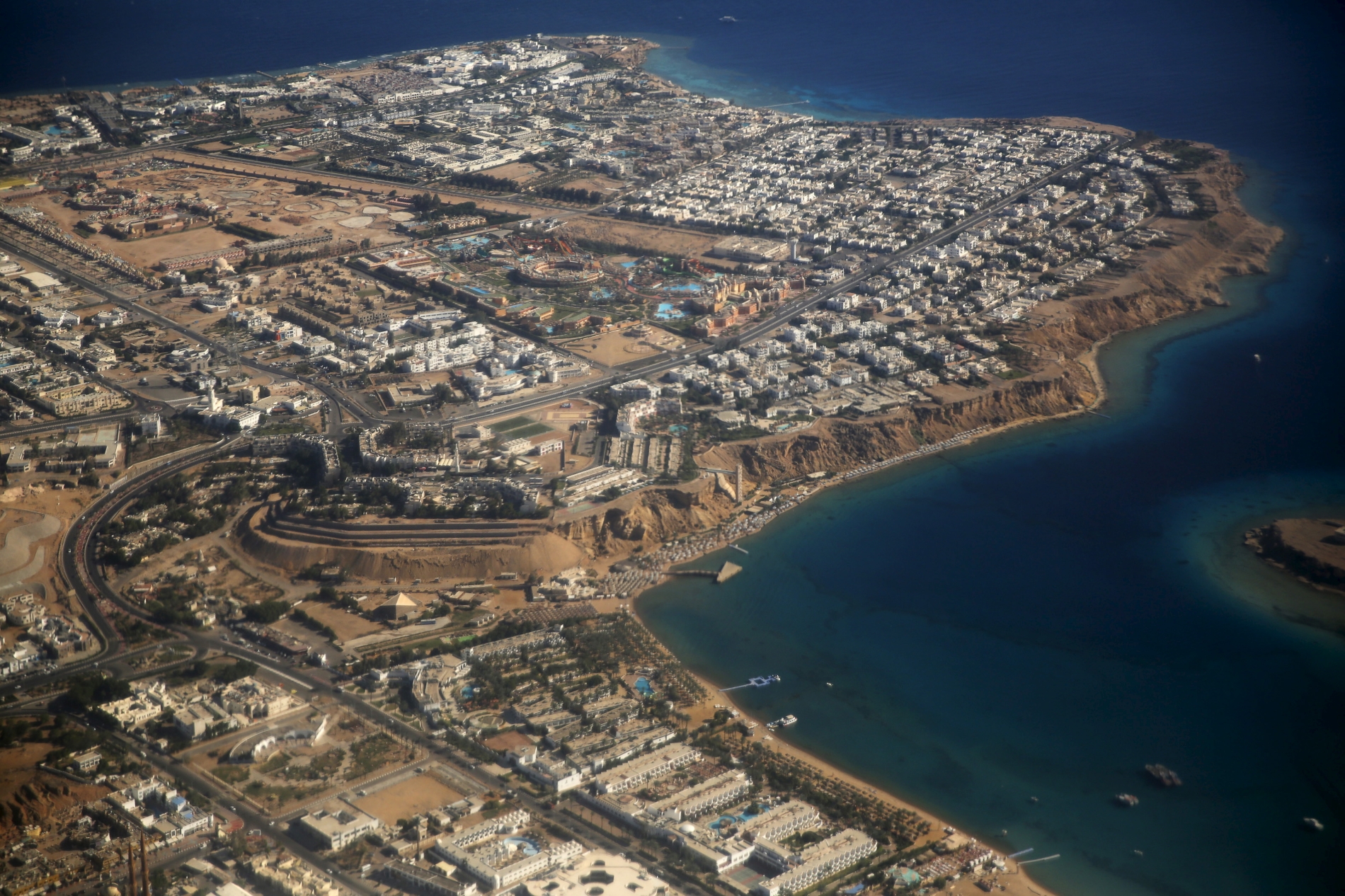
With Egyptian tourism recovering, hotel capacity shortages, and growing interest from foreign investors in the Gulf and beyond, Sharm el-Sheikh is feeling better about itself. Projects worth nearly $1.1bn have just been announced, led by Egyptian, British and Kuwaiti capital, while a subsidiary of a Gulf sovereign fund is weighing up another project worth hundreds of millions of dollars. Elsewhere, an international tourism group wants to buy old hotels in the resort to spruce them up.
The most notable announcements came from a partnership between Britain’s The First Group and Egypt’s Pulse Development, which aims to invest more than $670mn in three hotel projects with more than 3,200 units in less than four years. It starts with the $100mn 470-unit Sharm Oasis project in the Nabq area, with the second project being a 304-room enterprise in Naama Bay costing around $70mn. The biggest project is the 2,500-unit complex in the Montazah area of Sharm El Sheikh at around $500mn.
The British group has previous experience in the hospitality sector, managing a $5bn portfolio that includes 20 hotels in Dubai, in collaboration with brands such as Marriott, Wyndham and Millennium. Gulf Egypt Hotels & Tourism, a subsidiary of Kuwait’s United Real Estate Company (the real estate arm of KIPCO Group), announced a $340mn project. At 354,000 square metres, it will include a hotel, two residential complexes, a beach club, and leisure and health facilities.
Qatari Diar, a subsidiary of the Qatar Investment Authority, is running feasibility studies for a 470,000-square-metre hotel complex in Sharm el-Sheikh, at an estimated cost of between $350-500mn. Assuming no big issues are thrown up, construction could begin in 2027. Anex Group, which runs several travel brands, also wants to enter the Egyptian hotel market, either by developing new facilities or by modernising existing hotels. Its focus is in Sharm el-Sheikh, Hurghada and Marsa Alam, according to Tourism Daily News, with the group’s officials having recently met Egypt’s tourism minister.
Anex’s move is particularly important because it is not just a financial investor; it organises tourism programmes to Egypt from 12 markets, including Russia, China and Kazakhstan. If it starts to own or operate its own hotels, it will combine upstream and downstream elements in a model that differs from existing real estate development or investment funds alone. For analysts, it shows the diversity of investment interest, comprising developers, operators, Gulf capitalists, and tour operators.
New investment cycle
Sharm el-Sheikh may therefore be witnessing the beginning of a new investment cycle. Egypt’s tourism market appears to have recovered at a faster pace than its hotel capacity has grown, presenting opportunities. The government says it welcomed 19 million tourists in 2025, up 21% over 2024.
In the 2024-25 fiscal year, tourism revenues rose 16.3% to $16.7bn, up from $14.4bn the previous year, according to the Central Bank of Egypt. The number of tourist nights rose to 179.3 million. Egypt’s hotel supply was around 235,000 rooms in 2025, with up to 5,000 rooms added that year, bringing the total closer to 240,000 rooms.
The goal is for 30 million tourists annually by 2031, which explains why investors are looking at hotels. In Sharm el-Sheikh there is an existing infrastructure, with restaurants, tourism companies, dive centres, an international airport, a road network, and updated facilities refurbished ahead of the COP27 climate conference in 2022.
There is competition along the Red Sea coast and investor interest is not limited to Sharm el-Sheikh. In September 2025, the Emirate’s Emaar Misr and Saudi Arabia’s Citystars launched the giant $18bn Red Sea Marinas project. Built over almost 2,500 acres and close to Hurghada Airport, it includes 12 hotels, thousands of rooms, yacht marinas, and residential and recreational facilities.