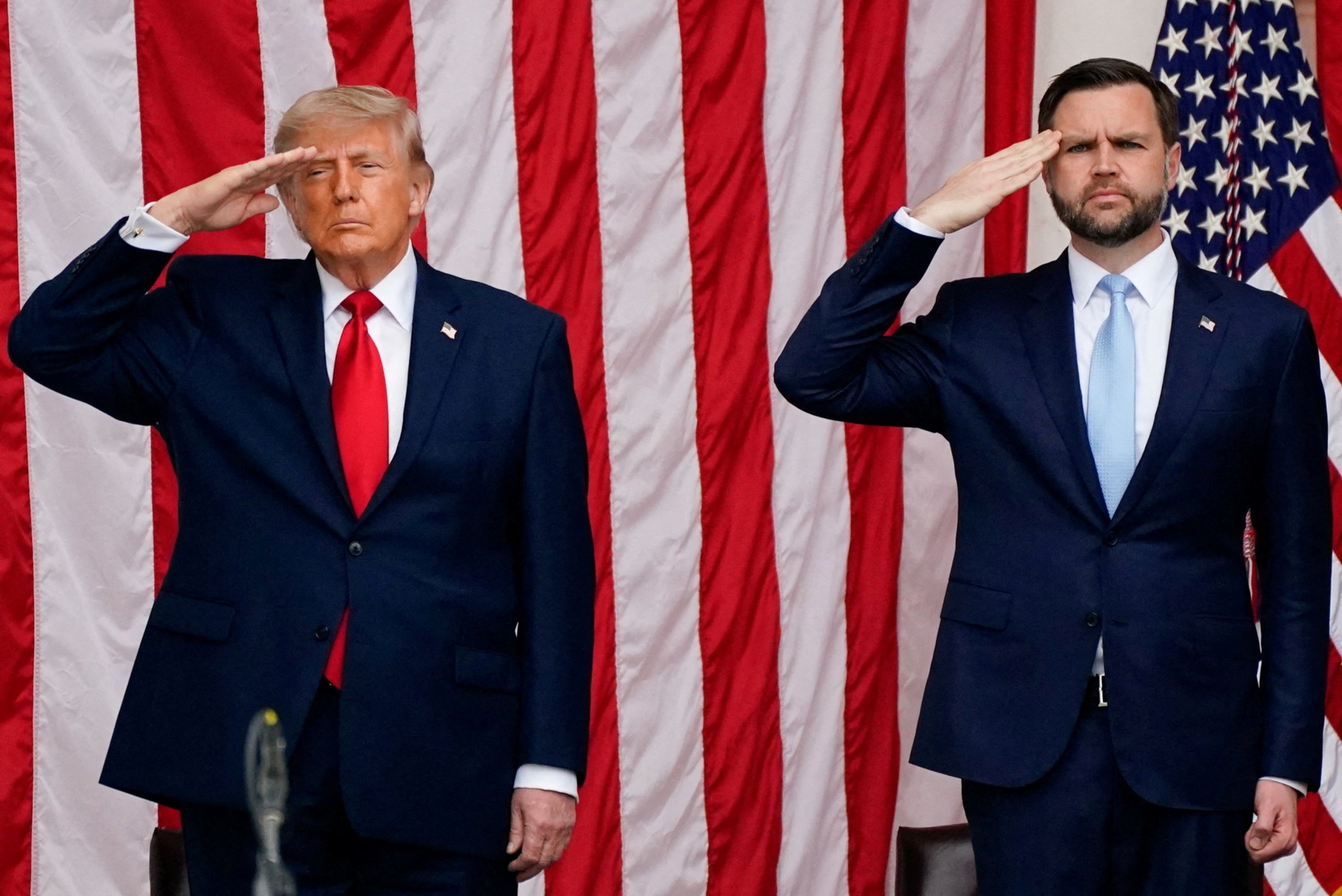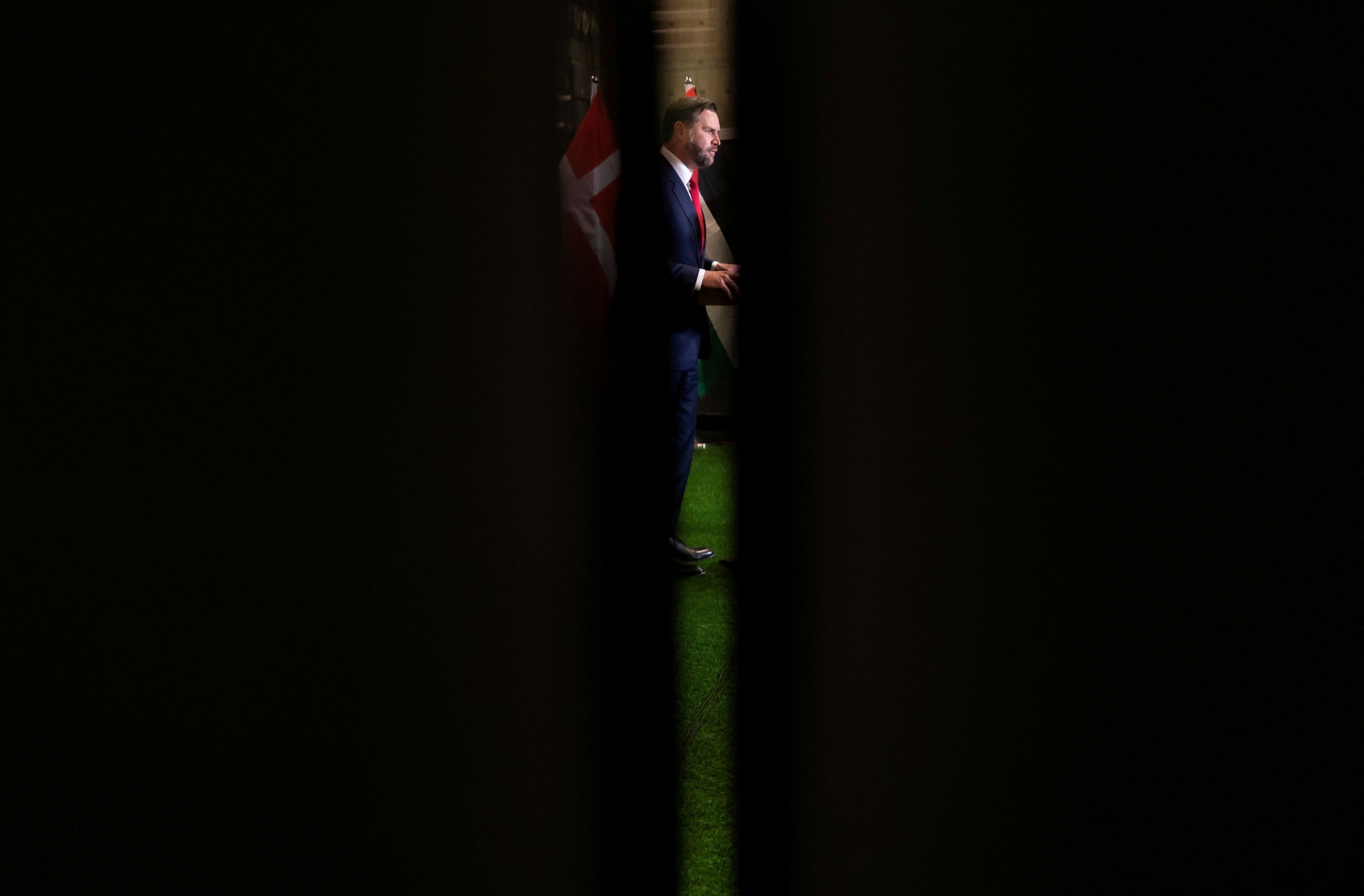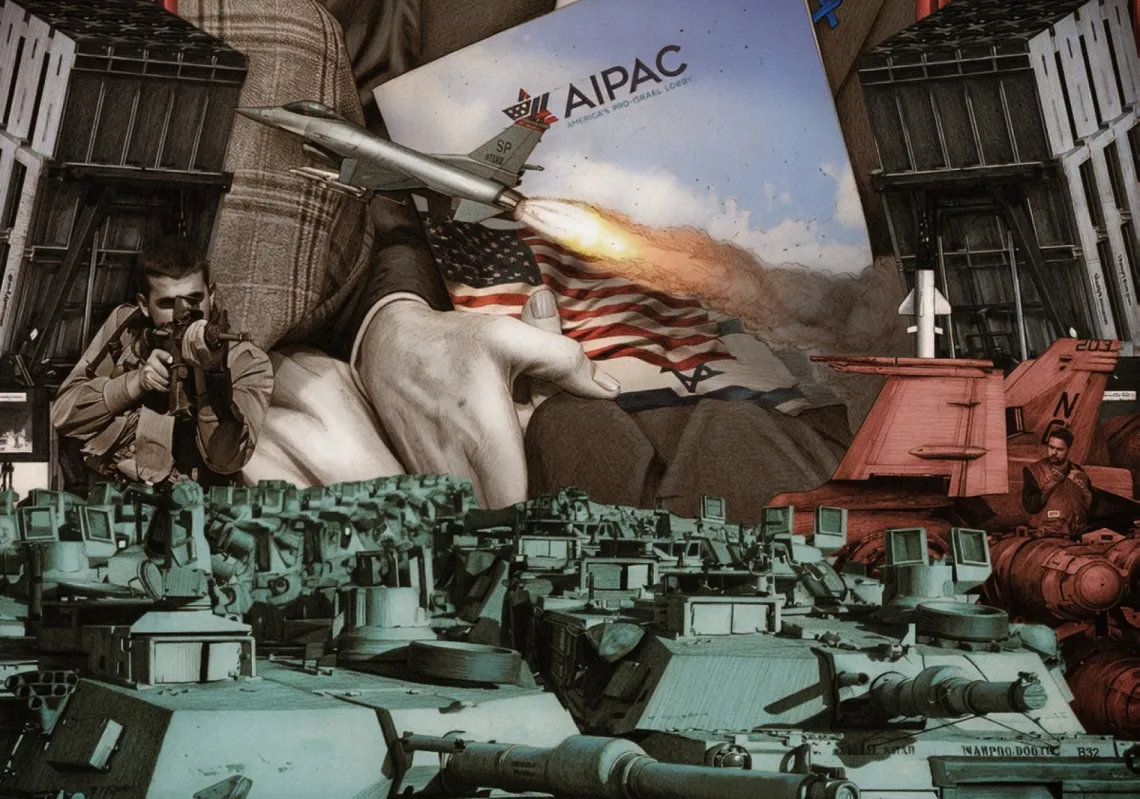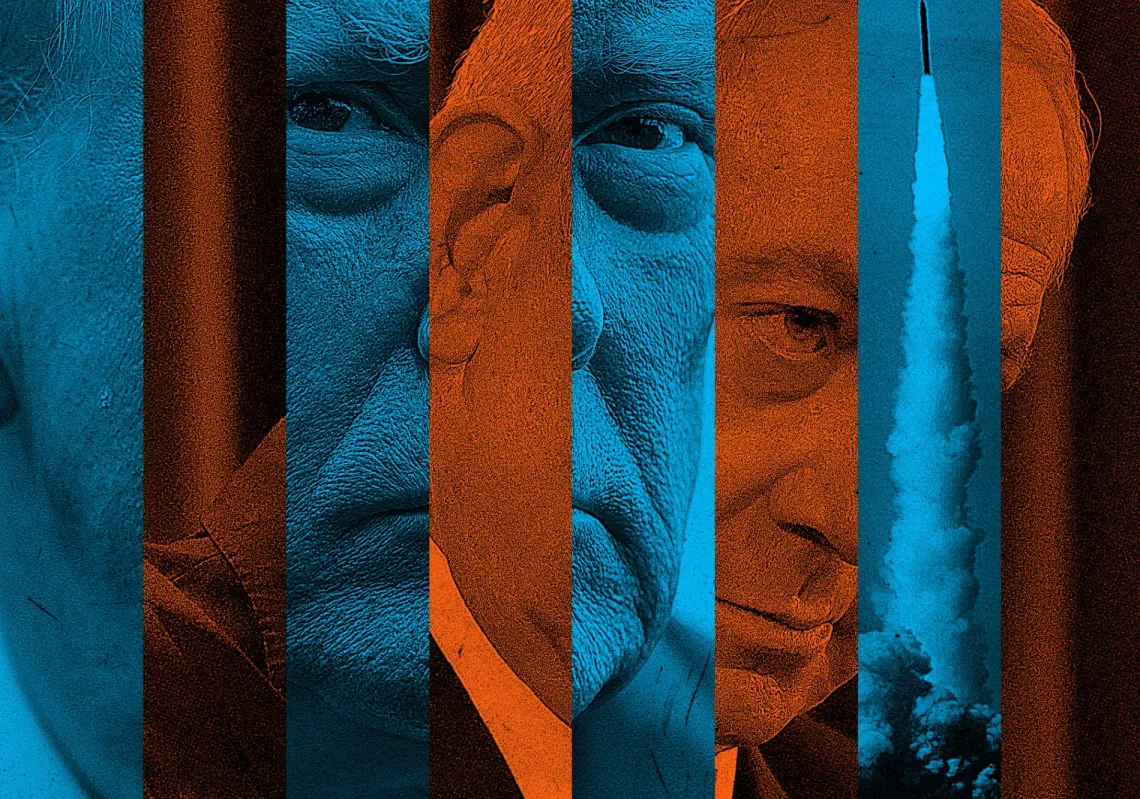

US Vice President JD Vance’s recent interview on Joe Rogan’s popular podcast revealed the unease with which Americans increasingly see Israel, alongside a deepening rift within the US administration over policies that, for decades, have been considered ‘beyond debate’.
The mammoth interview, at nearly three hours, did nothing less than signal the emergence of a new current within American conservatism. At its most restrained, it calls for a reassessment of the sacrosanct bond between Washington and Tel Aviv. At its furthest, it points to a gradual break with Israeli policies that have begun to harm US interests more than they serve them.
To some, the bold views Vance expressed carried the unmistakable air of electioneering and preparation for a future political platform. Through his experience in the White House and his contact with the MAGA (Make America Great Again) electoral base, he appears to think that this is now the surest route to voters’ hearts, and that the stage is set for a revolt against old habits and traditional taboos.
Changing attitudes
As President Donald Trump approaches the middle of his final presidential term, and Vance emerges as a possible Republican candidate, events in the Middle East—from Gaza to Iran—are markedly changing the American public’s thinking. Vance recognises the need to offer a different path to Republican voters, whose views increasingly align with those of Democratic voters on many public issues.
Rogan himself reflected this sentiment by describing the war on Iran as one of the “craziest wars in history”. He said Americans felt betrayed by President Trump, who promised during his 2024 election campaign to keep the country out of war, especially in the Middle East. Rather than agree, Vance directed most of his criticism at Israel, America’s closest ally, in comments that raised eyebrows.
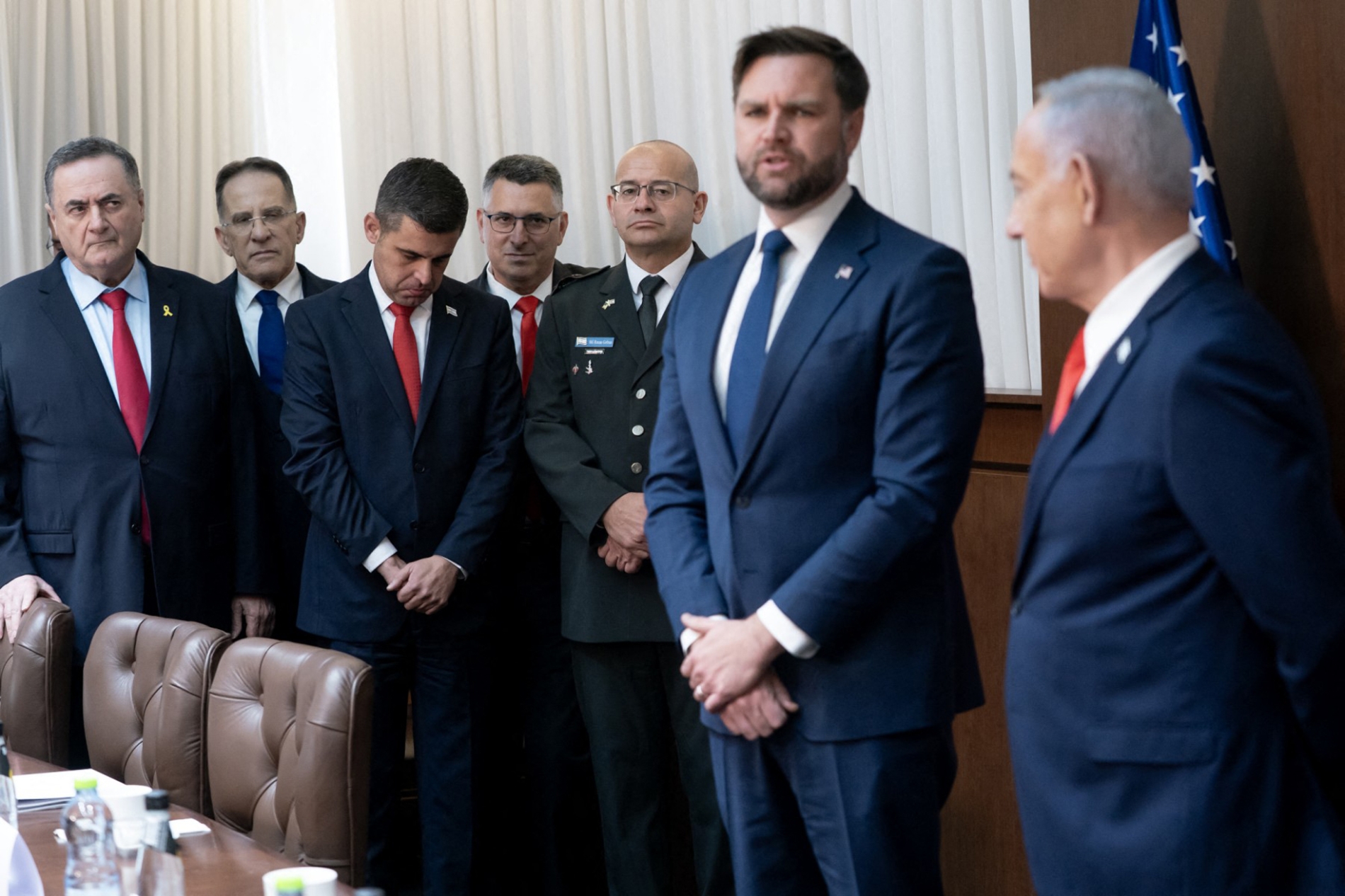
Vance accused members of the Israeli government of funding a sophisticated propaganda campaign intended to mislead American public opinion over the memorandum of understanding concluded with Iran, derail it, and prolong the war indefinitely. “They can go to hell,” he said, with audible contempt.
He said he knew that some Israeli officials opposed a peace agreement with Tehran and were seeking to dissuade Washington from pursuing diplomacy, while urging it to continue striking Iran until the country was annihilated. He also expressed anger at the influence of such campaigns on US politicians, particularly those given money to lobby the Trump administration to continue the war.
Vance warned that continued bombing of Iran would neither guarantee that the Strait of Hormuz remained open and safe for shipping nor wipe Iran off the map, so talks should continue in pursuit of a solution. He did not say whether he would have launched the war had he been president, but acknowledged Trump’s description of his position, when he said that Vance “is less enthusiastic” than any other official.
A matter mishandled
During the interview, Vance also addressed the files relating to convicted sex offender Jeffrey Epstein (who died in a prison cell in 2019) and the Trump administration’s initial refusal to release them. He acknowledged that it had mishandled the matter but denied accusations of a deliberate cover-up. The administration may have erred by delaying the release, he said, or by failing to manage the media response effectively.
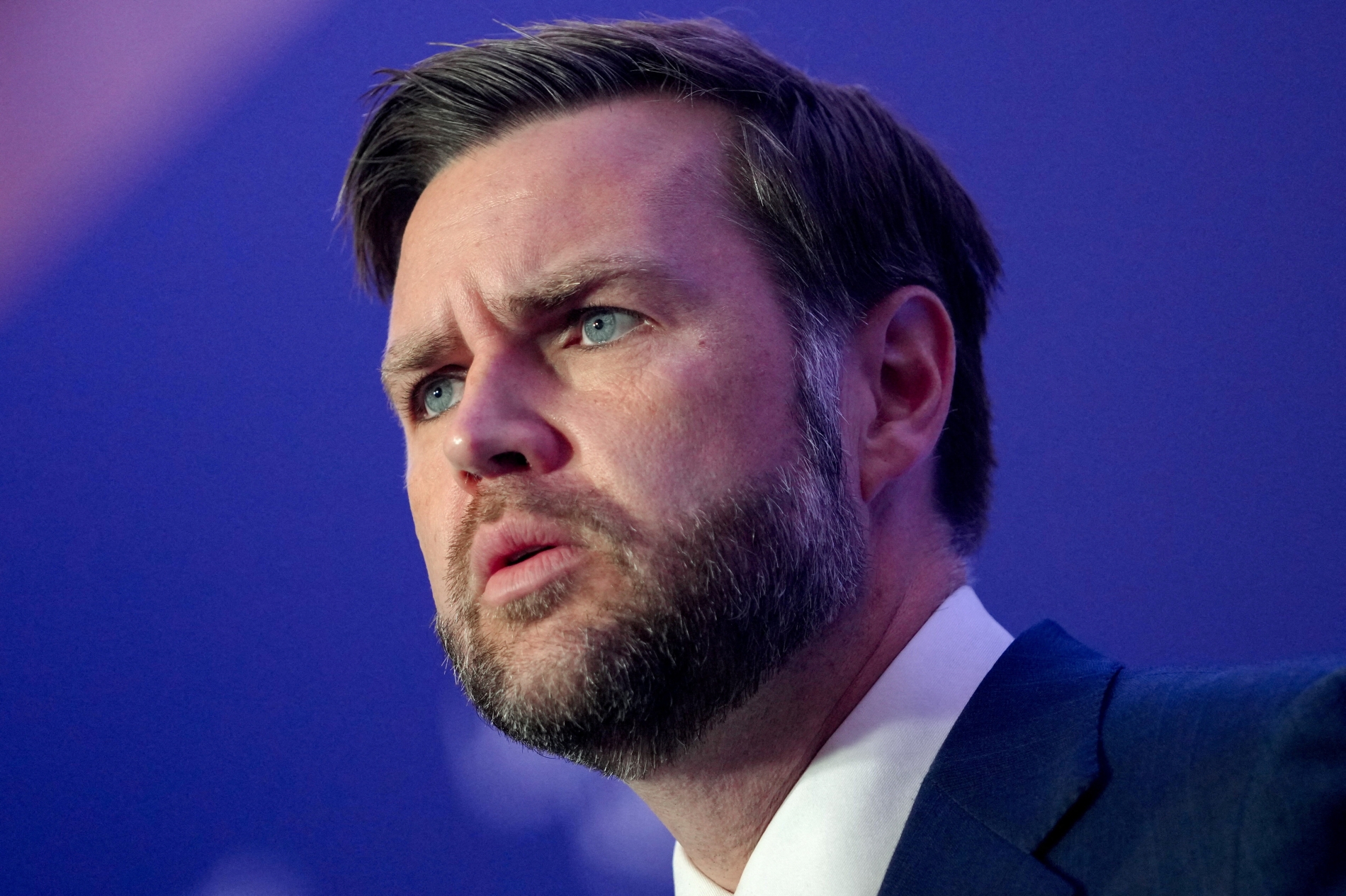
Vance referred to a statement made to Fox News by former Attorney-General Pam Bondi, in which she said that Epstein’s files were on her desk for review and eventual publication. Yet all she later handed to a group of conservative influencers amounted to excerpts from a list of telephone numbers found in Epstein’s possession. Vance said he had been shocked at the handling, adding that it had fuelled doubts and conspiracies.
He made no attempt to conceal his sympathy for conspiracy theories surrounding the Epstein affair and said he had pursued every available lead concerning a disgraced financier who had woven an extensive web of relationships. Vance expressed astonishment at the scale of Epstein’s connections with senior figures in the American intelligence establishment, Israel’s Mossad, and Israeli ministers.
He denied that the US government had documents linking Epstein to those US agencies or to any foreign intelligence service, and suggested that if such material existed, it might have been destroyed during Epstein’s criminal proceedings in Florida in 2008. Vance also alluded to Epstein’s connections with Israel’s “deep state”, a nebulous term that often includes a state’s intelligence agencies.
Epstein was known to have ties to former Israeli Prime Minister Ehud Barak, who spent time with young women on Epstein’s notorious island (Barak has denied any wrongdoing and has expressed regret over his association with the convicted offender). Vance said Epstein had both Republican and Democratic friends, and that his links with the Israeli left ran deeper than those with the Israeli right.
Against the grain
While most American politicians parrot the importance of US-Israel relations, Vance has argued that Israel should be treated on the same basis as other allies, including the UK, France, and the Gulf states. Their relationship, in his view, should rest on shared interests, with American interests taking precedence. He warned that a full-scale war with Iran, which some US politicians wanted, could disrupt 25% of the world’s oil supply and send millions of refugees fleeing to the West.
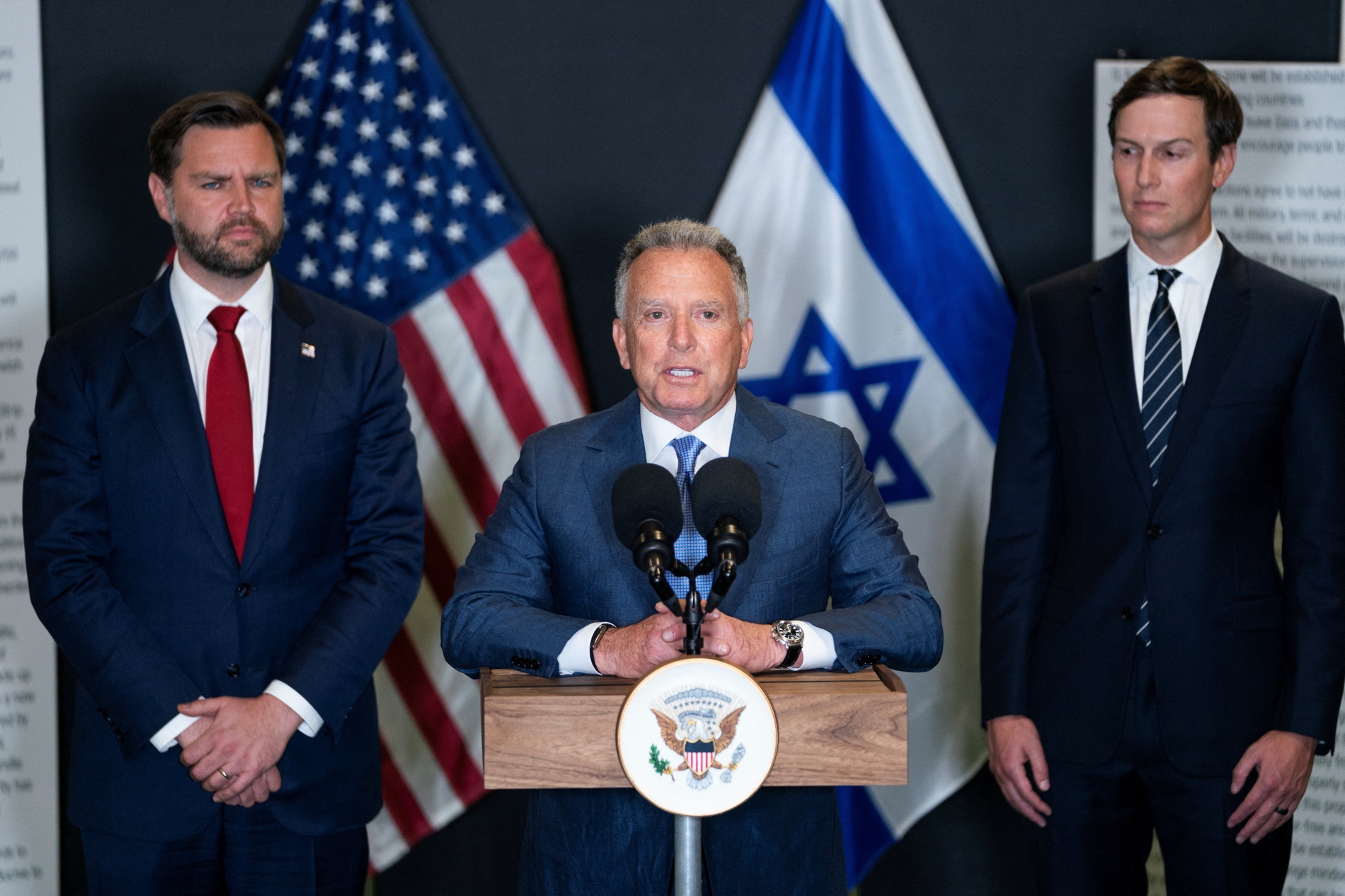
He said a ground invasion would require at least 150,000 troops to overthrow the Iranian regime, and that this would amount to the US assuming responsibility for the task on behalf of the Iranian people. He insisted that America no longer engaged in that kind of intervention. If it did, he said it could produce an outcome similar to Libya, which has been a torn and troubled state ever since Muammar Gaddafi was overthrown with Western help 15 years ago.