
The electronic ink was barely dry, and Israel already knew what it thought about the emerging agreement. "Bad deal," read the main headline of Yediot Aharonot on 14 June, in two blunt Hebrew words that captured the national mood with the economy of a tombstone inscription.
There is a reason for Israel’s anger. Though the parameters of the deal had not yet been revealed at the time, it was already clear that the US was making material concessions, while Iran made vague promises. The Strait of Hormuz reopens. The US naval blockade lifts. Iran gets significant economic relief, including billions in frozen assets released. But on the three questions that actually keep Israeli strategists awake at night, the deal defers, hedges, and promises a follow-on conversation that only fools would count on.
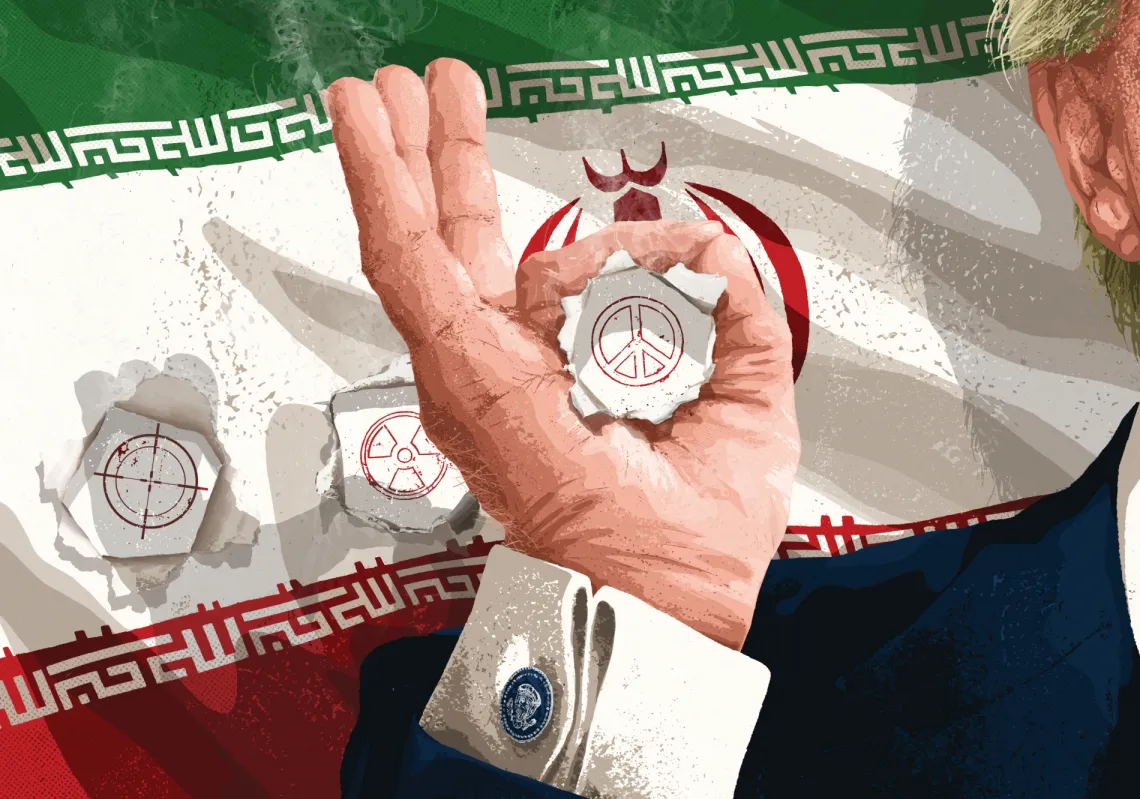
The Memorandum of Understanding is a very “Trumpian” one: a deal that starts with a “light” first phase, and defers everything else to a second phase that will likely never come. For Israel, which fought alongside the United States to degrade and even collapse the Islamic Republic, expecting to see that degradation locked into a durable settlement, this is a clear setback.
The architecture of the MOU reveals a profound imbalance: the United States is front-loading every concession it has to offer in exchange for commitments that are either already degraded by the war or contractually deferred to a second negotiation that may never arrive.
This is what Israeli officials mean when they say the deal is structured in Tehran's favour. Israel's red lines have always been explicit: no enriched uranium remaining on Iranian soil, no intact enrichment infrastructure, limitations on ballistic missiles, and a severing of the financial arteries feeding Hezbollah, the Houthis, and what remains of Hamas. Netanyahu stated all four publicly as recently as February 2026, when he told the Conference of Presidents of Major American Jewish Organisations: "There should be no enrichment capability—not stopping the enrichment process, but dismantling the equipment and the infrastructure that allows you to enrich in the first place."
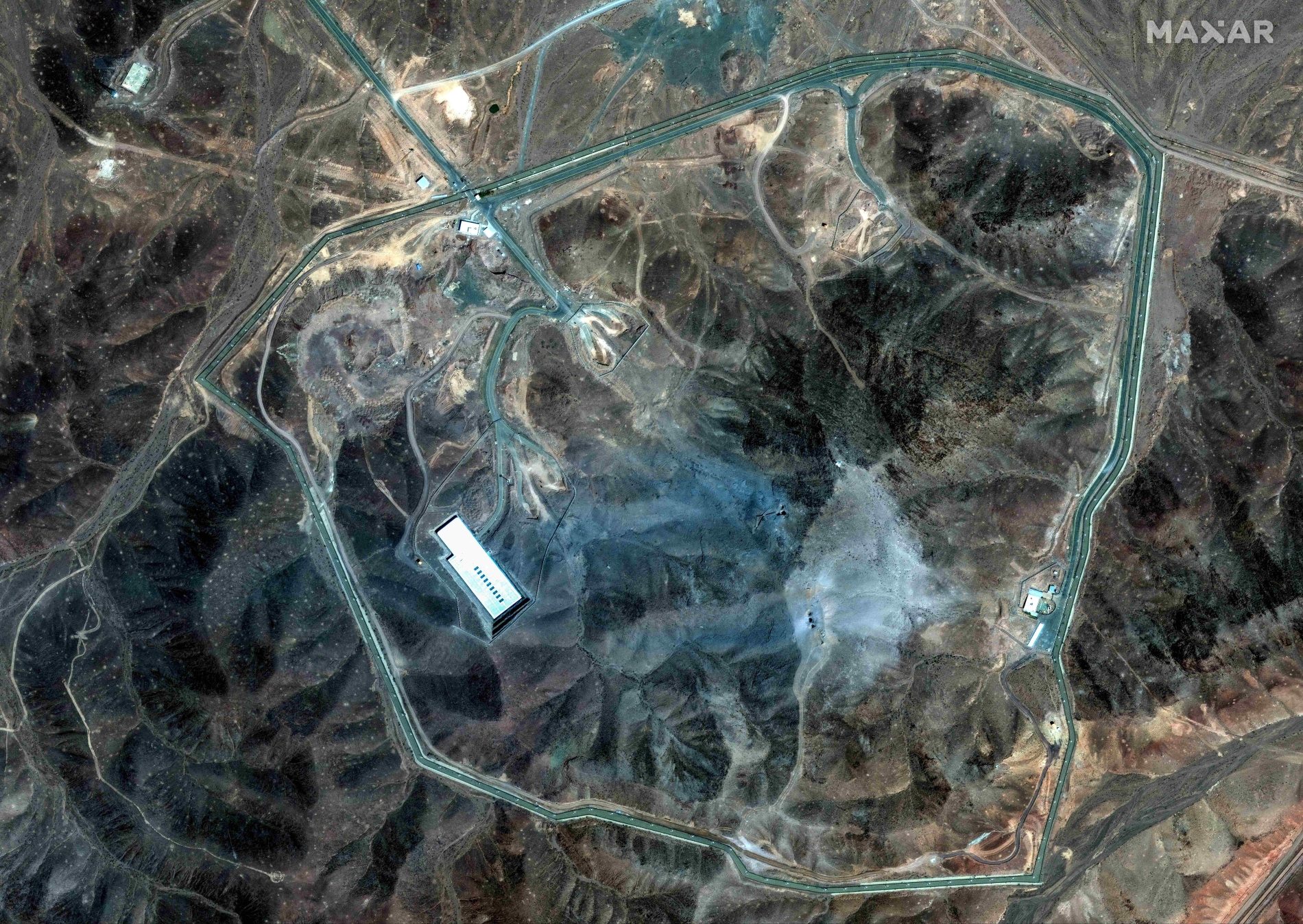
Not only does the agreement not deliver on those promises, it in fact mostly ignores them. The nuclear issue, which is the only issue mentioned by name in the draft, is deferred to a “final agreement” to be reached within “phase 1” (60 days or more if the parties agree) of the Memorandum. In the meantime, the agreement highlights Iran’s pledge to never acquire nuclear weapons and to maintain the status quo.
Because this is a temporary deal, even this “status quo” is ill-defined: Who will ensure that Iran indeed maintains this nuclear pause? What is the exact nature of this status quo to begin with? What happens if Iran breaches this commitment? A vague and non-enforceable deal isn’t exactly a recipe for success. This would all be fine if the MOU was realistically a ramp towards a “final agreement”, as it is supposed to be. But these temporary agreements have a way of overstaying their welcome.
And this is the part that is addressed. Everything else—the proxies, the missiles—is not even being politely deferred to a “second phase” that will likely never arrive. It is simply off the table. What is on the table is a US withdrawal from the “surrounding areas” along with the lifting of the US blockade.
Moreover, the memorandum pledges US waivers for Iranian crude exports and the release of frozen or restricted funds. The exact sums remain unclear, and the agreement hints at some conditionality: funds would be released only if “progress” is made toward a final deal. But the basic structure is clear: material concessions are being offered up front in exchange for vague, immaterial “progress” toward an agreement that does not even cover all the issues of concern to Israel.
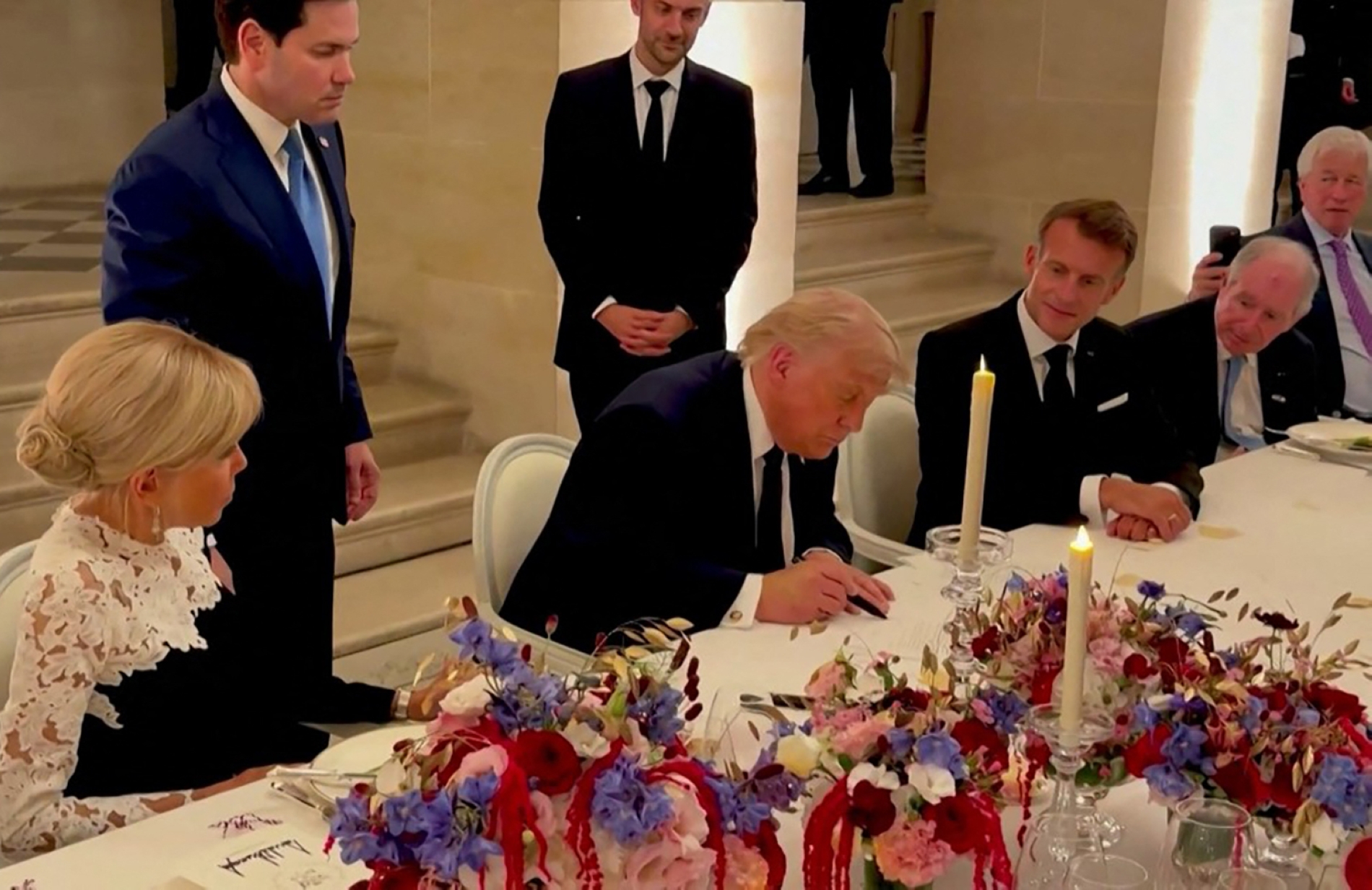
Strategic impatience
What underpins this imbalance goes beyond the text of the MOU: where Iran has shown strategic patience, Trump has shown the opposite—strategic impatience. In his own Art of the Deal words, “The worst thing you can possibly do in a deal is seem desperate to make it.” In Israel’s view, Trump has lost his leverage by increasingly bowing to Iranian pressure, and showing that he would cave first.
Of course, this is an oversimplification. Once the war shifted from a high-intensity bombing campaign to a war of attrition, pitting an American blockade against an Iranian one, geography became destiny. Any more serious strategic planner—or simply anyone who had paid attention to earlier scenario exercises—could have seen the trajectory: if the opening phase, conceived as a swift and overwhelming blow to decapitate the Islamic Republic, failed, the conflict would inevitably become a contest of wills with Hormuz at its centre.
Yet Washington appears not to have seriously gamed out that possibility, and Israel likely had little incentive to force the issue. Trump wanted a “Venezuela-style” hit-and-run operation, and Israel was content to encourage that illusion. Once the illusion collapsed, the choices were stark: escalate by committing to a ground intervention that would have turned a would-be blitzkrieg into a “forever war”; settle in for a brutal test of pain tolerance—a dangerous game against a regime willing to absorb enormous losses among its own population; or walk away with whatever could still be salvaged.
That Trump picked the latter option is unsurprising, and yet also consequential. The Islamabad MOU makes it difficult for any administration to negotiate a “good” final agreement. But for an administration that just showed strategic impatience, this task is near impossible.
The threat of force also lost its edge. Though Iran is battered, it views survival as victory, and will be less coerced by the threat of renewed military action. With military threats losing their edge, economic sanctions fading, and Trump likely to move on, the “final agreement” is unlikely to be a good one for Israel.
In other words, the “bad (but temporary) deal” is likely to either turn into an “even worse (long-lasting) deal”, or no deal at all. There is no doubt as to which of those options Netanyahu prefers. While the MOU closes another round of violence, it is likely to be viewed by Israel (and by most of the new leadership in Iran itself) as a pause rather than an end.
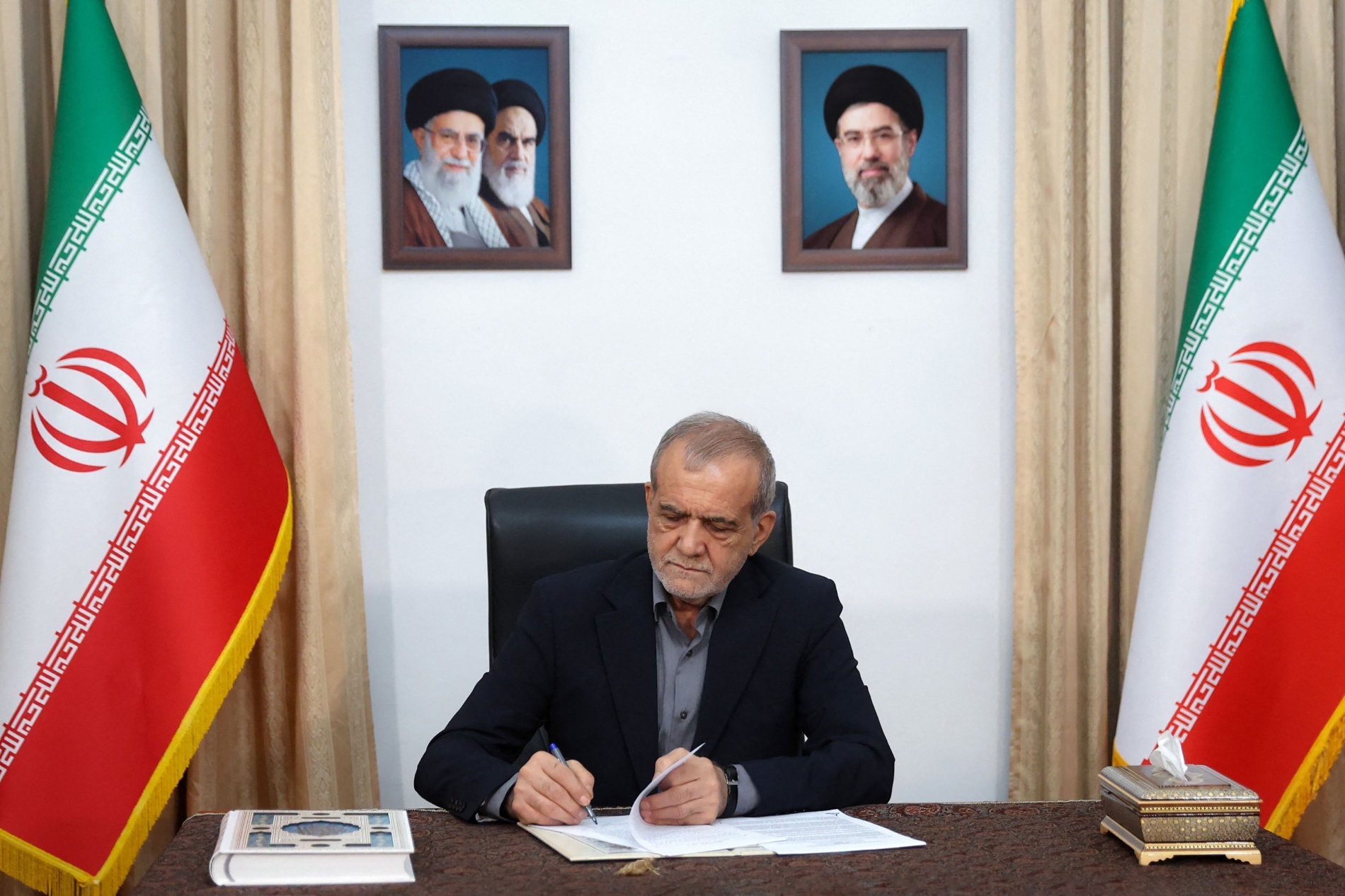
The deal is bad, but the broader strategic picture isn’t. Israel and the US can now operate within Iran at will. Tehran has seen one of its key proxies (Hezbollah) battered to the point of reversing the equation and having to come to Hezbollah’s rescue. Months ago, an Iranian crackdown on anti-government protesters reportedly killed thousands. Iranians haven’t forgotten.
The Islamic Republic may be getting a lifeline, but its economy will need far more than that to recover. Corruption and greed will also ensure the average Iranian doesn’t benefit, as an increasingly powerful IRGC continues to cement its hold on the country’s flailing economy. Inequalities between a clique of apparatchiks and those on the outside will continue to grow in an unsustainable way without a reset.