Turkish-Israeli rivalry could determine the new Middle East

Türkiye calls Israel a ‘terrorist state’, Israel calls Türkiye ‘the new Iran’. They have competing interests in Syria, Palestine, the Gulf, Washington, and arms exports. Will they come to blows?

Israel and Türkiye have competing interests in Syria, Palestine, the Gulf, Washington, and the global defence industry. They also have very different visions for the Middle East
Pete Reynolds
Israel and Türkiye have competing interests in Syria, Palestine, the Gulf, Washington, and the global defence industry. They also have very different visions for the Middle East

Turkish-Israeli rivalry could determine the new Middle East

Türkiye first recognised Israel in 1949, shortly after Zionist leaders like David Ben-Gurion proclaimed a Jewish state in Palestine. In so doing, it became the first Muslim-majority nation to do so (Iran was the second, its recognition coming in 1950). Six decades later, trade was booming and relations between Tel Aviv and Ankara were good. Some analysts felt that this may be the Middle East’s most important axis.

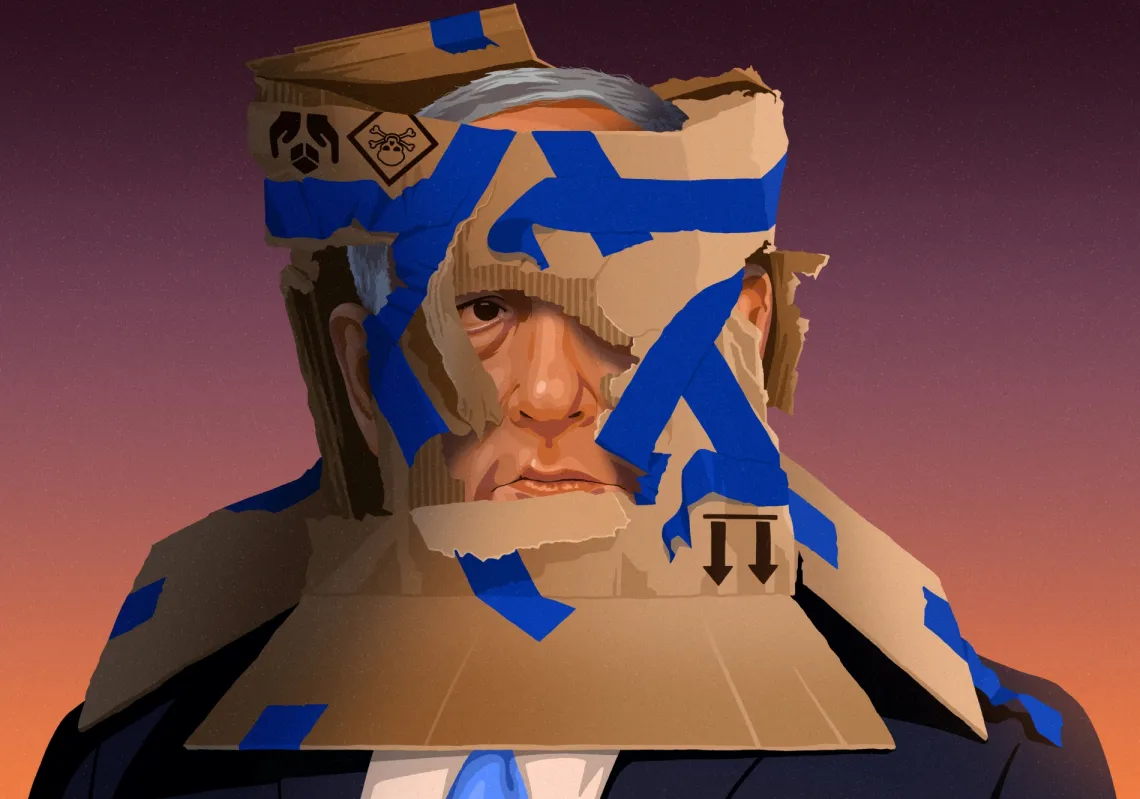
Today, relations between them are far from cordial. Instead, most describe theirs as a bitter rivalry. The decisive rupture followed Israel’s response to the attacks of 7 October 2023. Türkiye accused Israel of genocide in Gaza, while Israel increasingly sees Türkiye as a growing threat to its regional influence, particularly in Syria, the gas-rich Eastern Mediterranean, and the corridors of power in Washington.

Israeli officials now refer to Türkiye as the “new Iran,” but to-date, direct escalation has been avoided, largely due to American pressure, reinforced by the close personal relationship between Turkish President Recep Tayyip Erdoğan and US President Donald Trump, who also counts Israel’s Prime Minister Benjamin Netanyahu as an ally.

Scanning for hotspots

Looking at possible flashpoints, most eyes fall on Syria, which shares a border with both Türkiye and Israel. The fall of former Syrian president Bashar al-Assad’s regime in December 2024 opened the way for an intense struggle for influence. Türkiye supports the new government led by former jihadist Ahmed al-Sharaa (who Trump seems to like) and favours the emergence of a strong, unified, and centralised Syrian state.

Ankara provides weapons, intelligence, and technical assistance, and planned to establish military bases in Syria before Israeli airstrikes. Türkiye also wants to establish an exclusive economic zone (EEZ) agreement with the new Syrian authorities.

Israel, meanwhile, carried out 988 air and artillery strikes during the first seven months after Assad’s fall, three times the average recorded during the preceding years of his rule. It targeted Syrian airbases that Türkiye was preparing to use, expanded its presence in southern Syria, and offered to support Druze militias who seek autonomy. More broadly, Israel regards ‘the new Syria’ as a potential threat to its freedom of action. It therefore seeks a weak and fragmented neighbour, not a strong, independent one.

Forging alliances

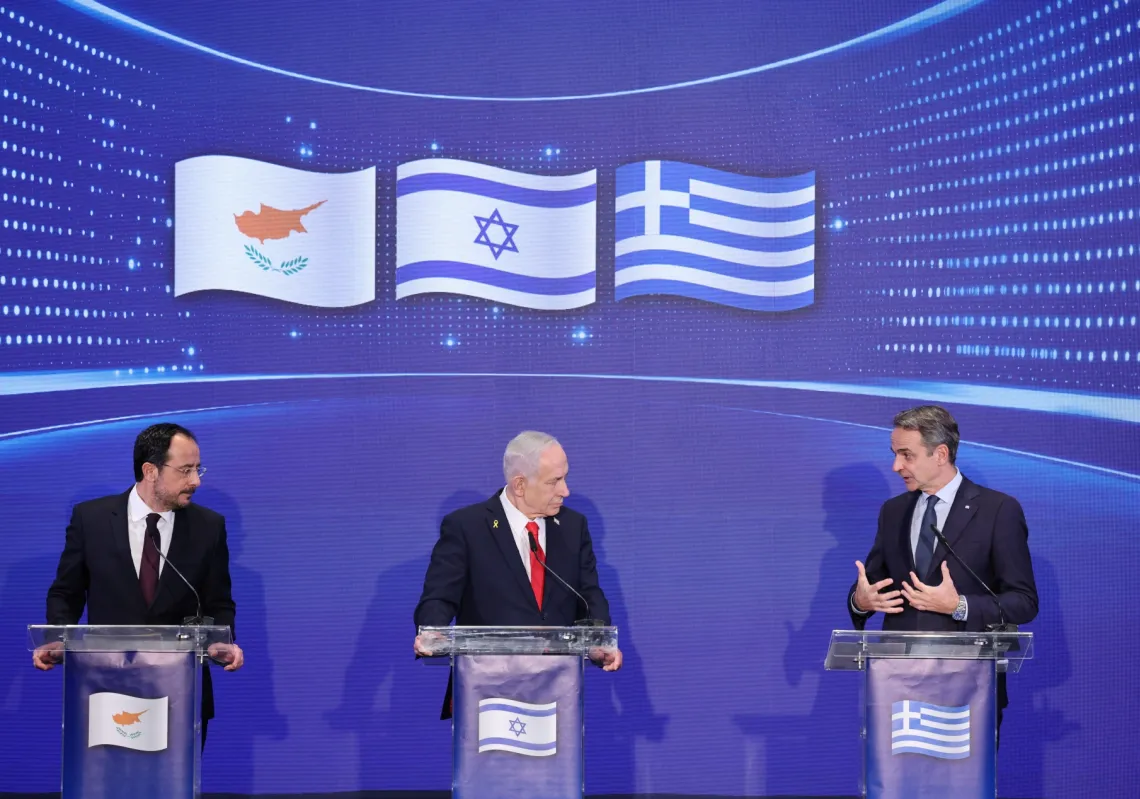
Türkiye continues to pursue its ‘Blue Homeland’ doctrine. After signing an EEZ agreement with Libya in 2019, it now wants something similar with Syria. Türkiye is increasingly concerned by its strategic encirclement, as military cooperation among Israel, Greece, and Cyprus deepens through joint military exercises and defence coordination. Israel is also part of regional energy alliances, most notably the East Mediterranean Gas Forum.
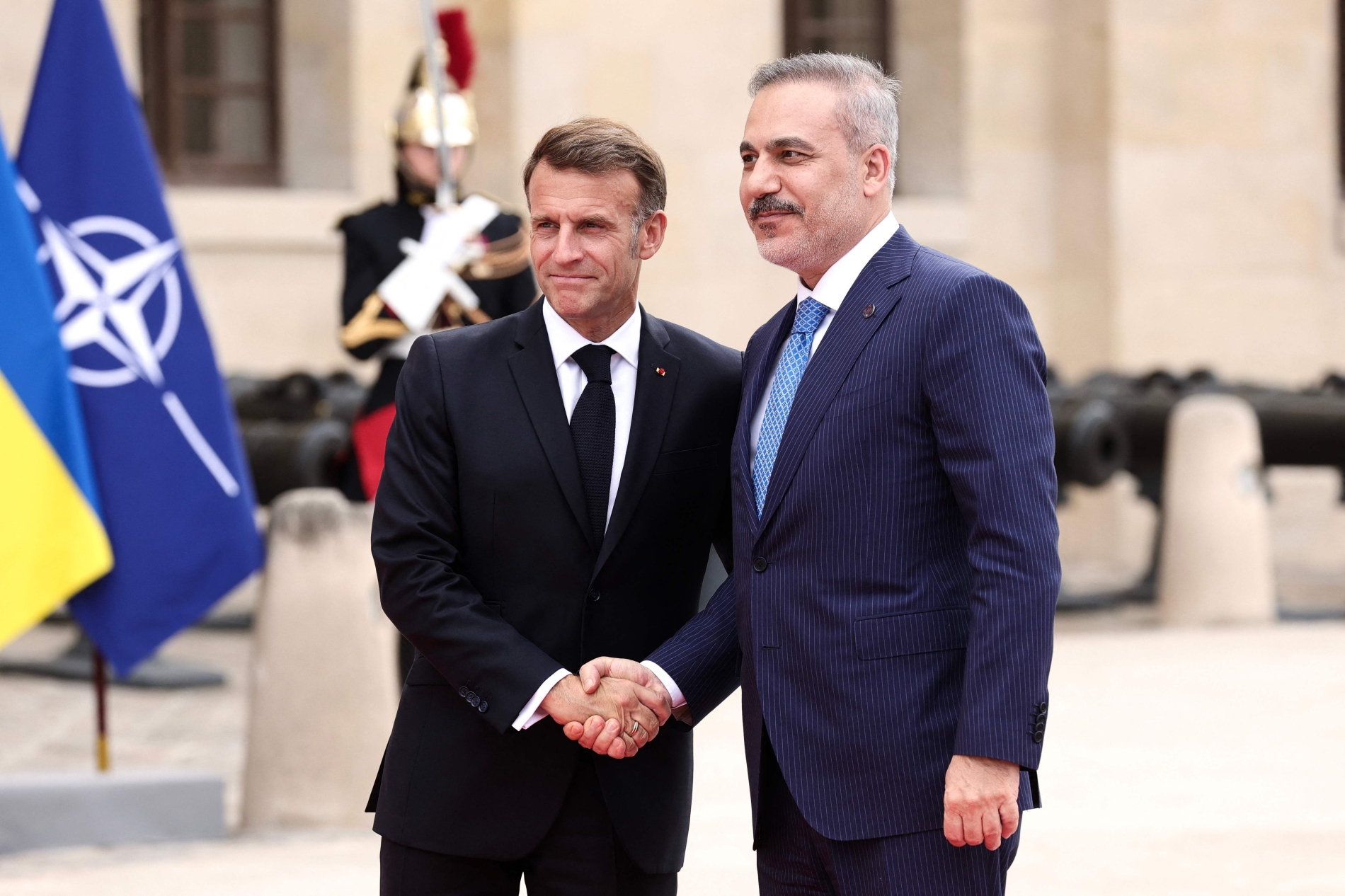
Teresa Suarez / AFP
French President Emmanuel Macron (L) greets Turkish Foreign Minister Hakan Fidan at a summit of nations to support Ukraine in Paris on July 13, 2026.

In Somalia, Türkiye has maintained a military base since 2017, but Israel recently became the first country to recognise the breakaway region of Somaliland as a state. According to US media reports, Israel is now building a military base on Somaliland’s Red Sea coast, not far from Yemen (from where Israel can target the Houthis) and Sudan, where a three-year civil war still rages. This widening reach has made the Turkish-Israeli competition structural, rather than temporary.

Israel has reinforced its alliances with Greece and Cyprus through military exercises and expanded defence cooperation. It has also deepened its relations with the UAE and India. Its military advantage over Iran has strengthened its regional position. After the war with Iran, Israeli defence firms are also expected to seek new markets in the Gulf.

Saudi Arabia continues to reject formal relations with Israel, maintaining that this must follow peace negotiations leading to the establishment of a Palestinian state. At the same time, Riyadh has moved closer to Ankara, including through growing cooperation in the defence sector. Together with Pakistan, the trio work closely on military matters. Türkiye has also consolidated its alliance with Qatar and avoided confronting Iran by joining several of its allies in the 2025-26 wars.

It has also expanded its military partnership with Azerbaijan, with Turkish drones having contributed significantly to Baku’s battlefield success against Armenian forces in Nagorno-Karabakh. By improving its relations with several Arab states, particularly Saudi Arabia and Egypt, Ankara has been able to present itself as a stabilising regional power, in contrast with Israel, which it portrays as increasingly unrestrained.

Arms exports

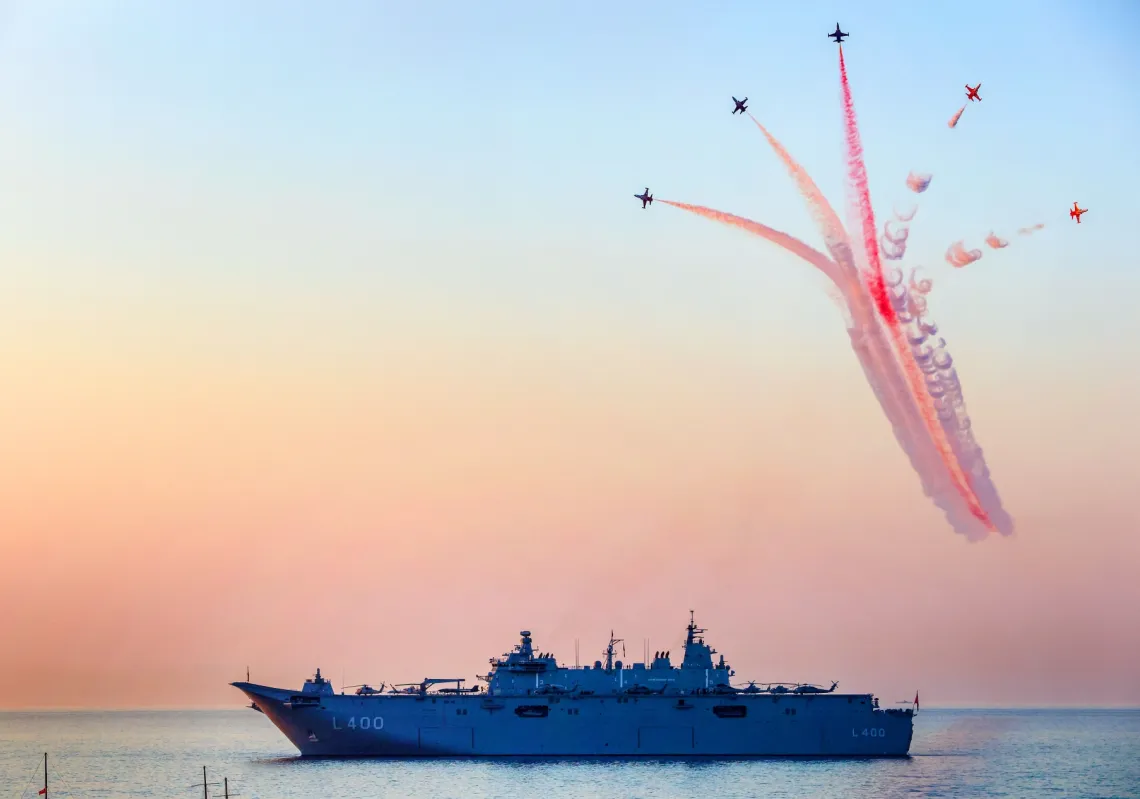
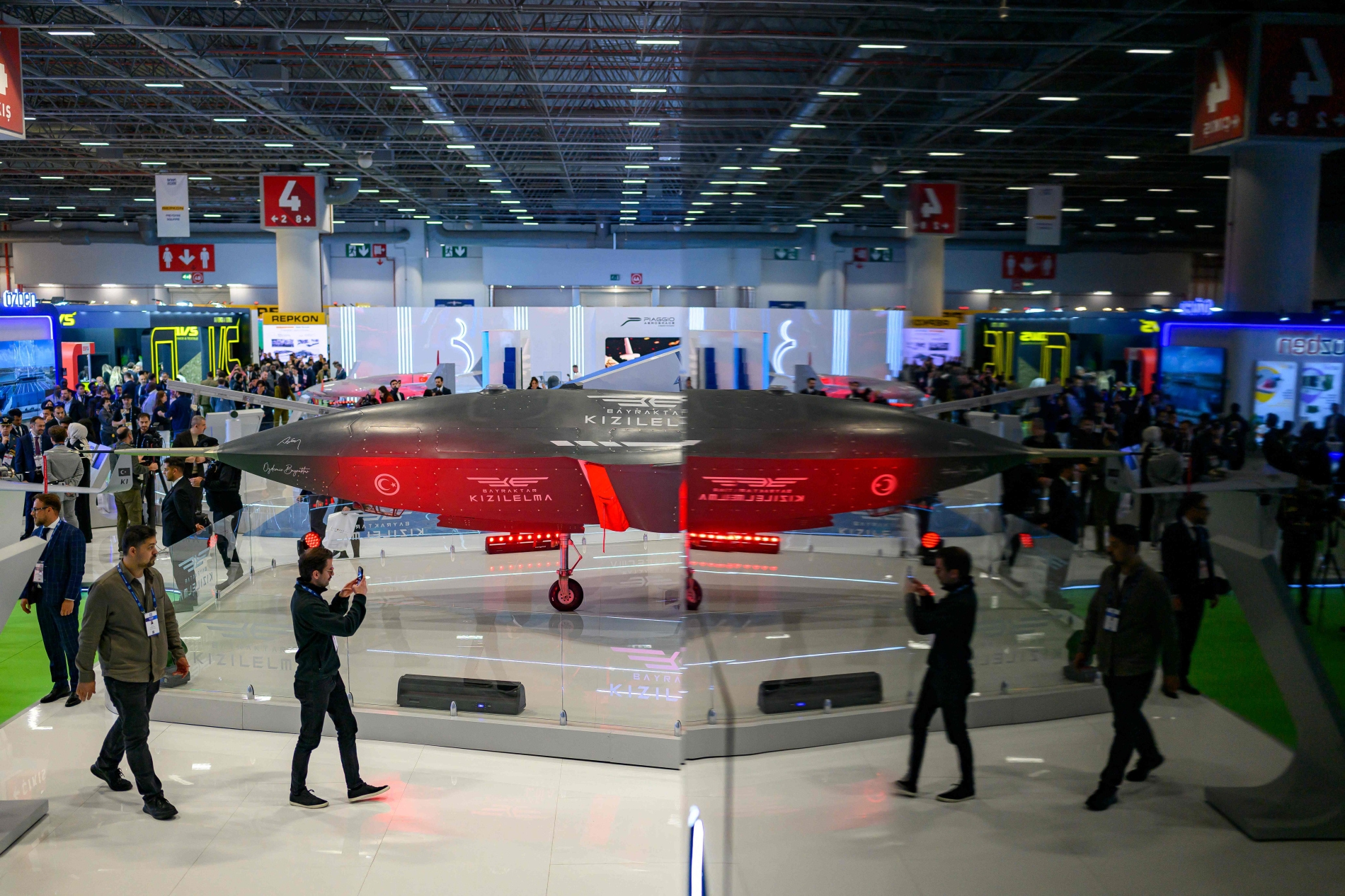
Both Israel and Türkiye are major arms exporters and their competition is especially pronounced in unmanned systems. Türkiye’s defence and aerospace exports surpassed $10bn in 2025, three times as much as 2021, with further growth in 2026. Baykar has become a leading defence firm, its Bayraktar TB2 drone now in service in more than 30 countries, including in Ukraine, Libya, Syria, and Azerbaijan.
Both Israel and Türkiye are major arms exporters and their competition is especially pronounced in unmanned systems

By some estimates, Türkiye supplies around 65% of the world's armed drones. Its systems are competitively priced and offered under flexible export arrangements, often with fewer political conditions than those imposed by rival suppliers. Saudi Arabia has also become an important partner for Ankara in defence manufacturing.

Israel recorded defence exports of around $19.2bn in 2025, according to some reports. Israeli firms have advanced military technology, with drones such as the Heron, the Iron Dome air-defence system, missile technology, cyber capabilities, and intelligence systems. It also enjoys joint-production partnerships such as with the UAE and India.

Competitive balance

Türkiye is expanding its market share across Africa, Asia and the Middle East through lower costs and systems tested in combat, but Israeli systems still retain a technological advantage. As such, an indirect arms race is taking shape between the two countries, accompanied by Turkish efforts to deepen its integration with NATO, having recently hosted the alliance's 2026 summit in Ankara.

Yasin Akgul / AFP
The KIZILELMA Unmanned Combat Aircraft made by Türkiye's defence company Baykar on a stand during the opening day of the SAHA EXPO in Istanbul on 5 May 2026.

Some political positions are considered problematic, however. For instance, Türkiye extended political support to Hamas and described Israel as a "terrorist state" and a "perpetrator of genocide," severing diplomatic relations with Tel Aviv in 2024. In August 2025, it closed Turkish airspace to Israeli aircraft and suspended trade. Three months later, Turkish authorities issued arrest warrants for Netanyahu and 36 other Israeli officials on charges of genocide. In February 2026, Türkiye announced that it had uncovered and dismantled an Israeli spy network.

Israel has accused Türkiye of double standards, pointing to its occupation of northern Cyprus and its military intervention in Syria. Netanyahu also accused Türkiye of the Armenian genocide, perpetrated by the Ottoman Empire during World War I. In February 2026, prominent Israeli politicians like Naftali Bennett described Türkiye as the "new Iran" intent on encircling the country. Israeli newspapers and commentators now portray Türkiye as the country's next major strategic threat.

Relations with Washington

Israel and Türkiye compete for influence in Washington. Erdoğan and Trump get along well, which has irked Netanyahu, not least when Trump recently suggested that Syria replace Israel in the task of disarming Hezbollah in Lebanon. US president has characterised his relations with Erdoğan in terms of "friendship" and "mutual respect."

Erdoğan was among the first foreign leaders to congratulate Trump on his election victory in 2024, and visited the White House in September 2025. The following month, Trump named Türkiye as one of the four guarantors of the Gaza ceasefire, alongside Egypt, Qatar, and the US. He also indicated that Ankara could play a role in reconstruction and in a prospective international stabilisation force. Türkiye, for its part, helped persuade Hamas to accept the agreement.

AFP
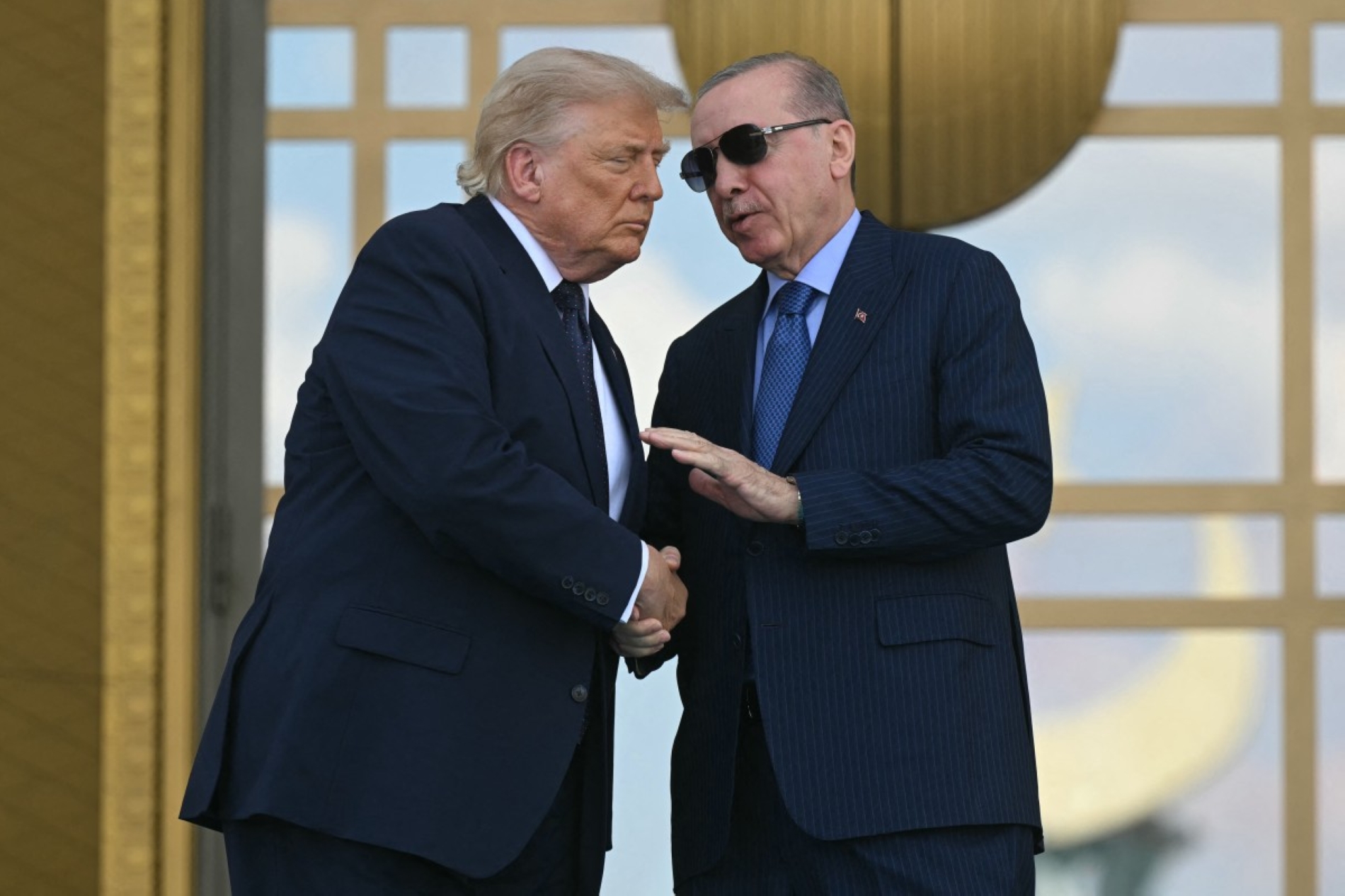
The 2026 NATO Summit host Turkish President Recep Tayyip Erdogan (R) greets US President Donald Trump on 7 July 2026.

Earlier this month, at the NATO summit in Ankara, Trump indicated a clear willingness to sell F-35 fighter jets to Türkiye and lift sanctions, despite fierce Israeli objections. Netanyahu has warned that such a deal would "destroy the military balance" in the region, describing Türkiye as "not a friendly ally." Erdoğan, in turn, expressed confidence that the US would honour its commitments.

Ankara maintained a cautious posture throughout the US-Iran war and refrained from entering the war, but US forces reportedly used a military base in Türkiye to launch direct strikes against Iran (Türkiye has not acknowledged this). Iran, meanwhile, struck Turkish territory at the outset of the war before suspending further attacks.

Future prospects

The rivalry between Türkiye and Israel has become structural and long-term, extending beyond Gaza to Syria, the Eastern Mediterranean, and the wider Middle East. Yet the greatest danger lies in the possibility of miscalculation in Syria. Sustained Israeli pressure could weaken the new government in Damascus, invite chaos, and increase the likelihood of direct Turkish intervention.

A direct confrontation nevertheless appears unlikely in the near term, largely because of Trump, who has insisted that such a clash "will not happen while I am president," citing Erdoğan's respect for him. Their rivalry may be contained through de-escalation arrangements, including the deconfliction mechanism in Syria, but it will remain a major force in shaping the new Middle East emerging after the US-Iran war.

Türkiye currently benefits from the adaptability of its defence industry and from Erdoğan's relationship with Trump, whereas Israel relies on its technological superiority and its alliances in the West and the Gulf. The future course of this emerging rivalry will depend on developments in Gaza and Syria, and on Washington's ability to maintain a workable balance between Tel Aviv and Ankara. How well it does so could still determine the fate of the region.

font change