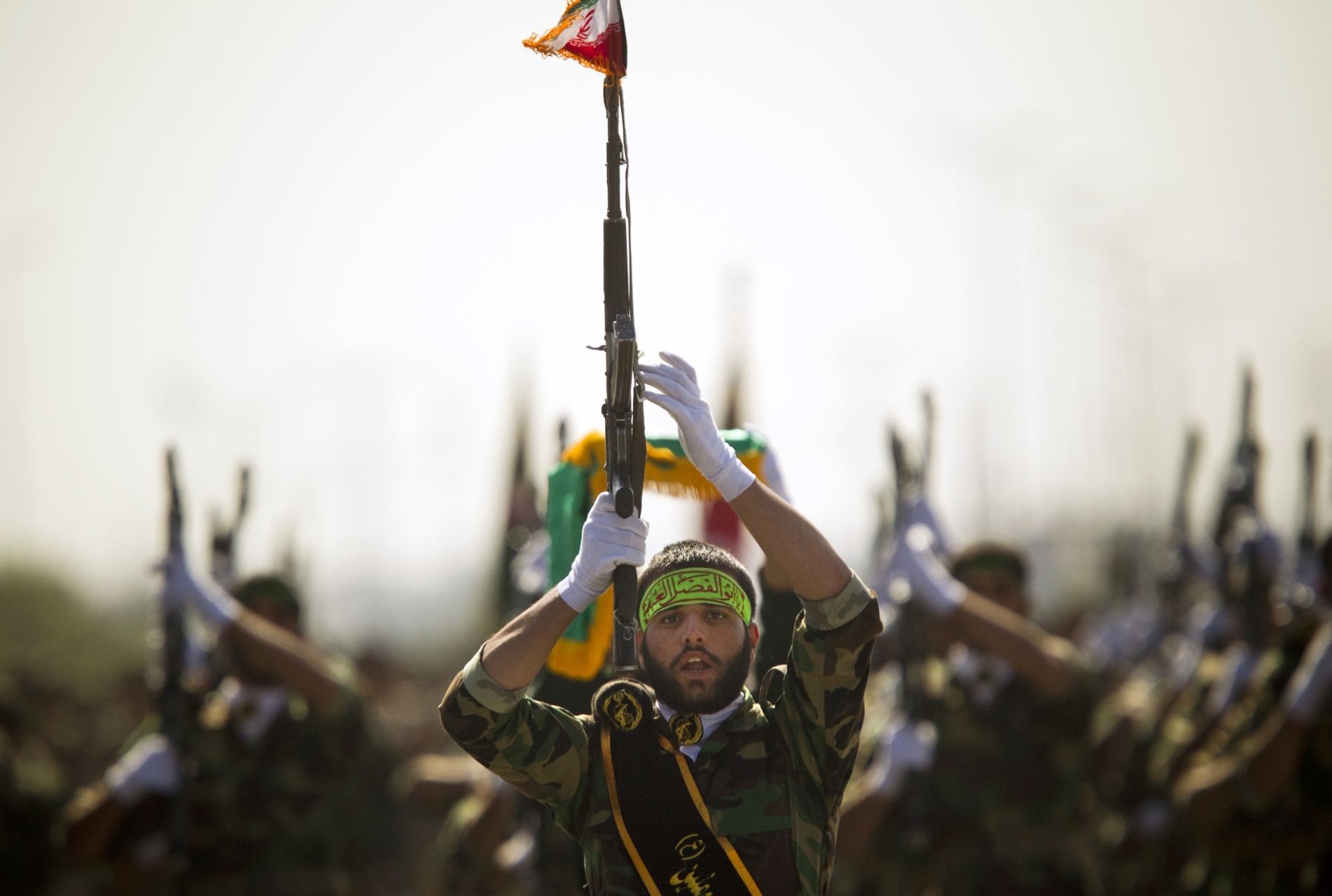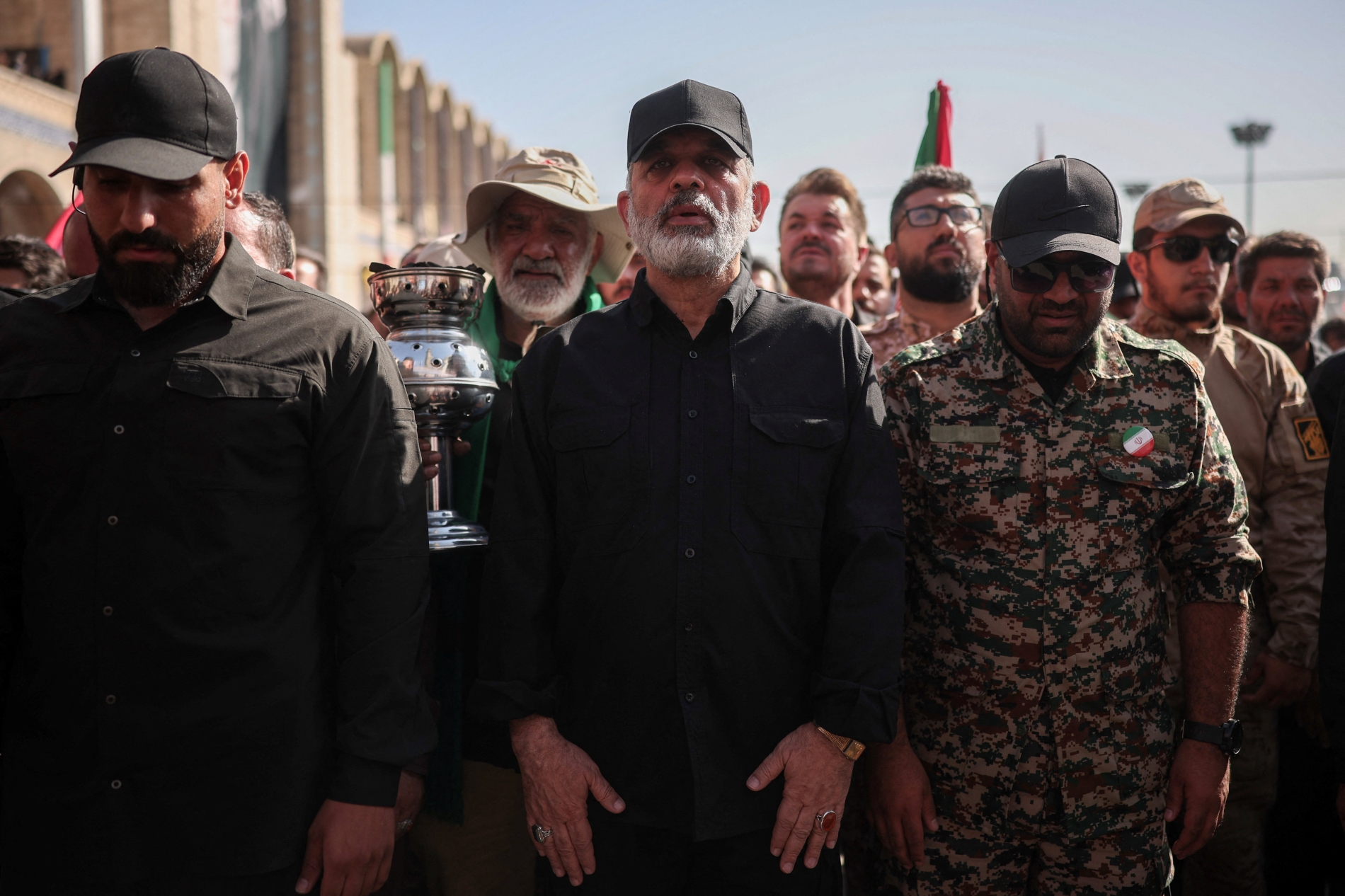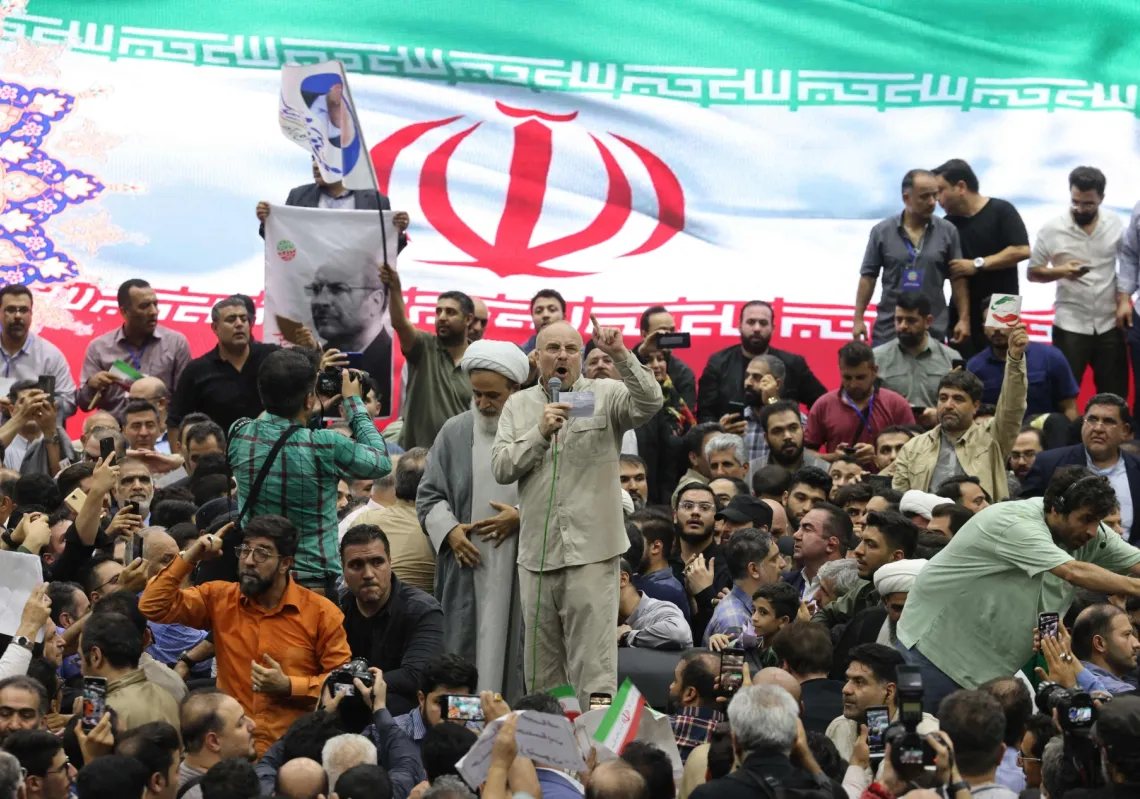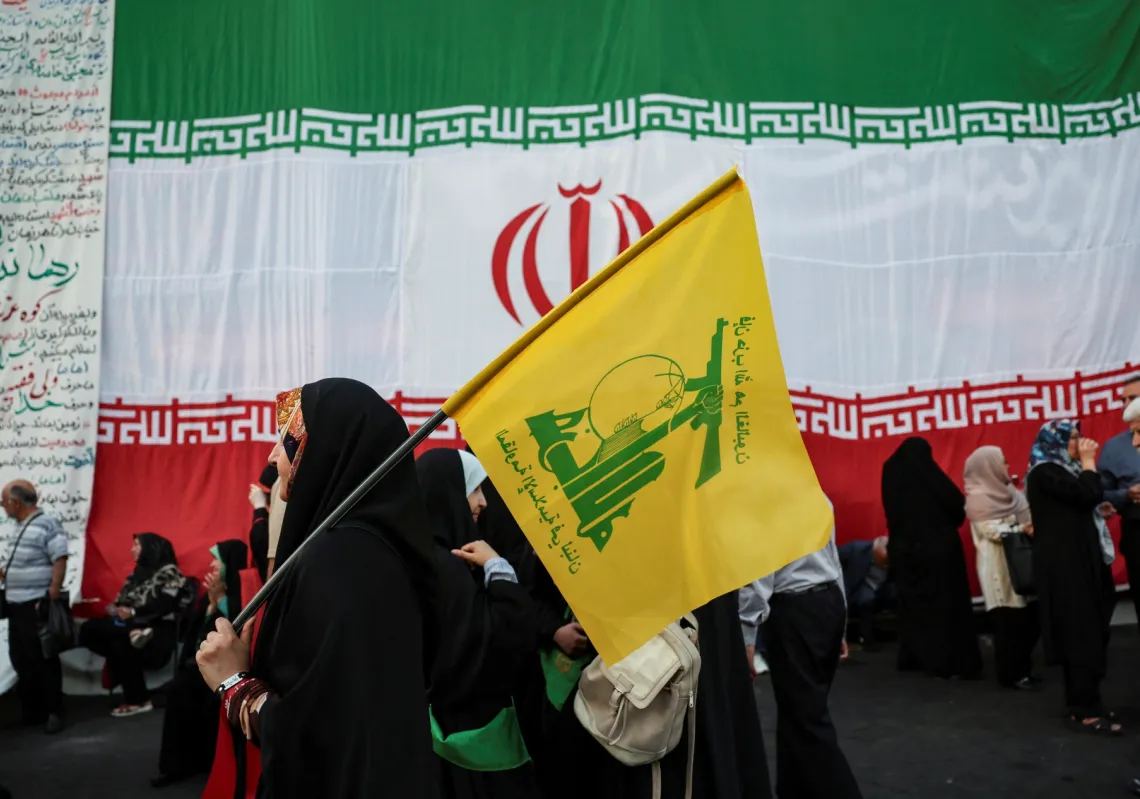

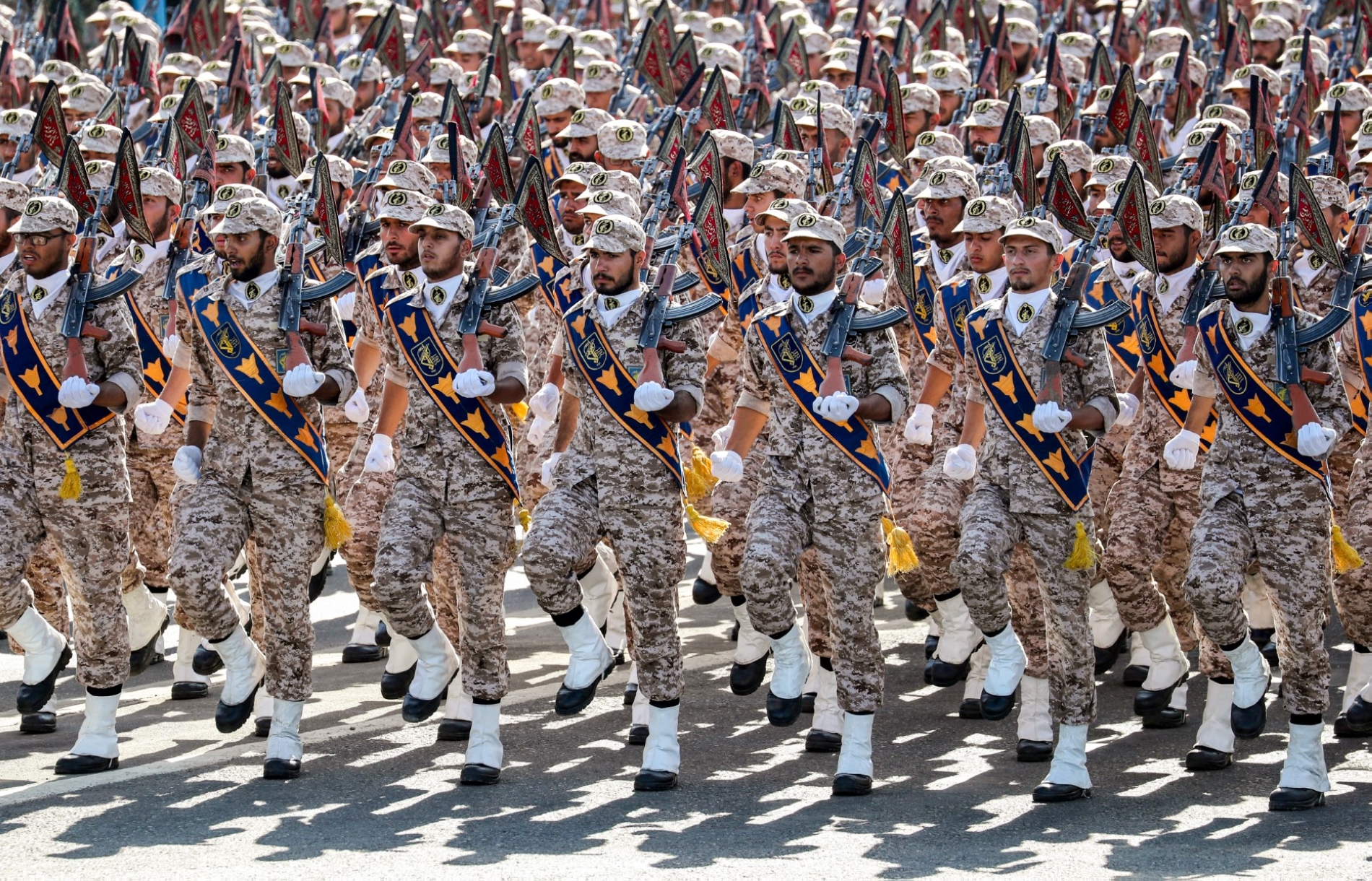
In February, the ruling Iranian regime’s daily newspaper Jomhouri Eslami posed a question in print that had been taboo for 40 years: does the Islamic Republic really need two sets of armed forces? There is the regular army, the Artesh, to guard against foreign enemies, and there is the Islamic Revolutionary Guard Corps (IRGC), the paramilitary force established in 1979 to protect Ayatollah Ruhollah Khomeini’s Islamic revolution. The latter has since expanded to become the country’s dominant force militarily, politically, and economically.
The real issue is how to resolve the internal political impasse, and the paper said as much: the Corps’ expansion had made it a factional, contested institution at home and a standing pretext for pressure abroad. For observers, the fact that the regime’s paper asked this in the open was itself an answer: duality was never a matter of efficiency and was never intended. Two armies for one state was the regime’s survival strategy; an army to defend the country, and a praetorian counterweight to watch that army, society, and the various political factions.
In its argument, the paper reached for the diary of former Iranian President Akbar Hashemi Rafsanjani, who led the country from 1989 to 1997. In a diary entry from 22 March 1989, he records Khomeini conceding that the Artesh and the Guards should in time become a single force. Although he judged that particular moment (March 1989) too dangerous, with the troops too likely to turn, Khomeini did not refuse the fusion, he only postponed it. After his death, Rafsanjani folded the Guards’ ministry into a single defence ministry and let the deeper merger die.
Guarding themselves
Predictably, there was a reaction. Kayhan, the newspaper most closely associated with Iran’s conservative hardliners, denounced the proposal as a project to eliminate the IRGC, the American and Israeli recipe applied to Iraq’s Popular Mobilisation Forces (PMF), the powerful pro-Iran militia. Javan, the Guards’ own daily, called it a shot fired at the pillar of the country’s security.
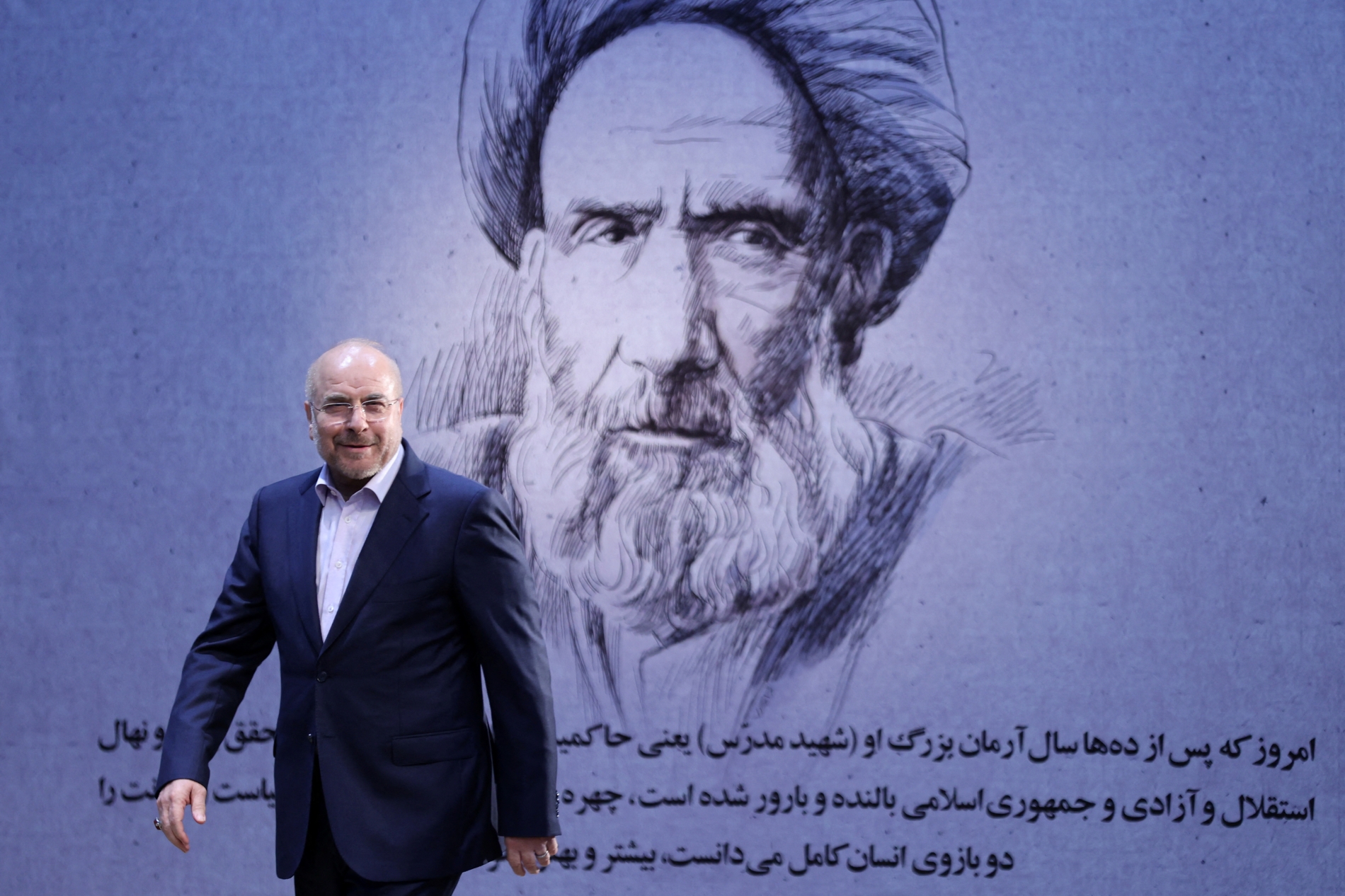
Hardline networks accused Iran’s negotiators—Parliament’s Speaker Mohammad Bagher Ghalibaf and the administration of President Masoud Pezeshkian—of mounting a coup against the Revolution’s armed guardians, prompting rumours that a merger of the two sets of armed forces was a condition Washington had placed on the negotiating table. Weeks after the brutal crackdown on protests that killed thousands of Iranians, and with the Americans sending battleships to the Gulf, this appeared to be a fracturing of the Iranian establishment playing out in public, something seldom seen.
Such is their power and reach, the Guards are commonly referred to as ‘a state within a state,’ and this comprises three elements. The first is an ideological body, doctrinally welded to the Velayat-e Faqih (Guardianship of the Islamic Jurist) system of governance established by Khomeini in 1979. The second is a military apparatus built on the discourse and philosophy of martyrdom. The third is an oligarchy built on the culture of survival. The second and third elements are in contradiction, however. While martyrdom resists to the end, survival negotiates, adapts, and concedes where needed. Two contrary cultures under one command end in impasse.
Pondering dissolution
The faultline runs through the coercive organs themselves: for more than a decade, the Ministry of Intelligence and the IRGC’s own Intelligence Organisation have run in parallel—competing, duplicating, contesting, and policing each other. Within a single insignia is a simmering rivalry that has not changed with the war against Israel and the United States that began on 28 February, and the subsequent ceasefire negotiations since April.
To some analysts, the wrangling spells the beginning of the Guards’ dissolution. To many, it is a question of ‘how,’ not ‘if’ it will dissolve, but most feel that such a monolithic structure would never simply vanish. Rather, it would rebrand and rebadge. Regime outlets already argue for a Guards-Artesh fusion as relief from legal and international pressure, but there are several reasons why this would not work in practice.
Take the Guards’ elite Quds Force as an example. Its wars were never conducted as acts of state. It has armed regional proxies, conducted parallel diplomacy, and undertaken deniable special operations across four regional capitals. It could only do so because the Corps sat outside the official institutions of the state. Were the Quds Force to merge with the national army, every shipment, adviser, and operation would become an official act of the Iranian state—attributable and answerable. No regular Iranian army could run an ‘Axis of Resistance’ (as the Guards’ network of proxies was known).