
Iran's recent attacks on Kuwait and Bahrain rehashed an old question that analysts had previously grappled with. Are tensions between Iran and the Gulf states about passing political and security conditions, or do they reflect a deeper dispute rooted in their broader visions and projects?
It is difficult to view these attacks as isolated or exceptional incidents, given the history of flare-ups and threats in the Middle East over past decades. Kuwait and Bahrain have long been exposed to Iranian targeting, whether directly through military operations or indirectly via Tehran’s regional proxies. The incidents now making the headlines are less a new turn in Iranian policy than the continuation of an approach that has existed for many years.
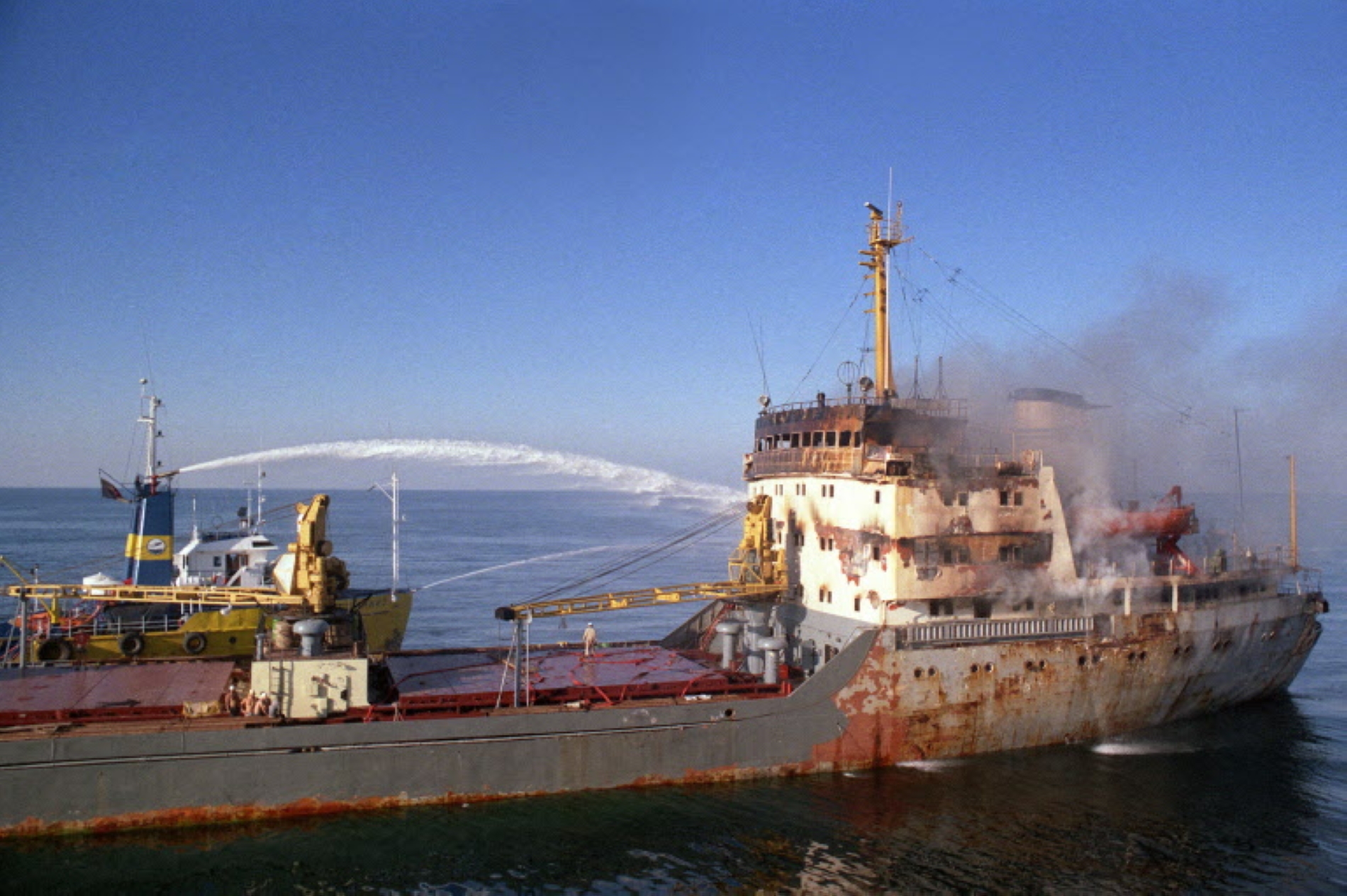
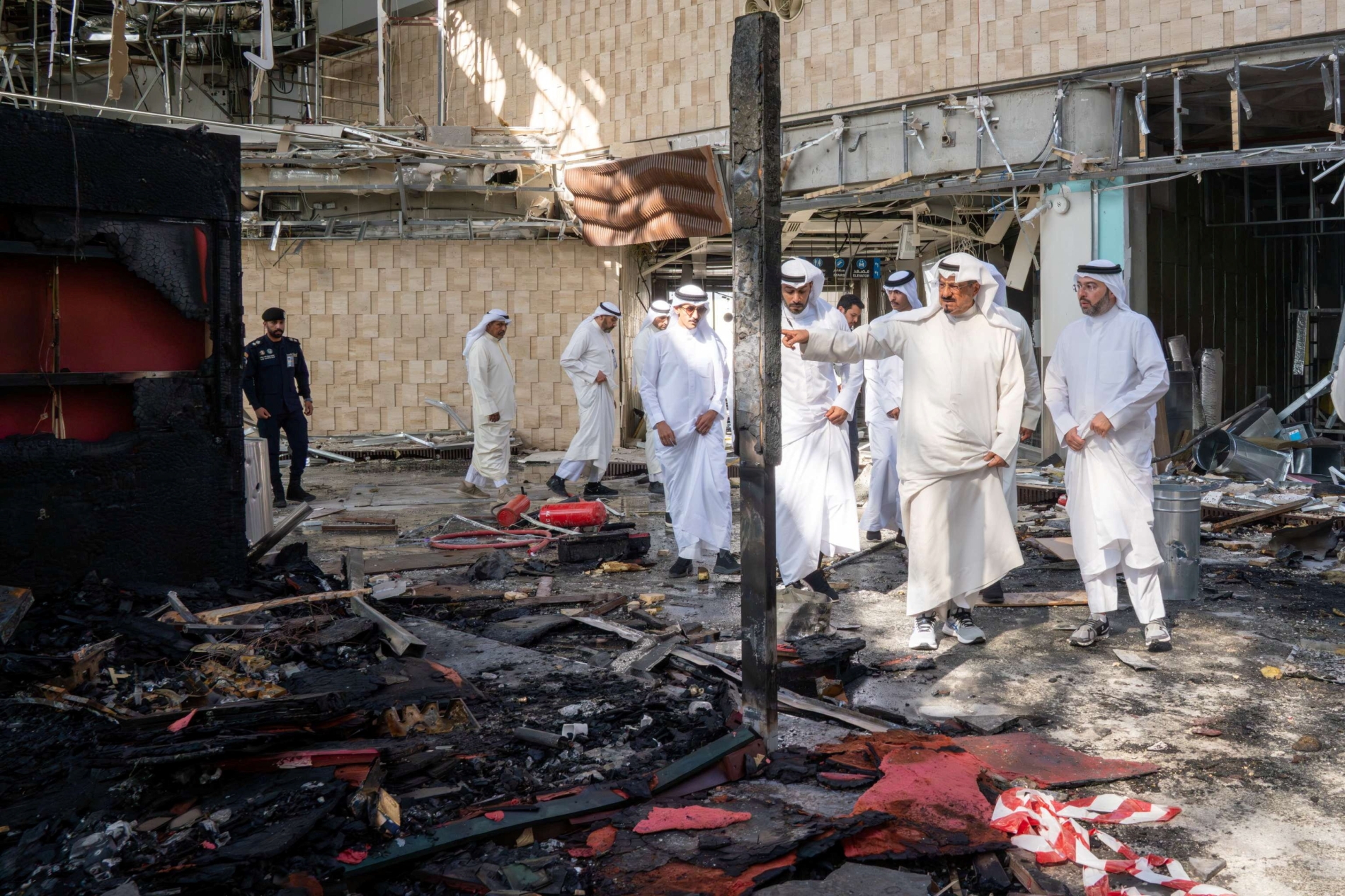
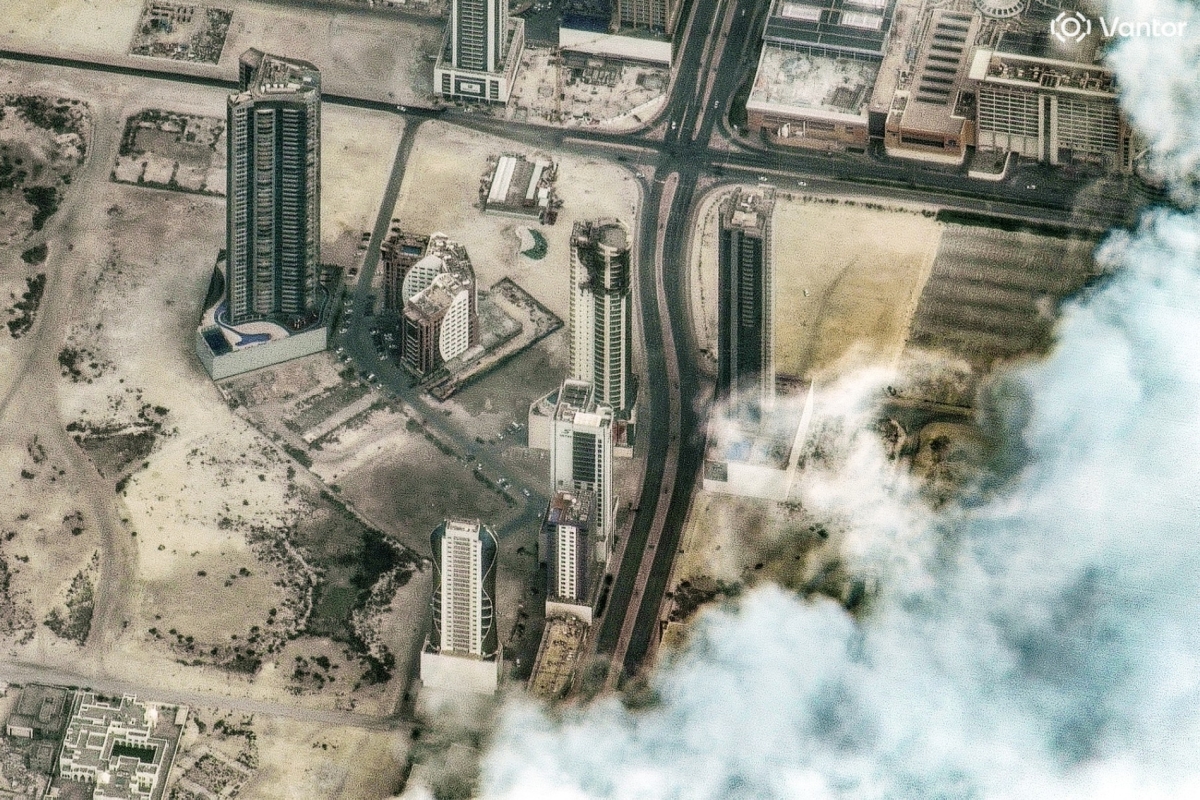
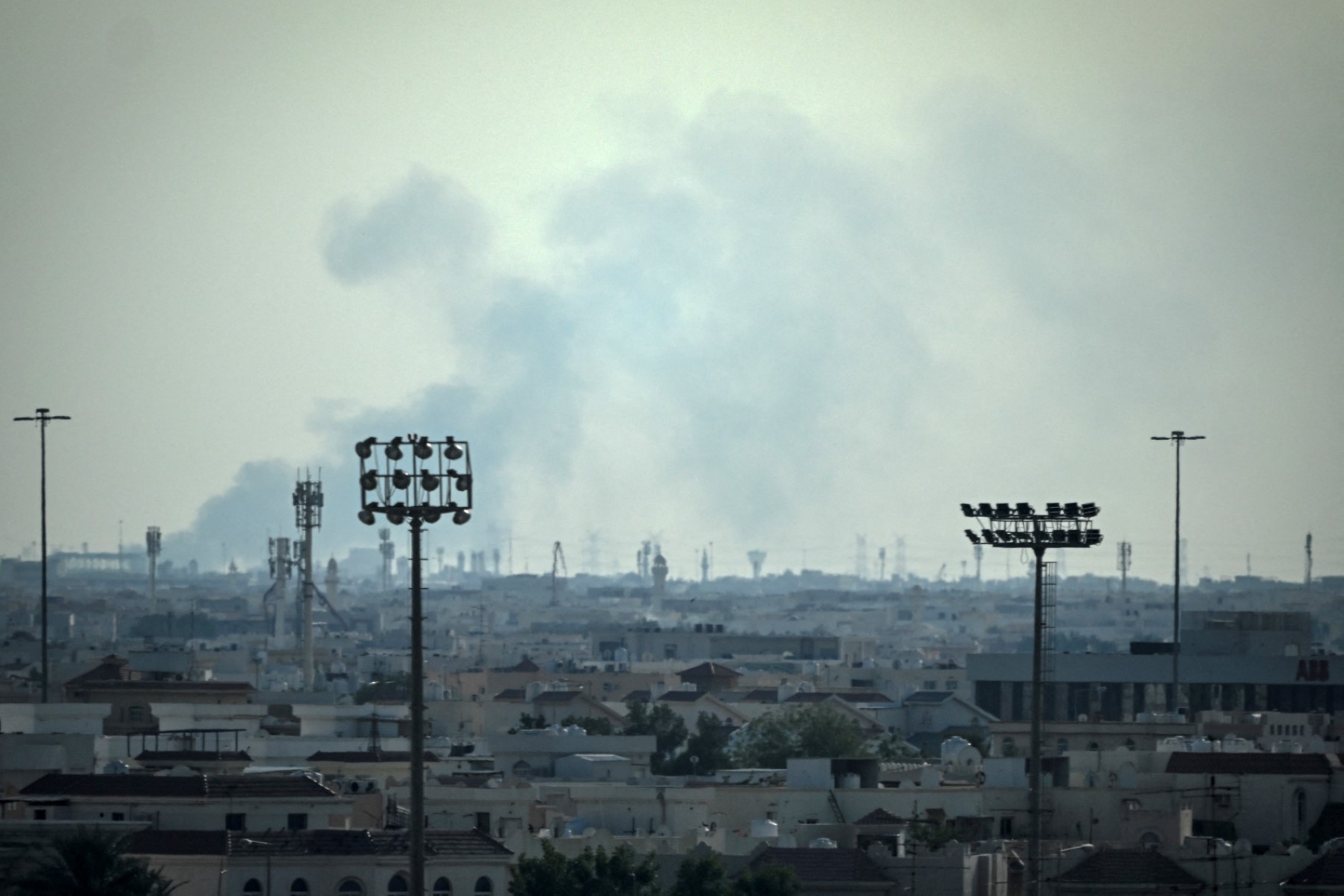
Since it was attacked by the United States and Israel on 28 February, Iran has not just targeted military installations or security sites in the Gulf. On various occasions, it has hit civilian infrastructure, too. Kuwait International Airport is a prominent example, having been targeted three times, alongside other civilian facilities. In Iranian calculations, the traditional distinction between civilian and military targets appears hazy. The targeting of civilian installations appears to have a psychological aim.
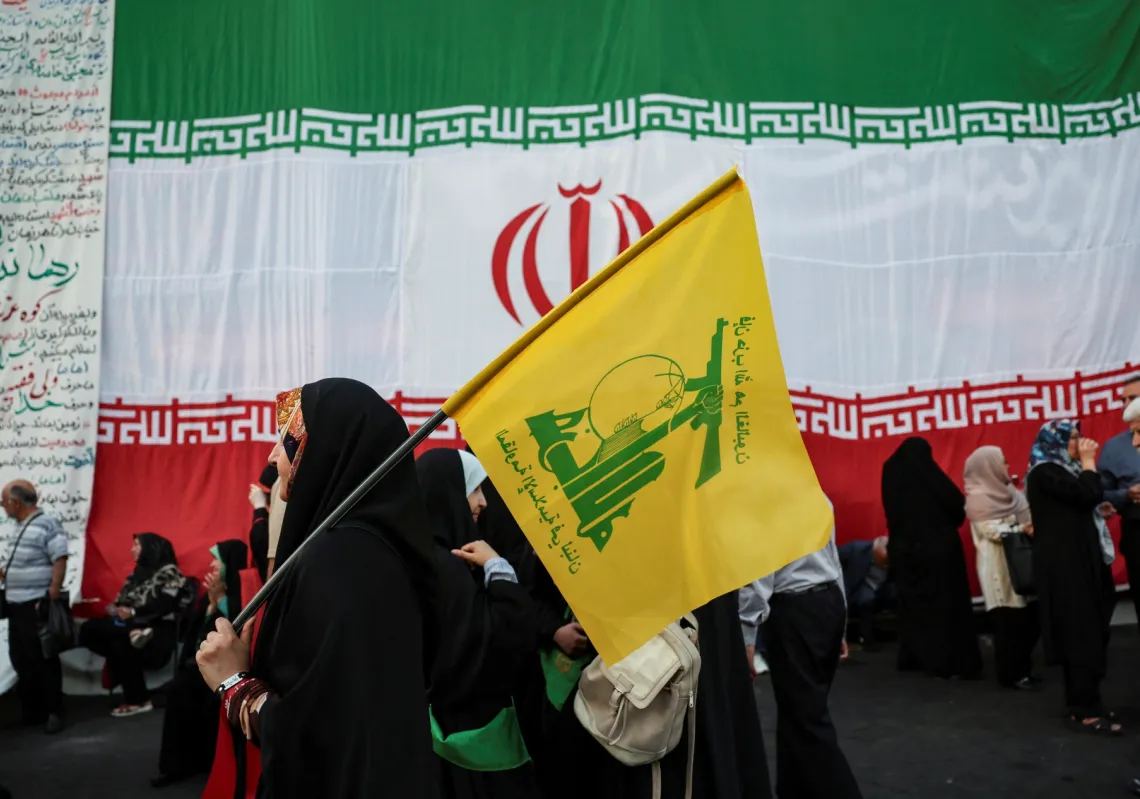
Anyone who follows the relationship between Iran and the Gulf states will notice that Tehran has not relied solely on instruments of hard power. It has also sought to build networks of political, security, and social influence in several Gulf and Arab societies. In Kuwait and Bahrain, security agencies have announced the discovery of cells linked to Iran’s Islamic Revolutionary Guard Corps, or that were sympathetic to it.
This is neither new nor incidental. Iran’s strategy has been to create long-term instruments of influence in Gulf societies. This explains why countries like Kuwait and Bahrain are sensitive to Iranian activity in the region. For these two states, what is happening now is a continuation of an old Iranian project that regards the Gulf as a vital sphere of Iranian influence.
Gulf states, some of which host US bases and/or have normalised relations with Israel, have sought to address these challenges through a hard-and-soft approach towards Iran. Article 2/4 of the UN Charter prohibits the threat or use of force against the territorial integrity or political independence of states, while Article 51 recognises the inherent right of self-defence as an exception, provided that an actual armed attack has occurred and that the principles of necessity and proportionality are observed.
Limits to interpretation
International legal doctrine, however, limits the interpretation of this right, so that it does not extend to targeting other states merely because foreign forces are present on their territory, unless it is proven that those forces were actually used in hostile acts or that the host state was directly involved in military operations.
Accordingly, characterising Gulf states as parties to the conflict because of this military presence remains legally contentious, particularly since they are not direct parties to the war and have affirmed their commitment not to allow their territories to be used for hostile acts.