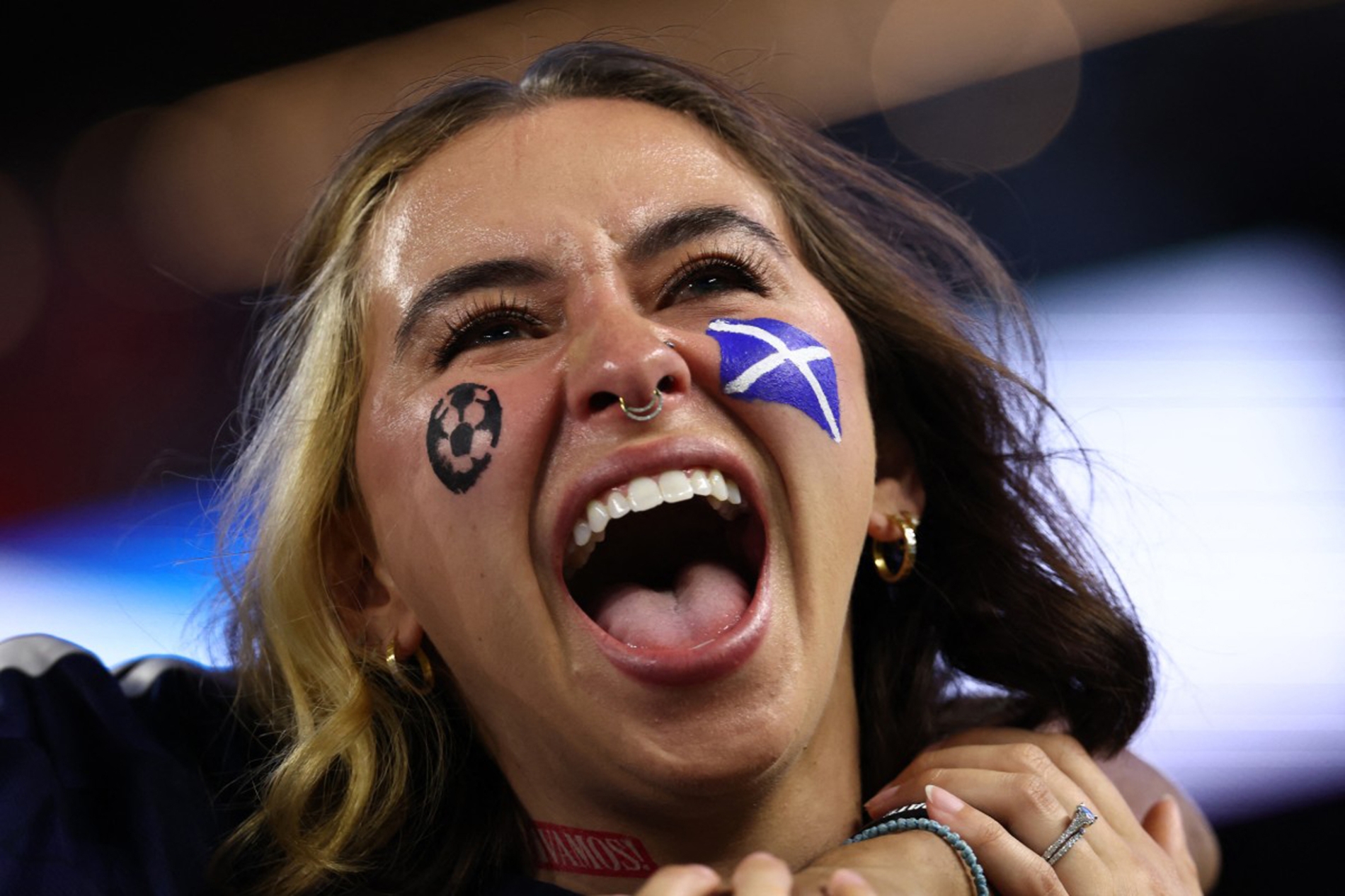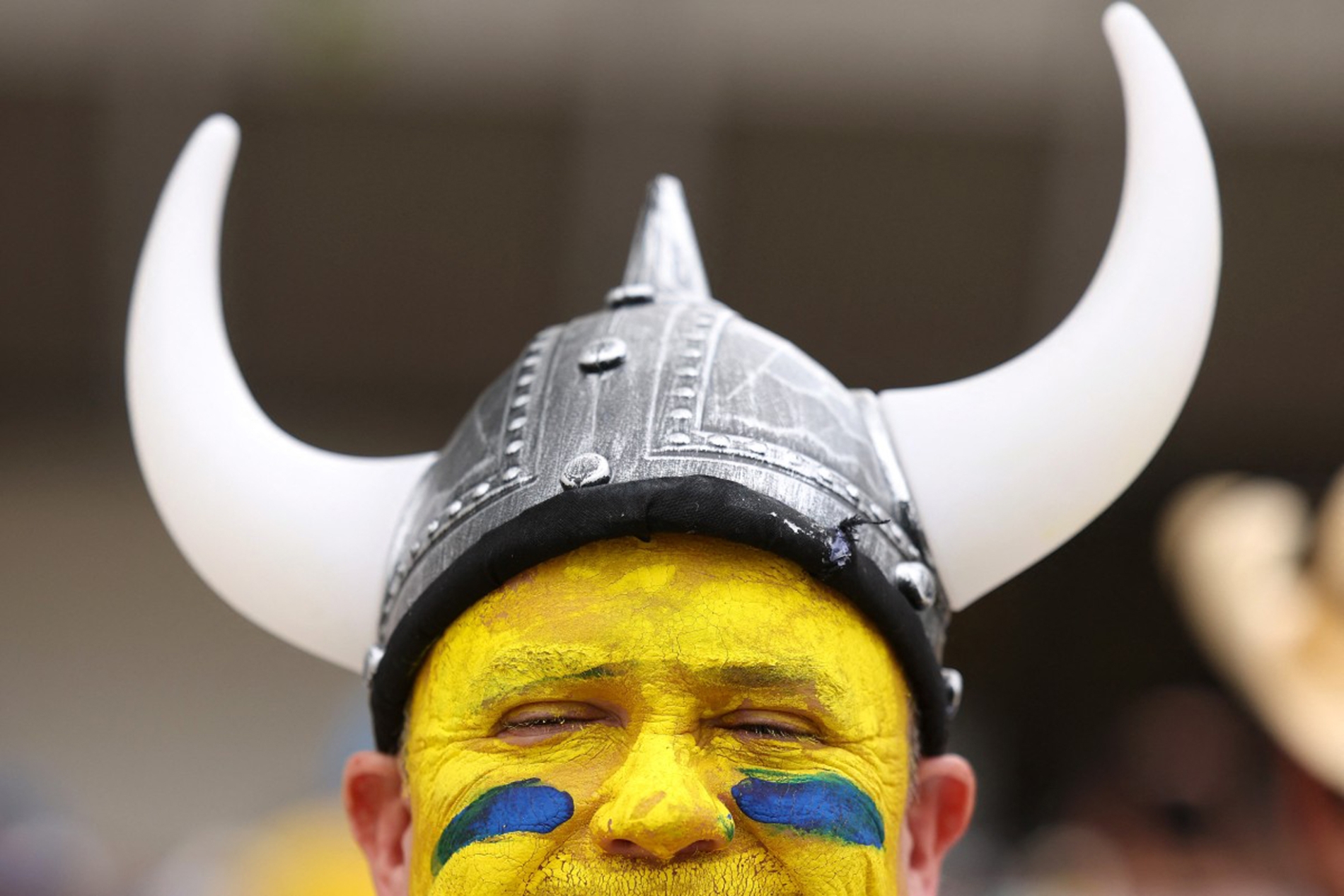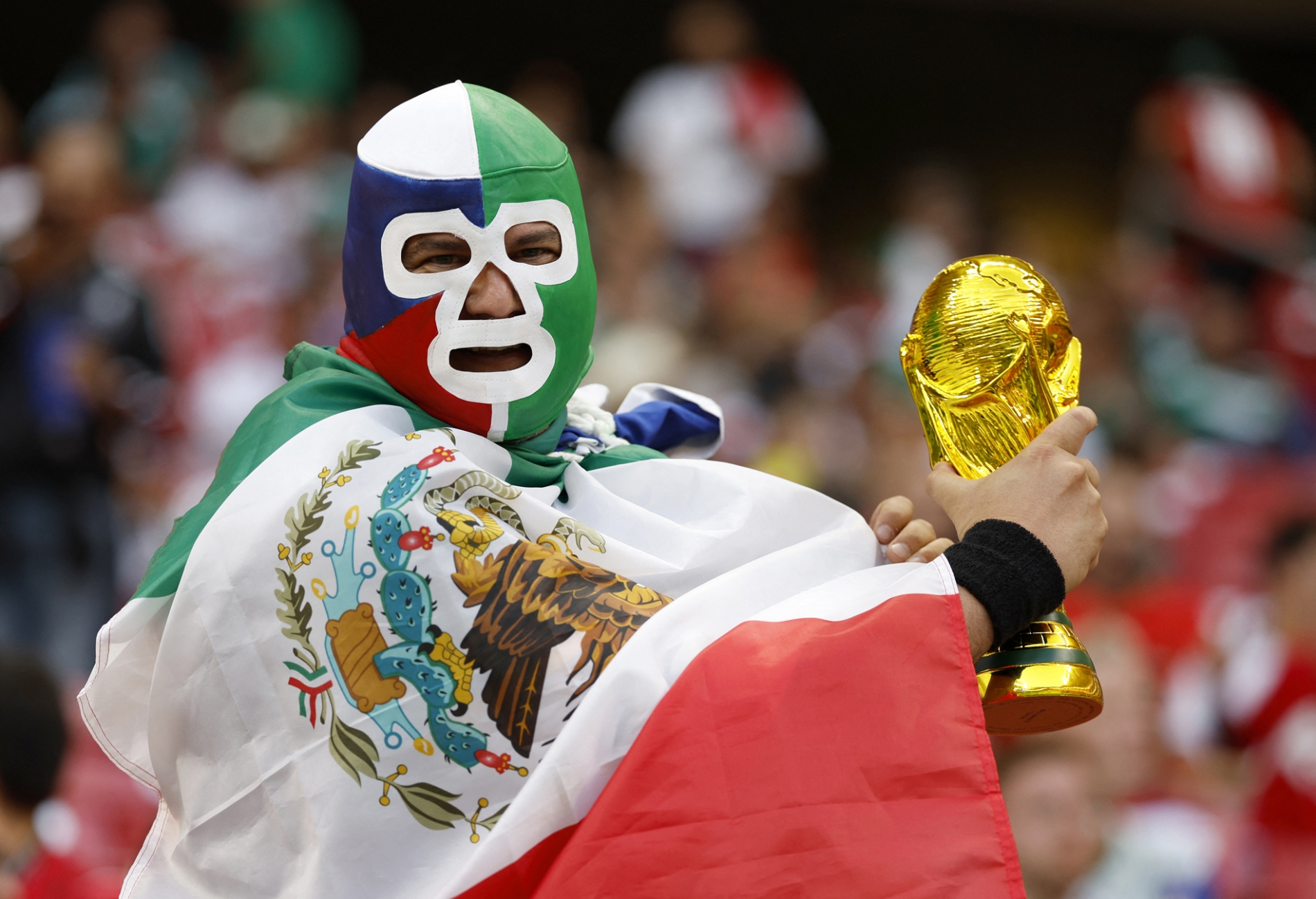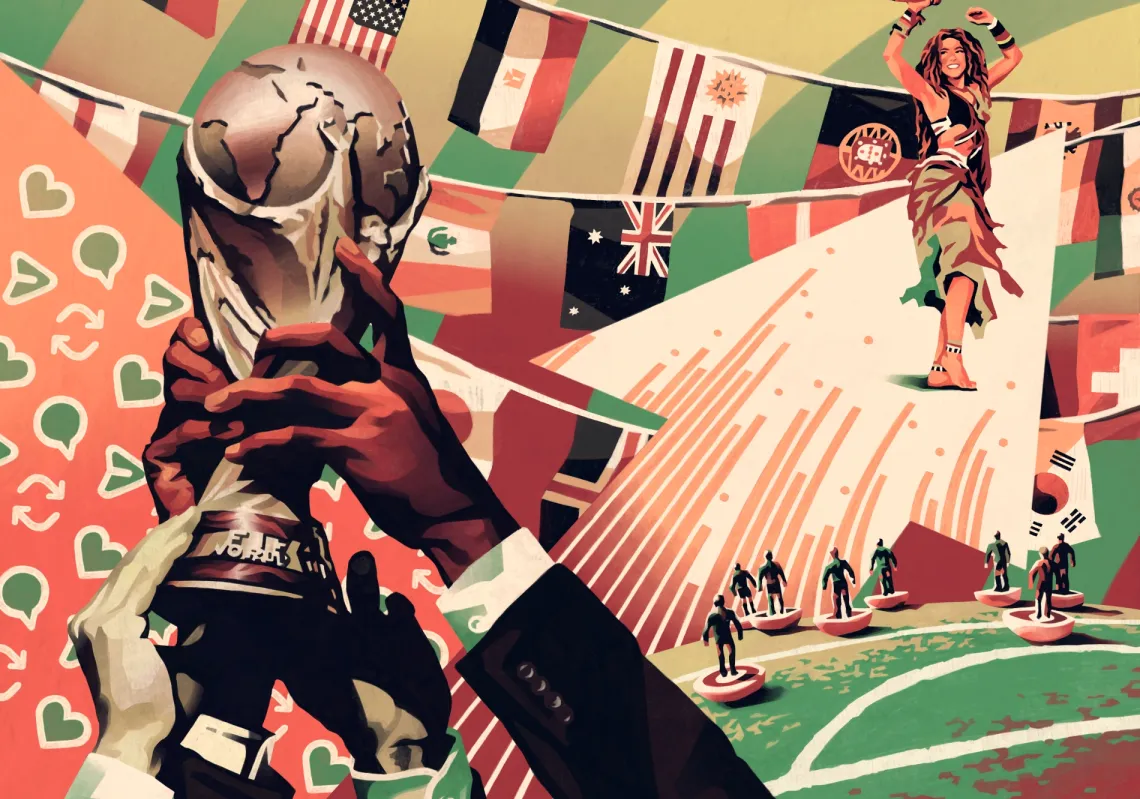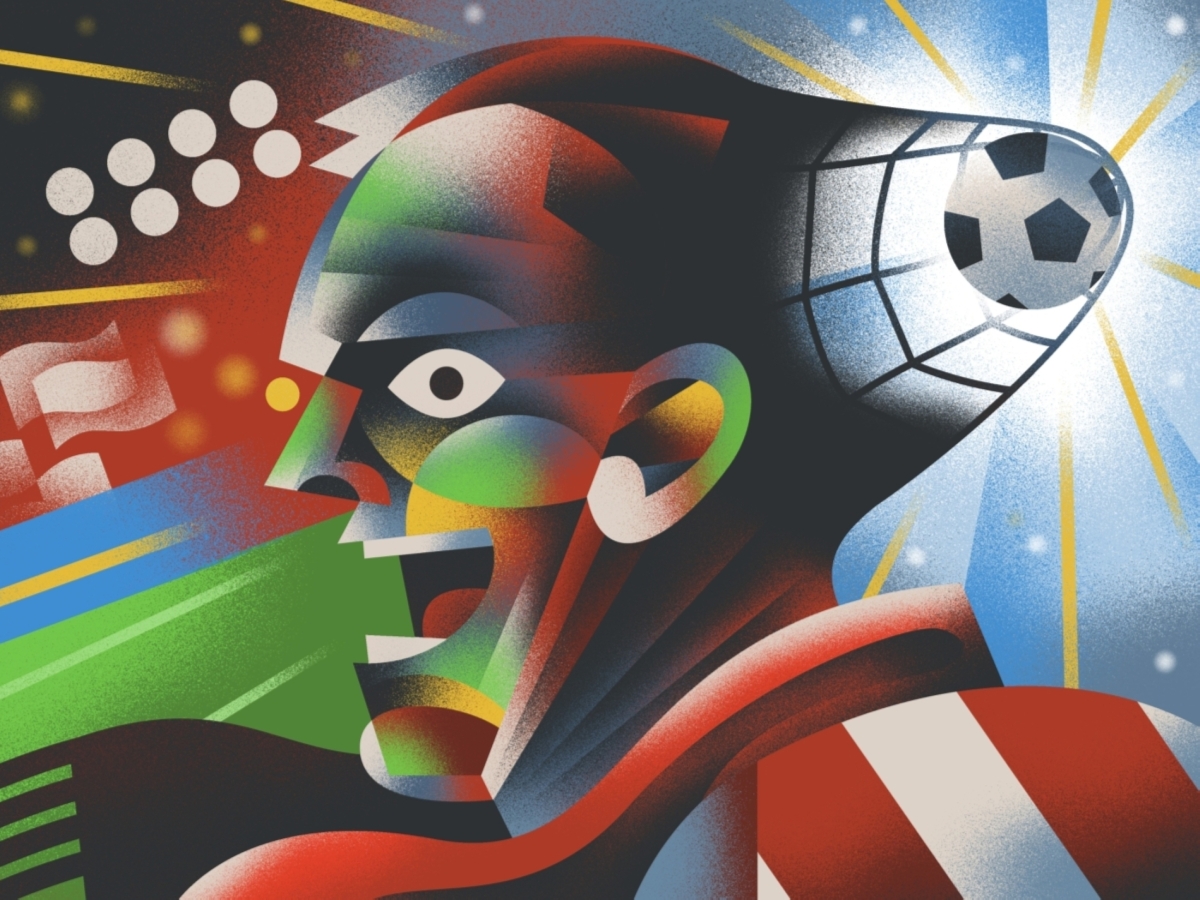

In the first 29 minutes of the World Cup semi-final between Germany and Brazil on 8 July 2014, Germany scored five unanswered goals. The Brazilian crowd, hosting the tournament on home soil, was plunged into a state of collective disbelief. Some were in tears, others frozen in shock. Many just stared, confronted with a national calamity. After 90 minutes, Brazil had suffered a remarkable 7-1 defeat.
Why did millions of Brazil fans—most watching from living rooms or local cafés—experience such profound distress? Scientific research suggests that what unfolded that night was far from unique. Football fans cross continents to follow their teams. In their support, they spend lavishly, whether on the official kit or match tickets. To many, criticism of their team can feel like a personal slight. On the face of it, this can seem puzzling, but science provides compelling explanations.
In the 1970s, social psychologists Henri Tajfel and John Turner developed social identity theory, which explores how group membership shapes thought, behaviour and emotion. According to their framework, individuals understand themselves not only through personal traits but also through the groups to which they belong. The fortunes of those groups can therefore influence one’s sense of self-worth.
The theory begins with social categorisation: people naturally sort themselves into groups. Over time, the group becomes woven into the individual’s identity; its values and norms are adopted, and its failures can feel personally frustrating. This helps explain why fans feel despondent when their team loses. We also compare our group with others, seeking superiority. Such comparison bolsters self-esteem and deepens pride and belonging. Here lie the psychological roots of a fan's bias.
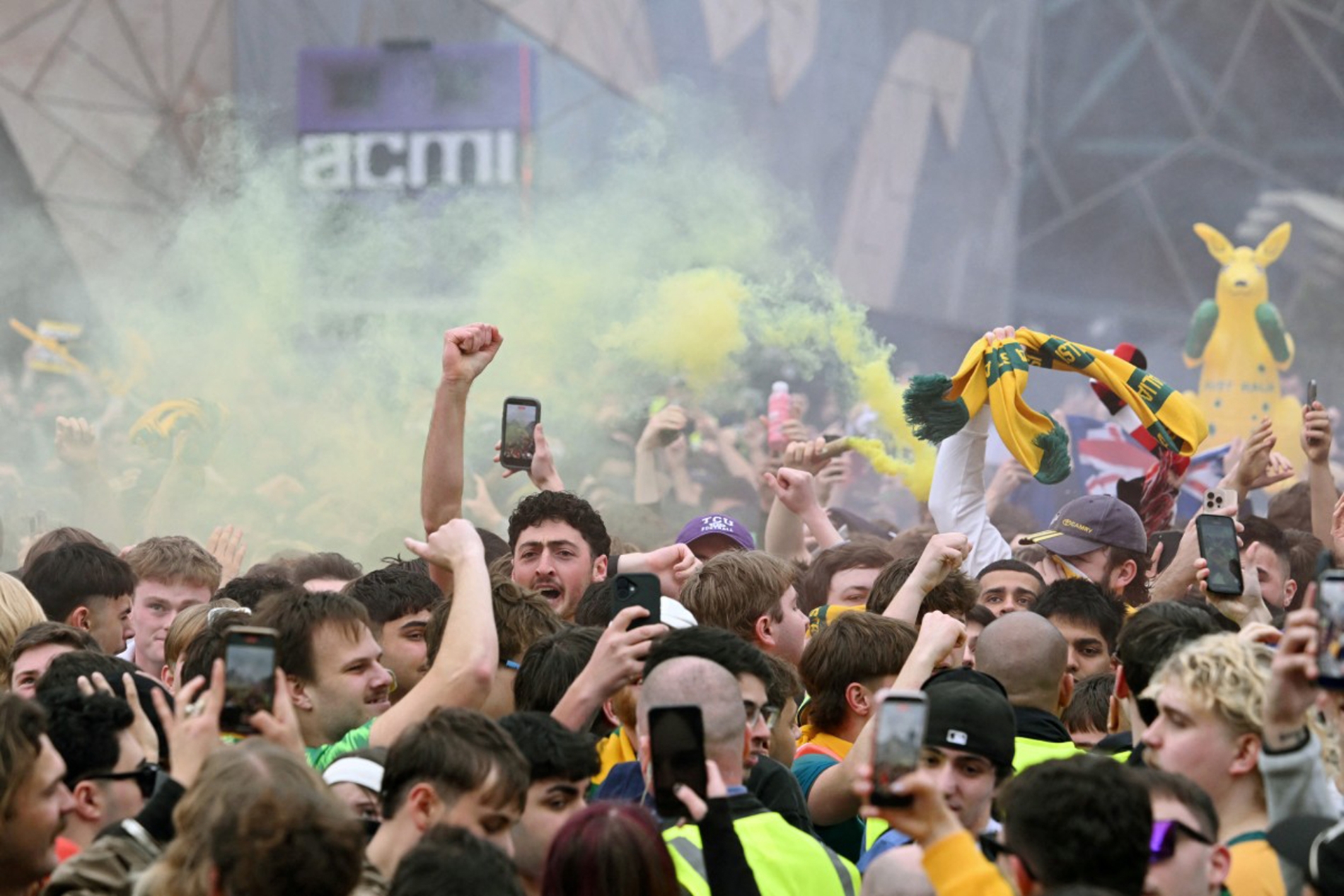
A study published in Frontiers in Psychology in June 2025 found that social identity theory does indeed explain fan bias, the link between victory and heightened self-esteem, and hostility towards rivals. Yet it falls short when confronted with more extreme behaviours: travelling thousands of miles to attend matches, sacrificing time and relationships, defending a team with near-personal ferocity, or incurring debt in the name of loyalty.
To account for these, the study proposed identity fusion theory as a complementary lens. Identity fusion describes a deep overlap—even a merging—between personal identity and group identity. The individual comes to feel that their fate and the group’s fate are one, and that the group is an extension of themself. In such cases, personal and collective identities operate in tandem, making extreme loyalty, sacrifice, and uncompromising positions more likely.