
At a time when Washington is brandishing the sword of trade protectionism, China is moving in the opposite direction, expanding customs exemptions for exports from developing and least developed countries worldwide. Its new tariff waiver, set to run until 30 April 2028, grants full duty-free access to African exports—a move that opens the Chinese market more widely to African goods.
Under the new policy, China will grant full duty-free access through preferential tariffs to 20 developing African countries that are not classified as least developed nations and maintain diplomatic relations with Beijing, according to the Customs Tariff Commission of the State Council.
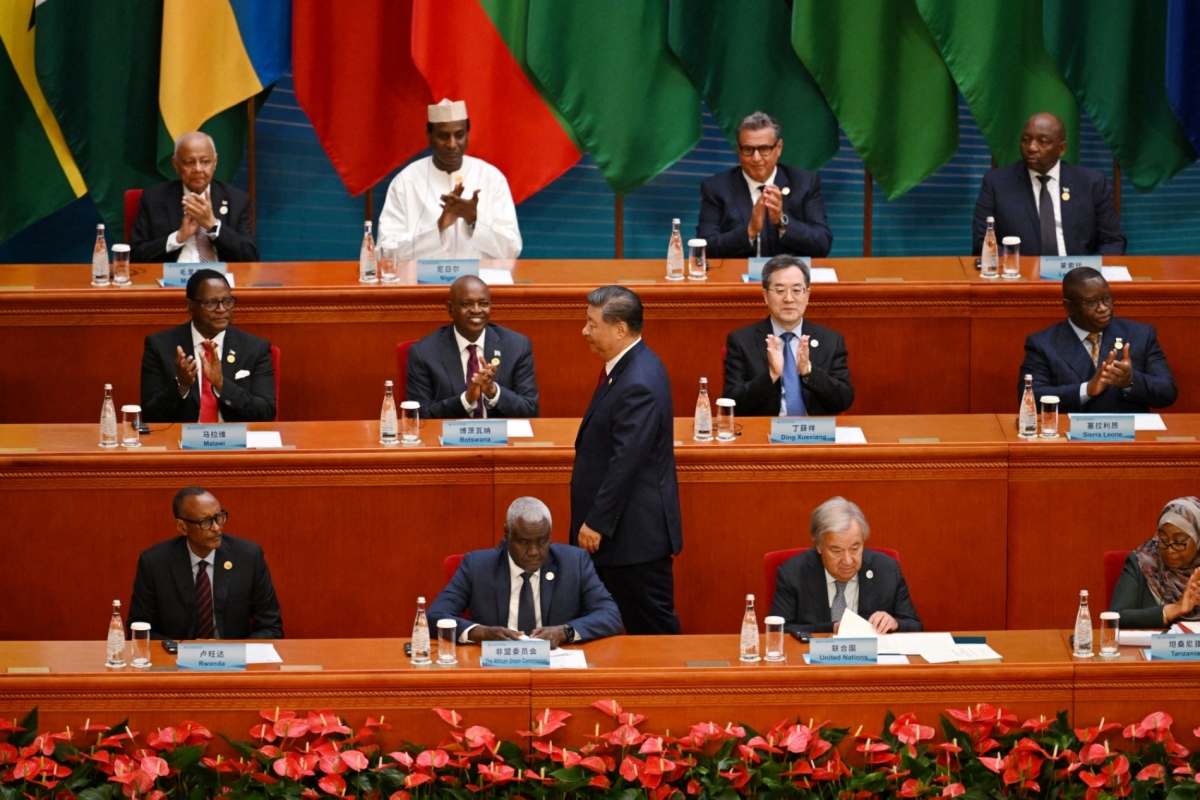
The chairperson of the African Union Commission, Mahamoud Ali Youssouf, welcomed the measure, describing it as arriving “at an extremely opportune moment” for a continent burdened by global crises and exposed to the risks of economic isolation.
Commenting on the measure, Ricky Mukonza, associate professor at Tshwane University of Technology in South Africa, said the policy offers “strong evidence of China’s long-term commitment to Africa’s development”. This contrasts sharply with the spread of unilateral and protectionist tendencies across the world. In the first hours after the agreement took effect, South Africa cleared 24 tonnes of apples into China through Shenzhen customs.
For his part, Boubaker Mostafa, a professor of economics and finance at the University of Bouira, told Al Majalla that it “amounts to a qualitative shift in China’s strategy towards the African continent and falls within what may be described as competitive economic diplomacy”. He reasons that one of Beijing’s key objectives is to strengthen its soft power by countering Western accusations of ‘debt-trap diplomacy’. By abolishing tariffs, China is seeking to recast that narrative and present itself as a fair development partner, one that opens its markets to African products rather than merely extracting the continent’s resources.
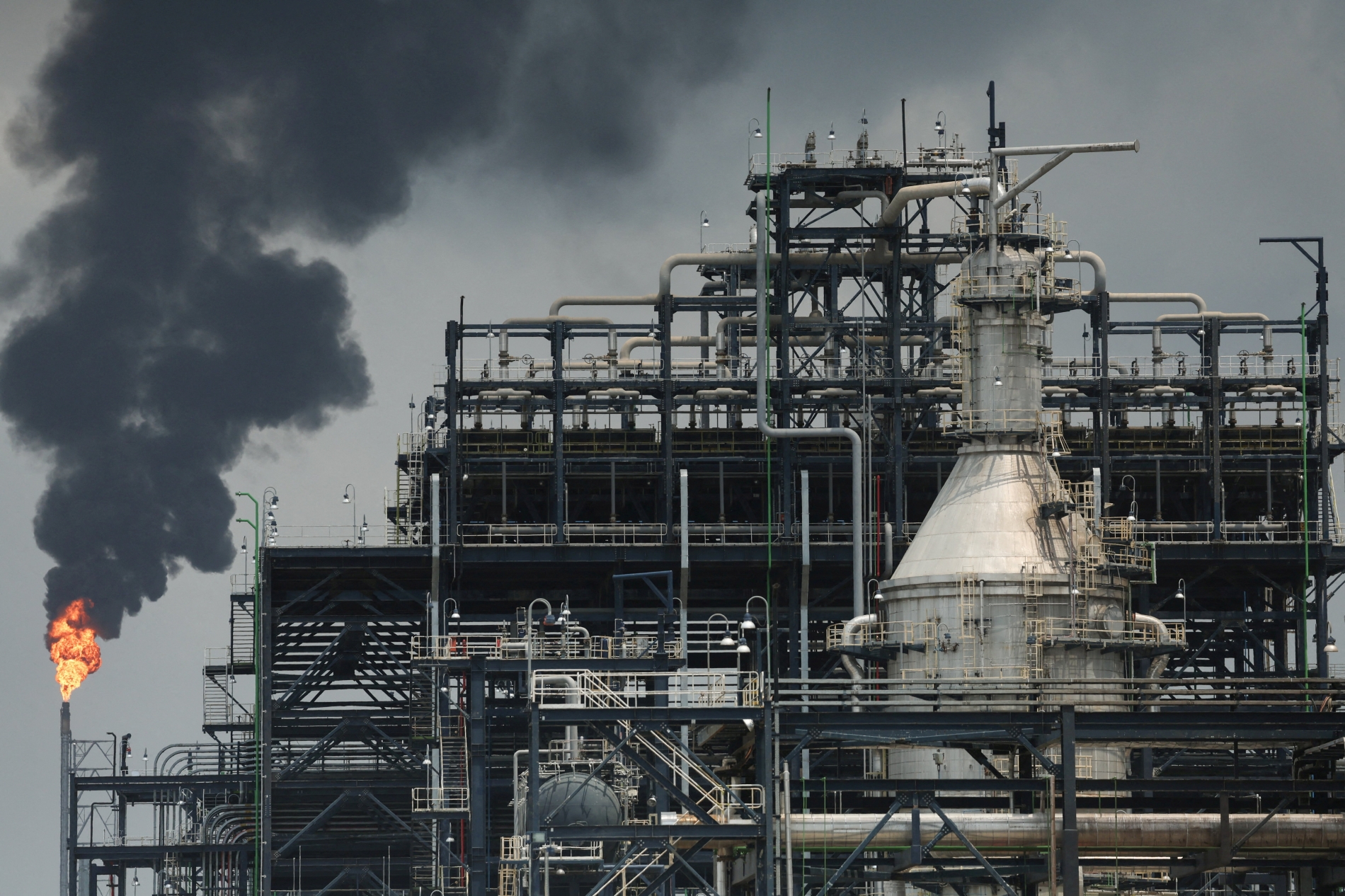
China has a presence in 16 African countries through its major economic arms, including the China National Petroleum Corporation (CNPC), the China National Offshore Oil Corporation, and Sinopec. These companies focus on exploration and extraction, particularly in the Atlantic basin of Nigeria and Angola. Their activities have also expanded into downstream infrastructure. For example, Chad’s main oil refinery, the Djarama refinery near the capital N’Djamena, is one example. It was built through a partnership with China and is operated by CNPC. The refinery processes around 8,000 barrels per day. This presence forms part of China’s wider and deeply entrenched role in Africa’s oil sector.
Wider strategy
Mostafa cites creating “strategic depth” in the face of Western sanctions as another Chinese objective. Amid escalating trade tensions with the US and Europe, Beijing is seeking to build an allied economic bloc. Africa—one of the world’s fastest-growing consumer markets—is therefore a strategic prize for the major economic powers.
The decision will also have a marked impact on supply chains. China’s ambitions extend well beyond the import of raw materials. For years, it has been relocating parts of its industrial base to the African continent. Zero tariffs, in Mostafa’s view, will incentivise Chinese businesses already established in Africa to export their products to Beijing, gradually turning the continent into a “manufacturing base” that serves the Chinese economy.
Trade relations between China and Africa have grown steadily, with China now the continent’s largest trading partner. According to China’s General Administration of Customs, bilateral trade reached $348bn in 2025, while China’s imports from Africa rose to $123bn, a year-on-year increase of 5.4%. In the first quarter of this year, bilateral trade rose by 23.7% compared with the same period last year, while China’s imports from Africa increased by 14.6%.
Khaither Chenine, director of the Institute of Economic, Commercial and Management Sciences at the University Centre of Illizi, links the decision to open the Chinese market to duty-free African exports to the Belt and Road Initiative.
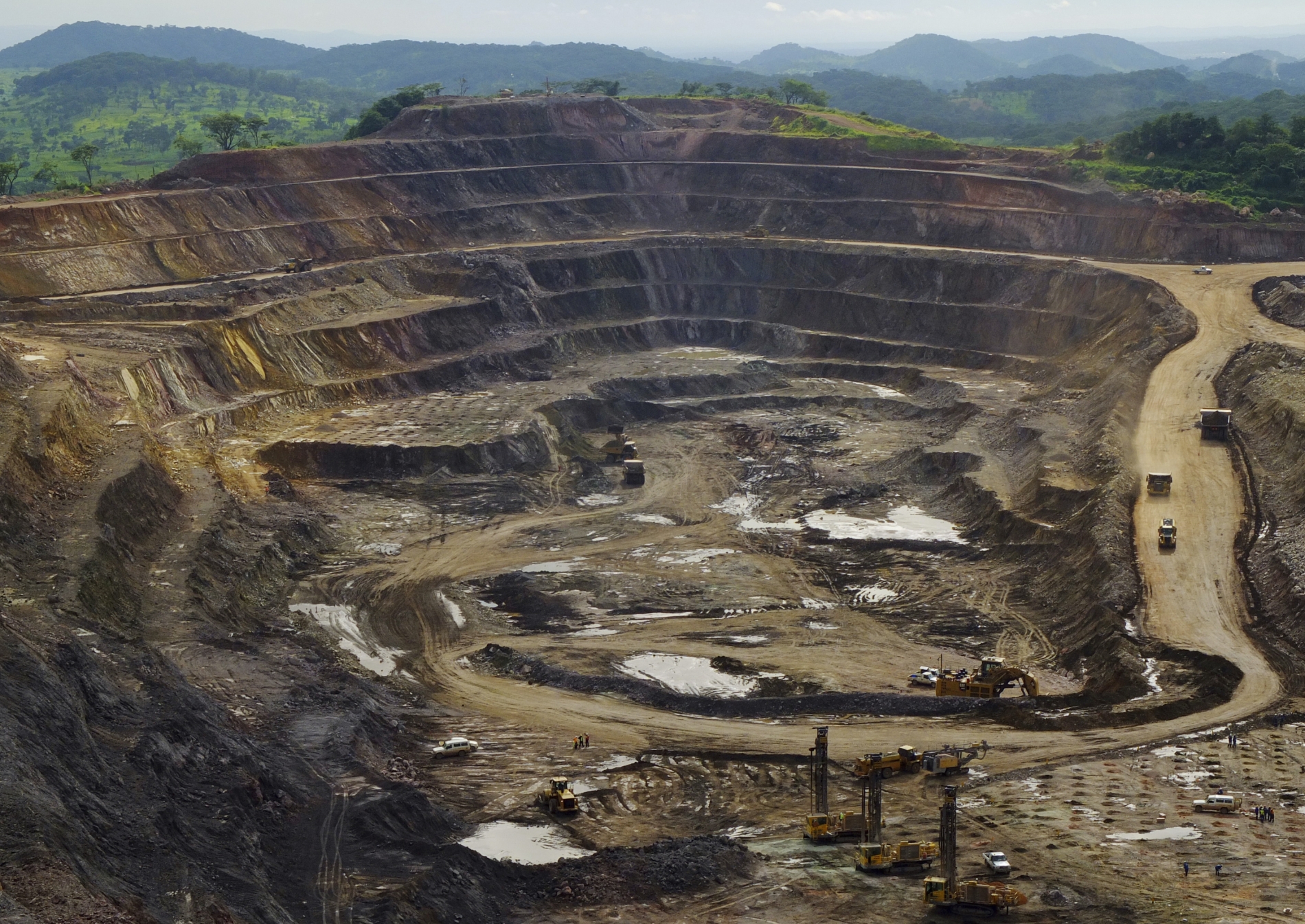
“China needs to secure new markets for its products and investments,” said Chenine. “It also needs to guarantee a stable flow of raw materials and strategic minerals on which the industries of the future depend, especially rare minerals linked to the digital and energy transitions. Facilitating the entry of African products into the Chinese market is therefore intended to create a reciprocal relationship that binds African states more closely to the Chinese economy over the long term.” For this reason, Chenine believes the decision is, at its core, political.
Mutual gains
The ‘zero tariffs’ policy is expected to deliver significant mutual gains. China’s Ministry of Commerce said the measure would reduce the cost of African products entering the Chinese market, making them more competitive and that the duty-free policy would help diversify African exports, increase their added value, and improve the structure of trade.
Farmers and micro, small, and medium-sized enterprises would be among the beneficiaries, while the measure could also boost job creation and living standards. The decision may also help reduce the trade deficit many African countries face in their commercial relations with China, provided it leads to an increase in higher-value-added exports. That deficit stems largely from an imbalance in the structure of bilateral trade. African exports remain heavily concentrated in raw materials, while Chinese exports are dominated by manufactured goods, machinery, and equipment. This reflects China’s long-term strategy of securing natural resources while exporting industrial products.