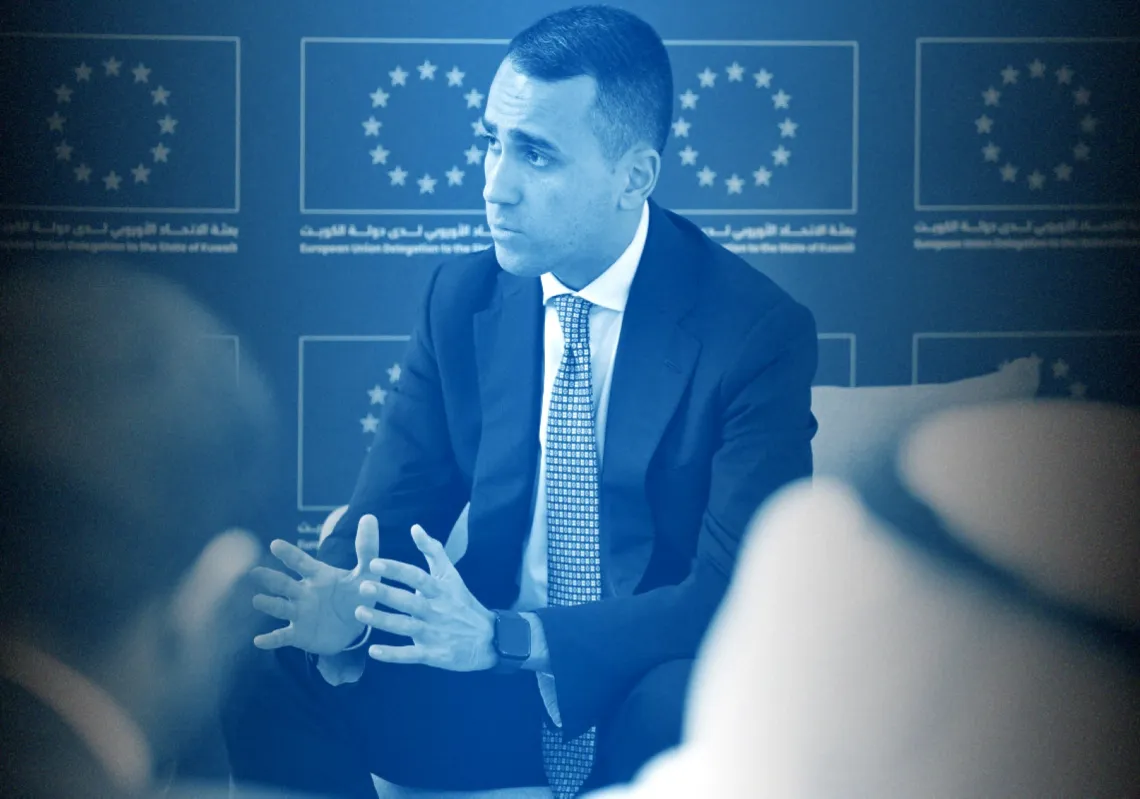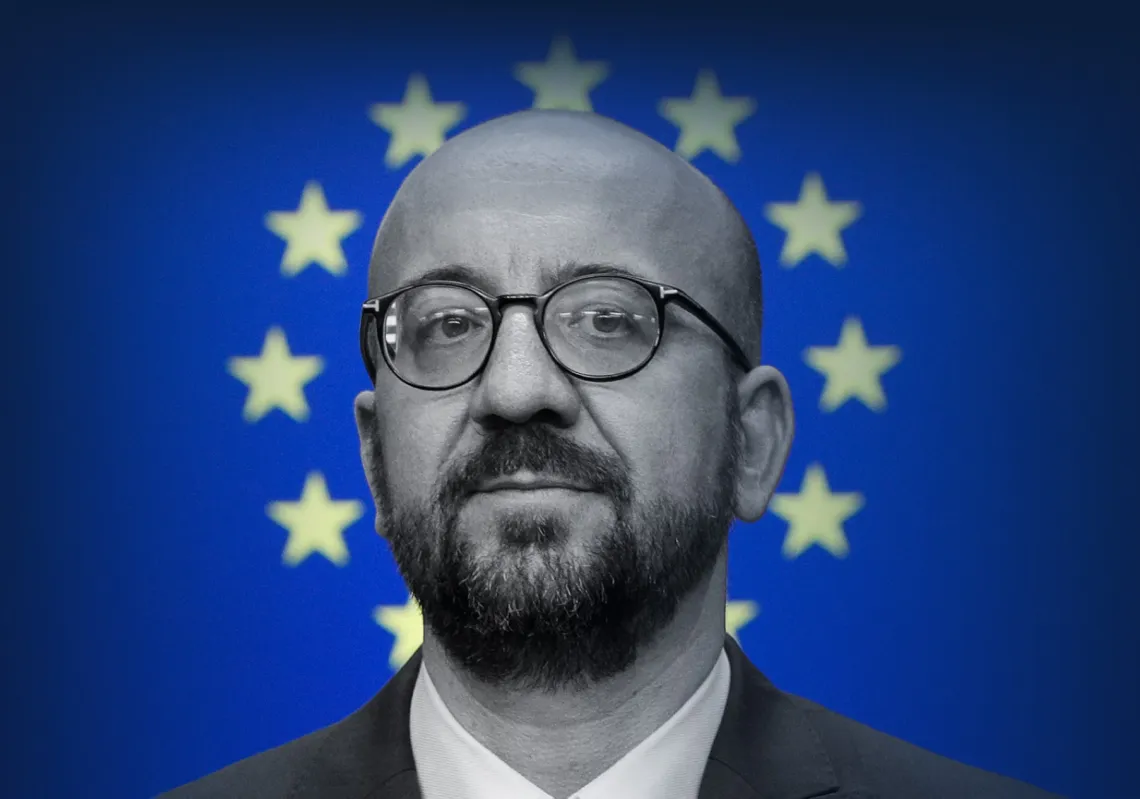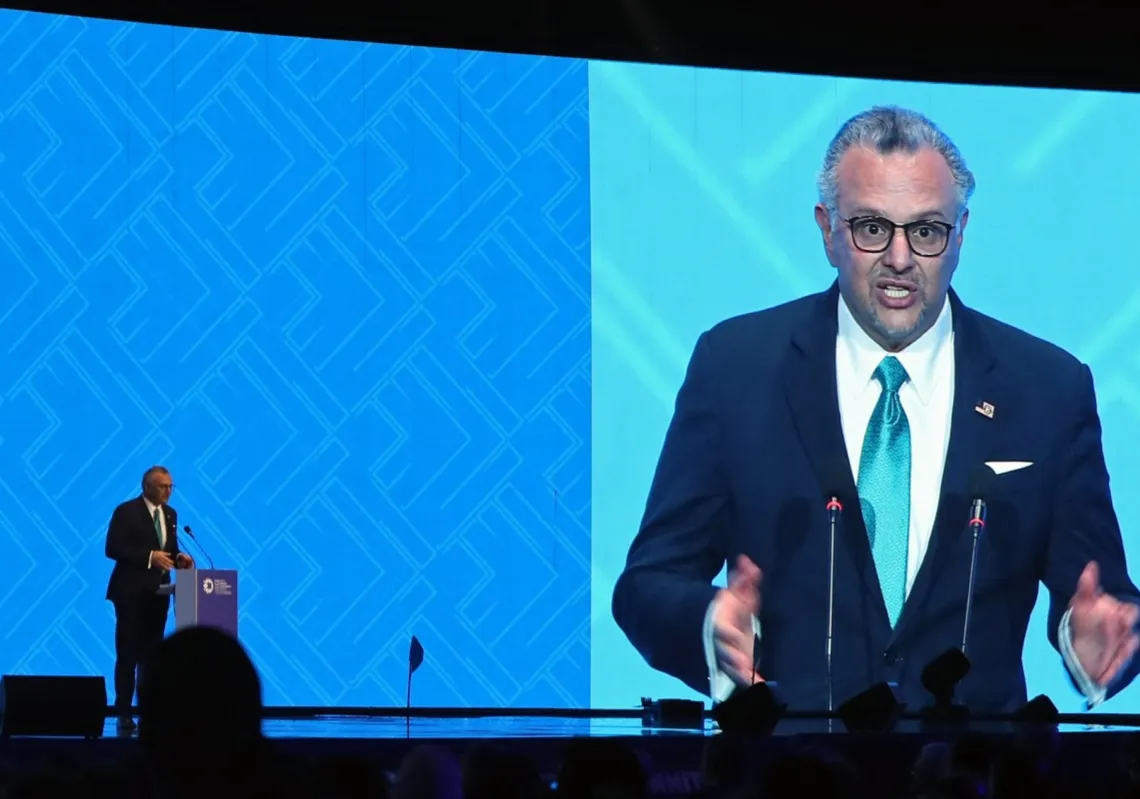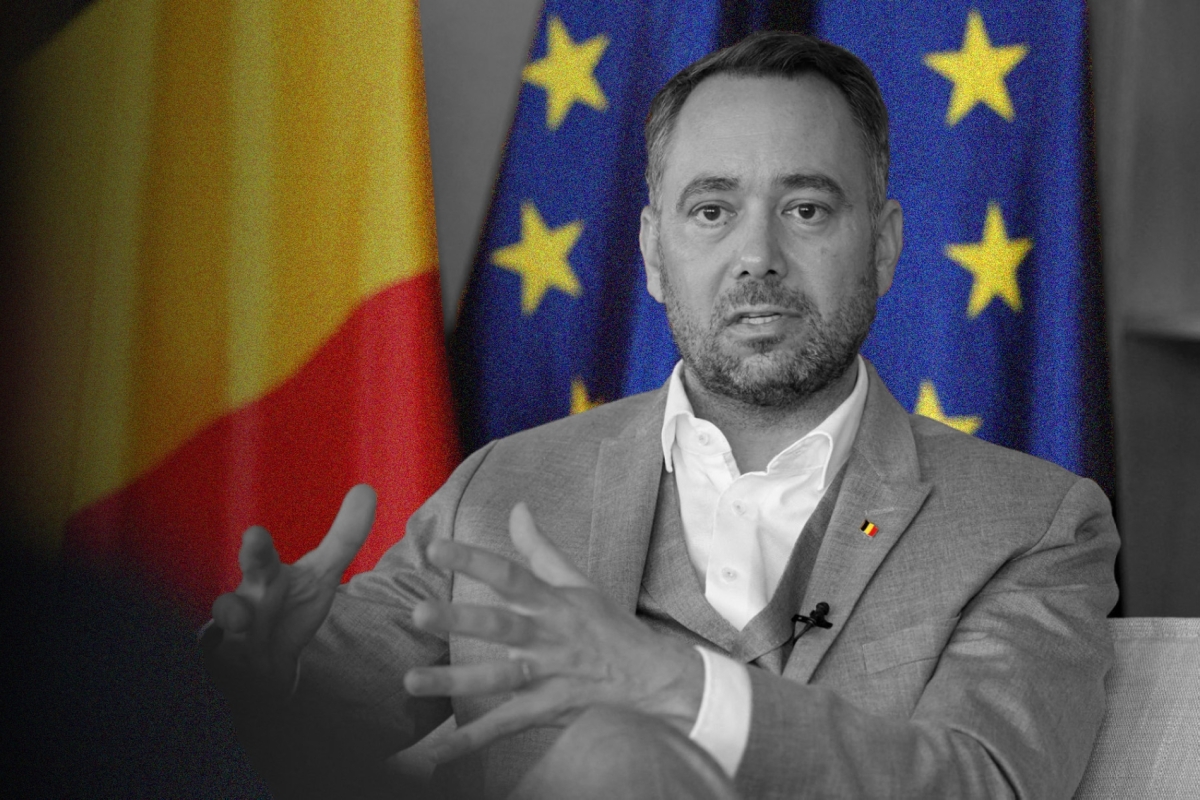

Belgian Deputy Prime Minister and Minister of Foreign Affairs Maxime Prévot speaks to Al Majalla at a delicate diplomatic moment for his country. In November, he will take part in one of the largest Belgian economic missions to Saudi Arabia in over a decade, led personally by Queen Mathilde, at a time when European governments are scrambling to reassert their relevance in a Gulf region reshaped by war, mediation, and shifting alliances.
Prévot views the US-Israeli strikes on Iran as a violation of international law, but also says he understands why they felt it was necessary to strike, citing Iran's refusal to end its ballistic missiles and nuclear programmes. He also offers a rare admission from a sitting European foreign minister that the EU was largely absent from the diplomatic and military architecture of the Iran-Israel war, conceding that Brussels remains, in his words, "a payer" rather than "a player" on the world stage.
He is pressed—and pushes back—on the precise legal status of Belgium's recognition of Palestine and candidly addresses Europe's growing anxiety over its dependence on American security guarantees, as France's proposed nuclear umbrella enters serious discussion in EU capitals.
During the discussion, Prévot alternates between the language of partnership and the language of reckoning—both with the Gulf, and with Europe's own limitations.
This is the discussion, edited for clarity and conciseness.
How would you characterise the current state of bilateral ties between Saudi Arabia and Belgium? And what do you see as the most underdeveloped areas of partnership between both sides?
I think that we have strong ties, full of respect. I remember that a couple of weeks ago, Saudi Arabia was hit with missile attacks from Iran. King Philip called Crown Prince Mohammed bin Salman to express our deep solidarity. There have been good connections between the two royal families for a long time. And it started in 1967, if I remember correctly, with King Faisal's visit to Belgium.
So we have a longstanding partnership, and it reflects, of course, in the trade sector. When I look at the figures, it seems that in recent years the trade volume and exports from Belgium to Saudi Arabia have increased. So that's a good thing.
But the last time we organised a mission in Saudi Arabia was 12 years ago, which was too long ago. It is time now to come back with a very large and important economic mission that will be led by Her Majesty the Queen of the Belgians, in order to strengthen our contacts, but also to increase the number of contracts, because we are facing the same kind of challenges in terms of energy.
Belgium is really impressed by Saudi Vision 2030. The ambition of the plan is among the highest in the world, and I think that Belgium can offer solutions to the various challenges Saudi Arabia faces. We have a lot of expertise to offer, especially regarding Riyadh's digital technology and its push toward a green transition away from oil revenues.