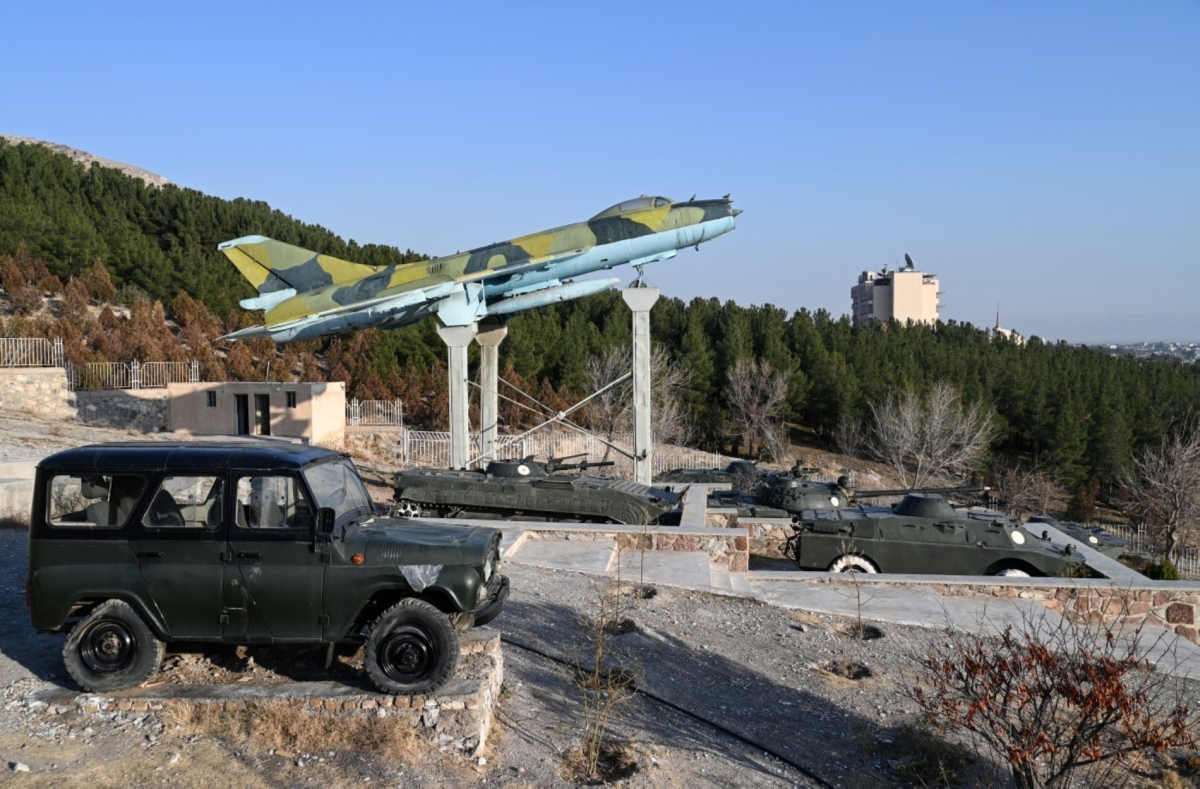

In February 1989, when the Soviet army’s last soldier crossed the Friendship Bridge over the Amu Darya River back into Soviet Uzbekistan, no one expected to see the Russians back in Afghanistan within living memory. The fall of the Soviet Union was attributed by some to the Soviets’ disastrous decision to wage an ultimately fruitless war in Afghanistan. It led outlets such as The Wall Street Journal to proclaim the fighter Ahmad Shah Massoud as “the Afghan who won the Cold War”.
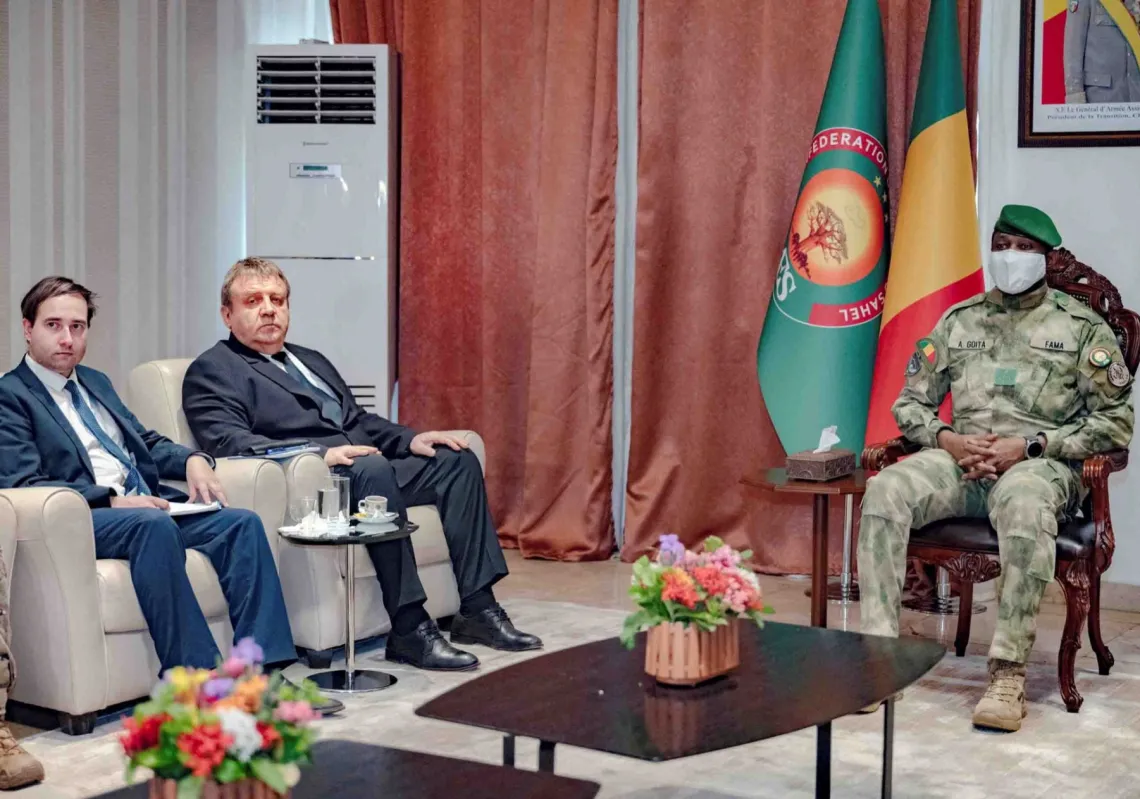
For Russians such as President Vladimir Putin, who was then a young KGB agent, Afghanistan was the ultimate humiliation. Now, with Russia fighting a war in Ukraine and the rest of the world distracted by events in Gaza and the Gulf, the Russian military has quietly returned to Afghanistan, signing a new defence pact with the ruling Taliban to train and equip Kabul’s forces. Indeed, Moscow stands alone in officially recognising the Taliban as the legitimate government of Afghanistan.
Some analysts now wonder whether Russia is trying to revive its old 18th-century obsession of using Afghanistan to influence Eurasian affairs. From Peter Hopkirk’s The Great Game to Rudyard Kipling’s Kim, British colonial literature is full of the British Empire’s fight against the Russian Empire in Afghanistan, when India was the jewel in the British Crown that the Russians sought. From 1853-56, the British, Ottomans, and French fought the Russians in Crimea, in occupied Ukraine.
Being forced out
A keen student of history, Putin will doubtless have considered Russia’s history in Afghanistan. Perhaps Moscow’s return after 37 years comes with a new strategy to distract the Western powers. For now, the Americans and British seem uninterested, although US President Donald Trump is known to be keen on the Soviet-built Bagram Airbase near Kabul, which the Americans modernised and used until August 2021. Trump has said he wants it back, to use against China if necessary.
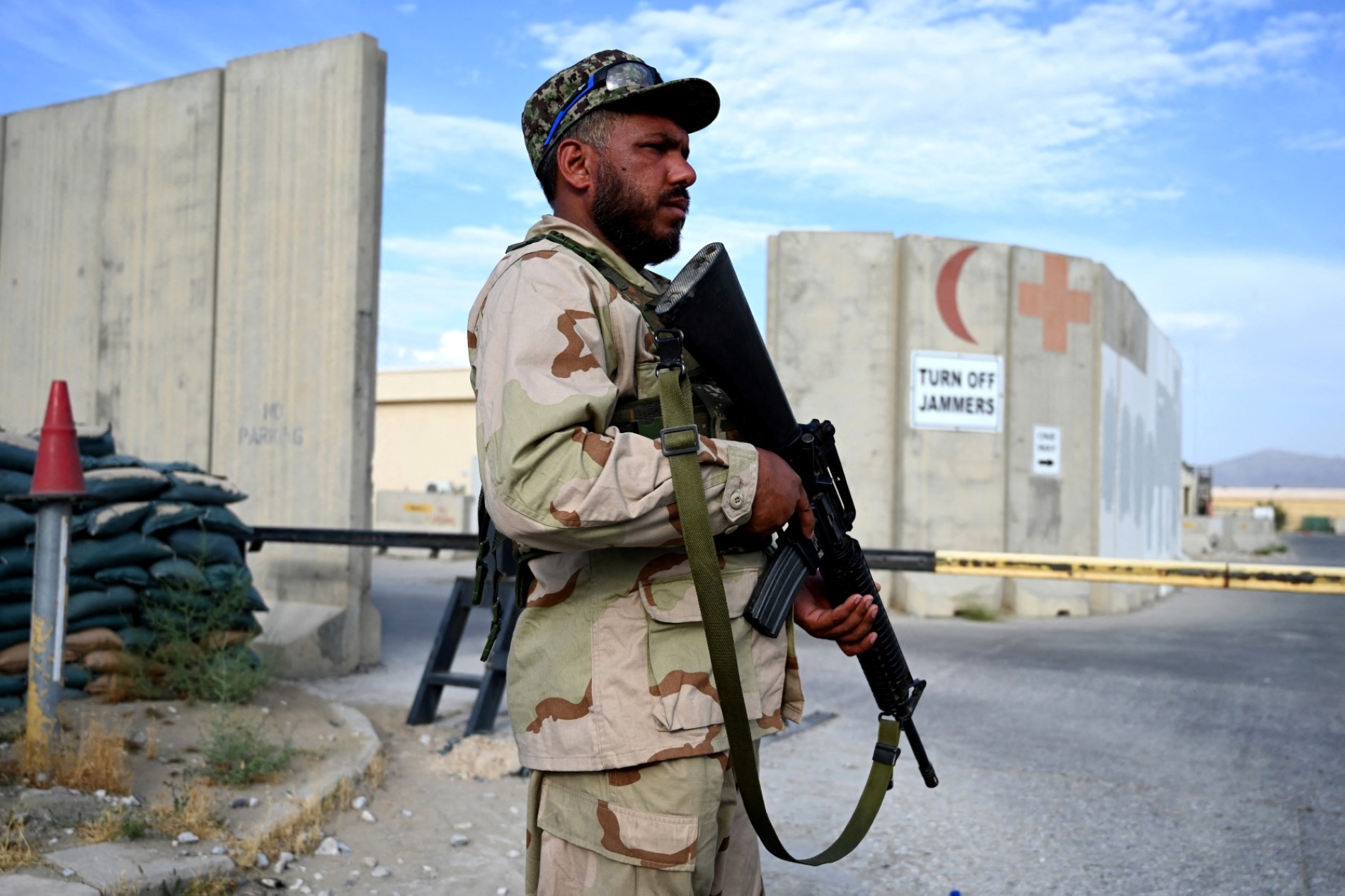
Just as the Soviets were forced out of Afghanistan in 1989, the Americans were forced out in 2021, and Trump is surrounded by military officials who feel this loss in the same way that officers such as Putin felt the shame of the Soviet withdrawal. For two of America’s top geopolitical strategists of the 20th century, Henry Kissinger and Zbigniew Brzeziński, it comes down to geography and Afghanistan’s position in relation to Russia and China. For them, US control over Afghanistan was essential to influencing what they called ‘the Eurasian chessboard’ of Central Asia.
British military thinkers in the 19th century, such as Halford Mackinder and Thomas Holdrich, thought similarly, designing the Afghan map to keep the Russian Empire away from the British Empire. Fast forward 200 years and the same themes were at play in the Cold War, immortalised in the popular imagination by the 2007 film Charlie Wilson's War starring Tom Hanks and Julia Roberts, in which an American politician quietly works with the CIA to fund and equip the Afghans fighting the Soviets. Decorated CIA officer Milt Bearden, who was a consultant on the film, has issued warnings from history about the importance of not ignoring Afghanistan.