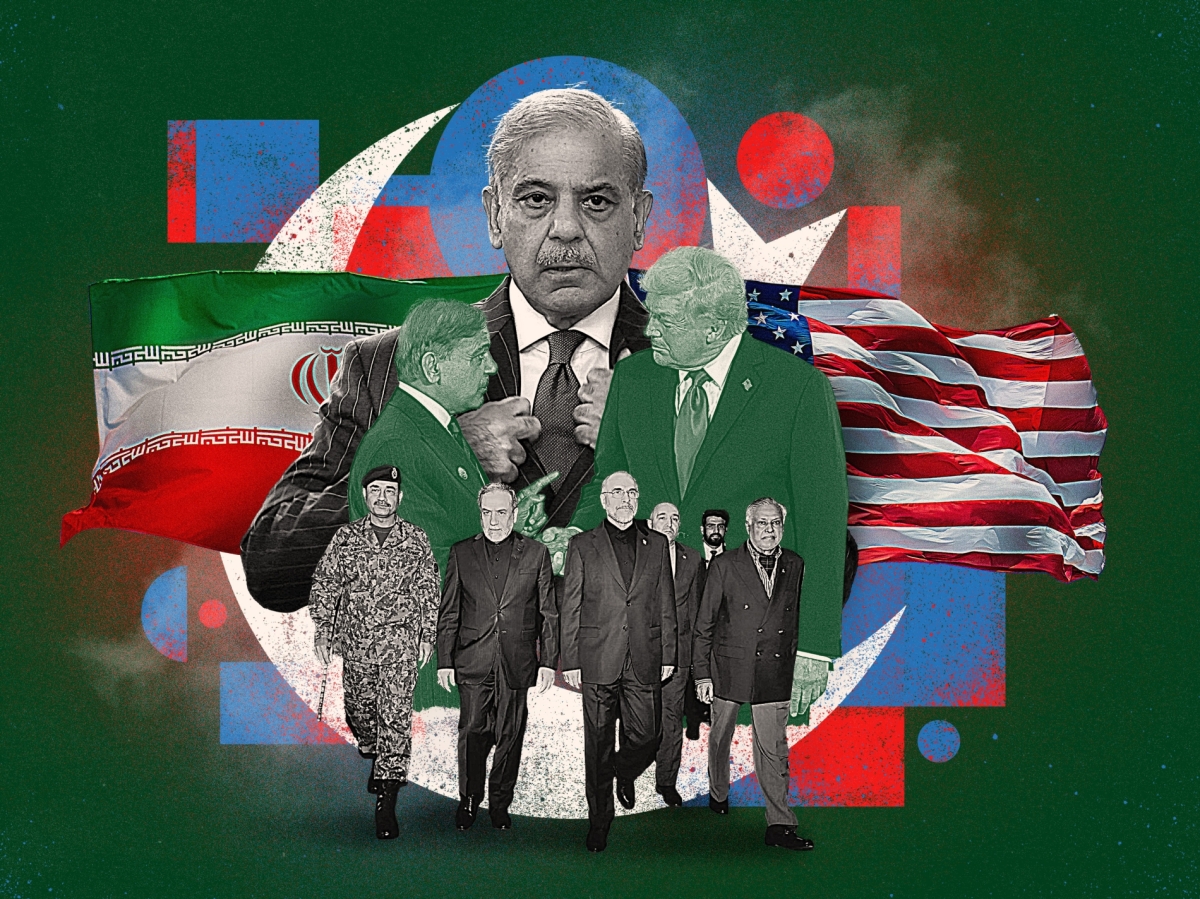
How Pakistan quietly brokered the historic US-Iran deal
Islamabad kept both sides talking even as missiles were being launched. That tenacity looks to have paid dividends in a way that could yet reshape the Middle East’s power dynamics.
Al Majalla
How Pakistan quietly brokered the historic US-Iran deal
With the quiet force of history turning a page, Pakistan’s Prime Minister Shehbaz Sharif declared that the United States and Iran—adversaries locked in decades of hostility—had reached an agreement that promises not just a cessation of hostilities but a redefinition of the strategic landscape of the Middle East.
Within hours, confirmation followed from Washington, with President Donald Trump signalling that a formal unveiling could come soon. “The deal with Iran is now complete. Congratulations to all,” he said, before announcing the reopening of the Strait of Hormuz and the lifting of a United States naval blockade. “Ships of the world, start your engines. Let the oil flow,” he added, buoying the markets.
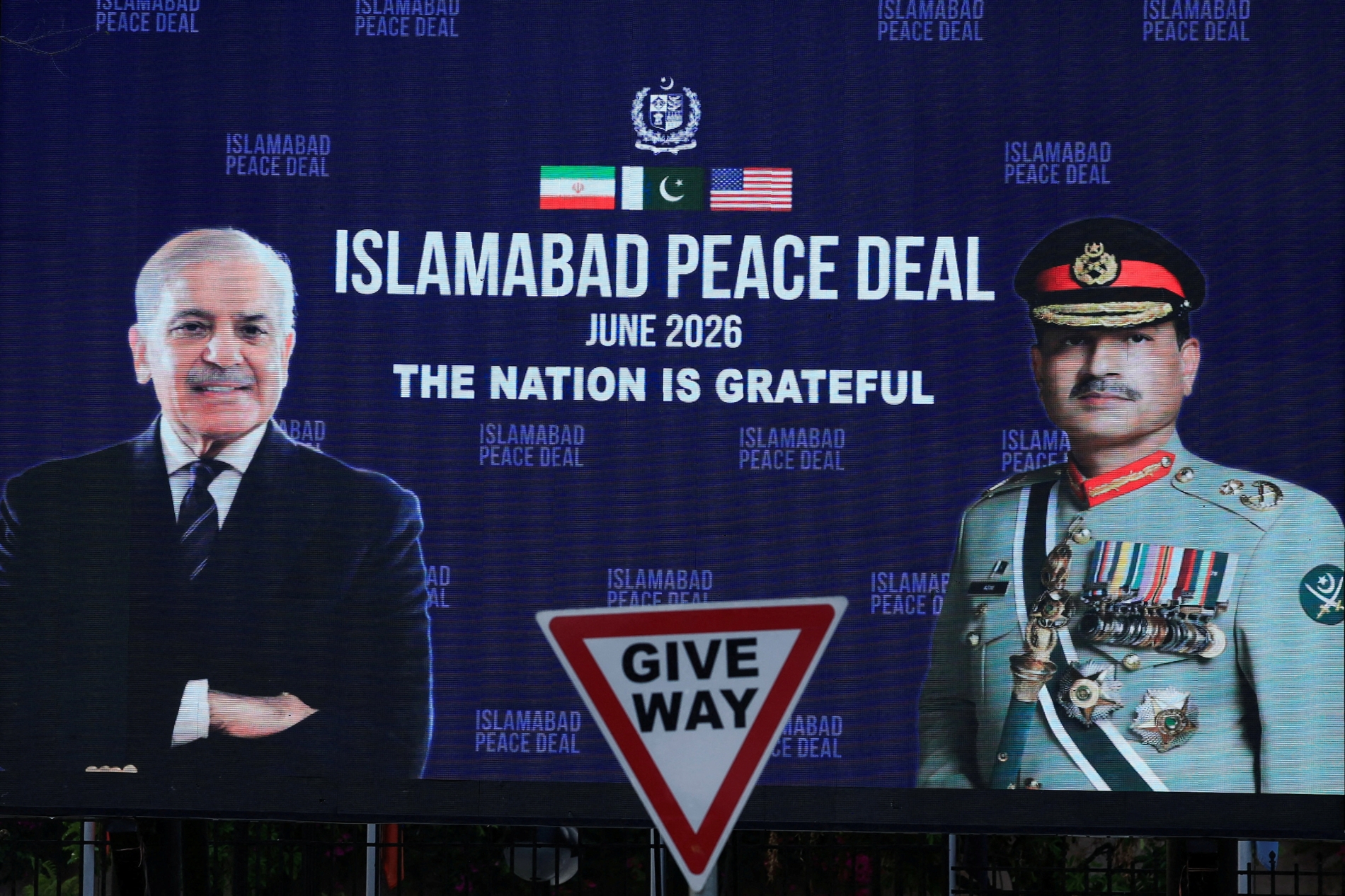
Sharif was more measured. “Following intensive talks, we are pleased to announce that the Peace Deal between the United States of America and the Islamic Republic of Iran has been reached,” he said, adding that the agreement commits both sides to the “immediate and permanent termination of military operations on all fronts, including in Lebanon”. This effectively freezes a sprawling network of confrontations that have shaped regional geopolitics for years.
The formal signing is scheduled for 19 June in Switzerland, a neutral stage befitting the magnitude of the accord. In the days leading up to it, negotiators are expected to finalise technical frameworks, implementation mechanisms, and verification protocols—details that will determine whether this breakthrough becomes a durable peace or another fragile pause in a long history of mistrust.
Behind the dramatic rhetoric from Trump lies a diplomatic process that unfolded largely out of public view, shaped by a network of mediators.
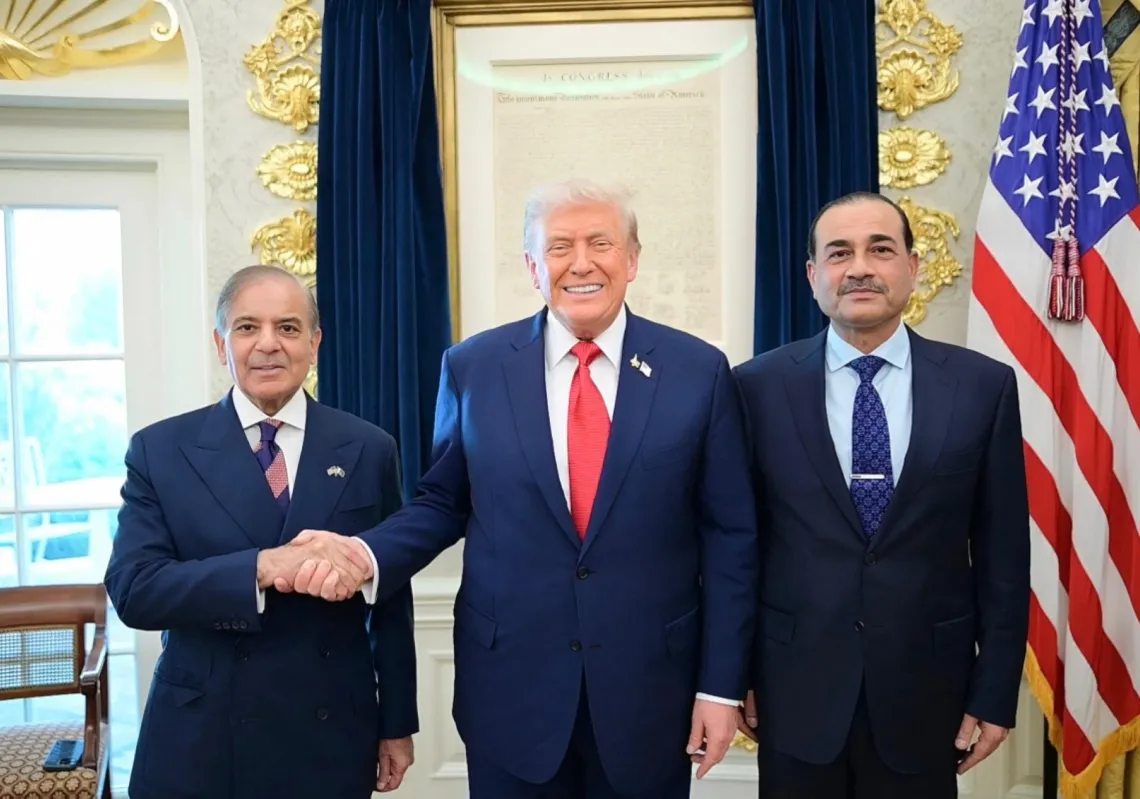
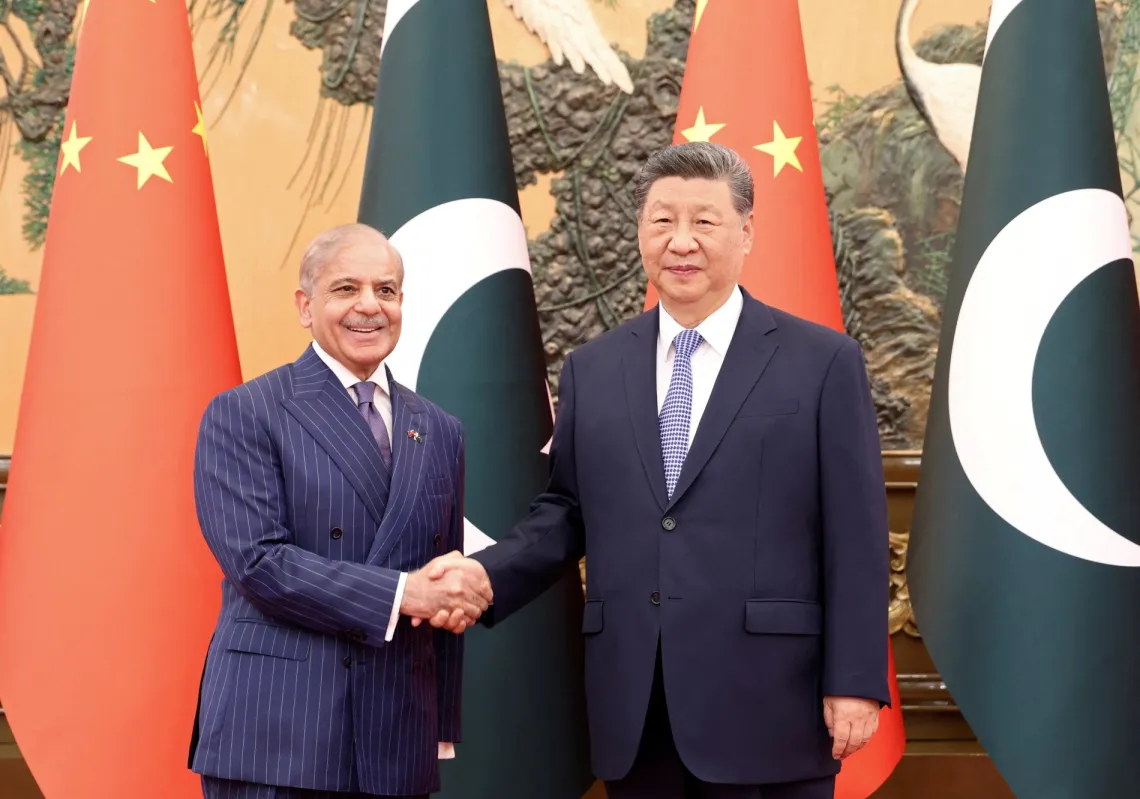
Behind the dramatic rhetoric from Trump lies a diplomatic process that unfolded largely out of public view, shaped not only by Washington and Tehran but also by a network of mediators. At the centre of that effort has been Pakistan, whose role has evolved into that of a principal broker. Sharif acknowledged the contributions of Qatar, Saudi Arabia, and Türkiye, but Islamabad's sustained engagement has drawn particular attention among diplomats.
For Pakistan, the breakthrough represents both an opportunity seized and a strategy vindicated. Positioned between South Asia and the Middle East, it has sought to leverage its relationships with competing powers into a platform for mediation. Using backchannel diplomacy, strategic reassurance, and persistent engagement, Pakistani officials helped maintain dialogue at moments when talks risked collapse.
Central to this effort has been Field Marshal Asim Munir, the influential army chief whose stewardship of Pakistan's security and foreign policy apparatus has increasingly emphasised proactive engagement in the region. His approach—marked by discretion, pragmatism, and political awareness—has enabled Pakistan to serve as a credible interlocutor between Washington and Tehran. In a process defined by suspicion, that credibility proved indispensable in sustaining negotiations.
The agreement itself reflects a convergence of necessity. Ahead of the mid-term elections, Trump wanted to reduce America's military entanglement in an important region that nevertheless no longer commands the singular focus it once did. Years of costly interventions have shaped American public opinion and policy priorities. A managed détente with Iran was therefore appealing.
For Iran, the calculus is equally compelling. Decades of sanctions have strained its economy, limiting growth, restricting access to global markets, and intensifying domestic pressures. While Tehran has demonstrated resilience, the cost of isolation is high and difficult to sustain. Iranian engagement, even if cautious and conditional, provides an avenue for economic relief and diplomatic normalisation.
The contours of the deal are still emerging, but early indications suggest a multi-layered framework. Sanctions relief is expected to be phased and tied to verifiable commitments on Iran's nuclear programme and regional activities. In return, Tehran is likely to receive access to its frozen financial assets, expanded trade opportunities, and gradual reintegration into the global financial system. Crucially, the agreement appears to include mechanisms to prevent abrupt collapse, such as structured dispute-resolution channels and third-party monitoring.
Possible trip wires
Key elements remain unresolved, however. The agreement defers the most contentious issues—particularly Iran's nuclear programme—to follow-on negotiations expected to last at least 60 days. Questions persist over Tehran's right to uranium enrichment for civil purposes, and the future of its ballistic missile capabilities. Both have been red lines for Washington and Tel Aviv.
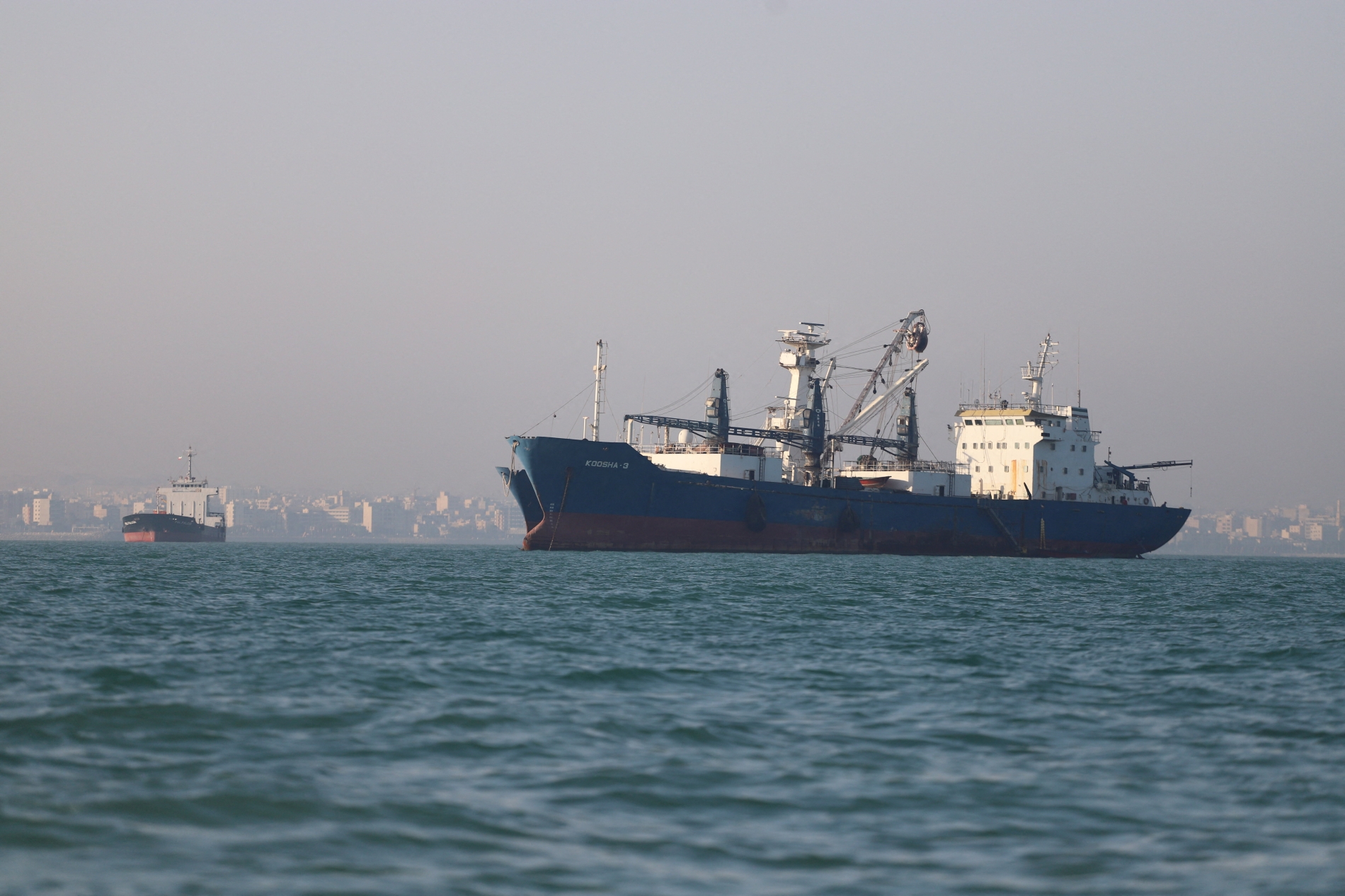
Vessels in the Strait of Hormuz near the beach of Bandar Abbas, Iran, on 17 June 2026.
Despite the optimism surrounding the announcement, US officials have cautioned that normalisation will not be immediate. While Trump declared the Strait of Hormuz open, security concerns—including the presence of mines—mean that commercial shipping may take weeks to fully resume. Furthermore, Iran has indicated that it will continue to impose transit fees, underscoring that economic leverage remains part of its strategic calculus.
Both sides have presented differing interpretations of the agreement, highlighting underlying uncertainty. Iranian officials suggest that broader concessions have been secured, including access to previously frozen assets, while US officials publicly downplay such claims. This divergence reflects the enduring mistrust that continues to define the US-Iran relationship, even at a moment of apparent breakthrough.
Profound implications
The regional implications are profound. A reduction in tensions is likely to reverberate across multiple theatres, from Iraq and Syria to the Gulf and Lebanon. Proxy conflicts, long fuelled by rivalry between Washington and Tehran, could diminish in intensity, creating space for political settlements that have remained elusive. But not all regional actors are convinced. Israel is sceptical, signalling that it will maintain military vigilance despite the agreement's provisions.
Economically, the reopening of the Strait of Hormuz carries immediate global significance. As a critical artery for energy supplies, its restoration as a transit route is expected to stabilise oil markets and ease inflationary pressures. Early market reactions suggest cautious optimism for a period of stability not seen in years.
At a broader level, the agreement signals a recalibration of American strategy. By easing tensions with Iran, Washington frees up the diplomatic and military bandwidth to focus on other priorities, particularly in the Indo-Pacific. At the same time, the deal underscores a recognition that even entrenched rivalries cannot be managed indefinitely through pressure alone. Engagement, however complex, remains an essential instrument of statecraft.
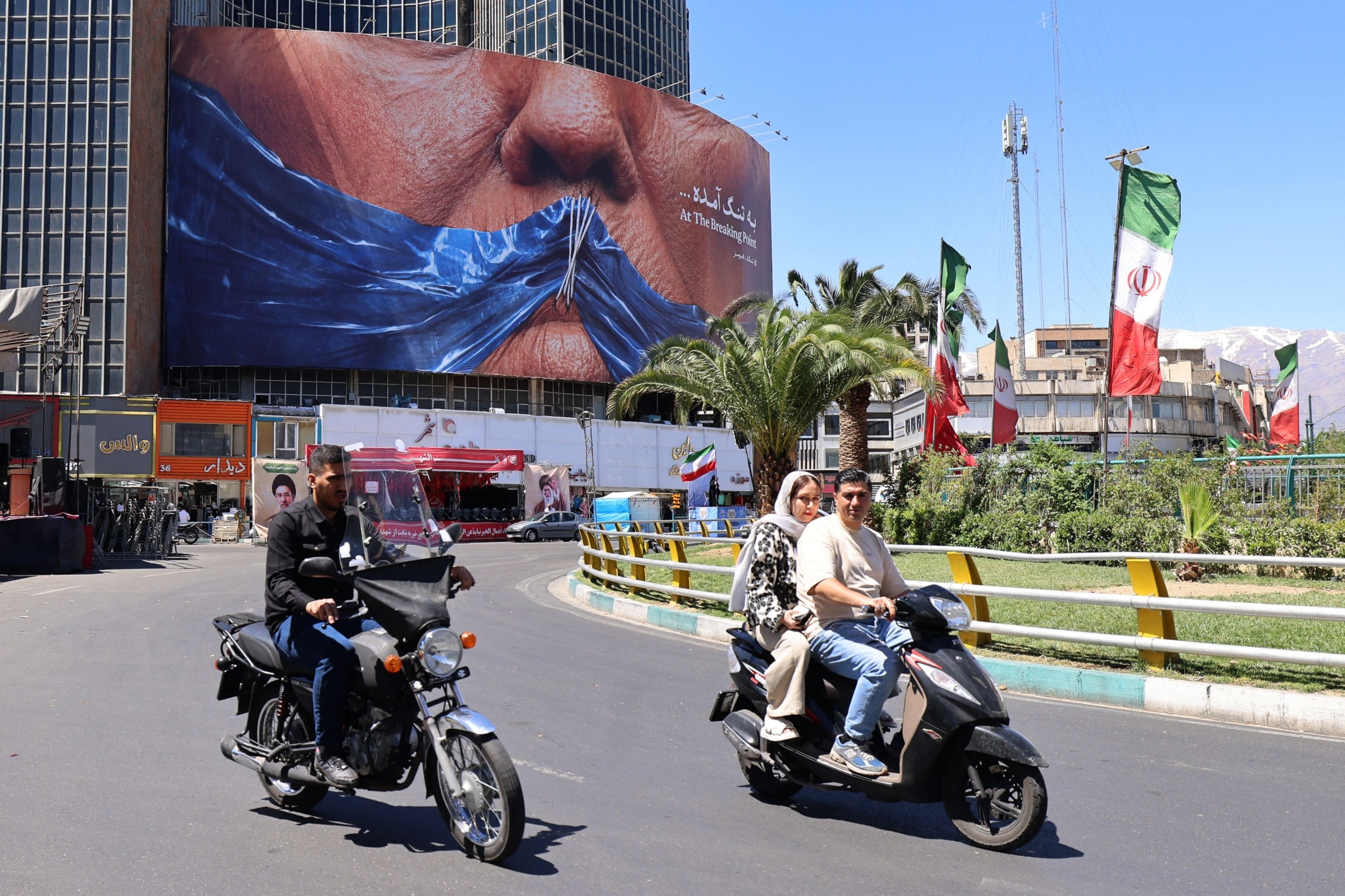
Commuters drive past an anti-US billboard referring to President Donald Trump and the Strait of Hormuz, installed on a building at the Valiasr Square in Tehran on 10 May 2026.
Enhanced position
For Iran, the potential benefits extend beyond economics. A gradual normalisation of relations with the US would enhance its diplomatic standing, allowing it to shift from a posture defined by resistance to one shaped by negotiation. While this does not imply a fundamental transformation of Iranian foreign policy, it suggests a more flexible strategic approach in an evolving regional order.
Despite the promise, significant challenges remain. Hardline factions in both countries are likely to scrutinise the agreement closely, ready to exploit any perceived concession or violation. The success of the accord will depend not only on its technical implementation but on the political will in Washington and Tehran.
This is where the role of mediators becomes critical. Countries like Pakistan, which maintain relationships across geopolitical divides, can provide the channels necessary to manage disputes and sustain dialogue. Their involvement adds resilience to the process, reducing the likelihood that isolated incidents will derail broader progress.
Pakistan's emergence as a central player reflects a deliberate shift in its foreign policy—from reactive positioning to proactive engagement
Deliberate shift
Pakistan's emergence as a central player reflects a deliberate shift in its foreign policy—from reactive positioning to proactive engagement. By facilitating one of the most consequential diplomatic breakthroughs in recent years, Islamabad has enhanced its global standing and demonstrated its capacity to shape outcomes beyond its immediate region, ending a four-month conflict and potentially laying the groundwork for a new regional equilibrium—one defined less by confrontation and more by managed competition.
For now, the mood is one of cautious optimism. The convergence of interests that made this agreement possible may not endure indefinitely, but it has opened a rare window of opportunity. Whether that leads to lasting peace will depend on the willingness of all parties to move beyond the patterns of the past. If the agreement holds, it will stand as a testament to the power of diplomacy—and to the quiet, persistent efforts of those who operate beyond the spotlight.