A smarter ball, or a safer one? The header dilemma facing world football

The official World Cup ball showcases the latest advances in football technology, but new research questions whether future designs should prioritise brain safety as well as performance

A smarter ball, or a safer one? The header dilemma facing world football

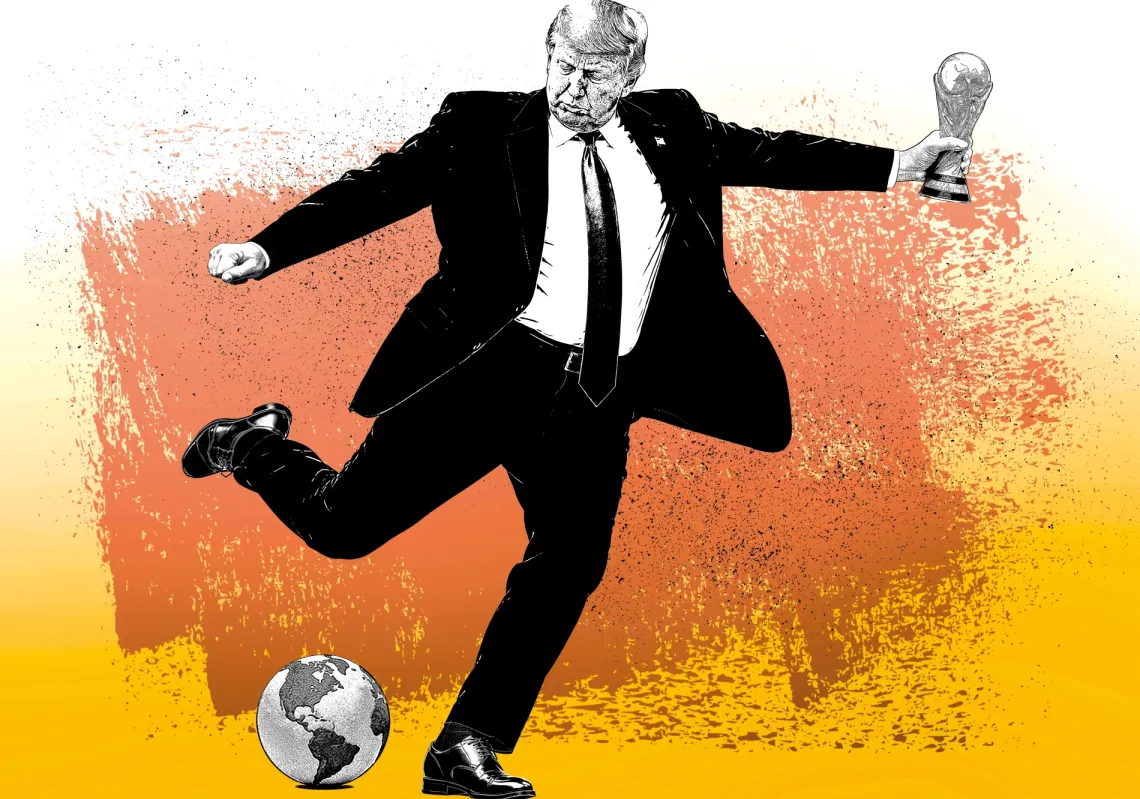
As the FIFA World Cup 2026 gets underway in the US, Canada, and Mexico amid mounting controversy, aspects of the world’s most popular sport are under increasing scientific and medical scrutiny.

Beyond the questioning of Iraqi striker Aymen Hussein, the denial of entry to Somali referee Omar Abdulkadir Artan, lower-than-expected hotel occupancy, soaring ticket and transport prices, and the denial of visa applications to scores of journalists and fans, the very nature of specific elements of the beautiful game is being questioned.

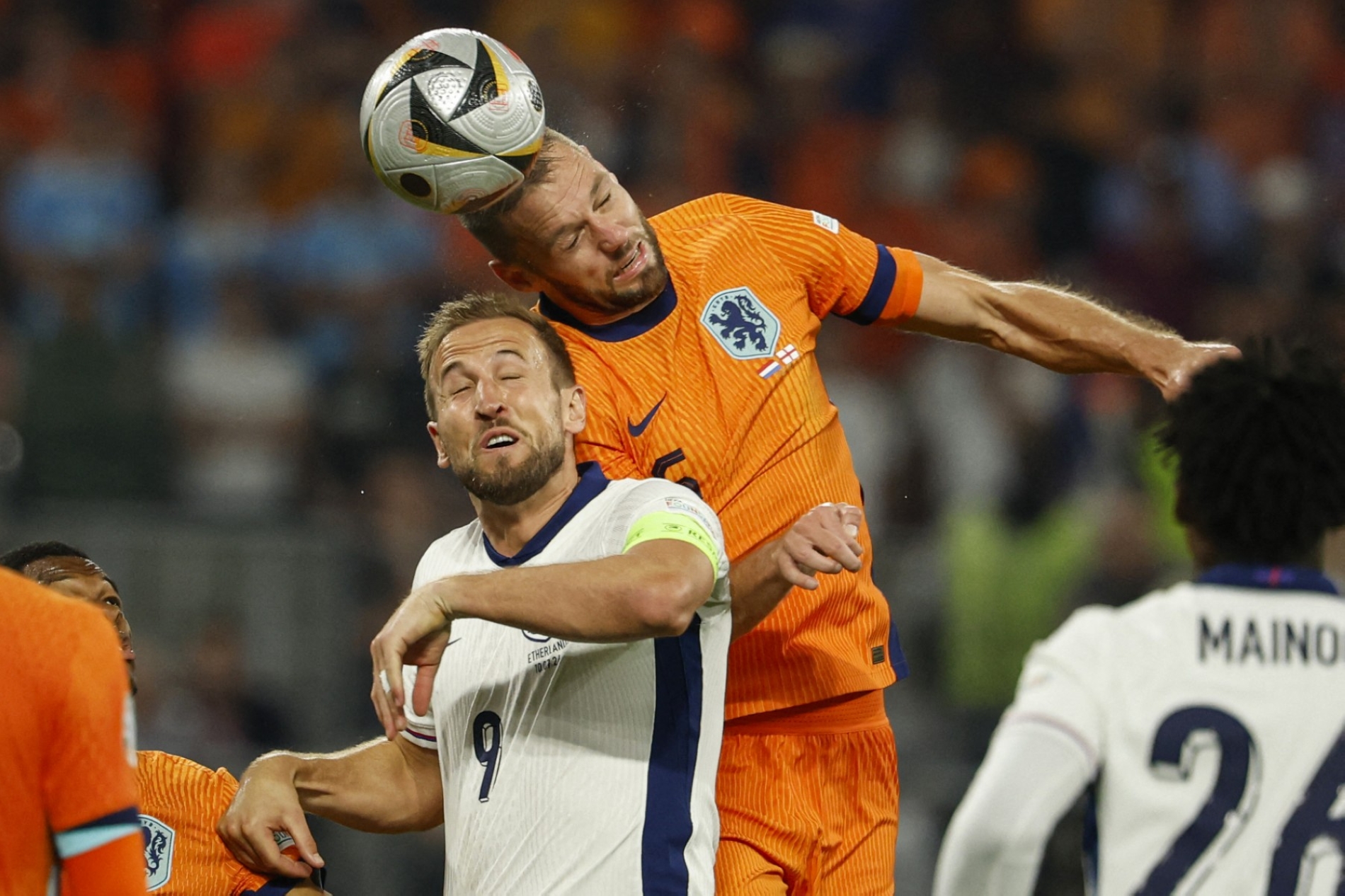
The header, once regarded by spectators as one of the game’s most graceful techniques, is facing renewed examination. The concern? That concussions and repeated sub-concussive impacts may, over time, contribute to lasting neurological damage. The debate, previously framed as a simple choice between banning headers altogether and defending them as an intrinsic part of the game, now has a third option.

A study by Loughborough University in the UK offers a more practical perspective: what if the ball itself is part of the problem? If the design of a football influences the amount of energy transmitted to the brain when it is headed, then the future of the game will depend on more than refereeing technology, broadcasting innovations, and performance analysis. It will also rest on a simpler and more troubling question: can a safer ball be designed without robbing football of its beauty?
Andreion De Castro

Ball design and brain safety

In April, the university published a new study on heading in football, led by researchers from the university’s Sports Technology Institute and supported by charitable funding from the Football Association (FA). The study appeared amid an intensifying debate over the possible link between repeated headers, brain injury, and dementia among former footballers. It did not treat heading as a routine movement on the pitch. It sought to understand what truly happens inside the head at the moment of impact.

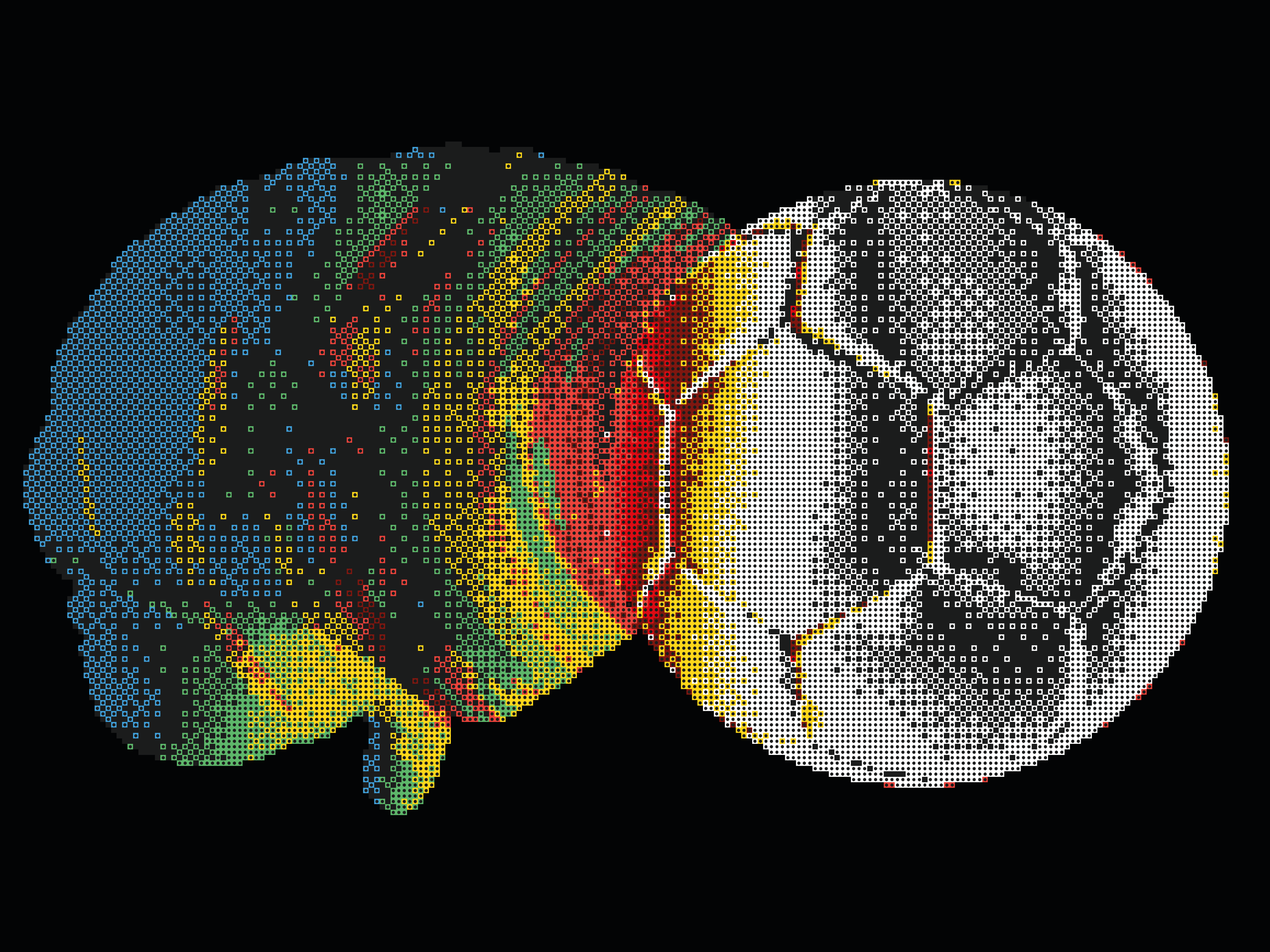
The researchers used an advanced model of the head and brain to simulate collisions with a range of footballs representing different designs from across the past century. The experiments were conducted under controlled laboratory conditions, at speeds close to those observed in real play, with a specialised pressure sensor placed inside the brain model to measure events at the moment of impact. In this sense, the study did more than measure the head's backward or forward movement. It traced the transfer of energy inside the model itself.

The most important finding was the identification of what the university described as a previously undocumented mechanism for transmitting energy to the brain during heading. This mechanism manifests as a distinctive pressure wave that travels to the brain's frontal region when the ball collides with the head.
The study did more than measure the head's backward or forward movement. It traced the transfer of energy inside the model itself.

Put more simply, the danger does not arise solely from the movement of the head or from an obvious concussion. There may also be an internal transfer of energy taking place in a fleeting instant, even when the player feels no direct injury.

The study also found that the amount of energy transmitted to the brain varies depending on the ball's design and type. The amount of energy transfer, according to the report, varied by up to 55 times between historical and modern footballs. This finding unsettles the simple assumption that the problem lies only with old, heavy leather balls. It therefore raises a new question: whether some modern footballs, despite their technological sophistication, may transmit greater energy to the brain because of their mechanical properties.

The significance of the study does not lie in proving, by itself, that every header leads to dementia, or in delivering a final verdict on the future of heading in football. Its real value lies in adding a new layer to the understanding of risk. Earlier debates focused largely on the number of headers, the force of impact, and visible concussions. This study brings the ball's design into the equation as a factor that may influence the amount of energy received by the brain and, potentially, transform part of the problem into part of the solution.

Odd ANDERSEN / AFP
England's forward #09 Harry Kane and Netherlands' defender #06 Stefan de Vrij go for a header during the UEFA Euro 2024 semi-final football match between the Netherlands and England at the BVB Stadion in Dortmund on 10 July 2024.

The human cost of heading

The debate surrounding heading extends well beyond this study. It is rooted in the growing number of footballers who have developed dementia or neurological disease after retirement. In England, the issue gained significant public attention when several members of the 1966 World Cup-winning squad were diagnosed with dementia or related conditions, among them Nobby Stiles, Jack Charlton, Bobby Charlton, Martin Peters, and Ray Wilson. The presence of such figures elevated the issue beyond a narrow medical discussion, transforming it into a broader public debate about the long-term health consequences and potential costs borne by a generation of players.

Among the most prominent cases is that of Jeff Astle, the former West Bromwich Albion and England striker, who died in 2002. His story became an early symbol of the possible link between repeated heading and declining brain health. Gordon McQueen, the former Leeds United, Manchester United, and Scotland defender, was also diagnosed with vascular dementia before his death. 

The importance of these cases lies in what they reveal: the danger is not confined to a single violent blow but may also accumulate silently through years of aerial duels and repeated heading in matches and training sessions. Loughborough's study therefore belongs to a broader human and medical context: how can football preserve an essential part of the game while confronting its potential impact on players' brain health?

This means that the development of footballs should no longer be confined to making them faster, more stable in flight, or better suited to television viewing. If the ball itself can reduce the pressure wave transmitted to the brain, then testing for this kind of energy may become part of future standards for approving footballs. The FA has said that the study's findings were shared with FIFA and UEFA, suggesting that the issue may move from the laboratory into regulatory debates within the game's governing institutions.

Guillermo Arias / AFP
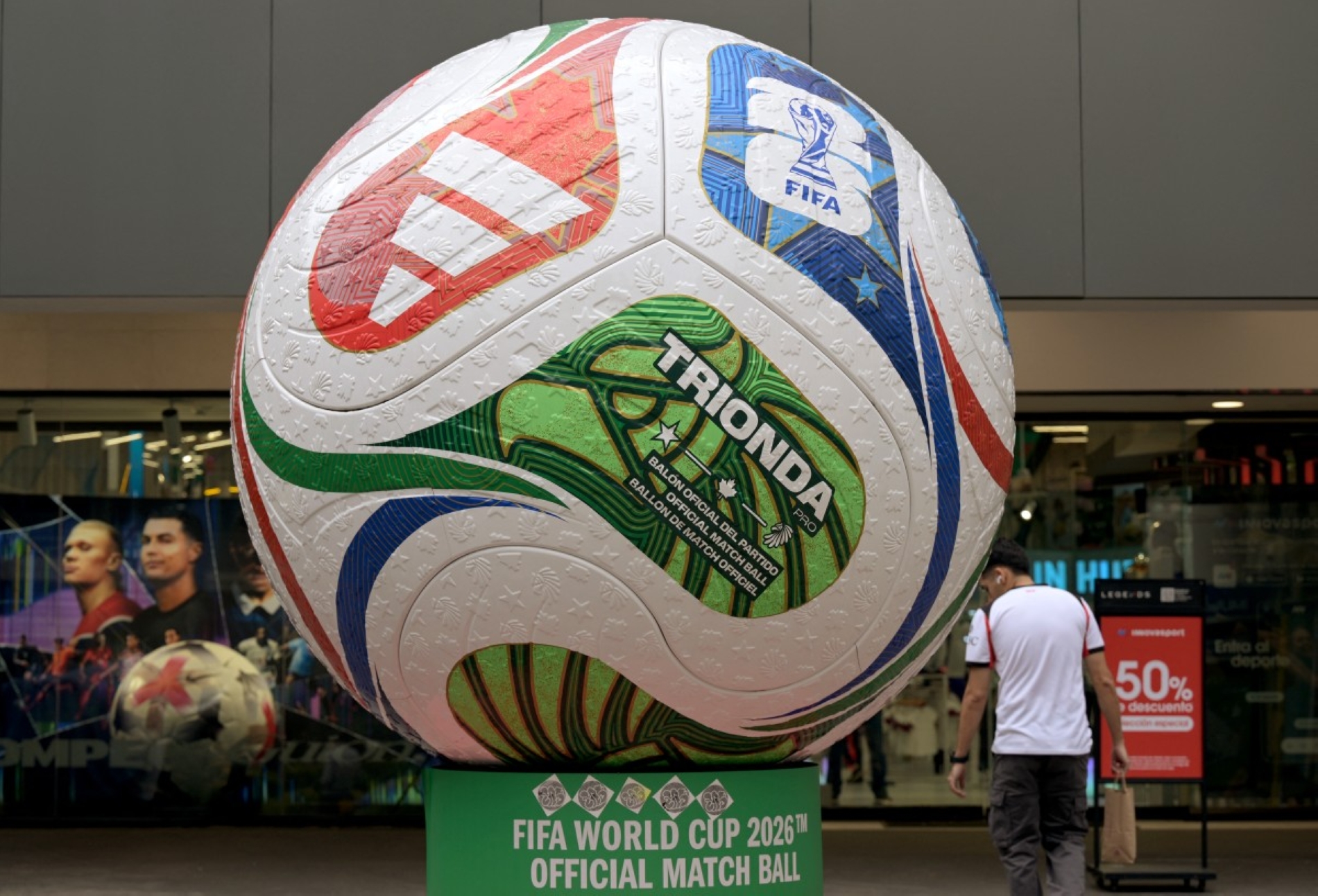
A man walks past a giant ball depicting the official ball of the upcoming FIFA 2026 World Cup in Mexico City on 5 June 2026.

The next frontier in ball design

The Loughborough study is recent, so it would be unrealistic to expect its findings to be reflected in the ball used during this World Cup. The tournament's official ball was designed and approved before this scientific debate had matured into a clear regulatory issue. It therefore represents the latest stage in the evolution of football performance and technology, although it does not yet mark a shift towards a health-conscious design aimed specifically at reducing the effects of heading.

The official ball of this World Cup is called Trionda and is produced by Adidas. The ball features a four-panel construction, the fewest ever used in an official World Cup ball, along with a thermally bonded surface and an external texture designed to improve stability and control in flight.

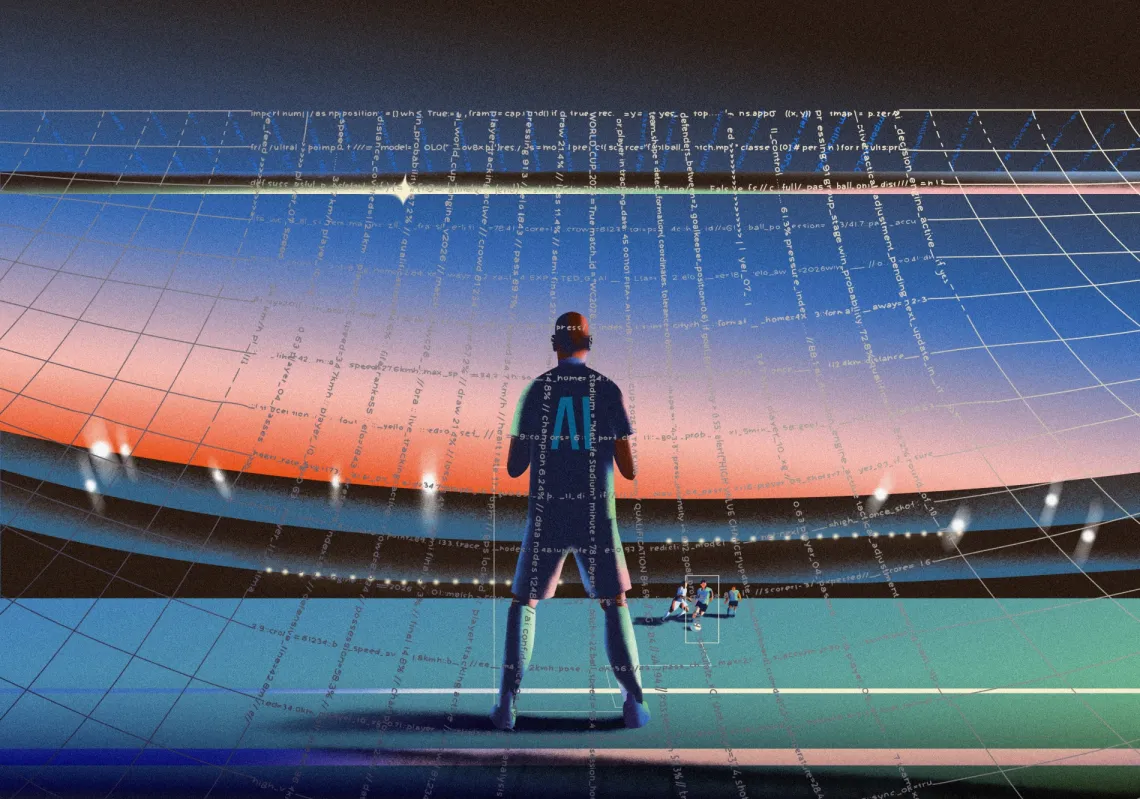
The most important feature of Trionda is that it is more technologically advanced rather than demonstrably safer for the brain. The ball contains a 500Hz motion sensor chip that transmits precise data on its movement and players' touches, helping video and refereeing systems determine matters such as offside and the final touch. This means that the current evolution of the World Cup ball is directed primarily towards refereeing and decision-making accuracy rather than towards reducing or measuring the forces transmitted to the brain when the ball is headed.

Almost every tournament has introduced a ball featuring a new design or technological innovation.

This is not new in World Cup history. Almost every tournament has introduced a ball featuring a new design or technological innovation. At the 2010 World Cup, Adidas introduced the Jabulani, with its eight-panel design and distinctive surface, but it provoked controversy for its unpredictable flight. At the 2022 World Cup, Al Rihla arrived as one of the fastest balls in World Cup history and featured connected-ball technology that helped referees with video review and semi-automated offside decisions.

The link between the Loughborough study and the World Cup can therefore be understood clearly: the ball does indeed evolve from one tournament to the next, yet that evolution has usually moved in the direction of speed, stability, control, refereeing, and the viewing experience. The study introduces the possibility that the next generation of footballs may require an additional standard, concerned not only with how the ball flies but also with how it impacts a player's head. Here lies the study's real significance. It does not change the ball for the 2026 World Cup, but it may spark a debate about the ball used at the following World Cup.

font change