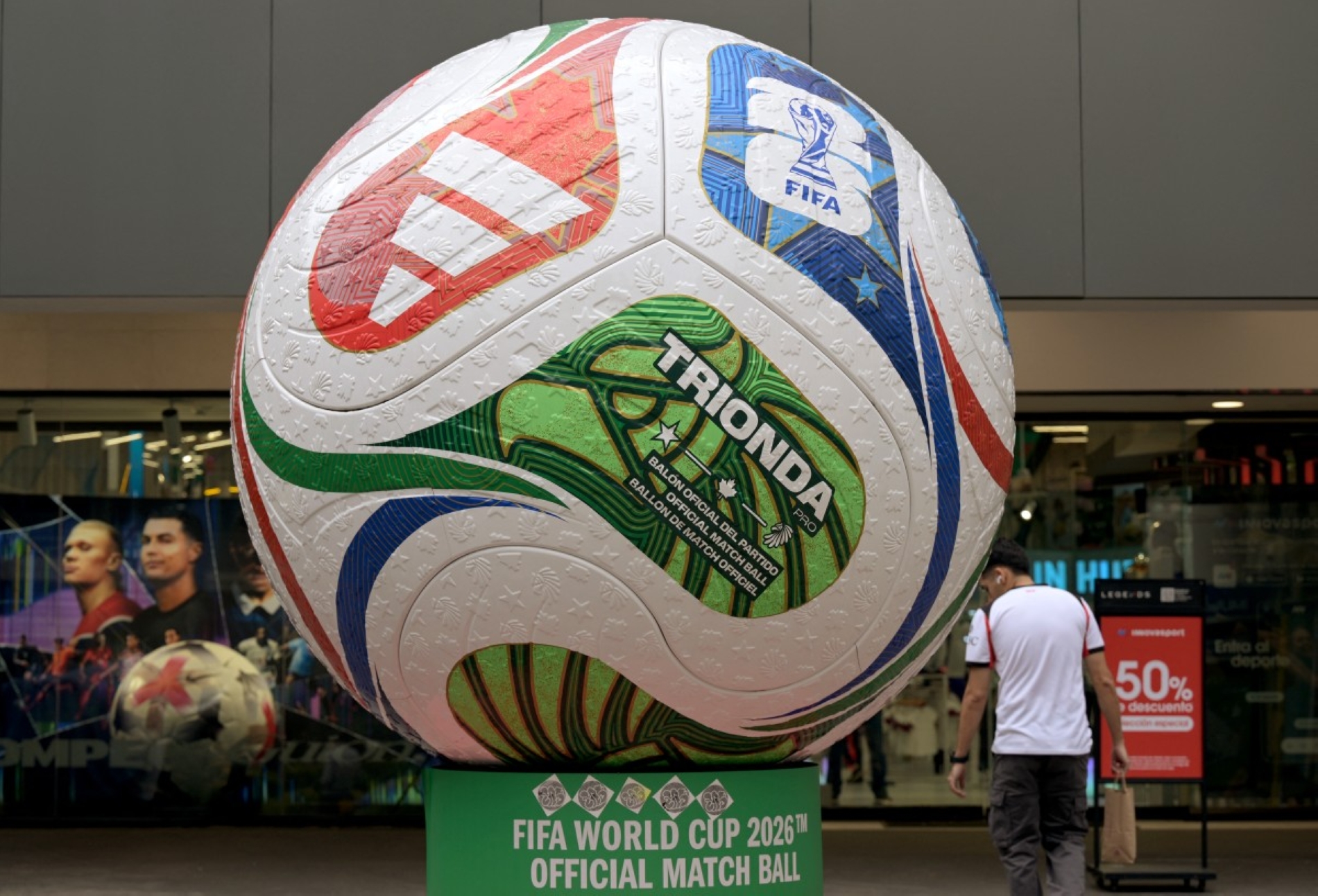
As the FIFA World Cup 2026 gets underway in the US, Canada, and Mexico amid mounting controversy, aspects of the world’s most popular sport are under increasing scientific and medical scrutiny.
Beyond the questioning of Iraqi striker Aymen Hussein, the denial of entry to Somali referee Omar Abdulkadir Artan, lower-than-expected hotel occupancy, soaring ticket and transport prices, and the denial of visa applications to scores of journalists and fans, the very nature of specific elements of the beautiful game is being questioned.
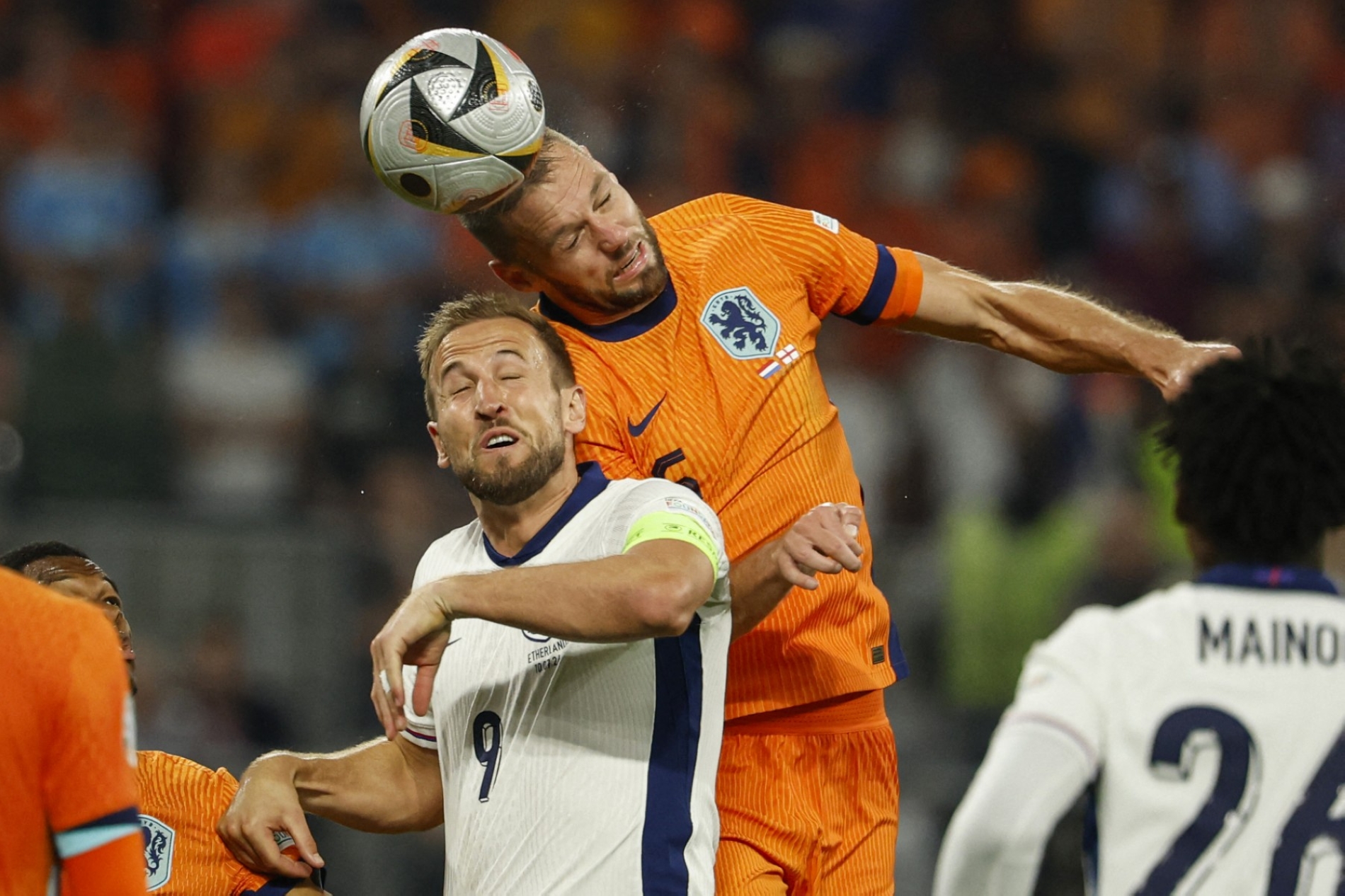
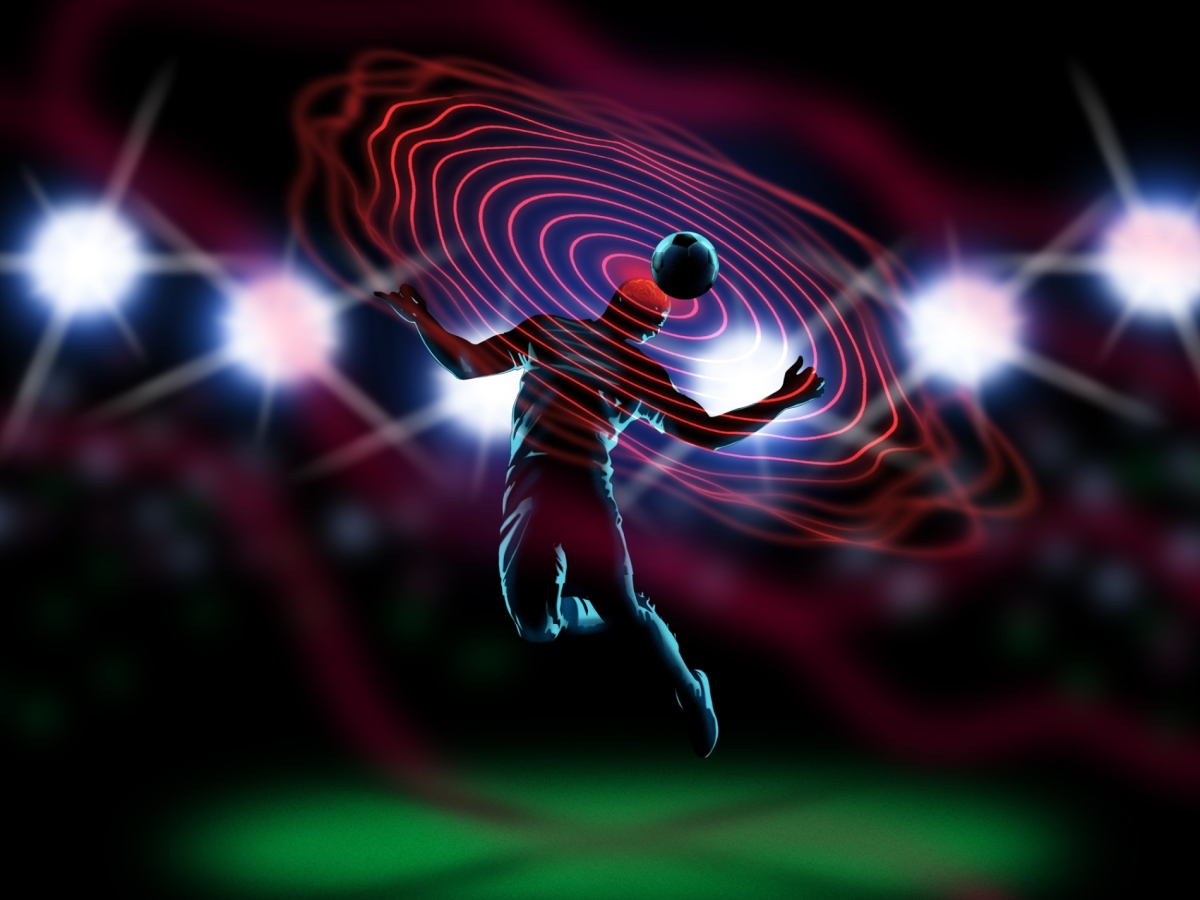
The header, once regarded by spectators as one of the game’s most graceful techniques, is facing renewed examination. The concern? That concussions and repeated sub-concussive impacts may, over time, contribute to lasting neurological damage. The debate, previously framed as a simple choice between banning headers altogether and defending them as an intrinsic part of the game, now has a third option.
A study by Loughborough University in the UK offers a more practical perspective: what if the ball itself is part of the problem? If the design of a football influences the amount of energy transmitted to the brain when it is headed, then the future of the game will depend on more than refereeing technology, broadcasting innovations, and performance analysis. It will also rest on a simpler and more troubling question: can a safer ball be designed without robbing football of its beauty?
Ball design and brain safety
In April, the university published a new study on heading in football, led by researchers from the university’s Sports Technology Institute and supported by charitable funding from the Football Association (FA). The study appeared amid an intensifying debate over the possible link between repeated headers, brain injury, and dementia among former footballers. It did not treat heading as a routine movement on the pitch. It sought to understand what truly happens inside the head at the moment of impact.
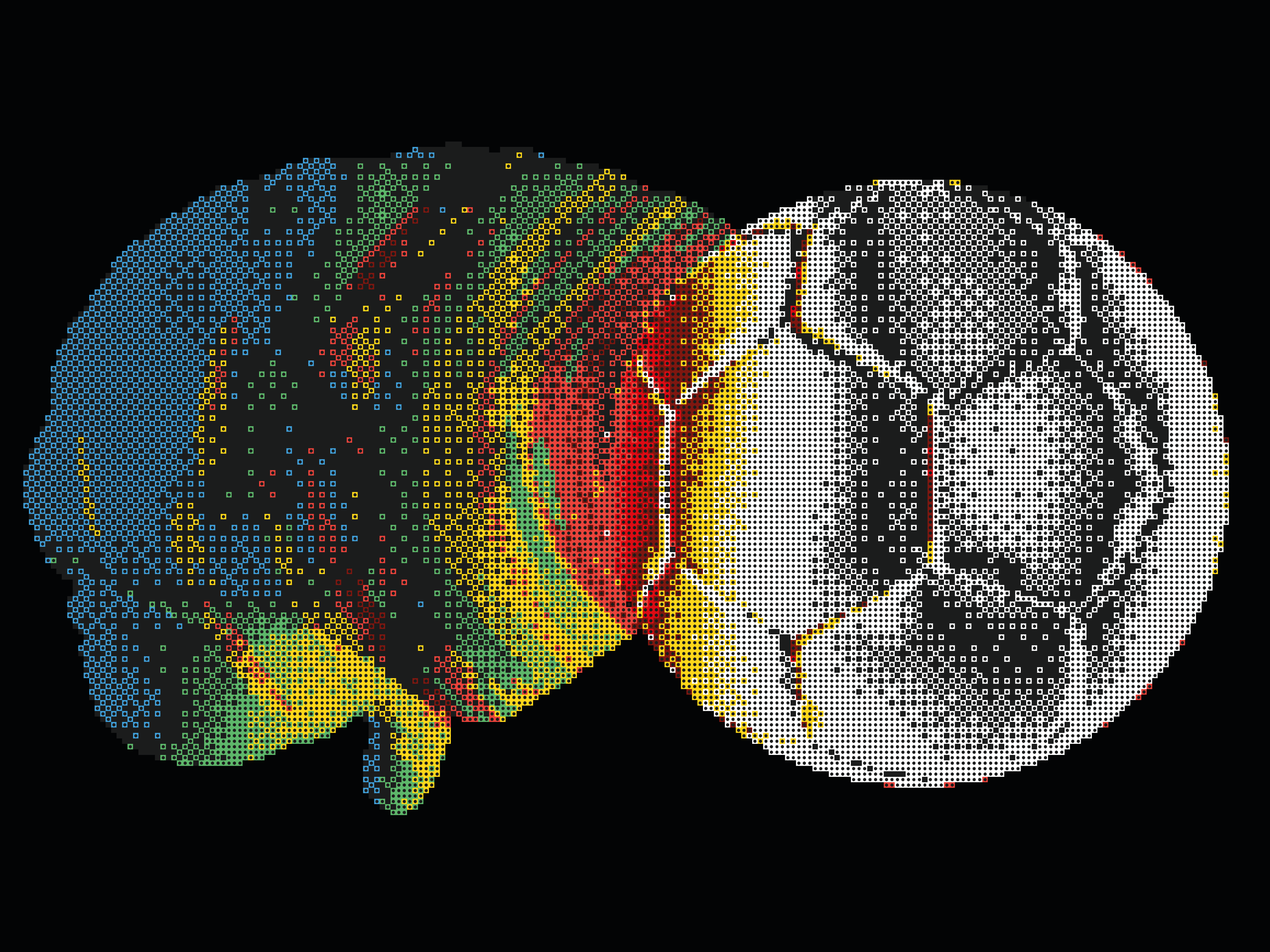
The researchers used an advanced model of the head and brain to simulate collisions with a range of footballs representing different designs from across the past century. The experiments were conducted under controlled laboratory conditions, at speeds close to those observed in real play, with a specialised pressure sensor placed inside the brain model to measure events at the moment of impact. In this sense, the study did more than measure the head's backward or forward movement. It traced the transfer of energy inside the model itself.
The most important finding was the identification of what the university described as a previously undocumented mechanism for transmitting energy to the brain during heading. This mechanism manifests as a distinctive pressure wave that travels to the brain's frontal region when the ball collides with the head.