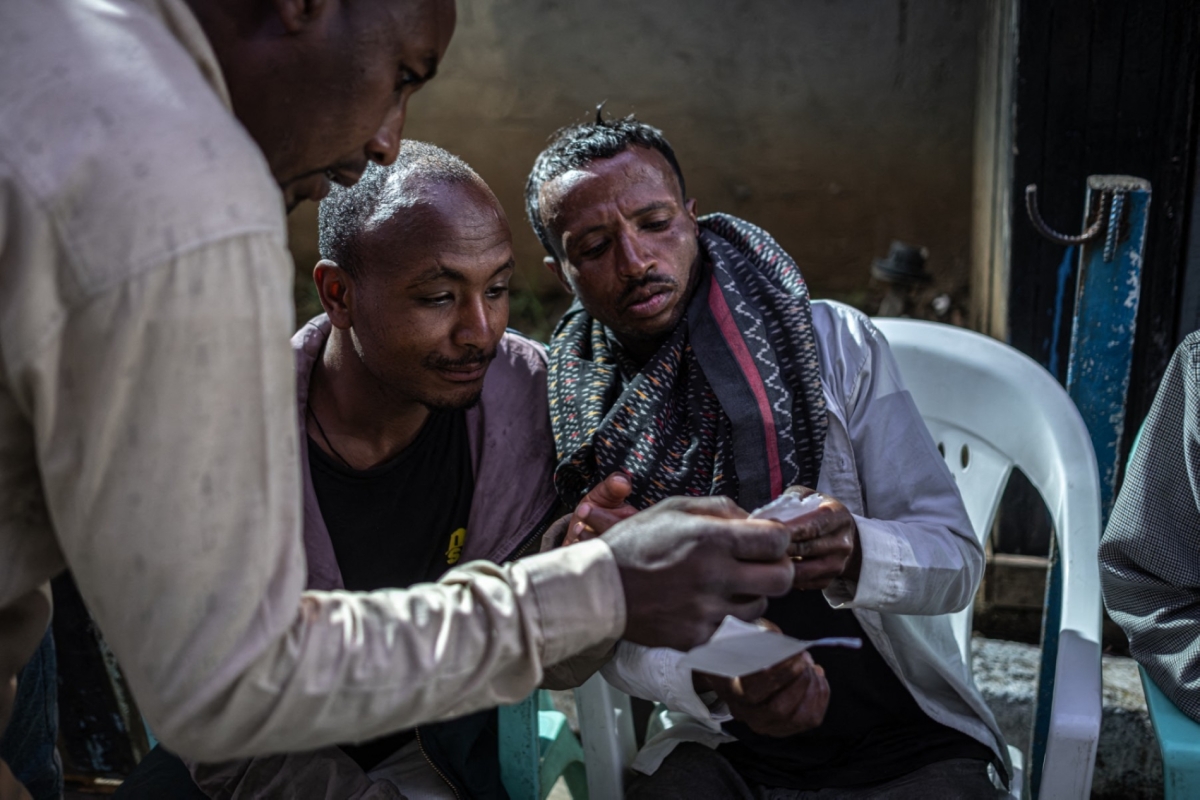

As Ethiopians went to the polls last week, politicians in the landlocked country stepped up their push for Red Sea access, citing its right to the waters and Egypt’s hostile encirclement in neighbouring states. Africa’s second-most populous country is ruled by the Prosperity Party of Ethiopian Prime Minister Abiy Ahmed, who came to power in 2018 and is expected to win again (voting is suspended in the northern Tigray region owing to security concerns).
Ahmed, who wants to lead Ethiopia with its 138 million population for another five years, said he expected the new generation of Ethiopians to succeed in reaching the sea if today’s generation could not do so through “reasonable” and “fair” means. Geographically, Ethiopia has been hemmed in since Eritrea’s independence in 1993 and can only gain a foothold on the Red Sea by consent. Yet despite having no legal right, officials in Addis Ababa often invoke Red Sea access using a mix of coercive threats, framing access as a prerequisite for regional stability in the Horn of Africa.
Escalating its campaign ahead of last week's polls, Ethiopia aimed to create an illusory truth effect by normalising its claims to Red Sea access through repetition. For Addis Ababa, there are strong links between access to international waters and its development aspirations. By repeatedly criticising Egypt, it aims to scare littoral states away from challenging its rights claims. It shows that Ethiopia sees itself as far bigger than it actually is.
It appears to be part of Ethiopia’s struggle for relevance in the Horn of Africa, a region that is changing quickly and dramatically. In recent months, the security of global seaborne trade has topped almost every agenda, after Iran effectively closed the Strait of Hormuz. The Red Sea, and therefore the Bab el-Mandeb Strait that acts as a gateway, are also crucial for maritime commerce.
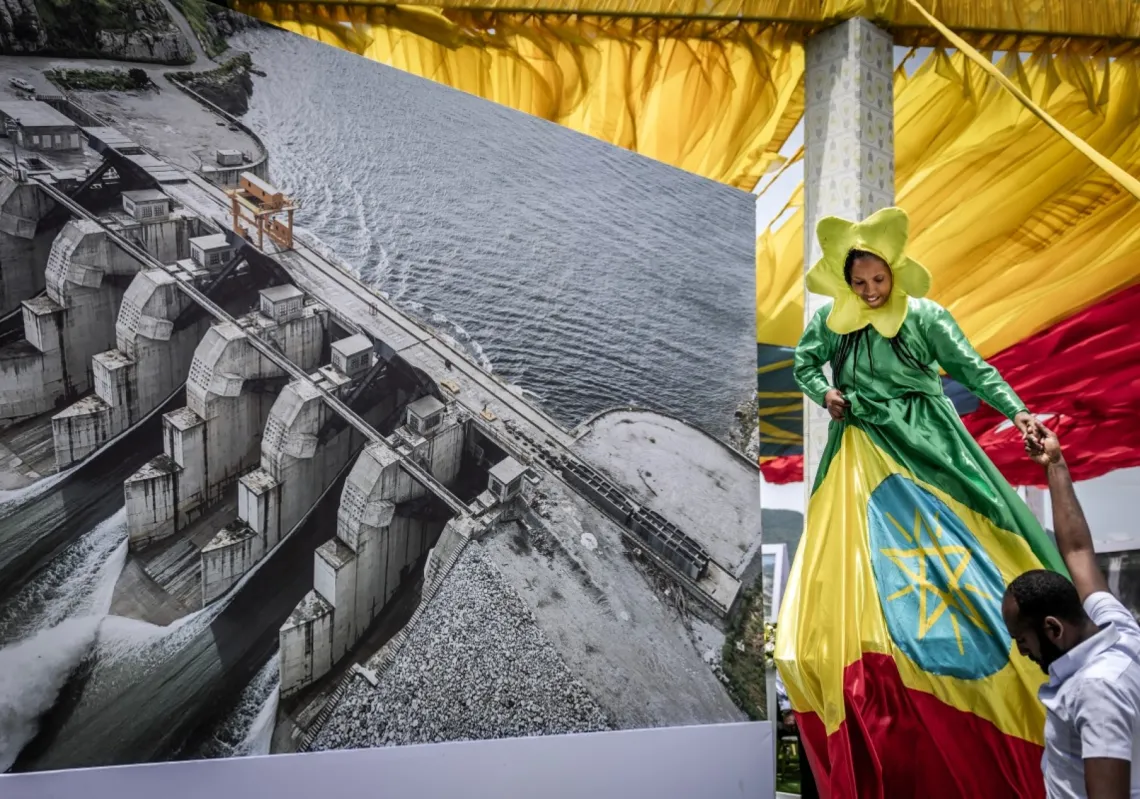
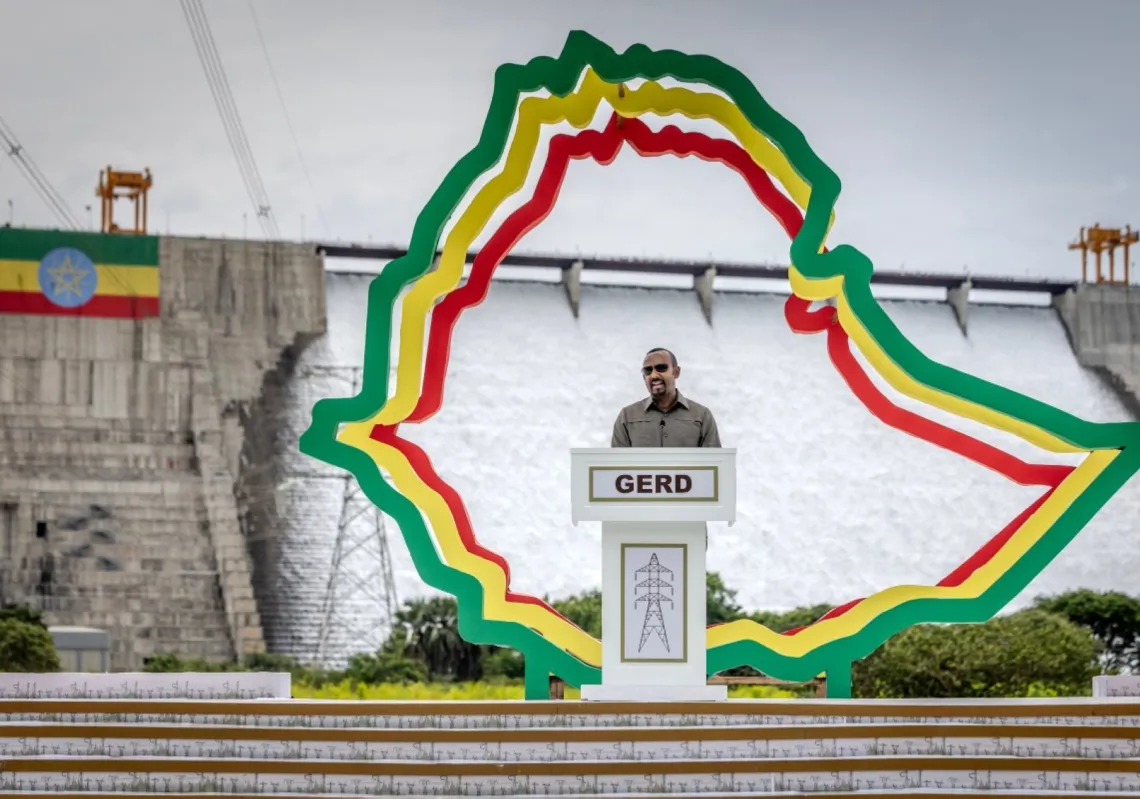
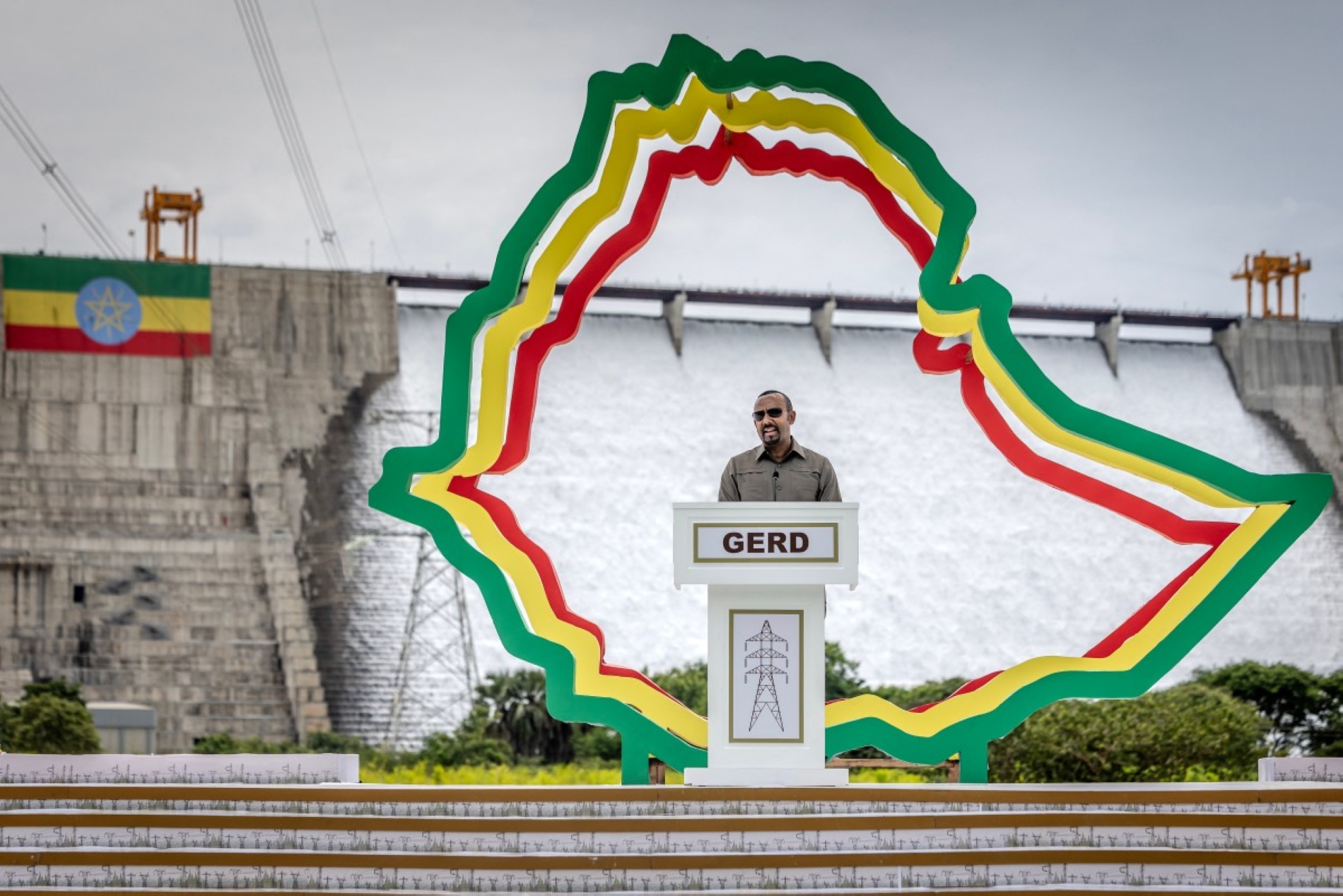
Ethiopia’s broader standoff with Egypt is centred on the former’s newfound control of Egypt’s freshwater supplies from the Nile River, following the recent construction of the Grand Ethiopian Renaissance Dam (GERD), a gigantic hydroelectric structure in Ethiopia built across the Blue Nile. The Nile is formed when the Blue Nile and the White Nile meet, providing Egypt with over 95% of its freshwater needs.
Cause for concern
Now operational and generating electricity, the dam responds to Ethiopia’s development needs, providing much-needed electrical power to a huge population. This makes Ethiopia a regional powerhouse and a water superpower. Egypt worries that rules regulating water distribution from transboundary rivers, including a ban on monopolising these rivers, have been ignored by Ethiopia, which has denied the water rights of downstream states like Egypt and Sudan. This could exacerbate water poverty.
To make matters worse, Ethiopia is constructing a series of other dams to further utilise the river’s waters, a move that Egypt fears will cause more significant harm to downstream states. The two countries negotiated over the dam for a decade, seeking to agree its operational rules, but Cairo finally gave up in December 2023, accusing Addis Ababa of delaying tactics.
In response, the Egyptians are increasing their influence in Ethiopia’s immediate vicinity by enhancing its security cooperation with its neighbours. Cairo would also like to establish a presence in the Red Sea ports of countries like Eritrea and Djibouti, so it becomes a party Ethiopia needs to secure agreement from if it wants access to the sea.
The GERD took Ethiopia 14 years to build, and successive governments have used both the dam and Egyptian opposition to it as a unifying point. Similarly, Addis Ababa is turning its quest for Red Sea access into a public-diplomacy tool.