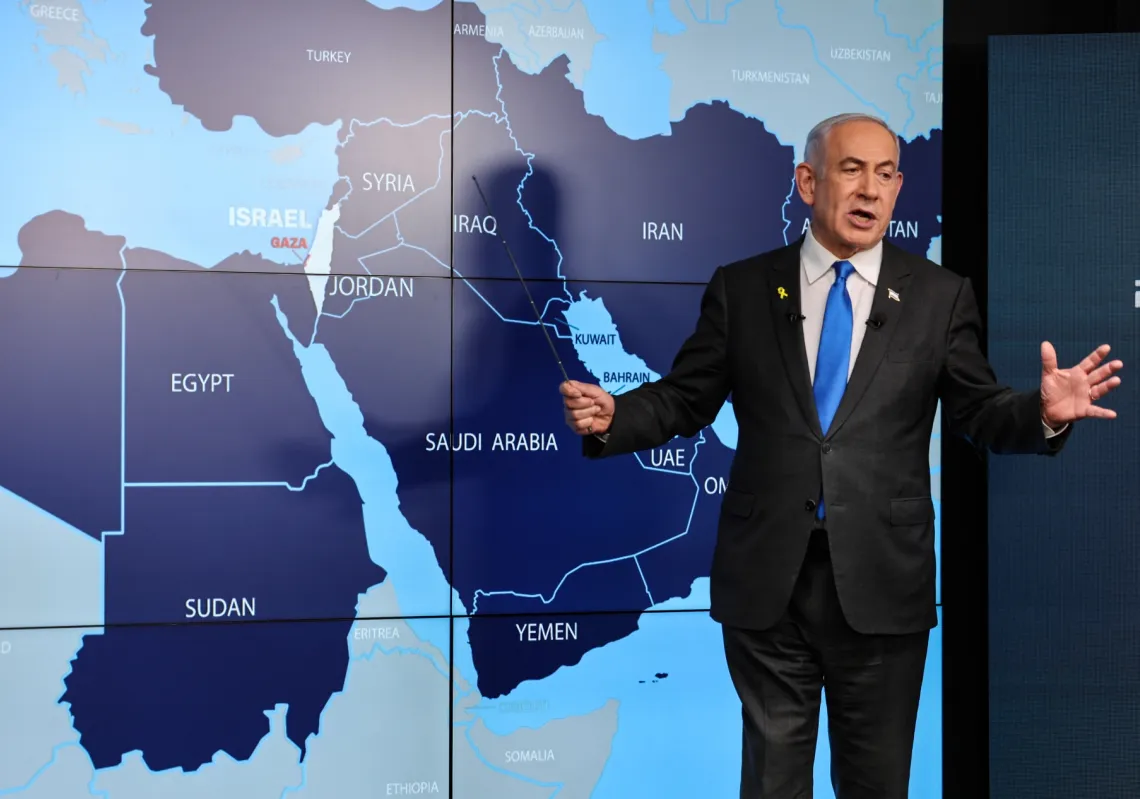

Israel likes to project to the world an image of military and intelligence prowess. It points to its decapitation of Iran’s leadership, its weakening of Hezbollah in Lebanon, and sees itself as the regional hegemon of a 'new Middle East'.
But upon closer look, this image of an all-powerful security state seems less certain. Israel, and its Mossad intelligence service in particular, has long enjoyed an almost mythical status globally, yet behind the image of precision and omnipotence lies a security establishment increasingly marked by internal tensions and political disputes over leadership and strategy.
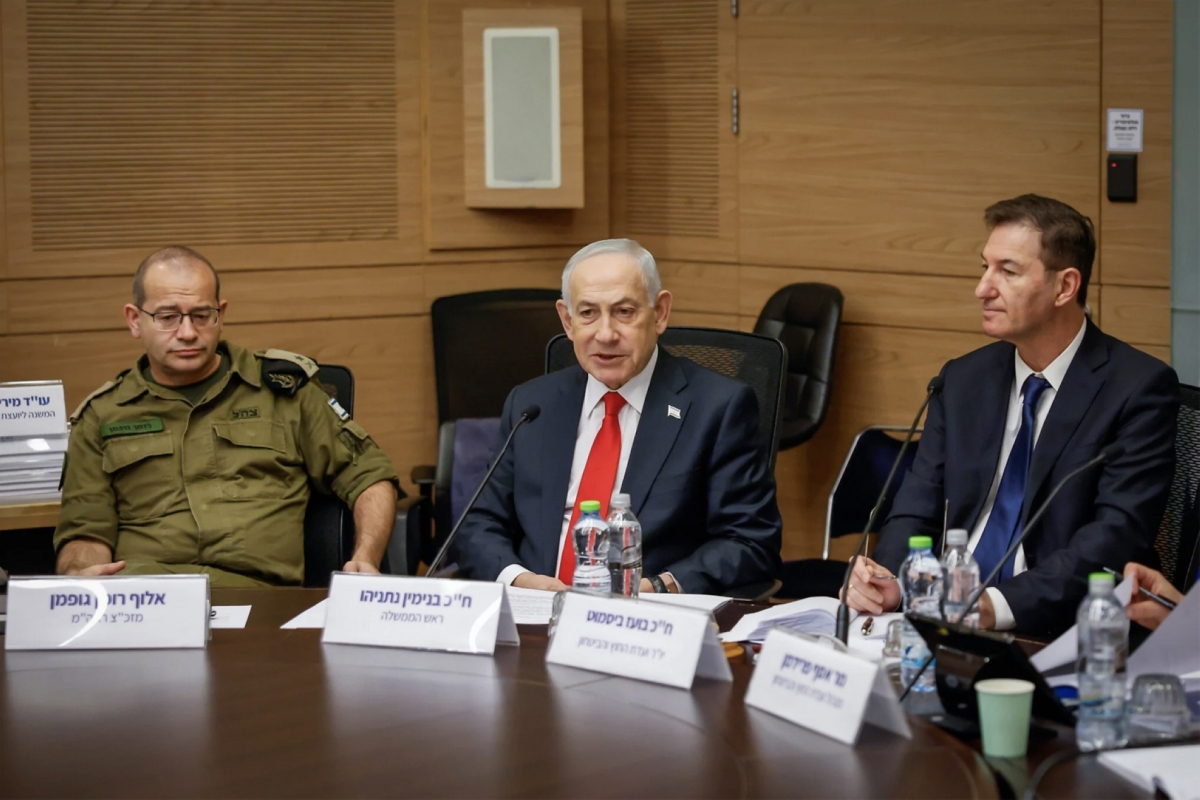
One of these friction points has been the appointment of Roman Gofman as the new head of Mossad by Israeli Prime Minister Benjamin Netanyahu with an explicit mission to "complete the fight against the threat of the Iranian regime." He was sworn in on 2 June, becoming the 14th director of Mossad and replacing outgoing chief David Barnea. Prior to his appointment, he was Netanyahu’s military secretary.
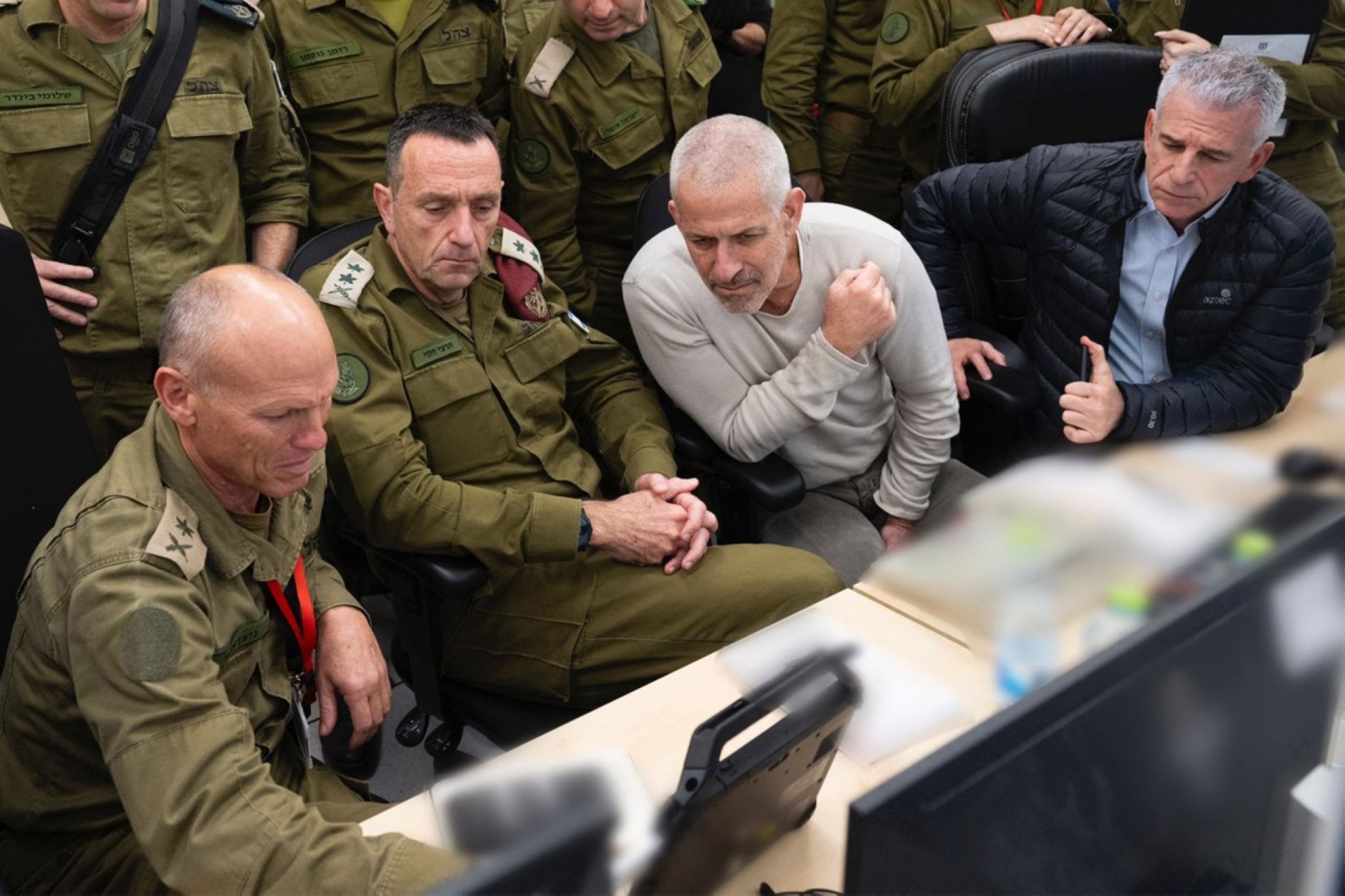
With tensions between Netanyahu, Israeli army chief Gen. Eyal Zamir, and a controversial new Shin Bet chief, David Zini, Netanyahu’s choice of Gofman could prove a further step in the politicisation of Israel’s security establishment, critics argue. With polls suggesting that a majority of Israelis hold the prime minister at least partially responsible for the failures of October 7, and as senior military and intel figures increasingly butt heads with Netanyahu, Israel's security establishment could be heading for a dangerous rupture.
Netanyahu has been a central architect in Israel’s hard swing to the right since the assassination of the former prime minister Yitzhak Rabin in 1995. Rabin’s murder at the hands of Yigal Amir foreshadowed, for many critics, the nationalist and hardline currents that Netanyahu has since helped bring closer to the very heart of the security establishment. What was once considered a fringe ideology, embraced by extremists such as Amir, is now represented at the highest levels of government through figures such as Itamar Ben-Gvir and Bezalel Smotrich.
In Murder in the Name of God, Michael Karpin and Ina Friedman argue that Netanyahu helped intensify the political climate surrounding Rabin’s assassination, while appeasing or failing to challenge parts of the nationalist right whose ideas would later move closer to the political mainstream.
It has taken Netanyahu almost 30 years to complete this political evolution. While it can be argued that Ben-Gvir is not, in practical terms, a security official, given that he does not exercise operational command over the military or intelligence services, critics argue that Netanyahu’s appointments of Gofman and Zini represent an effort to cement a more nationalist and settler-aligned ideology within Israel’s security establishment. A direction that many former Mossad and Shin Bet officers have publicly opposed.
Mounting criticism
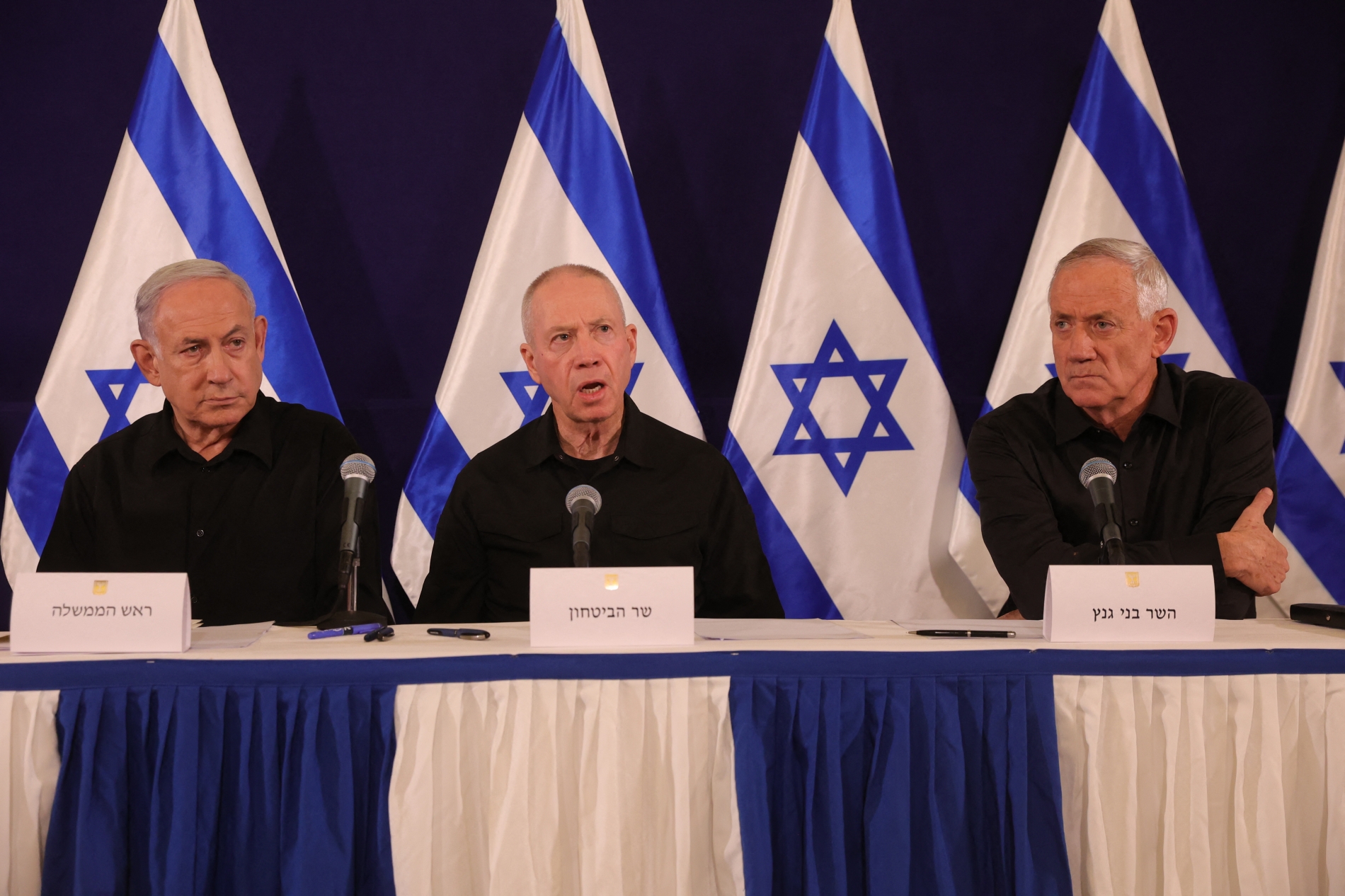
It is no surprise, therefore, that former Israeli army chiefs such as Gadi Eisenkot and Ehud Barak, alongside former defence minister Yoav Gallant, have repeatedly accused Netanyahu of ignoring warnings before and after October 7, sidelining intelligence concerns, and elevating more ideologically aligned security figures, including officers who critics say had previously been marginalised within the military or intelligence establishment.
Eyal Zamir, the current Israeli army chief, has had public rifts with Netanyahu’s government and has also become a target of criticism from Yair Netanyahu and other figures on the Israeli right. His strategic view and warnings on Gaza, Lebanon, and Syria have, critics argue, frequently been sidelined in favour of Netanyahu’s political and military priorities.