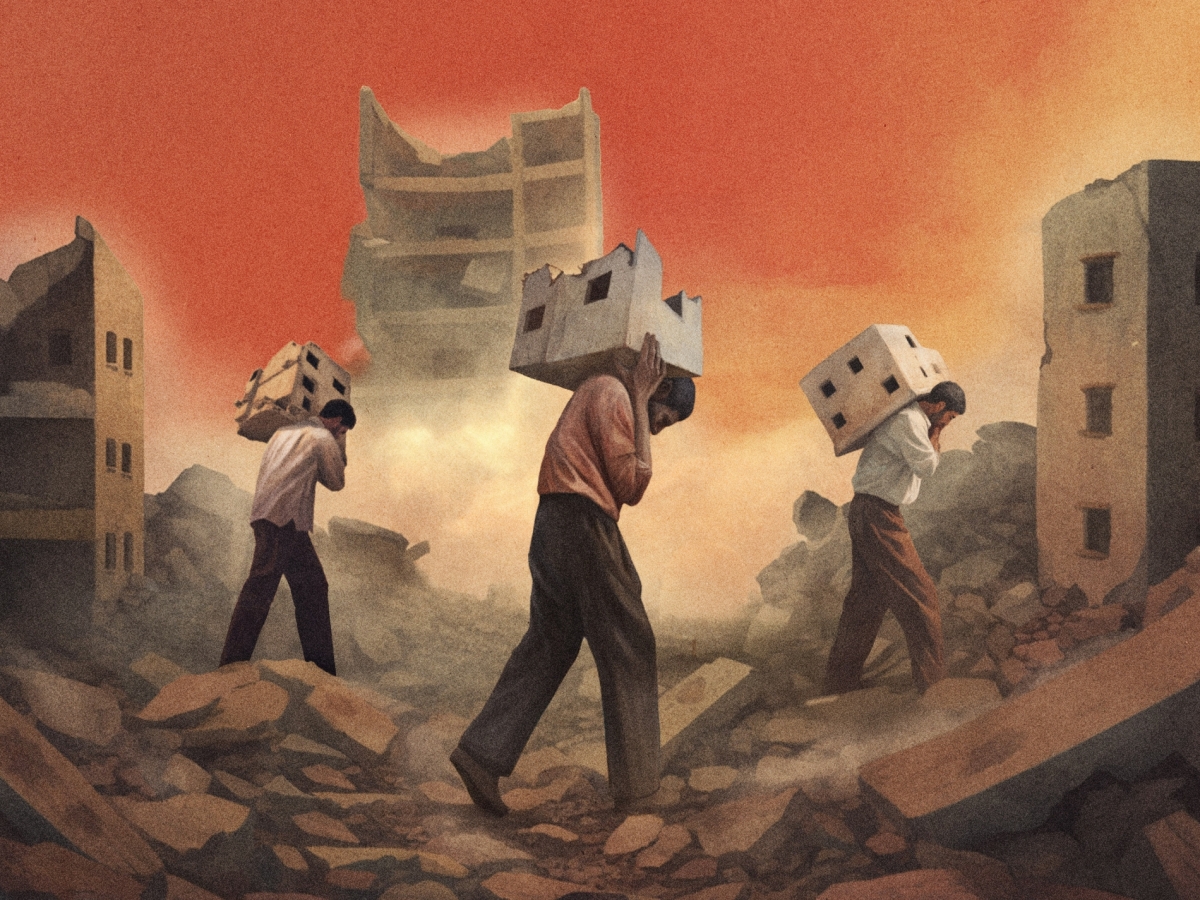

Plans by the United States to press on with Gaza’s rebuilding and governance in areas not controlled by Hamas offer a glimmer of hope for the people of this war-shattered territory, even though considerable challenges lie ahead. The decision comes after the international Board of Peace, headed by US President Donald Trump, belately acknowledged that Hamas has no intention of honouring its commitment to disarm and disable its tunnel network.
The Board’s short-term plans centre on creating functioning pockets inside Gaza where a transitional civilian administration takes over, recovery efforts begin, aid flows in, and reconstruction commences. There are, however, currently questions about Egypt’s role, given that it helped broker a ceasefire and coordinated post-war recovery commitments across the region.
Cairo has hosted Board meetings, and it was in the Egyptian resort of Sharm el-Sheikh in October last year that Trump’s 20-point ceasefire plan was announced. Hamas refuses to disarm because it trusts neither the process nor Israel’s intention of meeting its own obligations under Trump’s plan.
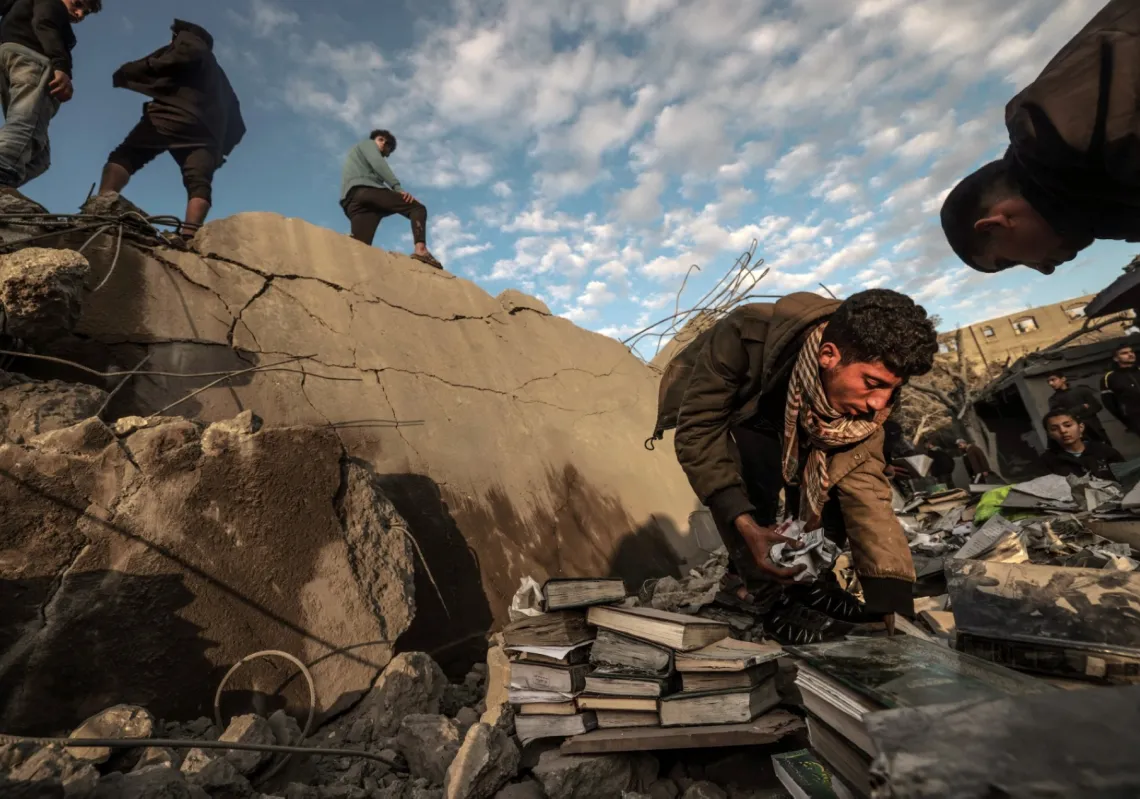
As a result, the Gaza ceasefire continues to hold on paper only. The Israeli army continues to attack different parts of Gaza, killing more Palestinians, adding to the 72,000 deaths since October 2023 while decimating whatever remains of the coastal enclave’s buildings and civilian infrastructure.
Israel continues to expand its occupation of Gaza, stretching the so-called Yellow Line, which marks the Israeli militarised zone, to include even a larger chunk of the territory. Israeli Prime Minister Benjamin Netanyahu revealed earlier in May that the army now controls more than 60% of Gaza, up from 53% of the 365-square-kilometre territory previously. This widening Israeli military footprint appears to justify some of the Hamas fears that Israel in fact aims to resettle Gaza, displacing Palestinians and turning the strip into an international resort.
Ray of hope
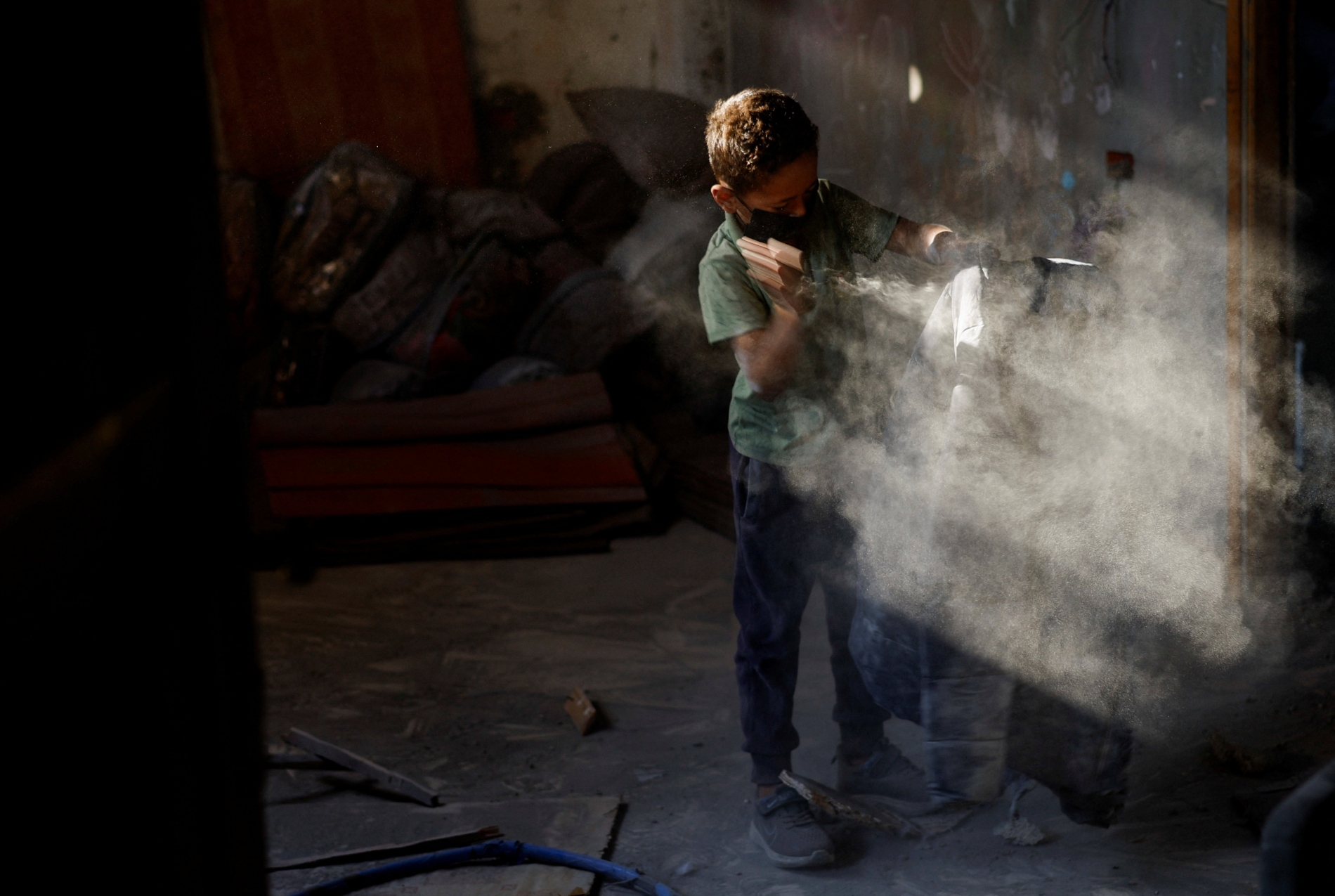
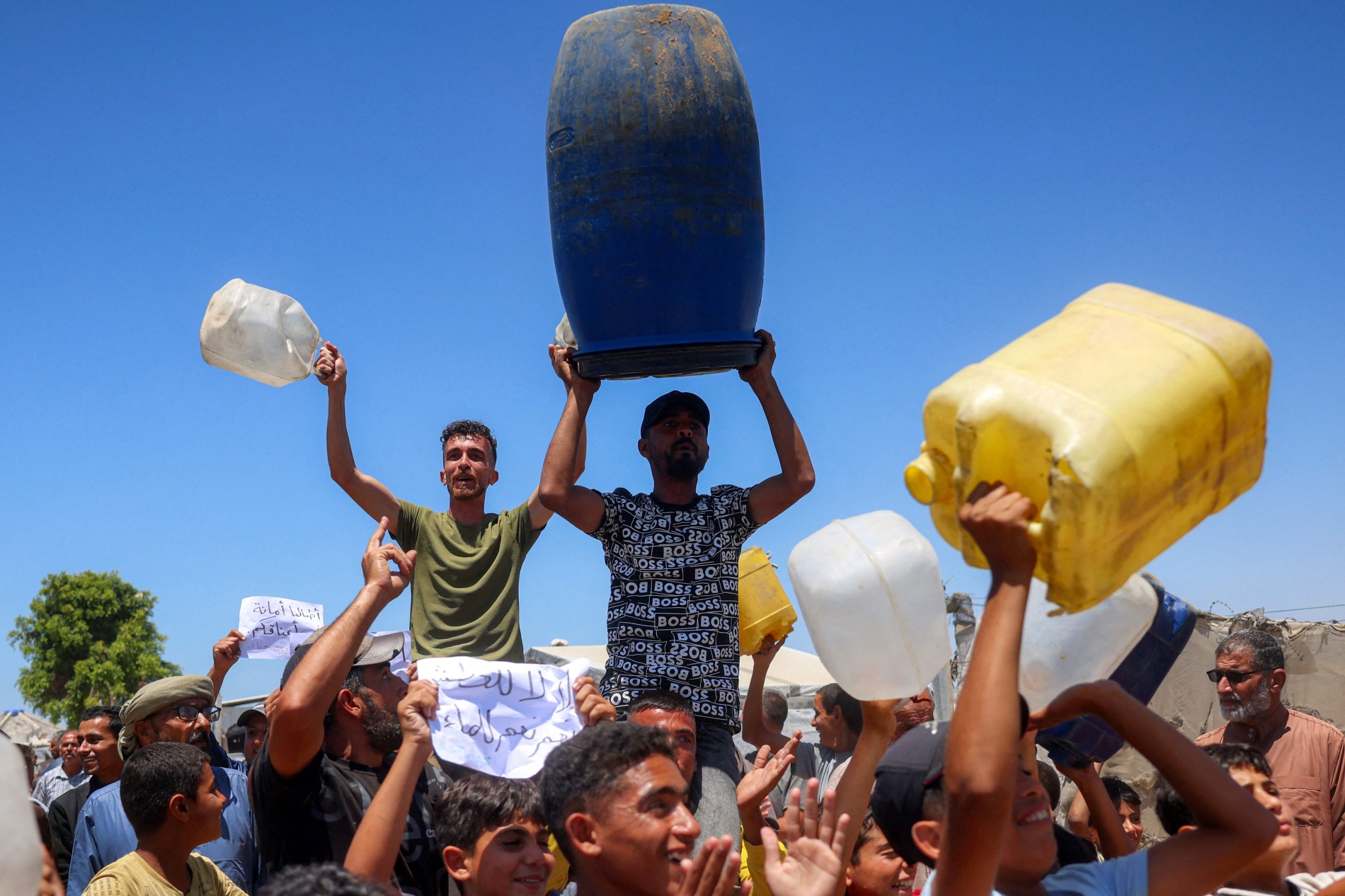
For Gaza’s population of more than two million, the ceasefire has not made life any better or easier. Although the mass killing and shelling has partially abated, life is as hard as it was during the war, with Gazans still living in tents, from where they brave the scorching heat and biting cold. Surrounded by rubble and memories, they have nowhere to go in a territory that resembles a demolition site, to use Trump’s own description, his Middle East envoy Steve Wittkoff having visited the territory in 2025.