
In 1896, US inventor and businessman Thomas Edison published a short science fiction story titled In the Deep of Time, in which he described advanced automated flying technologies resembling what we now know as drones. A similar idea was present in The War in the Air, a 1908 book by English writer H. G. Wells, who imagined a world with “aerial torpedoes” capable of striking targets autonomously.
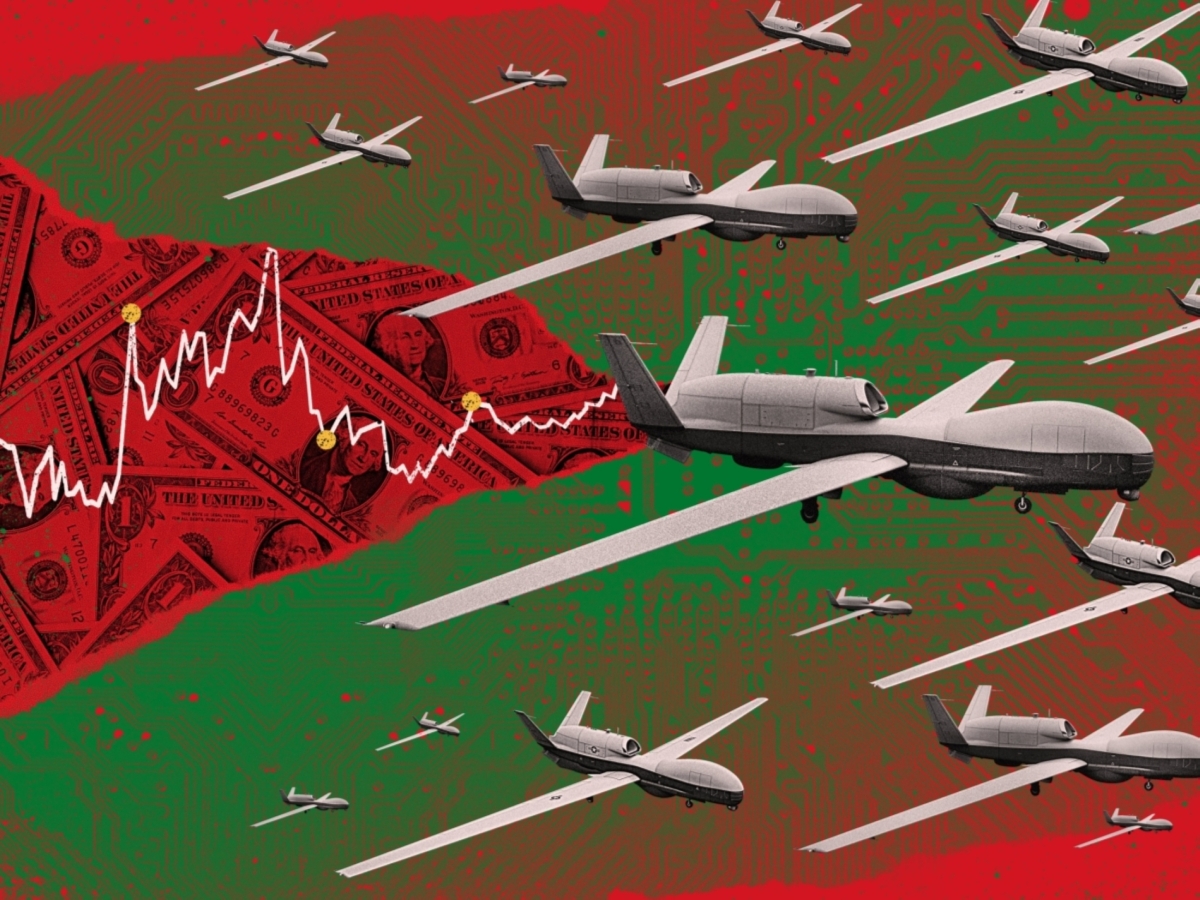
A year later, British audiences watched the silent film The Airship Destroyer, which depicted an unmanned flying machine launched from the ground to collide with its target and explode. What was once pure fantasy has now become an accurate description of a weapon that is changing the face of war and its economic costs. Attack drones have altered the tools and financial logic of warfare.
During the First World War, the first serious attempts to develop unmanned aerial weapons emerged, including the American Kettering Bug project. It revealed an important shift in military thinking: separating the combatant from the battlefield. During the Second World War, this developed further with Germany’s V-1 buzz bombs, primitive cruise missiles, while the US developed the TDR-1 system, an attack drone that saw operational use in the Pacific. Even so, these systems were limited in accuracy and relied on rudimentary guidance.
The real transformation came with the digital revolution in the second half of the 20th century, especially the development of microprocessors and the miniaturisation of electronics. Machines no longer required huge and complex mechanisms; they could now be equipped with small electronic ‘brains’ capable of calculation and limited decision-making.
These ‘drone predecessors’ evolved from projectiles fired towards a target into systems capable of flying for hours over long distances, observing their surroundings and waiting for the right moment to attack. This transformation gave new meaning to what are now known as loitering munitions, weapons that combine reconnaissance with the ability to strike targets, acting as a link between information and firepower.
Low-cost predators
This autonomous aerial weapon has become a thriving global industry, in which states compete over technology, costs, and combat capability. Israel has led the field since the late 1980s, when Israel Aerospace Industries developed the Harpy drone in 1989 to destroy air defences as the first anti-radar weapon. It was followed by the Harop in 2009 and upgraded versions in 2016.
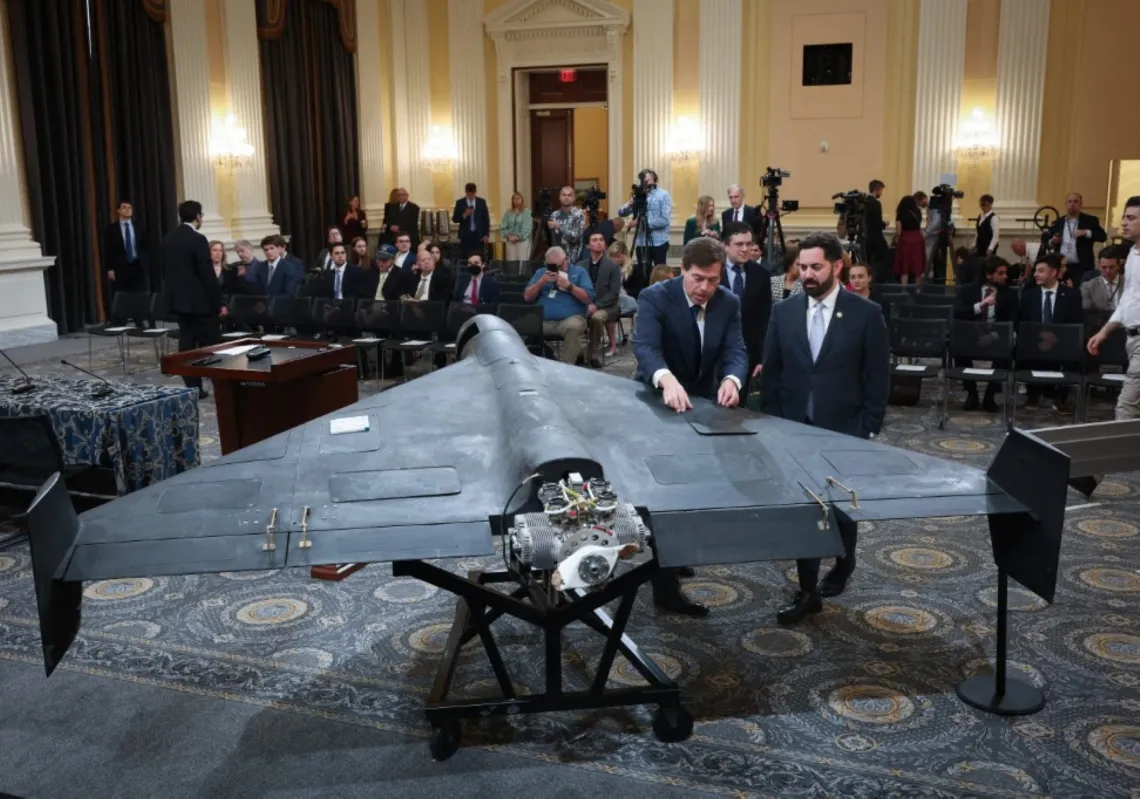
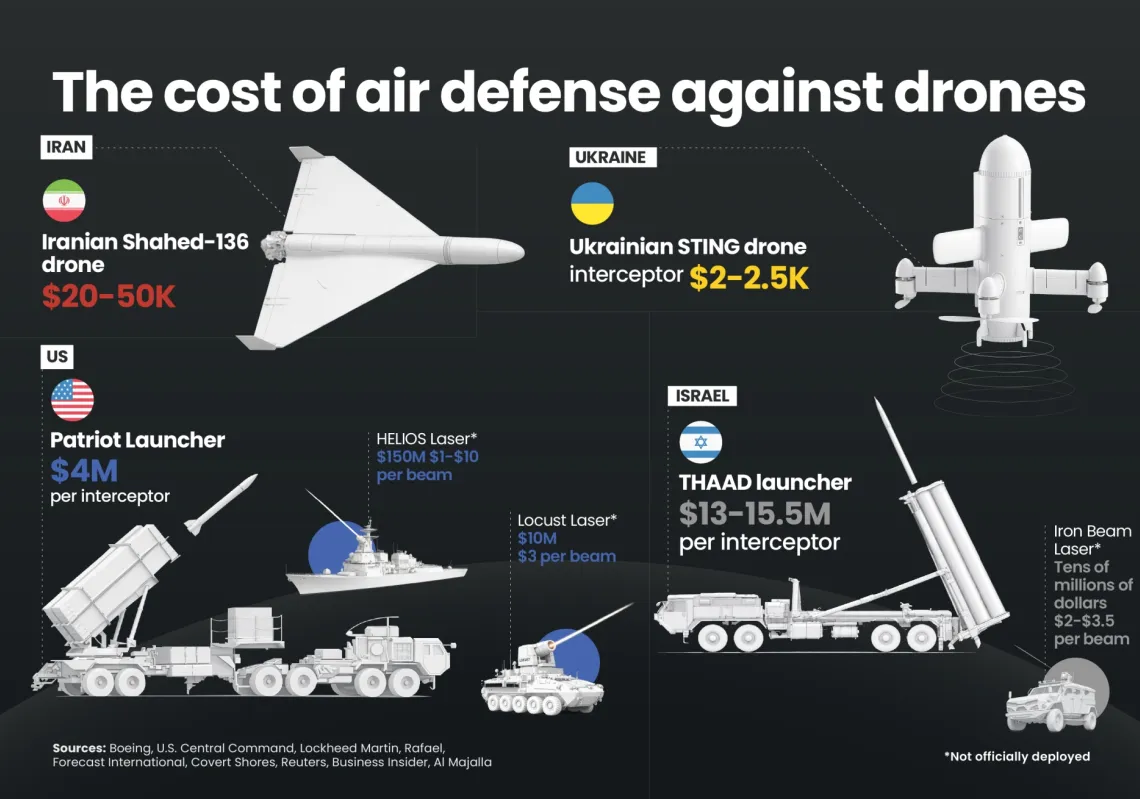
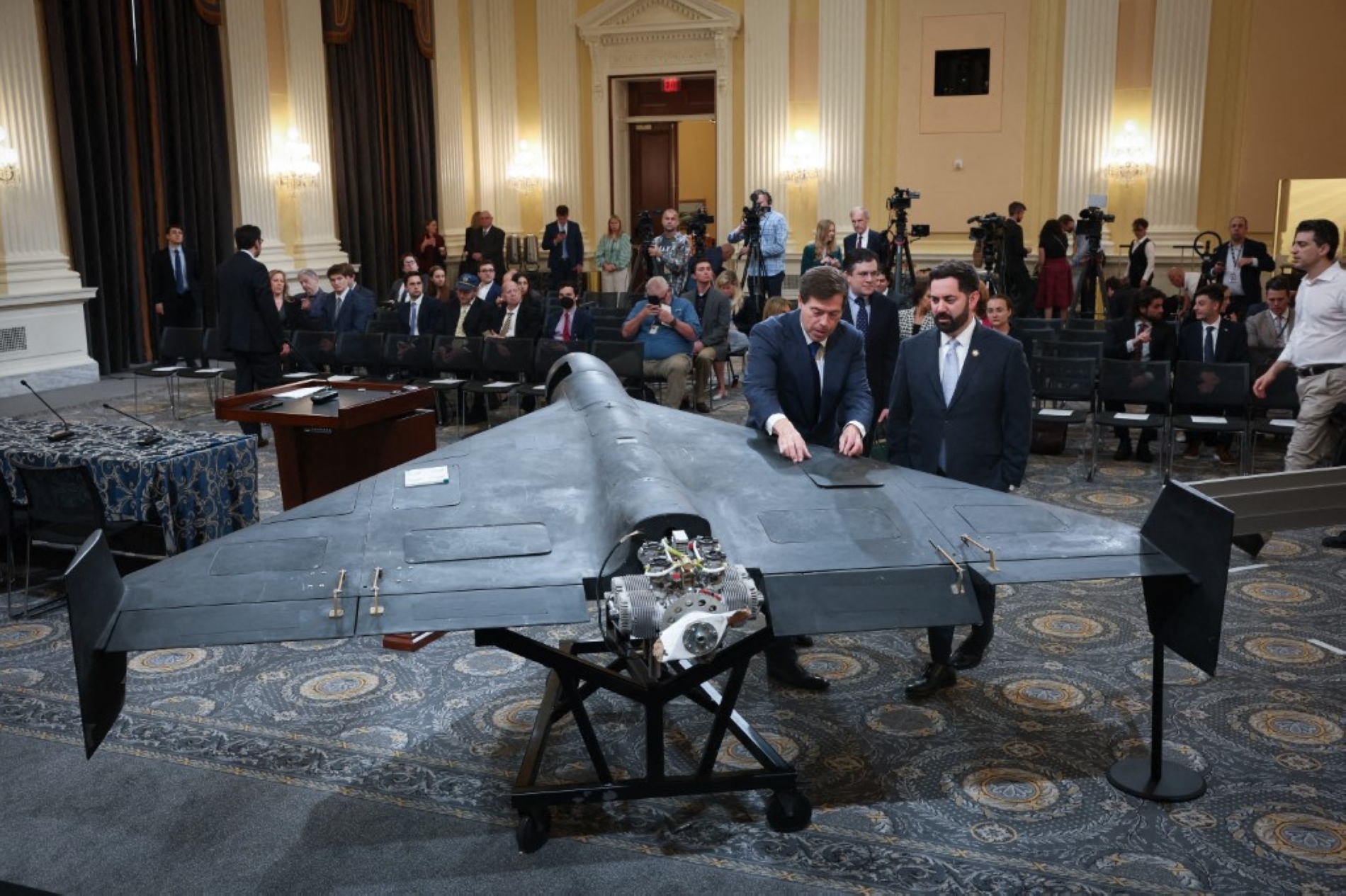
In the US, AeroVironment developed the Switchblade system in 2011, which was widely used in Ukraine and Afghanistan. Iran emerged with a low-cost, mass-production model through Shahed Aviation Industries. It produced the Shahed-136 in the early 2010s at a unit cost ranging from $20,000 to $50,000.
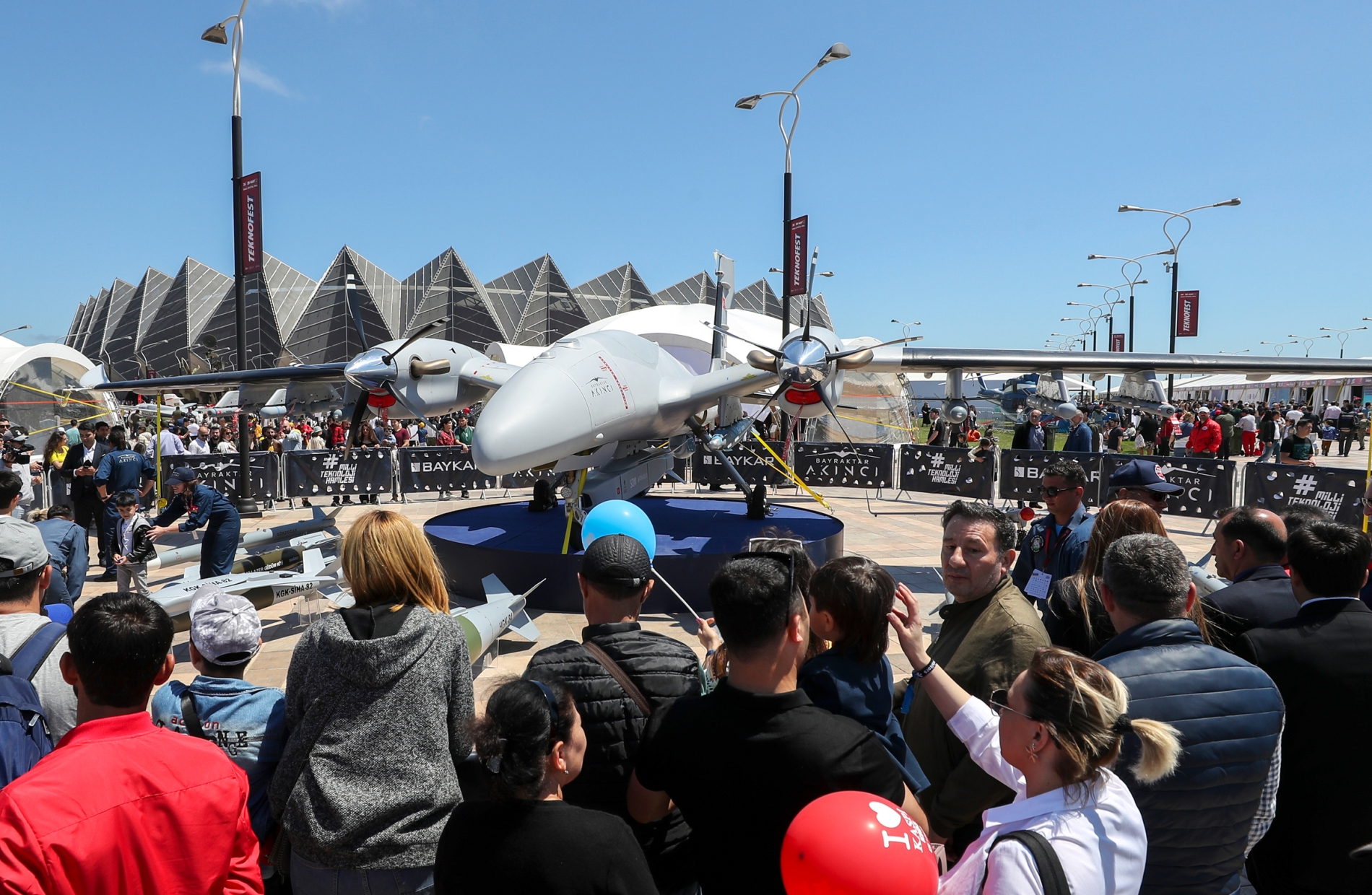
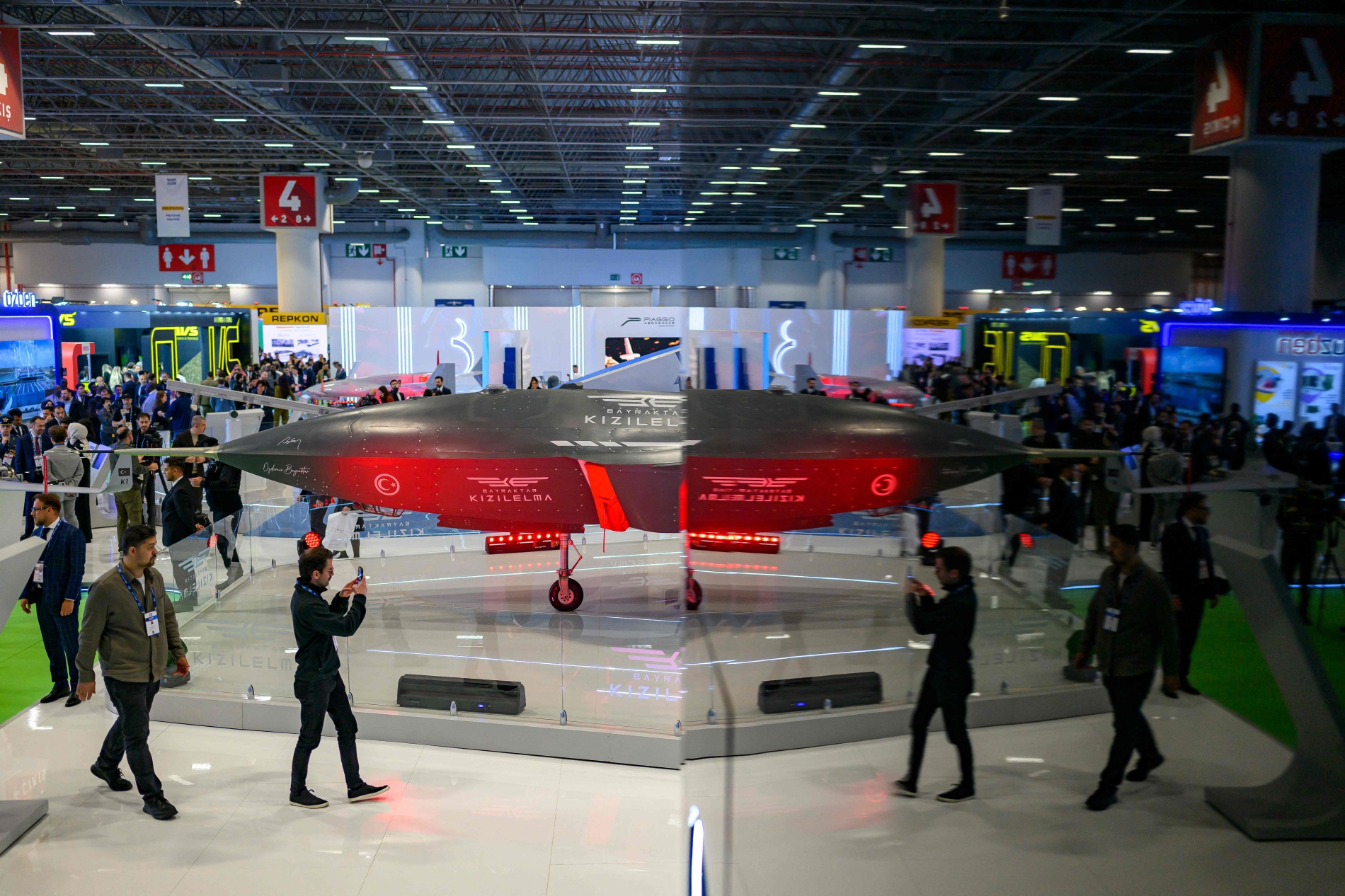
Türkiye also entered the field. STM, the Turkish defence firm, developed its KARGU model (operational between 2018 and 2020) and the lightweight ALPAGU, weighing less than 2kg. Baykar, which makes the famous Bayraktar drone, announced recently that it had developed the K2 Kamikaze model, reportedly among the largest and most powerful loitering munitions in its class, equipped with Artificial Intelligence (AI). This enables it to operate in swarms, even in GPS-denied environments. The company also announced the launch of the first interceptor drone, the Skydagger HUNTER.
Faced with a Russian invasion since 2022, Ukraine has turned to locally made suicide drones costing anything from $500 to $2,000. Originally civilian technology was converted into weapons, showing the extreme democratisation of weaponry, with almost anyone able to manufacture effective weapons from simple materials. This raises the risk of proliferation among armed groups and militias.
Changing the market
These systems have become a flourishing economic industry. Israel, Türkiye, and the United States are leading exporters, while Iran and China are active in low-cost production on a vast scale. Wars in Ukraine and Iran have helped drive this growth and have forced states to rethink the economics of war. A single drone costing tens of thousands of dollars can have a greater impact than a missile costing $2mn.
According to estimates, the market was worth $5.3bn in 2025 and is expected to reach $13.2bn by 2030 and $29bn by 2035. This growth is being driven by the spread of AI and autonomous swarms, increased demand, and the development of low-cost counter-drones such as the American LUCAS, which costs around $35,000 per unit, but advances in laser defence systems and jamming technologies may lead to a slowdown in demand if states reduce the cost of interception.