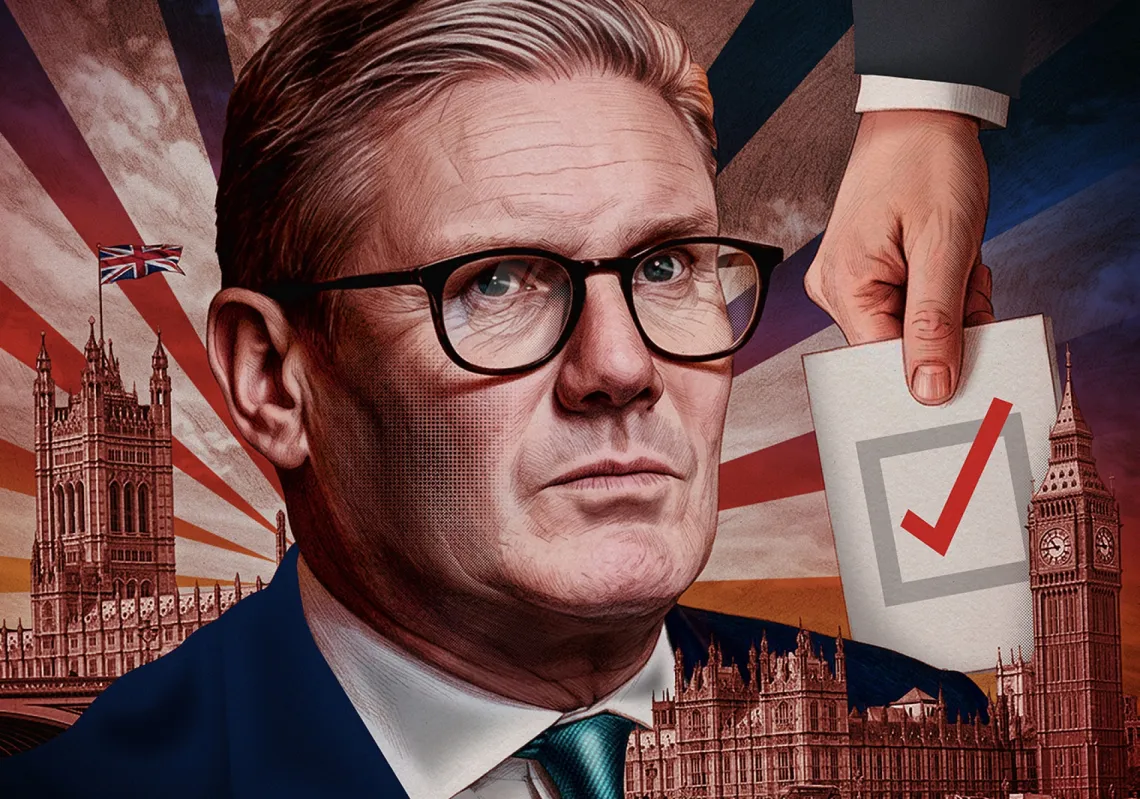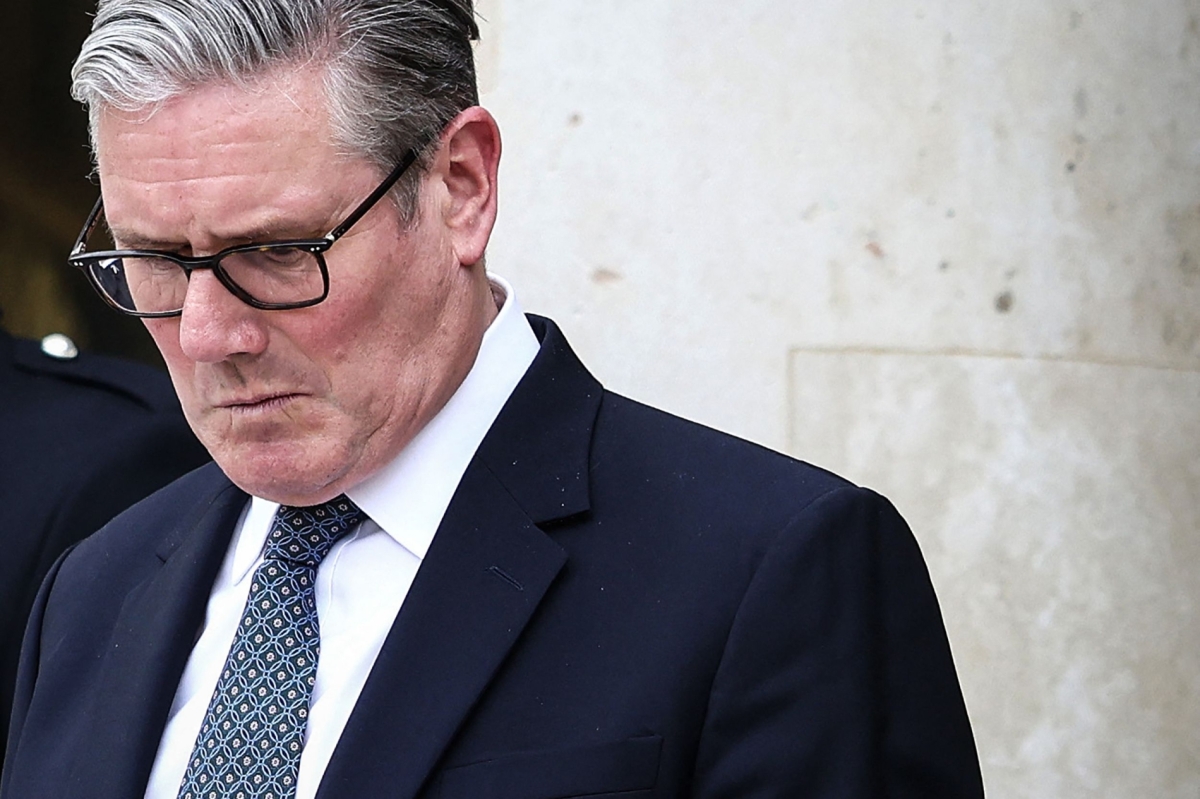

The ability of British Prime Minister Sir Keir Starmer to survive in power has been called into question after the catastrophic losses his ruling Labour Party has suffered in the UK’s latest round of local elections.
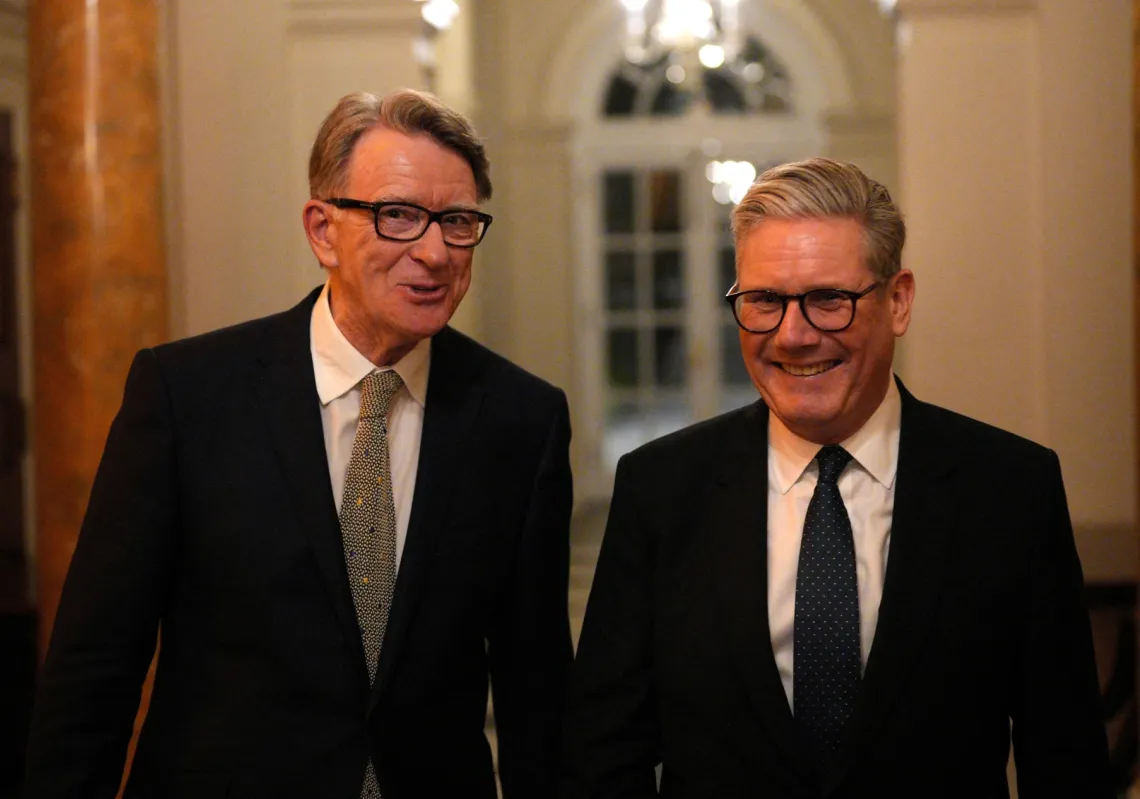
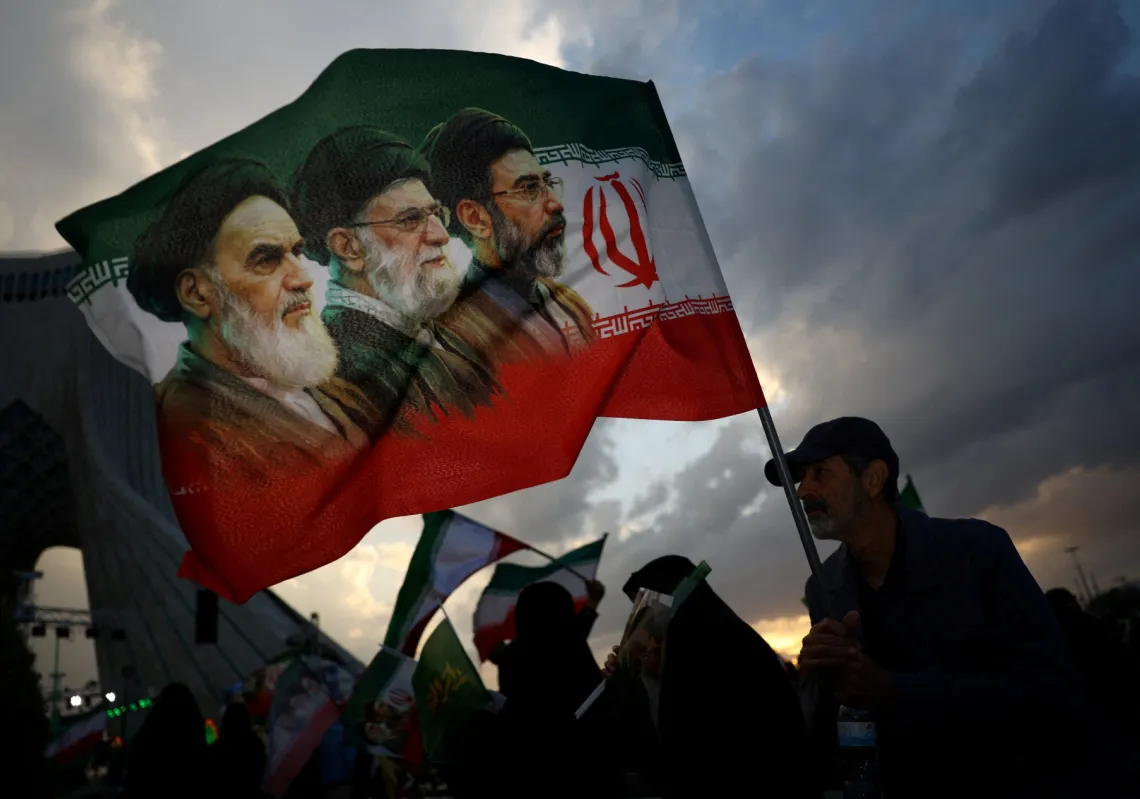
Starmer, who only two years ago swept into Downing Street after winning a landslide victory in the 2024 general election, has already come under intense pressure to stand down over his handling of various issues, from appointing former Labour spin doctor Lord Mandelson as the UK’s Ambassador to Washington to his unimpressive response to the Iran conflict.
Now he is facing widespread calls from Labour activists to end his premiership after the party’s disastrous showing in the latest local elections, which saw it suffer some of its worst results in modern political history.
Following the election results, which saw Nigel Farage, the populist Reform Party leader, emerge as a genuine contender to be the UK’s next prime minister, Starmer remained insistent that he would remain in office at least until the next general election, which is not due to take place until 2029. Commenting after the results had been declared, Starmer insisted that he would not “walk away and plunge the country into chaos”, saying that he would fight the next election.
He said he took full responsibility for the election results after conceding that they looked bad for his party. “The results are tough, they are very tough, and there’s no sugarcoating it,” Starmer said.
“We have lost brilliant Labour representatives across the country. These are people who put so much into their communities, so much into our party. And that hurts, and it should hurt, and I take responsibility.”
But he added: “I accept that (the results) reflect voters don’t feel that their lives have changed enough or quickly enough, and that’s been going on for a long time. We were elected to deal with that, and I’m not going to walk away from that responsibility and plunge the country into chaos.”
Previously solid Labour areas fell to Reform by huge margins. In the northern city of Sunderland, for example, Labour was defeated for the first time in the party’s history losing 49 of its 54 seats to Farage. In total, Labour lost half the councils it controlled before the elections.
Resignation calls
The results have prompted a number of prominent Labour supporters to call for Starmer to stand down, with one former close ally of the prime minister claiming that he had “lost the country”. Josh Simons, a former Cabinet Office minister and previously the director of Labour Together, a think tank central to Sir Keir’s rise to power, wrote in The Times, “Putting the people I represent and the country I love first, I do not believe the prime minister can rise to this moment. He has lost the country. He should take control of the situation by overseeing an orderly transition to a new prime minister.”
Meanwhile,Sharon Graham, the general secretary of Unite, Labour’s biggest union donor, urged Starmer to set out a timetable for his departure in the wake of Thursday’s local election drubbing.
The sheer scale of Labour’s defeat has certainly caused a major reshaping of the British political landscape, prompting predictions that the old two-party system, in which the Conservative and Labour parties dominated British politics, is now over.
Farage’s Reform UK party emerged as the undoubted winner, making big gains of 1451 seats at the expense of Labour and the Conservatives. One of the most stunning losses took place in Wales, traditionally viewed as a Labour heartland, where the party lost control of the Welsh Senedd, the devolved parliament, which was won by the pro-independence Plaid Cymru party. Labour also failed to make inroads in Scotland, another former Labour stronghold,where the pro-independence Scottish National Party held onto power for an unprecedented fifth time in the Scottish Parliament.
Surprise appointment
In what is widely regarded as a desperate bid to cling to power, Starmer responded to the results by making the surprise appointment of former Labour prime minister Gordon Brown as his Special Envoy on Global Finance and Cooperation.
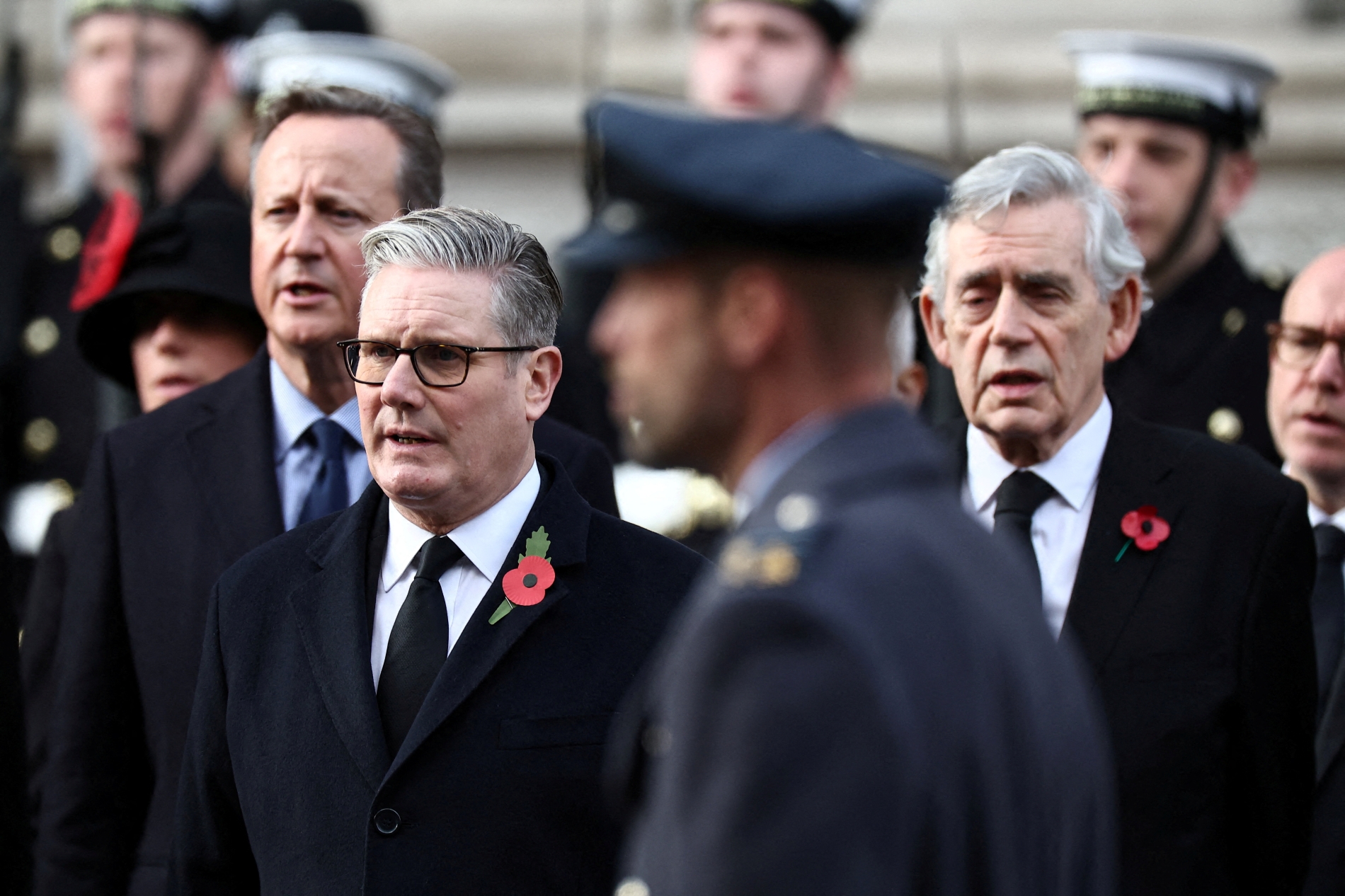
Brown was Prime Minister from 2007 to 2010, and finance minister from 1997 to 2007 and widely credited with being key in shoring up the international banking system during the global financial crisis. He will be tasked with developing new international finance partnerships that can support defence and security-related investment, including measures that underpin the UK’s relationship with Europe. After the disastrous feedback from the voters, Starmer hopes this unexpected move will kill off rebel attempts.
But it remains to be seen whether Brown’s appointment will be enough to quell the mounting unrest within Labour ranks over Starmer’s poor performance. Graham Stringer, Labour MP for Manchester, denounced Brown’s appointment as a “parody of the politics of 16 years ago” and added that this could not solve “an impossible problem – how to improve a very unpopular prime minister”.