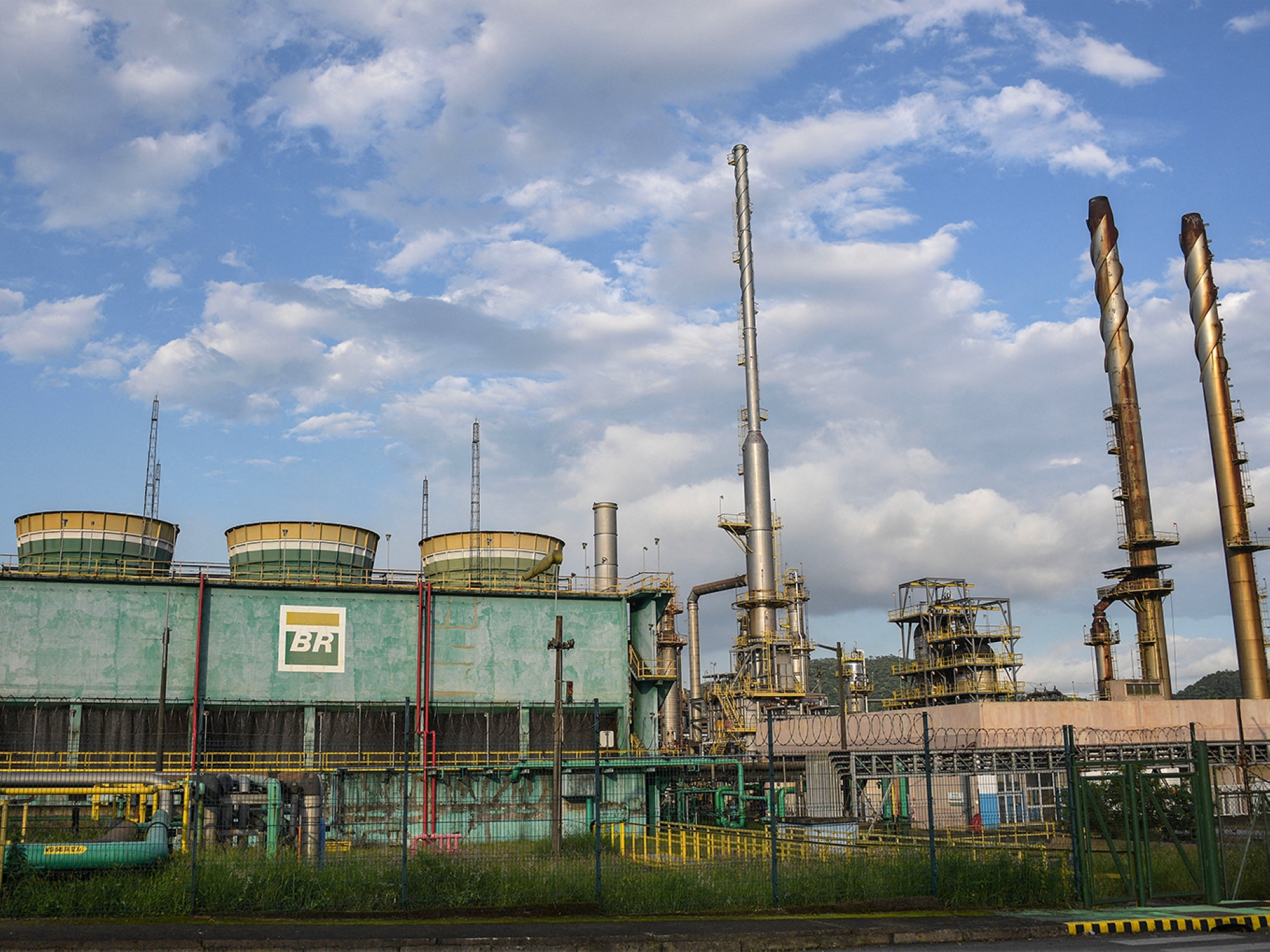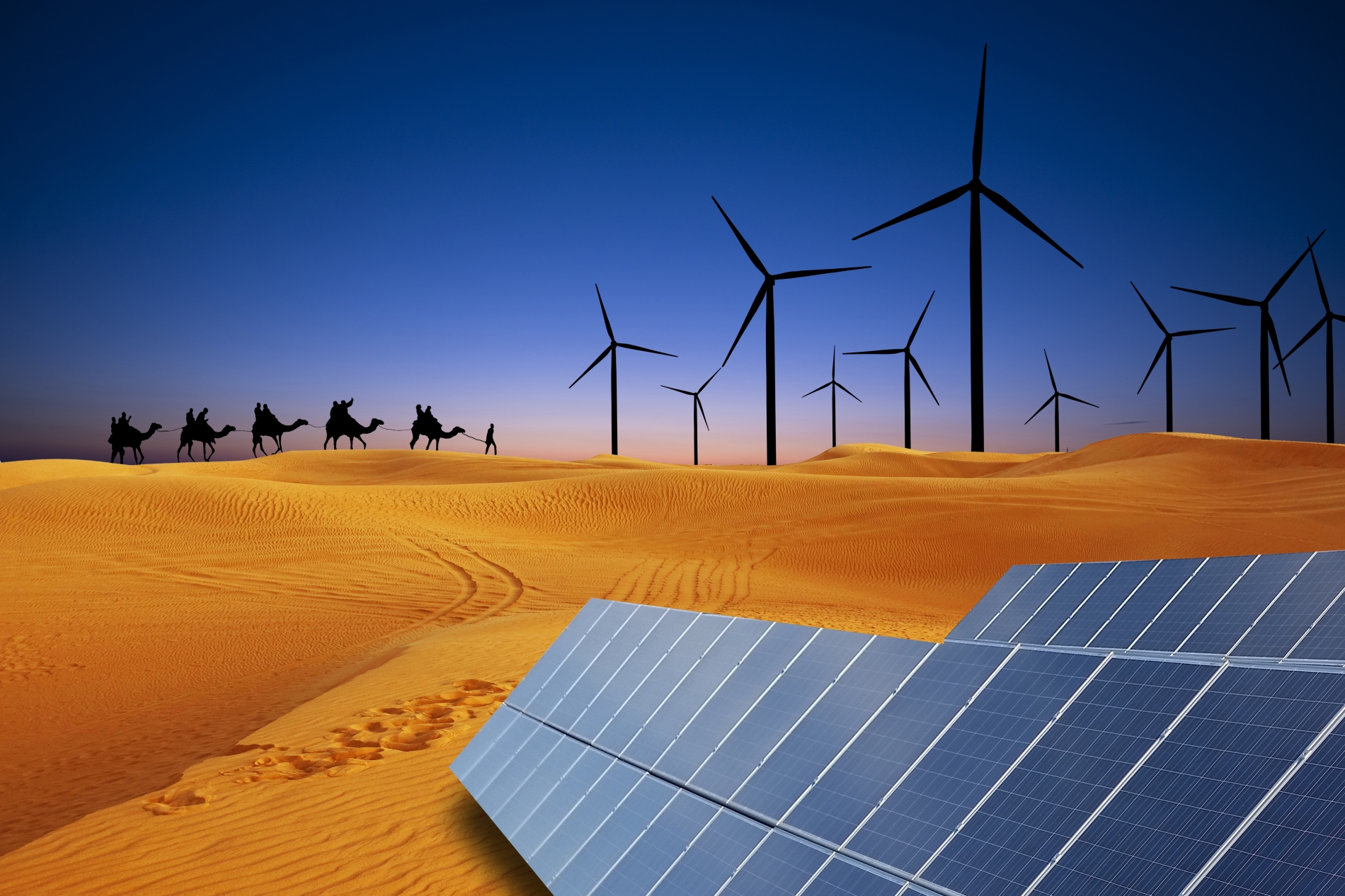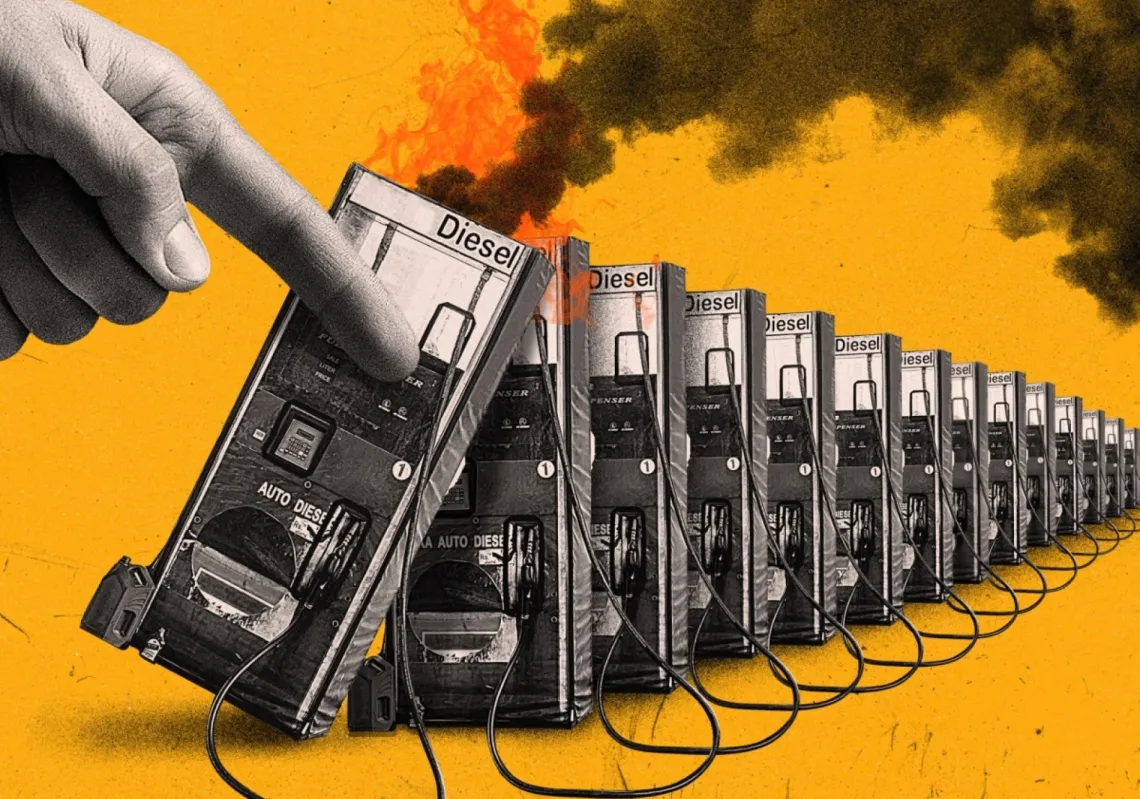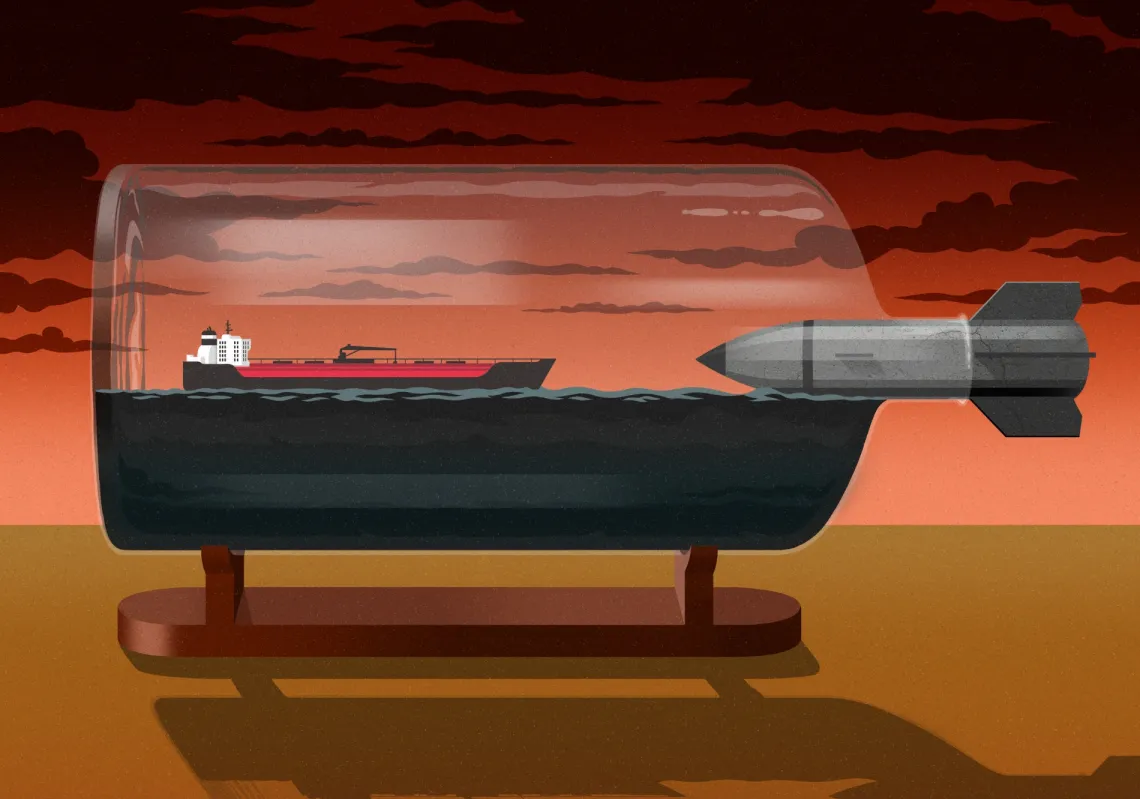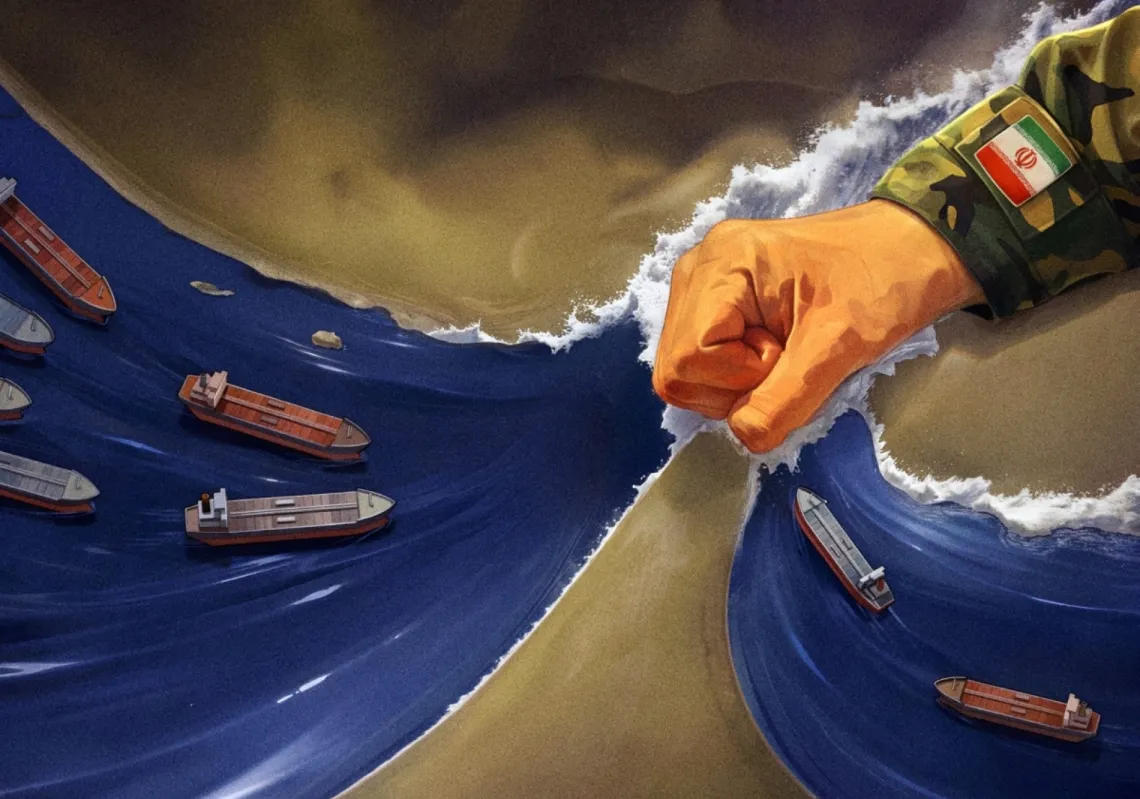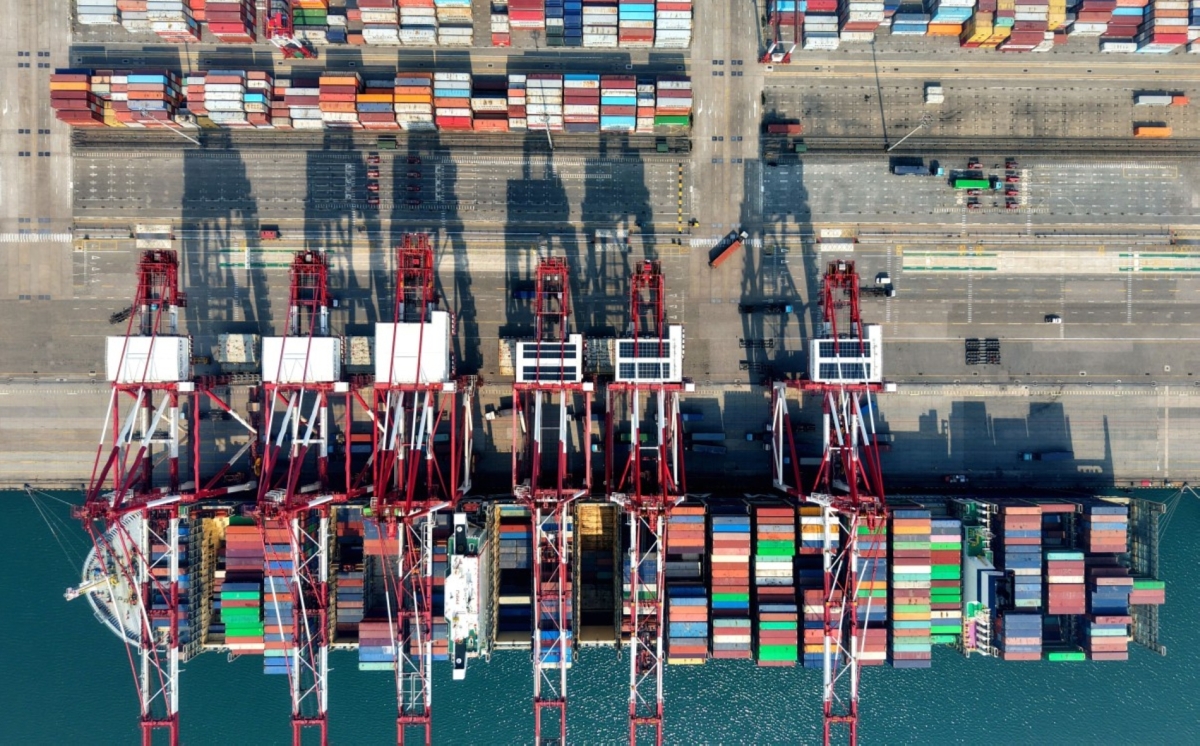

More than two months after the bombing began, the US-Israeli war against Iran has become an uneven stress test for world economies, presenting them with challenges of varying degrees related to their dependence on energy from the Gulf. Of all the Gulf’s customers, Asian economies are perhaps the most heavily reliant, and although China had four months’ reserves stockpiled for just such a scenario, the continent is nevertheless facing direct pressure on growth and inflation, as states’ all-important industrial supply chains are increasingly threatened by the continued closure of the Strait of Hormuz.
Europe, which was still recovering from the energy shock caused by Russia’s invasion of Ukraine in 2022, now faces rising prices and supply disruption, threatening its heavy industries and competitiveness. Meanwhile, low-income countries have seen soaring food and fertiliser costs, deepening food insecurity and increasing the risk of instability.
The International Energy Agency (IEA) has suggested that this crisis represents one of the biggest tests of energy security in recent decades, while the International Monetary Fund (IMF) has warned of scenarios that could depress global growth and drive inflation. Over the long term, however, the disruption to date will be less significant than the energy insecurity that this war has unleashed. Prior to March, for instance, Gulf states assumed that the Strait of Hormuz would not be closed by Iran, even if it was under pressure. Those assumptions have now proven incorrect, affecting the reliability of maritime corridors and the stability of the world’s supply chains.
Different priorities
Economies everywhere are reprioritising. For decades, supply chain efficiency topped the agenda. Today, supply chain resilience and risk diversification are more important. Interdependencies are being re-evaluated, further setting back the globalisation model. Amidst all the upheaval, the oil and gas markets have once again proven themselves useful barometers of geopolitical stability.
The movement of tankers, insurance costs, and the impact on investment flows now serve as immediate signals of the prevailing level of risk. Within this context, oil producers in the Gulf face the delicate balance of preserving production stability, containing risks, and ensuring the continuity of exports. With their advanced infrastructure and alternative logistics, these states have shown that they can absorb shocks, but resilience comes at a cost.
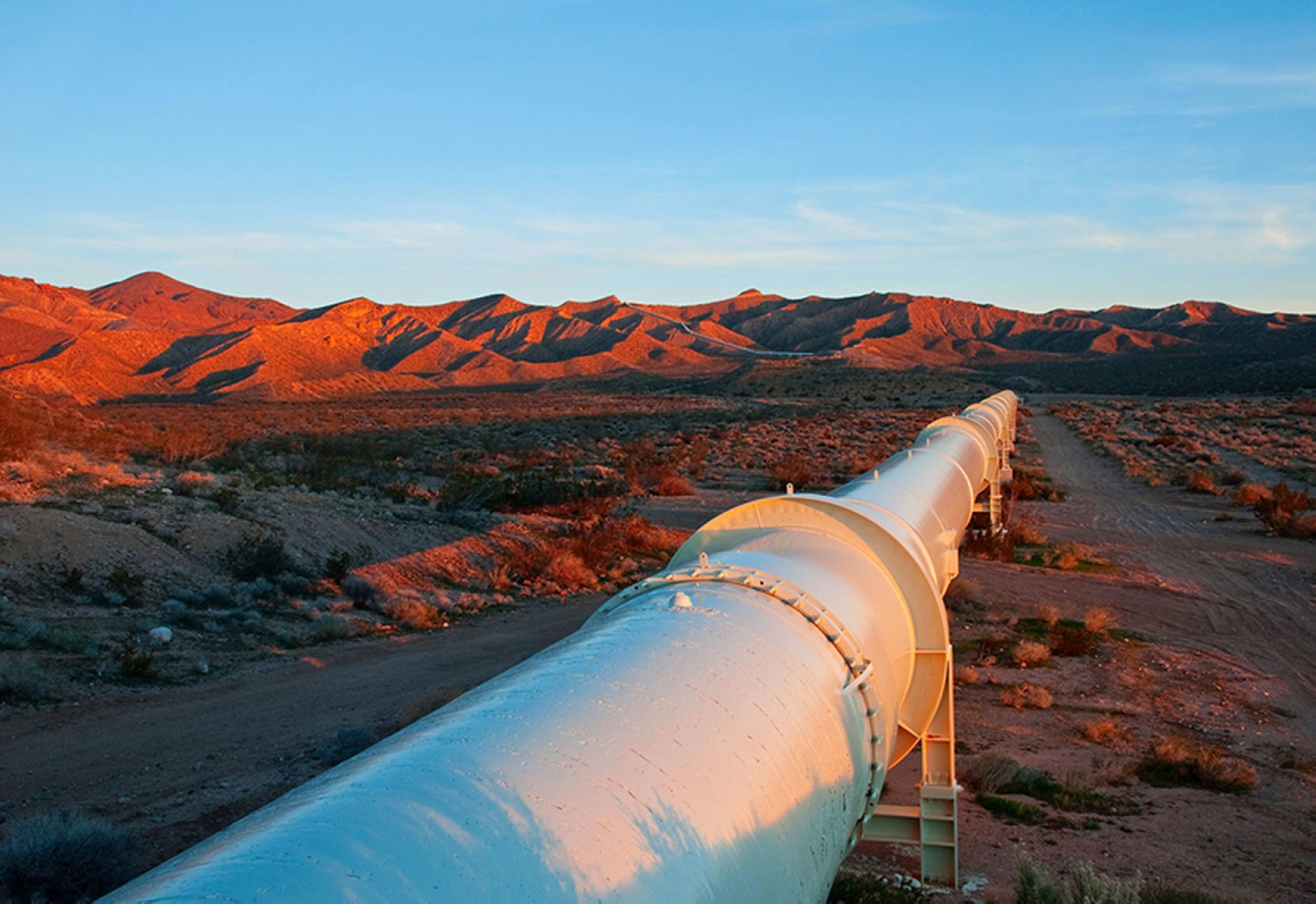
Securing a single facility or installation is no longer sufficient. The challenge now lies in protecting an integrated system stretching from oilfields to maritime corridors and end markets. This is reflected in the marked rise in spending on air defence systems, cybersecurity, and the protection of critical infrastructure and maritime routes. Sustained disruption of Gulf energy supplies affects production, revenues, companies, factories, financial markets, confidence, and investment.
The World Bank has lowered its growth forecast for Gulf Cooperation Council (GCC) states to 1.3%, a decline of 3.1 percentage points, while the IMF has cut its forecast for growth in the Middle East and North Africa to around 1.1-1.4%. Some of the worst-hit Gulf economies, such as Qatar, Kuwait and Bahrain, are expected to contract. Future investments and projects are now being reviewed, postponed, or cancelled.