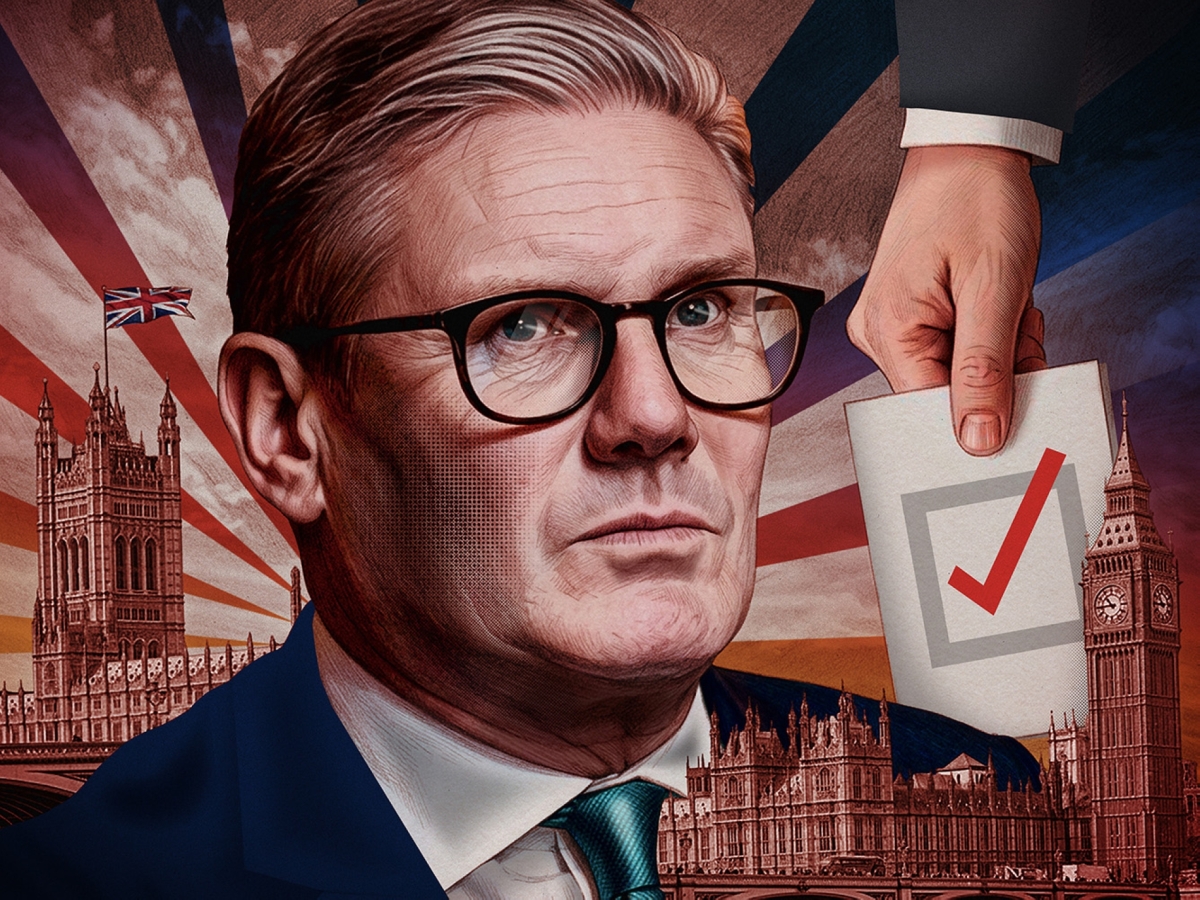

A day of reckoning looms, and every political observer in Britain knows it, a day of what President Obama would call ‘a shellacking’. May's local elections promise to be more than a midterm shot across the bows for the Labour government. Polling suggests it will be closer to an extinction event.
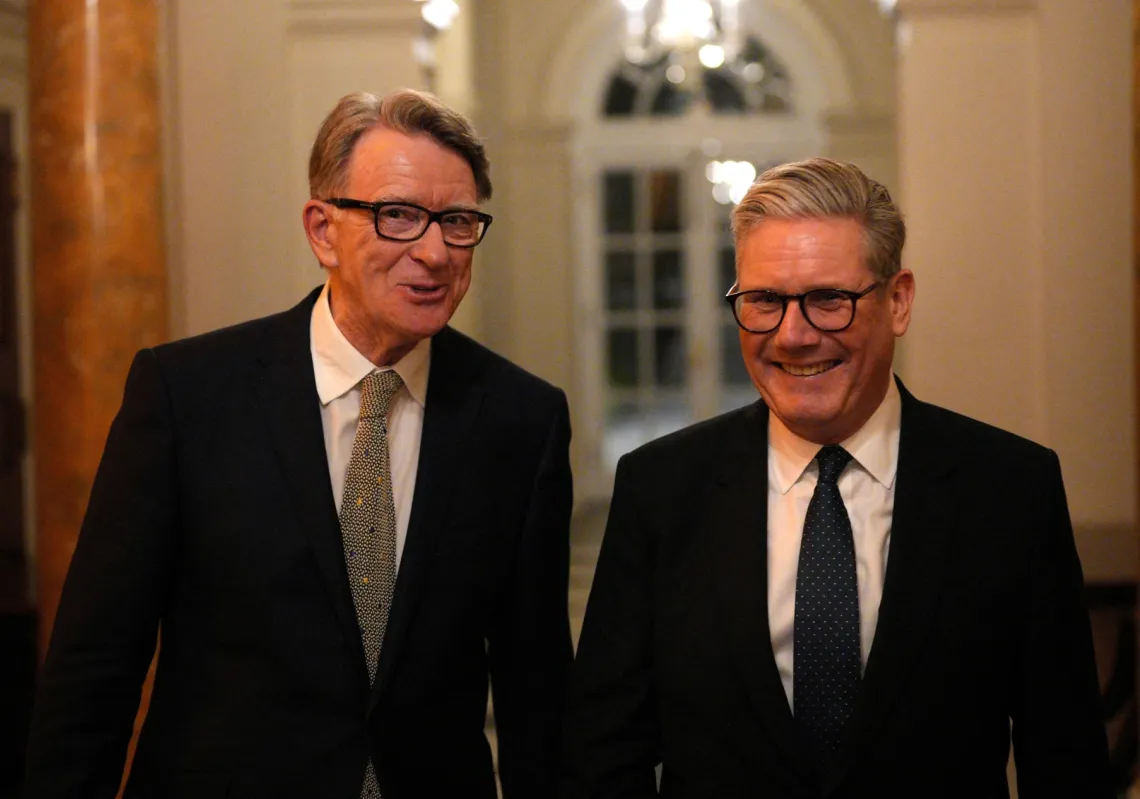
The great mystery of our times is how this could have happened to a party elected by a massive landslide less than two years ago. Is it all the fault of the government’s U-turns? Was it the appointment of Peter Mandelson as ambassador to Washington? Could it be the freebies received by cabinet members within weeks of their ascent to power? Or has the electorate simply lurched to the right under the malign influence of Nigel Farage, despite the draconian measures against immigration pioneered by an over-zealous Home Secretary?
The problem with any of these explanations is that each of them can be convincing until one considers the other explanations. They’re really symptoms. There is a more fundamental explanation (though perhaps verboten in present times) for the lacklustre PM and his underwhelming government, one that is based on a debate that has haunted the Labour party for most of its existence.
Back when Tony Blair first became the leader, an aspiration was enshrined in Clause Four of the party’s constitution. Dating back to 1918, the clause was drafted by Sidney and Beatrice Webb. In photographs, Sidney bears a passing resemblance to a Bolshevik intellectual, but facial hair wasn’t only fashionable among revolutionaries.
The Webbs spoke from a democratic socialist tradition. They wanted to secure ‘for the workers by hand or by brain the full fruits of their industry and the most equitable distribution thereof’. This redistribution would be achieved by common ownership of ‘the means of production, distribution and exchange’. The language may sound dry and ideological to some, but to those on the left of the party, it came close to lyrical.
Early in his career as leader, Tony Blair succeeded in replacing this working-class poetry with his own version. It lacked the lyrical flights, but then so did Tony Blair’s speeches. It talked instead of how, by the strength of our common endeavour, we achieved more than we achieved alone, and it set out ‘...to create for each of us the means to realise our true potential and a community in which power, wealth and opportunity are in the hands of the many, not the few, where the rights we enjoy reflect the duties we owe, and where we live together, freely, in a spirit of solidarity, tolerance and respect.’
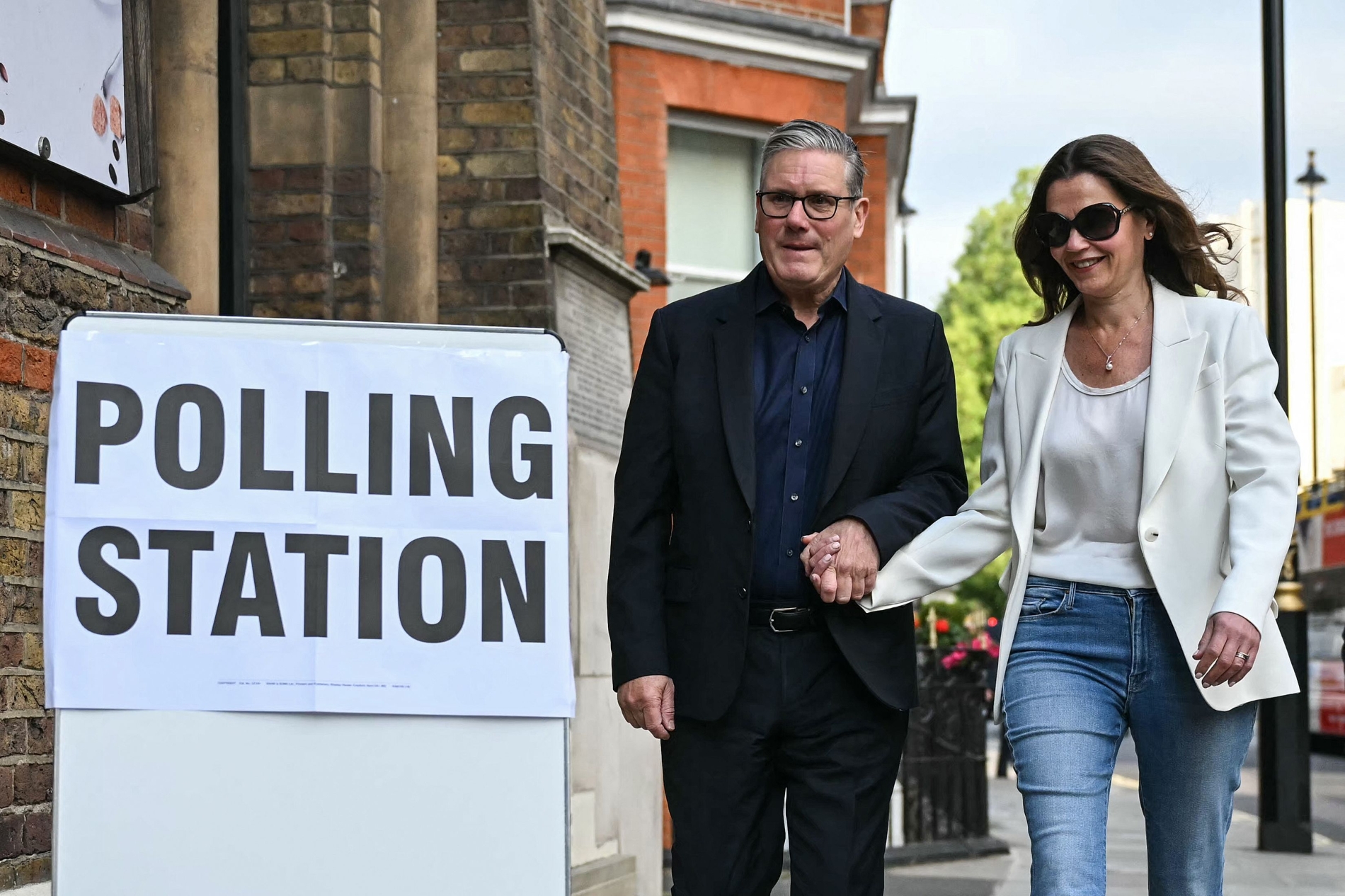
The high-minded tone is beyond doubt, but there is no reference to the means by which any of this will be achieved. Instead, it is a statement of values. Sir Keir Starmer is very fond of invoking his values. In this, he mimics Tony’s rewritten clause.
Once again, the heirs of Blair have determined that the Labour Party simply manages capitalism, in preference to the Conservatives mismanaging it. Meanwhile, the ‘few’ continue to engross society’s wealth unimpeded, making more and more money, while the ‘many’ are kept busy making ends meet. But, despite appearances, history didn’t simply repeat. As Mark Twain would say, it rhymed.
Enter McSweeney
The latest Blairite takeover was consummated after Jeremy Corbyn’s massive defeat in 2019. In the lead-up to the party’s worst result since the Thirties, a row began to consume the ranks over antisemitism. The story of how Morgan McSweeney, an unelected fixer, was able to use this as a way of undermining Corbyn is told at length in Get In: The Inside Story of Labour under Starmer. Written by Gabriel Pogrund and Patrick Maguire, the book amply proves the use to which charges of antisemitism were put.
This may have seemed an arcane dispute at the time, not calculated to stir the imagination of the voting public. However, it is fair to say that in eliminating socialism under the guise of eliminating antisemitism, Mandelson and McSweeney were able to neuter radical policy.
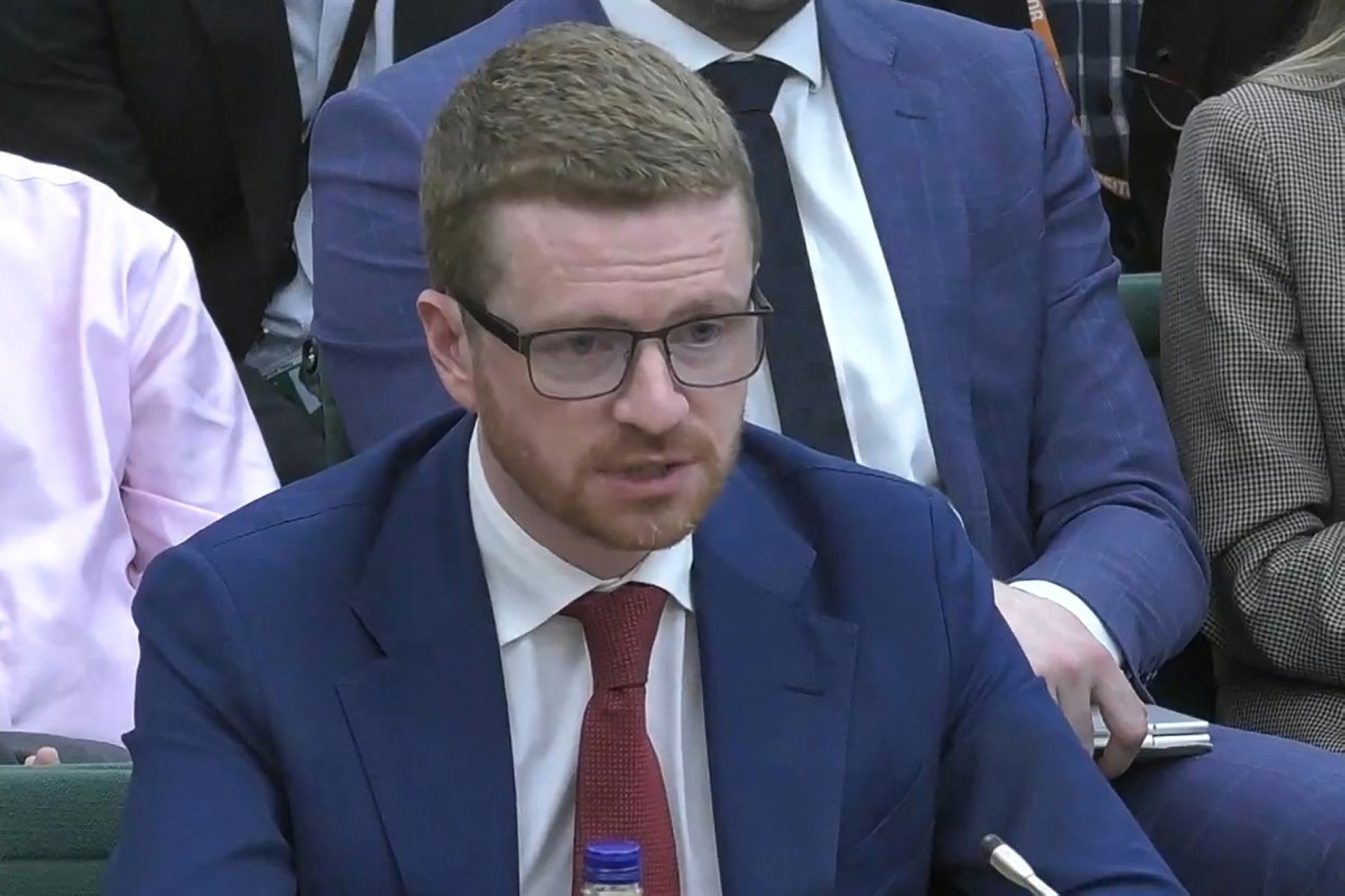
They did this with the aid of one individual in particular, a Jewish man by the name of Trevor Chinn, who donated funds to Labour Together, McSweeney’s campaigning organisation. Chinn’s Jewishness is not incidental here, any more than his fervent Zionism. According to reports, he has bankrolled both Conservative and Labour Friends of Israel throughout his career. In early 2025, he was awarded the Israeli Presidential Medal of Honour by President Isaac Herzog for his services to Israel.
When pundits express their dismay at how directionless or blundering the government has been, they tend to overlook its origins in a strategy to purge the left. From being leader of the party, after all, Corbyn has been expelled altogether from its ranks. He has become the figurehead of a new and irrelevant outfit, one boasting the needy-sounding moniker of Your Party. Very few voters call the party their own.
The toppling of Jeremy Corbyn and the purging of ‘antisemitism’ by Peter Mandelson and Morgan McSweeney—for convenience, you could call them Mandy McSweeney—may be seen as a rerun of the victory of Blair’s New Labour over the socialism that still haunts Labour’s famously broad church, like the ghost of a puritanical preacher.