US naval blockade puts the squeeze on Iran

When ships leaving Iran's ports are seized, oil buyers are hurt, as well as every stakeholder in the chain, making countries more reluctant to do business with Tehran

Sara Padovan

US naval blockade puts the squeeze on Iran

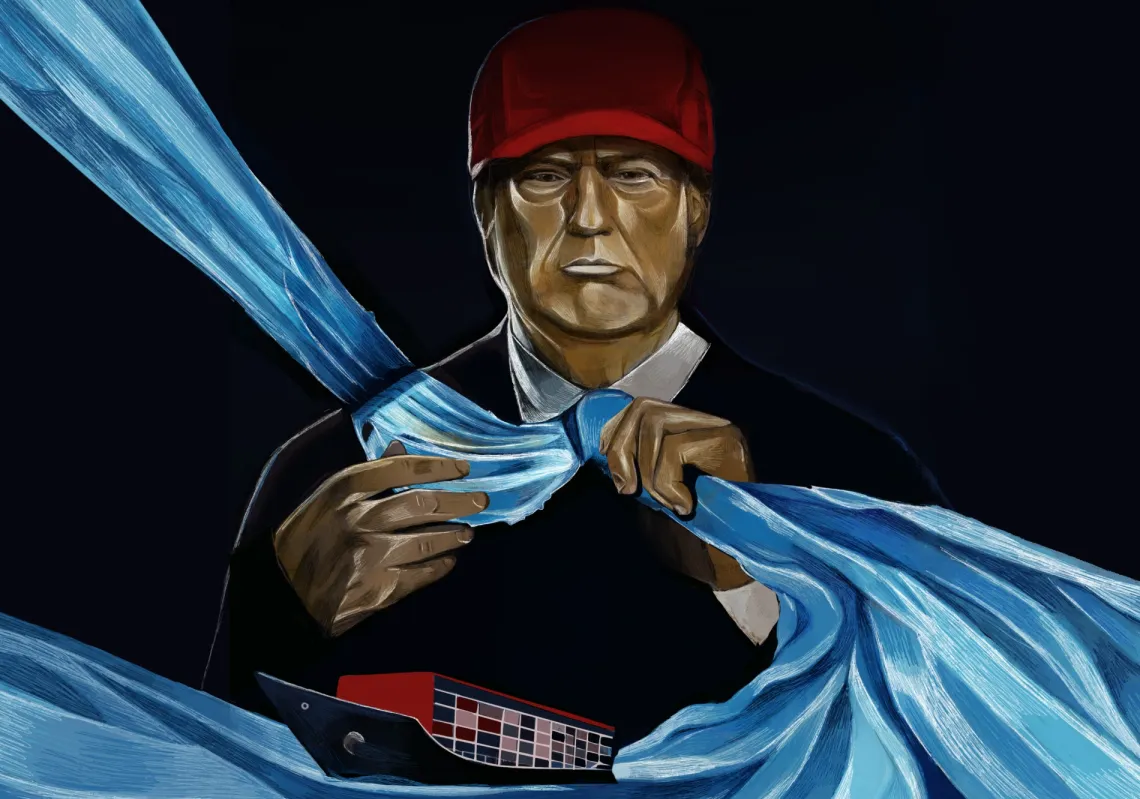
The US maritime blockade of Iran does not just aim to curb Iranian oil exports but to reshape the network of routes through which this oil travels from Iranian export terminals to refineries in importing countries. This affects not only the ships leaving Iranian ports but the buyers of Iranian oil, the financers and insurers of its transport, and the refiners of the crude. In short, the blockade is no longer directed solely at Iran, but at every stakeholder in the chain.

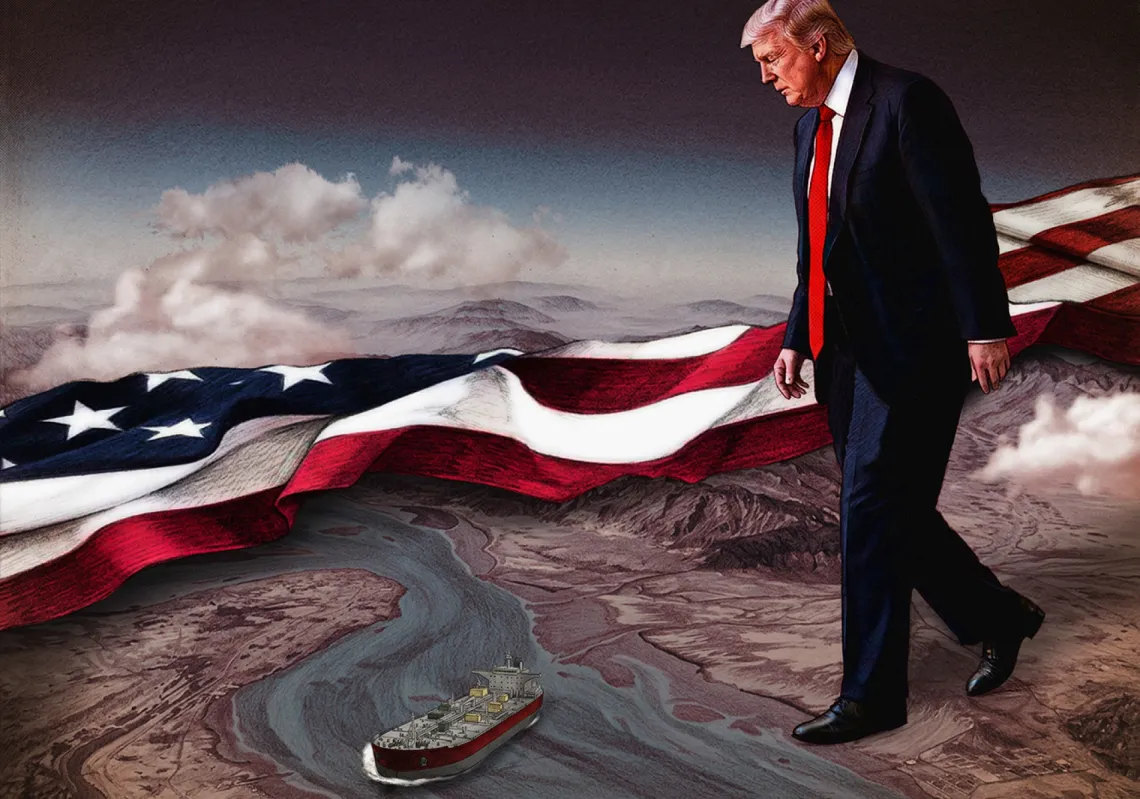
The blockade aims to close the loop that, for years, has allowed Tehran to survive despite a raft of sanctions by maintaining the flow of its oil through parallel channels shrouded in deliberate opacity. During the US-Israeli war against Iran, the latter sought to leverage its control over the Strait of Hormuz. In response, the US has effectively encircled that leverage, adding pressure not only on the exporter but also on the market, importers, and all participants in the supply chain.

At the heart of this is China, which is the biggest buyer of Iranian oil by far. Since US sanctions on Iranian oil were tightened, Beijing has become the primary destination for Iranian crude, particularly for its smaller, privately owned refineries known as ‘teapots’. China imported around 1.8 million barrels per day (bpd) in March 2026, with teapots accounting for roughly 90% of these Iranian shipments. The trade is lucrative; Iranian crude is sold at discounts of up to $10 per barrel.

For these small refineries, particularly concentrated in Shandong province, Iranian oil is a golden opportunity. They have structured much of their business model around low-cost Iranian crude and may soon be forced to turn to more expensive Gulf or Russian supplies, eroding profit margins. Beijing may also need to draw on its strategic reserves or diversify its crude imports, neither of which is preferable.

This is all part of Washington’s equation. Having recognised that pressure on Iranian production alone was insufficient, the US shifted its focus to the buyers of Iran’s oil. In April, US President Donald Trump slapped sanctions on a major Chinese refinery handling around 400,000 bpd, as well as several shipping firms and tankers. The Americans don't just want to prevent Iranian oil from leaving its ports; it also wants to make it costly to buy.
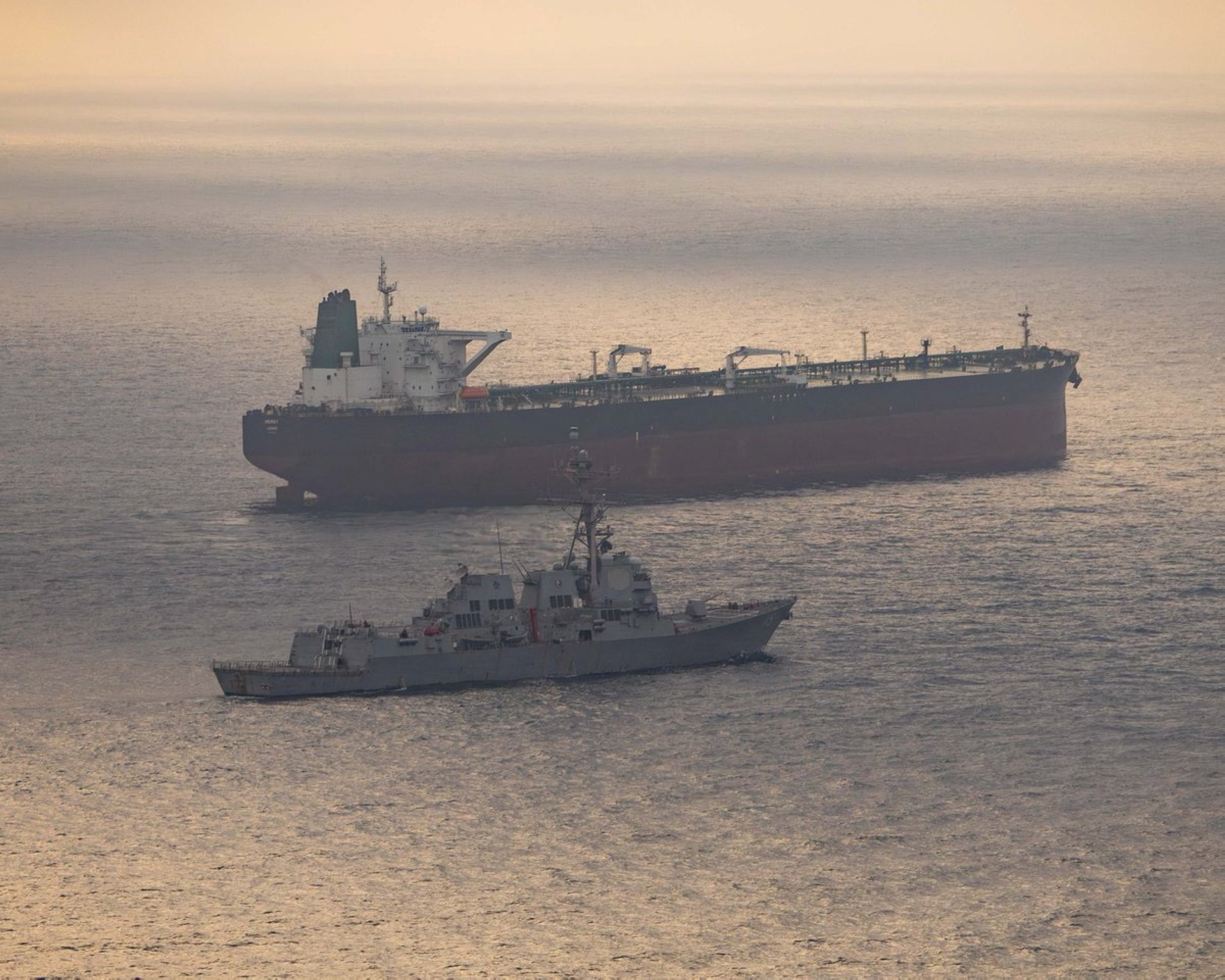
Iran sought to leverage its control over the Strait of Hormuz. In response, the US has effectively encircled that leverage.

Making things more difficult

Iranian oil does not disappear from the market; rather, it loses value the further it moves from its point of export. As shipping and insurance risks increase, the more discounts Iran offers, and the less favourable payment terms it has to accept. In short, it is still selling its oil, but the returns are not what they were. Revenues generated through these convoluted channels involving intermediaries tend to be less stable, less transparent, and increasingly dependent on informal networks.

China faces a difficult balancing act. It needs oil, but is also mindful of its relationship with the United States. In recent years, it has bought cheap Iranian oil without incurring clear political costs. Those days may now be over, leaving the teapots exposed. Unlike large state-owned firms, they lack institutional protection and rely on complex financing and shipping networks. Any disruption quickly affects their operations.

AFP
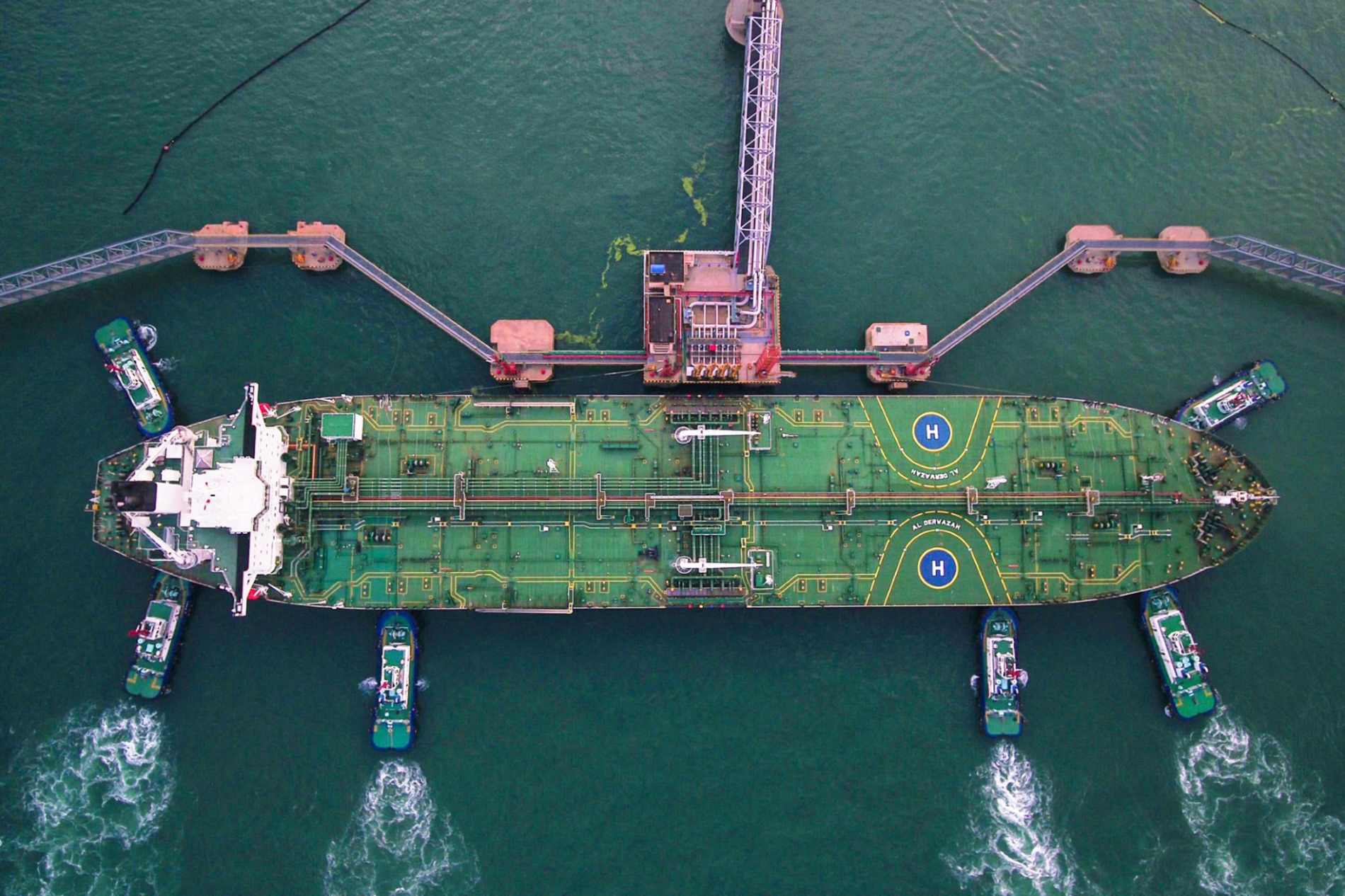
Tugboats help an oil tanker dock at Qingdao port in Shandong province, eastern China, on 4 August 2019.

Iran's oil has not stopped flowing, but it has changed its routes. These days, the process involves transferring oil between ships at sea, switching off tracking systems, changing flags, and renaming cargoes. Intermediaries in Asian trading hubs re-market Iranian oil as if it originated from other exporting countries.

These workaround mechanisms have grown more sophisticated over time, but come at a cost, and involve a 'shadow fleet' of ageing tankers operating outside conventional insurance and regulatory systems. This fleet has played a crucial role in sustaining Iranian oil flows, and is now a target of sanctions, adding further burdens to already strained export operations.

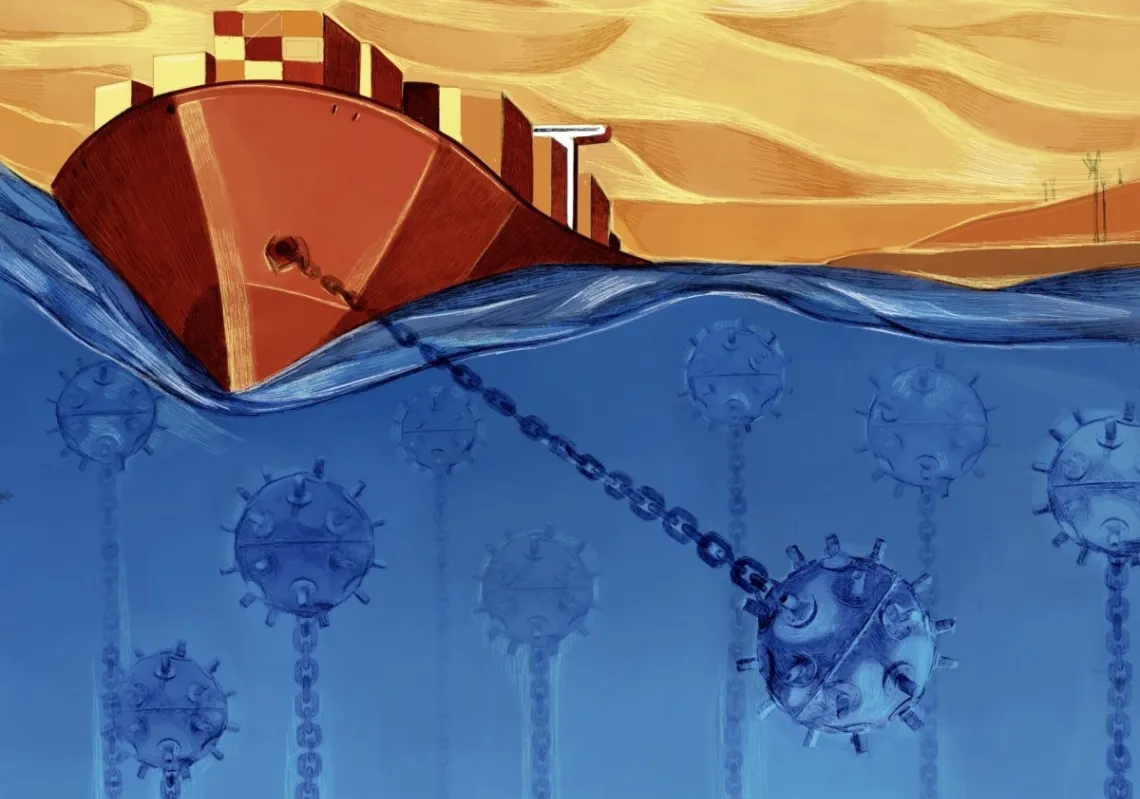
If there is a bottleneck in this system, it is in insurance and shipping. The bulk of global trade still depends on insurance and financing linked to the Western financial system. Restrictions make trade more expensive and more complicated than it appears on paper. A vessel may be able to sail, but without adequate insurance or transparent financing, risk increases. Here, the blockade shifts from prevention to pressure, yet remains highly effective.

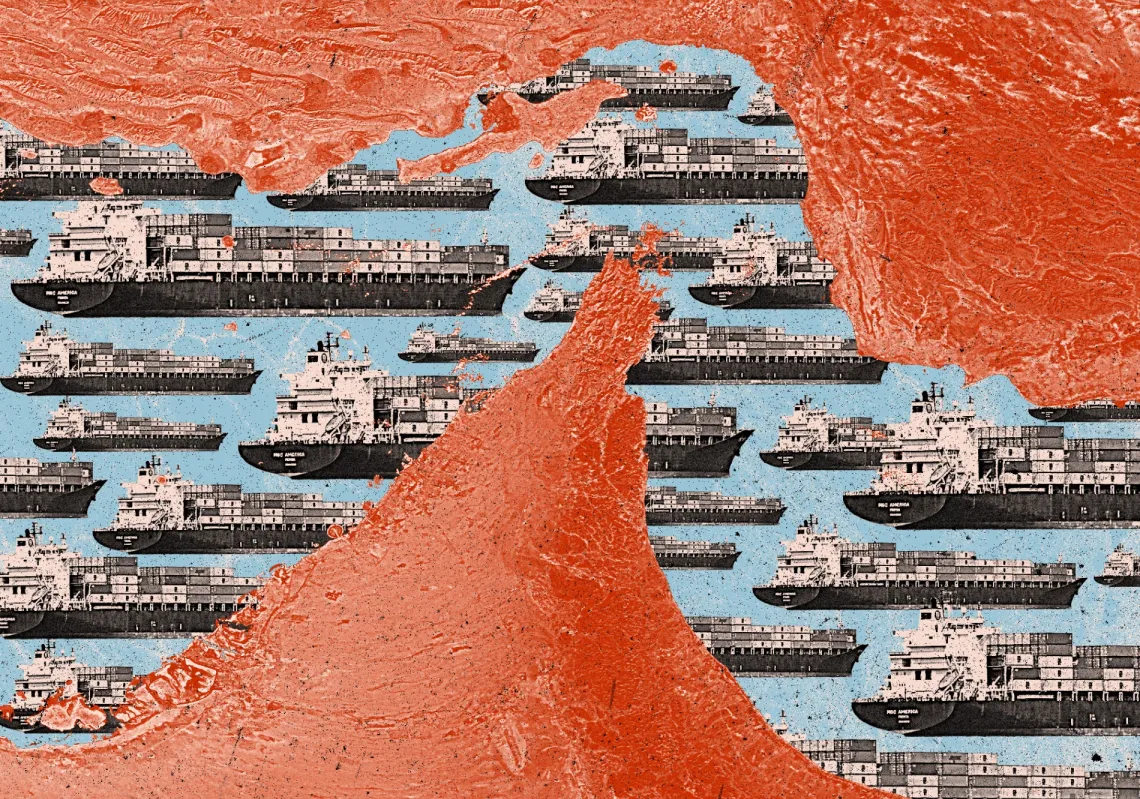
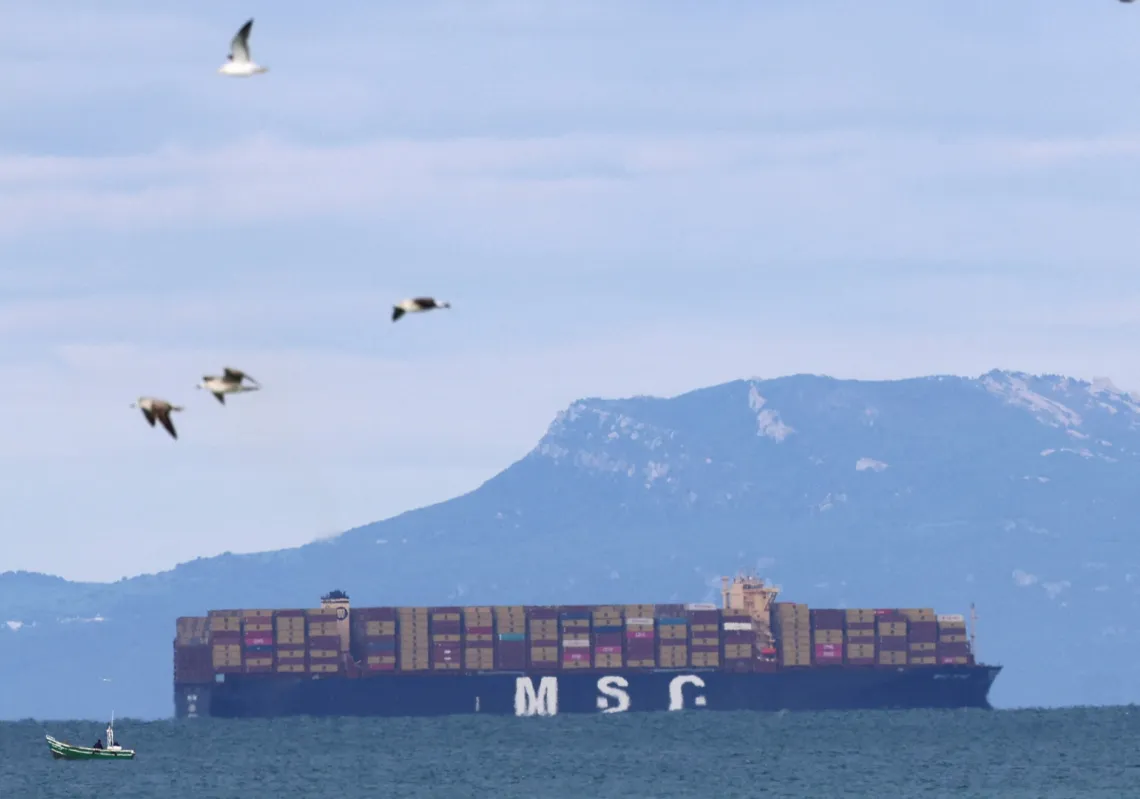
The Strait of Hormuz remains a critical chokepoint. Under normal conditions, around 20 million barrels of oil would pass through every day, up to a fifth of global seaborne oil trade, with a similar proportion of liquefied natural gas (LNG) shipments. As such, the disruption has had far-reaching consequences.

Other Asian economies, such as Japan and South Korea, face a different challenge. They do not rely directly on Iranian oil, but remain highly sensitive to any disruption in Hormuz, which quickly translates into higher energy costs and supply chain pressures. This vulnerability extends to consumers worldwide.

US CENTCOM / REUTERS
USS Rafael Peralta (DDG 115), near what the US. Central Command said was a vessel attempting to sail to an Iranian port, as it enforces the US blockade on Iranian ports, at an unknown location, released on 24 April 2026.

Battle of wills

The American blockade is having an impact on Iran's domestic economy. Declining revenues, a weakening currency, rising inflation, and import difficulties form a chain of consequences. Yet this does not necessarily translate into immediate political change. Iran's repressive regime has repeatedly demonstrated its capacity to adapt. This time, the pressure is directed not just at Iran but at those who have kept it afloat. Unable to reduce Iranian oil exports, America is redefining them as a high-risk commodity.

Who will win this battle of wills? The outcome remains uncertain. China may find new ways to circumvent the blockade, as it has done before. The US may incur additional costs, such as higher fuel prices, which could hurt the Republicans at the ballot box come November's midterm elections. With both sides digging in, this is unlikely to be resolved quickly, which explains why the price of Brent crude has climbed so steeply in recent days.

font change