
Economic blockades have long served as instruments of coercion, deliberately positioned in the grey zone between diplomacy and war. They have been used throughout history as a pressure tactic to force the enemy to make concessions at the negotiating table.
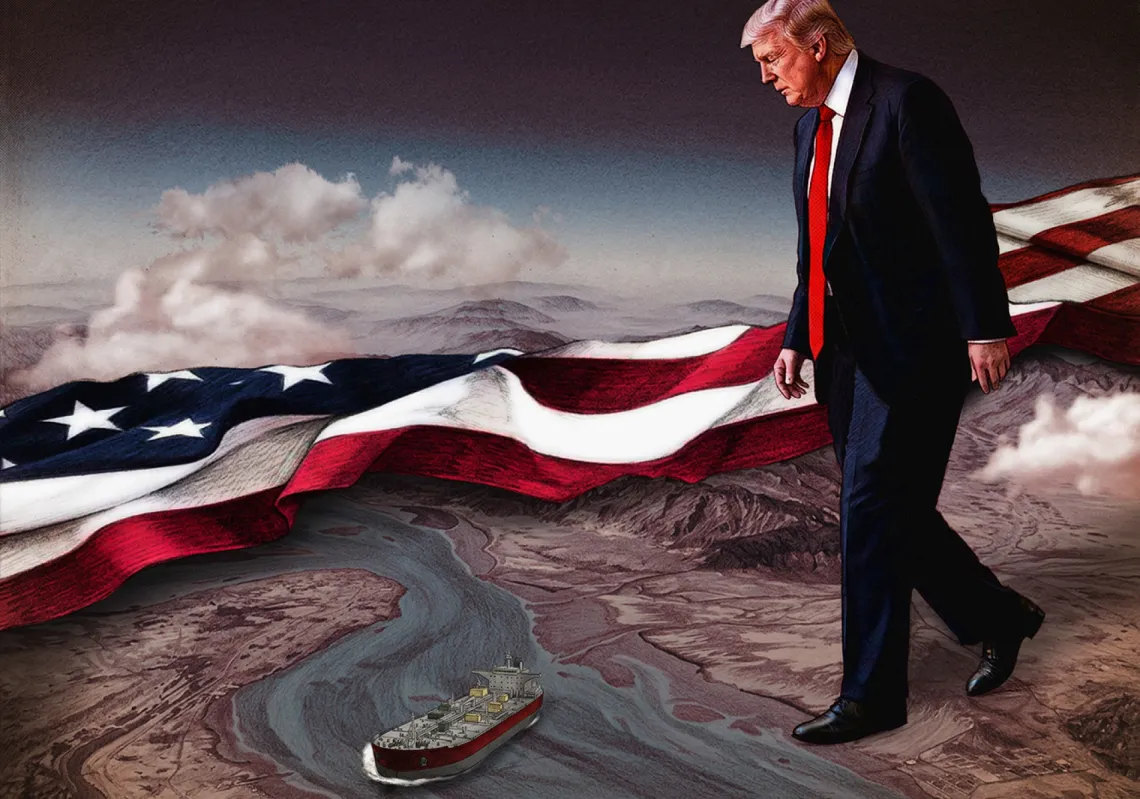
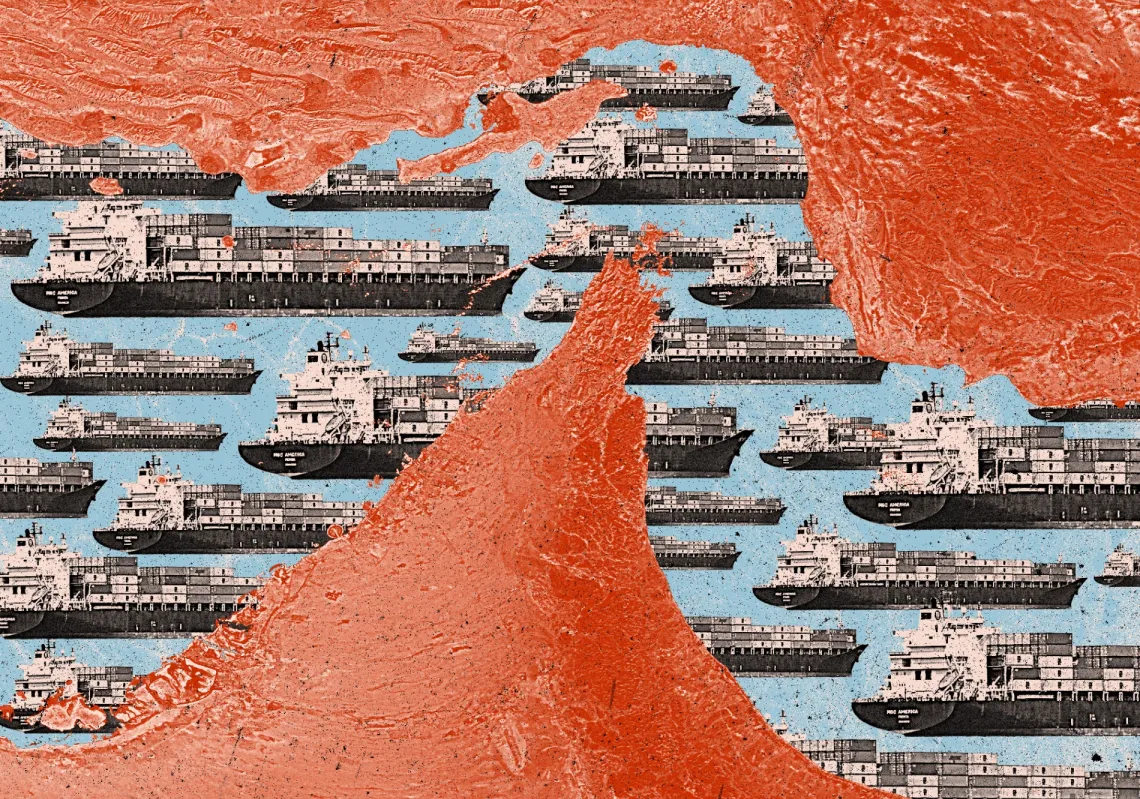
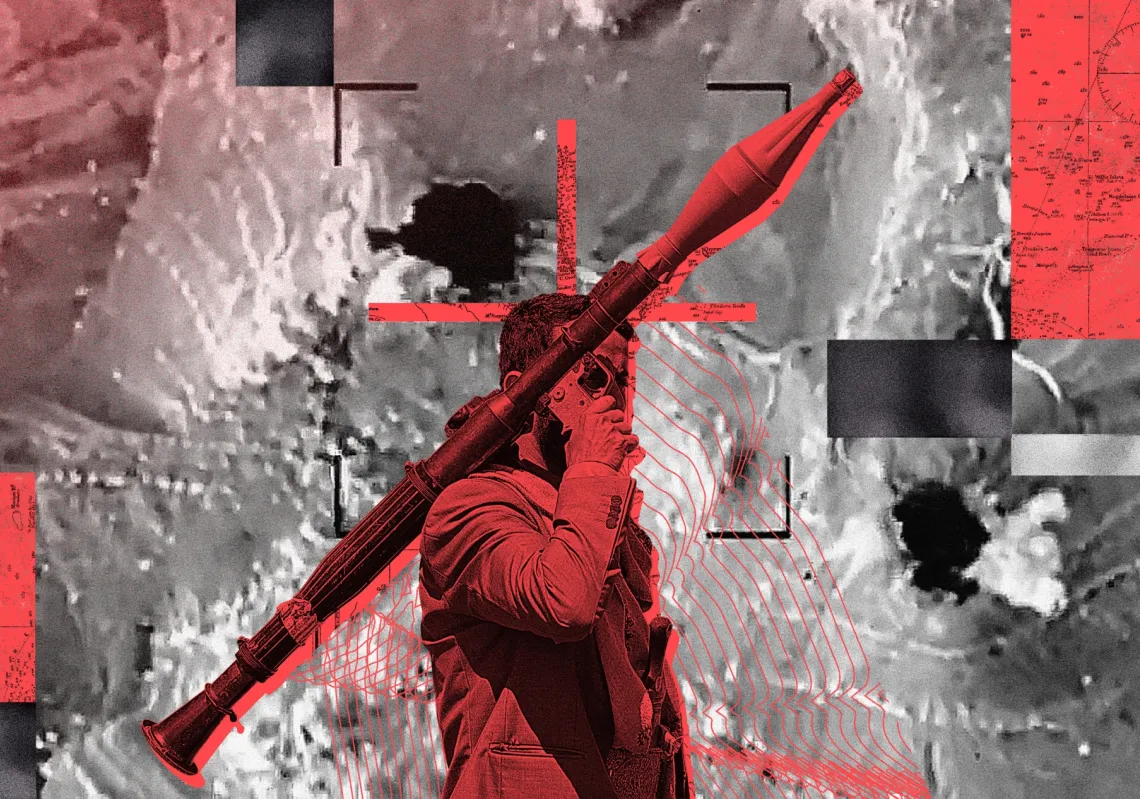
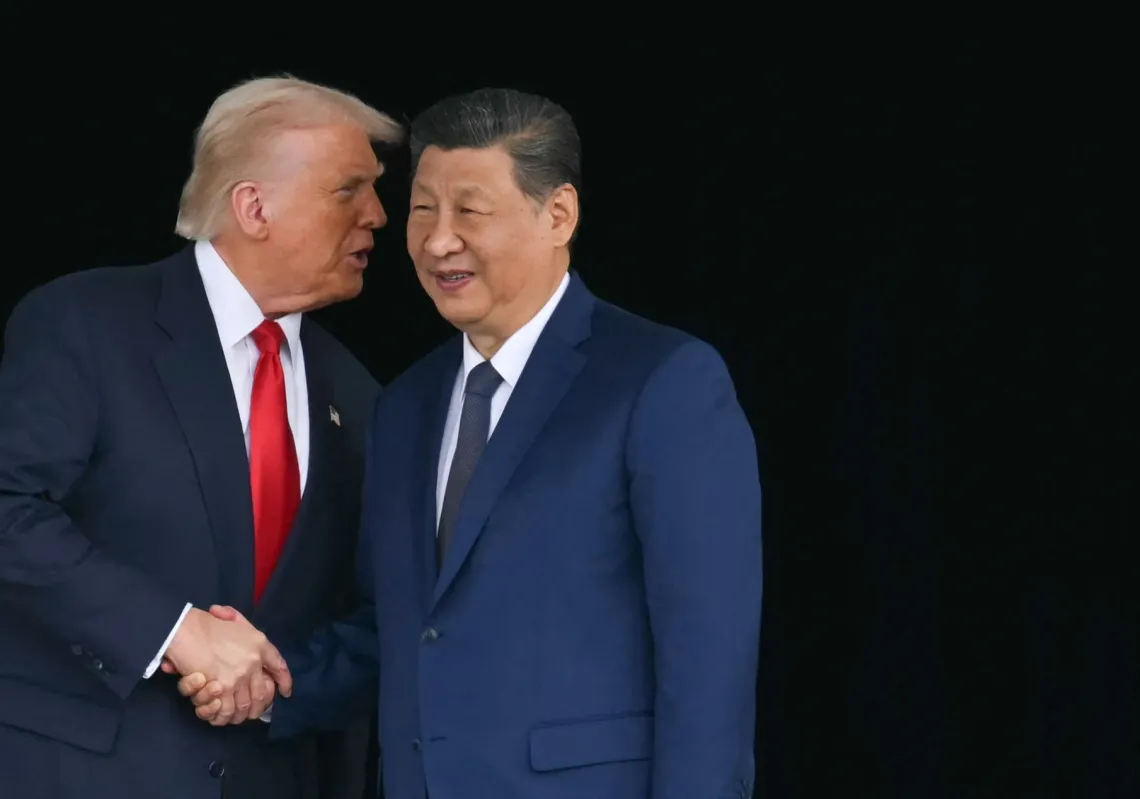
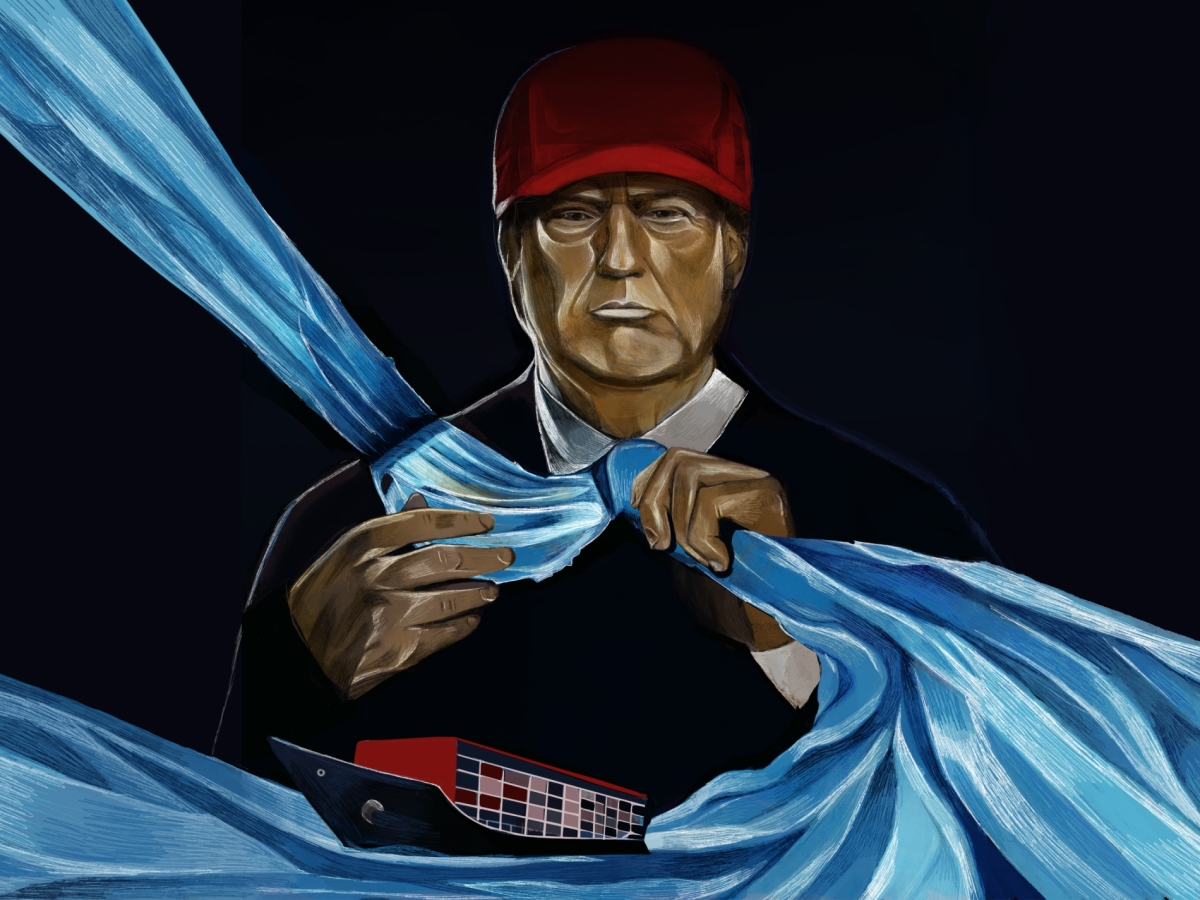
From Britain’s naval blockade of Germany during the First World War, which steadily eroded its economy, to the Soviet blockade of Berlin, designed to force a Western withdrawal by severing land access to the city, the logic has remained constant: to extract political concessions by constricting the arteries of supply. This could be what Trump hopes to achieve by imposing a naval blockade on Iran, which continues to exercise control over what ships can enter and exit the Strait of Hormuz.
Blockading the blockade: Trump tightens his chokehold on Iran is this week’s cover story. In it, we examine the political and economic repercussions of the US naval blockade on Iran and whether such a strategy is sustainable amid Tehran's proven ability to withstand US pressure tactics.
Read more:
1. Test of wills: Iran’s ability to outlast the US blockade by Alex Vatanka
2. US naval blockade puts the squeeze on Iran by Abdel-Rahman Ayas
3. Why Iran isn't blinking yet by Keith Johnson
4. Iran’s 'mosquito fleet' presents a pesky problem by Marco Mossad
5. In a sea of maritime instability, Gibraltar's safety stands out by Mohammed Sharki