Russia mulls Mali strategy after failed coup attempt

A coordinated attack by an Al-Qaida-linked group and Tuareg rebels was the most serious on Mali's Russian-backed military junta in years. After years of dominance, this puts Moscow on the back foot.

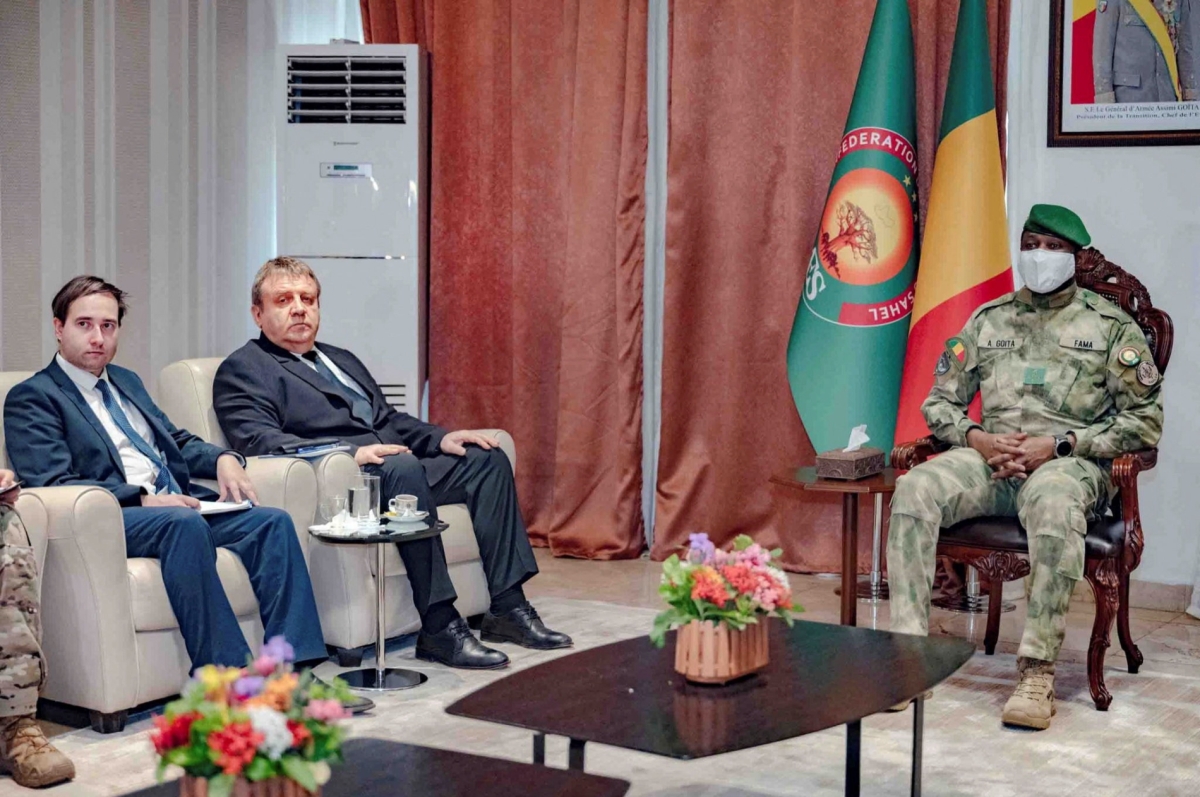
Assimi Goita, the leader of Mali's military government, meets with Russian ambassador Igor Gromyko at Koulouba Palace in Bamako, Mali, on 28 April 2026.
Mali Presidency via Facebook/Handout via REUTERS
Assimi Goita, the leader of Mali's military government, meets with Russian ambassador Igor Gromyko at Koulouba Palace in Bamako, Mali, on 28 April 2026.

Russia mulls Mali strategy after failed coup attempt

In recent days, Russian fighters in Mali have ceded territory to a coalition led by well-organised Islamist groups in the north but have equally celebrated their defence of the capital, Bamako, which could easily have fallen. The countrywide attack came on 25 April, and the Russian fighters caught up in it are linked to the African Corps, an organisation affiliated with the Russian Ministry of Defence that replaced the Wagner Group.

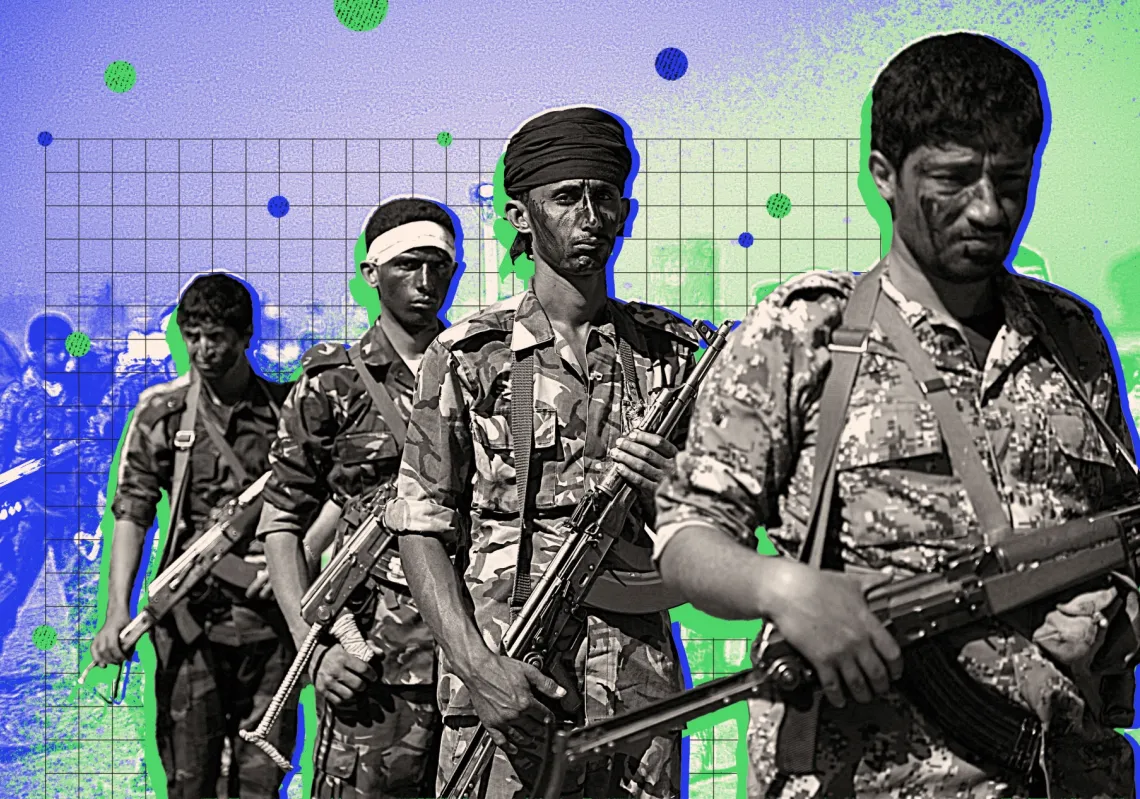
The coalition of rebel forces has been led by an al-Qaeda-linked group called Jama’at Nusrat al-Islam wal-Muslimin (JNIM), which claimed responsibility for coordinated attacks on military sites across the country, capturing the city of Kidal in the north, which was being defended by the African Corps, alongside the Azawad Liberation Front (FLA), a Tuareg-dominated rebel group.

Acting together, the FLA—operating in the north—and JNIM achieved significant successes, launching large-scale operations in Gao, Mopti, Sevare, Kidal, and Bamako. The attackers struck strategically important targets, including the Bamako airport and the home of Defence Minister Sadio Camara in the garrison town of Kati, near the capital. Camara was killed by suicide bombers in that attack. He had taken a hardline stance against the rebels and served as a key liaison between Bamako and Moscow.

Camara was believed to have had growing disagreements with Malian President Assimi Goïta, himself a former military officer, but is widely considered to be the chief architect of Bamako’s military strategy. For instance, it was Camara that coordinated the Dougoukoloko offensive to regain control of regions that the government had effectively lost.

The Tuaregs recaptured their former unofficial capital, Kidal, which the government seized in 2023 with the support of Russian mercenaries from the Wagner Group. African Corps, with the support of the Russian Foreign Ministry, managed to leave Kidal under an agreement with the Tuaregs on 26 April, leaving some military equipment behind.

First-time collaboration

In this large-scale attack, the FLA and JNIM officially acknowledged their cooperation and coordination in military operations for the first time, having divvied up responsibilities. The offensive points to an intelligence failure on the part of the Malian army and the African Corps, who were shown to be unaware of their enemy’s plans, thereby allowing the enemy to amass sufficient reserves. It also highlighted huge gaps in the government’s defences.
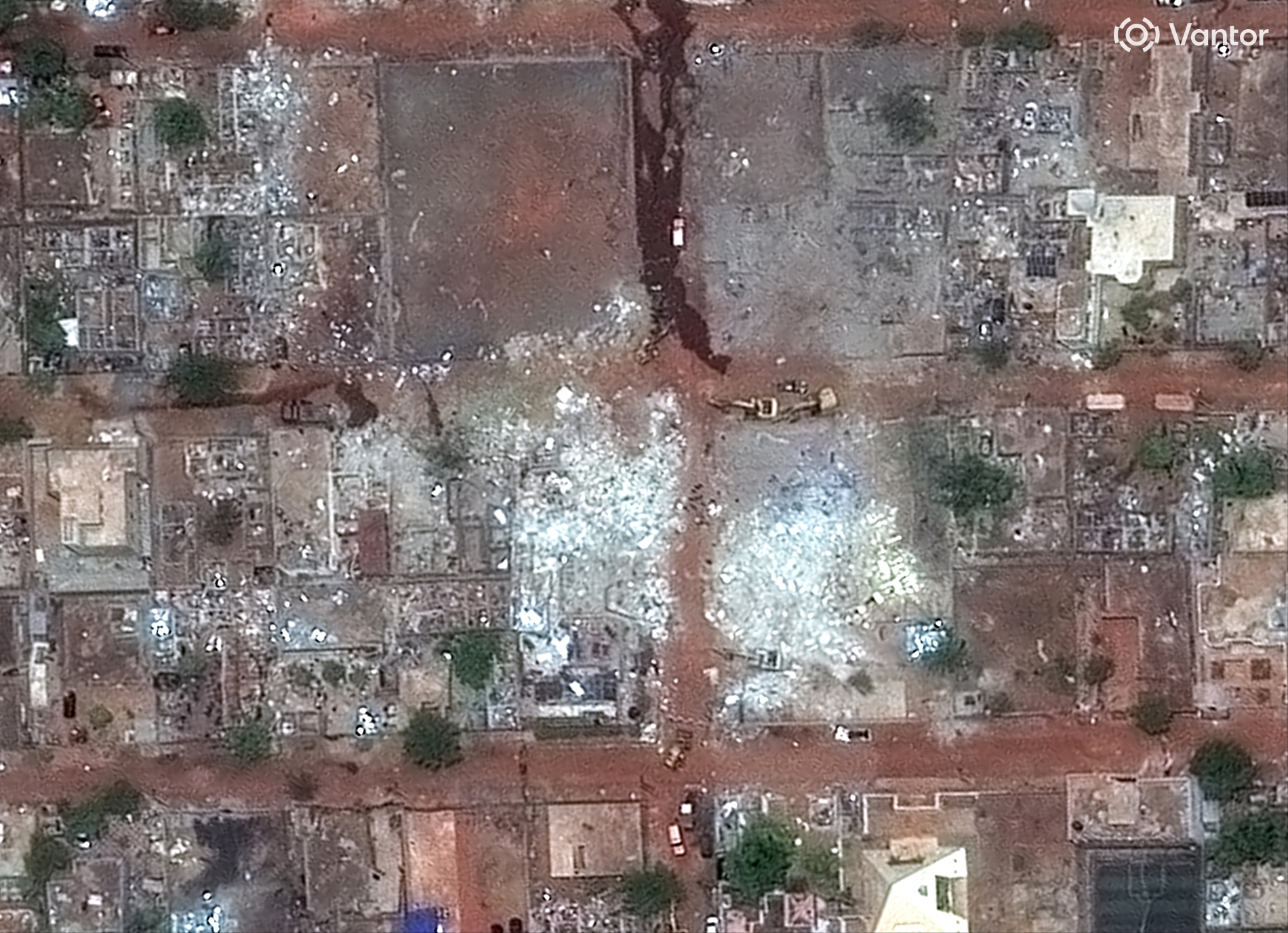
VANTOR/Handout via REUTERS
A satellite image shows the area surrounding the home of late Mali's defence minister Sadio Camara, after coming under attack in Kati, Mali, on 26 April 2026.

Equally significant is the symbolic damage. Video on social media shows columns of well-armed JNIM fighters entering the city of Kati unopposed. Kidal Governor Gen. El Hadji Ag Gamou and the pro-government Tuareg militia GATIA surrendered with virtually no resistance, the general leaving his uniform and passport behind as he fled. Ag Gamou was trusted by Bamako to keep a city it had fought hard to win, but Russian experts think he hindered many of the African Corps operations in Kidal and was likely aware of the FLA’s impending attempt at revenge.
Its targeting of urban centres reflects a shift in JNIM's tactics and strategy over the past year

Moscow defiant

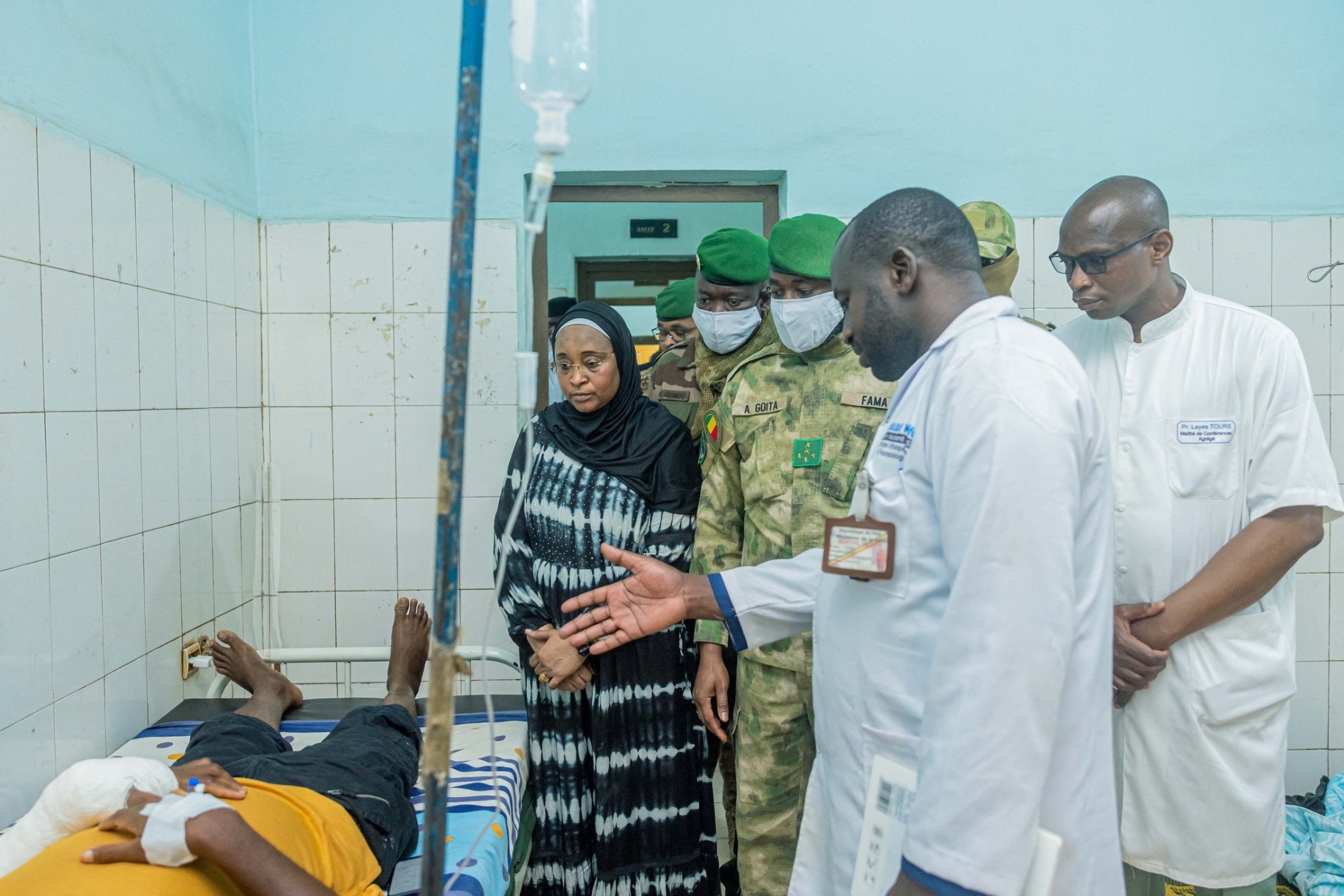
In a written statement, JNIM asked Russia to stay out of the conflict for the sake of balanced future relations. However, Moscow appears to have flouted this warning with the Russian ambassador to Mali meeting with Mali's President Assimi Goita on 28 April. Goita's office published photos of the meeting on Tuesday, in what was his first public appearance since rebel attacks over the weekend that killed one of his ministers. 

For its part, Russia's defence ministry said its Africa Corps—the successor to the former Wagner mercenary group—prevented a coup in Mali over the weekend, avoiding mass civilian casualties and inflicting "irreplaceable losses" on rebel insurgents. 

Mali Presidency via Facebook/Handout via REUTERS
The leader of Mali's military government, Assimi Goita, visits wounded civilians and military personnel in Bamako, Mali, in this handout photo released on 28 April 2026.

It said in a statement that its troops in the desert town of Kidal near the Algerian border had fought for more than 24 hours while completely surrounded and vastly outnumbered. It also accused the militants of being trained by European mercenary instructors, including Ukrainians. 

The targeting of urban centres reflects a shift in JNIM's tactics and strategy over the past year. Although militants have previously exerted pressure on cities, such as with blockades, the scale and frequency of recent attacks are far more significant. JNIM is testing the ability of the government and its Russian allies to defend urban areas, heightening residents' sense of insecurity and challenging authorities' claims that the military has restored order.

Although there is symbolic significance in attacking Bamako and capturing Kidal, the capital appears safe for now. Still, for several months—and especially after the fuel blockade that began in September 2025—the Malian Armed Forces have gradually lost the initiative and now maintain a defensive posture. Its priority is supplying major population centres with fuel and redeploying military infrastructure to western Mali, where towns were attacked by JNIM in July 2025. 

REUTERS
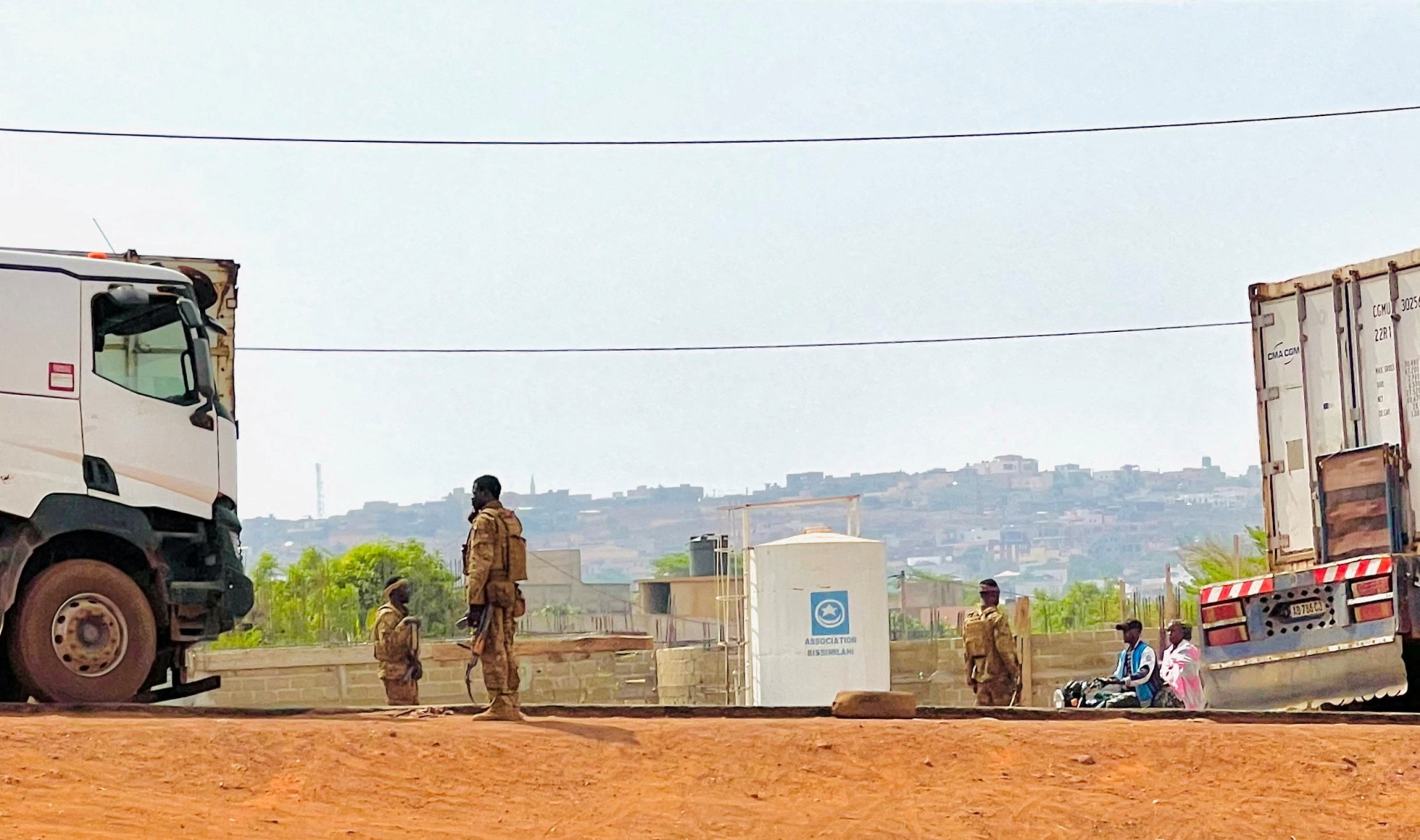
Malian soldiers stand near a truck during a patrol following the attack on Mali's main military base Kati, outside the capital Bamako, in Kati, Mali, on 27 April 2026.

Dilemma for Russia

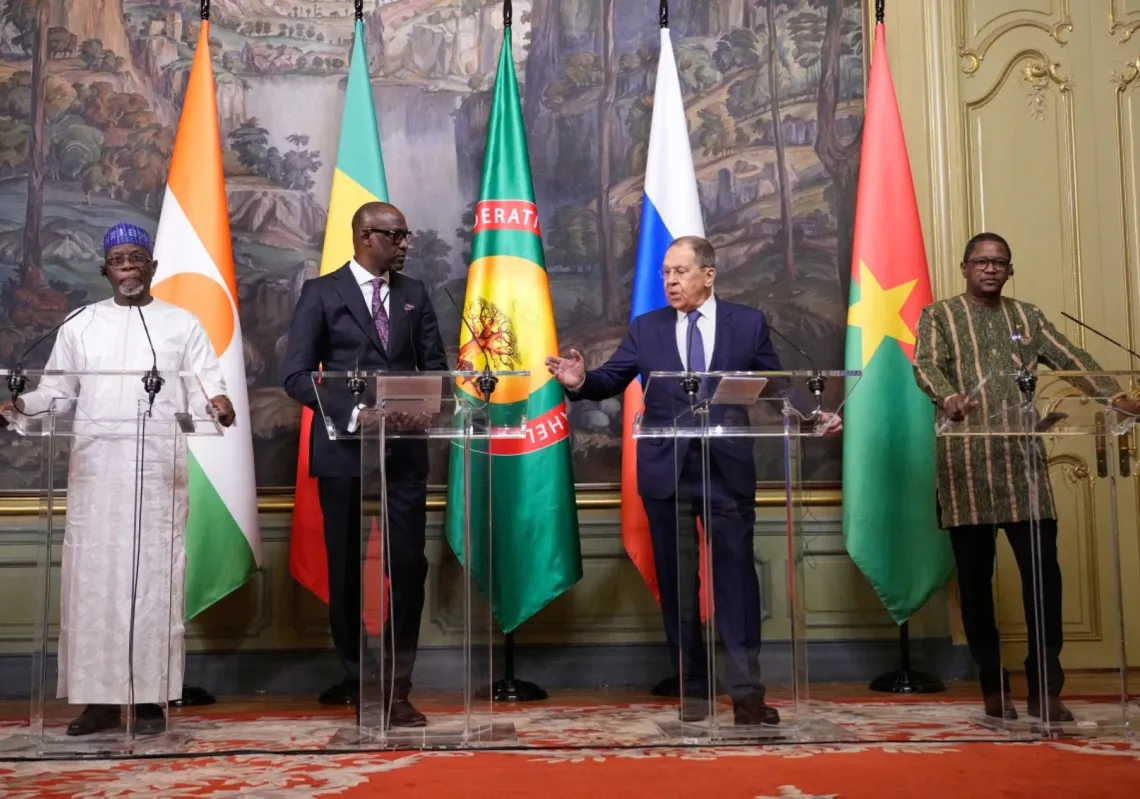
For Moscow, JNIM's operations pose obvious military and political risks that extend beyond Mali's defence. Military setbacks directly impact the Sahel States Alliance (AES), as units of the African Corps are also deployed in Niger and Burkina Faso. Yet despite its ambitious goals, the AES, as an effective integration group, has, from the outset, faced serious problems that Russia cannot resolve.

The deployment of counter-terrorism units as part of a joint military contingent is a serious test, the success of which could determine the future of the AES. Traditionally, military elites in the Sahel don't trust one another, even within a single country, which makes communication and information-sharing a key challenge. Operations described as counterterrorism efforts are, in reality, merely localised actions designed to suppress separatist movements.

The situation in Mali demonstrates once again that, for Moscow, simply following local authorities' directives without shaping the regimes' attitudes can be a harmful and destructive approach. For some, Russia's on-the-ground involvement should entail more assertive actions to influence local leaders' decision-making.

If governments simply declare all opponents to be 'terrorists' and wage war against everyone, it will continue to facilitate the formation of tactical alliances between, for example, the Tuaregs, radical groups, Al-Qaeda, and Islamic State (IS). Logic would dictate that the advantage lies in breaking up these groups, including by negotiating with each player individually.

font change