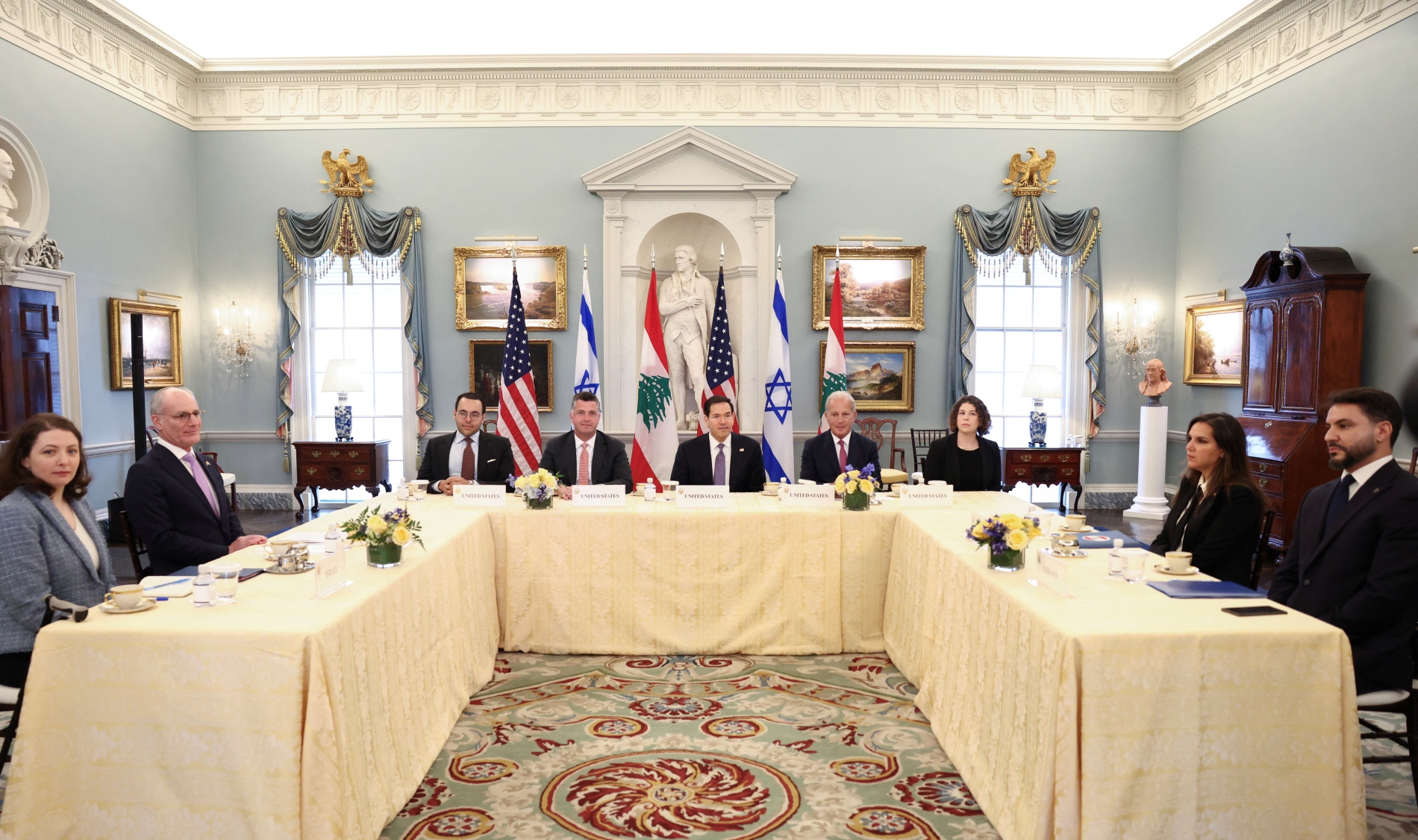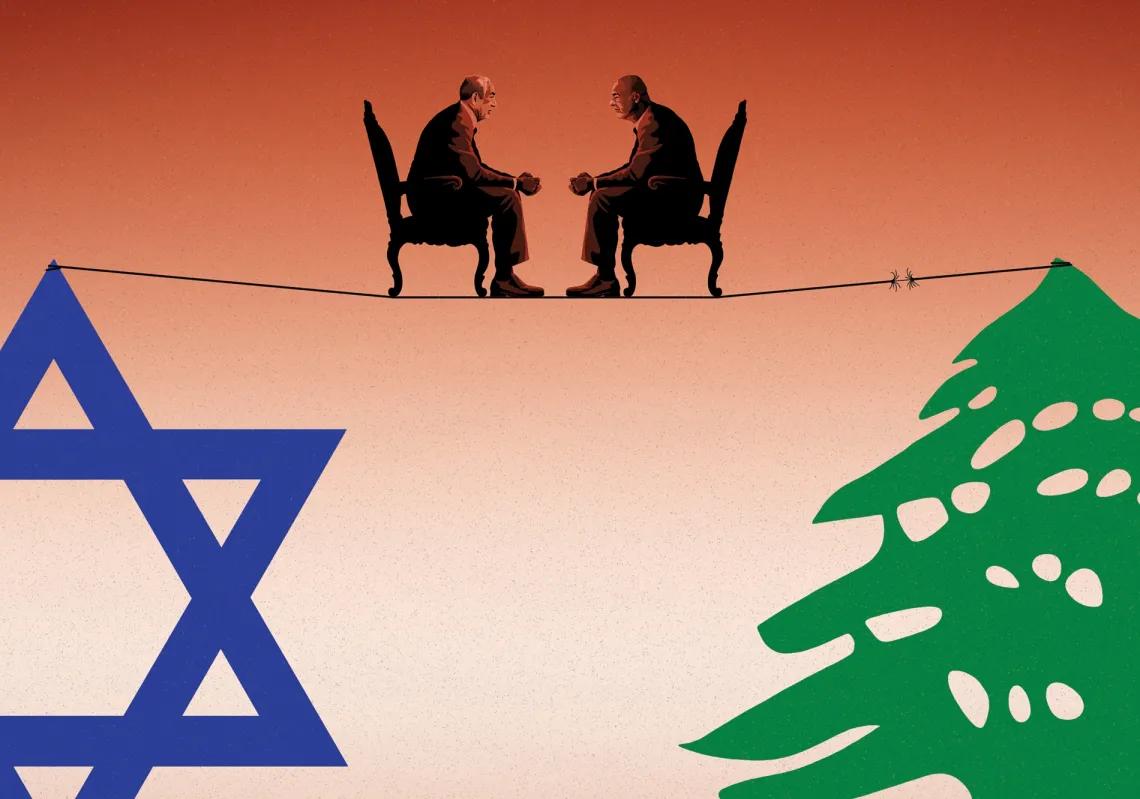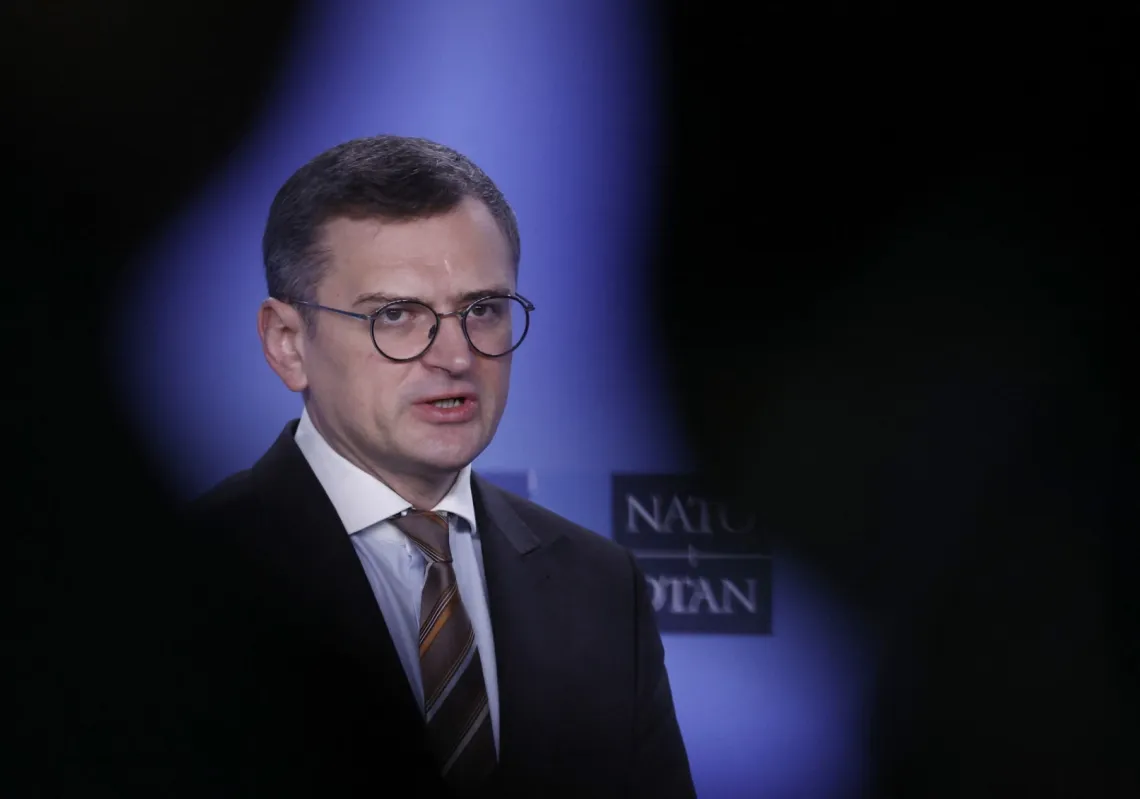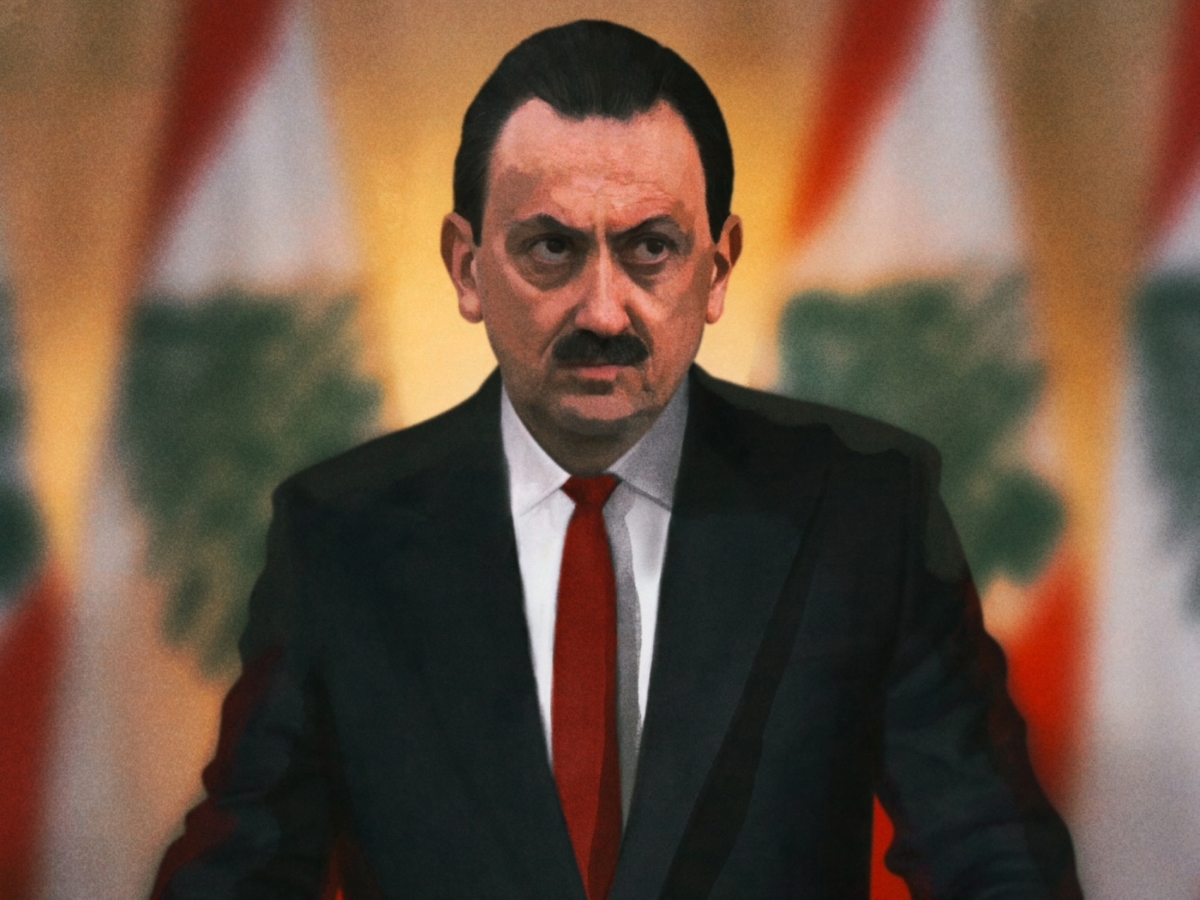

As Lebanon begins negotiating with Israel, it has appointed Ambassador Simon Karam to head his country's delgation. A second round of talks in Washington on 23 April extended a 10-day ceasefire that began on 16 April for three more weeks. For his part, Lebanese President Joseph Aoun said the ambassador-level discussions were “based on a complete halt to Israeli aggressions, achieving the Israeli withdrawal from Lebanese territories, the return of prisoners, the deployment of the army to the international borders, and the start of reconstruction of what was destroyed”.
Forthright views
Born in Jezzine, southern Lebanon, on 2 February 1950, Karam was raised in an urban Maronite community. He studied law at St. Joseph University and married Alice Mghabghab, with whom he now has three children. He leads a relatively quiet life but is a well-known figure, taking part in the national conversation through media appearances, lectures, and public engagements.
Before entering the diplomatic corps, Karam held two senior administrative posts: first as Governor of the Bekaa in 1990, then as Governor of Beirut in 1991. In 1992, he was appointed Lebanon’s Ambassador to the United States, but his diplomatic tenure was brief, and he resigned unexpectedly for reasons that have never been fully understood, but are believed to stem from political disagreements.
He returned to Lebanon to practice law and became active in political and intellectual circles, where he was known for his opposition to Syrian occupation. He took part in the 2001 Qornet Shehwan Gathering, which called for the withdrawal of Syrian forces from Lebanon, and in the national dialogue that preceded their eventual withdrawal in 2005.
Among the subjects on which Karam has taken strident positions are Syrian influence in Lebanon and weapons outside the authority of the state. He was appointed head of the Lebanese civilian delegation to the international committee (known as the Mechanism Committee) overseeing the ceasefire agreement concluded on 27 November 2024. Within that framework, direct discussions with Israel took place under American, French, and UN auspices. The committee is tasked with halting violations of the 2024 ceasefire agreement and removing every obstacle to its implementation.
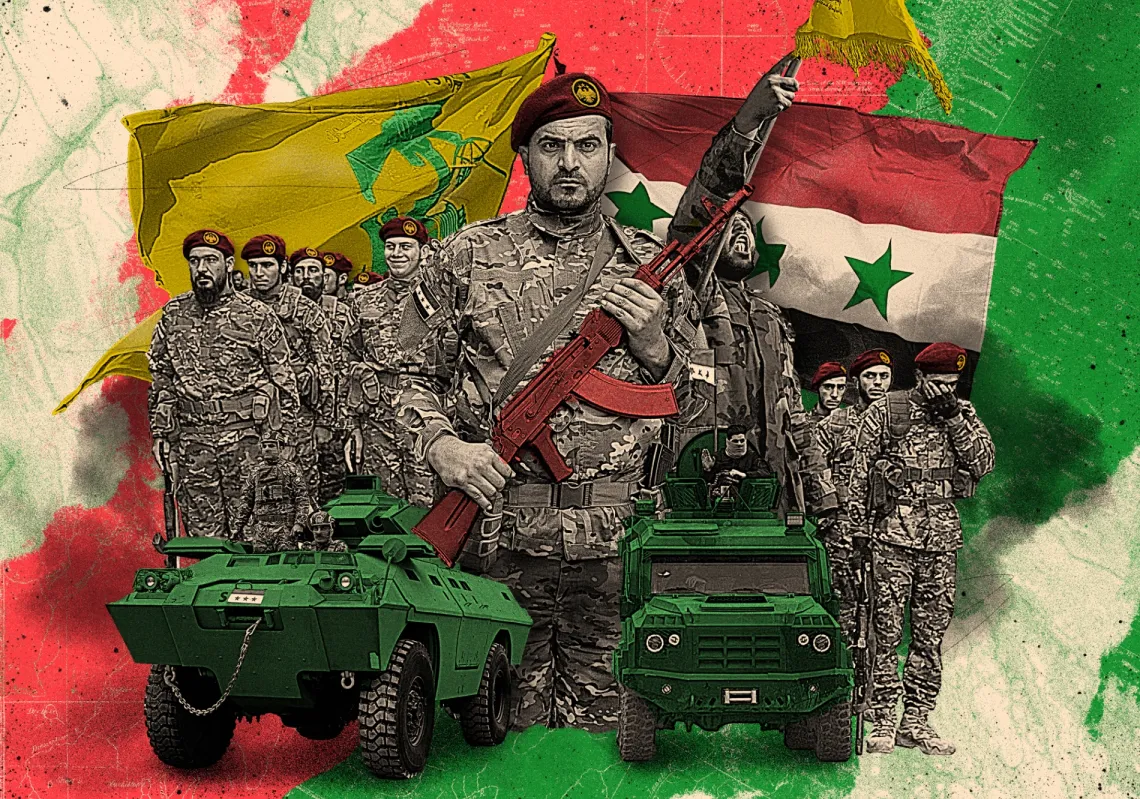
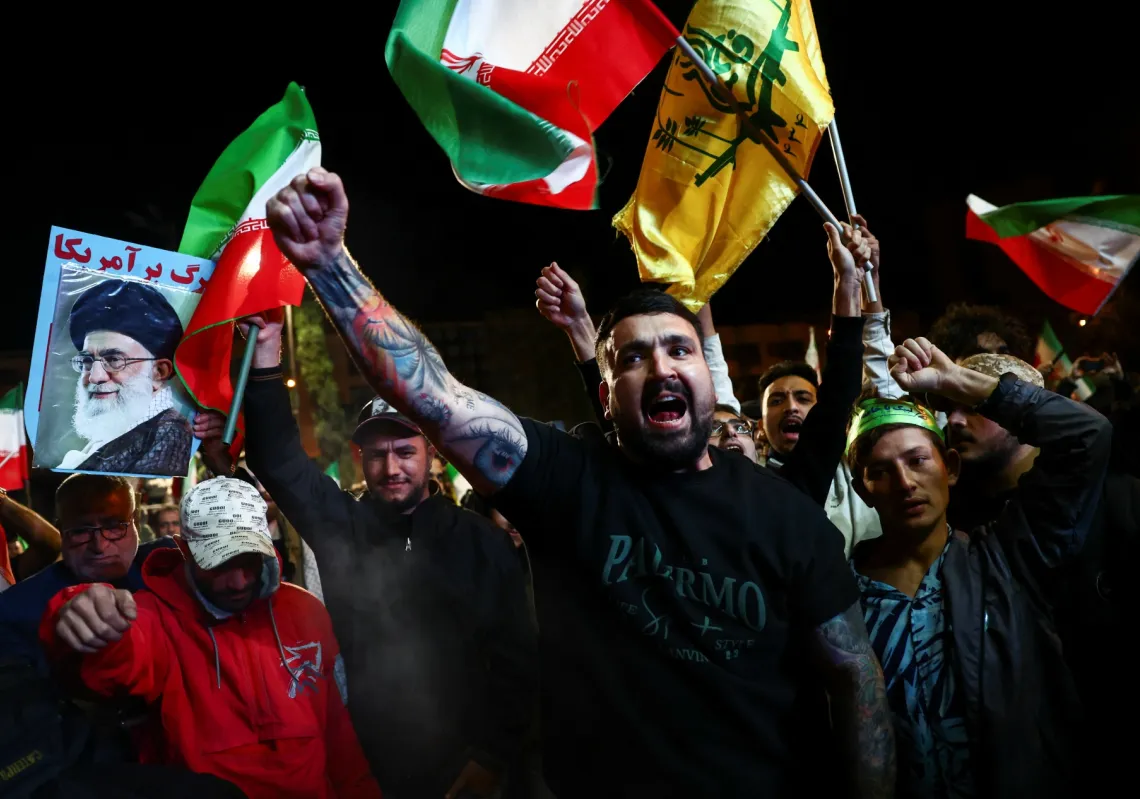
In July 2025, during a symposium at St. Joseph University held in tribute to the nationalist thinker and writer Habib Sadek, Karam spoke about the consequences of Hezbollah’s decision to attack Israel in support of Hamas in Gaza. The comments stirred controversy, angering leftists and Hezbollah supporters in attendance. Disorder erupted in the hall, and several delegates withdrew in protest.
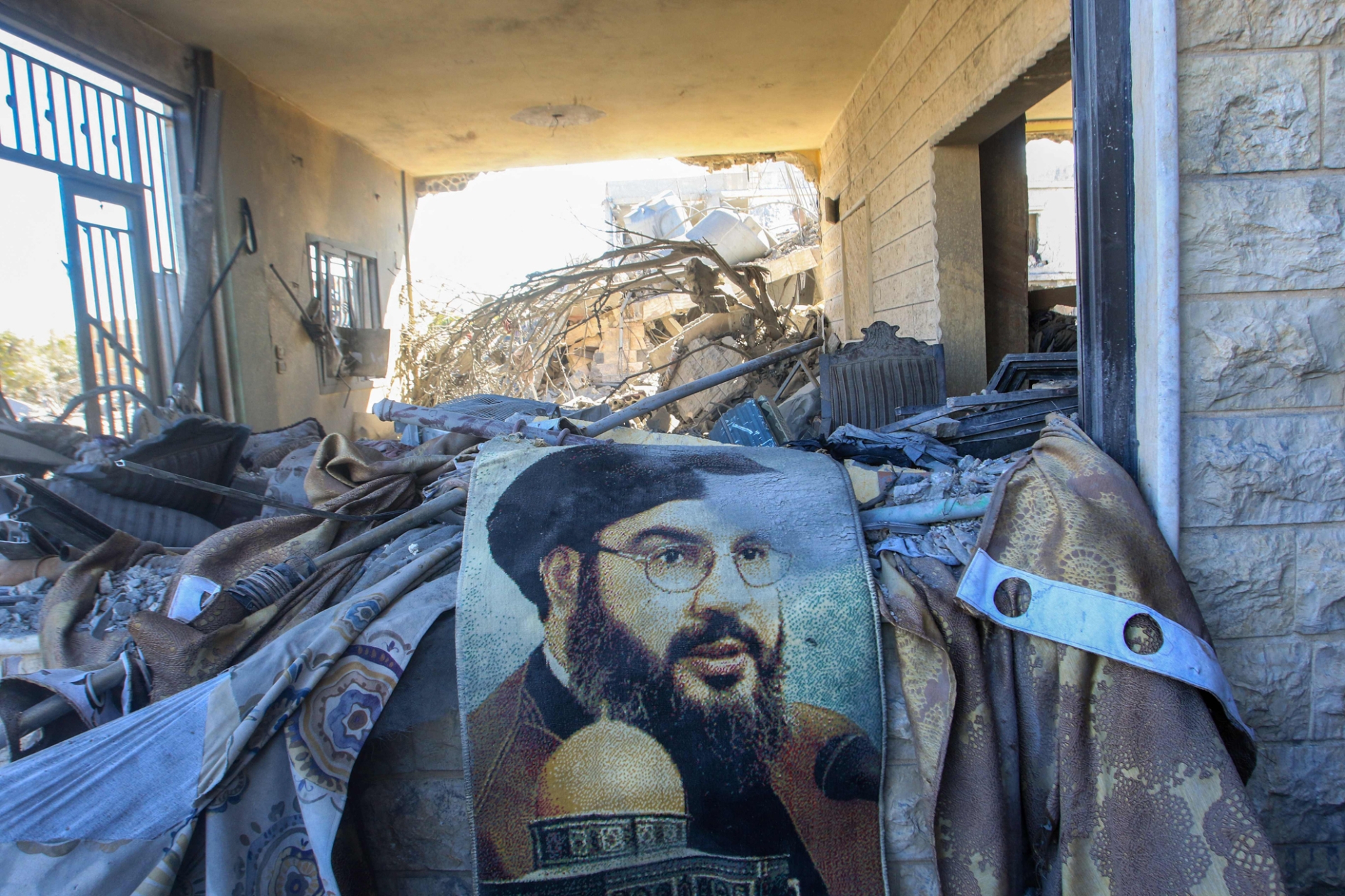
“The terms on which the war was brought to an end proved more ruinous than the war itself,” Karam said. “More disfiguring still is the fact that those who submitted to a one-sided ceasefire with Israel are now waging an intense political and security campaign... They assail the state for embracing the diplomatic option, even though it is the only path left after the catastrophe. They assail the army under the pretext that it is incapable of protecting the country and its people, and the international forces, because they seek to implement international resolutions.” It showed the contentious edge to Karam’s character and his readiness to enter a difficult debate.