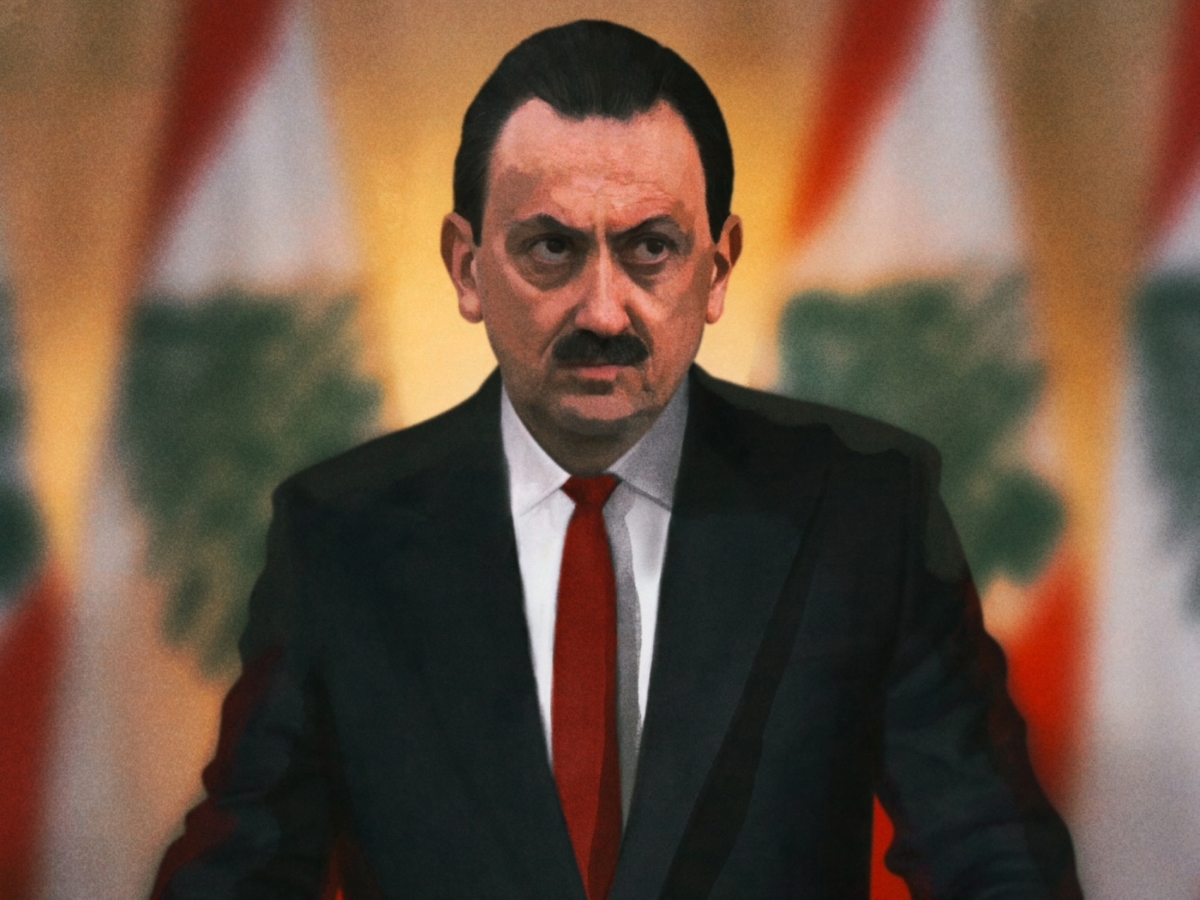
Simon Karam: the diplomat leading Lebanon's talks with Israel

Given his reputation for being a staunch sovereignist, many trust him not to concede an inch of Lebanese land to Israel

Ewan White

Simon Karam: the diplomat leading Lebanon's talks with Israel

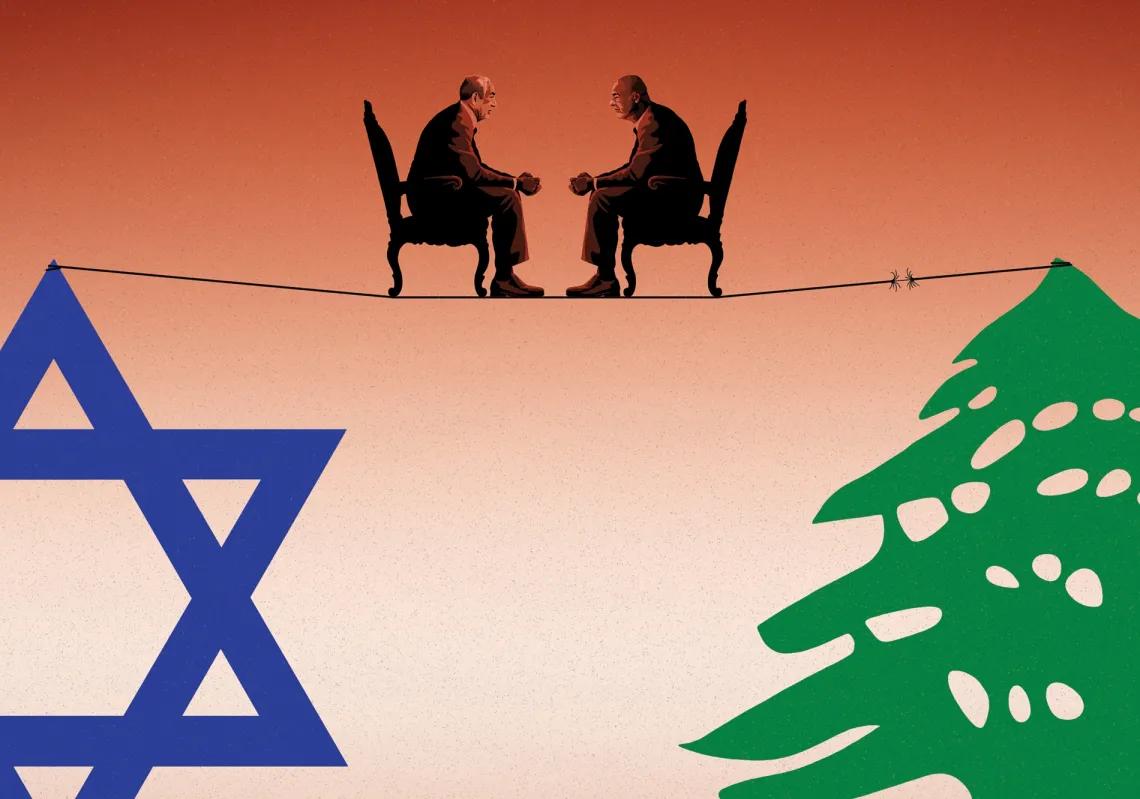
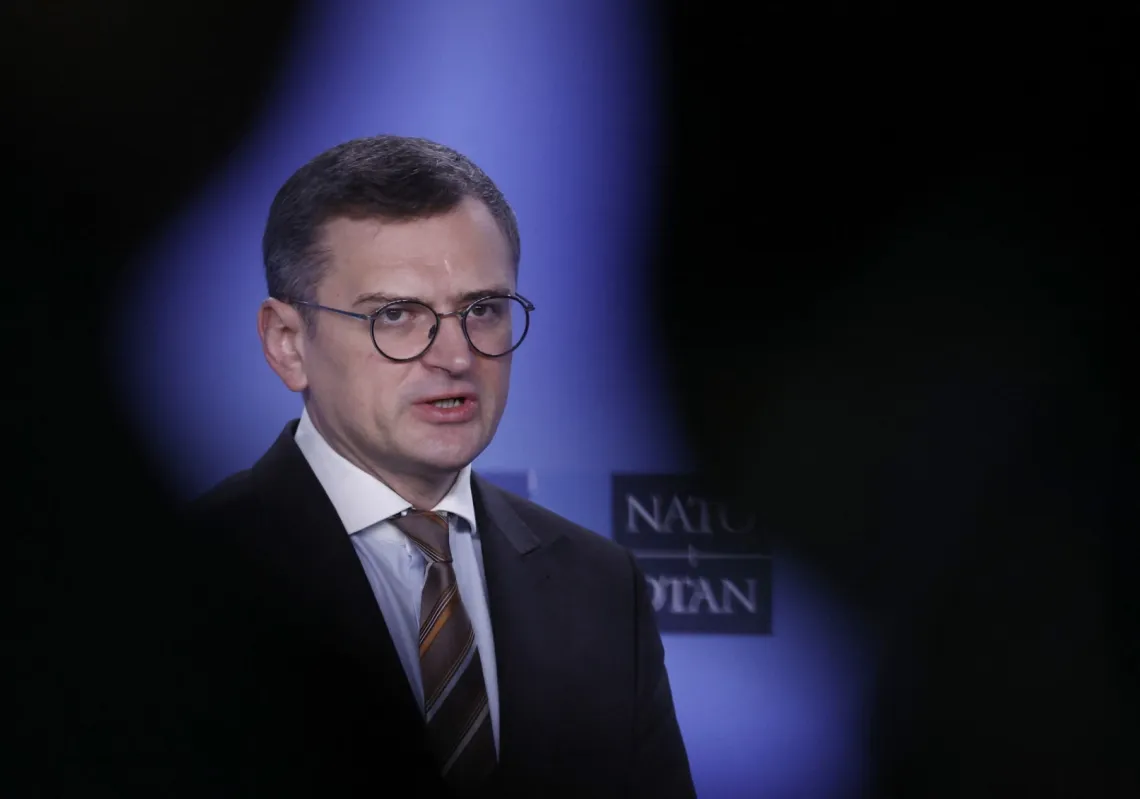
As Lebanon begins negotiating with Israel, it has appointed Ambassador Simon Karam to head his country's delgation. A second round of talks in Washington on 23 April extended a 10-day ceasefire that began on 16 April for three more weeks. For his part, Lebanese President Joseph Aoun said the ambassador-level discussions were “based on a complete halt to Israeli aggressions, achieving the Israeli withdrawal from Lebanese territories, the return of prisoners, the deployment of the army to the international borders, and the start of reconstruction of what was destroyed”.

Forthright views

Born in Jezzine, southern Lebanon, on 2 February 1950, Karam was raised in an urban Maronite community. He studied law at St. Joseph University and married Alice Mghabghab, with whom he now has three children. He leads a relatively quiet life but is a well-known figure, taking part in the national conversation through media appearances, lectures, and public engagements.

Before entering the diplomatic corps, Karam held two senior administrative posts: first as Governor of the Bekaa in 1990, then as Governor of Beirut in 1991. In 1992, he was appointed Lebanon’s Ambassador to the United States, but his diplomatic tenure was brief, and he resigned unexpectedly for reasons that have never been fully understood, but are believed to stem from political disagreements.

He returned to Lebanon to practice law and became active in political and intellectual circles, where he was known for his opposition to Syrian occupation. He took part in the 2001 Qornet Shehwan Gathering, which called for the withdrawal of Syrian forces from Lebanon, and in the national dialogue that preceded their eventual withdrawal in 2005.

Among the subjects on which Karam has taken strident positions are Syrian influence in Lebanon and weapons outside the authority of the state. He was appointed head of the Lebanese civilian delegation to the international committee (known as the Mechanism Committee) overseeing the ceasefire agreement concluded on 27 November 2024. Within that framework, direct discussions with Israel took place under American, French, and UN auspices. The committee is tasked with halting violations of the 2024 ceasefire agreement and removing every obstacle to its implementation.

In July 2025, during a symposium at St. Joseph University held in tribute to the nationalist thinker and writer Habib Sadek, Karam spoke about the consequences of Hezbollah’s decision to attack Israel in support of Hamas in Gaza. The comments stirred controversy, angering leftists and Hezbollah supporters in attendance. Disorder erupted in the hall, and several delegates withdrew in protest.
AFP
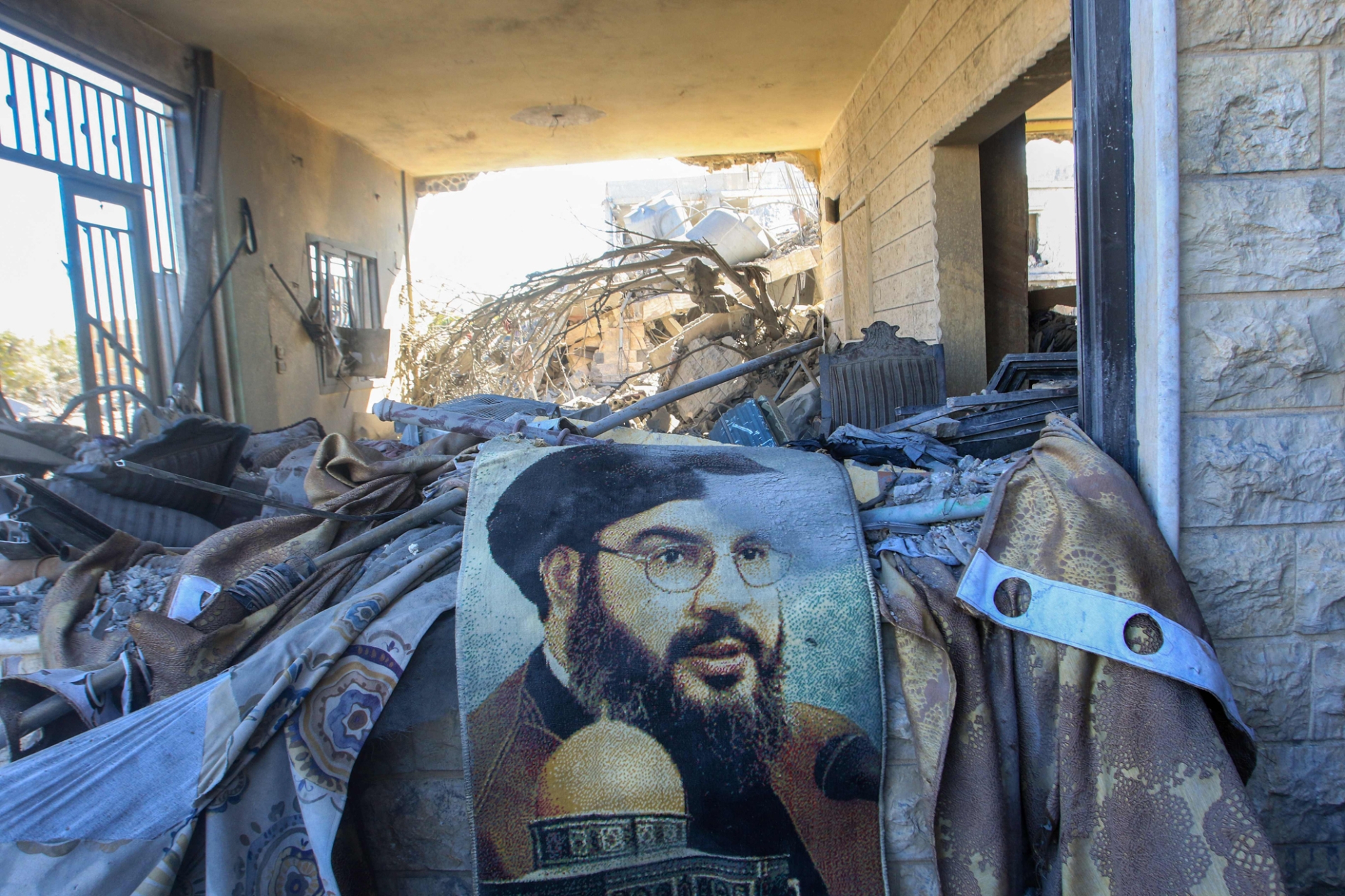
A photo of Hezbollah Secretary General Hassan Nasrallah amid the devastation in an area targeted by Israeli air strikes at night in a village in Sidon on 26 September 2024.

“The terms on which the war was brought to an end proved more ruinous than the war itself,” Karam said. “More disfiguring still is the fact that those who submitted to a one-sided ceasefire with Israel are now waging an intense political and security campaign... They assail the state for embracing the diplomatic option, even though it is the only path left after the catastrophe. They assail the army under the pretext that it is incapable of protecting the country and its people, and the international forces, because they seek to implement international resolutions.” It showed the contentious edge to Karam’s character and his readiness to enter a difficult debate.
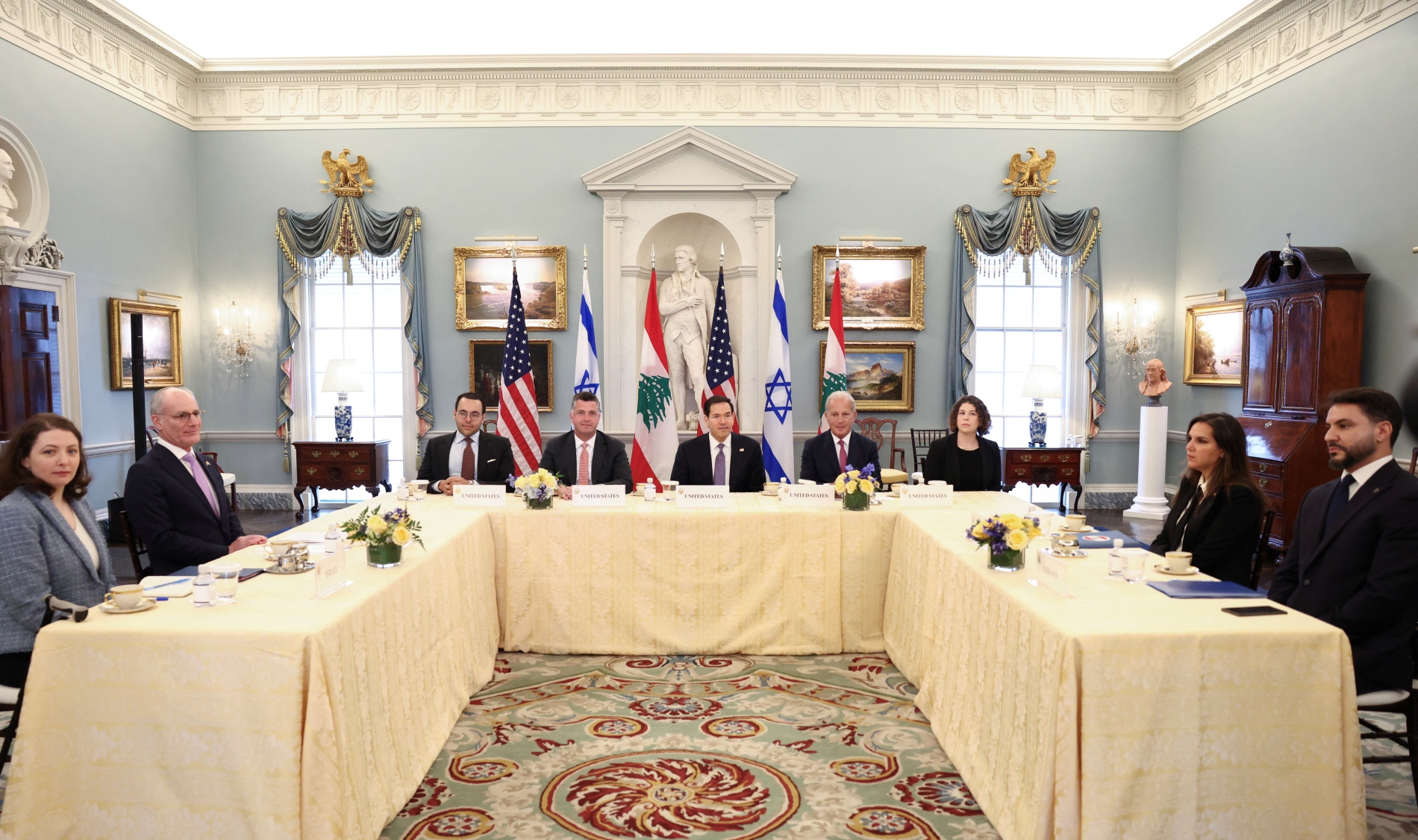
in December 2025 and at Washington's request, Karam was appointed head of the Lebanese delegation to the ceasefire monitoring body

US request

In early December 2025, he was appointed head of the Lebanese delegation to the Mechanism Committee, the ceasefire monitoring body. He was the first civilian member of this technical military committee that included representatives of the US, France, UNIFIL, and Israel. Interestingly, the appointment came in response to an American request. The political significance of it lay in the timing. Prime Minister Nawaf Salam said it "reflects the distinctive nature of the new phase" and demonstrates Lebanon's seriousness and readiness to engage fully in the negotiating track.

He added that the team could later be expanded to include additional specialists, such as experts in geography and topography, to strengthen the committee's capacity, signalling Lebanon's readiness to enter negotiations with Israel. Karam sat face-to-face with Israel's representative in those meetings, where discussions were direct. This role looks to have spearheaded his promotion to head the talks in Washington.  

Reuters
US Secretary of State Marco Rubio, Israeli Ambassador to the United States Yehiel Leiter, and Lebanese Ambassador to the United States Nada Hamadeh-Moawad at the State Department in Washington, DC on 14 April 2026.

Preparations for the talks have involved Lebanon's ambassador to Washington, Nada Mouawad, and her Israeli counterpart, Yechiel Leiter. 

Aoun's choice of Karam was a carefully considered step. He is not aligned with any political party in Lebanon, which gives him flexibility, the ability to exercise influence, and broader acceptance both at home and abroad. He is also well-qualified, with his legal and diplomatic experience. 

Karam's appointment reflects Lebanon's decision to expand the negotiating agenda to include not just the resolution of outstanding disputes with Israel but also security arrangements, indirect understandings, and mechanisms for long-term de-escalation. Importantly, the Lebanon-Israel talks have American, European, Arab, and UN backing, giving Ambassador Karam's role a wider significance.

Karam understands that his task does not call for a performance before the cameras. His role requires him to read between the lines.

A staunch sovereignist

Those who know him know that he will not concede an inch of Lebanese land, given that he is a sovereigntist to the core. Yet he also understands that his task does not call for a performance before the cameras. His role requires him to read between the lines.

He appears to have a track record in making political predictions. For instance, in 1999, he declared that Israel would soon withdraw from Lebanon. At the time, many regarded his statement as naive, but the Israelis withdrew just months later, in May 2000. Karam's foresight boosted his reputation as a shrewd reader of international affairs. He will need his sixth sense in the days and weeks ahead.

Negotiating with Israel is not easy, and the process may be strewn with pitfalls, but Arab, European, and American backing has greased the wheels. Both Aoun and Salam are supportive, and even the influential Speaker of Parliament Nabih Berri, who heads the Shiite Amal movement, does not seem set against talks or Karam's appointment. A lack of party-political affiliation means that very few Lebanese regard Karam as an adversary. That eases some of the pressures on his shoulders as he heads into the negotiations.

font change