
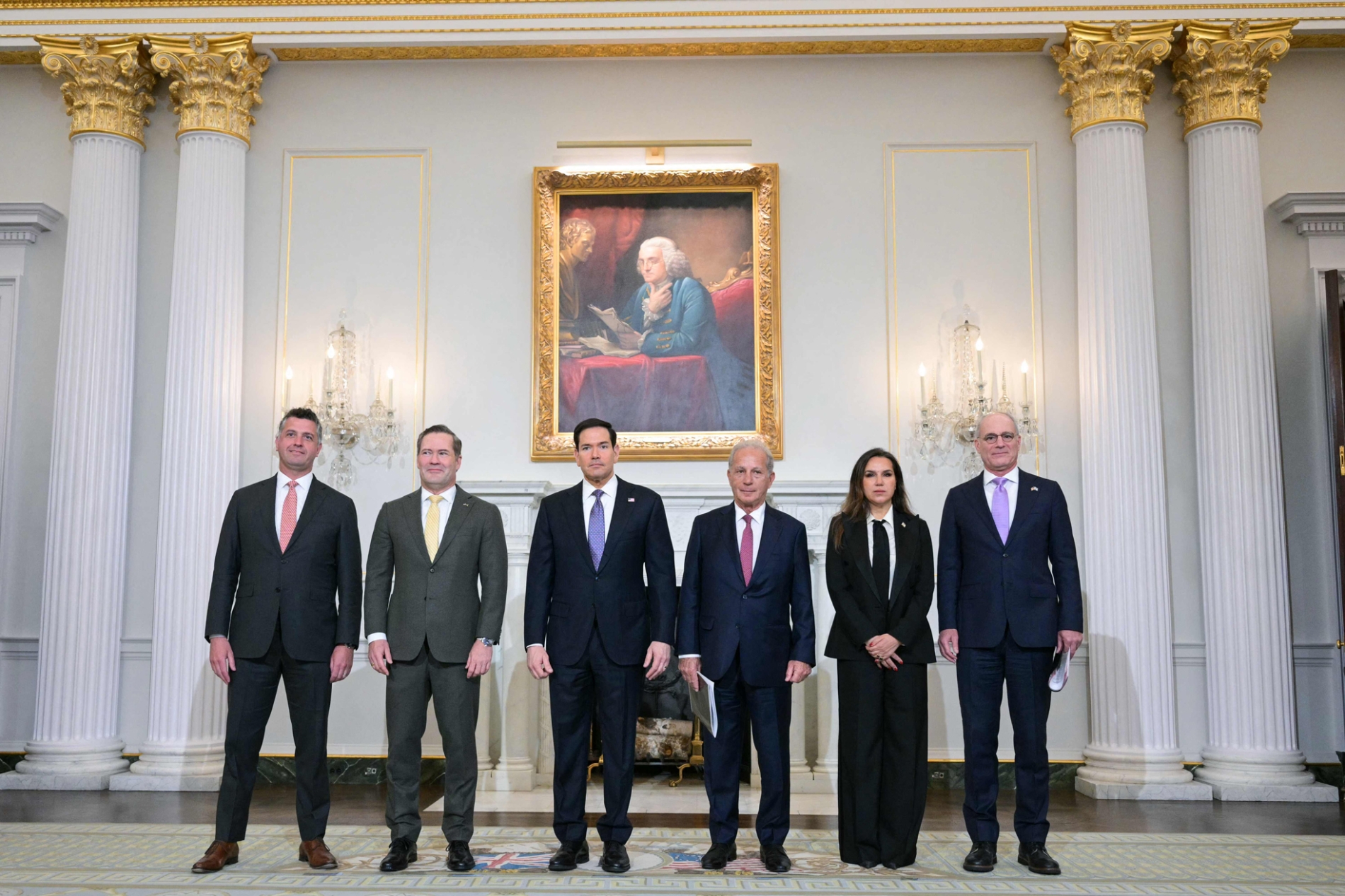
Things escalated quickly following this week’s meeting in Washington between the Lebanese and Israeli ambassadors to the United States. Chaired by US Secretary of State Marco Rubio in Foggy Bottom, the historic talks sought to lay the ground for future direct negotiations between the two countries.
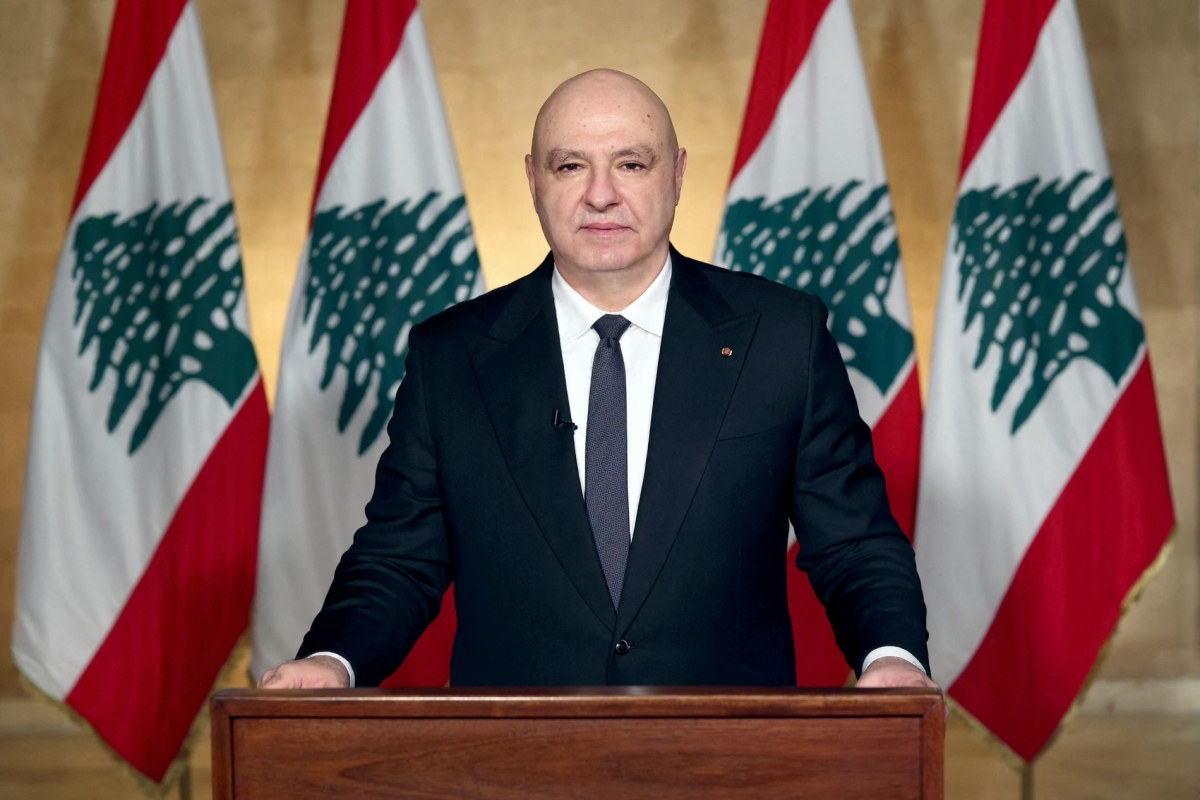
Shortly after the meeting, US President Donald Trump called Lebanese President Joseph Aoun and Israeli Prime Minister Benjamin Netanyahu, urging them to agree to a 10-day ceasefire between Israel and Hezbollah. He also vowed to invite the two leaders to the White House “for the first meaningful talks between Israel and Lebanon since 1983.”
The ceasefire deal, whose contents have been released, is reminiscent of the one reached in 2024 and consistent with UN Security Council resolutions 1701 and 1559 calling for the disarmament of Hezbollah and all armed militias operating in the country.
Like its predecessor, this ceasefire will be incredibly hard for the Lebanese government to implement in full anytime soon. However, Beirut has no choice but to demonstrate its commitment toward ultimately disarming Hezbollah, which has dragged the country into another ruinous war with Israel on behalf of its masters in Tehran and endangered civil peace.
No politician in Israel, not even the most hardline, expects the Lebanese government to succeed in disarming Hezbollah in less than 10 days when previous governments, including Israel itself, have failed.
But there has to be a Lebanese blueprint for this goal, even if it is gradual, not for Israel’s sake but for Lebanon’s if it wants to break free from Iranian interference and chart a path toward independence.
Metaphoric landmines
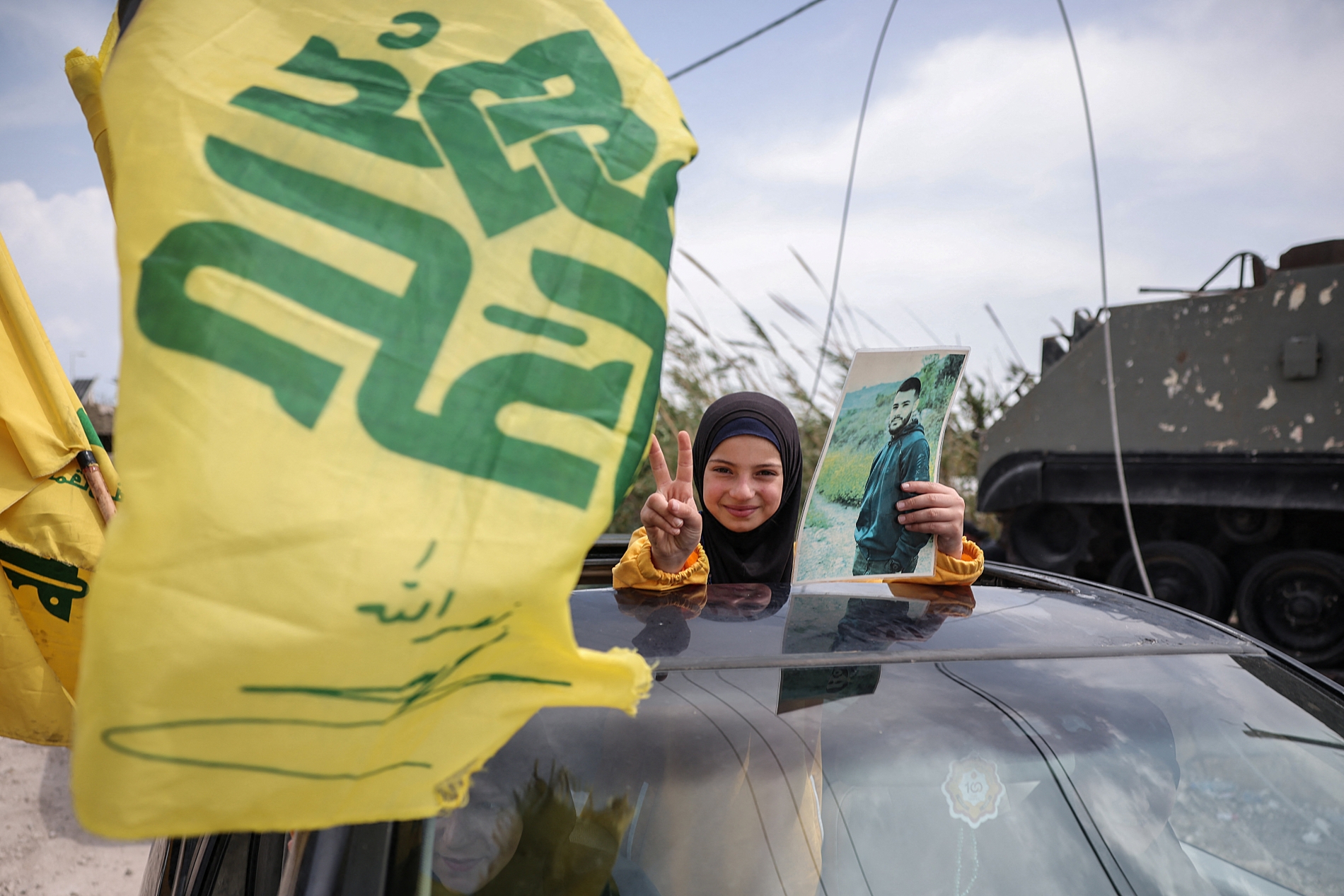
The current ceasefire is strewn with landmines, reflecting the balance of power between Israel and Lebanon, which tilts heavily in favour of the former. But it recognises the abnormal state of relations between the two countries, in which they are not fighting, but an armed entity inside Lebanon, over which the Lebanese government has little control, is at war with Israel.
First, the language about potential Israeli use of force is vague and favourable toward Israel, allowing it to strike in Lebanon whenever it “feels” threatened. Beirut might be spared, but Israel has ample latitude, according to the ceasefire, to attack Hezbollah in “self-defence,” which most probably will trigger Hezbollah’s retaliation, leading to the resumption of hostilities between the two sides.
Second, nowhere in the document is it explicitly mentioned that Israel is occupying Lebanese territory and carving out a buffer zone in the south, which is getting wider by the day. Nor does it include the 1.3 million displaced Lebanese and their right to return to their towns and villages.
Those issues will be discussed in future negotiations, and the ceasefire does assert Lebanon’s territorial integrity, but it must be explicitly acknowledged that, without a full Israeli withdrawal from Lebanon, there can be no peace deal between the two countries.

That said, the ceasefire does present opportunities for the Lebanese government. The immediate benefit is the stopping of the killing and physical destruction caused by Israeli strikes. Saving lives is what matters the most, even if it’s temporary.
Politically, after a long hiatus imposed by the Assad regime, the Lebanese state has reclaimed its place in the international arena by holding talks with Israel and now signing a ceasefire with it.
For Lebanon to be perceived as regaining its authority in foreign policy after decades under Damascus's control is no small matter. This is not merely symbolic. This diplomatic process can snowball and take on a life of its own, leading to unpredictable material consequences that could greatly benefit Lebanon. The Lebanese state isn't just negotiating with Israel, it's asserting itself at home for once in the eyes of its own people. That is invaluable.
Of course, the fact that the Lebanon-Israel negotiations track is formally separate from the US-Iran track doesn’t mean they aren't connected. The linkages are obvious. After all, Hezbollah answers only to Iran, and Iran provides the group with weapons and money. Tehran is unlikely to give up its Hezbollah card that easily, or at all. So, Lebanon and Israel can sign all the deals they want, but if Iran decides to keep using Hezbollah to needle Israel, it won’t make much of a difference.
This is where Washington’s input will be crucial. Only through US diplomacy can Iran allow Hezbollah to give up its arms. The good news is that Trump’s personal involvement, along with that of Rubio, has lent serious political weight behind the Lebanon-Israel talks. If the United States and Israel insist on Iran dismantling its regional proxy network, Lebanon will have a chance, and vice versa.
Getting to work
Yet regardless of what US-Iran talks lead to, Lebanon still has plenty of homework to do. There is no question that Washington will be incentivised to push harder on the issue of Iran’s relationship with Hezbollah if it sees the Lebanese government taking credible steps to make it as hard as possible for Hezbollah to operate militarily, politically, and financially.
The Lebanese government has plenty of agency in this equation, despite the huge cloud of the US-Iran talks hovering over its head. But that also doesn’t mean it should be doing it alone. It must formulate a coherent negotiation strategy with Israel, assembling the best team of Lebanese diplomats and leveraging the support of friendly Arab states—most importantly, Saudi Arabia.
Beirut should also agree to an expert Track II to help on the various sticking points between the two sides, including the security arrangement in the south and the demarcation of land borders.