The US-Iran war is tanking Trump’s popularity at home

Instead of the “no endless wars” they were promised, Americans are now knee-deep in a disastrous war and feeling the economic pinch at the gas pump

Al Majalla

The US-Iran war is tanking Trump’s popularity at home

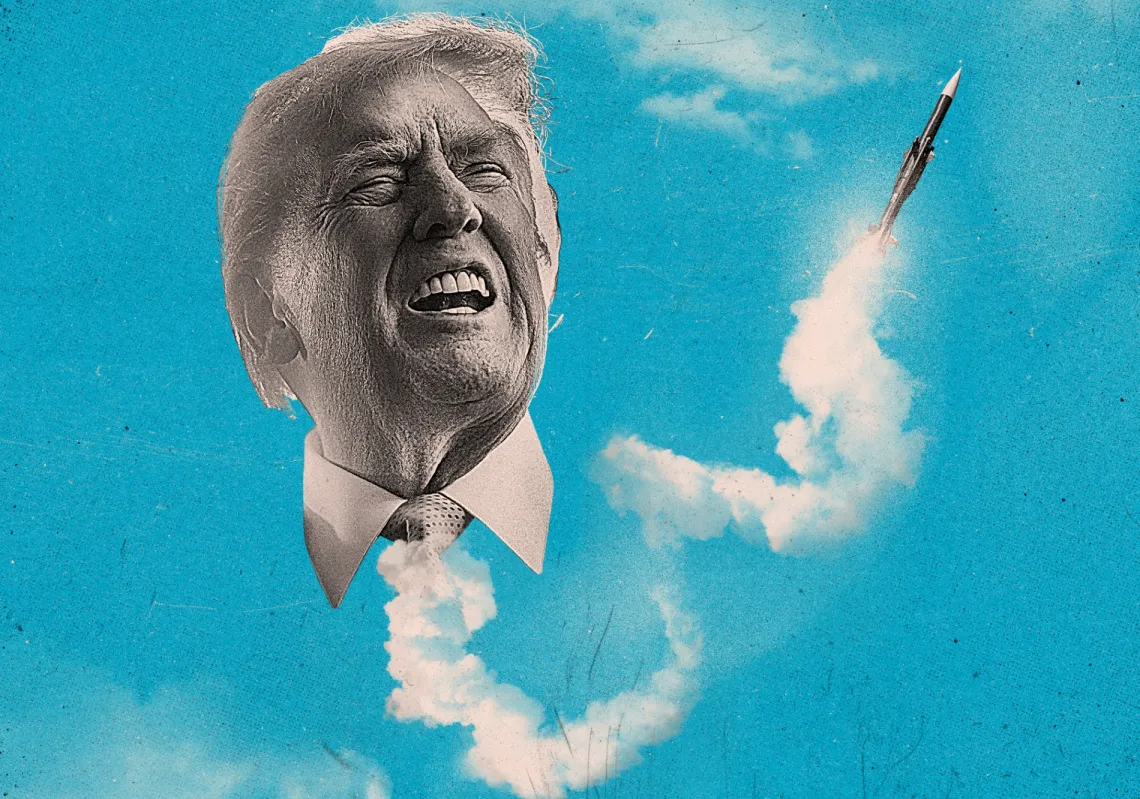
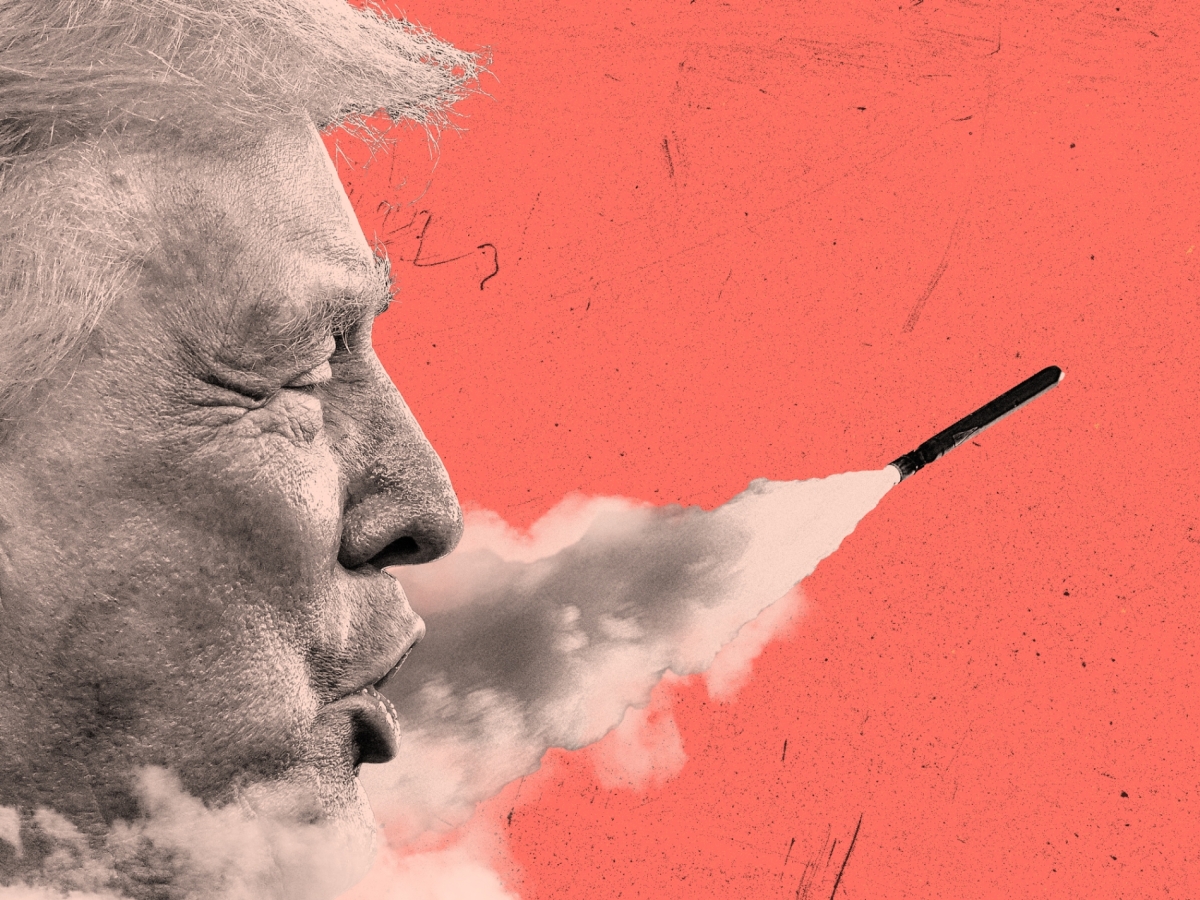
An operation that Donald Trump said could take Iran out “in one night” has now turned into a regional war that has just entered its sixth week, with the US president appearing increasingly frustrated over the situation, as evidenced by his unhinged social media posts. In his latest expletive-ridden rant on Sunday, he warned that the US would take out all of Iran’s bridges and power plants if it didn’t open up the Hormuz Strait by Tuesday night, 8pm Eastern time.

Trump’s quagmire of his own making has tanked his domestic popularity—even among his support base. Instead of the “no endless wars” they were promised, Americans are now knee-deep in a disastrous war and feeling the economic pinch at the gas pump.

Polls indicate that 6 out of 10 Americans disapprove of the job Trump is doing in office now, with some surveys showing his disapproval rating edging closer to two-thirds of Americans during the recent weeks of war. This puts his popularity significantly lower than it was in his first term and lower than that of his three predecessors—Biden, Obama, and George W. Bush—in their first terms.

Before the war, Trump’s political support was already declining due to negative perceptions of his handling of the economy and inflation. But in a recent poll, 56% of Americans said the Iran war will have a mostly negative impact on their personal financial situation, with another 25% unsure. Meanwhile, 67% of Americans say that Trump lacks a clear plan for handling the situation in Iran—worrisome numbers for any wartime president.

To his credit, Trump seems to be acutely aware of the war’s unpopularity. Speaking to reporters on the White House lawn on Monday, he said, although he would like to “take the oil" from Iran, "unfortunately, the American people would like to see us come home."

Divisive issue

This has even created divisions within Trump’s own Republican party, with divergent voices over Iran on display at the Conservative Political Action Conference late last month, with younger conservatives more sceptical about the war than their older counterparts.

Case in point: prominent Conservative podcast host Tucker Carlson—who lobbied the president since last year not to go to war with Iran—recently argued that the war is showing the “end of American Empire” and that Trump’s call for allies to help reopen the Strait of Hormuz proved that the US could no longer function as the world’s policeman.

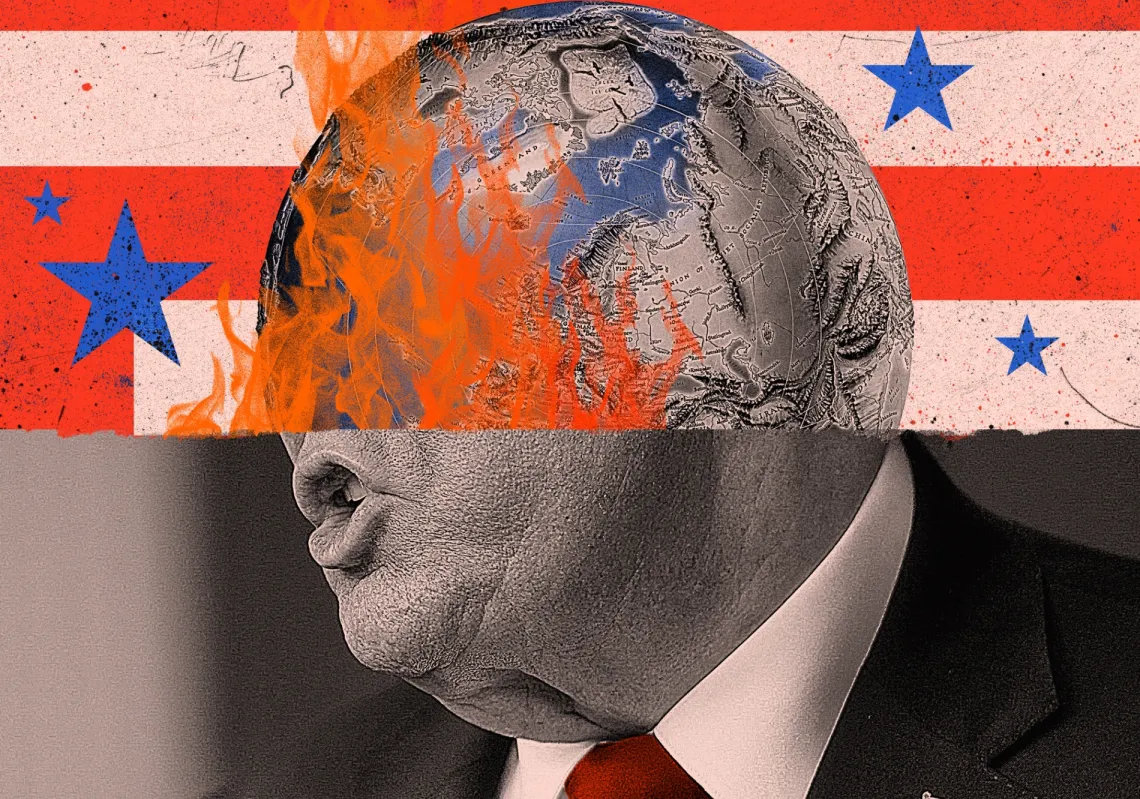
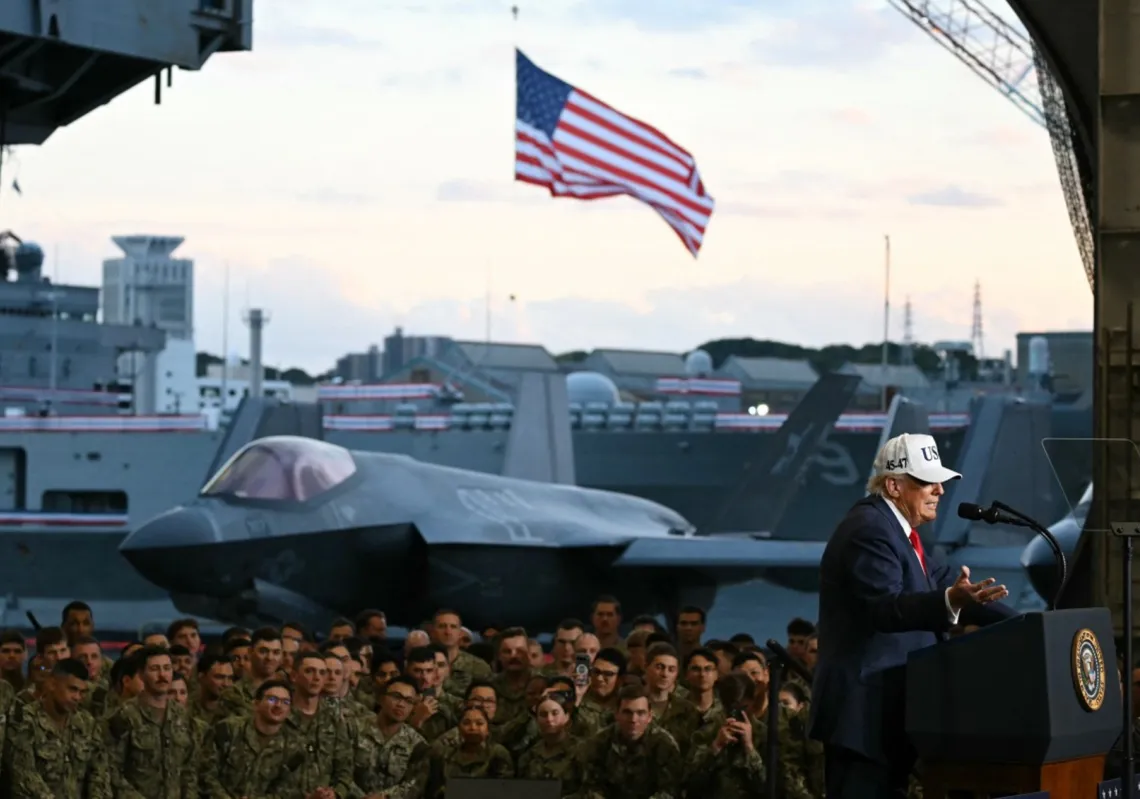
Dissenting voices about the war were evident in recent dismissals and resignations in the Pentagon, including Army Chief of Staff Randy George.

Even within the Pentagon and other key US security agencies, dissenting voices about the course of this war were evident in recent dismissals and resignations, including the Army Chief of Staff, General Randy George, being fired last week. Historians will have much to analyse when the full story of these firings and resignations comes out.

Meanwhile, the Trump administration's plan to ask Congress for $200bn in a supplemental funding bill for military spending has drawn the ire of Democrats and Republicans alike. For his part, Republican Senator Thomas Massie said, "It looks like it's costing about a billion dollars a day. So, if they want $200bn to continue, that begs the question, how long do they reasonably expect the war to go on? If we think it's going to go on for half a year, then you know, we need to hear what the objectives are."

Meanwhile, Republican Senator Rand Paul said he did not favour "adding more debt", stressing that he thinks the war "should come to a conclusion as soon as possible." Notably this notional supplemental funding from the war is separate from a massive 42%  increase in defense spending in the Trump administration's proposed budget for the coming fiscal year. 

Trump's decision to wage war on Iran at a time when his popularity was already dwindling has left several observers scratching their heads, with many politicians, analysts, and average citizens alike questioning whether the United States and Israel are aligned on the ultimate aims of the Iran war and if these two countries are in sync with key Arab partners on this key question. 

History has shown that military escalation has almost never improved the standing of an unpopular president.

Looking for an off-ramp

And as the US military struggles to achieve clear and tangible gains in the war, Trump's dilemma will only grow. Americans—and much of the rest of the world—want the US to end the war, but walking away now makes Trump look weak, so he will be looking for a face-saving off-ramp in the coming days and weeks.

He may choose to "escalate to de-escalate"—a catch phrase his administration has frequently cited throughout the war. But this runs the risk of even heavier Iranian retaliation on US-affiliated assets across the region that could further entrench America in the war.

And with the midterm elections approaching in November, this could spell disaster for Republicans at the ballot box. Time will tell if Trump follows through on his threats against Iran, but history has shown that military escalation has almost never improved the standing of an unpopular president.

font change

Related Articles