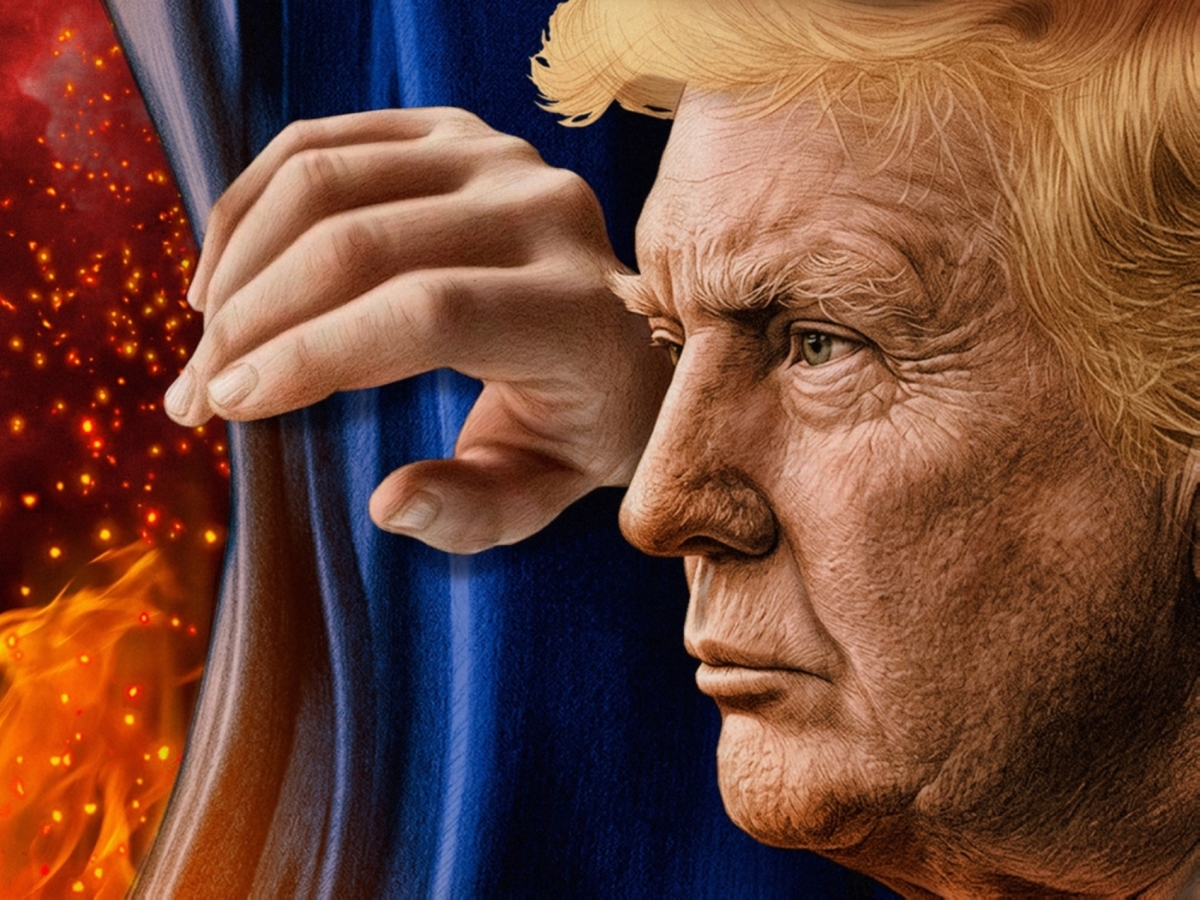

Less than a month old, the Iran war has already been talked of as an epochal, transformative moment in world geopolitics. Ambrose Evans-Pritchard in The Telegraph, for example, suggested that Trump’s actions could produce his own ‘Suez’ moment, whereby short-term military success is undermined by wider global economic forces, prompting a humiliating climbdown and a shift in global geopolitics.
Such assessments may prove premature, as we do not yet know how the conflict will end and cannot confidently forecast how the political and economic landscape may change. But the idea of this being a ‘Suez’ moment is not so far-fetched. Already, it is clear that the war will likely prompt political and economic shifts, even if the extent of those changes may not be known for years.
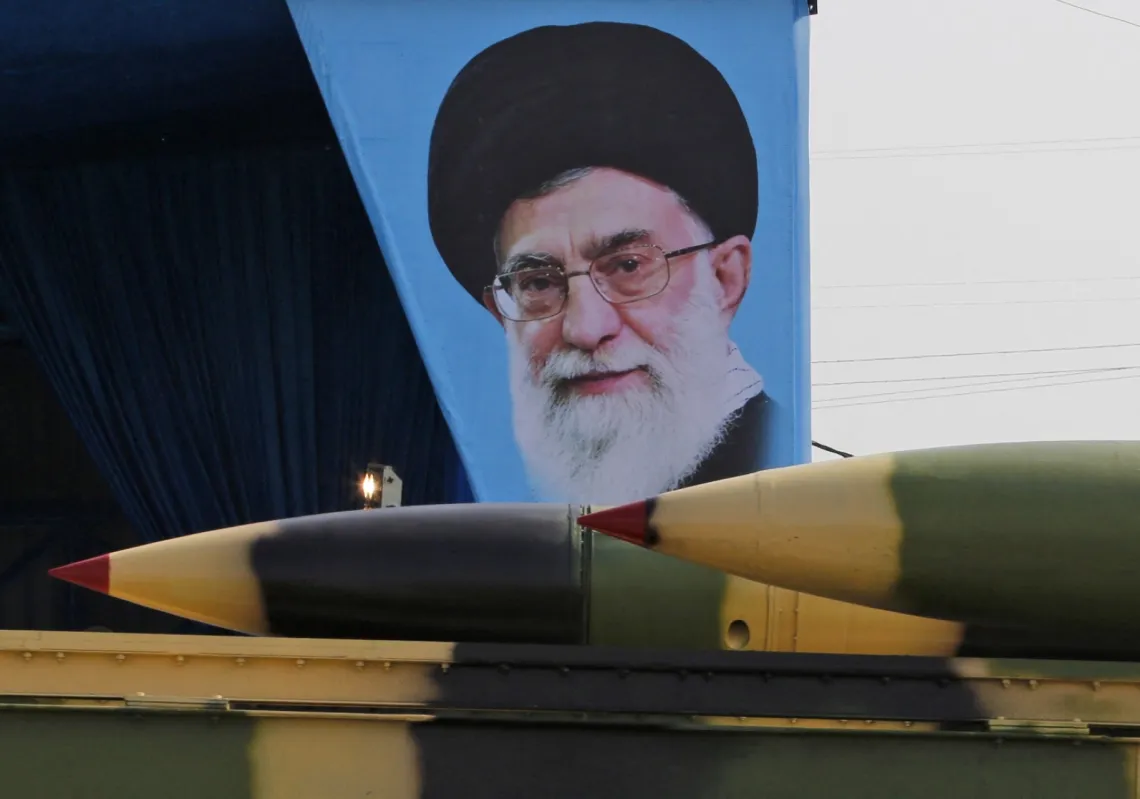
The country at the centre of the conflict seems most likely to be the most transformed by it. This may yet come in the form of the regime change Israel and the US hoped for, or as a descent into civil war. However, thus far, there have been few signs of either occurring. More likely is that the regime will survive in some capacity, but this will not mean a return to the pre-war status quo.
Domestically, the debate that has characterised Iranian politics for the past few decades, over engagement and negotiation with the US and its allies, could well be settled, with hardliners insisting their distrust has been vindicated. Whether the ascendant hardliners would crack down at home or offer some concessions to weaken the opposition movement that threatened it before the war is unclear.
Regionally, Iran’s willingness to attack its Gulf neighbours, despite their pre-war attempts at détente and mediation, will not be quickly forgotten. Though there are some parallels with how Saddam Hussein was a pariah after the Gulf War, the UN is unlikely to agree on comparable crippling sanctions as it did on Iraq, and key allies like China and Russia won’t sever ties, meaning Iran could prove far more problematic than the weakened Baathist state.
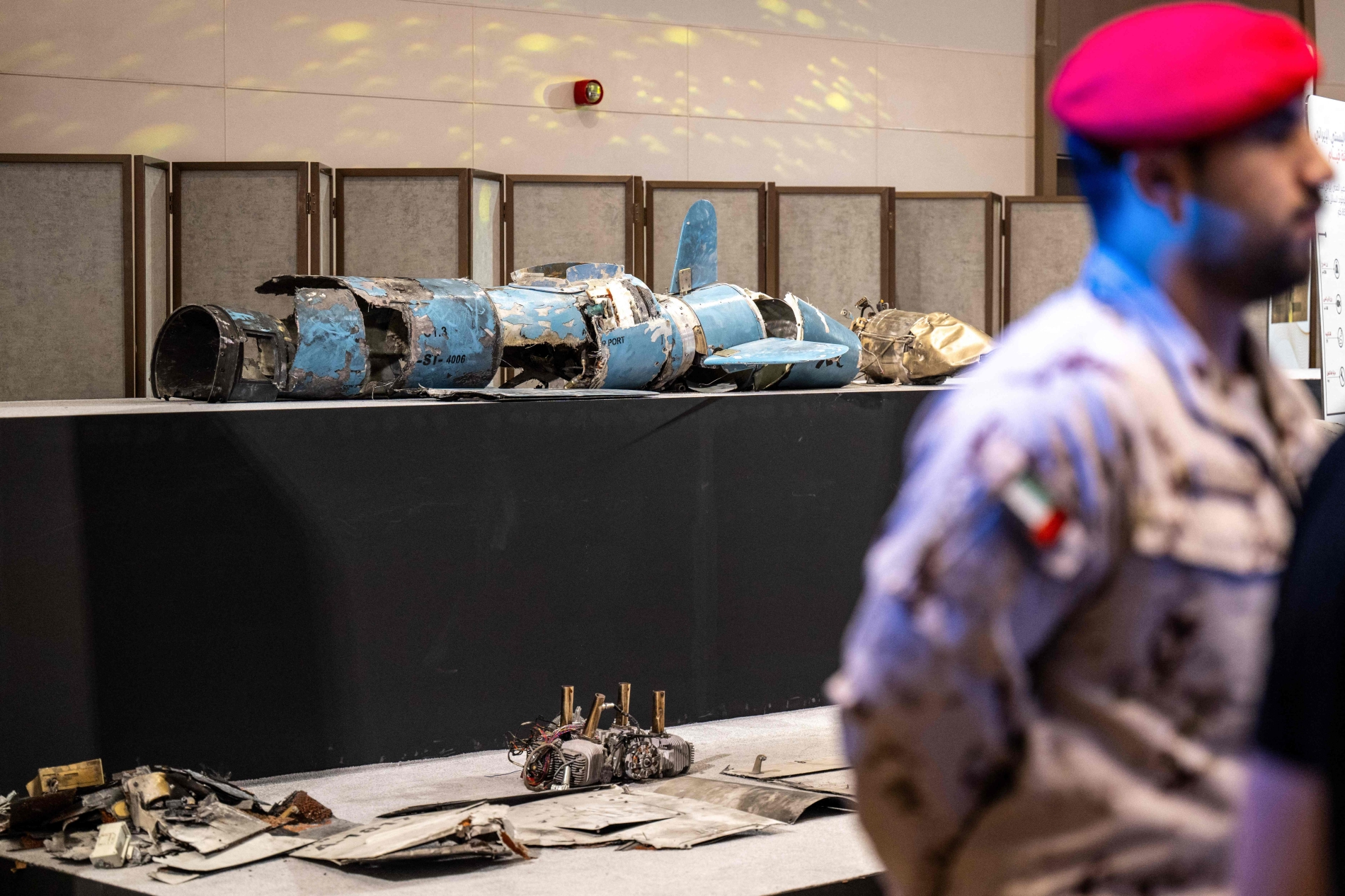
If it retains at least some capacity to produce drones and missiles, to disrupt the Strait of Hormuz and resume its nuclear programme, a bruised and resentful Iran could be far more destabilising for the Middle East than it was before. Internationally, Iran’s isolation would strengthen the global and regional positions of China and Russia, which are among Tehran’s few trusted intermediaries. At the same time, Beijing and Moscow’s hopes that the expanded BRICS could become a rival non-Western global bloc will be damaged by tensions between two new members, Iran and the UAE.
Trust deficit
If the Iranian regime survives, Gulf states will face some difficult questions. Each would hope to repair their reputation for stability and safe foreign investment, but this could prove difficult with a hostile government in Tehran. Greater securitisation may be inevitable, but this might clash with attempts to rebuild a pro-business environment. Foreign investments in areas such as aviation, finance and tourism that once headed to Dubai, Abu Dhabi and Doha might instead head to the relative safety of Istanbul, Riyadh and Jeddah.
The Gulf states may also have to rethink defence. Should the closeness to the US be reconsidered, given that Trump provoked the war, or should the alliance be doubled down on, given that US forces and defence equipment have proven vital in intercepting most Iranian attacks?