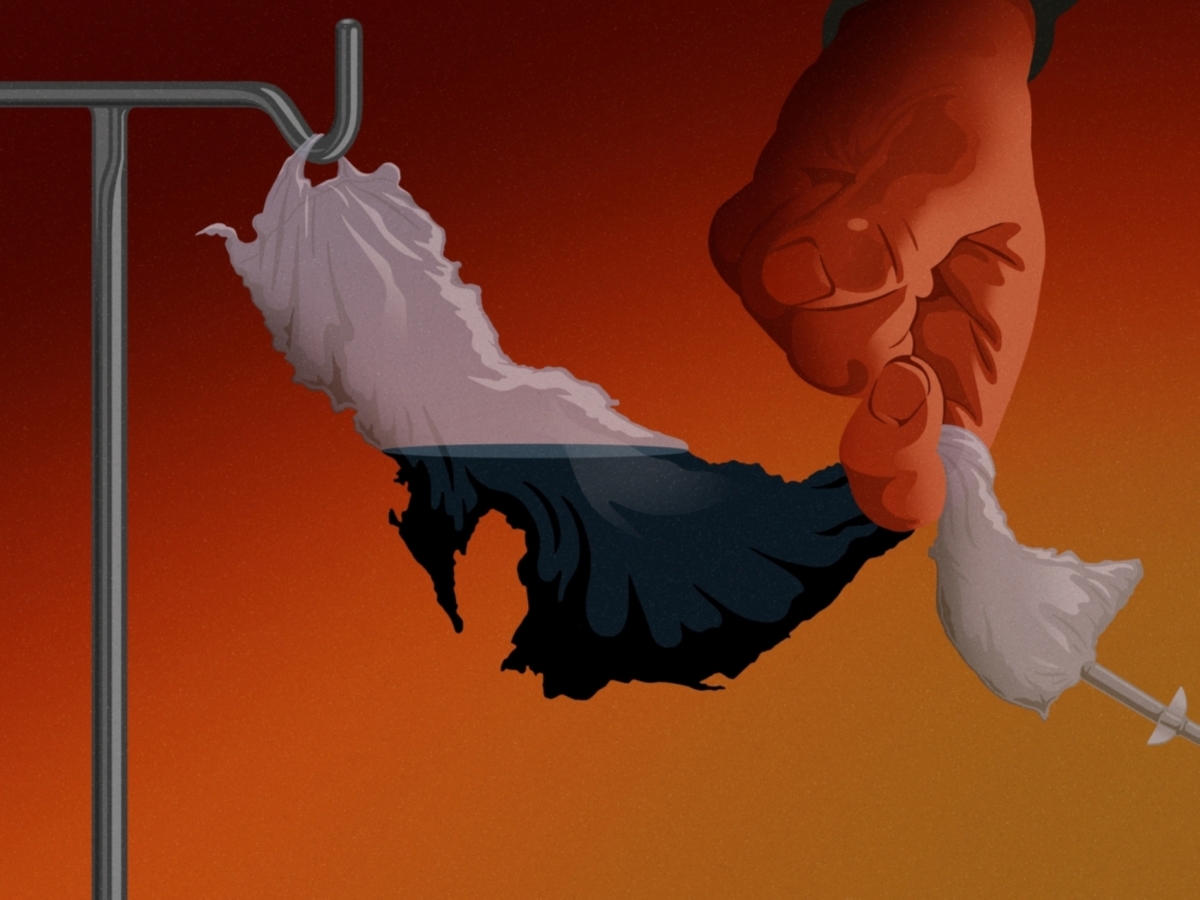
On maps, the Strait of Hormuz appears as a narrow indentation in the coastline separating Iran from the Musandam Peninsula of Oman. Its modest width belies its extraordinary importance as one of the most sensitive pressure points in the global economic system. Every day, under normal circumstances, enormous tankers laden with crude oil and liquefied natural gas (LNG) pass through it, moving energy from the Arabian Gulf to India, Asia, and beyond.
Its importance is well known, so in times of conflict in the region, energy markets react immediately. Oil prices surge, insurance companies raise premiums for vessels passing through the Gulf, and governments assess their fuel stockpiles. The numbers show why the Strait of Hormuz commands such attention: in 2024, roughly 20 million barrels of oil per day passed through it, according to the US Energy Information Administration. This is up to a quarter of the world’s seaborne oil trade.
The strait also carried almost 20% of the world’s liquefied natural gas (LNG) exports, much of it shipped from Qatar to Asia, but beyond oil and gas, Hormuz also serves as a corridor for petrochemicals and fertilisers produced in the Gulf and transported to agricultural markets across the world. The waterway, therefore, influences both the cost of fuel and the cost of food. That is why many argue that the Strait of Hormuz is the most important maritime chokepoint in the world.
The eye of a needle
Its significance as a nexus cannot be understood solely through statistics about tanker traffic. Hormuz is also a historical crossroads, a legal test case for the law of the sea, and a strategic arena where regional rivalries intersect with global energy security. It is where geography, history, economics, and politics converge.
If the Strait of Hormuz is closed, it means that vessels cannot leave the Arabian Gulf for the open ocean. From Basra in Iraq to Kuwait’s terminals, Saudi Arabia’s Ras Tanura and Jubail, and the export facilities of the United Arab Emirates, Qatar, and Iran, energy shipments cannot reach the Gulf of Oman and the wider Indian Ocean.
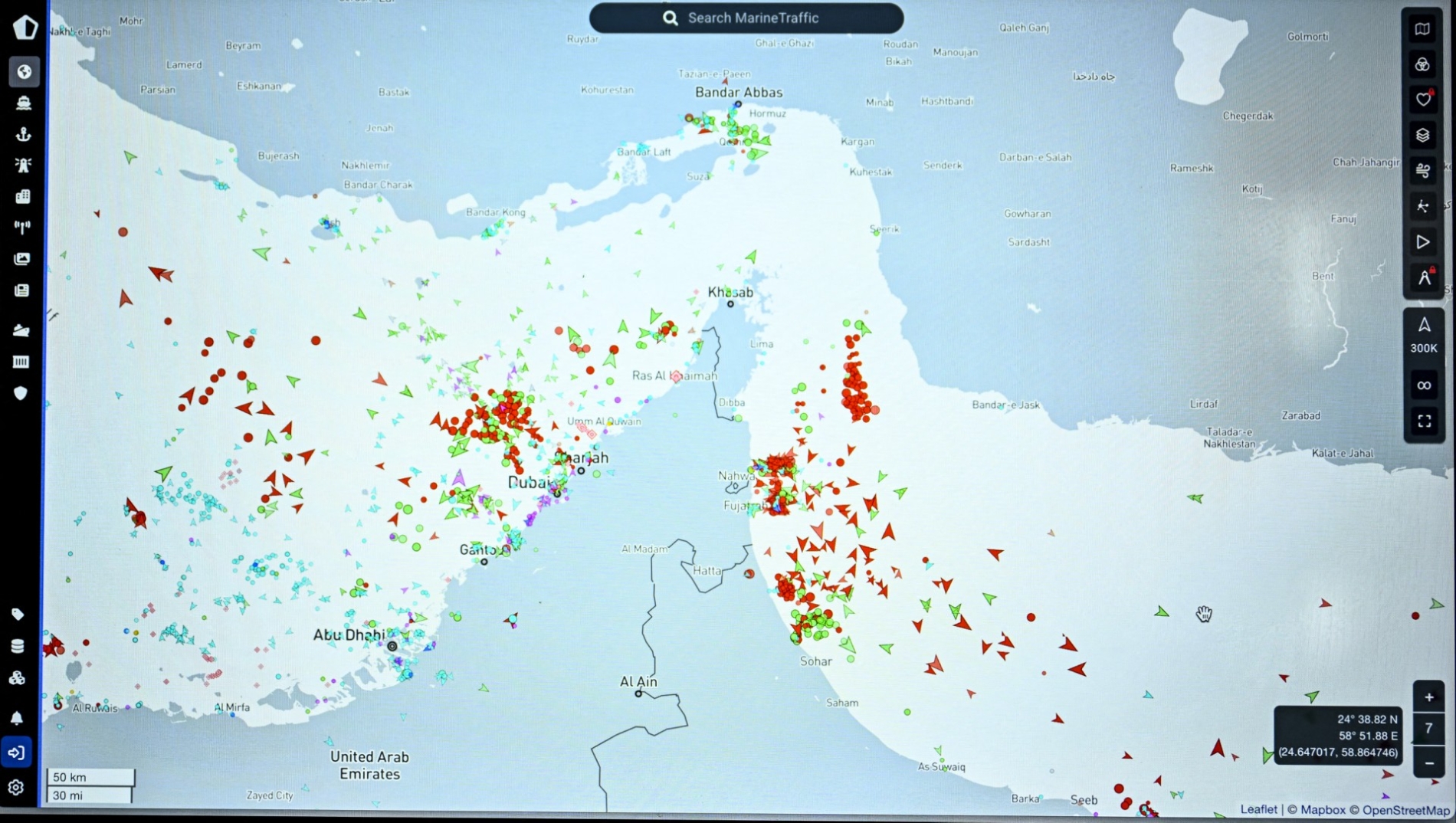
At its narrowest point, the strait measures about 33km between Iran’s coastline and the Omani peninsula of Musandam, but the navigable channel used by commercial vessels is considerably smaller.
Commercial boat traffic on the edge of the Strait of Hormuz near the Iranian coast, in Paris on 4 March 2026.
To prevent collisions among the enormous ships that dominate the route, maritime authorities established a traffic separation scheme, in which ships entering the Gulf travel through a designated inbound lane about 3km wide, while ships leaving the Gulf use a parallel outbound lane of similar width. Between these lanes lies a two-nautical mile buffer zone separating opposing traffic. The practical shipping corridor is therefore just a handful of kilometres across.
Within that corridor, some of the world’s largest vessels move slowly through confined waters bordered by the territorial seas of Iran and Oman. Super-tankers carrying millions of barrels of crude oil can take several kilometres to change course and have limited ability to manoeuvre quickly. Even relatively minor incidents can slow traffic or halt shipping altogether. In this way, geography transforms a seemingly modest maritime passage into a strategic bottleneck.
The strategic importance of Hormuz long predates the modern oil economy. The Gulf has been part of major trading systems since antiquity
Historic importance
The strategic importance of Hormuz long predates the modern oil economy. The Gulf has been part of major trading systems since antiquity. During the Achaemenid Persian Empire 2,500 years ago, maritime routes across the Gulf connected the Persian Plateau with India and the wider Indian Ocean trading network. Later Greek and Roman merchants used these routes to access spices, textiles, and precious goods from South Asia.
During the early Islamic centuries, maritime trade across the Indian Ocean expanded dramatically. Arab and Persian merchants established commercial networks linking the Gulf with ports in India, East Africa, and Southeast Asia. By the 10th century, the Port of Hormuz had become one of the region's principal commercial centres. Located near the entrance to the Gulf, it functioned as a gateway between inland Persian markets and maritime trade routes extending across the Indian Ocean.
The Kingdom of Hormuz, which flourished between the 13th and 15th centuries, dominated trade across the Gulf. Merchants from across the Indian Ocean world gathered there to exchange pearls, spices, textiles, and precious metals. Contemporary travellers described the city as immensely wealthy; its prosperity derived largely from its control of the maritime routes entering and leaving the Gulf.
Restos del fuerte portugués de "Nossa Senhora da Conceição", Ormuz (Irán), territorio luso entre 1515 a 1622. pic.twitter.com/2Mxl6uAGM4
In 1507, Portuguese forces attacked Hormuz to dominate the maritime routes connecting Europe and Asia. By 1515, the Portuguese had built a fortress on Hormuz Island and established a permanent presence there. Portuguese control ended only in 1622, when Persian forces allied with the English East India Company expelled them.
During the 18th and 19th centuries, British naval power dominated the Gulf. Britain saw Gulf shipping routes as essential to protecting its imperial link to India. Through treaties with local rulers and a strong naval presence, London maintained relative stability in the region's maritime trade. The discovery of oil changed things. From the 1930s, oil exports from the Gulf increased rapidly, with tankers replacing traditional cargo vessels.
By the late 20th century, the Strait of Hormuz was the central artery of the global oil trade. The Iranian Revolution of 1979, followed by the Iran-Iraq War of the 1980s, turned Hormuz into a focal point of geopolitical tension. The Tanker War, in which both Iran and Iraq attacked shipping linked to their opponent, demonstrated how vulnerable the strait could be.
Transit passage
Beyond geography and energy flows, the Strait of Hormuz occupies a central place in the modern law of the sea. Few waterways illustrate so clearly the tension between the sovereign rights of coastal states and the broader interests of the international community in maintaining open maritime routes. The legal framework governing navigation through Hormuz is rooted primarily in the UN Convention on the Law of the Sea (UNCLOS), the comprehensive treaty adopted in 1982 that codified many of the rules governing maritime conduct.
Under UNCLOS, the Strait of Hormuz is classified as a "strait used for international navigation". This category refers to waterways connecting one part of the high seas or an exclusive economic zone with another and through which international shipping passes regularly. Because such straits function as vital arteries of global trade, the convention establishes a special regime governing their use. The central concept in this regime is 'transit passage'.
Transit passage allows ships and aircraft of all nations to pass through international straits continuously and expeditiously without the need for prior authorisation from coastal states. Unlike the older concept of 'innocent passage,' which applies within territorial seas and allows coastal states greater regulatory authority, transit passage provides broader freedoms of navigation and overflight.
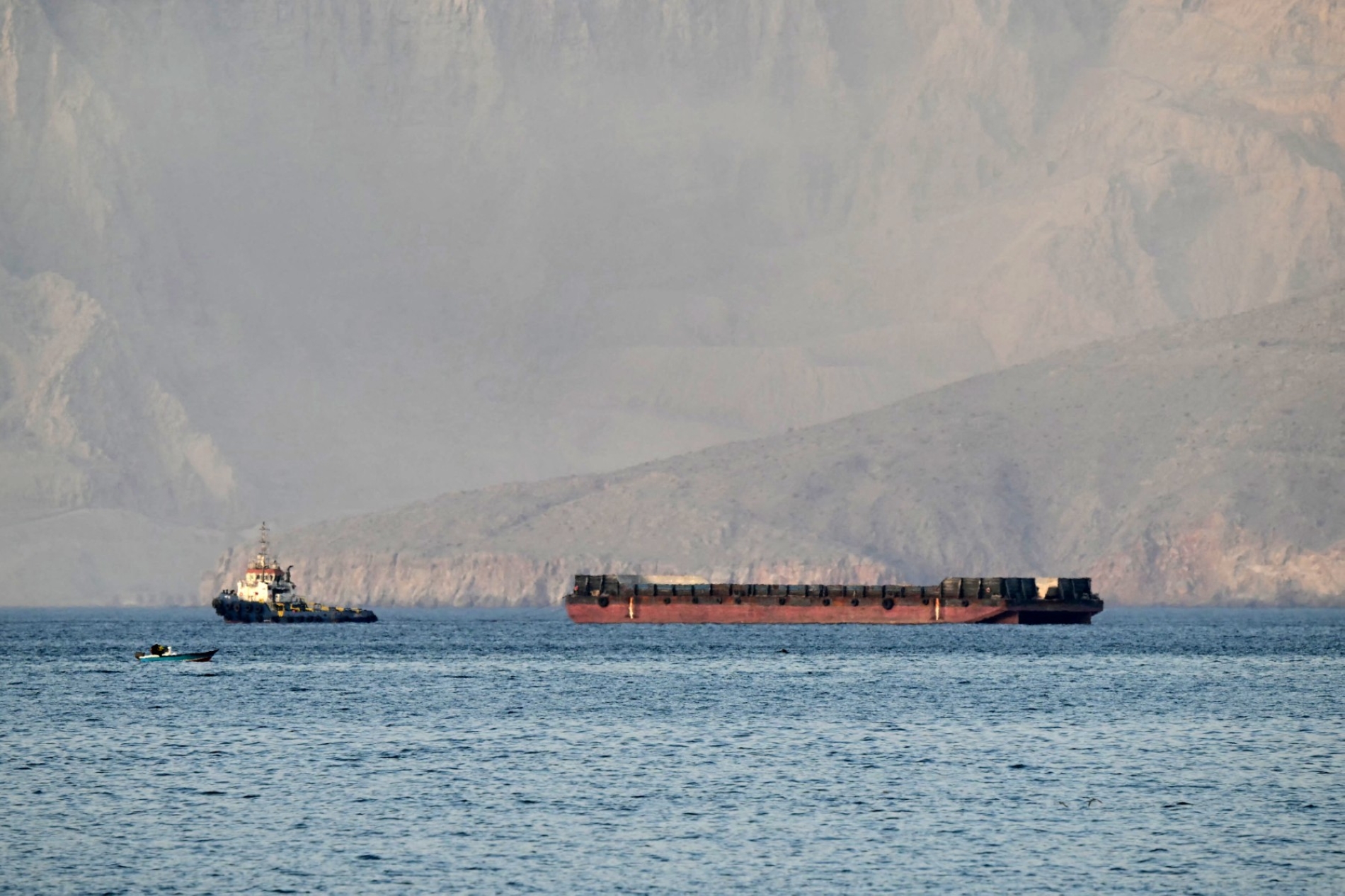
A tug boat tows a barge off the coast of Khasab, on northern Oman's Musandam Peninsula, overlooking the Strait of Hormuz on 24 June 2025.
Under this principle, ships—including commercial vessels, naval ships, and submarines—may traverse the strait without interruption so long as they proceed without delay and refrain from activities that threaten the security of the coastal states. Aircraft similarly enjoy the right to overfly the strait in transit.
One of the most important features of transit passage is that it cannot be suspended. Even during times of political tension or conflict, coastal states bordering an international strait are not permitted to close it to international navigation. This rule reflects a fundamental principle of the modern maritime system: waterways that serve as essential conduits of global commerce must remain open to all.
Different interpretations
The application of these rules in Hormuz is complicated by the positions of the states that border the strait. Oman, which controls the southern side of the strait, is a party to UNCLOS and generally adheres to its provisions regarding transit passage. Iran signed the convention in 1982 but never ratified it. While Tehran recognises many aspects of customary international maritime law, it has historically adopted a more restrictive interpretation of navigation rights in its territorial waters.
Iranian authorities have at times argued that foreign warships should request prior permission before transiting the strait. Western naval powers reject this interpretation, maintaining that transit passage under international law does not require advance authorisation. These differing interpretations have occasionally produced diplomatic friction and naval incidents.
At the same time, UNCLOS grants coastal states certain rights within international straits. They may adopt regulations related to navigation safety, pollution control, fishing, and customs enforcement, provided such measures don't hamper transit passage itself. In practice, the Strait of Hormuz operates within a complex legal and political environment in which formal treaty provisions coexist with strategic realities.
Major naval powers regularly conduct operations in and around the strait to assert freedom of navigation. As long as global trade depends heavily on the uninterrupted flow of energy through the Gulf, the legal regime governing the Strait of Hormuz will remain a matter of both international law and geopolitical strategy. In this sense, the strait represents a legal crossroads where maritime law, state sovereignty, and global economic interests intersect.
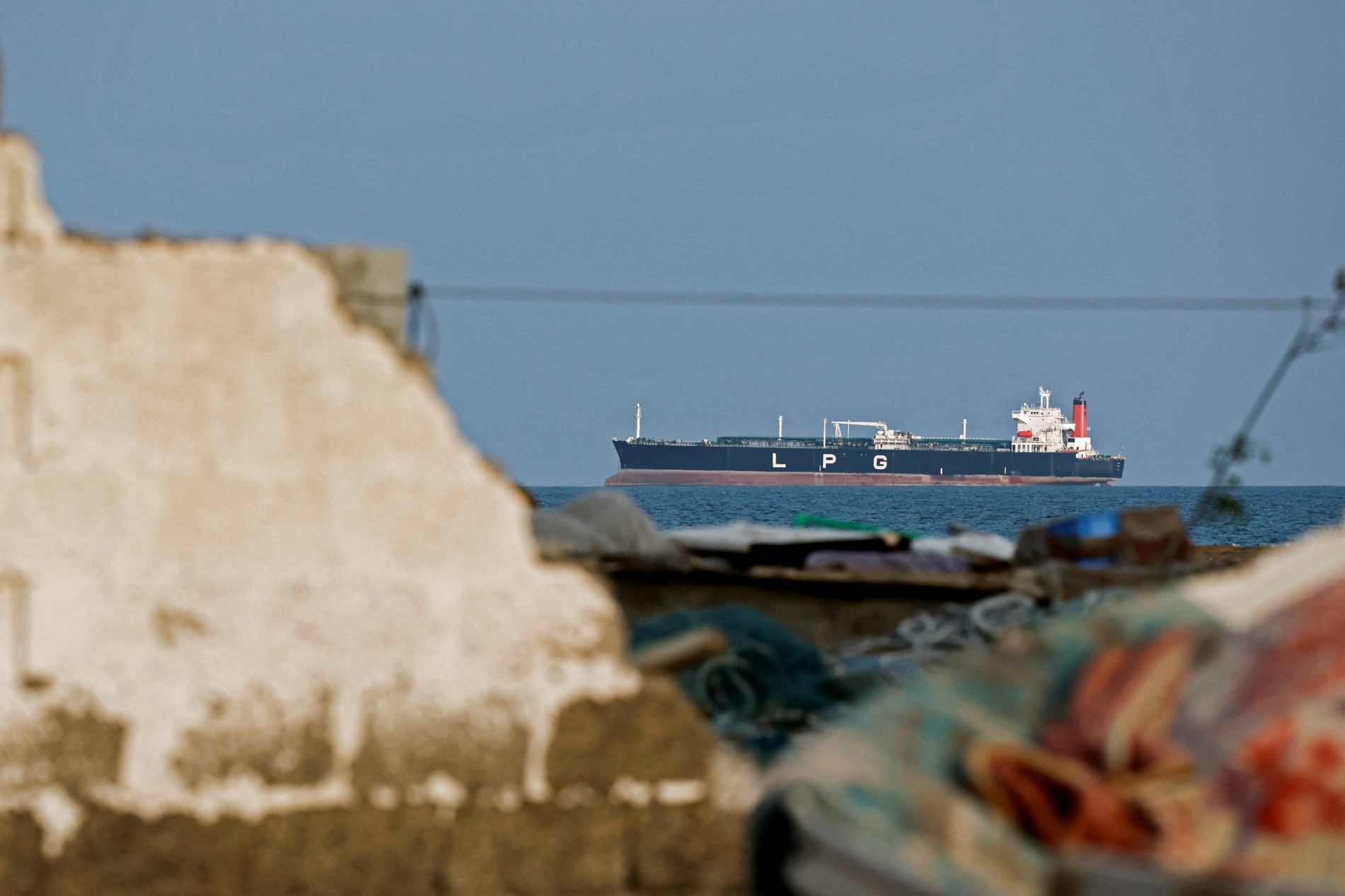
An LPG gas tanker at anchor as traffic is down in the Strait of Hormuz, amid the U.S.-Israeli conflict with Iran, in Shinas, Oman, on 11 March 2026.
Gate to reserves
The modern global importance of the Strait of Hormuz rests above all on its role as the principal export corridor for the Gulf's hydrocarbon resources. Few regions in the world concentrate such enormous reserves of oil and natural gas within such a confined geographical area. The Gulf states hold some of the largest proven hydrocarbon reserves on Earth, and their ability to export those resources depends overwhelmingly on maritime routes, most of which converge at Hormuz.
Saudi Arabia ships about 5.5 million barrels of crude oil per day through the strait. Iraq's southern export terminals add several million barrels per day, while Kuwait and the UAE contribute additional volumes. Beyond crude oil, refined petroleum products, including diesel, gasoline, and fuel oil, also move through Hormuz in substantial quantities.
The strait represents a legal crossroads where maritime law, state sovereignty, and global economic interests intersect
In 2025, about 112 billion cubic metres of LNG passed through the strait, with Qatar the biggest exporter. LNG must be transported by specialised tankers operating on fixed routes between liquefaction and regasification terminals, so disruptions to shipping lanes can have immediate consequences for supply chains. Most of the exported energy flows to the industrial economies of East and South Asia, which rely heavily on imported hydrocarbons.
The Gulf has become their most important external energy supplier. In recent decades, as Asia's economic growth accelerated, its energy consumption increased dramatically, deepening dependence on the Gulf. Today, roughly 84% of crude oil and condensate shipments moving through the Strait of Hormuz are destined for Asian markets, likewise 83% of LNG shipments.
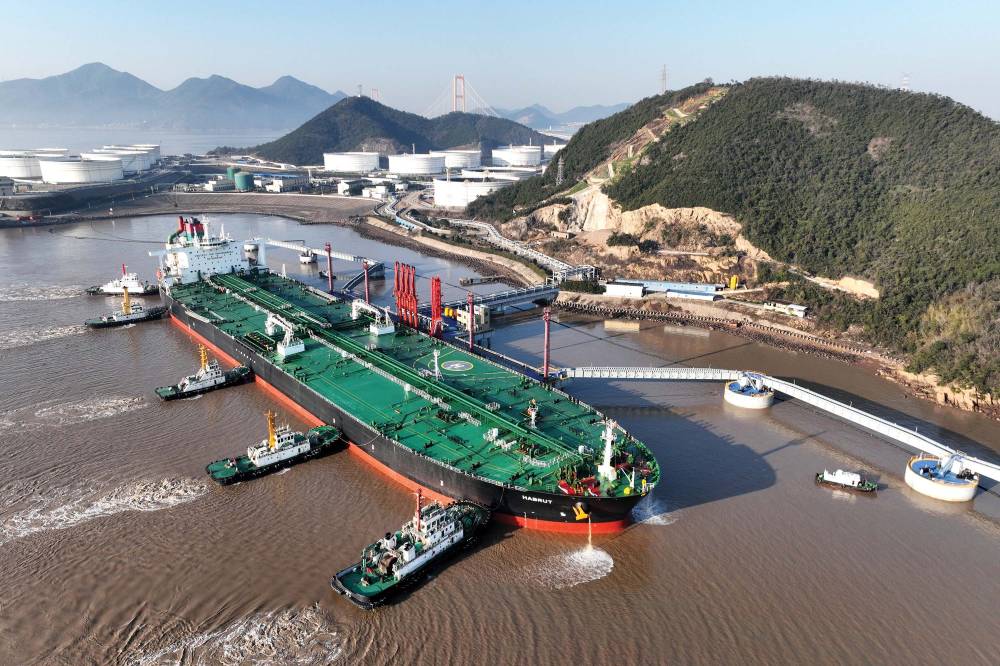
Tugboats push the crude oil tanker Habrut to a reception terminal operated by China Petrochemical Corporation or Sinopec Group on 30 January 2023, in Zhoushan, Zhejiang Province of China.
Wider impact
The largest importer is China. As one of the world's fastest-growing energy consumers, India also imports a substantial share of its crude oil from the Gulf. Japan and South Korea, both highly industrialised with limited domestic energy resources, also depend heavily on Gulf hydrocarbons transported through Hormuz. Together, these four states account for nearly 70% of crude oil flows through the strait, highlighting the strategic importance of Hormuz for Asian economies.
While oil and gas dominate discussions about the waterway, it also plays a crucial role in the global fertiliser trade, which is essential to food production. The Gulf region is one of the world's largest producers of nitrogen-based fertilisers, including urea and ammonia, as well as phosphate-based products used extensively in agriculture. These fertilisers rely heavily on natural gas as a feedstock, making the Gulf's abundant gas reserves a key competitive advantage for producers in the region.
Large fertiliser complexes in countries such as Qatar, Saudi Arabia, and the UAE export around 16 million tonnes of agricultural inputs each year through the Strait, according to the UN Conference on Trade and Development (UNCTAD). This accounts for about a third of global seaborne fertiliser trade. Disruptions in Hormuz therefore raise the cost of fertilisers used by farmers around the world, which in turn increases food prices, particularly in developing countries that rely heavily on imported agricultural inputs.
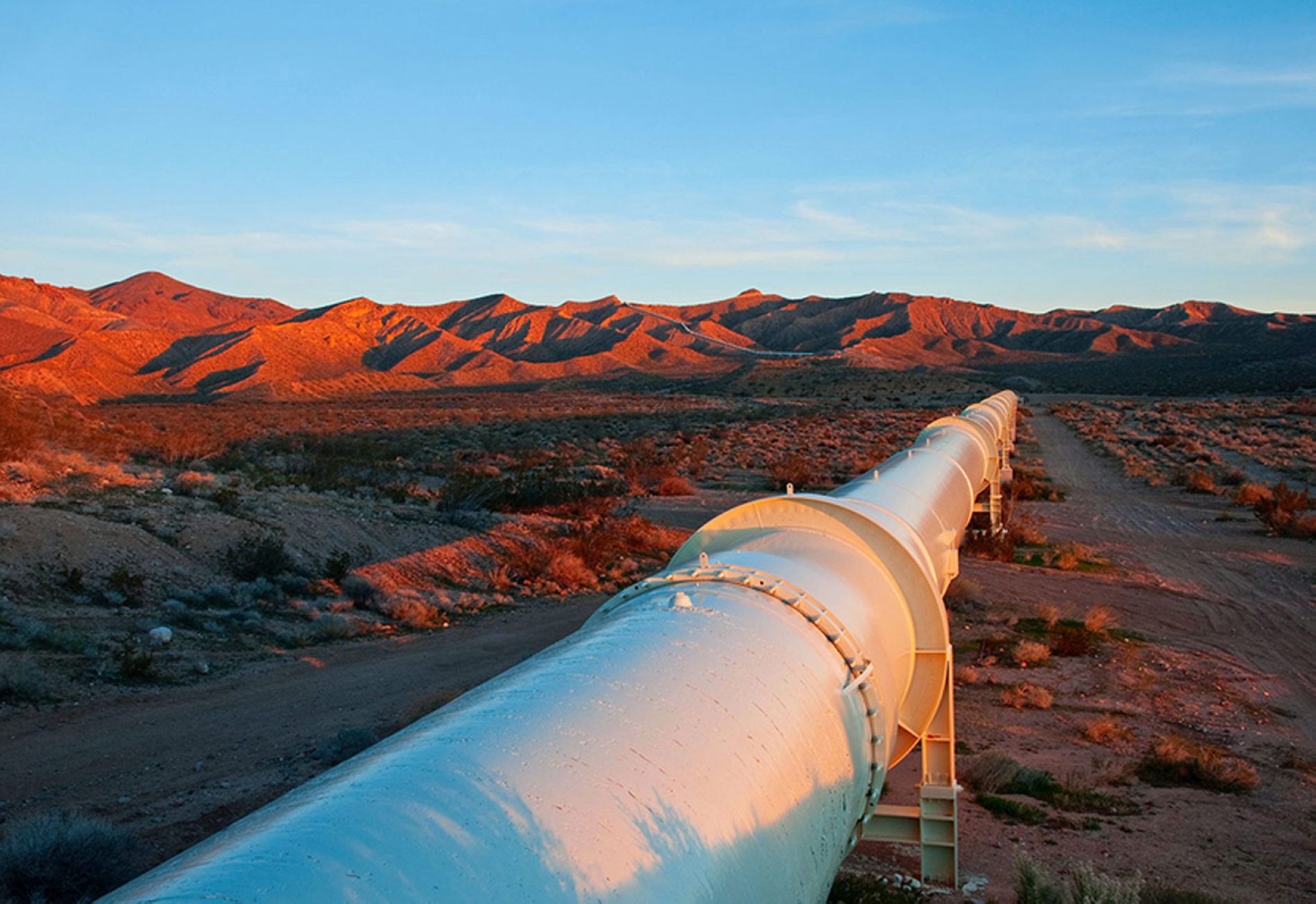
The Saudi East-West oil pipeline
Assessing alternatives
Can the strait be bypassed? Given the Strait of Hormuz's vulnerability, Gulf producers have long explored ways to reduce their dependence on this single maritime corridor. One alternative is Saudi Arabia's East-West pipeline, also known as the Petroline. This carries crude oil from Saudi Arabia's eastern oil fields across the Arabian Peninsula to the Red Sea port of Yanbu. It normally carries around five million barrels per day (bpd), though it has been temporarily expanded to seven million.
The United Arab Emirates has pursued a similar strategy. The Habshan-Fujairah pipeline carries around 1.8 million bpd from Abu Dhabi's inland fields to the port of Fujairah on the Gulf of Oman, enabling some Emirati exports to bypass the strait entirely, but videos posted online show how Fujairah has come under attack from Iran in recent days, reflecting how the ability to circumvent Hormuz remains limited.
Even when operating at full capacity, these two pipelines cannot replace the 20 million bpd that normally moves through the strait. Gas exports face even greater constraints. LNG shipments from Qatar must travel by tanker through Hormuz because alternative pipeline routes are either economically impractical or geopolitically complicated.
Military dimension
The narrow geography of the Strait of Hormuz makes it uniquely vulnerable to military disruption. Unlike the open ocean, where large naval forces dominate, confined waterways often favour asymmetric strategies, in which smaller and less technologically advanced forces exploit geography to offset the advantages of larger fleets. Iran has developed precisely such an approach over recent decades, investing in a range of capabilities designed to threaten shipping.
These include naval mines, fast attack boats, diesel submarines, anti-ship cruise missiles, coastal artillery, and unmanned naval and aerial vehicles. Mines are among the biggest threats. Even a limited mining operation in the narrow shipping lanes of Hormuz could force tanker operators and insurers to suspend traffic until the waters are declared safe. Mine-clearing operations require specialised vessels and careful surveying, making them slow and complex.
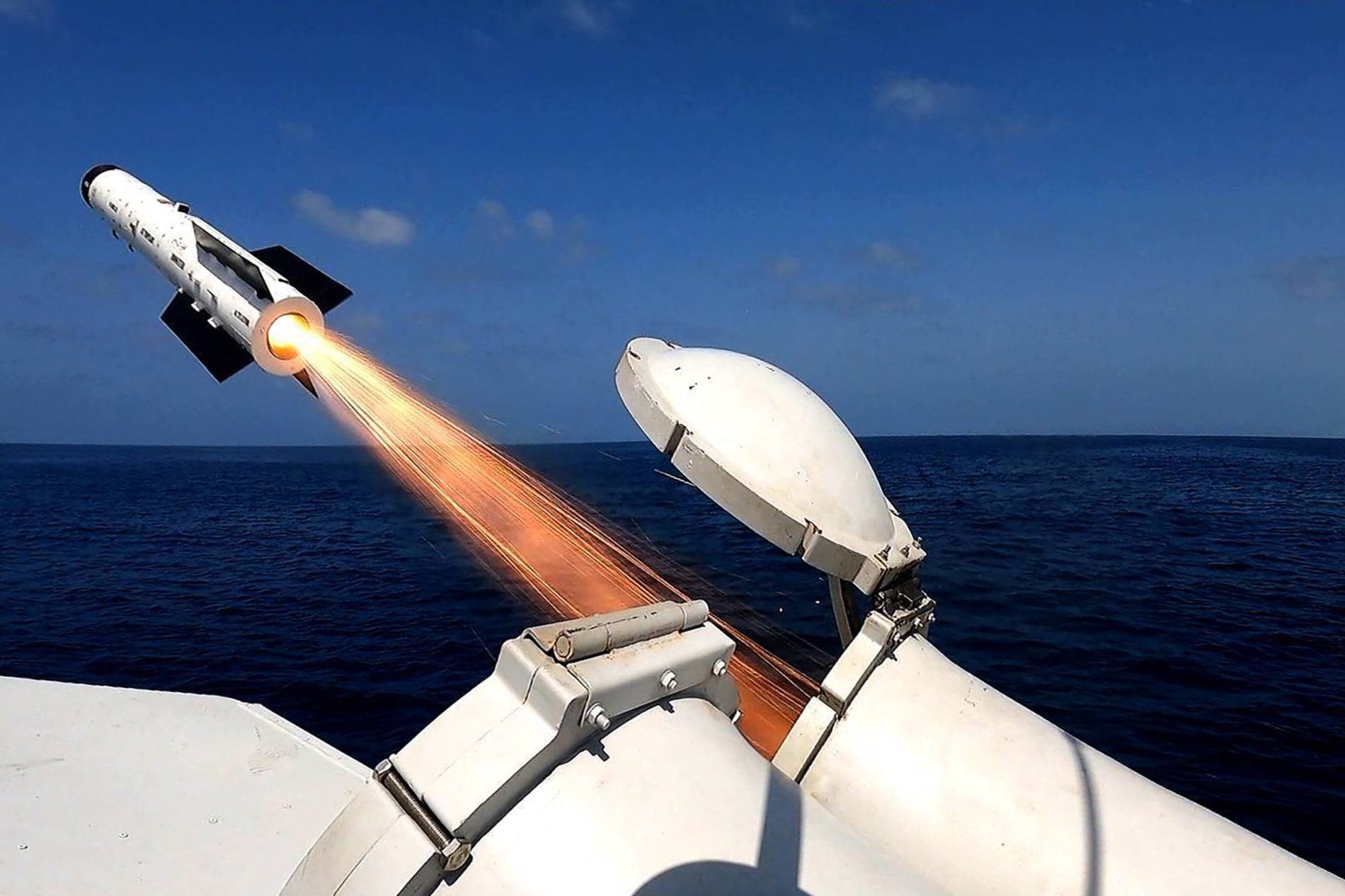
This handout picture provided by Iran's Islamic Revolutionary Guards Corps (IRGC)'s official website, Sepahnews, on 24 January 2025, shows a missile firing from a gunboat during a military drill in the Gulf and southern Iran.
Another component of Iran's strategy involves swarm tactics, in which large numbers of small, fast boats approach larger vessels simultaneously. This overwhelms a ship's defensive systems and creates uncertainty about which vessels might pose a threat. Shore-based missile batteries positioned along Iran's southern coastline add another layer of risk. Anti-ship missiles deployed on land or on nearby islands can reach deep into the shipping lanes of the strait.
For outside powers, protecting shipping through Hormuz therefore presents a complex operational challenge. Naval escorts, mine clearing, surveillance systems, and air support all help, and most analysts agree that permanently closing the strait would be extremely difficult (it would also harm Iran's own economic interests), but even a temporary disruption is enough trigger significant price spikes and economic uncertainty, which has been seen in recent days.
Looking ahead
Despite the rise of renewable energy and the diversification of global energy supplies, the Strait of Hormuz will remain strategically important for some time because oil and natural gas remain an important part of the global energy system, essential for transportation, petrochemicals, and electricity generation. Although there are other energy exporters, the Gulf has some of the world's largest and lowest-cost hydrocarbon reserves, so remains key to the supply of global markets.
As economies such as China's and India's continue to expand, their dependence on imported hydrocarbons from the Gulf is not expected to wane, but barring a seismic political shift within Iran, the Gulf's security environment will remain challenging. For the time being, the Strait of Hormuz shows no sign of relinquishing its unwanted title of world's most important geopolitical flashpoint.
For policymakers, energy companies, and shipping operators alike, the strait represents a reminder that the global economy still depends on the uninterrupted functioning of a few narrow passages through which critical resources must flow. In that sense, Hormuz is not just a geographical feature. It is a strategic hinge on which the stability of global energy markets continues to turn.