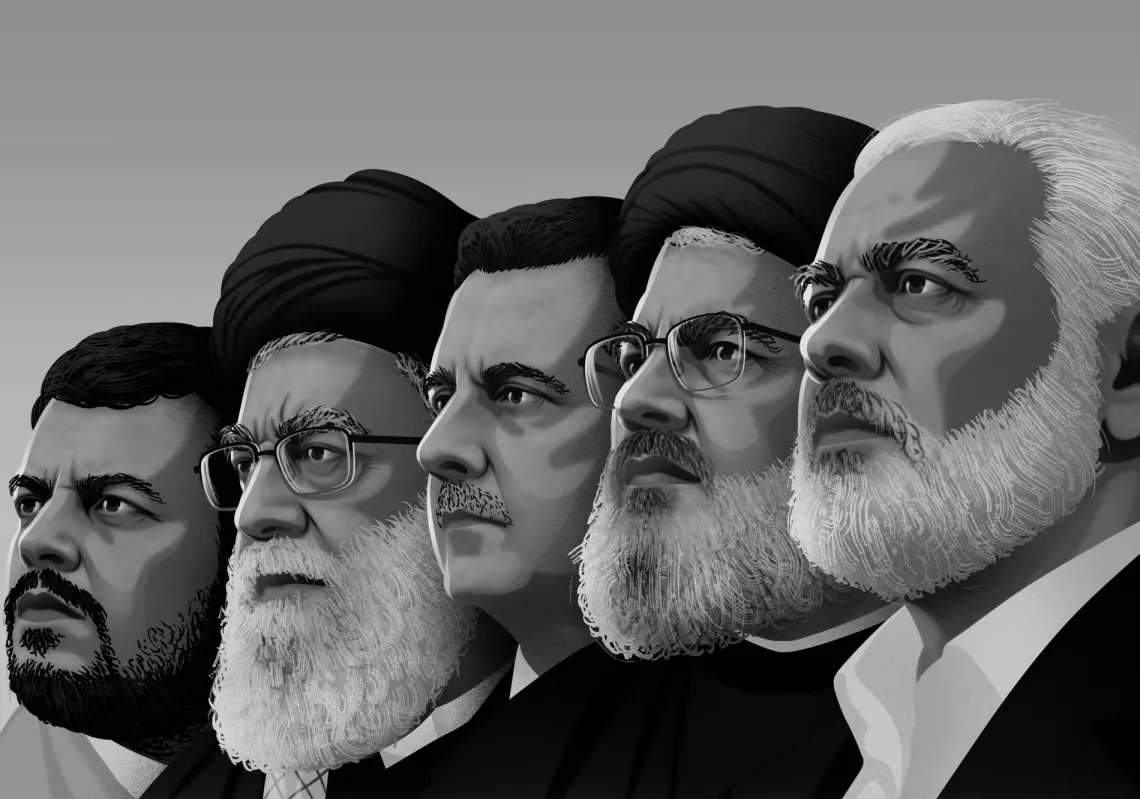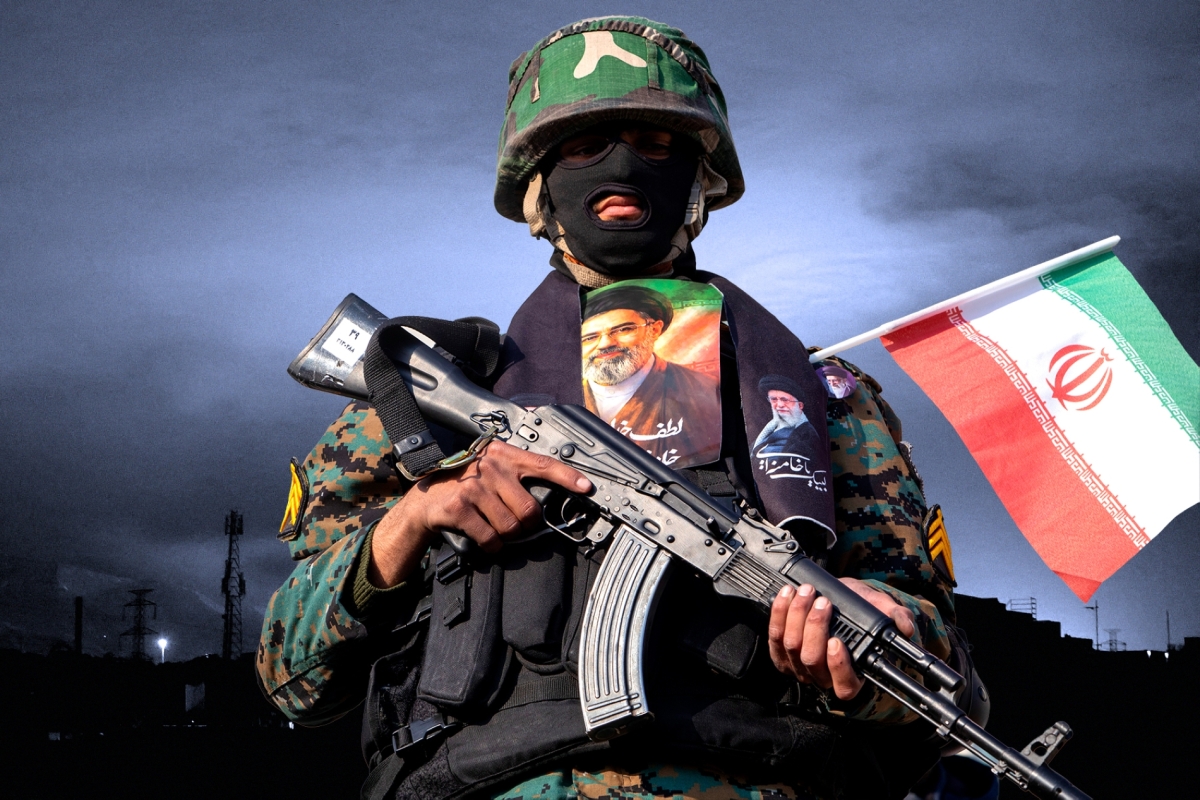

Leadership decapitation has long appealed to outside powers as a shortcut to regime collapse. Remove the figure at the top, the theory goes, and an authoritarian system will fracture under the weight of its own rivalries. That is not what has happened in Iran, at least not so far.
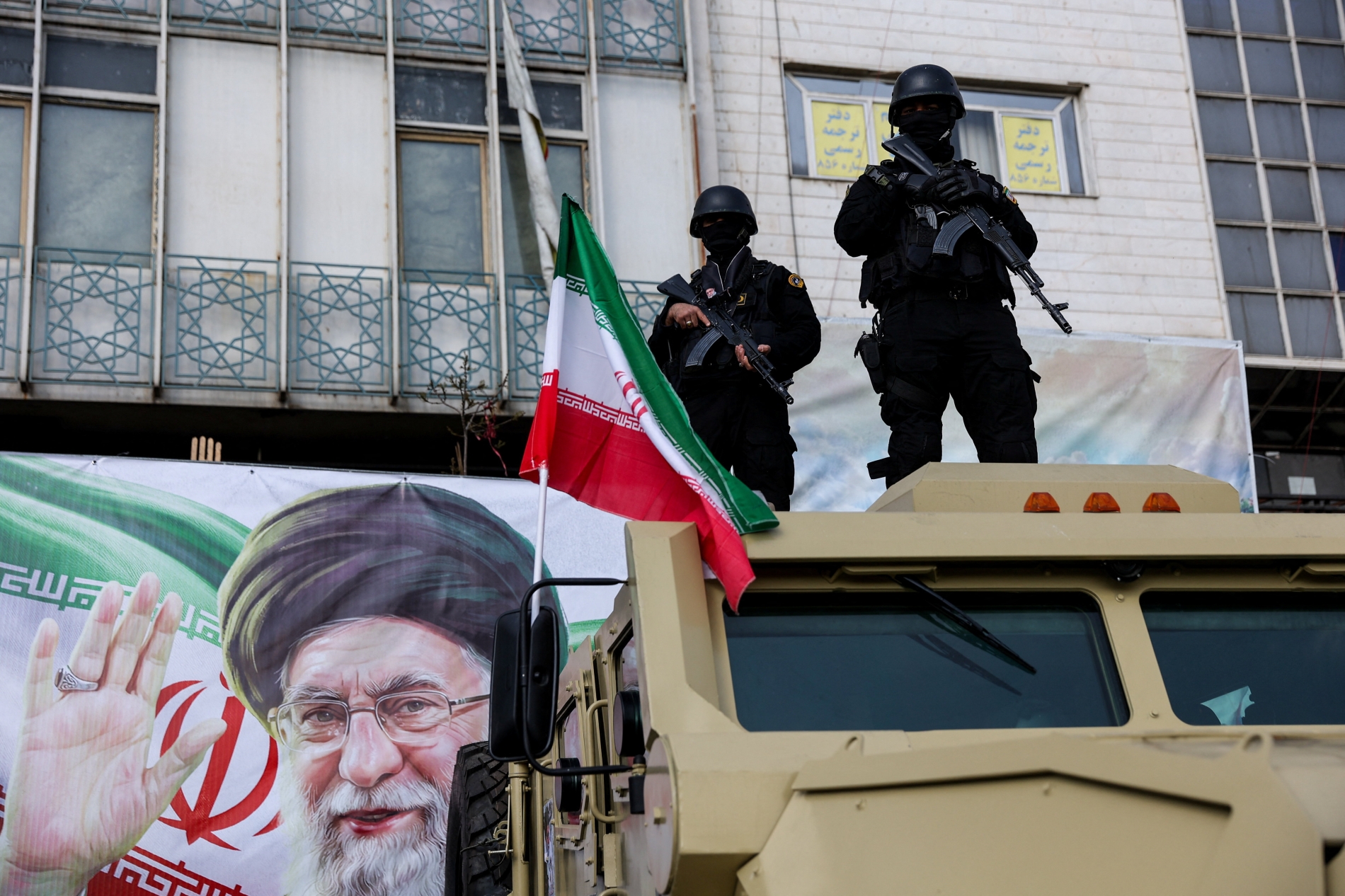
Following the killing of Ali Khamenei in the opening days of the US-Israeli war on Iran, the regime moved quickly to elevate his son, Mojtaba, to the position of supreme leader. However, the more important development wasn't the succession itself; it was the further consolidation of power by the Islamic Revolutionary Guard Corps (IRGC)—the one institution built to operate precisely under these conditions of war, disruption, and fear. US intelligence assessments judge the regime likely to remain in place for the moment, weakened but more hardline, with the IRGC exercising greater control.
On 18 March, US Director of National Intelligence Tulsi Gabbard testified at a congressional hearing in the first public briefing on intelligence since the war began in late February that "the IC (intelligence community) assesses the regime in Iran appears to be intact, but largely degraded due to attacks on its leadership and military capabilities," she said.
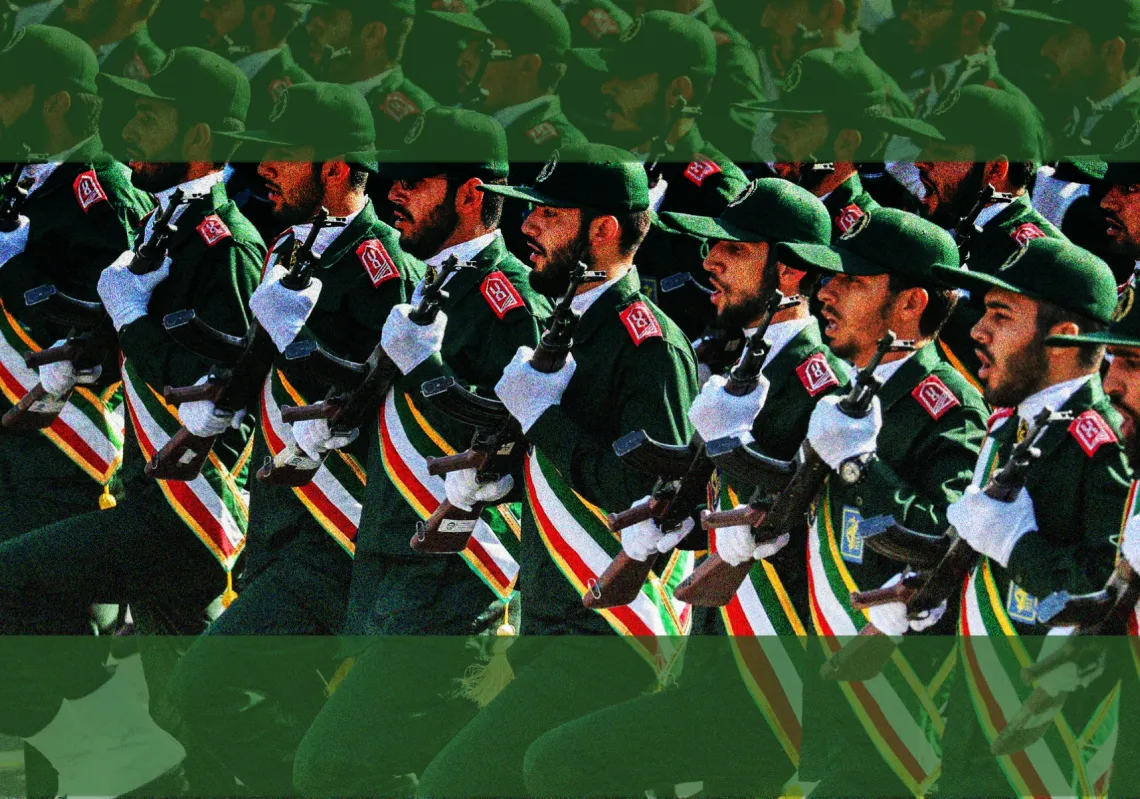
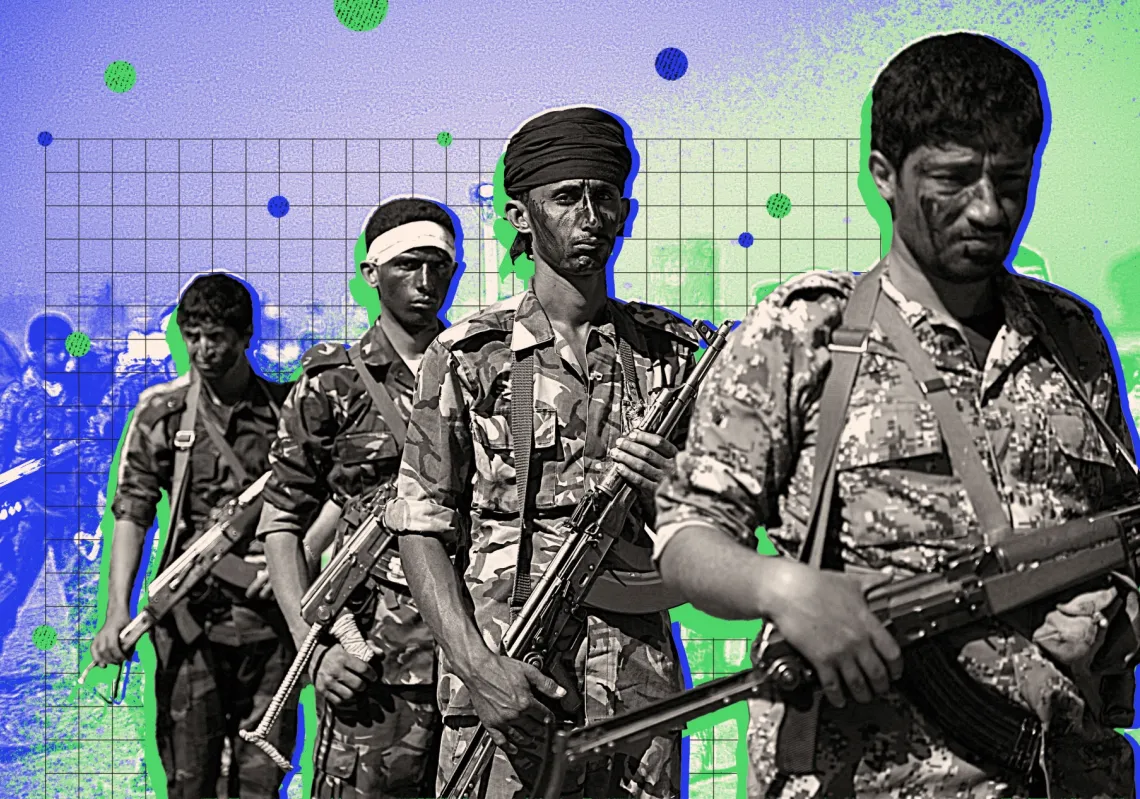
While Mojtaba may occupy the office of Supreme Leader, under wartime conditions, it is the IRGC that controls the instruments that matter most: coercion, internal security, missile and drone networks, key economic assets, and the command structure required to keep the state standing while bombs fall.
Even before the war, the IRGC had become the backbone of the Islamic Republic. The war has merely stripped away any remaining ambiguity. The Islamic Republic today is best understood less as a clerical republic than as a security state with clerical cover.
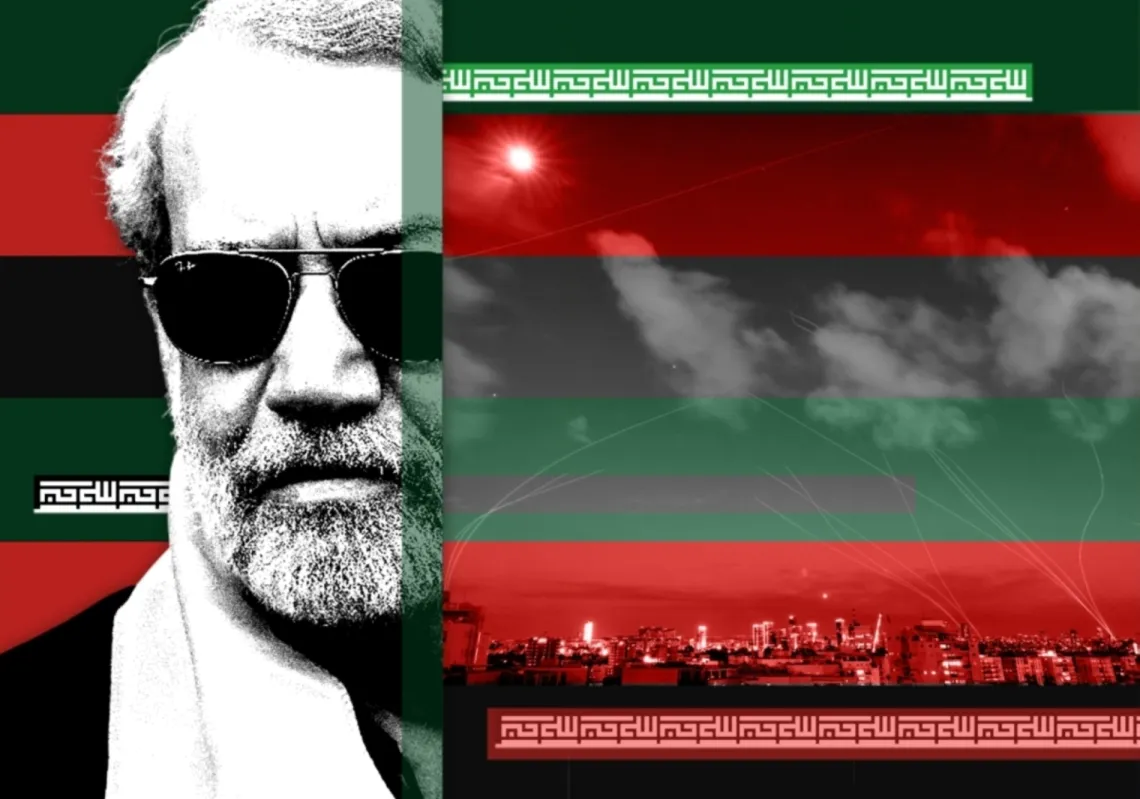
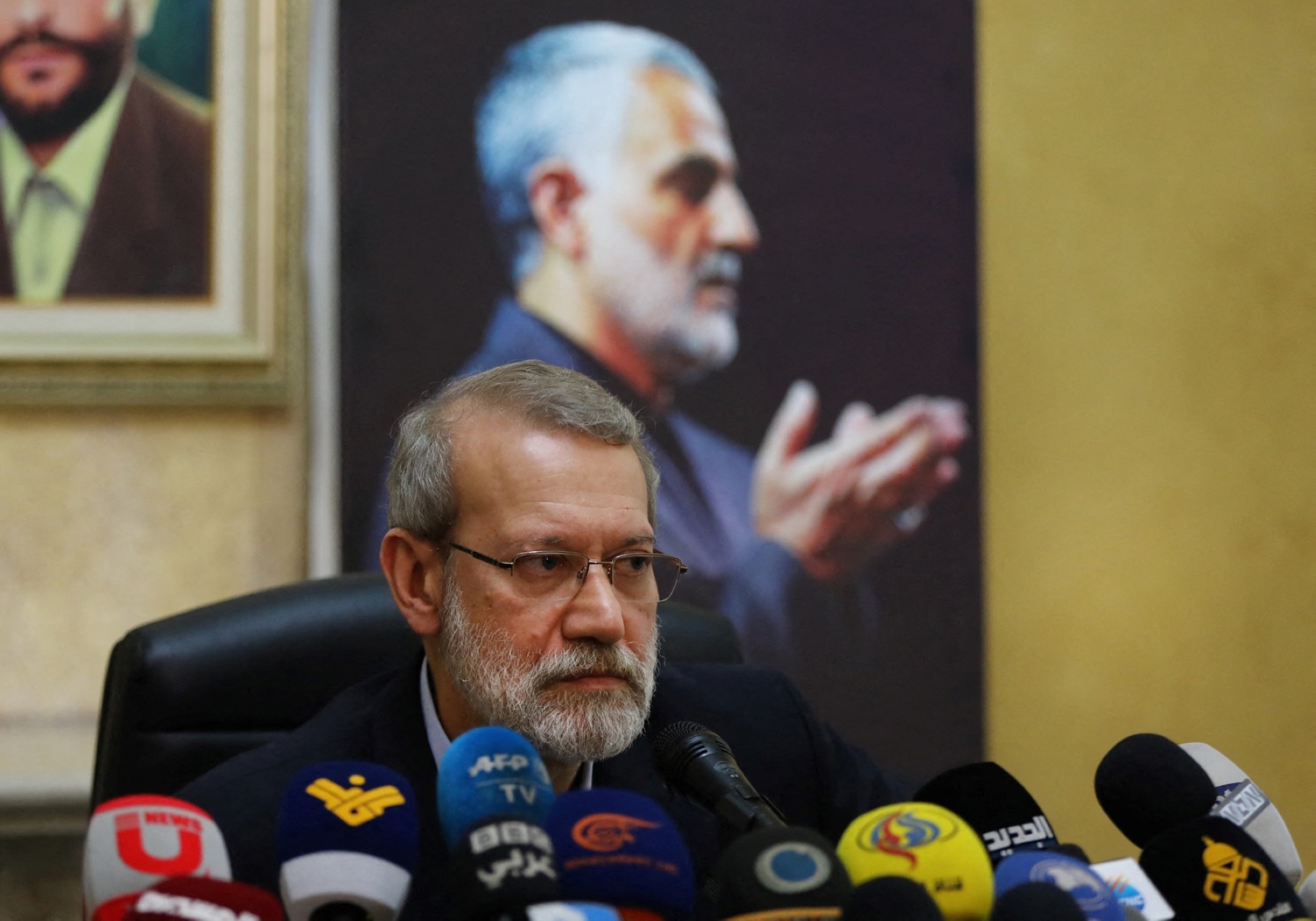
The killing of Ali Larijani, secretary of Iran’s Supreme National Security Council, will only deepen that trend. Larijani was not a liberal or a reformist; he was a pillar of the system, implicated in repression and long identified with the regime’s survival. But he also represented something the wartime order increasingly lacks: a politically seasoned bridge figure who could move between the security apparatus, the clerical establishment, and the technocratic governing world. His death will not create moderation; it will further thin the layer of insiders capable of balancing military imperatives with statecraft.
For now, no other centre of power can seriously challenge the IRGC. The opposition remains fragmented. There are no visible elite defections of the kind that typically precede authoritarian breakdown. And despite the damage inflicted by sustained US-Israeli strikes, the security services continue to project control at home.
Reporting from inside Iran suggests an atmosphere of armed checkpoints, plainclothes patrols, mass arrests, internet blackouts, and explicit warnings that protests will be met with lethal force. The system may be battered, but it is still capable of frightening society into paralysis. More than 500 people have reportedly been arrested since the start of the war on 28 February, and the crackdown appears designed precisely to prevent the emergence of any protest wave that outside powers had hoped decapitation might trigger.
The limits of force
Yet this is where the regime’s apparent strength begins to shade into strategic weakness. While the IRGC can still control, it is much less clear whether it can effectively govern.
The guards know how to fight a war, suppress dissent, and preserve the core of the regime, but they do not have a convincing answer to the problem that will increasingly define Iran’s short-term future: what happens when the state’s ability to deliver basic services and basic security begins to erode in earnest?
War may simplify politics for a time by silencing debate and rewarding cohesion. But it also destroys infrastructure, disrupts economic life, strains logistics, and widens the gap between the state’s coercive power and its administrative capacity. Even sympathetic accounts from inside the regime now emphasise endurance and resistance over recovery or governance. That is telling. A security institution can keep a regime alive, but it cannot, by itself, make daily life livable for 93 million people.
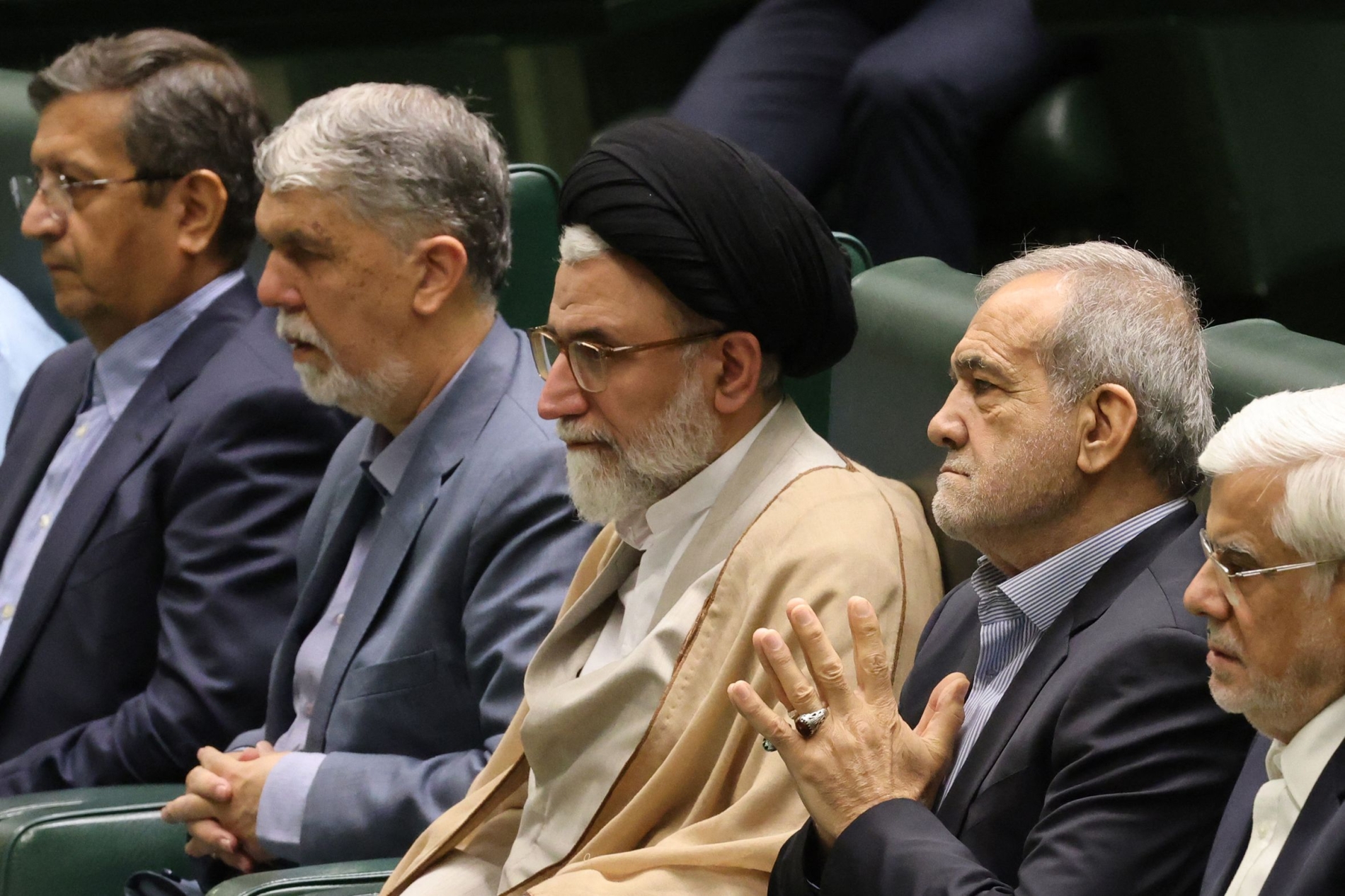
This is the issue that seems to separate the hard-line wartime camp from the technocratic-administrative camp represented, however weakly, by President Masoud Pezeshkian and others around him. The technocrats do not appear to have a coherent political project strong enough to challenge the IRGC. Nor do they command an independent constituency capable of imposing themselves on the system from below.
But they do understand something the IRGC may not fully grasp: repression is not a substitute for governance indefinitely. If electricity shortages worsen, if water systems fail, if salaries go unpaid, if fuel distribution falters, if urban insecurity rises, and if war displacement and inflation continue to deepen, public anger will accumulate in ways that even a fearful society cannot absorb forever.
The question, then, is not whether Pezeshkian or other pragmatic forces can outmuscle the IRGC. They cannot. The real question is whether they can become indispensable to it.
Burden sharing
There are reasons to think they might. One is simple necessity. Running a war economy, stabilising supply chains, managing damaged infrastructure, and preventing social breakdown require bureaucratic competence, not just ideological fervour.
Another is political cover. The IRGC may prefer to rule through a narrow security coalition, but if conditions deteriorate sharply, it will need civilians to share the burden of decision-making and the blame for failure.
A third is elite self-preservation. Many within the establishment, even those loyal to the system, may conclude that a purely militarised order is sustainable only for a short emergency period. With Larijani gone, that pressure may grow, because one more intermediary figure capable of translating between camps has been assassinated.